For live availability and current prices, start with our RV Rental South America - Complete Guide 2026 guide.
In This Guide
- Where to Camp in South America — Top Options
- Campground Types in South America (National, Private, Wild)
- Featured RV Park or Campground in South America
- Hookups & Amenities — What to Expect
- Booking Windows & Reservations in South America
- Nearby Supermarkets & Resupply Points
- Best RV Class for Camping in South America
- How to Save on Campgrounds in South America
- What is the 3-3-3 rule for RV travel?
- What is the 333 rule for campervan?
- What is the 444 rule for RV?
- Can you RV in South America?
- Which countries are RV friendly?
- Which country in South America is considered the safest for backpacking?
- How much does a 1 month trip to South America cost?
- What is the prettiest South American country?
- What is the best month to travel to South America?
Where to Camp in South America — Top Options
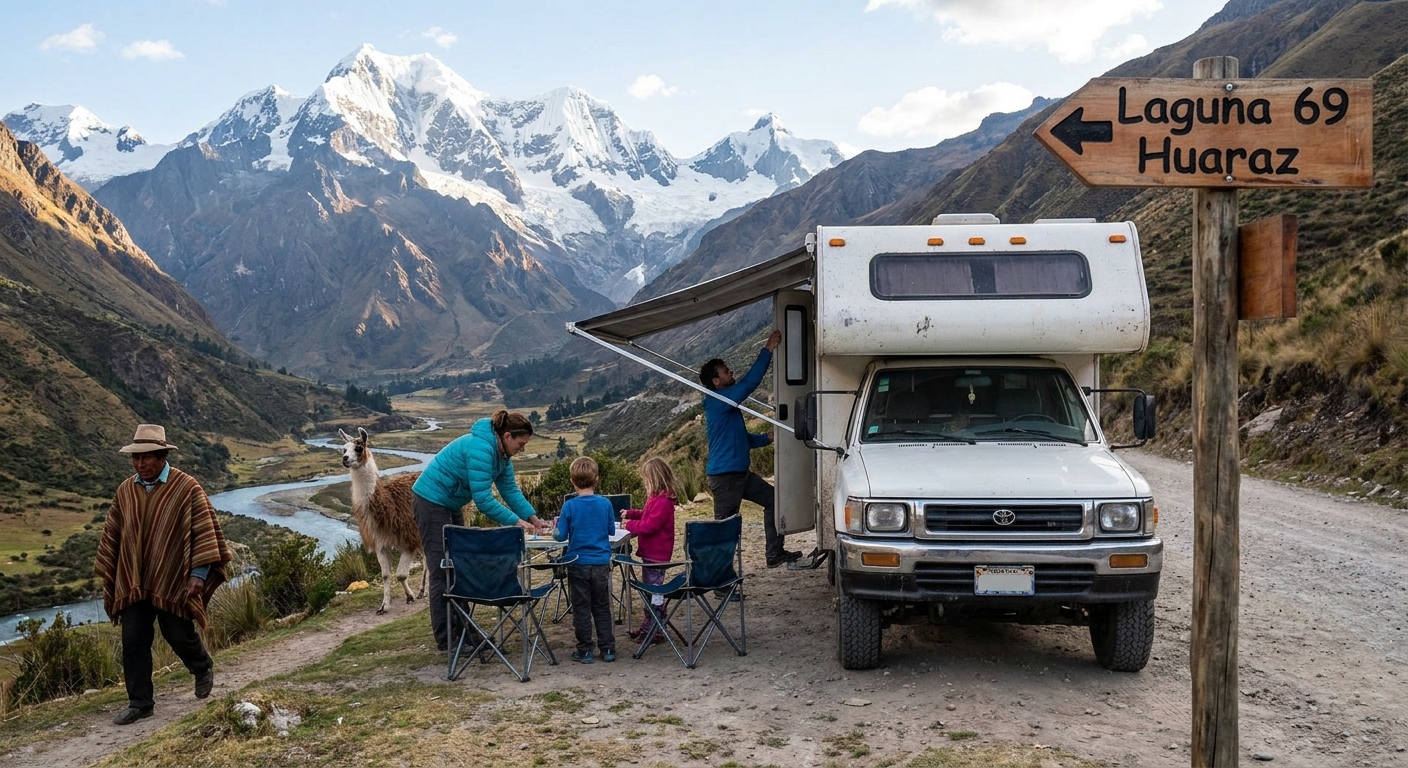
South America offers a breathtaking array of camping experiences for RVers, from the rugged, established private parks in popular tourist regions like Patagonia and along Brazil's stunning coastline, to the more adventurous, wild camping opportunities found in the remote reaches of the Andes and the Amazon. Patagonia, spanning Argentina and Chile, is renowned for its dramatic landscapes and provides a selection of well-maintained private and national park campgrounds. Along Brazil's extensive coastline, particularly in states like Santa Catarina and Rio de Janeiro, you'll find numerous beachside camping spots perfect for a relaxing getaway. The Andean regions across Peru, Ecuador, and Bolivia present unique high-altitude camping, often more primitive but offering unparalleled immersion in natural beauty. When planning your weekend RV rental in South America, consider these diverse regions based on your preferred adventure: whether it's scenic drives through dramatic mountain passes, deep cultural immersion in ancient villages, or pure wilderness exploration.
Campground Types in South America (National, Private, Wild)
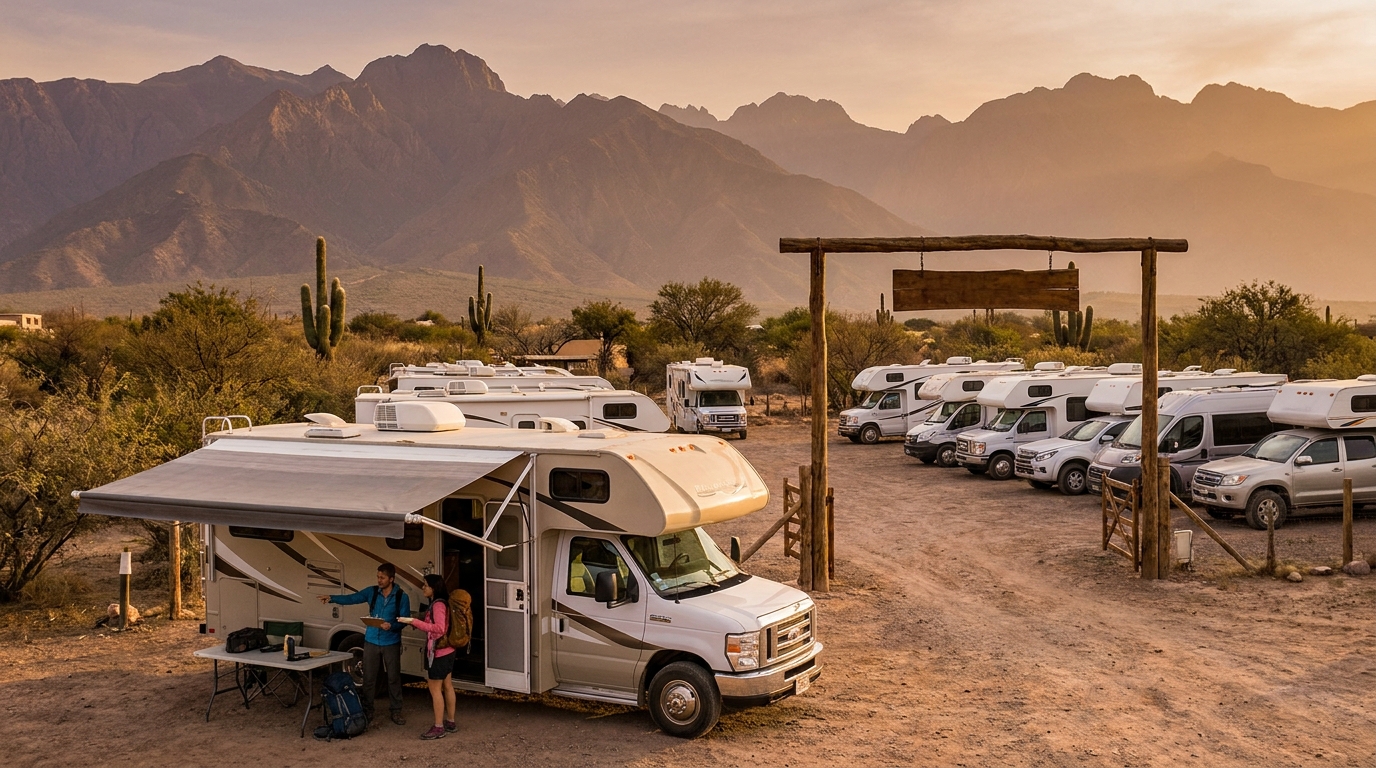
When you're planning your RV adventure, understanding the types of campgrounds available in South America is key. You can choose from National Park campgrounds, which are often basic but spectacularly scenic; private campgrounds that offer more amenities and enhanced security; or embrace the spirit of adventure with wild camping, which is widely tolerated and sometimes the only option in remote regions. National Park campgrounds typically provide essential facilities like pit toilets and may lack electrical hookups, prioritizing immersion in nature. Private campgrounds, usually found near towns or popular attractions, offer a wider range of amenities such as showers, electricity, and sometimes Wi-Fi, providing added comfort and security. Wild or freedom camping is a common and often necessary practice in less developed areas. For safe and respectful wild camping, it's crucial to understand local regulations and seek advice from fellow overlanders via apps like iOverlander. For live availability and current prices for your South American RV rental, start with our RV PLANET routes.
Featured RV Park or Campground in South America
While dedicated RV park infrastructure is less common in South America compared to North America or Europe, you can still find excellent options. When selecting a campground for your rented RV, look for secure perimeters, ideally fenced or guarded, to ensure your vehicle and personal safety. Essential services like reliable water access, waste dump stations, and at least some electrical hookups are important considerations. For example, campgrounds near national parks in Argentina or along the coast of Chile often provide these amenities. Checking reviews from other overlanders on community platforms like iOverlander can also point you towards quality establishments. Always consider accessibility for your specific RV size and proximity to key attractions or resupply points for a smooth journey. On the routes offered through RV PLANET routes, you can itemize and track every expense along the way for easy budgeting.
Hookups & Amenities — What to Expect
When it comes to RV camping in South America, be prepared for a different experience regarding hookups and amenities. You'll generally find fewer full hookups compared to other continents. Electricity is commonly available in private parks, typically supplied at 220V with European-style plugs, so bringing appropriate adapters for your rented RV is essential. Potable water sources can vary significantly, making a reliable water filtration system or purchasing bottled water advisable. Dedicated dump stations for grey and black water are less common outside of major private campgrounds, reinforcing the need for self-sufficiency, especially if you're planning to explore more remote areas with your weekend RV rental. Wi-Fi connectivity is often spotty and usually limited to private campgrounds or town cafes, highlighting the importance of local SIM cards for consistent communication and navigation. Showers and laundry facilities are primarily available in private campgrounds, and sometimes showers may be cold or require an additional fee. For travelers exploring on a budget, understanding these variations will help you plan a more comfortable and enjoyable trip.
Booking Windows & Reservations in South America
For those planning weekend RV rentals in South America, securing reservations for popular private campgrounds is highly recommended, especially during peak seasons like summer (December-February) or major holidays. Many national park sites and smaller, more rustic establishments, however, operate on a first-come, first-served basis. It's wise to book private campground spots well in advance, particularly for short weekend trips when desirable destinations can fill up quickly. For national parks and more remote camping areas, a first-come, first-served system is common, with many sites only releasing a portion of their spots for prior reservation. Rest assured, you'll almost certainly find a place to camp. If your first choice campground is full, the next one along your route is likely to have availability, offering flexibility for spontaneous travelers. However, for weekend trips where time is precious and planning is crucial, always call ahead to confirm availability before driving to a campsite.
Nearby Supermarkets & Resupply Points
Resupplying your rented RV in South America typically involves navigating a network of major supermarket chains and smaller local markets. In larger cities and towns, you'll find reliable options like Jumbo, Carrefour (prominent in Argentina and Brazil), Cencosud (common in Chile and Argentina), and Exito (in Colombia) for stocking up on essentials. These larger chains offer a wide variety of groceries, from non-perishables to fresh produce and household items. For a more authentic experience and to find fresh, often organic, produce, local meats, and regional specialties at competitive prices, explore the smaller local markets and 'tiendas' (corner stores) scattered throughout even rural areas. It's always wise to fully stock up on non-perishable food, water, and any specialized RV supplies in larger towns before venturing into more remote regions where options become scarce. If you're using RV PLANET routes, you can easily itemize and track every expense along the way for seamless budgeting.
Best RV Class for Camping in South America
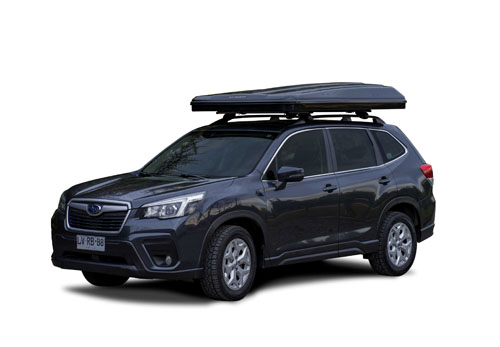
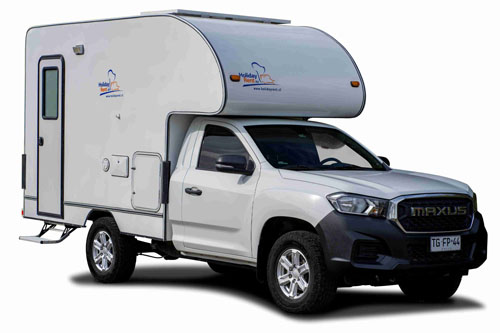
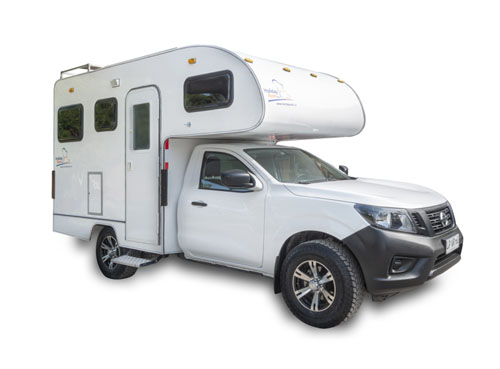
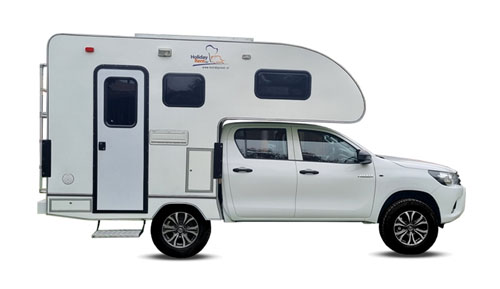
When selecting an RV class for your South American adventure, smaller and more robust vehicles are generally recommended. Classes like the Class B Camper Van or Class SI - Semi-integrated RVs, like Bandana's "Patagonia Camper 4x4 double cab" or the "hire campervan example Paradise S/T", offer superior maneuverability on varied terrain. This is crucial for navigating potentially narrow roads and accessing more remote camping spots, often aligning with a boondocking-focused travel style. Class B Camper Vans, averaging around 5.8 meters in length in Bandana's fleet, typically consume 8-10 Liters/100 km, making them ideal for exploring diverse South American landscapes. Class SI - Semi-integrated RVs, usually around 6.9 meters long with fuel consumption averaging 10-11 Liters/100 km, offer a good balance of living space and compactness. Larger Class C Alcove (averaging 7.5m) and Class A Integrated (also around 7.5m) RVs might present challenges with narrower roads, lower clearances, and limited parking or dedicated campground spaces. Prioritizing self-sufficiency features like solar panels and larger water tanks is often more beneficial than relying solely on hookups, given the sparser infrastructure for RVs in many parts of South America.
How to Save on Campgrounds in South America
To make your South American RV camping experience more budget-friendly, several strategies can significantly reduce accommodation costs. Leveraging any available discount cards (which your rental provider, like Bandana, might offer) is a great first step. Opting for municipal or national park sites is another excellent way to save, as these are often considerably cheaper or even free compared to private resorts, though they typically provide more basic amenities. Embracing responsible wild camping where permitted and safe can eliminate accommodation costs entirely, requiring you to be self-sufficient and respectful of the local environment. Consider traveling during the shoulder seasons, such as spring or autumn in the southern regions, to take advantage of lower prices and fewer crowds, which generally offer better value for your overall RV adventure.
What is the 3-3-3 rule for RV travel?
The 3-3-3 rule for RV travel is a widely adopted guideline that promotes a more relaxed, safer, and immersive travel pace. It advises travelers to aim to stop driving by 3 PM, limit daily travel to no more than 300 miles (approximately 480 km), and stay at least 3 nights in each location. Stopping by 3 PM ensures you have ample daylight to find a suitable campsite, set up your rented RV, and unwind before nightfall, which is particularly beneficial in unfamiliar South American environments with variable lighting and infrastructure. Limiting daily travel to 300 miles helps prevent driver fatigue, allows for spontaneous stops to appreciate scenic routes, and accounts for potentially slower road conditions common in South America. The recommendation to stay at least 3 nights encourages deeper exploration of an area, minimizes the repetitive tasks of setting up and breaking down camp, and provides valuable rest and relaxation. This rule is especially practical for RV travel in South America, where road quality can vary, and unexpected attractions or delays might alter your schedule, ultimately prioritizing enjoyment and safety over speed.
What is the 333 rule for campervan?
The 3-3-3 rule for campervan travel is identical to the RV guideline, recommending that you stop driving by 3 PM, cover no more than 300 miles (approximately 480 km) daily, and stay at least 3 nights at each chosen destination. This approach promotes a mindful travel pace that significantly enhances safety and reduces stress, particularly when navigating unfamiliar territories. Campervans, like Bandana's compact Class B models, are exceptionally well-suited to the 3-3-3 rule due to their ease of maneuverability and smaller size, simplifying the process of finding and setting up camp by 3 PM. Adhering to this rule helps campervan travelers avoid driving in the dark, a crucial safety measure on South America's often unlit and unpredictable roads. The '3 nights stay' aspect allows campervan users to fully experience destinations without constantly being on the move, aligning perfectly with a relaxed, immersive travel style. For comparison, consider the "Can you RV in South America?" guide to understand vehicle suitability.
What is the 444 rule for RV?
The 4-4-4 rule for RV travel is an alternative to the 3-3-3 rule, suggesting a slightly faster pace while still prioritizing safety and exploration. It recommends driving no more than 400 miles (approximately 640 km) in a day, stopping by 4 PM, and staying at least 4 nights at each destination. This rule provides a bit more flexibility for travelers who wish to cover longer distances, allowing for up to 400 miles of driving per day. Stopping by 4 PM still ensures daylight for campsite setup, offering a slightly larger buffer than the 3 PM stop of the 3-3-3 rule. The recommendation to stay 4 nights encourages an even deeper dive into local attractions and culture, offering more extended periods of rest and reducing the frequency of packing and unpacking. While the 4-4-4 rule offers a quicker pace, for RV travel in South America, the more conservative 3-3-3 rule is often more practical due to varying road quality and the desire for more relaxed exploration, especially on a weekend rental.
Can you RV in South America?
Yes, RV travel in South America is entirely possible and offers an incredibly rewarding adventure, though it demands extensive planning. Key considerations include vehicle preparation, navigating border crossings, ensuring personal and vehicle security, and adapting to a less developed infrastructure compared to North America or Europe. Road conditions in South America can vary dramatically, ranging from well-maintained highways to unpaved, potholed, or rough tracks. This necessitates a suitable RV type, such as a Class B Camper Van or a Class SI Semi-integrated vehicle, for optimal maneuverability. Navigating border crossings requires detailed knowledge of necessary vehicle documents, such as temporary import permits (while a Carnet de Passage is less common for rentals, it's important for privately owned vehicles), and patience when dealing with local officials. Comprehensive safety and security advice is crucial; this includes tips on personal safety, securing your vehicle, avoiding common scams, and preparing for emergencies. Securing vehicle insurance valid across multiple countries and comprehensive travel insurance with medical evacuation coverage are essential components for a smooth South American RV journey.
Which countries are RV friendly?
While RV friendliness varies across the continent, Argentina, Chile, and parts of Brazil are generally considered the most accommodating countries in South America for RV travel. These nations benefit from more established tourist routes, relatively better infrastructure, and a greater number of available services and camping options catering to RVers. Argentina and Chile, particularly their Patagonia regions, offer well-trodden tourist paths, a developing network of campgrounds, and a strong community of overlanders, making them highly accessible. Brazil's extensive coastline is also popular for RVing, with numerous beach towns providing various camping facilities, though infrastructure quality can differ significantly by region. Uruguay is often praised for its political stability, overall safety, and relatively good infrastructure, making it a smaller yet very pleasant option for RV travelers. While countries like Peru, Ecuador, and Colombia offer incredible experiences, their mountainous terrain and less developed RV infrastructure present greater challenges, making them more suitable for experienced overlanders with smaller, more rugged vehicles.
Which country in South America is considered the safest for backpacking?
When considering safety for RV travelers in South America, Uruguay and Chile consistently rank among the safest countries, offering political stability, lower crime rates, and reliable tourist infrastructure. These factors contribute to a secure environment for exploring, whether you're backpacking or navigating in a rented RV. Uruguay, in particular, is known for its stability, low crime rates, and relaxed atmosphere, which extends positively to its tourist services and facilities. Chile is recognized for its strong rule of law, modern infrastructure, and efficient emergency services, solidifying its high safety ranking for both backpackers and RVers alike. Parts of Argentina, especially in the south like Patagonia, also maintain high levels of safety, benefiting from established tourism and a welcoming local population. While safety perceptions can be dynamic, choosing destinations with higher stability can significantly enhance peace of mind for RV travelers, especially when navigating unfamiliar roads and planning overnight stays.
How much does a 1 month trip to South America cost?
A 1-month RV trip to South America can vary significantly in cost. Budget-conscious travelers opting for wild camping and self-catering might estimate expenses between $2,000 and $4,000 USD. For those preferring private campgrounds, dining out more frequently, and undertaking extensive touring, costs could range from $5,000 to $8,000+ USD, excluding the RV rental itself. Fuel is a major expense; costs vary by country, and a Bandana Class SI - Semi-integrated RV, for example, typically consumes 10-11 Liters/100 km. Budgeting $1,000-$2,000+ USD for fuel alone over a month, depending on mileage, is realistic. Accommodation costs can range from free (for wild camping) to $5-20 USD per night for national park sites, and $20-50 USD per night for private campgrounds with amenities. Food expenses can be managed by self-catering, costing approximately $15-30 USD per day, or can significantly increase with dining out ($50+ USD per day). Additional costs include tolls, comprehensive vehicle and travel insurance (essential for medical evacuation), national park entry fees, and a crucial contingency fund of 10-20% for unexpected expenses or repairs.
What is the prettiest South American country?
While beauty is subjective and South America offers a vast tapestry of stunning landscapes, many travelers consider countries like Chile, Argentina, and Peru exceptionally beautiful. These nations boast diverse scenery, from Patagonia's dramatic glaciers and the stark allure of the Atacama Desert to the majestic peaks of the Andes and the lush biodiversity of the Amazon rainforest. Chile presents dramatic contrasts, from the arid Atacama Desert in the north to the glacial landscapes of Patagonia in the south, complemented by the picturesque Lakes District and the imposing Andes. Argentina features iconic natural wonders such as Iguazu Falls, the vast Pampas plains, Mendoza's renowned wine regions, and its share of breathtaking Patagonian wilderness. Peru is home to the ancient marvels of Machu Picchu, the Sacred Valley, towering Andean peaks, and a significant portion of the biodiverse Amazon rainforest, offering a rich cultural and natural spectacle. These countries provide incredible scenic drives and access to natural wonders that are perfectly suited for RV exploration, allowing travelers to truly immerse themselves in diverse and awe-inspiring environments.
What is the best month to travel to South America?
The optimal time to travel to South America by RV hinges significantly on the specific region you plan to explore, given the continent's vast latitudinal span and diverse climates. Generally, the months between December and February are ideal for visiting Patagonia and the southern regions, offering pleasant weather for exploration. Conversely, June to August is typically the best period for the Andean countries like Peru and Ecuador, as this timeframe avoids their respective rainy seasons and offers clearer skies for high-altitude adventures. Travel to Brazil's varied regions also depends on the specific destination; its tropical northeast is pleasant year-round, while southern Brazil aligns with the seasons of Argentina and Chile. The Amazon Basin experiences its dry season roughly from July to December, which facilitates easier access and enhances wildlife viewing opportunities. Aligning your RV trip dates with the specific destination's dry or shoulder season is crucial for experiencing the best weather, ensuring accessibility, and optimizing your overall RV camping experience, thereby maximizing enjoyment and minimizing logistical challenges.
What You Shouldn't Miss
- Drive the Carretera Austral in Chile: Experience the raw beauty of Patagonia on this legendary route, offering dramatic glaciers, fjords, and temperate rainforests, with ample opportunities for wild camping.
- Explore Patagonia's Glacial Lakes: Camp near the stunning glacial lakes of El Calafate (Argentina) or Torres del Paine National Park (Chile), waking up to breathtaking mountain vistas.
- Camp on the Bolivian Salt Flats: For the truly adventurous, overnighting on the Salar de Uyuni offers an otherworldly experience, but requires careful planning and RV preparation for the unique conditions.
- Experience Brazil's Coastal Camping: Find idyllic beachside campgrounds along the Brazilian coast, particularly in the south, offering a perfect blend of relaxation and natural beauty.
- Navigate the Andes by RV: Traverse high-altitude passes in Peru or Bolivia, stopping at charming mountain villages and enjoying unparalleled scenic drives, remembering to acclimatize properly.
- Discover Ushuaia, Argentina: Drive your rented RV to the southernmost city on Earth for a truly unique sense of accomplishment and stunning views of the Beagle Channel.