In This Guide
- Where to Camp in North Europe - Top Options
- Campground Types in North Europe (National, Private, Wild)
- Featured RV Park or Campground in North Europe
- Hookups & Amenities - What to Expect
- Booking Windows & Reservations in North Europe
- Nearby Supermarkets & Resupply Points
- Best RV Class for Camping in North Europe
- How to Save on Campgrounds in North Europe
- What is the 3-3-3 rule for RV travel?
- Can you park a motorhome anywhere in Europe?
- Is Europe RV friendly?
- Where in France can we stop for the night in a campervan?
- Is RVing a thing in Europe?
- Which European country has the best campsites?
- What is the 333 rule for campervan?
- What is the 444 rule for RV?
- What is the 2 2 2 rule for camping?
- How can I book camping in Europe?
- What You Shouldn't Miss
- Why Book with Bandana Caravan
- Final Thoughts
- Frequently Asked Questions
Exploring North Europe by rented RV is an unforgettable adventure, offering unparalleled freedom to discover stunning fjords, serene lakes, and vibrant cities at your own pace. Whether you're planning a quick getaway or an extended road trip, a rented motorhome serves as your mobile base, allowing you to immerse yourself fully in the region's diverse landscapes and rich culture. For live availability and current prices, start with our RV Rental North Europe - Complete Guide 2026 guide.
Renting an RV in North Europe gives you the flexibility to wake up to a new breathtaking view each day, from the dramatic coastlines of Norway to the tranquil forests of Sweden and Finland. Bandana is here to support you every step of the way, providing full transparency with no hidden fees and dedicated assistance before, during, and after your booking, ensuring your North European RV adventure is as smooth as possible.
Where to Camp in North Europe - Top Options
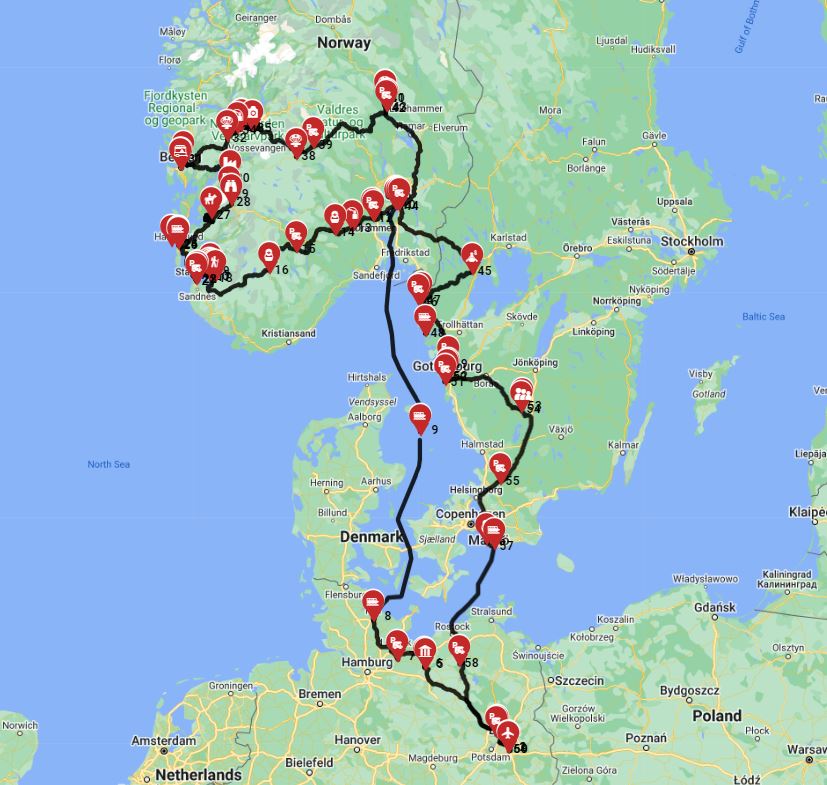
North Europe offers diverse camping experiences, ranging from coastal sites with stunning sea views to secluded forest pitches and lakeside retreats, often emphasizing natural beauty. In Norway, travelers can find breathtaking scenery around the fjords like Geirangerfjord or Lofoten, where numerous sites provide access to hiking and picturesque drives. Sweden boasts extensive options, particularly with its 'Everyman's Right' (Allemansrätten) for wild camping, alongside well-maintained private and municipal campgrounds scattered throughout its vast forests and along its extensive coastline.
Finland is renowned for its tranquil spots near its thousands of lakes, perfect for fishing and nature immersion, blending organized sites with opportunities for responsible wild camping. Denmark offers charming coastal campgrounds and family-friendly sites near its many islands and historic towns, with convenient access to amenities. Iceland provides unique camping experiences amidst volcanic landscapes and hot springs, requiring special consideration for weather conditions. The Faroe Islands and Greenland offer more rugged, adventurous camping for those seeking truly remote and dramatic scenery. You'll find specific details on regulations and booking for these regions in our RV Travel Guide to North Europe - Tips and Top Spots 2026.
Campground Types in North Europe (National, Private, Wild)
North Europe offers three primary campground types: National Park sites, private campgrounds, and wild camping, each with distinct rules and amenities. National Park sites provide access to pristine natural environments, often with basic facilities to preserve the landscape, and typically require reservations or have specific restrictions, particularly in protected areas like Sweden's Sarek National Park or Norway's Jotunheimen National Park. These sites usually have minimal hookups but offer unparalleled immersion in nature.
Private campgrounds are abundant across North Europe, offering a wide range of amenities from 16 Amp electrical hookups and hot showers (sometimes coin-operated) to restaurants and entertainment, especially popular in tourist-heavy regions. They are typically well-maintained, feature communal kitchens, and provide a comfortable base for families or those seeking more conveniences. Wild camping, or 'freedom camping,' is a significant aspect of North European RV travel, particularly in Nordic countries like Sweden, Norway, and Finland, thanks to 'Everyman's Right' (Allemansrätten), which legally permits temporary overnight stays in uncultivated land, provided you leave no trace and maintain distance from dwellings.
It's important to remember that while wild camping is permitted, it comes with the responsibility of leaving the site exactly as you found it. Always check local signs and regulations, as some areas, particularly cultivated land, private gardens, or nature reserves, may have stricter rules. For detailed information on specific camping laws per country, consult local tourism boards or your Bandana specialist.
Featured RV Park or Campground in North Europe
While specific data for a single featured RV park in North Europe is not universally available, travelers should prioritize sites that cater to local conditions, offering robust electrical hookups (typically 16 Amps, 230V), heated facilities, and reliable Wi-Fi, especially given potential weather variations. An ideal featured RV park in North Europe would emphasize stunning natural surroundings, such as coastal views in Norway or lakeside access in Finland, while providing modern conveniences for a comfortable stay. Many top sites also offer sustainable practices, aligning with North Europe's commitment to environmental preservation.
Look for campgrounds near local attractions or hiking trails, with additional amenities like communal kitchens, drying rooms for outdoor gear (crucial in wetter climates), and information centers for regional exploration. These facilities are especially appreciated during shoulder seasons or for preparing local catches. Examples include modern resorts near popular attractions like the Lofoten Islands in Norway, serene lakefront camping in the Finnish Lakeland, or family-friendly sites along Sweden's west coast, offering both natural beauty and essential services for an enjoyable rented motorhome experience.
Hookups & Amenities - What to Expect
In North European campgrounds, travelers can expect standard hookups including electricity, fresh water, and waste dump stations, though availability varies between private resorts and more basic national park sites. Electrical hookups typically provide 16 Amps (230V), requiring a standard European CEE 'blue' plug adapter for compatibility with most rental RVs. Fresh water taps are common, and grey/black water dump stations are usually available at most organized sites, often included in the nightly fee. On the routes offered through RV PLANET routes, you can itemize and track every expense along the way for easy budgeting.
Many campgrounds offer essential amenities such as modern toilet blocks, hot showers (sometimes coin-operated, so always carry small change), laundry facilities, and often Wi-Fi, though signal strength can vary, especially in remote locations. Beyond standard hookups, some North European sites, particularly in colder regions, might offer amenities like heated drying rooms for wet gear, saunas (a cultural staple, especially in Finland and Sweden), and communal kitchens for preparing meals and socializing. When considering ancillary costs beyond the RV rental itself, remember that on RV PLANET routes, travelers can itemize and track every expense along the way for easy budgeting.
Booking Windows & Reservations in North Europe
For a weekend RV rental in North Europe, particularly during the peak season of June-August and around major holidays, it is advisable to book popular campsites several months in advance. Many national park campgrounds and highly sought-after private sites in North Europe only release 25%-30% of their spots for advance reservations, with the remainder often allocated on a first-come, first-served basis. This system provides opportunities for both meticulous planners and spontaneous adventurers.
Spontaneous travelers generally have good success finding a spot, especially outside of peak season. If the first campground you target happens to be full, rest assured that the next one along the route is usually available. It is always recommended to call ahead to a campground before driving a significant distance, especially for weekend stays, to confirm availability and avoid disappointment. Planning ahead for your accommodation gives you peace of mind, but flexibility is key to enjoying the freedom of a rented motorhome trip in North Europe.
Nearby Supermarkets & Resupply Points
For resupply during a weekend RV rental in North Europe, travelers should look for major supermarket chains like Rema 1000, Kiwi, Coop, and ICA, which are widely available in towns and cities across the region. These supermarkets provide a comprehensive range of groceries, fresh produce, and other essentials, making them ideal stops for stocking your RV kitchen. Imagine preparing a delicious meal with fresh, local ingredients right in your rented motorhome!
In more remote areas, smaller local shops or petrol stations may offer limited supplies, so planning ahead for larger grocery hauls in urban centers is advisable. It's smart to stock up on essentials like non-perishables, water, and propane when you're in a larger town. Remember to try regional specialties and visit local markets for fresh, unique produce to enhance your North European culinary experience. Our RV-friendly recipes playlist can provide inspiration for your on-the-road cooking adventures!
Best RV Class for Camping in North Europe
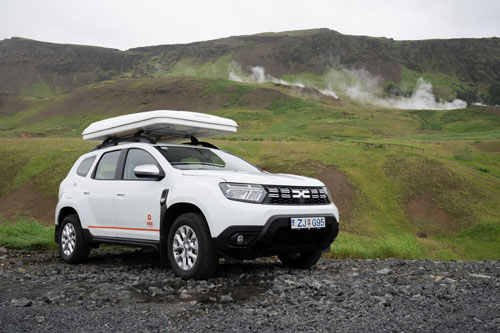
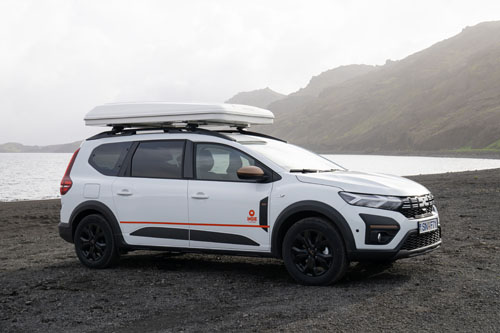
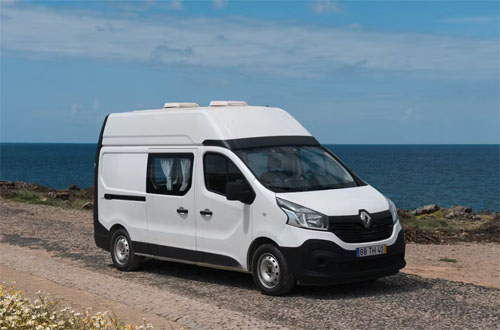
For weekend RV camping in North Europe, Class B - Camper Vans and Class SI - Semi-integrated models are often the most suitable due to their balance of maneuverability, comfort, and adaptability to various terrains and camping styles. Class B - Camper Vans, with an average length of 5.8 meters and sleeping 2-4 people (like the 'Category Van' or 'Active Pop Top'), are ideal for navigating narrower North European roads and offer excellent agility for both urban exploration and reaching remote wild camping spots, aligning well with boondocking preferences in areas where permitted.
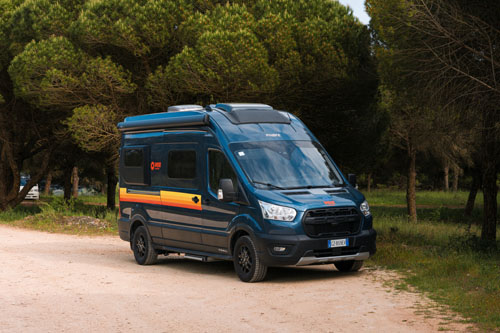
Class SI - Semi-integrated RVs, averaging 6.9 meters in length and typically sleeping 3-5 people (such as a '2 Berth Rover' or 'Category Family 5'), provide a good compromise, offering more living space and amenities like a larger kitchen and shower facilities than a campervan, while still being manageable on European roads. They suit those who prefer a mix of hookup-dependent camping and some off-grid capability. While larger Class C (Alcove) and Class A (Integrated) RVs offer more space (e.g., the 'MHC30' with beds for 9 people and a length of 9.15 meters), their size can be less convenient on winding roads or for accessing smaller, more secluded campsites in North Europe. Drive slowly and carefully, and you can drive almost anywhere without issues. No need to stress - just use common sense and pay attention.
How to Save on Campgrounds in North Europe
To save on campground costs in North Europe, utilizing campground discount cards, such as those offered by specific rental suppliers or international camping clubs, is a primary saving lever. These cards can often reduce nightly rates by 10%-25%. Traveling during the shoulder season (spring or autumn, typically April-May or September-October) rather than peak summer (June-August) can significantly reduce nightly rates and also offer a more tranquil camping experience with fewer crowds and unique seasonal beauty.
Opting for municipal or regional campgrounds over private resorts often results in lower prices, although amenities might be more basic, usually including essential services like waste disposal and water refills. Many campgrounds offer discounted weekly rates, making a 3+ night stay more cost-effective per night compared to single-night bookings, which is perfect for slow travel. Additionally, sharing hookups with another RV, if permitted, can also split utility costs, and embracing wild camping (where legal, thanks to 'Everyman's Right') can eliminate campground fees entirely for a night or two. Look for specific deals like those in our RV Rental Deals in North Europe - Latest Offers 2026 for more ways to save.
What is the 3-3-3 rule for RV travel?
The 3-3-3 rule for RV travel recommends driving no more than 300 miles (approximately 500 km) per day, arriving at your destination by 3 PM, and staying for a minimum of 3 nights, promoting a relaxed and enjoyable pace for your journey. This rule is particularly beneficial for RV rentals in North Europe, allowing ample time to explore your surroundings, engage in activities like hiking or fishing, and avoid the fatigue of rushed travel. Embracing slow travel, ideally covering no more than 100-150 km per day on average, allows you to truly feel the place, connect to the culture, the food, and the scenery.
Adhering to the 3-3-3 rule helps prevent burnout, offers flexibility for unexpected stops at charming villages or scenic overlooks, and ensures you have enough daylight for campsite setup, which is especially relevant during shorter winter days or the endless summer days above the Arctic Circle in North Europe. It also applies to campervan travel, ensuring a comfortable and less stressful experience, allowing more time to immerse in North Europe's unique landscapes and local culture.
Can you park a motorhome anywhere in North Europe?
No, you cannot park a motorhome anywhere in Europe, as wild camping laws vary significantly by country, with North European nations often having more permissive, yet strictly regulated, approaches. In countries like Sweden, Norway, and Finland, 'Everyman's Right' (Allemansrätten) permits temporary wild camping on uncultivated land, provided you keep a respectful distance from houses and leave no trace, which is a unique advantage for North European RV travel. This allows for fantastic opportunities to camp amidst stunning natural beauty without needing a designated campground.
Conversely, in more populated or regulated areas, or countries with stricter laws, overnight stays are often limited to designated campsites or specific 'stellplatze' (motorhome service areas) and can prohibit roadside parking or stopping in protected natural areas. Always research the specific regulations for each country and region within North Europe you plan to visit, paying attention to local environmental zones in cities and explicit 'no overnight parking' signs to avoid fines and ensure responsible travel. For comprehensive planning, resources like RV PLANET (rvplan.net) can help you find appropriate stopping points.
Is Europe RV friendly?
Yes, Europe is generally RV friendly, with North Europe offering a particularly welcoming environment for motorhome travel, despite presenting unique challenges and advantages compared to other regions. North Europe's RV friendliness is characterized by extensive natural landscapes suitable for wild camping (where permitted), well-maintained road networks, and a wide array of campsites ranging from basic to full-service, providing options for every type of traveler.
However, travelers in North Europe should be prepared for specific conditions like potentially higher fuel prices (which can impact your overall trip cost), requirements for winter tires in certain seasons, distinct ferry travel needs between islands or countries (especially in Norway or crossing the Baltic Sea), and the variability of daylight hours (the enchanting midnight sun in summer, extended darkness in winter). The region also embraces responsible tourism, with many facilities and local customs supporting eco-friendly RV practices, ensuring the pristine environment remains preserved for future visitors.
Where in North Europe can we stop for the night in a campervan?
In North Europe, campervan travelers enjoy diverse options for overnight stops, differing significantly from regions like France where dedicated 'aires de service' are prevalent. Countries like Norway, Sweden, and Finland offer expansive opportunities for wild camping under their 'Everyman's Right' (Allemansrätten), allowing temporary overnight stays in nature with minimal restrictions, provided you adhere to the leave-no-trace principle and respect private property. This unique right is a major draw for RVers seeking immersion in nature.
Beyond wild camping, North Europe also provides a robust network of private and municipal campgrounds, many of which are beautifully situated by lakes, fjords, or forests. These sites offer a range of amenities from basic facilities to full hookups, saunas, and communal spaces. It's crucial to understand that while wild camping is more liberal in the Nordic countries, urban areas and specific nature reserves will have stricter rules. Always check local signage and guidebooks specific to your North European destination to find appropriate and legal overnight parking for your rented motorhome or campervan.
Is RVing a thing in Europe?
Yes, RVing is very much 'a thing' in Europe, with a thriving culture of motorhome and campervan travel that is gaining immense popularity, particularly for exploring the vast natural beauty of North European countries. Europe offers a comprehensive infrastructure for RVers, including a dense network of campsites, dedicated service points (often called 'stellplatze' or 'camping car parks'), and a growing number of rental options, making it an accessible and exciting way to travel. Bandana, for example, offers RV rentals from over 50 leading suppliers worldwide, including popular brands like Apollo, ensuring a wide selection for your European adventure.
In North Europe specifically, RVing allows travelers to fully immerse themselves in unique experiences like chasing the Northern Lights in winter, exploring the majestic Norwegian fjords in summer, or enjoying the tranquility of Finnish lakes and forests, providing unparalleled freedom and flexibility. The increasing demand for independent and flexible travel has further solidified RVing as a preferred mode of exploration across the continent. You can find more details on planning your trips in our RV Rental Europe - Complete Guide 2026.
Which European country has the best campsites?
The 'best' European country for campsites is subjective, depending on individual preferences, but North European countries like Norway, Sweden, and Finland are consistently lauded for their stunning scenic locations and excellent facilities. Norway is renowned for its breathtaking fjord-side campsites and opportunities to wake up to unparalleled natural beauty, often offering a blend of basic sites for wild camping and amenity-rich private facilities, many with incredible views. Imagine parking your rented motorhome right by a serene fjord!
Sweden boasts a vast network of both private and municipal campgrounds, many situated by lakes or in forests, complementing its liberal wild camping laws and allowing for diverse experiences, from rustic forest pitches to full-service family resorts. For those seeking tranquility and access to pristine nature, Finland's campsites are highly rated, often providing direct access to hiking, fishing, and water activities, alongside traditional amenities like saunas. Denmark also offers charming coastal campsites, ideal for exploring its islands and sandy beaches. For a more tailored experience, consider looking into a Weekend RV Rental in North Europe - Pricing 2026 to see how budget can influence your choices.
What is the 333 rule for campervan?
The 333 rule for campervans is the same guideline as for RVs, advising travelers to limit daily driving to around 300 miles (approximately 500 km), aim to arrive at their chosen spot by 3 PM, and plan to stay for at least 3 nights to foster a more relaxed and immersive travel experience. Applying this rule to a campervan journey in North Europe is particularly effective for appreciating the stunning, often remote, landscapes without feeling rushed. A standard campervan, like a 'Class I Van' with a 80-liter fresh water tank, is well-suited for such a pace.
This recommendation ensures sufficient time for campsite setup, cooking (perhaps using your campervan's 65-liter fridge), and engaging in local activities or simply enjoying the peaceful surroundings, which is crucial for a fulfilling week-long trip or longer. It helps campervan users avoid the stress of constant packing and unpacking, allowing for a deeper connection with the destinations they visit and truly embracing the slow travel philosophy. For more planning inspiration, explore the itineraries available through Rent&Plan, our pre-planned routes by professionals.
What is the 444 rule for RV?
The 444 rule for RV travel is an extended variation of the more common 3-3-3 rule, suggesting that RVers drive no more than 400 miles (approximately 640 km) in a day, arrive by 4 PM, and stay for a minimum of 4 nights. This rule caters to travelers who prefer a slightly longer daily drive while still prioritizing ample time at each destination, making it suitable for covering more ground during a longer North European RV trip, especially when exploring vast countries like Sweden or Finland.
Arriving by 4 PM provides sufficient daylight for setting up camp and exploring the immediate vicinity before dusk, particularly useful during the shifting daylight hours in North Europe. Staying for at least 4 nights allows for deeper exploration of an area, reduces the frequency of packing and unpacking, and offers a more relaxed itinerary for your North Europe adventure, ensuring you truly experience each location rather than just passing through. Remember, with a rented motorhome, the journey itself is often as rewarding as the destination.
What is the 2-2-2 rule for camping?
The 2-2-2 rule for camping suggests driving no more than 200 miles (approximately 320 km) per day, arriving at your campsite by 2 PM, and staying for a minimum of 2 nights, promoting a very relaxed and immersive camping experience. This rule is ideal for those who prioritize slow travel and wish to fully enjoy each location during their North European RV journey, focusing on local exploration and relaxation rather than covering vast distances. It's particularly well-suited for a quick stay or a week-long trip where you want to deeply experience a specific region.
Arriving early allows ample time to set up your rented RV, settle in, and explore the campground amenities or nearby attractions, maximizing your enjoyment of the surroundings. Staying for at least two nights at each spot reduces travel fatigue and offers a more leisurely pace, perfect for unwinding amidst North Europe's stunning natural beauty. This approach perfectly aligns with our philosophy at Bandana, encouraging you to take time to feel the place, connect to the culture, the food, and the scenery, maximizing your rental motorhome experience.
How can I book camping in North Europe?
Booking camping in Europe, including North Europe, can be efficiently done through a combination of online platforms, direct campsite websites, and specialized mobile applications. Key platforms like Eurocampings (ACSI), Camping.info, and Pitchup.com offer extensive directories and reservation capabilities for private and municipal campgrounds across the continent, often providing detailed information on amenities, prices, and availability.
For specific North European destinations, direct booking via individual campground websites is often the most reliable method, especially for smaller or more remote sites. Essential apps for RV travelers in North Europe, such as Park4Night, Campercontact, and Stellplatz-Radar, are invaluable for finding available pitches, monitoring real-time weather conditions, locating wild camping spots (where legal), and sometimes even booking ferries or identifying environmental zones in cities. While Bandana doesn't book campsites during your rental, we highly recommend using RV PLANET (rvplan.net) as a great resource for locating available spots and building your ideal route plans.
What You Shouldn't Miss
- Norwegian Fjords: Cruise through or camp alongside the majestic fjords like Geirangerfjord or Sognefjord. The roads winding through these landscapes are some of the most scenic in the world, offering unparalleled beauty.
- Swedish Archipelago: Explore the thousands of islands along Sweden’s coast, particularly near Stockholm or Gothenburg. Many offer charming fishing villages, hiking trails, and picturesque camping spots accessible by short ferry rides.
- Finnish Lakeland: Discover the serene beauty of Finland’s vast lake district. Enjoy swimming, fishing, or simply relaxing by the water, taking advantage of the country’s many lakeside campgrounds or wild camping opportunities.
- Iceland's Ring Road: For a more adventurous trip, drive a rented campervan along Iceland's 1,322 km Ring Road (Route 1), stopping at waterfalls, geothermal areas, and black sand beaches. Remember to reserve popular campsites in advance during peak season.
- The Northern Lights (Aurora Borealis): Travel above the Arctic Circle in countries like Norway, Sweden, or Finland during the colder, darker months (September to March) for a chance to witness this spectacular natural phenomenon from your motorhome.
- Sami Culture in Lapland: Immerse yourself in the indigenous Sami culture in the northern parts of Norway, Sweden, and Finland. Visit a reindeer farm, learn about their traditions, and experience the unique Arctic environment.
Looking for expert insights from Avi Bandana?
Top 5 Adventures - recommendations from Avi Bandana
🎬 Video coming soon
Final Thoughts
A rented RV adventure through North Europe promises incredible landscapes, unique cultural encounters, and the freedom to craft your own journey. Whether you're chasing the midnight sun, exploring ancient forests, or discovering charming coastal towns, traveling by motorhome allows for a deeper, more personal connection with this remarkable region. Remember to travel slowly, averaging no more than 100-150 km per day, allowing ample time to truly soak in each experience.
With Bandana, you gain a partner dedicated to making your RV rental experience seamless and enjoyable. From transparent pricing to expert route plans and supportive assistance, we're here to help you unlock the magic of North Europe on an unforgettable road trip. Get inspired for your next trip and discover top destinations, planning tips, all in one place!
So, what are you waiting for? Start dreaming, start planning, and get ready to create lasting memories on your North European RV escapade. Plan a trip itinerary in advance with minimal effort and maximum enjoyment!