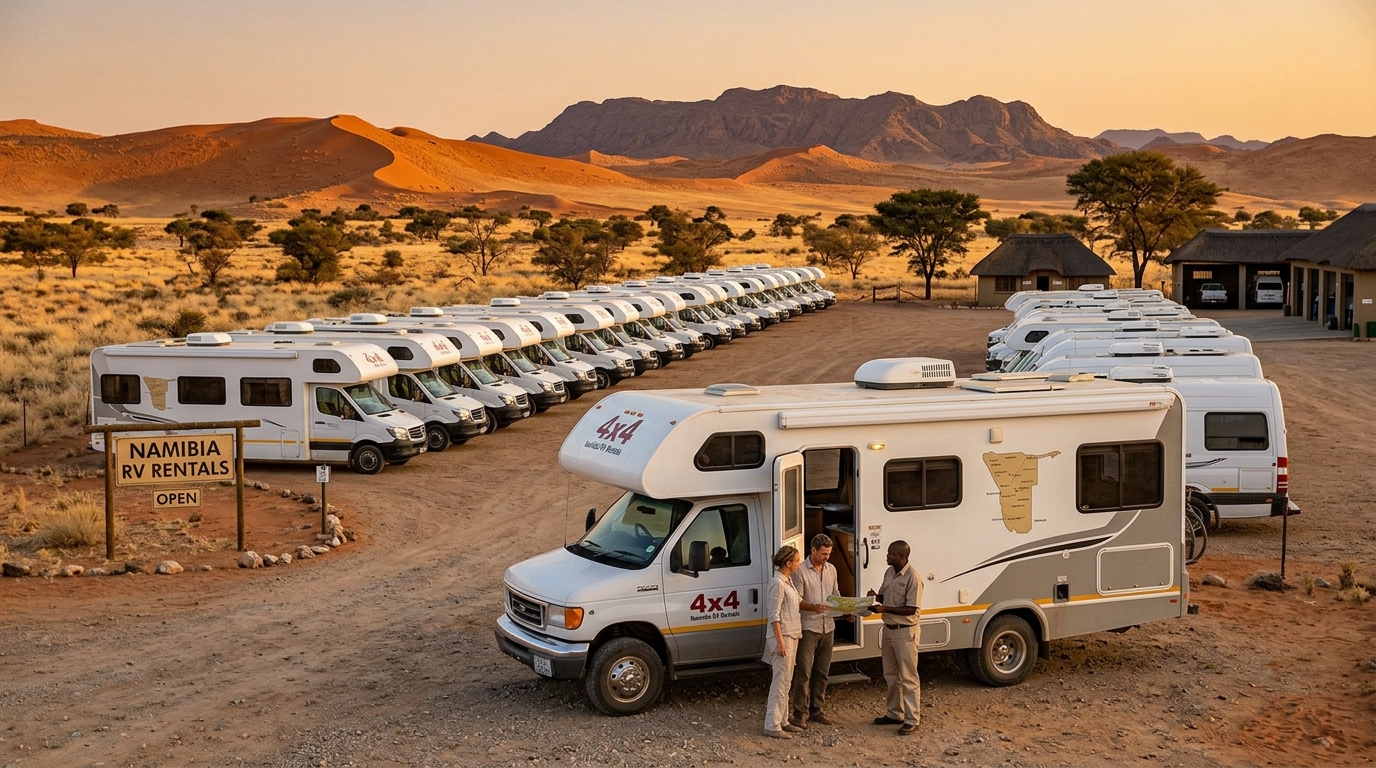
For live availability and current prices, start with our RV Rental Namibia - Complete Guide 2026 guide.
In This Guide
- Where to Camp in Namibia — Top Options
- Campground Types in Namibia (National, Private, Wild)
- Featured RV Park or Campground in Namibia
- Hookups & Amenities — What to Expect
- Booking Windows & Reservations in Namibia
- Nearby Supermarkets & Resupply Points
- Best RV Class for Camping in Namibia
- How to Save on Campgrounds in Namibia
- Class B - Camper Van for Namibia
- Class SI - Semi-integrated for Namibia
- Class C - Alcove for Namibia
- Class A - Integrated for Namibia
- Class TC - Truck Camper for Namibia
- How much does it cost to rent an RV in Namibia?
- What is the best month to RV in Namibia?
- Is it safe to RV in Namibia?
- How long do you need for Namibia RV?
- Do you need a 4x4 for Namibia?
- Is Namibia good for motorhome?
- How much is a 4x4 camper in Namibia?
- What is the best way to travel around Namibia?
- Can you wild camp in Namibia?
- What are the RV rules in Namibia?
- Is it easy to drive in Namibia?
- Can you take a campervan into Etosha?
- Do you need a visa for Namibia?
Where to Camp in Namibia — Top Options
Namibia offers diverse camping experiences, from the stark beauty of desert landscapes to serene coastal retreats. For RV travelers, popular regions include Etosha National Park, renowned for its abundant wildlife, and the dramatic Namib Desert, particularly the Sossusvlei area, famous for its iconic towering dunes. Coastal towns like Swakopmund are hubs for adventure activities and offer well-equipped campsites. If you're looking for convenience and easy access after arriving, consider areas near Windhoek. For a more remote and rugged experience, the stark beauty of Damaraland provides a truly wild camping adventure.
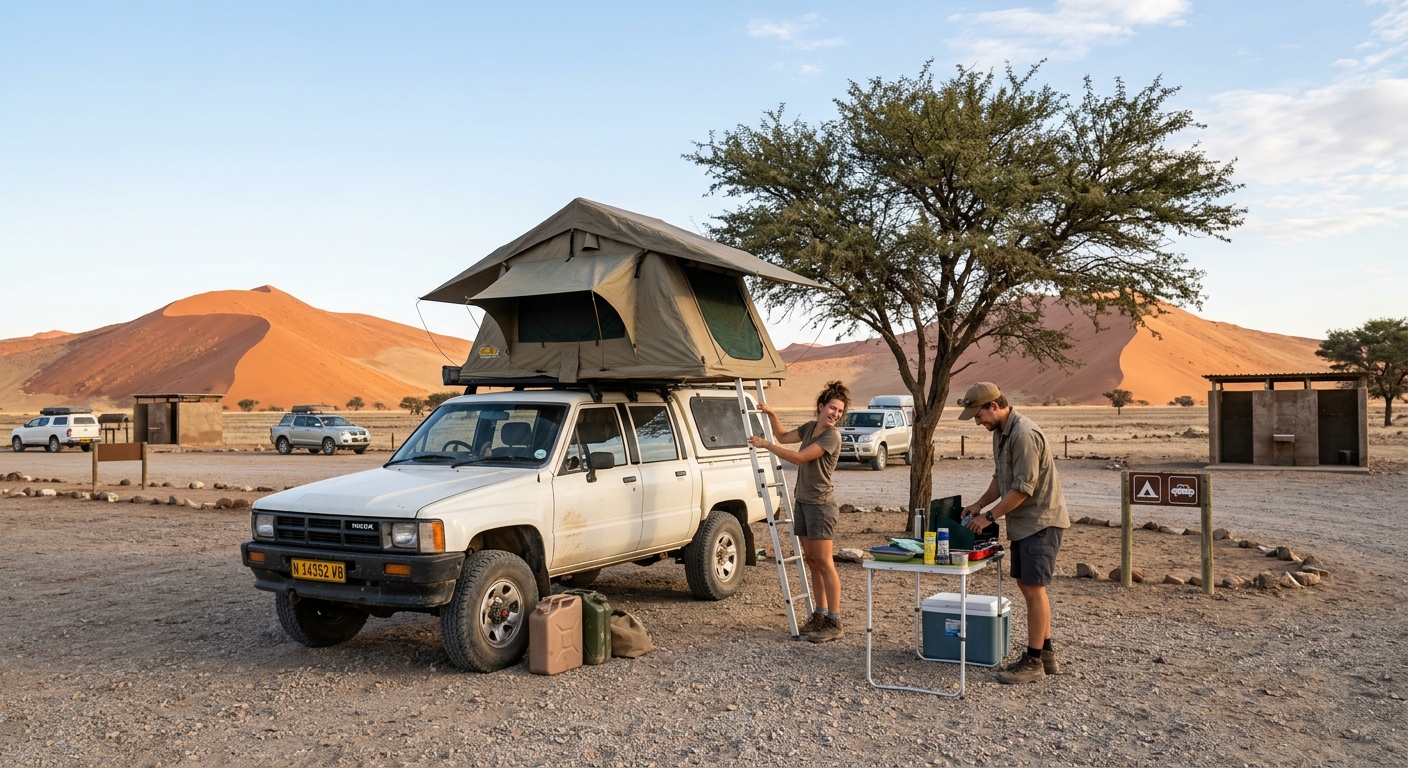
Campground Types in Namibia (National, Private, Wild)
**National Park Campgrounds:** Operated by Namibia Wildlife Resorts (NWR), these campgrounds are situated within Namibia's stunning protected areas, offering a chance to immerse yourself in nature and wildlife. Facilities can range from basic to moderate, typically including water access and communal ablution blocks. Advance booking is highly recommended, especially for popular parks like Etosha, as availability can be limited.
**Private Campgrounds:** You'll find these scattered throughout Namibia, often located near major towns or popular tourist attractions. They cater to a wider range of preferences, from rustic, no-frills sites to luxurious resorts with amenities like swimming pools, restaurants, and reliable internet connectivity. Private campgrounds often provide more consistent access to services.
**Wild Camping (Freedom Camping):** While Namibia is vast, wild camping is generally not permitted or is strongly discouraged in its national parks and protected areas due to conservation efforts and safety regulations. It may be tolerated in some extremely remote, unfenced communal lands, but always seek explicit permission from landowners or local authorities before considering any unofficial overnight stops. Responsible tourism is paramount, and adhering to regulations ensures the preservation of Namibia's pristine environments.
Featured RV Park or Campground in Namibia
While specific names can change, a premier RV park in Namibia typically offers spacious, shaded pitches designed to accommodate various RV sizes. You can expect modern ablution blocks featuring hot showers and clean toilet facilities. Many high-quality parks also include additional amenities such as a swimming pool for a refreshing dip after a day of exploration, a restaurant for convenient dining, and laundry services. Prioritizing parks with good security measures, easily accessible water points, and properly maintained waste disposal facilities is key for a comfortable and hassle-free stay, especially if you plan to explore extensively.
Hookups & Amenities — What to Expect
Most formal campgrounds across Namibia provide essential hookups for RVs, including electrical connections, typically using the standard South African plug type (Type M, 220-240V). Water points are usually available at or near the campsites. Communal ablution blocks with hot showers and flush toilets are a common feature in most designated campgrounds. Dump stations for grey and black water are generally found at larger private parks and some national park sites, though they can be sparse in very remote areas, so planning your waste disposal is crucial. On the routes offered through RV PLANET routes, you can itemize and track every expense along the way for easy budgeting.
Wi-Fi is often limited to reception areas or offered as a paid service at private resorts. In national parks and more remote regions, expect minimal to no internet connectivity. For reliable communication, consider acquiring a local SIM card upon arrival or ensuring you have a satellite communication device for extensive off-grid adventures. Laundry facilities are commonly available at private campsites, while national park sites might offer more basic options or require guests to use communal hand-washing facilities.
Booking Windows & Reservations in Namibia
For weekend RV rentals and campsite bookings in Namibia, proactive planning is essential, particularly during peak seasons (July-October) and school holidays. Popular national park campgrounds and well-regarded lodges often release their advance reservation slots 6-12 months ahead of time. It's worth noting that Namibia Wildlife Resorts (NWR) typically makes only 25-30% of their national park campground spots available for advance reservations, with the remainder operating on a first-come, first-served basis. However, even for first-come, first-served sites, calling ahead to confirm availability before undertaking long drives is highly recommended.
While spontaneous travel is possible, especially outside of peak periods, securing your preferred locations or specific types of campsites without an advance booking can be challenging. For high-demand areas like Etosha and Sossusvlei, aiming to book at least 3-6 months in advance is advisable, even for a short weekend trip, to ensure access and preferred dates.
Nearby Supermarkets & Resupply Points
Major towns across Namibia, such as Windhoek, Swakopmund, and Outjo, are home to well-stocked supermarkets where RV travelers can easily resupply their provisions. You'll commonly find major retail chains like Shoprite, Spar, and Pick n Pay, offering a wide selection of groceries, fresh produce, and essential camping supplies. In more remote areas, smaller local shops or general dealers, often referred to locally as 'kaffees,' will provide basic necessities, though the variety will be considerably more limited. It is always prudent to resupply adequately before heading into remote regions or national parks, as options within these areas are often restricted in choice and pricier.
Best RV Class for Camping in Namibia
The ideal RV class for your Namibian adventure largely depends on your chosen routes, desired comfort level, and the amount of off-road capability you require. For maximum flexibility and the ability to navigate Namibia's extensive gravel road network and more remote campsites, **Class B Camper Vans** are an excellent choice. Bandana's global fleet of these compact vehicles averages 5.8 meters in length and typically sleeps around 3.2 people, offering a comfortable and maneuverable experience.
If you seek a balance between comfort and practicality, a **Class SI Semi-integrated** RV, averaging 6.9 meters in length and sleeping approximately 3.8 people, provides more living space while retaining good maneuverability, suitable for well-maintained gravel roads. For those prioritizing spaciousness and amenities, **Class C Alcove** or **Class A Integrated** motorhomes (averaging 7.5 meters in length) offer substantial living areas but are best suited for tarred roads and established RV parks due to their size and ground clearance, making them less ideal for Namibia's rougher tracks.
For the ultimate off-road capability and access to the most challenging terrains, a **Class TC Truck Camper** mounted on a 4x4 chassis is unparalleled. Averaging 5.5 meters in length and typically sleeping 2.4 people, these are perfect for reaching remote wild camping spots, prioritizing adventure and freedom over luxurious space.
How to Save on Campgrounds in Namibia
To make your Namibian RV adventure more budget-friendly, consider utilizing any available campground discount cards or loyalty programs, which your RV rental provider might offer, potentially including discounts through platforms like rent-motorhome. Opting for the shoulder seasons—April to May and November—can lead to significant savings on campsite fees and avoid the peak-season crowds. Choosing municipal or regional campgrounds over high-end private resorts often provides more basic but equally functional facilities at a considerably lower cost.
Staying for longer durations, typically three nights or more, can sometimes unlock discounted nightly rates or weekly packages. If you're traveling in a group, sharing the cost of a larger campsite and its hookup amenities can also reduce individual expenses. Planning your meals and resupplying at local supermarkets before heading to more remote areas will also contribute to overall savings.
Class B - Camper Van for Namibia
Class B Camper Vans are a highly suitable choice for exploring Namibia due to their compact size and exceptional maneuverability. These vehicles are ideal for navigating the country's extensive gravel roads and accessing smaller, more remote campsites with ease. Bandana's global fleet of Class B vans averages 5.8 meters in length and comfortably sleeps approximately 3.2 people (often accommodating 2-3 adults), providing a cozy and efficient base for your travels. They are also quite fuel-efficient, typically consuming around 8-10 Liters/100 km, which is a significant advantage given Namibia's long distances. Their smaller footprint makes for easier parking and a more agile driving experience, proving invaluable when exploring diverse Namibian landscapes.
Class SI - Semi-integrated for Namibia
Semi-integrated RVs offer a well-balanced option for Namibian travel, providing a comfortable increase in space and amenities compared to a camper van, without the bulk of a larger alcove model. Bandana's fleet of these semi-integrated RVs averages 6.9 meters in length and typically sleeps about 3.8 people (comfortably seating 3-4 adults), making them a practical choice for small families or groups seeking enhanced comfort. They are well-suited for navigating Namibia's main tourist routes and established campsites, offering a good compromise between interior living space and exterior maneuverability on various road surfaces. Fuel consumption is generally reasonable for their size, typically ranging from 10-11 Liters/100 km.
Class C - Alcove for Namibia
Class C Alcove motorhomes offer ample living and sleeping space, making them a superb option for larger families or groups exploring Namibia, particularly if prioritizing interior comfort and a distinct over-cab sleeping area is important. Bandana's global fleet of these alcove RVs averages 7.5 meters in length and can comfortably sleep 5.8 people (accommodating 4-5 adults), often featuring a distinctive over-cab sleeping area that adds valuable real estate. While offering significant comfort, their larger dimensions mean they are best suited for routes predominantly on tarred roads and well-maintained gravel roads. Their fuel consumption typically ranges from 10-12 Liters/100 km, reflecting their capacity, but they might be less ideal for very remote or challenging tracks often found in Namibia.
Class A - Integrated for Namibia
Class A Integrated motorhomes represent the pinnacle of luxury RV travel, providing extensive living space and premium amenities for a truly premium experience in Namibia. Bandana's global fleet of these integrated RVs averages 7.5 meters in length, sleeping 4.4 people (comfortably accommodating 4 adults), and typically showcases sophisticated interiors comparable to a small apartment. Fuel consumption for these large vehicles generally ranges from 8-12 Liters/100 km, though larger models can consume more. These large, comfortable vehicles are best suited for routes predominantly on tarred roads and for stays at well-equipped RV parks. Their size and often lower ground clearance can present challenges on Namibia's rougher gravel and unpaved roads, making them less versatile for extensive off-road exploration.
Class TC - Truck Camper for Namibia
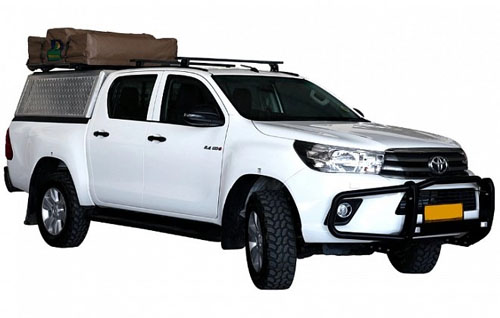
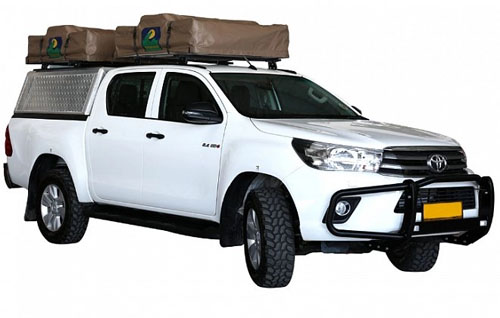
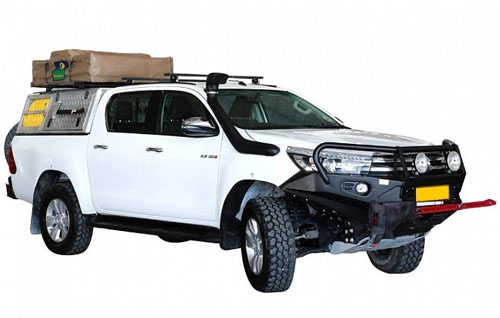
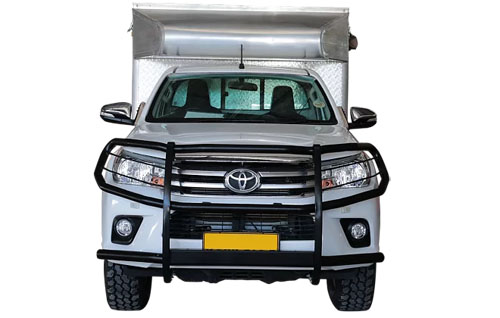
Truck Campers are an excellent choice for adventurers seeking robust off-road capability in Namibia, as they are specifically mounted on rugged 4x4 pickup trucks. Bandana's global fleet of truck campers averages 5.5 meters in length and typically sleeps 2.4 people (ideal for couples or solo travelers prioritizing rugged exploration). Fuel consumption for these units is generally higher, around 12-17 Liters/100 km, due to the 4x4 chassis and the combined weight of the truck and camper. Their key advantage is their superior ground clearance and all-wheel-drive capability, making them perfect for navigating challenging gravel roads, sandy tracks, and reaching remote, wild camping spots that larger RVs simply cannot access, offering unparalleled freedom in the Namibian wilderness.
How much does it cost to rent an RV in Namibia?
The cost to rent an RV in Namibia varies significantly based on the vehicle type, rental duration, season, and included amenities. Generally, expect daily rental fees to range from €80 to €250+ (approximately $85–$270+ USD). Smaller campervans or versatile 4x4 campers, popular for their adaptability, can start from around €80-€150 per day ($85–$160+ USD), while larger, more luxurious motorhomes offering greater comfort and space can easily exceed €200-€250 per day ($215–$270+ USD).
Beyond the daily rental fees, it's crucial to factor in comprehensive cost breakdowns. These should include fuel, which is a major expense given the vast distances and typical consumption of 10-11 Liters/100 km for many RVs. National park entry fees (approximately $5–$8 USD per person per day, plus vehicle fees) and campground fees (ranging from $10–$25+ USD per night, depending on the type of site) are also significant. Don't forget insurance, activities, food, potential extra mileage charges, and unexpected costs like tire repairs, which are not uncommon on gravel roads. Creating a detailed budget is essential for managing your trip expenses effectively.
What is the best month to RV in Namibia?
The optimal months for RV travel in Namibia are typically within the dry season, spanning from May to October. During this period, you'll experience pleasant daytime temperatures, consistently clear skies, and significantly enhanced wildlife viewing opportunities, as animals tend to congregate around reliable waterholes. June to August represent the heart of the winter months, characterized by warm, sunny days and notably cold nights, particularly in the desert regions. Be prepared for temperature fluctuations by packing layers and considering RV heating options or warm bedding.
The shoulder seasons of April-May and November can also be excellent choices, offering fewer crowds and generally agreeable weather. However, November marks the transition into the hotter, rainy season, which can bring dramatic afternoon thunderstorms and contribute to lusher, more vibrant landscapes. Regardless of the season, booking your RV and preferred campsites well in advance is crucial, especially for travel during the peak dry season months of July through October, as popular locations fill up quickly.
Is it safe to RV in Namibia?
RVing in Namibia is generally considered safe, provided you adhere to standard travel precautions, remain aware of your surroundings, and follow local advice diligently. Key safety considerations include being vigilant against petty crime in urban areas, ensuring your vehicle is securely parked overnight, and strictly avoiding driving after dark. Driving at night is discouraged due to the significant risk of wildlife on the roads and severely reduced visibility.
Health-wise, essential preparations involve thorough malaria prevention, especially if visiting northern regions during the rainy season. Carrying comprehensive first-aid supplies for remote travel and adequate sun protection are vital for extended periods outdoors. Regarding wildlife encounters, always maintain safe distances from animals, particularly in national parks, and never attempt to feed them. For solo travelers, it's highly recommended to inform someone of your itinerary and consider carrying a satellite phone or a reliable communication device for added peace of mind.
How long do you need for Namibia RV?
To truly immerse yourself in Namibia's diverse landscapes and key highlights like Etosha National Park, Sossusvlei, and the Skeleton Coast without feeling rushed, a minimum of 10-14 days is recommended. A weekend RV rental in Namibia is best suited for exploring a specific region or national park that is conveniently located near your starting point, such as a short trip to a reserve close to Windhoek or a coastal excursion.
Given the country's vastness and the often slower travel speeds on gravel roads, allocating two to three weeks allows for a more relaxed pace. This extended timeframe enables deeper exploration, flexibility for spontaneous detours, and a more profound connection with the environment. Rushing through Namibia can detract from the overall experience and potentially increase driving risks. Therefore, careful itinerary planning that accounts for the sheer scale of the country is crucial for an enjoyable and safe RV journey.
Do you need a 4x4 for Namibia?
While not strictly mandatory for all routes, a 4x4 vehicle, or an RV with robust 4x4 capability (such as a Truck Camper), is highly recommended for RV travel in Namibia, especially if your itinerary includes venturing beyond the main tarred roads. Many popular attractions, including routes within national parks like Etosha or the final approach to Sossusvlei's Dead Vlei, involve driving on gravel roads that, while often well-maintained, can be corrugated, sandy, or otherwise challenging. A 4x4 offers superior ground clearance, improved traction for sandy patches or muddy conditions during the rainy season, and greater overall durability for Namibia's varied and sometimes demanding road conditions.
Navigating gravel roads requires specific driving techniques; always be prepared to adjust your speed for corrugations, maintain increased following distances, and be mindful of reduced traction. Carrying at least two spare tires is often advised, as tire wear and punctures can be an issue on these surfaces. A 4x4 vehicle provides greater stability and control, enhancing both safety and comfort when traversing these iconic Namibian landscapes.
Is Namibia good for motorhome?
Namibia is an exceptionally good destination for motorhome travel, offering vast, open spaces, breathtakingly diverse landscapes, and a developing network of campsites that cater to self-sufficient exploration. Motorhomes provide the flexibility to set your own pace and easily access various attractions, from the wildlife-rich reserves to the stark beauty of desert dunes.
The country's relatively low population density and its strong emphasis on nature preservation make it very conducive to an RV lifestyle. However, it's important to note that while larger motorhomes (Class A or C) offer significant comfort, they are primarily suited for routes that are on tarred roads or well-maintained gravel roads and are best enjoyed when staying at established RV parks. For those seeking to explore more rugged terrain or reach more remote areas, 4x4-based RVs like truck campers are often the preferred choice due to their superior off-road capability and resilience against specific road conditions.
How much is a 4x4 camper in Namibia?
The rental cost for a 4x4 camper in Namibia typically ranges from €120 to €250+ per day (approximately $130–$270+ USD). This pricing is influenced by factors such as the specific model, the age of the vehicle, the rental duration, and the season of travel. These capable vehicles, often truck campers or specially adapted 4x4s that may include rooftop tents, are generally pricier than standard 2WD campervans but offer unparalleled advantages for navigating Namibia's varied and challenging terrain.
In addition to the daily rental rate, it's essential to budget for other associated costs. These include higher fuel consumption, as 4x4 campers typically average 12-17 Liters/100 km, specialized insurance tailored for off-road travel, and potential extra expenses for essential recovery equipment or additional spare tires. Carefully review what is included in the rental package (e.g., camping gear, recovery equipment) as this can significantly impact the overall cost breakdown and your preparedness for adventure.
What is the best way to travel around Namibia?
Arguably, the best way to travel around Namibia is by RV or a capable 4x4 vehicle equipped for camping. This approach offers unparalleled flexibility, freedom, and direct access to the country's remote and scenic areas, allowing you to explore at your own pace and make spontaneous stops for photography or wildlife viewing.
Self-drive tours are ideal for experiencing the vastness of the Namibian landscape. While guided tours or flying between major destinations are options, an RV provides the unique advantage of carrying all your accommodation and supplies, making it perfectly suited for the country's extensive and often self-sufficient travel routes. For those prioritizing off-road adventure, a 4x4 camper is superior, whereas for comfort on more established routes, a Class SI or C motorhome can be a suitable and more comfortable choice, catering to different preferences and travel styles.
Can you wild camp in Namibia?
Wild camping, often referred to as freedom camping, is generally not permitted or advised within Namibia's national parks, protected areas, or on private farmlands. These restrictions are in place due to conservation laws and important safety concerns related to wildlife and security. While it may be tolerated in some extremely remote, unfenced communal lands, particularly in the vast northern or eastern regions, it is always essential to obtain local permission and exercise extreme caution regarding wildlife and personal security.
For RV travelers, the legal and safest option for overnight stays is within designated campsites, whether they are national park-run facilities or private campgrounds. These sites typically offer basic amenities crucial for RV travel, such as water sources and designated waste disposal points. Ensuring you are self-sufficient for water and waste management is critical if you do venture into more remote, permissible areas, always practicing rigorous 'leave no trace' principles.
What are the RV rules in Namibia?
RV rules in Namibia primarily revolve around designated camping locations, stringent road safety practices, and environmental protection guidelines. Camping is strictly restricted to official campsites located within national parks and on designated private properties. Always adhere to these designated areas for overnight stays.
Driving rules are critical: always drive on the left side of the road and adhere to speed limits, which vary between tarred roads (typically up to 120 km/h) and gravel roads (usually around 80 km/h). Ensure you have all necessary documentation, including your home driver's license and often an International Driving Permit (IDP), especially for visitors from non-English speaking countries. Fuel availability in remote areas requires careful planning; always refuel whenever the opportunity arises and consider carrying extra fuel if venturing significantly off main routes. Communication infrastructure is limited, so a local SIM card (MTC is widely available) for urban areas or a satellite phone for remote travel is highly recommended. Waste disposal for RVs must be conducted at designated dump stations, and strict 'leave no trace' principles are essential to protect Namibia's pristine natural environment.
Is it easy to drive in Namibia?
Driving in Namibia presents a unique set of challenges but offers a highly rewarding experience for those who come prepared for its distinctive road conditions. The country features excellent tarred roads connecting major towns, providing smooth transit for many parts of your journey. However, a significant portion of exploration involves driving on gravel roads, which can be corrugated, sandy, or dusty, necessitating vigilance and adjusted speeds.
Specific driving challenges include managing tire pressure and the potential for punctures—carrying two spare tires is strongly recommended. Navigating through deep sand, particularly in areas like certain routes to Sossusvlei, requires specific techniques. Maintaining focus during long stretches of monotonous road is also crucial. Wildlife awareness is paramount; always be alert, especially at dawn and dusk, as animals like kudu, springbok, and even elephants can unexpectedly cross roads, demanding slow speeds and defensive driving. Dusty conditions can severely reduce visibility, making appropriate following distances and headlight usage essential for safety.
Can you take a campervan into Etosha?
Yes, campervans are absolutely welcome and are a popular, highly recommended way to experience Etosha National Park's world-renowned wildlife viewing opportunities. Etosha features several well-equipped campsites within the park itself, including Okaukuejo, Halali, and Namutoni, which readily accommodate campervans and RVs. These sites provide essential amenities like water, limited electricity, and communal ablution blocks.
Driving within Etosha primarily takes place on gravel roads, which are generally well-maintained and accessible for most campervans and 4x4 campers, though a 4x4 offers an advantage on some of the rougher internal tracks. It is crucial to book these campsites well in advance, particularly during peak seasons, as they are extremely popular. Always check with Namibia Wildlife Resorts (NWR) for the latest reservation information and specific park rules regarding driving times and responsible animal encounter protocols.
Do you need a visa for Namibia?
Visa requirements for Namibia depend entirely on your nationality. Many visitors, particularly those from European countries, North America, and fellow Southern African Development Community (SADC) member states, are granted visa-free entry for tourism purposes, typically for stays of up to 90 days. Travelers from other nations will usually need to apply for a visa in advance through a Namibian embassy or consulate located in their home country or region.
It is critically important to verify the most current visa requirements specific to your nationality well before your planned RV trip to Namibia. Understanding these logistical practicalities, including any necessary border crossing documentation, is vital for ensuring a smooth entry and a hassle-free travel experience throughout the country.
What You Shouldn't Miss
- Etosha National Park: Experience unparalleled wildlife viewing from your RV, particularly around waterholes, during the dry season.
- Sossusvlei Dunes: Drive through ancient desert landscapes to witness the towering red dunes and the stark beauty of Deadvlei, best accessed by RV or 4x4.
- Swakopmund & Walvis Bay: Explore coastal adventure activities like quad biking, sandboarding, and dolphin cruises, with RV-friendly accommodations available.
- Damaraland: Discover dramatic desert-adapted wildlife, ancient rock art at Twyfelfontein, and the unique desert-adapted elephants.
- Skeleton Coast: Experience the haunting beauty of this remote coastline, where desert meets the ocean, with designated stops for RVs.
Final Thoughts
Renting an RV for a weekend trip in Namibia offers an incredible opportunity to experience the country's vast landscapes and unique wildlife up close. Whether you choose a nimble campervan for exploring challenging tracks or a more spacious motorhome for comfortable campsite stays, the freedom and flexibility of RV travel are unparalleled.
Remember to book your campsites and RV well in advance, especially during the dry season, and always prioritize safety by avoiding night driving and being aware of your surroundings. With careful planning and the right vehicle, your Namibian RV adventure promises to be an unforgettable journey through some of Africa's most spectacular scenery.
Get inspired for your next trip and discover top destinations, planning tips, and more – all in one place!
Frequently Asked Questions
How much does a motorhome rental cost in Namibia?
The cost to rent an RV in Namibia generally ranges from €80 to €250+ per day, depending on the vehicle class, rental duration, season, and included amenities. Expect smaller campervans to be on the lower end, while larger, more luxurious motorhomes will be at the higher end.
What is the minimum driver age for weekend RV rental in Namibia?
The minimum driver age for RV rentals in Namibia is typically 21 years old. However, some suppliers may require renters to be 25 years old for larger Class A motorhomes.
Can I pick up a weekend RV in Namibia and return it in a different city?
Yes, one-way motorhome rentals are available with most suppliers in Namibia. A drop-off fee may apply, which varies depending on the specific route and the distance between pickup and drop-off locations.
What is the best way to save on campgrounds in Namibia?
To save on campgrounds, consider traveling during the shoulder seasons (April-May, November) for potentially lower rates. Opting for municipal or regional campgrounds over luxury private resorts can also significantly reduce costs.
What is the best month to RV in Namibia?
The best months for RV travel in Namibia are generally from May to October, which is the dry season, offering pleasant temperatures and excellent wildlife viewing opportunities.
Do I need a 4x4 camper for Namibia?
While not strictly required for all routes, a 4x4 camper is highly recommended for Namibia, especially if you plan to explore beyond main tarred roads. It provides better capability for gravel, sand, and potentially challenging road conditions.
Can you wild camp in Namibia?
Wild camping is generally not permitted in Namibia's national parks or protected areas. It's essential to use designated campsites, and if considering camping in unfenced communal lands, always seek prior permission from local authorities or landowners.
For ideas you can prep on the road, watch our RV-friendly recipes playlist on YouTube.