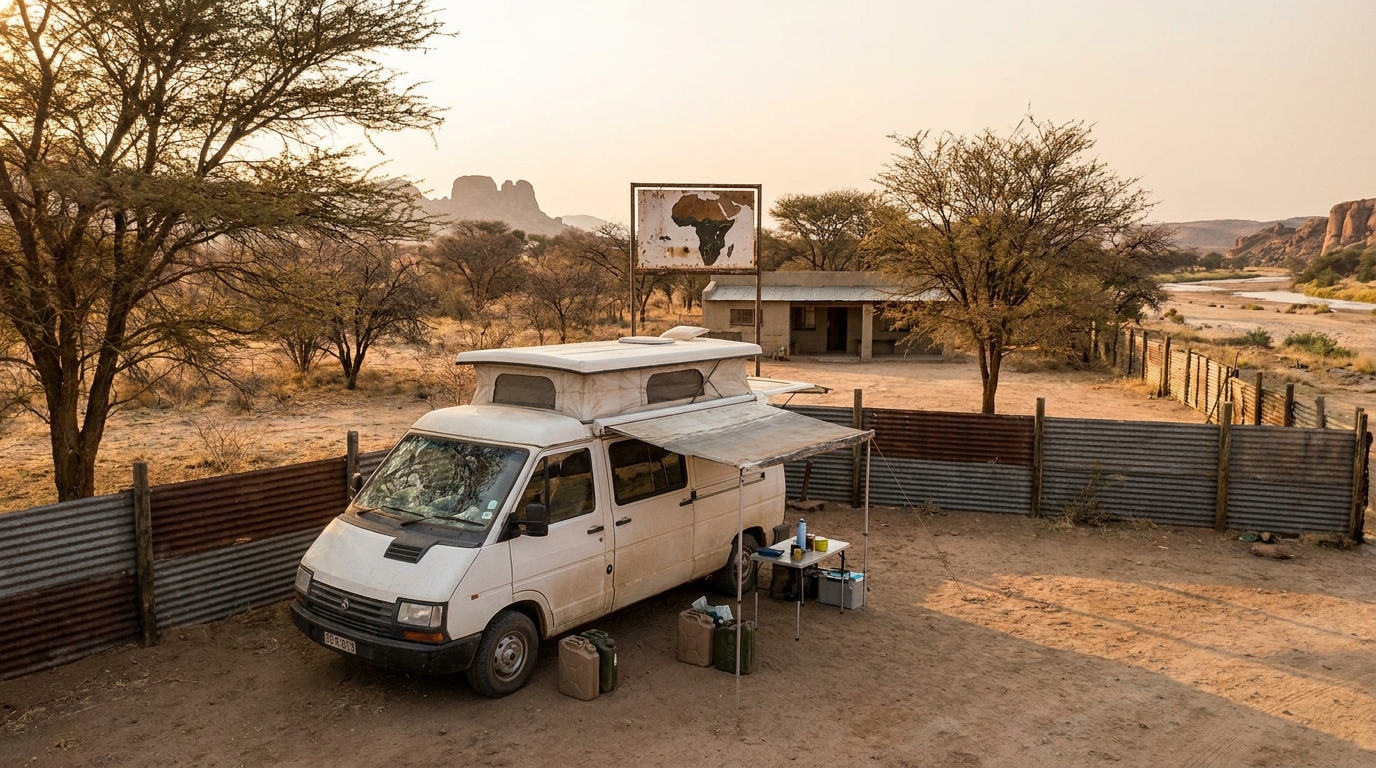
For live availability and current prices, start with our RV Rental Africa - Complete Guide 2026 guide.
In This Guide
- Where to Camp in Africa - Top Options
- Campground Types in Africa (National, Private, Wild)
- Featured RV Park or Campground in Africa
- Hookups & Amenities - What to Expect
- Booking Windows & Reservations in Africa
- Nearby Supermarkets & Resupply Points
- Best RV Class for Camping in Africa
- How to Save on Campgrounds in Africa
- What is the 3-3-3 rule for RVs?
- What is the 333 rule for campervan?
- Where is the best place to park an RV for free?
- Is wild camping legal in South Africa?
- Can you camp in Africa National Parks?
- Which country has the best campsites?
- Which national parks have RV camping?
- What is the 444 rule for RV?
- Is it safe to wild camp in South Africa?
- What is the average cost of an African safari vacation?
- Pre-Trip Planning for African RV Adventures
Where to Camp in Africa - Top Options
Africa offers diverse RV camping experiences, from bustling coastal resorts to remote bushveld sites within national parks, making it an ideal continent for an extended road trip or a quick getaway. While exploring possibilities for a Weekend RV Camping in Africa - Quick Stays 2026, consider that popular RV camping regions include South Africa (specifically the Western Cape and areas surrounding Kruger National Park), Namibia (Etosha National Park, Damaraland), and Botswana (fringes of the Okavango Delta, Chobe National Park). You'll find well-established private campgrounds near major tourist hubs that offer a wide array of amenities, alongside stunning national park sites perfect for immersive wildlife viewing. For those seeking incredible landscapes, the Cederberg Mountains in South Africa provide unique opportunities, while St Lucia is perfect for diverse wildlife experiences. For live availability and current prices, start with our RV Rental Africa - Complete Guide 2026 guide. Drive slowly and carefully, and you can drive almost anywhere without issues. No need to stress - just use common sense and pay attention. For more detailed information on RV travel in South Africa, explore our dedicated guides. Similarly, to plan your RV adventure in Namibia, check out our resources for RV Rental Namibia - Complete Guide 2026.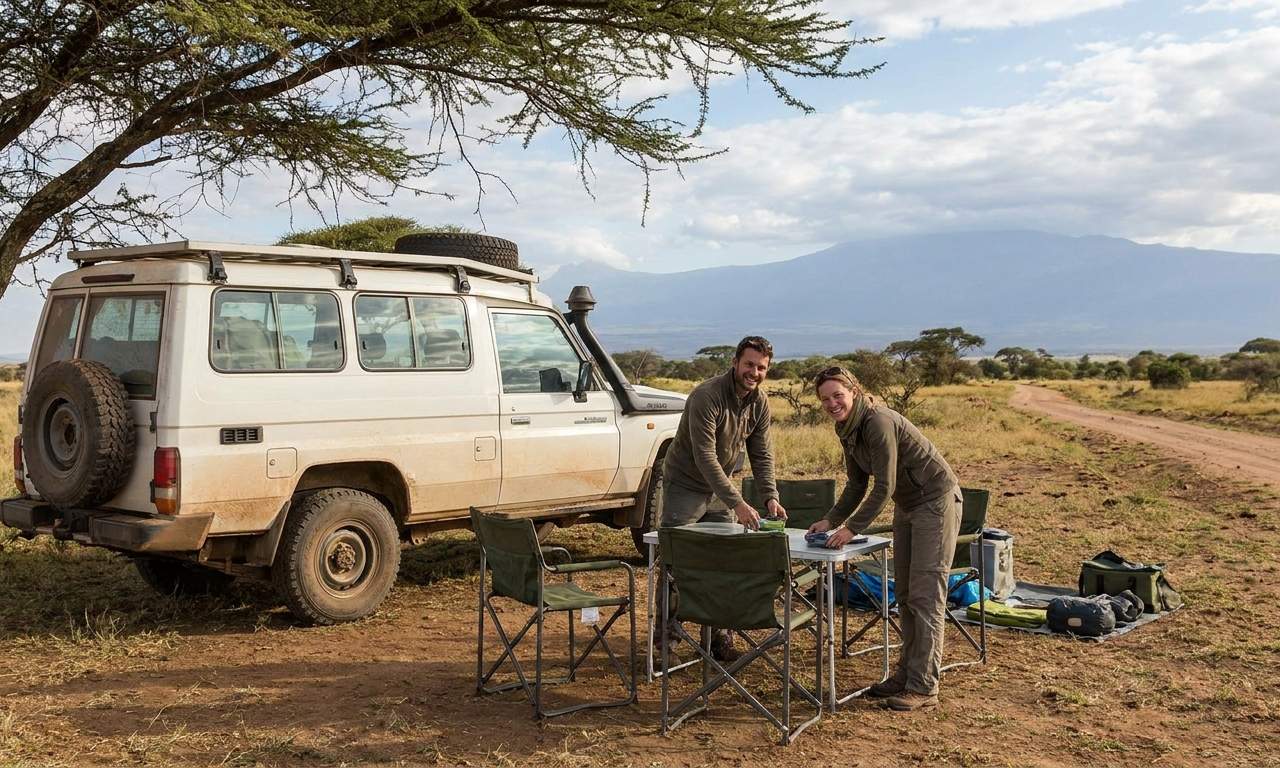
Campground Types in Africa (National, Private, Wild)
African RV camping is broadly categorized into National Park campgrounds, private resorts, and wild (or bush) camping, each offering distinct rules and experiences for your adventure. National Park campgrounds, often requiring advance booking, provide direct proximity to wildlife and natural attractions, necessitating adherence to park regulations regarding noise, fires, and waste management. Private campgrounds and resorts, on the other hand, frequently offer a wider range of amenities such as swimming pools, restaurants, and reliable electrical and water hookups, serving as a comfortable base for exploring. Wild camping, also known as bush camping or freedom camping, refers to parking overnight outside designated campgrounds; its legality and safety vary significantly by country and specific location in Africa, often requiring permits or being prohibited in conservation areas. Always verify the legality and safety of wild camping with local authorities or reputable sources before attempting it in any African region.Featured RV Park or Campground in Africa
When selecting an RV park in Africa, travelers should seek locations that balance accessibility, amenities, and proximity to desired attractions, enhancing your overall experience. For example, Skukuza Rest Camp in South Africa's Kruger National Park is a prime choice, offering powered sites, clean ablution blocks with hot water, and a shop, alongside unparalleled access to game drives. Look for parks with secure facilities, a strong reputation for safety, and potentially fenced perimeters to deter wildlife in certain areas. Ideal campgrounds often provide a mix of powered and unpowered sites, clean ablution blocks, and perhaps communal braai (BBQ) facilities, which are perfect for preparing delicious meals. Explore our RV-friendly recipes playlist for inspiration! For those seeking a true African experience, a campground adjacent to or within a game reserve, offering guided tours or self-drive opportunities, is highly recommended.Hookups & Amenities - What to Expect
When RV camping in Africa, expect a varied standard of hookups and amenities, ranging from basic facilities in remote areas to comprehensive services at larger resorts. Most established private campgrounds and many national park sites offer electrical hookups, typically 220-240V with round 3-pin plugs (Type M in South Africa, similar to India, so bringing appropriate adapters for European/UK plugs is generally advisable). Water hookups are common, but since water quality can vary significantly, carrying your own potable water or a reliable filter is a smart move, especially for remote locations. Dump stations for grey and black water are available at larger, more developed campgrounds, but are less common at very remote or basic sites, necessitating careful waste management and longer-term planning. Amenities like communal ablution blocks with showers (sometimes cold water only in very remote areas), laundry facilities, and basic shops are often found at larger or more popular campgrounds. Wi-Fi can be sporadic or only available in common areas, and its reliability varies greatly across the continent, so consider local SIM cards for mobile data if consistent connectivity is important.Booking Windows & Reservations in Africa
For RV rentals in Africa, planning ahead is generally recommended, especially when you're looking for an extended road trip during peak seasons or aiming for popular national park campgrounds. High-demand locations, particularly those within iconic national parks like Kruger in South Africa or Etosha in Namibia, often require reservations months in advance. Many national park campgrounds operate on a system where only a portion, typically around 25%-30% of spots, are available for advance booking, with the remaining 70%-75% allocated on a first-come, first-served basis, offering some flexibility for spontaneous travelers. If you're planning a quick getaway, spontaneous travelers can often find spots at private campgrounds or smaller municipal sites, but it's always wise to call ahead before driving long distances to confirm availability. Booking through Bandana RV provides transparent price comparison, ensuring what you see is what you pay, with no surprise fees at pickup. For information on specific pricing trends, explore our guide to "Weekend RV Rental in Africa - Pricing 2026" or "Last-Minute RV Rental in Africa - What to Expect 2026".Nearby Supermarkets & Resupply Points
Access to supermarkets and resupply points is crucial for RV travelers in Africa, requiring careful planning, especially when venturing into remote areas. While specific supermarket data is not provided, major towns and cities across Africa will have large grocery chains such as Shoprite, Checkers, Pick n Pay (South Africa), or SPAR (present in many countries). It is always wise to stock up on essentials like food, water, and fuel in larger towns before heading into national parks or rural regions, where options will be limited to small, often sparsely stocked, convenience stores or roadside stalls. Consider carrying extra fuel, water, and non-perishable food items, as distances between reliable resupply points can be substantial in many parts of Africa. For managing all your trip expenses, RV PLANET routes allow travelers to itemize and track every cost along the way for easy budgeting, ensuring full transparency.Best RV Class for Camping in Africa
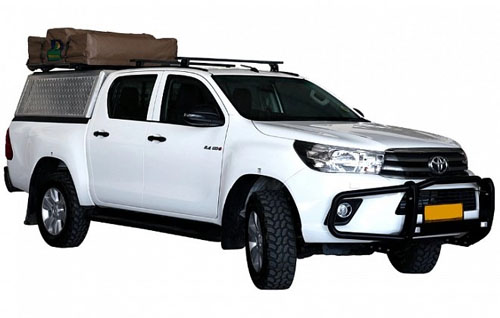
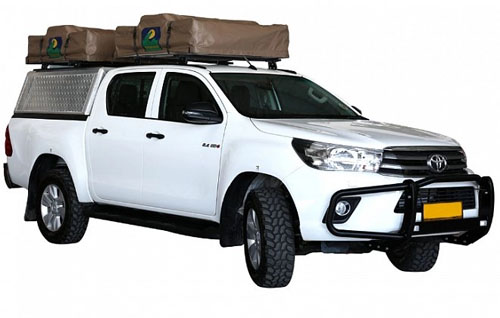
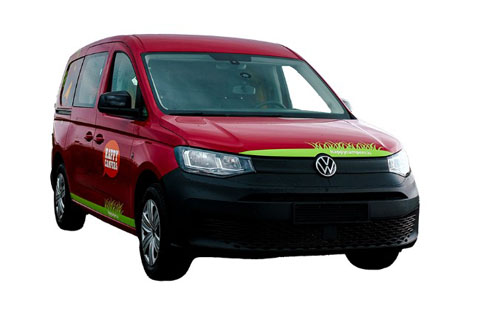
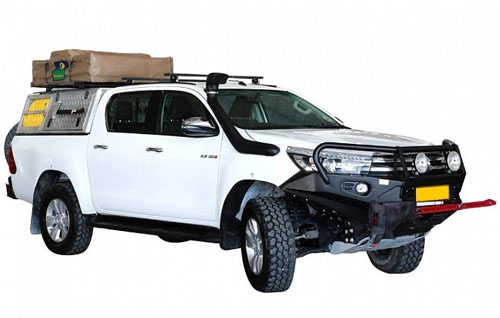
The best RV class for RV camping in Africa largely depends on your itinerary, favoring vehicles that offer a blend of maneuverability, self-sufficiency, and robust construction for varied terrains. Class B Camper Vans, like the "Active Pop Top" which is 5.99m long, are highly recommended for week-long trips and exploring Africa, offering agility for smaller roads and easier parking while maintaining good fuel efficiency (typically 8-10 Liters/100 Km). These campervans from Bandana's fleet average 5.8m in length, sleeping 3 people, and accommodating 2-3 adults. Class SI (Semi-integrated) RVs, averaging 6.9m in length for Bandana's fleet and sleeping 3-4 people, provide a good balance of comfort and reasonable size, suitable for established campgrounds and paved routes, consuming around 10-11 Liters/100 km. For venturing into less developed areas or national parks with rougher tracks, a 4x4 capable RV or a Truck Camper (Class TC) is often essential, providing the ground clearance and traction needed for African terrain, with Bandana's Truck Campers averaging 5.5m and consuming 12-17 Liters/100 km. Larger Class C Alcove (averaging 7.5m, like the "24' Class C Motorhome") and Class A Integrated RVs (also averaging 7.5m) from Bandana's global fleet offer more living space but may be less suitable for the challenging road conditions and tighter spaces often encountered in African camping. The minimum driver age for any of these motorhome classes is 21 years.How to Save on Campgrounds in Africa
Saving on campground costs for an RV rental in Africa can be achieved through strategic planning and leveraging available discounts, especially important for longer trips. Utilize campground discount cards or memberships, which can offer significant savings on nightly rates at participating parks. Booking during the shoulder season (just before or after peak tourist times) often yields lower rates and fewer crowds compared to the high season, which in Southern Africa is typically May to October. Opting for municipal or regional campgrounds over luxury private resorts can significantly reduce costs while still providing essential facilities. Consider staying 3 or more nights at a single location, as many campgrounds offer weekly rates that are more economical per night than daily rates. If traveling in a group, sharing hookups or splitting the cost of a larger site can also lead to savings. For deeper insights into managing your expenses, take a look at our "Cheap RV Rental in Africa - Budget Guide 2026" or "RV Rental in Africa - Prices and Best Deals 2026".What is the 3-3-3 rule for RVs?
The 3-3-3 rule for RVs, a guideline for relaxed travel, suggests driving no more than 300 miles (approximately 480 km) per day, arriving by 3 PM, and staying for at least 3 nights. While this is a useful principle for pacing your trip, the 3-3-3 rule requires adaptation for African RV travel due to unique road conditions, varying distances between attractions, and sometimes limited infrastructure. In Africa, prioritizing road safety and accounting for unpaved sections, wildlife crossings, and potential border delays might mean driving significantly less than 300 miles (more realistically 100-150 km per day on average), especially in remote areas. Arriving by 3 PM remains a strong recommendation in Africa to allow ample time to set up camp before dark and to avoid driving at dusk or night when wildlife activity and road hazards dramatically increase. Staying for at least 3 nights is excellent advice for Africa, enabling deeper exploration of a region, allowing for safari activities, and reducing the stress of constant packing and unpacking.What is the 333 rule for campervan?
The 333 rule for campervans, similar to motorhomes, advocates for daily travel limits of around 300 miles (480 km), aiming to arrive at your destination by 3 PM, and planning to stay for at least 3 nights. For campervan travel in Africa, adhering to the spirit of the 333 rule - prioritizing moderate daily distances and early arrivals - is crucial, although the specific '300 miles' might be too ambitious on many African roads. Campervans, like Bandana's Class B models, offer greater maneuverability than larger RVs, which can be an advantage on narrower or less-maintained African roads, making early arrival by 3 PM still very achievable and safer. The 'stay 3 nights' aspect is particularly beneficial for campervan trips in Africa, allowing time for activities like game drives, hiking, or cultural experiences without feeling rushed, maximizing the value of your week-long rental. Always factor in potential delays such as fuel stops, border crossings, or unexpected road conditions when planning your daily mileage in an African campervan adventure.Where is the best place to park an RV for free?
Finding safe and legal places to park a rented RV for free in Africa is more challenging and less common than in regions like North America or Europe, with 'wild camping' or 'bush camping' rules varying significantly by country. Unlike regions where options like Walmart or BLM land exist, Africa generally lacks widespread designated free overnight parking for RVs in urban or retail areas. In countries like South Africa, Namibia, or Botswana, some isolated rural areas might be tolerated for overnight parking if permission is sought from local landowners, but this is never guaranteed and carries safety risks. National parks and private reserves almost always require payment for designated campsites, and free parking within these protected areas is typically prohibited to protect wildlife and ensure visitor safety. Prioritize safety and legality: research local regulations meticulously, utilize reputable guidebooks for established campsites, and always opt for secure, designated camping facilities over unverified free spots, especially for an extended trip.Is wild camping legal in South Africa?
Wild camping, or 'bush camping,' is generally not legal in South Africa, especially within national parks, nature reserves, or on private land without explicit permission from the landowner. South African law typically restricts camping to designated campsites, which are abundant and well-maintained across the country, particularly within the extensive network of SANParks (South African National Parks) and provincial reserves. Attempting to wild camp in South Africa carries risks beyond legality, including personal safety concerns, potential encounters with dangerous wildlife (like lions or elephants), and significant environmental impact. While some very remote areas might tolerate discreet overnight stops, this should only be considered by experienced overlanders with local knowledge and strict adherence to leave-no-trace principles. For RV renters, it is highly advisable to stick to established campgrounds and caravan parks to ensure safety, legal compliance, and access to facilities.Can you camp in Africa National Parks?
Yes, you can absolutely camp with your rented motorhome in many African National Parks, which offer some of the most immersive wildlife and nature experiences available to RV travelers. Most major national parks across Southern and East Africa, such as Kruger National Park (South Africa), Etosha National Park (Namibia), Chobe National Park (Botswana), and Serengeti National Park (Tanzania), have well-equipped campgrounds. Camping within national parks typically requires advance booking, especially during peak seasons, and strict adherence to park rules regarding noise, fires, waste disposal, and staying within designated areas. Some parks may have vehicle restrictions, particularly for larger RVs or during certain times of the year, so always check specific park regulations before your trip. Camping in national parks provides unparalleled opportunities for early morning game drives and experiencing the African wilderness directly from your campsite.Which country has the best campsites?
The "best" campsites in Africa are subjective and depend on traveler preferences, but South Africa, Namibia, and Botswana are consistently highlighted for their outstanding RV and camping infrastructure. South Africa offers a vast array of campsites ranging from luxurious private resorts to rustic national park sites (SANParks), known for their diversity in landscape and excellent facilities. Namibia is renowned for its incredible wilderness camping experiences, particularly within its national parks like Etosha, offering stark beauty and unique desert landscapes. Botswana provides exceptional, albeit often more remote and rustic, camping opportunities within its pristine wilderness areas like the Okavango Delta and Chobe, focusing on immersive wildlife encounters. Other countries like Kenya and Tanzania also offer compelling camping options, particularly for safari-goers, though the infrastructure outside major parks might be less developed for extensive RV travel. Consider reviewing our "One-Way RV Rental in Africa - Price Guide 2026" if you're planning a multi-country adventure.Which national parks have RV camping?
Many prominent national parks in Africa cater to RV camping, offering designated campsites that provide direct access to wildlife viewing and natural attractions. In South Africa, Kruger National Park is famous for its numerous rest camps with RV facilities, alongside parks like Addo Elephant National Park and Tsitsikamma National Park along the Garden Route. Namibia boasts RV-friendly parks such as Etosha National Park, known for its floodlit waterholes, and parts of Damaraland and the Skeleton Coast Park. Botswana offers RV camping in iconic locations like Chobe National Park (Kasane and Ihaha Camps), Moremi Game Reserve, and Nxai Pan National Park, though these often require 4x4 motorhomes and are more rugged. Other notable mentions include Hwange National Park in Zimbabwe, and various parks in Kenya (e.g., Nairobi National Park) and Tanzania (e.g., Arusha National Park), though facilities can be more basic and a 4x4 is often necessary for these regions.What is the 444 rule for RV?
The 444 rule for RV travel is a less common guideline, sometimes interpreted as driving no more than 400 miles, arriving by 4 PM, and staying for a minimum of 4 nights, or in some contexts, driving at a maximum of 40 MPH. For RV travel in Africa, adapting any fixed 'mileage' rule is critical due to varied road conditions; a more practical interpretation would focus on driving for no more than 4-5 hours per day to ensure safe travel and allow for unexpected delays, keeping average daily distances to 100-150 km. Arriving by 4 PM is a sensible recommendation in Africa, aligning with the need to avoid driving after dark when wildlife is more active and road visibility is significantly reduced, enhancing safety. Staying for a minimum of 4 nights is an excellent strategy for an African RV trip, particularly for extended breaks, allowing ample time to explore, recover from travel, and deeply engage with the local environment and safari opportunities. The concept of '40 MPH maximum' could be a useful safety reminder on unpaved or challenging African roads, where maintaining slower speeds is paramount for vehicle integrity and passenger comfort.Is it safe to wild camp in South Africa?
Wild camping in South Africa is generally not recommended due to significant safety concerns, including personal security risks, potential wildlife encounters, and legal implications. Unlike some other continents, South Africa experiences higher crime rates in certain areas, and isolated wild camping spots can make RV travelers vulnerable to theft or other criminal activity. Africa is home to dangerous wildlife, and camping outside designated, protected areas increases the risk of unwelcome encounters with animals like lions, elephants, or venomous snakes. It is far safer and more advisable for RV travelers to utilize South Africa's extensive network of reputable, secure, and often fenced campgrounds and caravan parks, which offer amenities and peace of mind. Always prioritize personal safety and the security of your rented vehicle by choosing officially sanctioned and well-reviewed camping locations. For additional information on costs, consider our "Luxury RV Rental in Africa - Premium Prices 2026" guide.What is the average cost of an African safari vacation?
The average cost of a traditional African safari vacation can vary dramatically, typically ranging from $150 to over $1,500 per person per day, depending on the destination, accommodation style, and level of luxury. Budget safaris, often involving basic tented camps or self-drive options with a rented RV, might start from around $150-$300 per person per day, while mid-range safaris often fall between $350-$750. Luxury safaris, featuring exclusive lodges, private guides, and bespoke experiences, can easily exceed $1,000-$1,500 per person per day. An RV rental for a self-drive safari or camping trip in countries like South Africa or Namibia offers a significantly more cost-effective alternative, allowing travelers to control their expenses on accommodation and food. While an RV trip requires rental costs, fuel, and campground fees, it generally provides a more budget-friendly way to experience Africa's wildlife and landscapes compared to traditional guided safari packages.Pre-Trip Planning for African RV Adventures
Thorough pre-trip planning is paramount for a successful and safe RV adventure in Africa, encompassing documentation, vehicle preparedness, and essential local knowledge. Ensure all necessary documentation is in order, including international driving permits, vehicle registration papers (from the rental company), and any required visas or border crossing permits for multi-country trips; a standard car driver's license is sufficient for all motorhomes, with a minimum age of 21. Pack an Africa-specific essential kit: spare tires, basic tools, a robust first-aid kit, sufficient potable water and purification tablets, satellite phone or reliable communication device for remote areas, and a navigation system with offline maps. Familiarize yourself with local terminology; what might be an 'RV' elsewhere could be referred to as a 'caravan' or 'overlander' in parts of Africa, and understanding 4x4 capabilities is often crucial. Research local emergency services numbers and procedures, and consider comprehensive travel and medical insurance that covers remote medical evacuation for peace of mind. Understand that infrastructure can be limited in remote regions; plan fuel stops carefully and carry extra reserves if venturing off main routes, embracing the spirit of self-sufficiency. We handle the details, you live the journey - personal service from day one until your booking is confirmed.What You Shouldn't Miss
- **Safari in Kruger National Park, South Africa**: Drive your rented motorhome through one of Africa's most iconic wildlife reserves, staying at well-equipped camps for unparalleled game viewing.
- **Explore Namibia's Deserts and Coastline**: Discover the towering dunes of Sossusvlei and the dramatic Skeleton Coast with a robust 4x4 campervan.
- **Experience Morocco's Atlas Mountains and Sahara**: Venture into Berber villages and sleep under the stars in an RV, blending culture with adventure.
- **Water-based Safaris in Botswana's Okavango Delta**: Park your RV at a nearby camp and take mokoro (traditional dugout canoe) excursions into this pristine wilderness.
- **Victoria Falls in Zambia/Zimbabwe**: Witness the majestic Mosi-oa-Tunya ('The Smoke That Thunders') from the comfort of your rented campervan, enjoying nearby campsites with breathtaking views.
Final Thoughts
Africa offers an RV adventure like no other, blending incredible wildlife, diverse landscapes, and rich cultures into an unforgettable experience. While "quick stays" are a fantastic way to sample its magic, we truly believe that an extended road trip of a week or more allows you to truly immerse yourself in the continent's rhythm. You'll have the freedom of a mobile home base, letting you savor every moment and explore at your own pace, traveling slowly, with a maximum of 100-150 km per day on average.Whether you dream of a safari in the bush or exploring the dramatic coastlines, a rented motorhome or campervan provides the perfect blend of comfort and adventure. We're here to support you before, during, and after your booking, making sure all the small details are covered so you can focus on making memories. Get inspired for your next trip! Discover top destinations and planning tips, all in one place, and remember: God is in the small details, and we take care of them. That's what makes the big difference.
Ready to discover the wonders of Africa on your terms? Compare Motorhome Prices for Africa today and start planning your epic journey!
🎬 Video coming soon
On the routes offered through RV PLANET routes, you can itemize and track every expense along the way for easy budgeting.