For live availability and current prices, start with our RV Rental Turkey - Complete Guide 2026 guide.
In This Guide
- Can You Drive an RV in Turkey? License & Age Rules
- Road Conditions & Terrain in Turkey
- RV Size Limits, Bridges & Restricted Zones
- Fuel: Diesel vs. Petrol & Cost per 100 km
- Tolls, Vignettes & Border Rules
- Driving Tips for weekly rv rental Travelers
- Recommended RV Class for Turkey Roads
- Should I Choose a Compact Van Instead of a Large RV in Turkey?
- Can I Park Anywhere? Free & Wild Camping Rules in Turkey
- Can I Drive an RV Into the City Center? Heights, Tunnels & Local Signage
- What Are Essential Safety Tips for RVing in Turkey?
- How Can I Experience Authentic Turkish Culture in an RV?
- What Off-the-Beaten-Path Destinations Can I Explore with an RV in Turkey?
- Can I Cook Local Produce in My RV? Tips for Foodies in Turkey
- How Can Digital Nomads Stay Connected While RVing in Turkey?
- Top Cities for RV Rental in Turkey
Turkey, a magnificent bridge between East and West, offers an unparalleled adventure for those seeking to explore its rich history, vibrant culture, and diverse landscapes with a rented RV. Imagine the freedom of waking up to the turquoise waters of the Mediterranean, the ancient ruins of Ephesus, or the surreal "fairy chimneys" of Cappadocia, all from the comfort of your mobile home. This comprehensive guide will equip you with all the essential information for an unforgettable week-long RV driving tour in Turkey, ensuring a smooth and inspiring journey.
For live availability and current prices, start with our RV Rental Turkey - Complete Guide 2024 guide, which provides extensive details for planning your trip.
Can You Drive an RV in Turkey? License & Age Rules
Yes, you can certainly drive an RV in Turkey with the right documentation. A standard B category driver's license is typically sufficient for driving RVs in Turkey that weigh under 3.5 tonnes, covering most Class B campervans and many Class C motorhomes. For non-Turkish license holders, possessing an International Driving Permit (IDP) along with your national license is generally required and highly recommended, though not strictly mandatory in all cases, it significantly eases communication if you encounter law enforcement.
The minimum driver age for RV rentals in Turkey is usually 21 years old, ensuring a wider range of travelers can experience this adventure. Unlike some countries, there are typically no young driver surcharges for those aged 21 and above, nor are there vehicle class restrictions based on age. For RVs exceeding 3.5 tonnes, a higher license category (e.g., C1 or C) is necessary, aligning with broader European driving license regulations. Always verify specific requirements with your chosen rental supplier to ensure full compliance before you embark on your journey. Bandana RV works with numerous suppliers like El Monte and Apollo, all offering transparent licensing details.
Road Conditions & Terrain in Turkey
Turkey offers generally good road conditions for RV travel, particularly on its major highways. Major highways and toll roads in Turkey are typically well-maintained, multi-lane, and suitable for motorhome travel, providing smooth and efficient journeys between key cities like Ankara, Istanbul, and Antalya. These routes are comparable to many European road networks, making long-distance travel comfortable. However, adventurers should be prepared for varying conditions as they venture off the main arteries. On the routes offered through RV PLANET routes, you can itemize and track every expense along the way for easy budgeting.
Rural roads, especially those leading to smaller villages or hidden historical sites, can vary significantly from paved surfaces to gravel or unpaved tracks. Turkey's diverse geography includes breathtaking mountainous regions, such as the Black Sea coast and Eastern Anatolia, which feature winding roads, steep inclines, and occasional narrow sections. While these areas offer spectacular scenery, they demand careful driving. Urban areas, particularly in large, bustling cities like Istanbul or İzmir, can experience heavy traffic congestion and complex road networks. Drive slowly and carefully, and you can drive almost anywhere without issues. No need to stress - just use common sense and pay attention. For a more relaxed pace, consider exploring our Budget RV Tips for Turkey - Save Money 2024 to make the most of your journey.
RV Size Limits, Bridges & Restricted Zones
For most travelers with a rented RV in Turkey, standard RVs typically face no specific general size restrictions beyond those of regular vehicles on Turkish roads, though local signage is always the final authority. Drivers must pay close attention to height and weight limits posted for tunnels, underpasses, and older bridges, especially when venturing into historic city centers or navigating certain mountainous areas. Planning your route with these considerations in mind will prevent unexpected detours.
While Turkey does not currently have widespread environmental zones specifically restricting RVs, like some major cities in Western Europe, certain historical or protected urban areas may have limited access or parking for larger vehicles. When planning ferry travel, for example, across the Dardanelles or potentially to nearby Greek islands, be aware that ferry operators often impose length and height surcharges for RVs, and booking in advance is highly advisable to secure a spot and understand the additional costs. Our aim is full transparency, so you'll encounter no hidden fees or surprises when booking through Bandana.
Fuel: Diesel vs. Petrol & Cost per 100 km
In Turkey, diesel (Dizel) is the predominant fuel type and is widely available at service stations across the country, making it the most practical option for RV travelers. Most Bandana RVs, including Class SI, Class C, and Class B models, typically run on diesel for optimal fuel efficiency, which is important for managing your overall travel budget. Petrol (Benzin) is also available but is less common for larger vehicles.
For budgeting purposes, Bandana's fleet of Semi-integrated RVs, such as a "2 Berth Tamar" or "Active Standard Auto", typically consumes 10–11 Liters/100 km, while Alcove RVs (Class C) like a "4 Berth Henty" average 10–12 Liters/100 km. Compact Camper Vans (Class B) offer excellent efficiency, consuming 8–10 Liters/100 km. The average cost per 100 km for a rented RV in Turkey will depend on current fluctuating fuel prices; travelers should check local prices upon arrival and budget accordingly. For ancillary trip costs beyond the RV rental itself, such as fuel, campground fees, and groceries, remember that RV PLANET routes allow travelers to itemize and track every expense along the way for easy budgeting.
Tolls, Vignettes & Border Rules
Turkey operates a cashless electronic toll system known as HGS (Hızlı Geçiş Sistemi) for its motorways, bridges, and tunnels, and does not use traditional vignettes. RV renters will typically find their vehicle equipped with an HGS sticker or transponder linked to an account. This account is either pre-loaded by your rental supplier or requires a balance top-up at PTT (post office) branches or major fuel stations. It is crucial to ensure your HGS account has sufficient funds to avoid hefty fines, which can be significantly higher than the toll itself. Your rental provider will offer guidance on how to manage this.
For those considering extending their adventure beyond Turkey, crossing borders into neighboring countries such as Greece or Bulgaria requires standard international travel documentation. This includes valid passports, the vehicle registration documents, and proof of comprehensive insurance coverage. Specific rules can vary by country, so always research entry requirements and vehicle insurance validity for your destinations well in advance. Planning your full itinerary can be streamlined with professional route plans by RV PLANET, our sister company, which offers 1,300+ pre-planned routes across 5 continents.
Driving Tips for weekly rv rental Travelers
For a rewarding week-long RV rental experience in Turkey, pacing your journey is key to truly absorbing the local culture and stunning landscapes. Aim to travel slowly, covering a maximum of 100-150 km per day on average, allowing ample time to feel the place, connect to the culture, the food, and the scenery. This approach also helps navigate Turkey's diverse road conditions, from well-maintained highways to more rustic rural paths.
It's always a good idea to pre-book campsites, especially if your trip falls during peak season or includes popular tourist destinations like Pamukkale or the Aegean coast, to avoid last-minute stress and ensure a safe overnight spot. Beyond camping, embrace local markets (known as *pazars*) for fresh produce, spices, and regional specialties; this not only enhances your culinary adventure but also supports local communities. Practice cultural sensitivity and observe local road etiquette, which can be assertive but generally follows common sense rules. For example, a quick flash of headlights might signal "I am coming through" rather than "you go first." Finally, consider local SIM cards for reliable connectivity, as Wi-Fi hotspots can be inconsistent in more remote areas. Remember, Bandana RV offers 24/7 support leading up to and during your booking process, ensuring you're never alone in your planning.
Recommended RV Class for Turkey Roads
For weekly RV rentals in Turkey, the Class SI (Semi-integrated) and Class B (Camper Van) are highly recommended due to their optimal balance of comfort, amenities, and maneuverability. Class SI RVs, with an average length of 6.9 meters and sleeping capacity for approximately 3-4 adults (like a "K3E" or "Comfort Standard Auto"), offer ample living space and facilities such as a functional kitchen and bathroom, while remaining agile enough for diverse Turkish roads, including coastal routes and smaller towns.
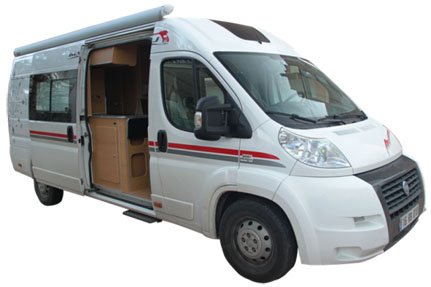
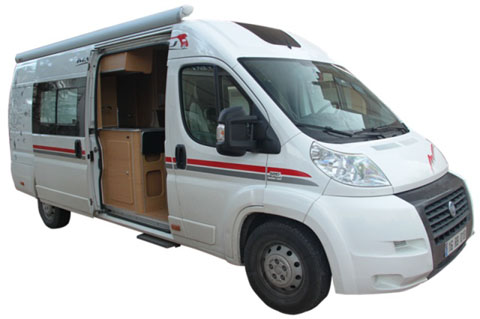
Class B Camper Vans, averaging 5.8 meters in length and designed for 2-3 adults (such as a "V3" or "EcoLine 2"), provide superior maneuverability. These smaller vehicles are perfect for navigating narrower mountain passes, historical town streets, and finding unique parking spots, making them ideal for adventurous couples or solo travelers seeking maximum flexibility. Both classes offer sufficient ground clearance for varied terrain and are well-suited for exploring both popular sites and off-the-beaten-path destinations across Turkey. We partner with over 50 leading RV suppliers worldwide, including trusted names like El Monte and Apollo, ensuring you have a wide selection to choose from with full transparency on features and pricing.
Should I Choose a Compact Van Instead of a Large RV in Turkey?
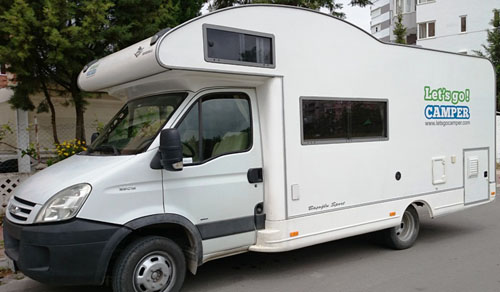
The choice between a compact van and a larger RV for your Turkey adventure largely depends on your travel style and group size. While larger RVs like Class C (average 7.5m length, such as a "MHC24" with a 150L fresh water tank) or Class A (average 7.5m length) offer more indoor comfort and amenities, a compact Camper Van (Class B, average 5.8m length, like a "Chaser") can offer distinct advantages for RV travel in Turkey, especially when aiming for flexibility and access.
A compact van provides significantly easier maneuverability, making it ideal for navigating Turkey's often narrow village roads, congested city centers, and winding coastal or mountainous routes, particularly along the Lycian Way. Parking is generally simpler and more widely available for compact vans in urban areas and smaller towns, allowing easier access to local attractions and authentic experiences without the stress of finding large spaces. However, the trade-off is reduced living space, fewer amenities (like a separate shower or larger kitchen), and less storage, which might impact comfort for longer trips or larger groups. Ultimately, if your priority is maximum flexibility and access to hidden gems, a compact van is an excellent choice. If you prefer more space and amenities for a family or larger group, a Class C or Class A motorhome offers a comfortable traveling experience on broader roads. Remember, a standard car driver's license is sufficient for all motorhome classes under 3.5 tonnes.
Can I Park Anywhere? Free & Wild Camping Rules in Turkey
Wild camping, often referred to as boondocking, in an RV is generally tolerated in many remote and rural areas of Turkey, particularly in designated natural parks or pristine landscapes, provided you respect the environment and private property. However, there is no explicit national law legalizing wild camping everywhere, and regulations can vary significantly by municipality, protected area, or private land ownership. It is always wise to be discreet, avoid setting up camp in overly conspicuous locations, and adhere to local customs.
For safety and to foster positive local relations, it's advisable to seek permission from local authorities or landowners if you plan to park overnight near villages or private property. Always prioritize personal security by choosing well-lit, visible spots or designated campgrounds when possible, and inform someone of your itinerary if you plan to stay in very isolated areas. Practice Leave No Trace principles strictly: pack out all trash, dispose of greywater responsibly, and conserve water to minimize environmental impact and support sustainable RVing. Rules vary by region-check local regulations and follow local law before parking overnight. For finding campsites and campgrounds during your trip, we recommend using RV PLANET (rvplan.net) - a great resource for locating available spots along your route.
Can I Drive an RV Into the City Center? Heights, Tunnels & Local Signage
Yes, most RVs can be driven into Turkish city centers, but careful attention to local signage is absolutely critical due to potentially challenging conditions. Be highly vigilant for height restriction signs, particularly for tunnels, underpasses, and multi-story car parks, as these can be significantly lower than what you might be accustomed to in other regions. Narrow streets in historic districts, dense traffic, and limited parking options are common in major Turkish cities like Istanbul, Izmir, and Antalya, which can make driving a larger RV stressful.
To reduce stress and enhance your experience, consider parking your RV on the outskirts of major cities and utilizing efficient public transportation to explore the historical core. This approach is often more convenient, saves time, and allows for a more relaxed exploration of bustling markets and ancient sites. Drive slowly and carefully, and you can drive almost anywhere without issues. No need to stress - just use common sense and pay attention. Knowing your RV's exact dimensions (length, width, height) is crucial for navigating any urban area in Turkey.
What Are Essential Safety Tips for RVing in Turkey?
Beyond standard road safety practices, RVing in Turkey requires awareness of regional nuances to ensure a secure and enjoyable trip. Mountain roads, especially in regions like the Kaçkar Mountains, demand extra caution, particularly in adverse weather conditions or after dark, due to winding paths and steep drops. Additionally, rural areas may have slower-moving farm vehicles or livestock on the roads, requiring heightened vigilance.
For personal security, always secure your rented RV properly when parked overnight, avoid leaving valuables visible, and choose designated campgrounds or well-trafficked areas over isolated spots if you're unsure about safety. Familiarize yourself with basic emergency protocols: know the local emergency number (112 for all emergencies), carry a comprehensive first-aid kit, and understand how to contact your rental provider for roadside assistance. Practice cultural sensitivity for safety: dress modestly in conservative areas, particularly near mosques or in rural villages, and be respectful of local customs to avoid drawing unwanted attention or misunderstandings. Our 24/7 support ensures real people are behind you before and after your booking, providing peace of mind as you prepare for your adventure.
How Can I Experience Authentic Turkish Culture in an RV?
To truly connect with authentic Turkish culture in an RV, move beyond popular tourist spots and immerse yourself in local life. Seek out vibrant village markets (köy pazarı) and small, family-run eateries (lokantas) rather than just tourist-focused restaurants, using basic Turkish phrases like "Merhaba" (hello) and "Teşekkür ederim" (thank you) to bridge any language gaps. This is a fantastic way to discover regional specialties and interact with locals.
Participate in local festivals or traditional events; research regional calendars for events like olive harvests, fruit festivals, or folk dance performances that often occur in smaller towns and offer a unique glimpse into Turkish traditions. Explore unique culinary experiences beyond restaurants by visiting local producers, such as olive oil farms in the Aegean region, vineyards, or cheese makers, many of which are accessible by RV and offer tastings. Opt for overnight stays in less commercialized campsites or even respectfully seek permission to park near a village, which can open opportunities for genuine interactions with residents and insights into daily life. For those seeking more specific guidance on routes that emphasize cultural immersion, exploring RV PLANET routes can be highly beneficial.
What Off-the-Beaten-Path Destinations Can I Explore with an RV in Turkey?
Beyond the well-trodden tourist paths, Turkey offers a treasure trove of off-the-beaten-path destinations perfectly suited for an RV adventure. Consider venturing into the scenic Kaçkar Mountains in the northeast, offering stunning trekking opportunities and access to unique Black Sea villages like Ayder or Uzungöl via winding, yet rewarding, RV routes. These areas provide lush green landscapes, traditional wooden houses, and opportunities for authentic cultural encounters.
Explore the remarkably preserved ancient ruins of Sagalassos in Pisidia, an awe-inspiring Roman site less frequented than Ephesus, offering ample RV parking and breathtaking views across the rolling hills. Discover the pristine beaches and ancient Lycian ruins along the Datça Peninsula, where smaller RVs or campervans can comfortably navigate charming coastal roads to secluded coves and fishing villages, offering serene overnight stops. Venture into the less-known regions of Eastern Anatolia to experience historical sites like Ishak Pasha Palace or the remote beauty of Lake Van, keeping in mind that road quality can vary more significantly here. This region promises rugged beauty and deep historical context, ideal for the intrepid RV traveler. For a broader perspective on exploring the continent, check out our RV Rental Europe - Complete Guide 2024.
Can I Cook Local Produce in My RV? Tips for Foodies in Turkey
Absolutely, cooking with local produce in your rented RV is one of the most rewarding culinary experiences in Turkey, allowing you to savor fresh, seasonal flavors economically and authentically. This practice enhances your road trip by turning every meal into a discovery of local tastes. You can purchase fresh produce from vibrant weekly farmers' markets (pazars) found in nearly every town, offering seasonal fruits, vegetables, cheeses, olives, and fresh bread at excellent prices.
Experiment with regional food specialties by purchasing unique ingredients like local peppers, sun-dried tomatoes, different types of Turkish cheese, or regional honeys to incorporate into your RV meals. Utilize your RV's kitchen to prepare simple yet delicious dishes like Menemen (Turkish scrambled eggs), fresh salads with local olive oil, or grilled meats marinated with local spices, effectively transforming your mobile home into a mobile Turkish kitchen. For more meal ideas, check out our RV-friendly recipes playlist.
How Can Digital Nomads Stay Connected While RVing in Turkey?
To ensure reliable internet connectivity while RVing in Turkey, digital nomads should purchase a local Turkish SIM card upon arrival, choosing from major providers like Turkcell, Vodafone, or Türk Telekom. These providers offer various affordable data packages that are far more cost-effective than international roaming. Mobile internet reliability is generally good in major cities and along main highways, providing sufficient speeds for most remote work requirements.
However, coverage can become spotty in very remote or mountainous regions, so it's wise to plan your routes with potential dead zones in mind. For additional connectivity and flexibility, many established campsites (kamping) and larger towns offer Wi-Fi hotspots, though speeds and reliability can vary. Consider carrying a portable Wi-Fi device as a backup or utilizing your smartphone's hotspot function. Additionally, downloading offline maps and critical work documents before venturing into areas with potentially limited coverage is a practical tip for uninterrupted work and navigation. If you're looking for cheap RV rental in Turkey - Budget Guide 2024, reliable connectivity is often a key factor for digital nomads.
Top Cities for RV Rental in Turkey
Turkey offers several excellent starting points for your weekly RV rental adventure, each providing unique access to different regions and attractions. Booking an RV from one of these cities simplifies logistics and opens up diverse route options.
- Istanbul: As the largest city and a major international hub, Istanbul and Istanbul - Airport offer the widest selection of rental motorhomes and campervans. From here, you can easily head west towards Europe, east towards Cappadocia, or south towards the Aegean and Mediterranean coasts.
- Antalya: A popular coastal city, Antalya and Antalya - Airport are ideal gateways for exploring Turkey's stunning Mediterranean coastline, the ancient Lycian Way, and the historical sites of Pamukkale and Hierapolis.
- Izmir: Located on the Aegean coast, Izmir and Izmir - Airport provide a perfect base for discovering ancient ruins like Ephesus and Pergamon, as well as the beautiful beaches and charming towns of the Aegean region.
- Ankara: The capital city, Ankara - Airport, offers a central starting point for those wishing to explore the heart of Anatolia, including Cappadocia's surreal landscapes and the historical wonders of Central Turkey.
- Bodrum: Known for its vibrant nightlife and beautiful marinas, Bodrum - Airport is another excellent choice for coastal adventures and island hopping to nearby Greek islands (remembering ferry details).
- Dalaman: Serving the southwestern coast, Dalaman - Airport is convenient for reaching popular resorts and natural beauties like Ölüdeniz and Butterfly Valley.
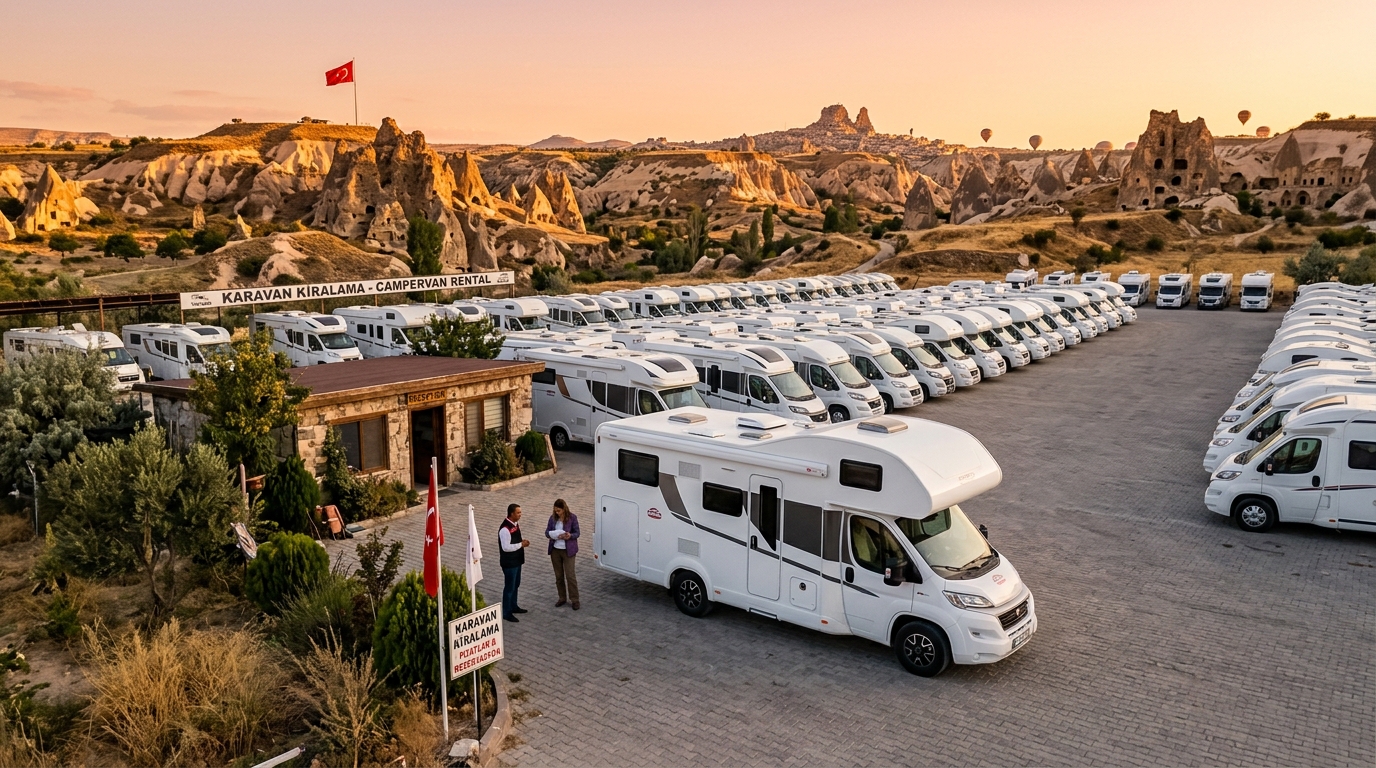
Each of these locations is served by Bandana's network of over 50 leading RV suppliers worldwide, ensuring a wide selection and competitive pricing for your perfect weekly RV rental in Turkey.
What You Shouldn't Miss
- Cappadocia's Hot Air Balloons and Fairy Chimneys: Spend a week exploring the surreal landscapes of Cappadocia. Drive your RV to panoramic viewpoints, take an early morning hot air balloon ride over the "fairy chimneys," and hike through the unique valleys of Göreme and Ihlara.
- The Ancient City of Ephesus: Dedicate a full day to wandering through the remarkably preserved ruins of Ephesus, including the Library of Celsus and the Great Theatre. Find RV-friendly camping nearby to fully absorb the historical atmosphere.
- Pamukkale's Cotton Castle and Hierapolis: Marvel at the ethereal white travertine terraces of Pamukkale, often called the "Cotton Castle." Combine this with a visit to the adjacent ancient city of Hierapolis, where you can swim in the antique pool.
- The Turquoise Coast (Lycian Way): Drive a portion of the scenic Lycian Way along the Mediterranean coast. Discover hidden coves, charming fishing villages like Kaş, and historical sites such as Xanthos and Patara. A compact Camper Van is particularly well-suited for these winding coastal roads.
- Taste Local Delicacies at Village Markets: Embrace the foodie in you! Park your RV near a local *pazar* (market) and stock up on fresh olives, cheeses, spices, and seasonal fruits. Use your RV's kitchen to prepare authentic Turkish meals.
- Explore the Kaçkar Mountains: For adventurous souls, head northeast to the lush Kaçkar Mountains. Enjoy stunning hikes, discover traditional Black Sea architecture in villages like Ayder, and experience a cooler climate with breathtaking natural beauty.
Looking for expert insights from Avi Bandana? Top 5 Adventures - recommendations from Avi Bandana.
Final Thoughts
A weekly RV driving tour in Turkey offers an incredible blend of historical exploration, natural beauty, and vibrant cultural immersion. From the ancient wonders of Ephesus to the unique landscapes of Cappadocia, and the stunning coasts of the Mediterranean and Aegean, traveling by rented motorhome or campervan grants you the flexibility and comfort to create your perfect adventure. Remember to embrace slow travel, savor local flavors, and connect with the warm hospitality of the Turkish people.
Bandana Caravan is here to support you every step of the way, providing transparent pricing, expert advice, and a wide selection of vehicles to suit your needs. Whether you are a pre-planner or a spontaneous traveler, we help you find the ideal RV and ensure a worry-free experience. So, pack your bags, prepare your route plans, and get ready for the road trip of a lifetime.
Discover top destinations, planning tips, all in one place! Find weekly rv Rentals in Turkey to start your adventure now.