In This Guide
- Can You Drive an RV in Toronto? License & Age Rules
- Road Conditions & Terrain in Toronto
- RV Size Limits, Bridges & Restricted Zones
- Fuel: Diesel vs. Petrol & Cost per 100 km
- Tolls, Vignettes & Border Rules
- Driving Tips for weekly rv rental Travelers
- Recommended RV Class for Toronto Roads
- Should I Choose a Compact Van Instead of a Large RV in Toronto?
- Can I Park Anywhere? Free & Wild Camping Rules in Toronto
- Can I Drive an RV Into the City Center? Heights, Tunnels & Local Signage
- What is the new RV law in Ontario?
- How much is RV insurance in Canada?
- Can you get temporary RV insurance?
- Does Costco Canada have RV insurance?
- How much is RV insurance each month?
Can You Drive an RV in Toronto? License & Age Rules
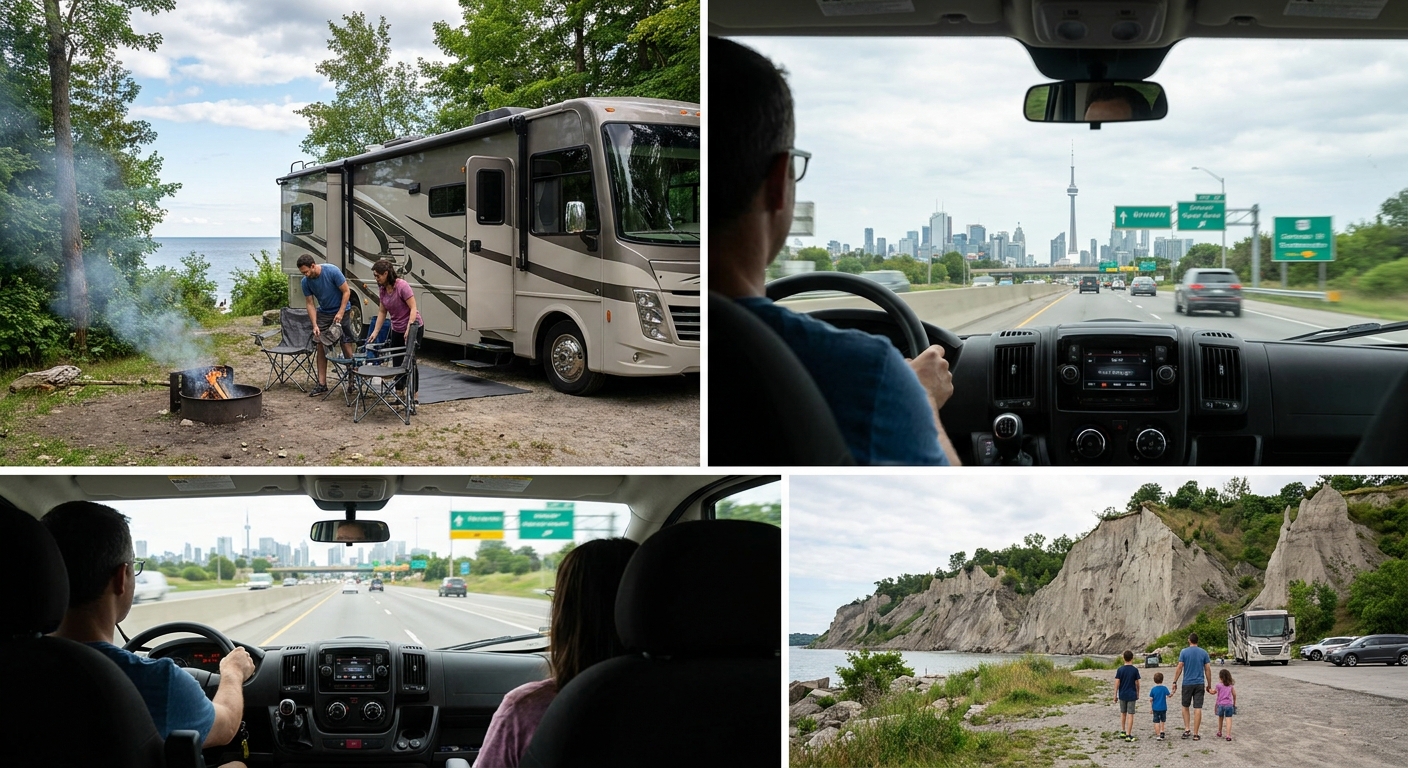
Driving a rented RV in Toronto is straightforward, provided you meet the licensing and age requirements. In Ontario, most recreational vehicles (RVs) under 11,000 kg (approximately 24,250 lbs) Gross Vehicle Weight Rating (GVWR) can be driven with a standard G class driver’s license. This G class license is typically sufficient for most Class B, C, and many Class A RVs commonly available for weekly rental. For larger RVs exceeding 11,000 kg GVWR, a higher license class like an A or D might be necessary, though these are less common for standard recreational rentals. The minimum driver age for RV rentals generally ranges from 21 to 25 years, varying by rental company and their insurance policies. Foreign drivers will need a valid driver’s license from their home country and, if it's not in English or French, an International Driving Permit (IDP) is recommended to legally drive in Ontario.
Road Conditions & Terrain in Toronto
Navigating Toronto in a rented RV is generally manageable due to its predominantly flat to gently rolling terrain. Major highways and arterial roads within Toronto and the Greater Toronto Area (GTA) are typically well-maintained, though urban streets can have variable conditions with occasional potholes, especially after winter. This means you won't encounter challenging mountain passes or steep grades. However, drivers should always be aware of Toronto's characteristic heavy traffic, alongside pedestrians and cyclists, particularly in denser downtown districts. Always anticipate varied road surfaces when exploring the city and its surrounding regions, which encourages a more cautious and deliberate driving style for a smooth weekly RV rental experience.
RV Size Limits, Bridges & Restricted Zones
While there are no blanket RV size limits for general driving in Toronto, drivers must always adhere to specific height and weight restrictions posted on individual bridges, underpasses, and parking facilities. Low bridges are more commonly found on older municipal roads rather than major expressways, so vigilance in observing posted clearance signs is key. Most rental RVs, particularly Class B and C models, are designed to clear standard Canadian highway overpasses (typically with a minimum clearance of 4.5 meters or 14.8 feet), but it's crucial to remain aware in unfamiliar areas. Toronto does not enforce environmental zones that restrict RV access based on emissions standards, unlike some European cities. Ferry services, such as those to Toronto Island, may have specific vehicle restrictions or require reservations, but these are typically manageable and do not broadly impact RV travel within the city.
Fuel: Diesel vs. Petrol & Cost per 100 km
Both diesel and petrol (gasoline) are readily available at service stations throughout Toronto and Ontario, with most RVs running on one or the other depending on their class and model. Based on typical Bandana fleet data, Class C - Alcove and Class SI - Semi-integrated RVs often consume around 25 liters per 100 km. Smaller Class B - Camper Van models tend to be more fuel-efficient, averaging 11–15 liters/100 km, while Class TC - Truck Campers typically range from 12–17 liters/100 km. The actual cost per 100 km will fluctuate with current fuel prices; weekly RV renters should budget for higher fuel expenses compared to a standard car due to the RV's size and weight. It's always a good idea to inquire with your rental provider about potential fuel-card perks or discounts, as some companies offer programs to help manage these costs. On the routes offered through RV PLANET routes, you can itemize and track every expense along the way for easy budgeting.
Tolls, Vignettes & Border Rules
When driving in Toronto, be aware that the primary toll road is the Highway 407 ETR (Express Toll Route), which operates electronically via transponders or license plate recognition, automatically billing drivers. Canada does not utilize a "vignette" system for general road use; tolls are applied per-use on specific routes. Some RV rental companies may offer the option to use their transponder for the 407 ETR, potentially helping you avoid higher administrative fees associated with license plate billing. If planning cross-border travel to the United States, ensure all occupants have valid passports and familiarize yourself with customs regulations regarding items like food, alcohol, and plants. Always confirm with your RV rental company that cross-border travel into the US is permitted by your rental agreement, as additional insurance or specific declarations may be required.
Driving Tips for weekly rv rental Travelers
For a successful weekly RV rental trip in Toronto, several driving tips can enhance your experience. **Pre-trip Planning:** Utilize RV-specific navigation apps that account for your vehicle's height and weight to help you avoid low bridges or tight turns in the city. **Regular Breaks:** Especially when traveling with family, plan stops every 2-3 hours at Ontario Provincial Parks or roadside rest areas for stretching and refreshments. **Budget Fuel & Tolls:** Factor in the higher fuel costs for RVs and consider avoiding Highway 407 ETR if on a tight budget, or inquire about pre-paying tolls through your rental provider. **Practice Maneuvering:** Before diving into busy Toronto traffic, practice driving and parking your RV in a large, empty lot to get comfortable with its dimensions and blind spots. **Secure Belongings:** Always ensure all interior items are stowed securely before driving to prevent movement and damage, crucial for a smooth weekly RV experience.
Recommended RV Class for Toronto Roads
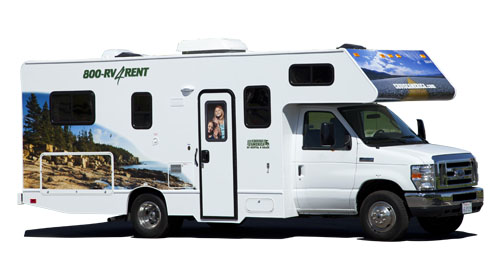
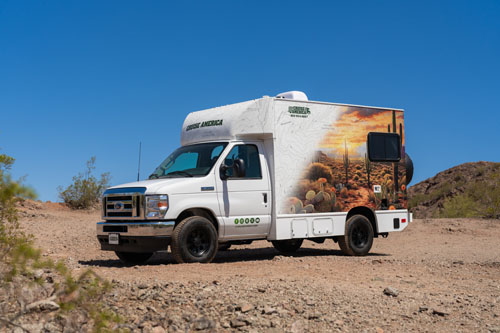
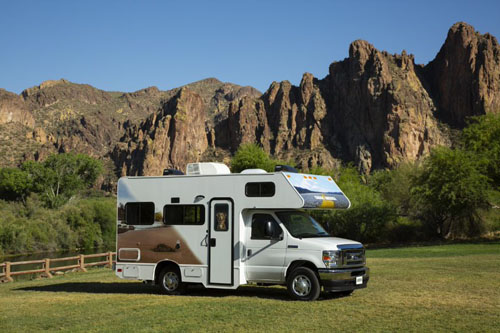
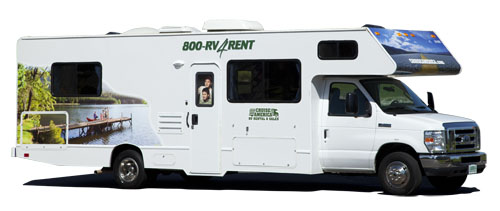
For weekly RV rentals exploring Toronto and its surrounding areas, Class B - Camper Vans and Class TC - Truck Campers are generally recommended for their blend of maneuverability and amenities. A Class B - Camper Van, averaging about 6.3 meters in length and accommodating around 3 adults, offers excellent fuel efficiency (11–15 liters/100 km) and is easier to navigate and park in urban environments. A Class TC - Truck Camper, typically around 6 meters in length and sleeping 2-3 adults, provides flexibility (often the camper unit is detachable from the truck for day trips) and consumes an average of 12–17 liters/100 km. While larger Class C - Alcove (avg. 8.2 meters length, 25 liters/100Km) and Class A - Integrated RVs offer more living space and sleeping capacity, their larger dimensions can present challenges for city driving and parking within Toronto. Consider your itinerary: if your focus is primarily city-based exploration, smaller RVs offer more convenience; if you plan to explore regional parks and stay outside the immediate city core, larger options provide greater comfort.
Should I Choose a Compact Van Instead of a Large RV in Toronto?
The choice between a compact camper van (Class B) and a larger RV for a weekly rental in Toronto hinges on your priorities. A compact van offers significant advantages in urban maneuverability and parking ease, making it genuinely beneficial for navigating Toronto's tighter city streets and fitting into smaller parking spaces for quick stops at attractions. However, if your weekly trip prioritizes comfort, a full kitchen, an onboard bathroom, and separate sleeping areas, especially for extended stays at campgrounds outside the immediate city core, a larger Class C or Semi-integrated RV might be a better fit. The decision ultimately balances the convenience of urban driving with the level of onboard comfort and facilities desired for your Toronto area RV adventure. For ideas you can prep on the road, watch our RV-friendly recipes playlist on YouTube.
Can I Park Anywhere? Free & Wild Camping Rules in Toronto
Free or "wild" camping is generally not permitted within Toronto city limits or on public lands without explicit permission, and overnight parking of RVs on city streets is often prohibited by local bylaws. Toronto's bylaws are designed to manage traffic flow, ensure public safety, and prevent oversized vehicles from monopolizing public parking spaces. While brief stops for loading or unloading might be permissible in some areas, securing legal, long-term street parking for an RV in downtown Toronto is exceptionally challenging. Ontario Provincial Parks and private campgrounds are the primary legal and recommended options for overnight RV parking and camping in and around Toronto. Always consult specific Toronto municipal bylaws regarding oversized vehicle parking, as fines can be issued for unauthorized overnight street parking. Remember that rules can vary by region, so always check local regulations and adhere to them before parking overnight, especially when seeking options outside of established campgrounds in Ontario.
Can I Drive an RV Into the City Center? Heights, Tunnels & Local Signage
Yes, you can generally drive an RV into Toronto's city center, but it requires careful attention to local signage, particularly for height limits, tunnel clearances, low bridges, and designated residents-only streets. Major routes leading into downtown Toronto are typically navigable for RVs, but older or narrower side streets may present challenges. Parking garages in the city center almost universally have height restrictions that will exclude RVs, necessitating reliance on street parking (where legally permitted) or dedicated oversized vehicle lots. Always be vigilant for posted height and weight restrictions, especially when entering covered areas or navigating older infrastructure. While Toronto lacks specific environmental zones for RVs, traffic congestion is a significant factor, so pre-planning routes and considering public transit once parked are wise strategies.
What is the new RV law in Ontario?
As of 2026, there is no specific overarching "new RV law" in Ontario that fundamentally alters how recreational vehicles are generally regulated for driving or parking; existing regulations fall under the Highway Traffic Act and municipal bylaws. Any recent provincial legislative updates typically address areas like consumer protection for RV sales or adjustments to commercial vehicle standards, which may only indirectly affect larger RV types. Weekly RV renters should consult the Ontario Ministry of Transportation (MTO) website and local municipal bylaws for the most current and specific regulations concerning RV operation, licensing, and parking in Toronto and across the province. Local bylaws, especially those pertaining to street parking and overnight stays for RVs within Toronto, are more prone to localized changes than broad provincial "new laws" affecting RVs generally.
How much is RV insurance in Canada?
RV insurance costs in Canada vary significantly, typically ranging from $500 to over $3,000 annually for personal owners, depending on the RV's value, class, usage (full-time vs. recreational), driver's history, and chosen coverage. For weekly RV rentals, comprehensive insurance coverage (collision, comprehensive, and liability) is usually included in the rental cost or offered as an optional add-on. While the rental company's policy covers the vehicle, renters should consider coverage for personal belongings and fully understand the deductible amounts. It's recommended to check if your personal auto insurance policy extends any coverage to rental RVs before your trip. Given the lack of in-depth insurance information from many competitors, proactive inquiry about all insurance options, deductibles, and specific coverage for a weekly rental is crucial for renters.
Can you get temporary RV insurance?
Yes, temporary RV insurance is primarily accessible for weekly rentals through the rental company's own offerings or as an endorsement to your personal auto policy, rather than acquiring a standalone temporary policy from a third-party insurer. For a weekly RV rental in Toronto, the rental company will almost certainly provide options for basic or enhanced temporary insurance coverage directly within the rental agreement, tailored to the rental duration. Many personal auto insurance policies allow for "rental vehicle endorsements" that can extend your existing coverage to a temporary RV rental, often for a modest daily or weekly fee. Standalone temporary RV insurance policies from external providers are less common for short-term rentals, being more typical for private RV purchases or seasonal use needs. Always clarify the exact scope of coverage – including liability limits, collision, comprehensive coverage, and deductibles – to avoid unexpected out-of-pocket expenses.
Does Costco Canada have RV insurance?
Yes, Costco Canada does offer RV insurance to its members, typically facilitated through partnerships with major insurance providers such as Connect by Intact Insurance (formerly Inova Insurance) in various provinces. Costco's RV insurance programs are generally designed for personal RV owners seeking annual policies, rather than providing direct temporary insurance for weekly rentals. Members can obtain competitive quotes for their privately-owned RVs, often benefiting from group rates and exclusive discounts available through Costco. For weekly RV renters, this option would not apply directly, as rental insurance is procured via the rental company or through existing personal auto insurance policies. However, for those considering purchasing an RV after a positive weekly rental experience, Costco's offerings present a potential long-term insurance solution.
How much is RV insurance each month?
For personal RV owners in Canada, monthly RV insurance costs typically range from $40 to $250+ (representing an annual premium divided by 12), influenced by the RV type, value, usage, location, and driver's claims history. For a weekly RV rental in Toronto, you will not pay a monthly insurance premium directly; instead, the insurance cost is either integrated into the overall weekly rental fee or charged as a single, upfront fee for the duration of the rental. The total insurance cost for a one-week rental might range from $100 to $400, depending on the level of coverage selected and the associated deductibles. Rental companies frequently offer different tiers of insurance, allowing renters to choose between basic liability coverage and more comprehensive packages that reduce potential deductibles. Understanding the specifics of what the rental insurance covers is paramount, as significant out-of-pocket costs can arise in the event of an accident if you are underinsured.
What You Shouldn't Miss
- Explore the unique urban oasis of The Bentway, located beneath the Gardiner Expressway, for an unexpected city experience.
- Take a ferry to the car-free Toronto Islands for a serene escape with stunning city skyline views, perfect for a day trip.
- Immerse yourself in Toronto's diverse culinary scene, treating your road trip to a global food adventure across its many neighborhoods.
- Consider camping at Rouge National Urban Park, North America's largest urban park, for a natural retreat right within the city.
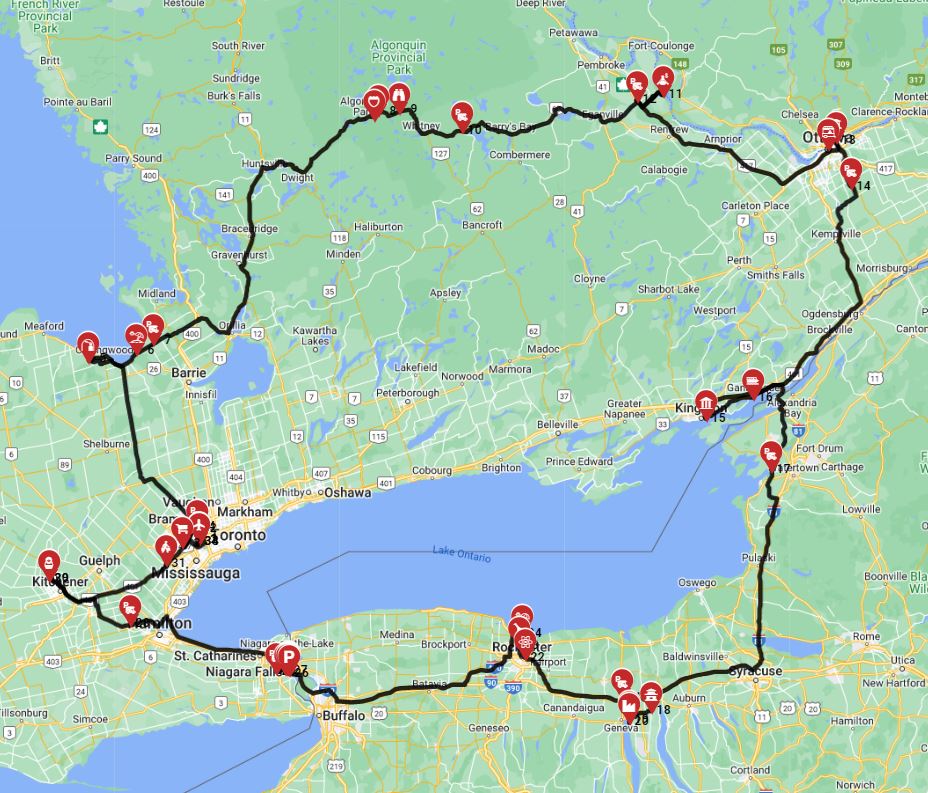
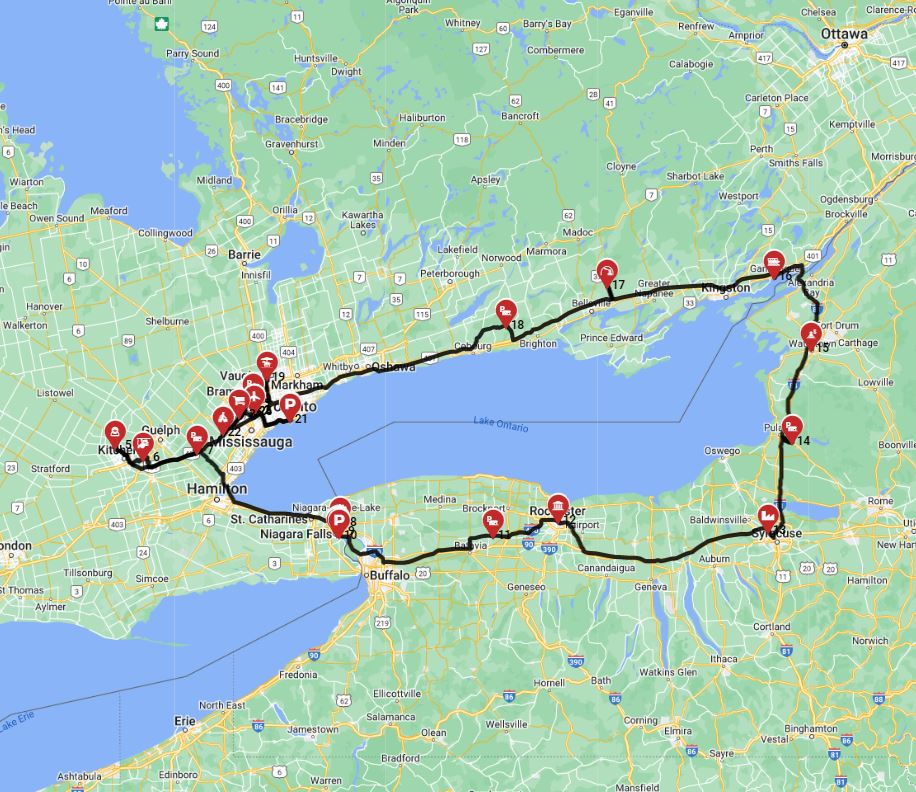
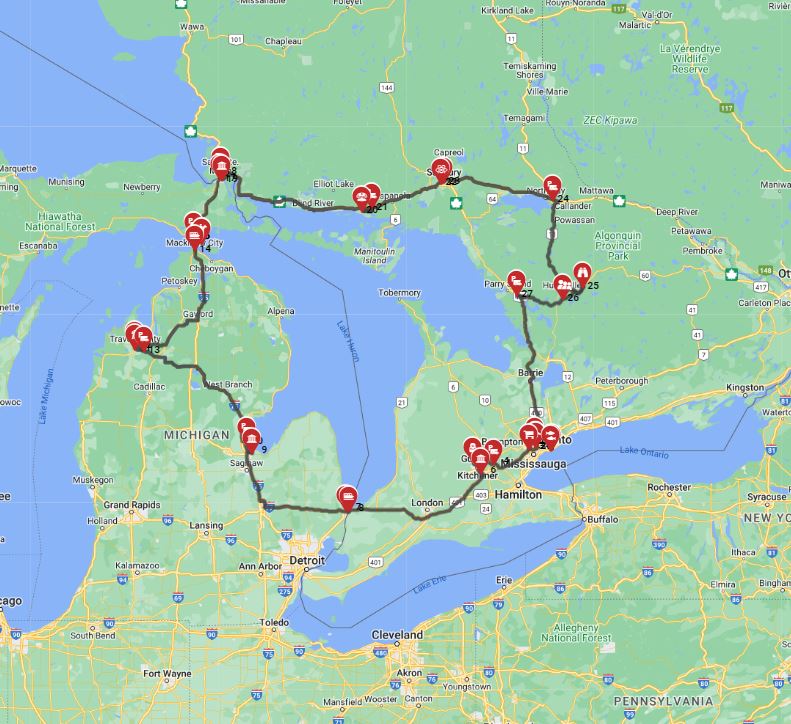
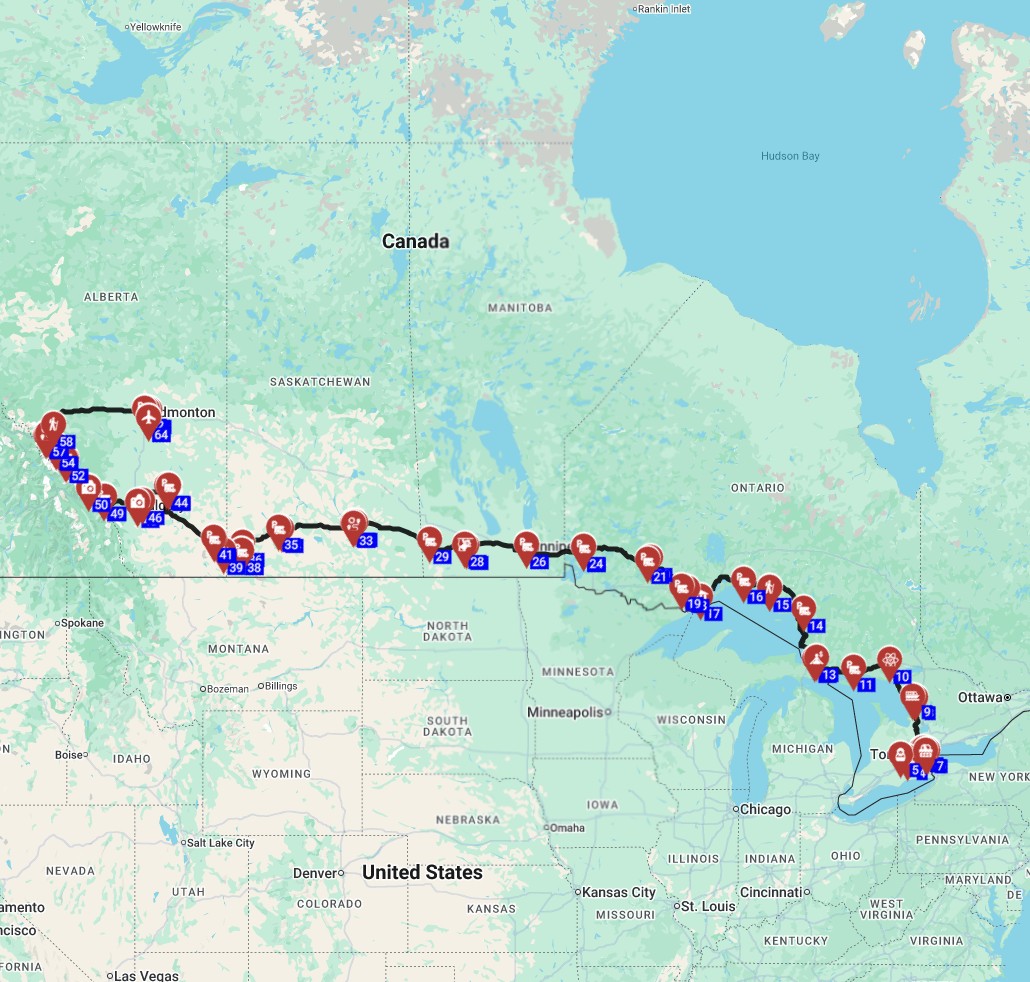
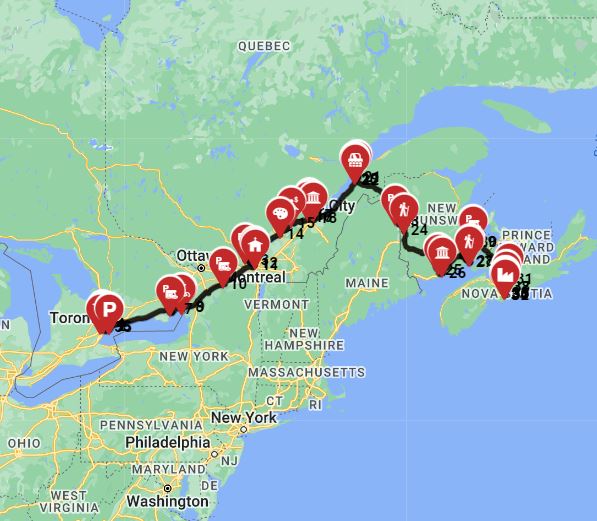
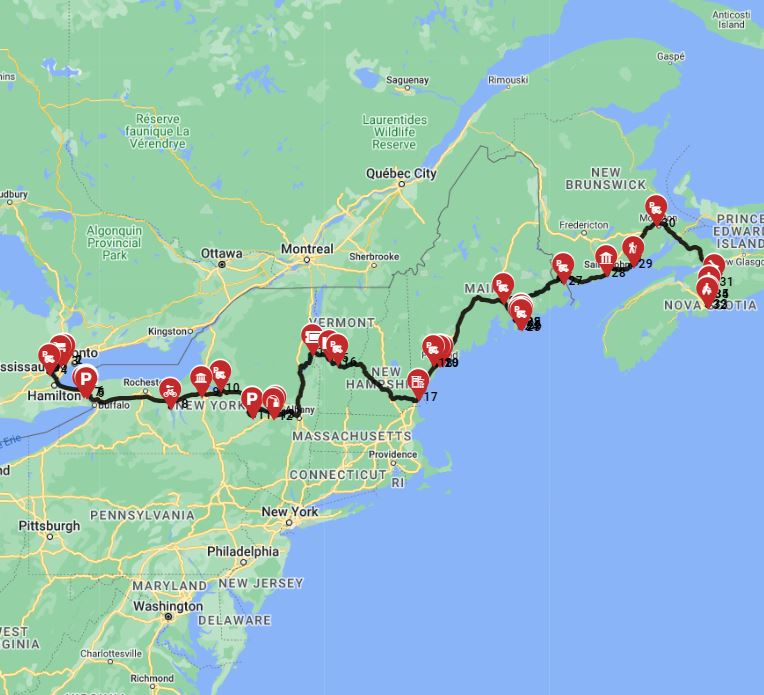
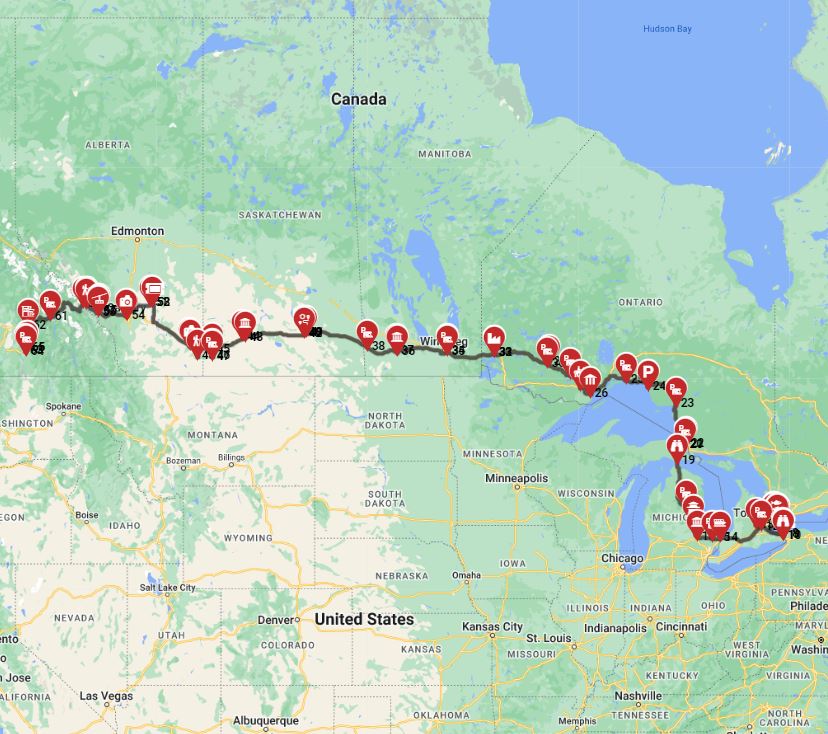
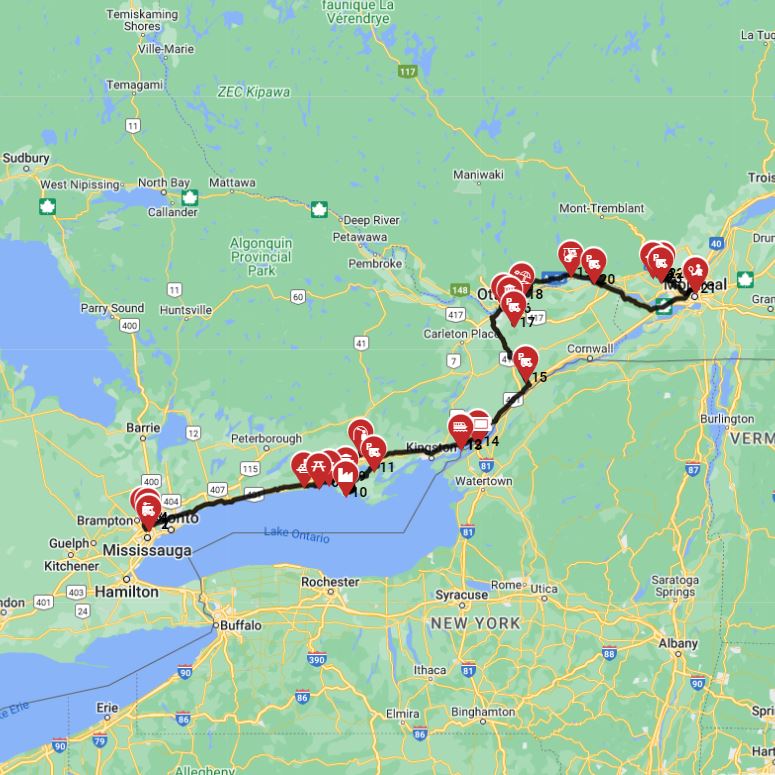
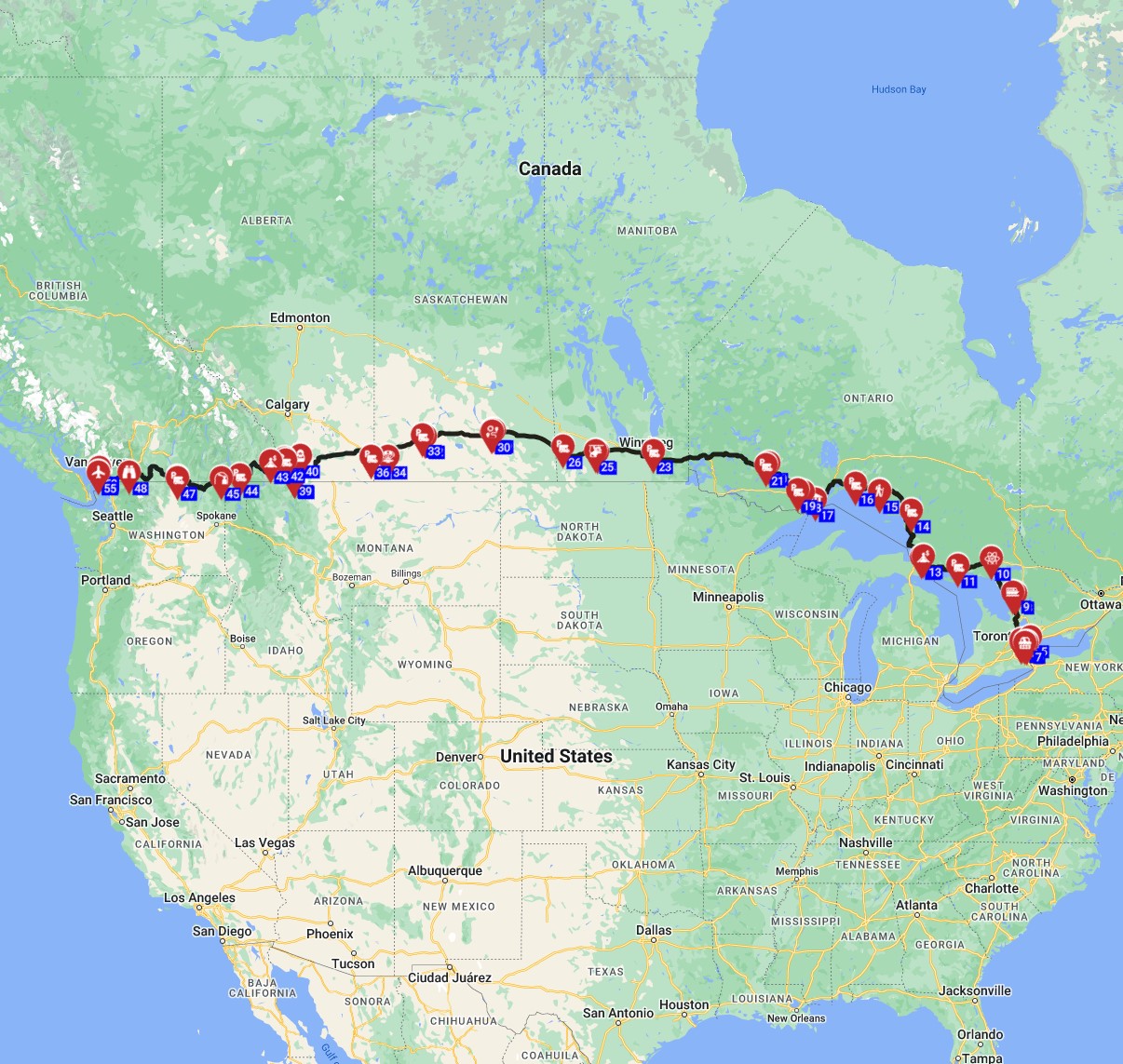
- When exploring Ontario beyond Toronto, utilize the Rent&Plan service for pre-planned itineraries like the "Montreal to Toronto" (11 days, 1326.6 km) or the epic "
" (32 days, 6633.5999999999985 km).
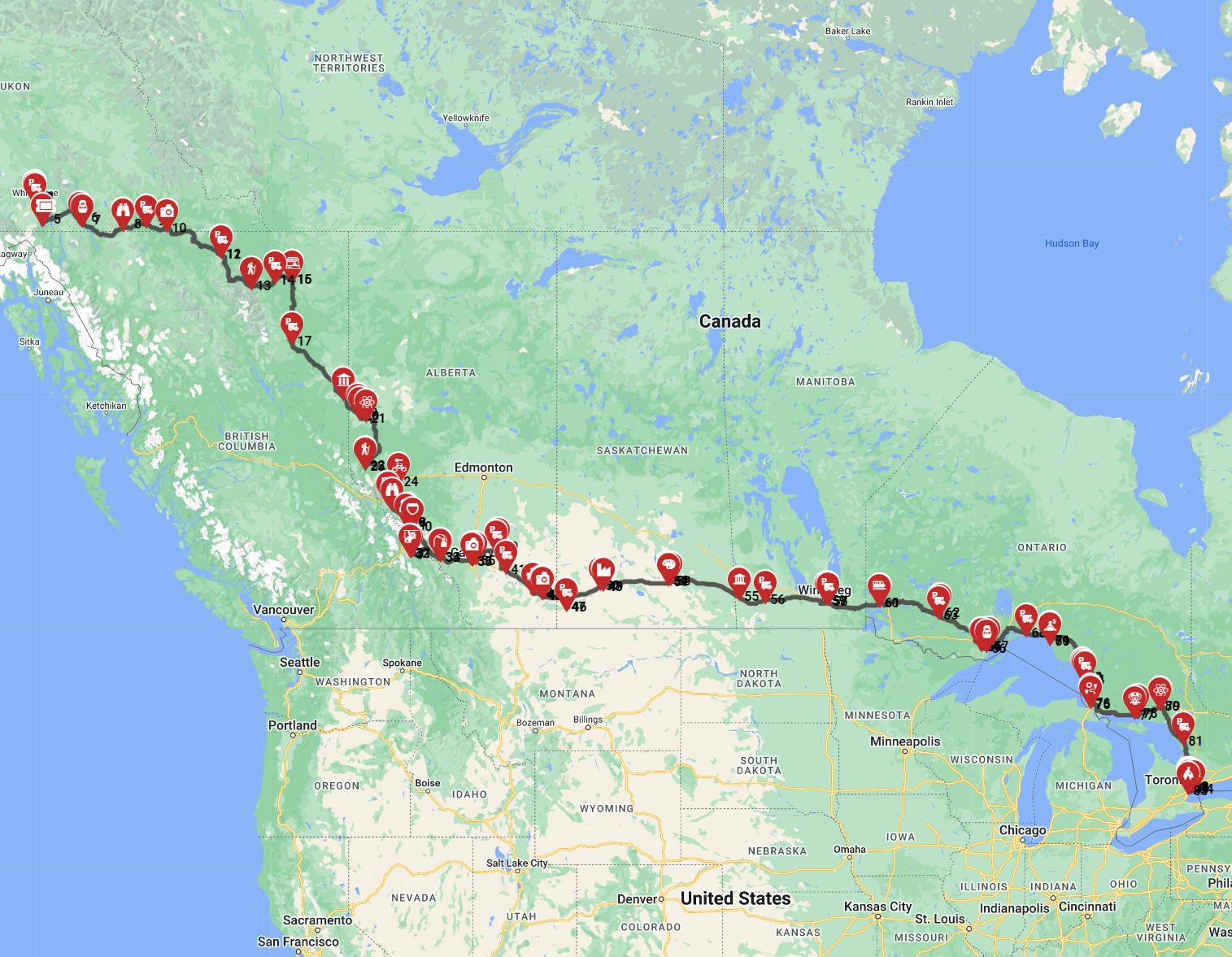 Whitehorse to Toronto - The Great Canadian RV Adventure
Final Thoughts
Renting an RV for a week-long adventure in Toronto offers a unique way to experience the city and its surroundings, blending urban exploration with the freedom of the open road. By understanding the licensing, road conditions, and general tips for driving an RV, you can ensure a smooth and enjoyable journey. Remember to plan ahead, especially regarding campsites and any specific city regulations.
Whether you opt for a nimble camper van for navigating city streets or a larger motorhome for more extensive regional tours, Bandana RV is here to help you find the perfect vehicle for your Ontario road trip. For seamless planning and discovery of amazing routes, explore the professional itineraries available through RV PLANET routes, where you can itemize and track all your trip expenses.
Find Motorhome Rentals in Toronto