In This Guide
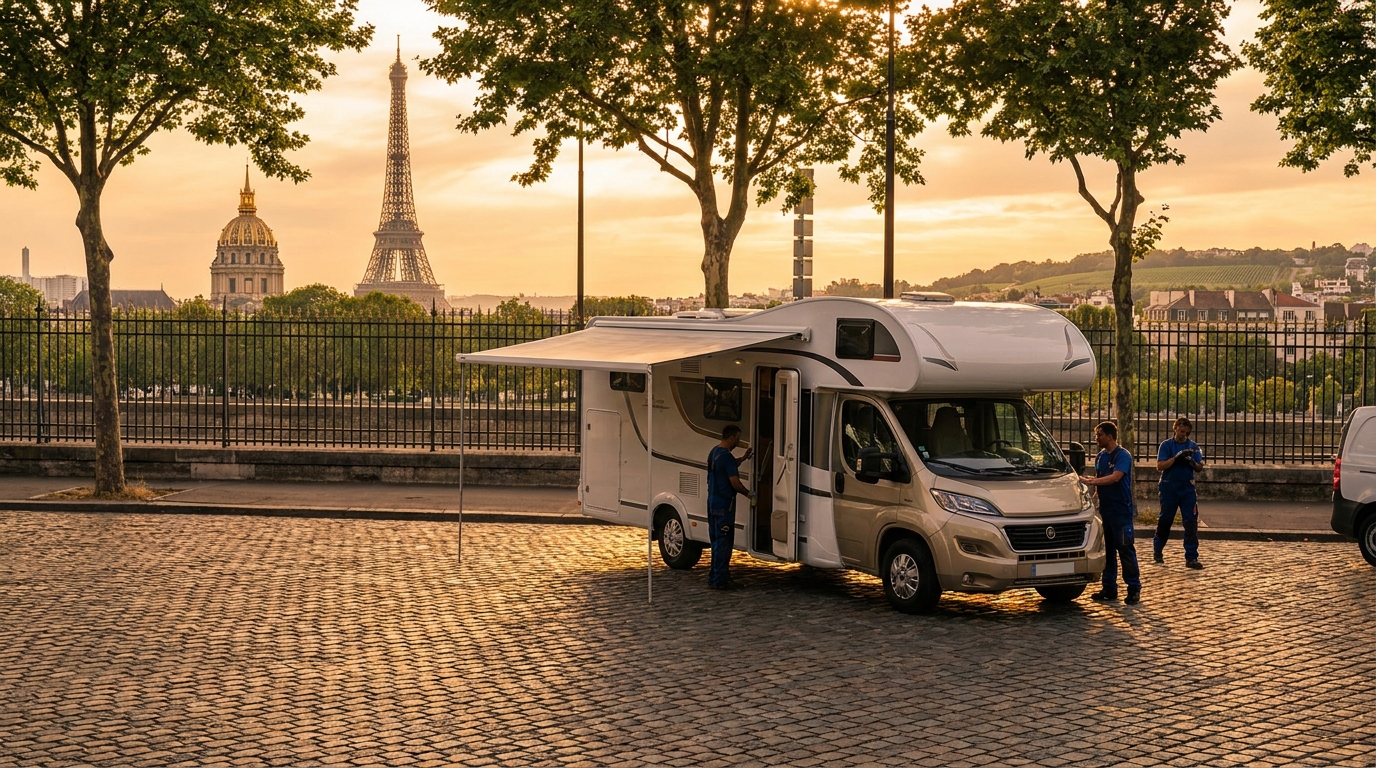
Imagine yourself cruising through the romantic countryside of France, the iconic Eiffel Tower receding in your rearview mirror as you embark on an unforgettable week-long RV driving tour of Paris and its surrounding regions. Renting a motorhome in Paris opens up a world of freedom, allowing you to immerse yourself in the culture, savor the cuisine, and discover hidden gems at your own pace. With Bandana Caravan, your journey is meticulously planned and fully transparent, ensuring a delightful experience from start to finish. For live availability and current prices, start with our RV Rental Paris - Complete Guide 2026 guide.
Why Choose a Week-Long RV Driving Tour in Paris?
A week-long RV driving tour in Paris offers unparalleled flexibility and intimacy compared to traditional travel, allowing you to discover both the bustling city and serene French landscapes. With a rented motorhome or campervan, you have the freedom to wake up to a different view each day, whether it's overlooking a vineyard or nestled beside a tranquil river. This immersive mode of travel truly lets you connect with the local culture and gastronomy, transforming your trip into a mobile feast for the senses.
Picture enjoying freshly baked croissants and strong coffee prepared in your own mobile kitchen, like the setup found in a "cruise america rv rental example Explorer" model with its 4-burner gas stove and refrigerator, before setting off to explore charming villages. This type of journey is ideal for families and couples, providing a comfortable home-on-wheels that adapts to your adventure. You can choose a compact campervan like an "rv rental denver example Category Van" for easier maneuverability or a larger Class C motorhome like the "Group E" for more space and amenities, perfect for a family of up to 6 with its 125L fresh water tank and 3-burner gas stove.
At Bandana Caravan, we specialize in making these dreams a reality, offering full transparency with no hidden fees and 24/7 support to assist you before and after your booking. Our goal is to equip you with all the knowledge and tools for a truly rewarding rental RV experience in Paris, making us true RV specialists, not just a side department of a generic travel agency.
Navigating Paris and France with Your Rented RV
Driving a rented RV in Paris and throughout France is surprisingly manageable with a bit of preparation, ensuring you can explore almost anywhere without issues. While major cities like Paris have traffic, using common sense and paying attention makes navigating even larger Class C motorhomes straightforward. Remember, you can drive slowly and carefully, and you can drive almost anywhere without issues; there's no need to stress.
For environmental reasons, Paris operates a low emission zone (ZFE - Zone à Faibles Émissions) requiring a Crit'Air sticker on your windshield. This vignette, available online for approximately €4.76, categorizes your vehicle based on its emissions. It's crucial to obtain this before driving into Paris or other designated ZFEs in France to avoid fines. Parking in central Paris can be challenging for larger RVs; consider parking at designated outskirts lots like Parc des Expositions at Porte de Versailles or the Camping de Paris in the Bois de Boulogne, which is a rare urban campground experience.
France is notably motorhome-friendly, offering an extensive network of 'Aires de Camping-Car' across the country, often free or low-cost, providing services like fresh water, waste disposal, and sometimes electricity. These are perfect for overnight stays and much more common than in many other countries. For finding campsites and campgrounds during your trip, we recommend using RV PLANET (rvplan.net) - a great resource for locating available spots along your route. When driving on smaller D-roads (departmental roads), simply drive slowly and be mindful of your vehicle's dimensions. Many motorhomes, such as the "cruise america example EX - Group B" which features comfortable beds and heating, are designed to handle various European road types.
🎬 Video coming soon
Planning Your Perfect Week-Long Paris RV Itinerary
Crafting a memorable week-long itinerary for your RV adventure in Paris and its surroundings is made simple with professional tools. At Bandana Caravan, we advocate for slow travel, recommending you cover a maximum of 100-150 km per day on average, allowing you to truly feel the place, connect to the culture, the food, and the scenery. For a hassle-free experience, consider our Rent&Plan service, offering pre-planned routes by professionals from RV PLANET.
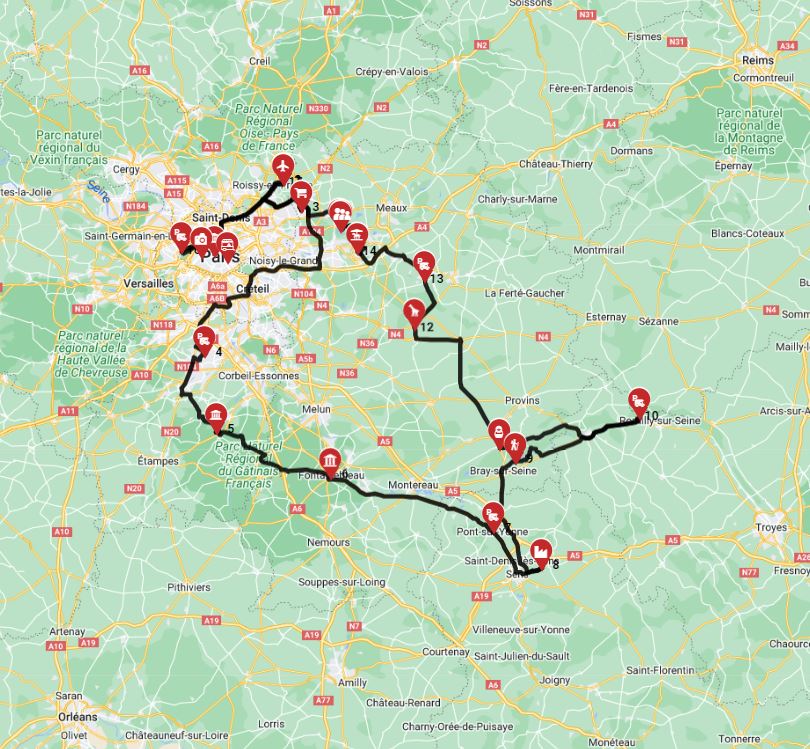
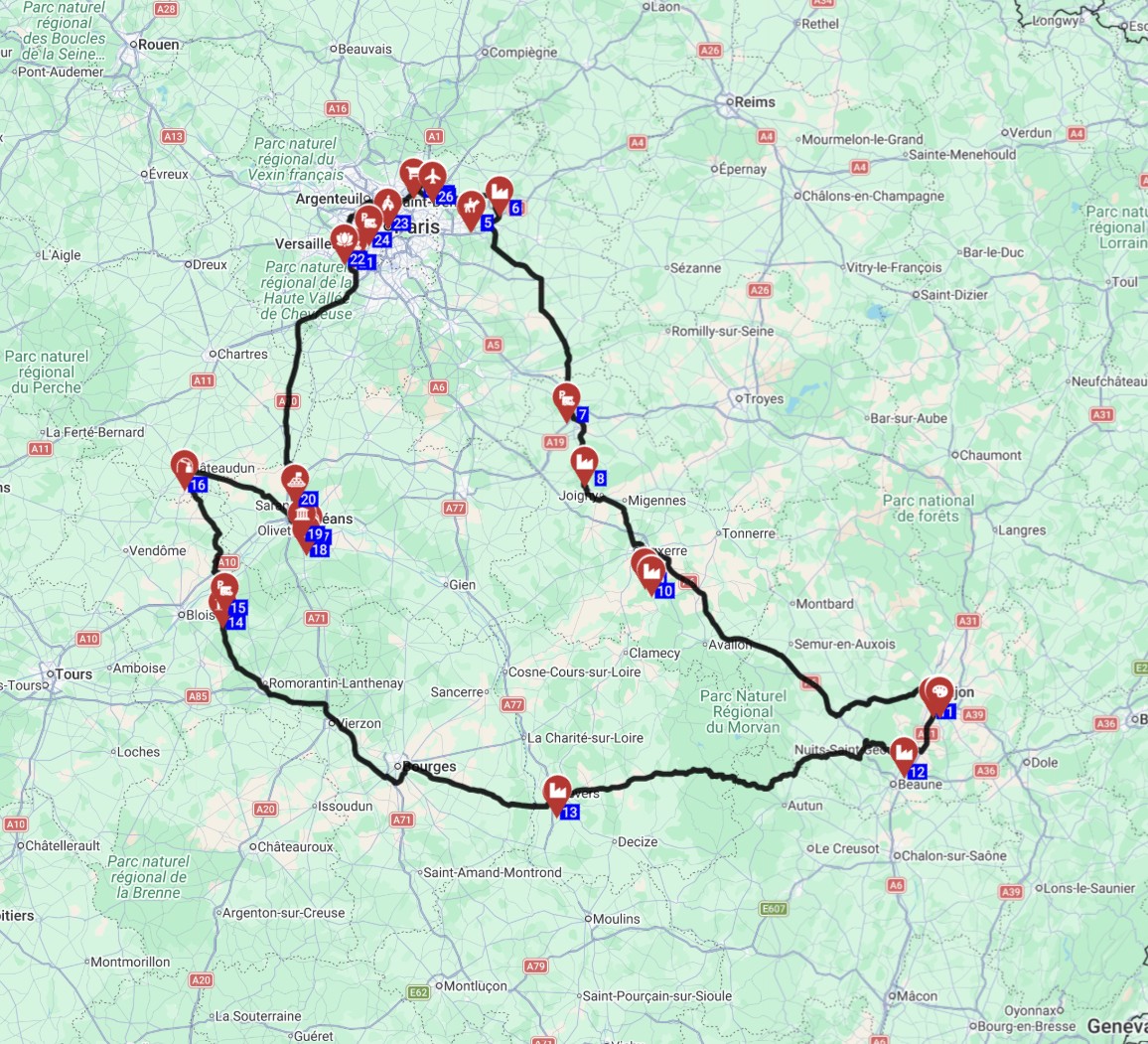
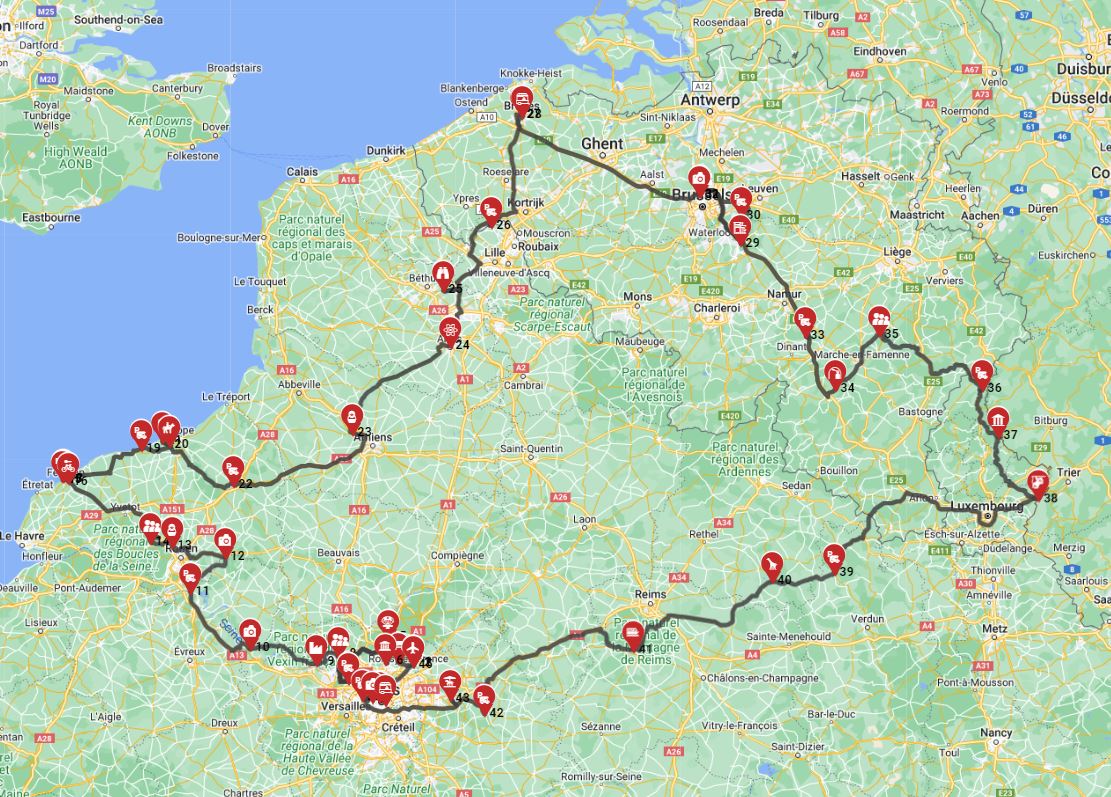
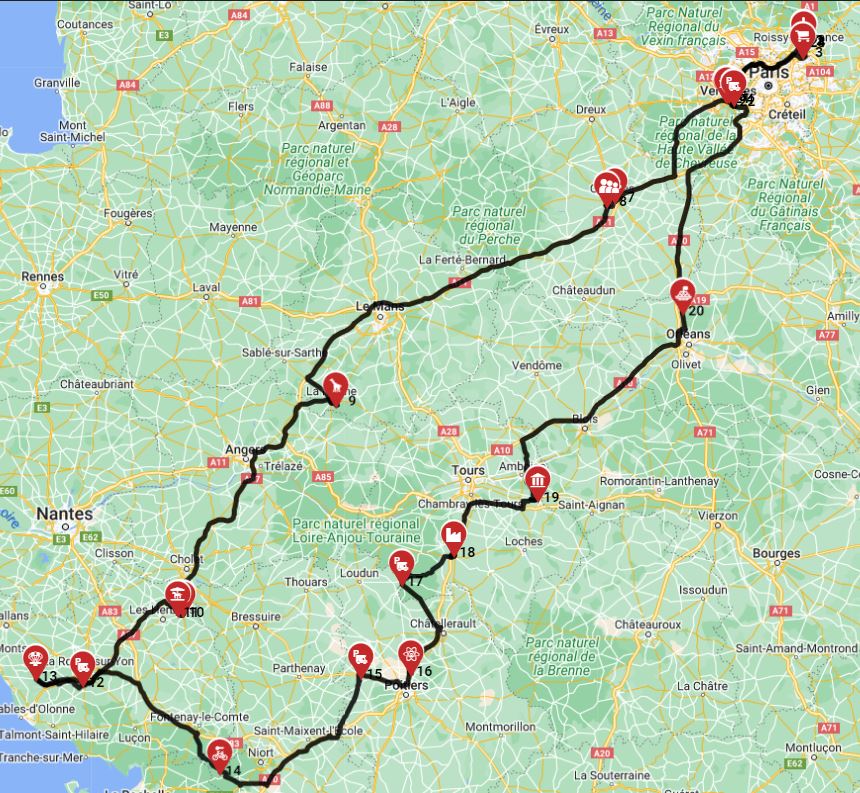
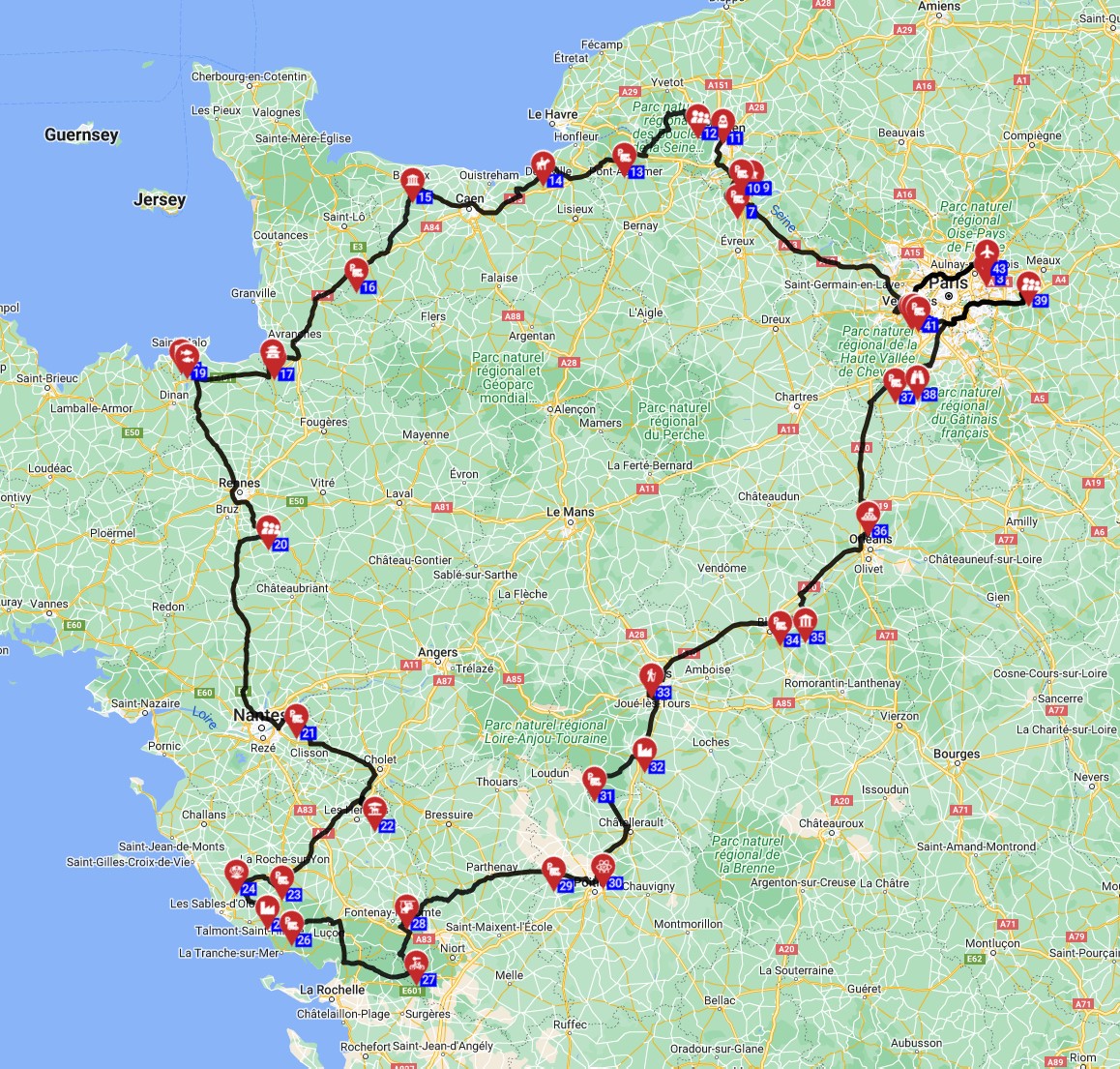
By utilizing RV PLANET routes, you can easily itemize and track every expense along the way for easy budgeting, ensuring no surprises during your adventure. Moreover, booking a route plan through rvplan.net rewards you with a 25% planning discount, a fantastic incentive for using expert-designed itineraries. One excellent option is the "Paris Round trip - Heading Au fil de la Loire" route, an 8-day, 1235.1 km journey from Paris that includes visits to 1 Amusement Park, 1 Bike Rental, 1 Botanical garden, 1 Extreme Activity, 1 Family Activity, 1 Heritage site, 1 Historical Site, 1 Local Industry, 1 Science Site, 1 Traditional Market, 1 Traditional Restaurant / Fine Dining, and 1 Zoo. On the routes offered through RV PLANET routes, you can itemize and track every expense along the way for easy budgeting.
This pre-planned route helps you manage your schedule and discover key attractions efficiently. For more detailed insights, you might also find the "RV Travel Guide to Paris - Tips and Top Spots 2026" particularly helpful.
Sample Day Trips from Paris by Rented Motorhome
From your base in or around Paris, a rented motorhome offers numerous exciting day trip possibilities within a 100-150 km radius. Drive just 20 km southwest to the opulent Palace of Versailles, where you can easily park your RV in designated areas outside the main grounds. Another option is a leisurely drive to the enchanting Loire Valley, approximately 200 km southwest, famous for its magnificent châteaux like Chambord and Chenonceau. Many of these châteaux offer RV parking, and some even participate in the 'France Passion' scheme for free overnight stays in nearby vineyards.
For wine enthusiasts, a trip to the Champagne region, about 150 km east, is a must-do. You can visit world-renowned Champagne houses in Reims or Épernay, often with dedicated parking for larger vehicles. Remember, responsible wine tasting means having a designated driver or enjoying samples back at your campground. You can also pick up fresh ingredients from local markets for your RV kitchen, utilizing features like the refrigerator and gas stove in models such as the "Luxury Small" Class C motorhome, which typically offers a 100-liter refrigerator and a 3-burner gas stove.
Understanding RV Rental Costs in Paris for Your Week-Long Trip
The cost of a week-long RV rental in Paris, much like airline tickets, is dynamic and varies daily based on factors like availability, seasonality, and supplier marketing decisions. Generally, prices for a compact campervan like an "Active Pop Top" suitable for 2-4 people can start from €80-€120 per day during off-peak seasons, while a larger 6-berth Class C motorhome like the "6 Berth Discovery" might range from €150-€300+ per day in peak summer months. These rates can be influenced by how far in advance you book; flexible travelers often find better rates during shoulder seasons (April-May, September-October).
In addition to the base rental fee, expect ancillary costs such as fuel, campground fees (ranging from €25-€50 per night at Camping de Paris), propane, and potential dump station fees, which can vary from €5-€15. Toll roads, like the A1 or A4 leading out of Paris, are also common in France and will add to your budget. For comprehensive budgeting and expense tracking for your trip, remember that RV PLANET routes allow you to itemize every cost along the way.
To find the most affordable RV rental, consider being flexible with your travel dates and vehicle type. Renting a smaller campervan often costs less than a large Class A or Class C motorhome. Comparing prices across different suppliers like El Monte, Cruise America, Apollo, and Britz through Bandana Caravan can also help you secure the best deal with full price transparency.
What's Included and What's Extra with Paris RV Rentals?
When booking an RV rental in Paris through Bandana Caravan, full transparency is our promise, meaning no hidden fees or surprises at pickup. Typically, the base rental price includes the vehicle itself, basic insurance, and usually a standard mileage allowance. However, amenities like kitchenware, bedding kits, GPS, outdoor furniture, and additional mileage packages are often considered optional add-ons. For instance, a "Duo" campervan may include basic kitchen facilities, while a "K125" Class B motorhome may offer bicycle racks for an extra charge.
While basic liability insurance is included, you can upgrade to a top-level deductible for extra peace of mind during your adventure. This optional upgrade significantly reduces your financial responsibility in case of an accident. We clearly outline what's included and what's extra for each rental option, so you always know what you're paying for. Our professional and confident team is always ready to assist with any questions about inclusions, ensuring you understand every detail before, during, and after your booking.
Essential Tips for Your First RV Rental in Paris
Preparing for your first RV rental in Paris ensures a smooth and enjoyable week-long adventure. One critical aspect is ensuring you have the correct driving documentation. A standard car driver's license is sufficient for ALL motorhome classes (Class A, Class B, and Class C) in France, with a minimum rental age of 21 and no young driver surcharges. However, an International Driving Permit (IDP) is strongly recommended for visitors from non-English-speaking countries, although not strictly mandatory in most cases.
First-Timer Checklist: Essential Things to Know Before Your First RV Rental in Paris
- **Crit'Air Sticker:** Order your environmental sticker online well in advance for Paris's low emission zones.
- **Vehicle Familiarization:** Spend time understanding your chosen motorhome or campervan, including how to operate the water, waste tanks, and appliances.
- **Route Planning:** Utilize tools like RV PLANET (rvplan.net) to map out your stops and find suitable campsites and Aires de Camping-Car.
- **Documents:** Keep your driver's license, IDP, passport, and rental agreement readily accessible.
- **Fuel:** Diesel (Gazole) is prevalent for RVs in France, and prices fluctuate; plan your refueling stops.
Packing Essentials: What to Bring and What's Typically Included with the Rental
When packing for your Paris RV adventure, remember that most rentals, even a compact "Patagonia Camper 4x4 double cab" or a larger "rv rentals example Comfort Class" motorhome, come equipped with basic living essentials. Kitchen essentials like pots, pans, plates, and cutlery are often included, but it's wise to double-check with your specific supplier. Consider bringing your own comfortable bedding and towels, as these are sometimes extra or of varying quality. Essential personal items include comfortable walking shoes, layers of clothing for varying weather, and a portable adapter for European electrical outlets.
Don't forget essentials like a first-aid kit, flashlight, sun protection, and insect repellent. For cooking inspiration on the road, check out our RV-friendly recipes playlist on YouTube!
Common Mistakes: Top Mistakes First-Time RV Renters Make and How to Avoid Them
First-time RV renters in Paris often make a few common mistakes that are easily avoidable. Firstly, underestimating driving times: while distances may seem short, French roads can be winding, and you'll want to stop frequently. Stick to our recommendation of 100-150 km per day. Secondly, neglecting to book campsites in advance during peak season, especially for popular areas like the Loire Valley; while many national/state parks reserve only 25-30% of spots for pre-booking, the rest are first-come-first-serve. Reassure yourself: you'll find a spot. If not at the first campground, then the next one. Always call ahead before driving. Lastly, ignoring waste disposal: familiarize yourself with dump station locations (many Aires de Camping-Car provide them) and grey/black water tank capacities, such as the 82-liter fresh and waste water tanks in a "cruise america rv rental example Explorer" model.
Booking Process: Step-by-Step Guide to Renting an RV Through a Comparison Platform
Renting an RV in Paris through Bandana Caravan, a true RV specialist, is designed to be simple and transparent. Start by visiting our platform and entering your desired pickup location (e.g., Paris Charles de Gaulle Airport or a downtown depot), dates, and the number of travelers. Our system will display a wide range of motorhomes and campervans from over 50 leading suppliers worldwide, including trusted partners like El Monte, Cruise America, Apollo, and Britz. You'll see comparable prices in 30+ currencies with full price transparency, meaning what you see is what you pay.
Once you select your preferred vehicle, review the inclusions and optional extras. Our supportive team is available before, during, and after your booking to assist with any questions and coordinate details. We also recommend exploring "Last-Minute RV Rental in Paris - What to Expect 2026" if your travel plans are spontaneous, or "RV Rental in Paris - Prices and Best Deals 2026" for general pricing information.
Local Tips: Destination-Specific Advice for Paris
Driving in Paris can be busy, but remember to drive slowly and carefully, and you can drive almost anywhere without issues. No need to stress - just use common sense and pay attention. Pay particular attention to speed limits, which are typically 50 km/h in urban areas, 80 km/h on rural roads, and 130 km/h on motorways. Fuel stations are plentiful on major routes, but can be less frequent in rural areas, so plan accordingly. Many tolls in France are automated, accepting credit cards or telepeage badges.
Consider picking up your RV from one of the Paris suburbs, such as those near Charles de Gaulle Airport (CDG) or Orly Airport (ORY), to avoid initial city traffic. The Camping de Paris in the Bois de Boulogne offers an excellent city-side base with easy access to public transport, providing a unique RV camping experience within the capital.
What You Shouldn't Miss
- **Eiffel Tower & Champ de Mars:** Experience the iconic landmark, then find a grassy spot for a picnic with Parisian delights from a local market.
- **Musée du Louvre:** Dedicate a full day to world-class art, including the Mona Lisa, keeping in mind timed entry tickets.
- **Versailles Palace & Gardens:** Explore the opulent palace and its vast, stunning gardens, a highlight accessible by a short drive from Paris in your rental RV.
- **Montmartre & Sacré-Cœur Basilica:** Wander through the artistic streets, enjoy panoramic city views, and absorb the bohemian atmosphere.
- **Loire Valley Châteaux:** Drive southwest in your RV for a day or two to discover magnificent castles like Château de Chambord and Château de Chenonceau.
- **Seine River Cruise:** See Paris from a different perspective with a relaxing boat trip, especially enchanting at sunset.
Final Thoughts
A week-long RV driving tour from Paris offers an unparalleled way to experience the rich culture and diverse landscapes of France. With the freedom of your own rented motorhome or campervan, you can set your own pace, discover charming villages, and savor regional delicacies, all with the convenience of a mobile home base. Remember, slow travel is key: allow yourself to fully immerse in each location, whether it's the grandeur of a château or the quiet beauty of a vineyard.
Bandana Caravan is here to ensure your RV rental experience is seamless and enjoyable, providing full transparency, dedicated support, and expert route planning resources. From understanding local driving nuances like Crit'Air stickers to finding the perfect campsite, we're with you every step of the way. So, why wait? Start dreaming of your next French adventure on wheels.
Find Motorhome Rentals in Paris