In This Guide
- Can You Drive an RV in Namibia? License & Age Rules
- Road Conditions & Terrain in Namibia
- RV Size Limits, Bridges & Restricted Zones
- Fuel: Diesel vs. Petrol & Cost per 100 km
- Tolls, Vignettes & Border Rules
- Driving Tips for Weekly RV Rental Travelers
- Recommended RV Class for Namibia Roads
- Should I Choose a Compact Van Instead of a Large RV in Namibia?
- Can I Park Anywhere? Free & Wild Camping Rules in Namibia
- Can I Drive an RV Into the City Center? Heights, Tunnels & Local Signage
- What is the Detailed Cost Breakdown for a Weekly RV Rental in Namibia?
- What Specific Gear and Vehicle Customizations Do I Need for an RV in Namibia?
- What Challenges Should I Expect When Driving an RV in Namibia and How Can I Troubleshoot Them?
- What are the Best Camping Sites and Facilities for RVs in Namibia?
- What are the Best Strategies for Wildlife Viewing from an RV in Namibia?
- How Can RV Travelers Experience Local Culture and Community in Namibia?
- How Can I Practice Responsible and Sustainable RV Travel in Namibia?
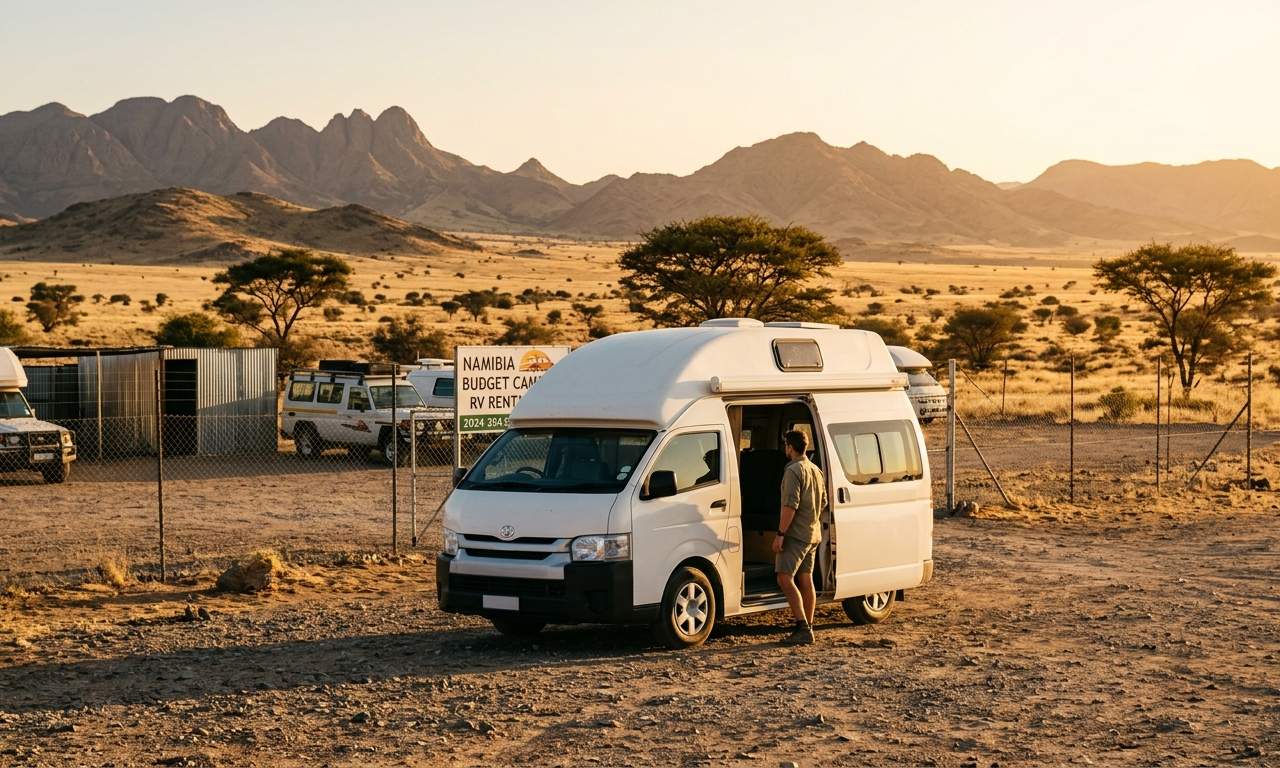
Embarking on a week-long RV driving tour in Namibia is an adventure unlike any other, offering unparalleled freedom to explore vast landscapes, incredible wildlife, and unique cultures at your own pace. With a rented motorhome, you're not just traveling; you're creating a mobile home base that allows you to truly immerse yourself in the wonders of this incredible African nation. Whether you're chasing the red dunes of Sossusvlei or spotting elephants in Etosha National Park, a weekly RV rental in Namibia provides the perfect blend of comfort and exploration. For live availability and current prices, start with our RV Rental Namibia - Complete Guide 2026 guide.
🎬 Video coming soon
Can You Drive an RV in Namibia? License & Age Rules
Driving an RV in Namibia is very much possible and an incredibly rewarding way to experience the country, with standard car driver's licenses typically sufficient. Drivers generally need a valid national license from their home country to operate a rented motorhome, and an International Driving Permit (IDP) is highly recommended for visitors from non-English-speaking countries or those without a South African Development Community (SADC) license to ensure easy interpretation by local authorities. Rental companies in Namibia typically require drivers to be at least 21 years old, and rest assured there are no young driver surcharges or vehicle class restrictions based on age with Bandana Caravan. A standard B or BE license is usually sufficient for most motorhomes available for weekly rental in Namibia, as these vehicles generally fall within the 3,500kg gross vehicle mass limit, eliminating the need for a special CDL or additional permits.
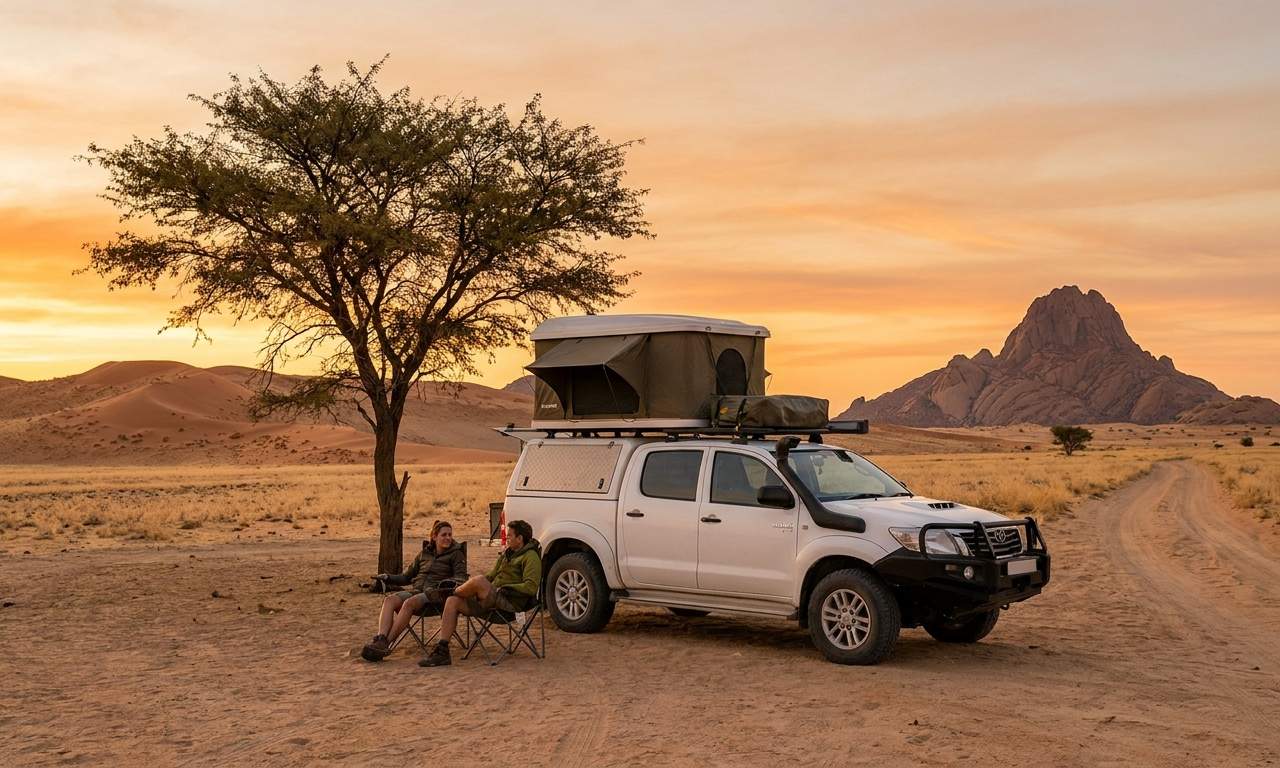
As true RV specialists, we at Bandana Caravan ensure that all our partner suppliers, including trusted names like Apollo and Britz, clearly communicate all licensing and age requirements upfront, offering full transparency with no hidden fees or surprises. This commitment to honesty means you can book your RV rental in Namibia with confidence, knowing exactly what’s needed before you even pick up the keys.
Road Conditions & Terrain in Namibia
Namibia's road network offers a mix of conditions, with excellent tar (bitumen) roads connecting major towns and more adventurous gravel routes throughout the country. The primary roads, such as the B1 highway, are well-maintained and suitable for all types of motorhomes, providing smooth journeys between key destinations like Windhoek, Swakopmund, and Etosha. However, extensive gravel roads, often designated as 'C' and 'D' routes, are common, especially when venturing into rural areas and national parks, requiring reduced speeds to ensure safety and prevent vehicle damage.
Some areas, particularly within national parks or remote tracks, may involve sand or rougher terrain, which are best navigated with a 4x4 capable campervan or motorhome. We always encourage slow and careful driving in Namibia, recommending an average of no more than 100-150 km per day. This approach allows you to truly appreciate the breathtaking landscapes and manage varied road conditions without stress, making your weekly RV rental in Namibia a truly immersive experience.
RV Size Limits, Bridges & Restricted Zones
Namibia generally accommodates a wide range of RV sizes without frequent height restrictions on its main routes, making it an accessible destination for various motorhome classes. While there are no significant ferry limits to consider within Namibia itself, drivers should be aware of potential weight limits on smaller bridges, especially when traveling on less-traveled gravel roads that might not be designed for larger, heavier vehicles. Most Class C and Class A motorhomes will have no issues on main routes, but always check local signage in specific remote areas or national parks.
Access to certain sensitive environmental zones, such as specific dunes within the Namib-Naukluft National Park or fragile conservation areas, may be restricted for larger RVs or require special permits due to ecological protection. For instance, to reach the iconic Deadvlei at Sossusvlei, 2WD vehicles (including many larger RVs) must park 5km away and take a 4x4 shuttle, highlighting the importance of choosing the right vehicle for your desired destinations. Renting a motorhome in Namibia means understanding these local nuances to plan an efficient and enjoyable trip.
Fuel: Diesel vs. Petrol & Cost per 100 km
Most RVs available for weekly rental in Namibia operate on diesel fuel, which is widely available in major towns but requires careful planning for long stretches in remote areas. Bandana's global fleet offers various vehicle types; for example, Class SI RVs typically consume 10-11 liters per 100 km, Class C motorhomes 10-12 liters per 100 km, and Class B campervans 8-10 liters per 100 km. For more rugged adventures, Class TC (Truck Camper) vehicles, often 4x4, might consume 12-17 liters per 100 km due to their robust design and terrain capabilities.
At an estimated N$20 per liter (always check current local rates, as prices can fluctuate), a Class SI RV consuming 10-11 L/100km would cost approximately N$200-N$220 per 100km. It's crucial to always refuel when possible, especially before entering national parks or remote regions, as fuel stations can be scarce and distances between them vast. To help manage your trip finances effectively, remember that on RV PLANET routes, travelers can itemize and track every expense along the way for easy budgeting, covering fuel, campsite fees, and more. On the routes offered through RV PLANET routes, you can itemize and track every expense along the way for easy budgeting.
Tolls, Vignettes & Border Rules
Namibia currently has no system of tolls or vignettes on its national roads, which significantly simplifies in-country travel and budget planning for your weekly RV rental. This means you won't encounter unexpected road charges as you explore the country's diverse landscapes. However, if your adventure plans extend beyond Namibia's borders, such as into neighboring South Africa or Botswana, prepare for additional requirements.
For cross-border travel, you will likely need temporary import permits for the RV, potential carbon taxes, and road user charges from the destination country. It is absolutely essential to always obtain explicit written permission from your RV rental company before planning to drive across international borders. Some rental companies offer pre-arranged cross-border paperwork to streamline this process, but confirming this in advance with your supplier is critical for a smooth journey. Remember, transparency is key, and we ensure you understand all potential fees, including any cross-border charges, before you book.
Driving Tips for Weekly RV Rental Travelers
Navigating Namibia in a rented motorhome is an unforgettable experience, and a few key driving tips will ensure your trip is safe and enjoyable. Firstly, manage your speed on gravel roads by reducing it significantly to prevent punctures, loss of control due to corrugation, and damage from loose stones. Secondly, always watch for wildlife; animals, both wild and domestic, are common on roads, especially at dawn and dusk, so drive cautiously and avoid driving at night if possible.
Thirdly, carry spares and supplies: always have at least one robust spare tire, sufficient water (a Class C motorhome like the "cruise america rv rental example Explorer" with an 82-liter fresh water tank will be very useful), and extra fuel for remote stretches. Fourth, communication is key as cell service can be intermittent outside of major towns; consider a local SIM for better coverage or a satellite phone for emergencies. Finally, for weekly rentals, especially with families, plan regular breaks every 2-3 hours to rest, rehydrate, and enjoy the scenery. This aligns with our recommendation to travel slowly, averaging max 100-150 km per day, allowing you to connect to the culture, food, and scenery. For a broader overview of RV travel in Africa, you might find our RV Rental Africa - Complete Guide 2026 insightful.
Recommended RV Class for Namibia Roads
Choosing the right RV class for your Namibia adventure depends on your itinerary and desired level of comfort, with Class SI (Semi-integrated) and Class C (Alcove) RVs offering an excellent balance for general travel. For journeys primarily on Namibia's main tar and well-maintained gravel roads, a Class SI or Class C motorhome provides a comfortable balance of space and drivability for couples or families. Bandana's Class SI RVs, such as an "Active Standard Auto" average 6.9m in length, while Class C RVs, like the "24' Class C Motorhome," average 7.5m, offering ample living space, onboard facilities, and storage.
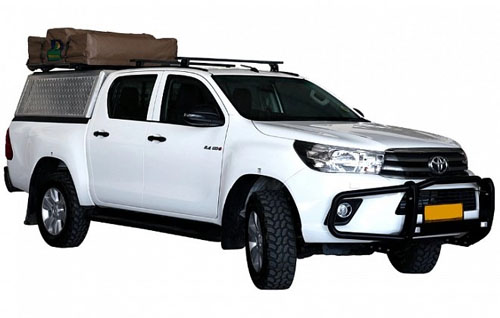
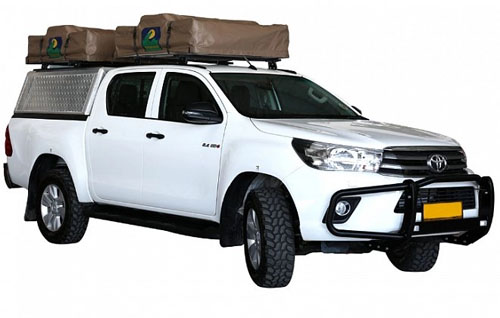
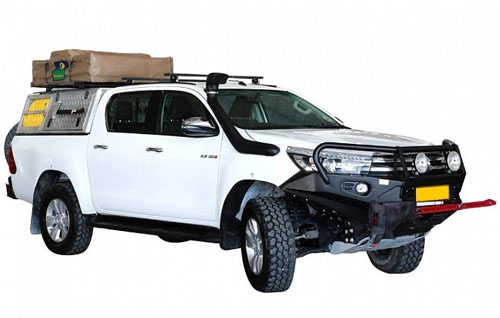
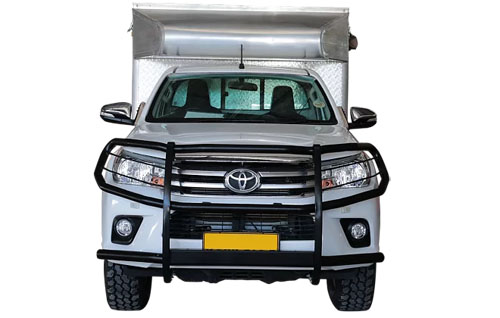
For more adventurous routes, including challenging gravel and sandy tracks that lead to truly remote gems, a Class TC (Truck Camper) is highly recommended. These vehicles, like a "Patagonia Camper 4x4 double cab" or "Adventure Truck Select", are typically built on a 4x4 chassis and offer higher ground clearance and robust capabilities. Class TC RVs, averaging 5.5m in length in Bandana's fleet, are perfect for accessing more remote campsites and national park areas where a larger, less agile vehicle might struggle. We, as true RV specialists, help you find the perfect match for your trip.
Should I Choose a Compact Van Instead of a Large RV in Namibia?
While compact campervans (Class B) offer greater maneuverability and fuel efficiency for your weekly RV rental in Namibia, larger RVs often provide superior comfort and indoor space, which can be a greater priority in Namibia's expansive and uncrowded environment. Class B Camper Vans, like a "Juliette 2-3" or a "HiTop Campervan", averaging 5.8m in length, are ideal for couples or solo travelers seeking nimble transport and easier parking in towns or smaller campsites. They are fantastic for those who prioritize agility and a more rugged feel.
However, Namibia's road infrastructure is generally accommodating to larger vehicles, meaning tight city centers or narrow mountain passes are rarely a concern, even in places like Walvis Bay or Windhoek. Therefore, the trade-off between a compact van and a larger RV (such as a Class C motorhome like the "Adak Argonaut 23 - Gold" or "Nexus Triumph 24TS") usually comes down to your desired comfort level, the amenities you seek (like a full bathroom, spacious kitchen, or separate sleeping areas), and the number of travelers, rather than strict driving limitations. Consider your group size, luggage, and how much time you plan to spend inside the vehicle versus outside exploring when making your choice.
Can I Park Anywhere? Free & Wild Camping Rules in Namibia
While the vastness of Namibia might suggest widespread opportunities for wild camping, it is generally not permitted or advised for RVs, with designated campsites and private land being the primary legal and safe options for overnight parking. Wild camping is strictly prohibited within all national parks and reserves across Namibia to protect fragile ecosystems and ensure visitor safety. On private land, obtaining explicit permission from the landowner is always required before parking overnight, and it's essential to respect private property rights.
Designated campsites, whether in national parks like Etosha or private reserves, offer security, amenities (often including fresh water, ablution blocks, and braai facilities), and frequently boast breathtaking locations, making them the preferred choice for RV travelers. These sites not only provide necessary facilities but also contribute to local conservation efforts and offer a safer environment. Rules vary by region, so always check local regulations and follow local law before parking overnight. For finding campsites and campgrounds during your trip, we recommend using RV PLANET (rvplan.net) - a great resource for locating available spots along your route and planning your journey with ease.
Can I Drive an RV Into the City Center? Heights, Tunnels & Local Signage
Driving an RV into Namibian city centers like Windhoek, Swakopmund, or Walvis Bay is generally permissible, as these urban areas are well-equipped to handle larger vehicles, though drivers should always remain attentive to local signage for specific height or parking restrictions. Namibian cities are not typically characterized by narrow historic streets or numerous low bridges that pose significant challenges for motorhomes. Drive slowly and carefully, and you can drive almost anywhere without issues. No need to stress - just use common sense and pay attention to road markings and traffic.
The primary consideration in urban areas is usually finding suitable and secure parking for a larger vehicle, especially if you plan to explore on foot for an extended period. Always observe local signage for height limits, no-parking zones, or specific vehicle restrictions, but rest assured that major urban areas in Namibia are generally RV-friendly. Parking in designated areas at shopping centers or tourist attractions is often your best bet for convenience and safety. If you are flying into Namibia, consider picking up your RV rental in Windhoek - Airport or Walvis Bay - Airport for a convenient start to your trip.
What is the Detailed Cost Breakdown for a Weekly RV Rental in Namibia?
A detailed cost breakdown for a weekly RV rental in Namibia typically includes the RV rental fee, fuel costs, national park entry fees, campsite fees, and provisions, highlighting the dynamic nature of pricing. The base RV rental fee itself is the largest component, varying significantly by vehicle class (e.g., a compact Class B campervan vs. a spacious Class C motorhome), seasonality, booking lead time, and supplier marketing decisions. Prices are dynamic like flight tickets; the final price is set at the actual booking time.
- RV Rental Fee: Expect weekly rates for a comfortable Class C motorhome to range from $700-$1750, with luxury Class A models potentially exceeding $2500 per week during peak season (December-February).
- Fuel Costs: Calculated based on vehicle consumption (e.g., 10-12 L/100km for Class SI/C RVs) and current fuel prices (approximately N$20 per liter as a placeholder), for your planned mileage. For a 1-week trip covering 1000 km, this could be N$2000-N$2400 (approx. $100-$120 USD).
- National Park Entry Fees: Typically N$250 per international adult per day, plus a vehicle fee (e.g., N$50 for a standard vehicle) for parks like Etosha or Namib-Naukluft. For a couple over 7 days visiting a park daily, this could total N$3500 (approx. $180 USD).
- Campsite Fees: Ranging from N$200 to N$600+ per night, depending on amenities and location (national park vs. private lodge). A week of camping could cost N$1400-N$4200 (approx. $70-$220 USD).
- Food and Provisions: Budget for groceries, especially when provisioning for remote areas where options are limited and prices higher. Preparing meals in your RV's kitchen is a great way to save money and enjoy the scenery. Check out our RV-friendly recipes playlist for inspiration!
- Insurance: The base rental includes standard insurance, but you can upgrade to a top-level deductible for extra peace of mind, which is an optional upgrade.
- Contingency Fund: Allocate 10-15% of your budget for unexpected expenses like minor repairs, extra activities, or communication costs.
For more detailed insights on budgeting, explore our "RV Rental in Namibia - Prices and Best Deals 2026" or "Weekly RV Rental in Namibia - Pricing 2026" guides. We believe in full transparency, so you'll always know what you're paying for with no hidden fees or surprises at pickup.
What Specific Gear and Vehicle Customizations Do I Need for an RV in Namibia?
For an optimal RV adventure in Namibia, equipping your vehicle with specific gear and considering certain customizations is highly recommended, particularly for venturing off the main tar roads. All-terrain tires are essential for navigating the prevalent gravel and sandy roads, and carrying at least one, preferably two, robust spare tires is crucial given the remote nature of many routes. Recovery equipment, including a shovel, tire pressure gauge, air compressor, and traction mats, will be invaluable if you encounter soft sand or tricky terrain.
Extended fuel and water tanks are critical for long distances between towns and campsites where resupply points are scarce. For instance, an RV with a 75-liter fuel tank might need additional reserves for deep desert exploration. A solar setup or dual battery system is highly beneficial for reliable power during off-grid camping, keeping your refrigerator running and devices charged. While most RVs are well-sealed, ensure all windows and vents close tightly to minimize dust intrusion on gravel roads. Lastly, reliable navigation is a must; a dedicated GPS device with offline maps, in addition to physical maps, is essential as cell signal can be sporadic. Remember, our partners ensure their vehicles are well-maintained, but personal preparation enhances the journey.
What Challenges Should I Expect When Driving an RV in Namibia and How Can I Troubleshoot Them?
Driving an RV in Namibia offers incredible freedom, but it's wise to anticipate and prepare for certain challenges to ensure a smooth trip. Vehicle breakdowns, though rare with well-maintained rental RVs, can occur in remote areas; ensure your rental has comprehensive roadside assistance, carry a basic toolkit, and know how to change a tire. Communication issues are common, as cell phone coverage is limited outside major towns; consider a local SIM for better coverage where available, or a satellite phone for emergencies, keeping you connected during your weekly RV rental.
Managing supplies is another key challenge: plan routes carefully to account for limited fuel, water, and food resupply points in remote areas, always carrying extra provisions. Diverse road conditions, including gravel, corrugation, and occasional sandy tracks, require a cautious approach; drive slowly, maintain appropriate tire pressure, and anticipate bumps to protect your rented motorhome. Wildlife encounters are a highlight but also a challenge; stay vigilant, especially at dusk and dawn, and avoid driving at night where possible due to large animals. Dust intrusion is almost guaranteed in Namibia's dry climate; keep windows and vents closed on gravel roads to minimize dust inside the RV. Finally, for medical emergencies, carry a well-stocked first-aid kit and know emergency contact numbers for local services. Remember, we are with you before, during, and after your booking to assist with any coordination or pre-trip questions.
What are the Best Camping Sites and Facilities for RVs in Namibia?
Namibia offers a fantastic array of camping sites and facilities perfectly suited for RVs, from national park havens to rustic community-run spots, providing diverse experiences for your weekly RV rental. National Park Camps, such as Okaukuejo and Halali in Etosha, are highly sought after; they offer basic power points, water, ablution facilities, and often feature floodlit waterholes for spectacular nighttime wildlife viewing right from your campsite. These are ideal for wildlife enthusiasts.
Beyond national parks, numerous private campsites at lodges and farms provide well-maintained, sometimes luxurious, RV campsites with full amenities including power, water hook-ups, braai (barbecue) facilities, and even swimming pools. For a more authentic, wilder experience, community campsites found in conservancies (like those around Spitzkoppe) offer rustic charm, often without electricity but with basic ablutions and stunning natural surroundings. It is strongly recommended to always pre-book campsites, especially in national parks and during peak season, as spots fill quickly. While some sites offer full hook-ups, be prepared for basic amenities or dry camping in more remote locations, ensuring you have adequate water (e.g., a "MHC24" motorhome with a 150-liter fresh water tank) and battery capacity. For finding campsites and campgrounds during your trip, we recommend using RV PLANET (rvplan.net) - a great resource for locating available spots along your route.
What are the Best Strategies for Wildlife Viewing from an RV in Namibia?
RV travelers in Namibia have a unique advantage for wildlife viewing, with the vehicle serving as a mobile hide, and strategic planning can maximize your sightings. Prioritize National Parks like Etosha, which is paramount for RV-based safaris due to its well-placed waterholes and RV-friendly roads that allow for excellent viewing opportunities. Optimal times for spotting animals are generally during dawn and dusk when they are most active, or during the dry season (May-October) when wildlife congregates around diminishing water sources.
For safety and to avoid disturbing animals, always remain inside your rented RV in designated wildlife areas, using your vehicle as a sturdy and safe viewing platform. Practice waterhole vigilance by parking discreetly and observing patiently; many animals, from elephants to springboks, will eventually visit for a drink. Always engage in ethical interaction by maintaining a respectful distance, avoiding feeding animals, and never pursuing them off marked tracks. Prepare your RV by keeping windows closed and food secured, as some animals, like baboons, can be inquisitive. Essential gear includes binoculars for distant sightings, a good camera for capturing memories, and a field guide to identify the diverse species you'll encounter.
How Can RV Travelers Experience Local Culture and Community in Namibia?
RV travel in Namibia offers fantastic opportunities to connect with local culture and communities, moving beyond just scenic drives to truly understand the country's heart. One excellent way is to visit local markets in towns like Windhoek, Swakopmund, or Outjo for crafts, fresh produce, and traditional foods, where engaging with vendors can offer genuine cultural insights. You might discover some unique ingredients for your RV kitchen, for which our RV-friendly recipes playlist can provide inspiration.
Participating in community-based tourism initiatives is another rewarding approach; seek out conservancies or cultural villages, such as Himba villages in Damaraland, which offer authentic experiences and directly support local livelihoods. Take the opportunity to try traditional foods like biltong, kapana (grilled meat), or potjiekos (stew) from local eateries or during cultural visits. Supporting local artisans by purchasing crafts directly from communities ensures your money benefits them directly. Learning a few basic phrases in Afrikaans or a local language (e.g., 'Dankie' for thank you) can open doors to friendly interactions, enriching your experience. Always be respectful of local customs and traditions, and remember to ask permission before taking photos of people. This mindful approach helps foster genuine connections and unforgettable memories of your weekly RV rental adventure in Namibia.
How Can I Practice Responsible and Sustainable RV Travel in Namibia?
Practicing responsible and sustainable RV travel in Namibia is vital to preserve its unique and fragile desert ecosystems and support local communities. Always adhere to the "Leave No Trace" principles: pack out all your trash, including organic waste, and dispose of it properly at designated sites, ensuring nothing is left behind. Conserve water diligently, as Namibia is a desert country; be mindful of your water usage when showering, washing dishes, and ensure your RV, like a "Class C - Alcove" with a typical 100-liter fresh water tank, is used efficiently.
Stay on marked roads at all times, avoiding off-roading to protect fragile desert vegetation, gravel roads, and minimize environmental impact. Utilize designated dump points for grey and black water, and never discharge wastewater directly into the environment. Support local conservation efforts by paying national park fees, which directly contribute to wildlife protection, and consider visiting community-run projects. Observe wildlife from a distance, do not disturb their natural behavior, and never feed animals, which can disrupt their ecosystem. Finally, minimize noise pollution, especially in campsites, to avoid disturbing wildlife and other campers, ensuring everyone can enjoy the tranquility of Namibia's wild beauty.
Final Thoughts
A weekly RV driving tour in Namibia promises an adventure filled with stunning landscapes, unforgettable wildlife encounters, and the freedom only a rented motorhome can provide. By understanding the local road conditions, licensing requirements, and responsible travel practices, you're set for an incredible journey. Imagine waking up to the sounds of the desert, brewing coffee in your RV's kitchen, and setting off to discover another breathtaking vista - this is the magic of RV travel in Namibia.
We're here to support you every step of the way, from comparing prices across suppliers to ensuring your booking is confirmed with full transparency. No need to worry about hidden fees or surprises; we handle the details, so you can simply live the journey. Get inspired for your next trip and discover top destinations, planning tips, all in one place!
Ready to experience the vast beauty of Namibia with the comfort of a motorhome? Don't wait. Find your perfect weekly RV rental in Namibia today and start planning the adventure of a lifetime.
Compare weekly RV Rentals in Namibia
In This Guide
- Can You Drive an RV in Namibia? License & Age Rules
- Road Conditions & Terrain in Namibia
- RV Size Limits, Bridges & Restricted Zones
- Fuel: Diesel vs. Petrol & Cost per 100 km
- Tolls, Vignettes & Border Rules
- Driving Tips for Weekly RV Rental Travelers
- Recommended RV Class for Namibia Roads
- Should I Choose a Compact Van Instead of a Large RV in Namibia?
- Can I Park Anywhere? Free & Wild Camping Rules in Namibia
- Can I Drive an RV Into the City Center? Heights, Tunnels & Local Signage
- What is the Detailed Cost Breakdown for a Weekly RV Rental in Namibia?
- What Specific Gear and Vehicle Customizations Do I Need for an RV in Namibia?
- What Challenges Should I Expect When Driving an RV in Namibia and How Can I Troubleshoot Them?
- What are the Best Camping Sites and Facilities for RVs in Namibia?
- What are the Best Strategies for Wildlife Viewing from an RV in Namibia?
- How Can RV Travelers Experience Local Culture and Community in Namibia?
- How Can I Practice Responsible and Sustainable RV Travel in Namibia?
Embarking on a week-long RV driving tour in Namibia is an adventure unlike any other, offering unparalleled freedom to explore vast landscapes, incredible wildlife, and unique cultures at your own pace. With a rented motorhome, you're not just traveling; you're creating a mobile home base that allows you to truly immerse yourself in the wonders of this incredible African nation. Whether you're chasing the red dunes of Sossusvlei or spotting elephants in Etosha National Park, a weekly RV rental in Namibia provides the perfect blend of comfort and exploration. For live availability and current prices, start with our RV Rental Namibia - Complete Guide 2026 guide.
🎬 Video coming soon
Can You Drive an RV in Namibia? License & Age Rules
Driving an RV in Namibia is very much possible and an incredibly rewarding way to experience the country, with standard car driver's licenses typically sufficient. Drivers generally need a valid national license from their home country to operate a rented motorhome, and an International Driving Permit (IDP) is highly recommended for visitors from non-English-speaking countries or those without a South African Development Community (SADC) license to ensure easy interpretation by local authorities. Rental companies in Namibia typically require drivers to be at least 21 years old, and rest assured there are no young driver surcharges or vehicle class restrictions based on age with Bandana Caravan. A standard B or BE license is usually sufficient for most motorhomes available for weekly rental in Namibia, as these vehicles generally fall within the 3,500kg gross vehicle mass limit, eliminating the need for a special CDL or additional permits.
As true RV specialists, we at Bandana Caravan ensure that all our partner suppliers, including trusted names like Apollo and Britz, clearly communicate all licensing and age requirements upfront, offering full transparency with no hidden fees or surprises. This commitment to honesty means you can book your RV rental in Namibia with confidence, knowing exactly what’s needed before you even pick up the keys.
Road Conditions & Terrain in Namibia
Namibia's road network offers a mix of conditions, with excellent tar (bitumen) roads connecting major towns and more adventurous gravel routes throughout the country. The primary roads, such as the B1 highway, are well-maintained and suitable for all types of motorhomes, providing smooth journeys between key destinations like Windhoek, Swakopmund, and Etosha. However, extensive gravel roads, often designated as 'C' and 'D' routes, are common, especially when venturing into rural areas and national parks, requiring reduced speeds to ensure safety and prevent vehicle damage.
Some areas, particularly within national parks or remote tracks, may involve sand or rougher terrain, which are best navigated with a 4x4 capable campervan or motorhome. We always encourage slow and careful driving in Namibia, recommending an average of no more than 100-150 km per day. This approach allows you to truly appreciate the breathtaking landscapes and manage varied road conditions without stress, making your weekly RV rental in Namibia a truly immersive experience.
RV Size Limits, Bridges & Restricted Zones
Namibia generally accommodates a wide range of RV sizes without frequent height restrictions on its main routes, making it an accessible destination for various motorhome classes. While there are no significant ferry limits to consider within Namibia itself, drivers should be aware of potential weight limits on smaller bridges, especially when traveling on less-traveled gravel roads that might not be designed for larger, heavier vehicles. Most Class C and Class A motorhomes will have no issues on main routes, but always check local signage in specific remote areas or national parks.
Access to certain sensitive environmental zones, such as specific dunes within the Namib-Naukluft National Park or fragile conservation areas, may be restricted for larger RVs or require special permits due to ecological protection. For instance, to reach the iconic Deadvlei at Sossusvlei, 2WD vehicles (including many larger RVs) must park 5km away and take a 4x4 shuttle, highlighting the importance of choosing the right vehicle for your desired destinations. Renting a motorhome in Namibia means understanding these local nuances to plan an efficient and enjoyable trip.
Fuel: Diesel vs. Petrol & Cost per 100 km
Most RVs available for weekly rental in Namibia operate on diesel fuel, which is widely available in major towns but requires careful planning for long stretches in remote areas. Bandana's global fleet offers various vehicle types; for example, Class SI RVs typically consume 10-11 liters per 100 km, Class C motorhomes 10-12 liters per 100 km, and Class B campervans 8-10 liters per 100 km. For more rugged adventures, Class TC (Truck Camper) vehicles, often 4x4, might consume 12-17 liters per 100 km due to their robust design and terrain capabilities.
At an estimated N$20 per liter (always check current local rates, as prices can fluctuate), a Class SI RV consuming 10-11 L/100km would cost approximately N$200-N$220 per 100km. It's crucial to always refuel when possible, especially before entering national parks or remote regions, as fuel stations can be scarce and distances between them vast. To help manage your trip finances effectively, remember that on RV PLANET routes, travelers can itemize and track every expense along the way for easy budgeting, covering fuel, campsite fees, and more.
Tolls, Vignettes & Border Rules
Namibia currently has no system of tolls or vignettes on its national roads, which significantly simplifies in-country travel and budget planning for your weekly RV rental in Namibia. This means you won't encounter unexpected road charges as you explore the country's diverse landscapes. However, if your adventure plans extend beyond Namibia's borders, such as into neighboring South Africa or Botswana, prepare for additional requirements.
For cross-border travel, you will likely need temporary import permits for the RV, potential carbon taxes, and road user charges from the destination country. It is absolutely essential to always obtain explicit written permission from your RV rental company before planning to drive across international borders. Some rental companies offer pre-arranged cross-border paperwork to streamline this process, but confirming this in advance with your supplier is critical for a smooth journey. Remember, transparency is key, and we ensure you understand all potential fees, including any cross-border charges, before you book.
Driving Tips for Weekly RV Rental Travelers
Navigating Namibia in a rented motorhome is an unforgettable experience, and a few key driving tips will ensure your trip is safe and enjoyable. Firstly, manage your speed on gravel roads by reducing it significantly to prevent punctures, loss of control due to corrugation, and damage from loose stones. Secondly, always watch for wildlife; animals, both wild and domestic, are common on roads, especially at dawn and dusk, so drive cautiously and avoid driving at night if possible.
Thirdly, carry spares and supplies: always have at least one robust spare tire, sufficient water (a Class C motorhome like the "cruise america rv rental example Explorer" with an 82-liter fresh water tank will be very useful), and extra fuel for remote stretches. Fourth, communication is key as cell service can be intermittent outside of major towns; consider a local SIM for better coverage or a satellite phone for emergencies, keeping you connected during your weekly RV rental. Finally, for weekly rentals, especially with families, plan regular breaks every 2-3 hours to rest, rehydrate, and enjoy the scenery. This aligns with our recommendation to travel slowly, averaging max 100-150 km per day, allowing you to connect to the culture, food, and scenery. For a broader overview of RV travel in Africa, you might find our RV Rental Africa - Complete Guide 2026 insightful.
Recommended RV Class for Namibia Roads
Choosing the right RV class for your Namibia adventure depends on your itinerary and desired level of comfort, with Class SI (Semi-integrated) and Class C (Alcove) RVs offering an excellent balance for general travel. For journeys primarily on Namibia's main tar and well-maintained gravel roads, a Class SI or Class C motorhome provides a comfortable balance of space and drivability for couples or families. Bandana's Class SI RVs, such as an "Active Standard Auto" average 6.9m in length, while Class C RVs, like the "24' Class C Motorhome," average 7.5m, offering ample living space, onboard facilities, and storage.
For more adventurous routes, including challenging gravel and sandy tracks that lead to truly remote gems, a Class TC (Truck Camper) is highly recommended. These vehicles, like a "Patagonia Camper 4x4 double cab" or "Adventure Truck Select", are typically built on a 4x4 chassis and offer higher ground clearance and robust capabilities. Class TC RVs, averaging 5.5m in length in Bandana's fleet, are perfect for accessing more remote campsites and national park areas where a larger, less agile vehicle might struggle. We, as true RV specialists, help you find the perfect match for your trip.
Should I Choose a Compact Van Instead of a Large RV in Namibia?
While compact campervans (Class B) offer greater maneuverability and fuel efficiency for your weekly RV rental in Namibia, larger RVs often provide superior comfort and indoor space, which can be a greater priority in Namibia's expansive and uncrowded environment. Class B Camper Vans, like a "Juliette 2-3" or a "HiTop Campervan", averaging 5.8m in length, are ideal for couples or solo travelers seeking nimble transport and easier parking in towns or smaller campsites. They are fantastic for those who prioritize agility and a more rugged feel.
However, Namibia's road infrastructure is generally accommodating to larger vehicles, meaning tight city centers or narrow mountain passes are rarely a concern, even in places like Walvis Bay or Windhoek. Therefore, the trade-off between a compact van and a larger RV (such as a Class C motorhome like the "Adak Argonaut 23 - Gold" or "Nexus Triumph 24TS") usually comes down to your desired comfort level, the amenities you seek (like a full bathroom, spacious kitchen, or separate sleeping areas), and the number of travelers, rather than strict driving limitations. Consider your group size, luggage, and how much time you plan to spend inside the vehicle versus outside exploring when making your choice.
Can I Park Anywhere? Free & Wild Camping Rules in Namibia
While the vastness of Namibia might suggest widespread opportunities for wild camping, it is generally not permitted or advised for RVs, with designated campsites and private land being the primary legal and safe options for overnight parking. Wild camping is strictly prohibited within all national parks and reserves across Namibia to protect fragile ecosystems and ensure visitor safety. On private land, obtaining explicit permission from the landowner is always required before parking overnight, and it's essential to respect private property rights.
Designated campsites, whether in national parks like Etosha or private reserves, offer security, amenities (often including fresh water, ablution blocks, and braai facilities), and frequently boast breathtaking locations, making them the preferred choice for RV travelers. These sites not only provide necessary facilities but also contribute to local conservation efforts and offer a safer environment. Rules vary by region, so always check local regulations and follow local law before parking overnight. For finding campsites and campgrounds during your trip, we recommend using RV PLANET (rvplan.net) - a great resource for locating available spots along your route and planning your journey with ease.
Can I Drive an RV Into the City Center? Heights, Tunnels & Local Signage
Driving an RV into Namibian city centers like Windhoek, Swakopmund, or Walvis Bay is generally permissible, as these urban areas are well-equipped to handle larger vehicles, though drivers should always remain attentive to local signage for specific height or parking restrictions. Namibian cities are not typically characterized by narrow historic streets or numerous low bridges that pose significant challenges for motorhomes. Drive slowly and carefully, and you can drive almost anywhere without issues. No need to stress - just use common sense and pay attention to road markings and traffic.
The primary consideration in urban areas is usually finding suitable and secure parking for a larger vehicle, especially if you plan to explore on foot for an extended period. Always observe local signage for height limits, no-parking zones, or specific vehicle restrictions, but rest assured that major urban areas in Namibia are generally RV-friendly. Parking in designated areas at shopping centers or tourist attractions is often your best bet for convenience and safety. If you are flying into Namibia, consider picking up your RV rental in Windhoek - Airport or Walvis Bay - Airport for a convenient start to your trip.
What is the Detailed Cost Breakdown for a Weekly RV Rental in Namibia?
A detailed cost breakdown for a weekly RV rental in Namibia typically includes the RV rental fee, fuel costs, national park entry fees, campsite fees, and provisions, highlighting the dynamic nature of pricing. The base RV rental fee itself is the largest component, varying significantly by vehicle class (e.g., a compact Class B campervan vs. a spacious Class C motorhome), seasonality, booking lead time, and supplier marketing decisions. Prices are dynamic like flight tickets; the final price is set at the actual booking time.
- RV Rental Fee: Expect weekly rates for a comfortable Class C motorhome to range from $700-$1750, with luxury Class A models potentially exceeding $2500 per week during peak season (December-February).
- Fuel Costs: Calculated based on vehicle consumption (e.g., 10-12 L/100km for Class SI/C RVs) and current fuel prices (approximately N$20 per liter as a placeholder), for your planned mileage. For a 1-week trip covering 1000 km, this could be N$2000-N$2400 (approx. $100-$120 USD).
- National Park Entry Fees: Typically N$250 per international adult per day, plus a vehicle fee (e.g., N$50 for a standard vehicle) for parks like Etosha or Namib-Naukluft. For a couple over 7 days visiting a park daily, this could total N$3500 (approx. $180 USD).
- Campsite Fees: Ranging from N$200 to N$600+ per night, depending on amenities and location (national park vs. private lodge). A week of camping could cost N$1400-N$4200 (approx. $70-$220 USD).
- Food and Provisions: Budget for groceries, especially when provisioning for remote areas where options are limited and prices higher. Preparing meals in your RV's kitchen is a great way to save money and enjoy the scenery. Check out our RV-friendly recipes playlist for inspiration!
- Insurance: The base rental includes standard insurance, but you can upgrade to a top-level deductible for extra peace of mind, which is an optional upgrade.
- Contingency Fund: Allocate 10-15% of your budget for unexpected expenses like minor repairs, extra activities, or communication costs.
For more detailed insights on budgeting, explore our "RV Rental in Namibia - Prices and Best Deals 2026" or "Weekly RV Rental in Namibia - Pricing 2026" guides. We believe in full transparency, so you'll always know what you're paying for with no hidden fees or surprises at pickup.
What Specific Gear and Vehicle Customizations Do I Need for an RV in Namibia?
For an optimal RV adventure in Namibia, equipping your vehicle with specific gear and considering certain customizations is highly recommended, particularly for venturing off the main tar roads. All-terrain tires are essential for navigating the prevalent gravel and sandy roads, and carrying at least one, preferably two, robust spare tires is crucial given the remote nature of many routes. Recovery equipment, including a shovel, tire pressure gauge, air compressor, and traction mats, will be invaluable if you encounter soft sand or tricky terrain.
Extended fuel and water tanks are critical for long distances between towns and campsites where resupply points are scarce. For instance, an RV with a 75-liter fuel tank might need additional reserves for deep desert exploration. A solar setup or dual battery system is highly beneficial for reliable power during off-grid camping, keeping your refrigerator running and devices charged. While most RVs are well-sealed, ensure all windows and vents close tightly to minimize dust intrusion on gravel roads. Lastly, reliable navigation is a must; a dedicated GPS device with offline maps, in addition to physical maps, is essential as cell signal can be sporadic. Remember, our partners ensure their vehicles are well-maintained, but personal preparation enhances the journey.
What Challenges Should I Expect When Driving an RV in Namibia and How Can I Troubleshoot Them?
Driving an RV in Namibia offers incredible freedom, but it's wise to anticipate and prepare for certain challenges to ensure a smooth trip. Vehicle breakdowns, though rare with well-maintained rental RVs, can occur in remote areas; ensure your rental has comprehensive roadside assistance, carry a basic toolkit, and know how to change a tire. Communication issues are common, as cell phone coverage is limited outside major towns; consider a local SIM for better coverage or a satellite phone for emergencies, keeping you connected during your weekly RV rental.
Managing supplies is another key challenge: plan routes carefully to account for limited fuel, water, and food resupply points in remote areas, always carrying extra provisions. Diverse road conditions, including gravel, corrugation, and occasional sandy tracks, require a cautious approach; drive slowly, maintain appropriate tire pressure, and anticipate bumps to protect your rented motorhome. Wildlife encounters are a highlight but also a challenge; stay vigilant, especially at dusk and dawn, and avoid driving at night where possible due to large animals. Dust intrusion is almost guaranteed in Namibia's dry climate; keep windows and vents closed on gravel roads to minimize dust inside the RV. Finally, for medical emergencies, carry a well-stocked first-aid kit and know emergency contact numbers for local services. Remember, we are with you before, during, and after your booking to assist with any coordination or pre-trip questions.
What are the Best Camping Sites and Facilities for RVs in Namibia?
Namibia offers a fantastic array of camping sites and facilities perfectly suited for RVs, from national park havens to rustic community-run spots, providing diverse experiences for your weekly RV rental. National Park Camps, such as Okaukuejo and Halali in Etosha, are highly sought after; they offer basic power points, water, ablution facilities, and often feature floodlit waterholes for spectacular nighttime wildlife viewing right from your campsite. These are ideal for wildlife enthusiasts.
Beyond national parks, numerous private campsites at lodges and farms provide well-maintained, sometimes luxurious, RV campsites with full amenities including power, water hook-ups, braai (barbecue) facilities, and even swimming pools. For a more authentic, wilder experience, community campsites found in conservancies (like those around Spitzkoppe) offer rustic charm, often without electricity but with basic ablutions and stunning natural surroundings. It is strongly recommended to always pre-book campsites, especially in national parks and during peak season, as spots fill quickly. While some sites offer full hook-ups, be prepared for basic amenities or dry camping in more remote locations, ensuring you have adequate water (e.g., a "MHC24" motorhome with a 150-liter fresh water tank) and battery capacity. For finding campsites and campgrounds during your trip, we recommend using RV PLANET (rvplan.net) - a great resource for locating available spots along your route.
What are the Best Strategies for Wildlife Viewing from an RV in Namibia?
RV travelers in Namibia have a unique advantage for wildlife viewing, with the vehicle serving as a mobile hide, and strategic planning can maximize your sightings. Prioritize National Parks like Etosha, which is paramount for RV-based safaris due to its well-placed waterholes and RV-friendly roads that allow for excellent viewing opportunities. Optimal times for spotting animals are generally during dawn and dusk when they are most active, or during the dry season (May-October) when wildlife congregates around diminishing water sources.
For safety and to avoid disturbing animals, always remain inside your rented RV in designated wildlife areas, using your vehicle as a sturdy and safe viewing platform. Practice waterhole vigilance by parking discreetly and observing patiently; many animals, from elephants to springboks, will eventually visit for a drink. Always engage in ethical interaction by maintaining a respectful distance, avoiding feeding animals, and never pursuing them off marked tracks. Prepare your RV by keeping windows closed and food secured, as some animals, like baboons, can be inquisitive. Essential gear includes binoculars for distant sightings, a good camera for capturing memories, and a field guide to identify the diverse species you'll encounter.
How Can RV Travelers Experience Local Culture and Community in Namibia?
RV travel in Namibia offers fantastic opportunities to connect with local culture and communities, moving beyond just scenic drives to truly understand the country's heart. One excellent way is to visit local markets in towns like Windhoek, Swakopmund, or Outjo for crafts, fresh produce, and traditional foods, where engaging with vendors can offer genuine cultural insights. You might discover some unique ingredients for your RV kitchen, for which our RV-friendly recipes playlist can provide inspiration.
Participating in community-based tourism initiatives is another rewarding approach; seek out conservancies or cultural villages, such as Himba villages in Damaraland, which offer authentic experiences and directly support local livelihoods. Take the opportunity to try traditional foods like biltong, kapana (grilled meat), or potjiekos (stew) from local eateries or during cultural visits. Supporting local artisans by purchasing crafts directly from communities ensures your money benefits them directly. Learning a few basic phrases in Afrikaans or a local language (e.g., 'Dankie' for thank you) can open doors to friendly interactions, enriching your experience. Always be respectful of local customs and traditions, and remember to ask permission before taking photos of people. This mindful approach helps foster genuine connections and unforgettable memories of your weekly RV rental adventure in Namibia.
How Can I Practice Responsible and Sustainable RV Travel in Namibia?
Practicing responsible and sustainable RV travel in Namibia is vital to preserve its unique and fragile desert ecosystems and support local communities. Always adhere to the "Leave No Trace" principles: pack out all your trash, including organic waste, and dispose of it properly at designated sites, ensuring nothing is left behind. Conserve water diligently, as Namibia is a desert country; be mindful of your water usage when showering, washing dishes, and ensure your RV, like a "Class C - Alcove" with a typical 100-liter fresh water tank, is used efficiently.
Stay on marked roads at all times, avoiding off-roading to protect fragile desert vegetation, gravel roads, and minimize environmental impact. Utilize designated dump points for grey and black water, and never discharge wastewater directly into the environment. Support local conservation efforts by paying national park fees, which directly contribute to wildlife protection, and consider visiting community-run projects. Observe wildlife from a distance, do not disturb their natural behavior, and never feed animals, which can disrupt their ecosystem. Finally, minimize noise pollution, especially in campsites, to avoid disturbing wildlife and other campers, ensuring everyone can enjoy the tranquility of Namibia's wild beauty.
What You Shouldn't Miss
- Etosha National Park: Witness incredible wildlife congregating around waterholes, often right from your campsite.
- Sossusvlei and Deadvlei: Marvel at the towering red dunes and ancient petrified trees in the Namib-Naukluft National Park.
- Swakopmund: Explore this charming coastal town with German colonial architecture, adventure activities, and fresh seafood.
- Fish River Canyon: Hike along the rim of Africa's largest canyon, offering breathtaking panoramic views.
- Skeleton Coast Park: Discover a dramatic coastline dotted with shipwrecks and unique desert wildlife.
- Damaraland: Encounter desert-adapted elephants and ancient rock art at Twyfelfontein, a UNESCO World Heritage site.
Looking for expert insights from Avi Bandana? Top 5 Adventures - recommendations from Avi Bandana
Final Thoughts
A weekly RV driving tour in Namibia promises an adventure filled with stunning landscapes, unforgettable wildlife encounters, and the freedom only a rented motorhome can provide. By understanding the local road conditions, licensing requirements, and responsible travel practices, you're set for an incredible journey. Imagine waking up to the sounds of the desert, brewing coffee in your RV's kitchen, and setting off to discover another breathtaking vista - this is the magic of RV travel in Namibia.
We're here to support you every step of the way, from comparing prices across suppliers to ensuring your booking is confirmed with full transparency. No need to worry about hidden fees or surprises; we handle the details, so you can simply live the journey. Get inspired for your next trip and discover top destinations, planning tips, all in one place!
Ready to experience the vast beauty of Namibia with the comfort of a motorhome? Don't wait. Find your perfect weekly RV rental in Namibia today and start planning the adventure of a lifetime.
Compare weekly RV Rentals in Namibia