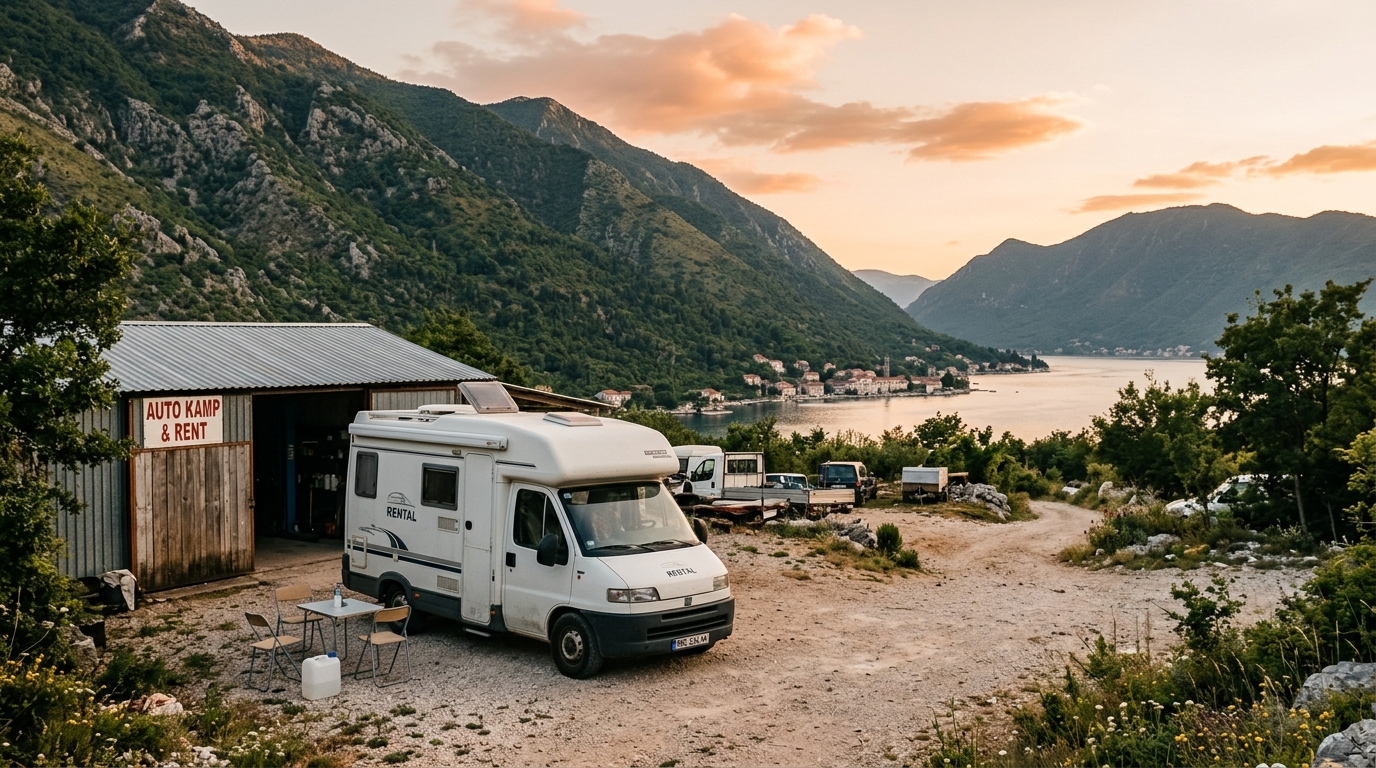
For live availability and current prices, start with our RV Rental Montenegro - Complete Guide 2026 guide.
In This Guide
- Can You Drive an RV in Montenegro License & Age Rules
- Road Conditions & Terrain in Montenegro
- RV Size Limits, Bridges & Restricted Zones
- Fuel Diesel vs Petrol & Cost per 100 km
- Tolls, Vignettes & Border Rules
- Driving Tips for weekly rv rental Travelers
- Recommended RV Class for Montenegro Roads
- Should I Choose a Compact Van Instead of a Large RV in Montenegro?
- Can I Park Anywhere Free & Wild Camping Rules in Montenegro
- Can I Drive an RV Into the City Center Heights, Tunnels & Local Signage
- What Are the Specific Legal and Documentation Requirements for RV Rental in Montenegro?
- What Are the Realities of Wild Camping with an RV in Montenegro?
- How Does Road Quality and Vehicle Suitability Impact RV Travel in Montenegro?
- What Practical Amenities Are Available for RVs Beyond Campsites in Montenegro?
- What Is Mobile Data Coverage and Communication Like for RV Travelers in Montenegro?
- What Are the Specific Requirements for Traveling with Pets in an RV in Montenegro?
- What Local Etiquette and Cultural Nuances Should RV Campers Know in Montenegro?
- How Can RV Travelers Experience Montenegro Beyond the Typical Tourist Trail?
Can You Drive an RV in Montenegro License & Age Rules
Navigating Montenegro in a rented RV is straightforward with the right documentation and understanding of age requirements. Drivers will need a valid national driving license, and for many international visitors, particularly those with licenses not in the Latin alphabet or from outside the EU/EEA, an International Driving Permit (IDP) is legally required or highly advised for clarity with local authorities. For RVs up to 3,500 kg, a standard B category license (equivalent to a car license) is sufficient, covering most campervans and smaller semi-integrated models. However, drivers of heavier RVs, those exceeding 3,500 kg Gross Vehicle Weight (GVW), will require a C1 or C category license. Most reputable rental companies also set a minimum driver age, which is often 21 or 23, and may require drivers to have held their license for a minimum of 2-3 years. It is crucial to ensure all necessary vehicle documentation, including registration, valid international motor insurance (often referred to as a 'green card' for international coverage), and the rental agreement itself, are readily accessible within the vehicle at all times.
Road Conditions & Terrain in Montenegro
Montenegro's landscape is undeniably beautiful, but its terrain presents varied road conditions that RV drivers should be prepared for. Major roads connecting cities and popular tourist spots are generally well-maintained and good, offering a comfortable driving experience. However, venturing off these main arteries, especially into mountainous or coastal regions, can mean encountering narrower, winding roads that are less perfectly maintained. The terrain is predominantly mountainous, requiring careful and often slow driving; a prime example is the famous Lovćen Serpentine, a road that famously features 25 sharp hairpin bends, offering spectacular views but demanding full attention. RV drivers should be prepared for a mix of surfaces, including paved roads that might have occasional potholes, and gravel sections that can lead to stunning viewpoints or more secluded spots. Embracing scenic driving is highly encouraged, allowing ample time to navigate the turns and truly soak in the breathtaking landscapes; rushing these routes can be dangerous due to unexpected curves or local traffic. It's also wise to be mindful of local driving habits, which can sometimes be assertive, and always be prepared for sudden stops or maneuvers from other vehicles.
RV Size Limits, Bridges & Restricted Zones
Montenegro does not have a widespread system of environmental zones that restrict RV access in the way some other European countries do. However, certain historic town centers, such as Kotor, may feature very narrow streets or pedestrian zones where vehicle access is limited, and larger RVs might find maneuvering difficult or impossible. Drivers should always be vigilant for low bridges and tunnels, which are uncommon on primary routes but can be encountered on smaller, local roads. Always observe signage indicating height and weight limits for specific roads, tunnels, or underpasses. For ferry crossings, like the car ferry in the Bay of Kotor, RVs are generally welcome, but it's advisable to check specific length and weight limits with the operator beforehand, especially if you are traveling with a larger Class C or Class A motorhome. While not a common restriction, some extremely narrow mountain roads or small village access points might present challenges for the longest or widest RVs; researching specific routes in advance is recommended if you plan to venture far off the main roads.
Fuel Diesel vs Petrol & Cost per 100 km
The majority of rental RVs, including campervans and larger motorhomes available through Bandana, are equipped with diesel engines. Fuel consumption can vary significantly based on the RV's size and class. For example, Class B Camper Vans typically consume between 8-10 liters per 100 km, while semi-integrated models might use 10-11 L/100 km. Larger Class C motorhomes or alcove models could range from 10-12 L/100 km, and integrated Class A motorhomes might consume 8-12 L/100 km. Truck Campers, due to their rugged nature, can average 12-17 L/100 km. Fuel prices in Montenegro are generally comparable to other Balkan countries, and it's essential to factor these costs into your weekly budget. Prices are typically displayed per liter and can fluctuate, so checking current prices upon arrival is wise. Fuel stations are quite frequent along main roads and near towns, but they become less common in remote mountainous areas, making it essential to plan your refills strategically. While LPG stations for cooking and heating gas are less frequent than petrol or diesel pumps, they can be found in larger towns; it's always a good idea to inquire with your rental provider if your RV utilizes LPG for its onboard systems. Some rental providers may offer fuel discount cards that can lead to savings over a week-(or longer) long rental period. For ideas you can prep on the road, watch our RV-friendly recipes playlist on YouTube.
Tolls, Vignettes & Border Rules
Montenegro operates a toll system on specific sections of its road network, rather than a general vignette system required in some other European countries. The most notable tolled road is the Sozina Tunnel, which significantly cuts travel time between Podgorica and the coast. Additionally, certain new highway sections, such as the Smokovac-Mateševo stretch, also incur tolls. These tolls are typically paid directly at toll booths, and it's advisable to have Euros in cash available, as while some booths may accept card payments, cash is often preferred or required, especially in smaller denominations. When planning to cross borders into or out of Montenegro with your rented RV, ensure you have all necessary vehicle documents readily available. This includes the RV's original registration documents and a valid international motor insurance card, commonly known as a 'Green Card,' which proves your insurance coverage extends to Montenegro. Some rental providers may offer the option to pre-purchase toll passes for convenience, especially if you plan extensive travel through multiple toll roads or into neighboring countries, which can help avoid potential fines for non-compliance. On the routes offered through RV PLANET routes, you can itemize and track every expense along the way for easy budgeting.
Driving Tips for weekly rv rental Travelers
To make the most of your Montenegrin RV adventure, remember to pace yourself and embrace the journey. For families, planning stops every 2-3 hours is ideal, allowing children to stretch and explore, turning the drive itself into part of the adventure. Budgeting wisely is crucial; account for fuel costs, which can add up over a week-long trip, and consider pre-booking campsites, especially during the peak season (summer months), to secure spots and potentially better rates. Utilize technology by employing offline maps or GPS systems that allow for RV-specific vehicle dimensions, which can help you navigate potentially narrow roads and identify gas stations or water refill points in advance. Embrace the local culture by being respectful of customs, dressing modestly when visiting religious sites, and attempting to learn a few basic Montenegrin phrases—a little effort can lead to wonderfully friendly interactions. When preparing for mountain driving, remember your RV will encounter steep ascents and descents; ensure your vehicle is in good mechanical condition, use lower gears for engine braking on descents, and be constantly mindful of larger vehicles on narrow mountain passes. Staying connected is also important; consider purchasing a local Montenegrin SIM card for reliable navigation and emergency communication, as mobile data coverage can vary, especially within national parks or remote valleys.
Recommended RV Class for Montenegro Roads
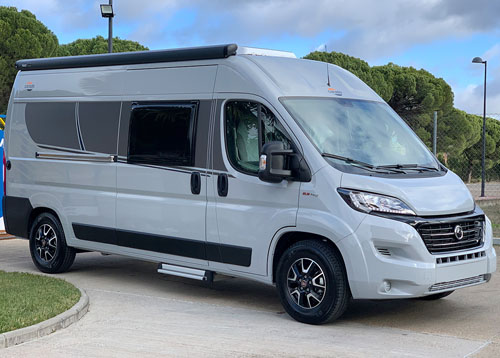
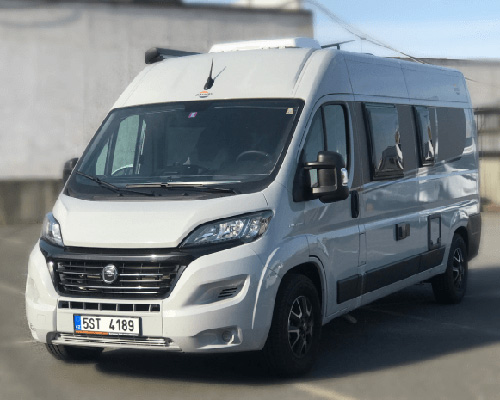
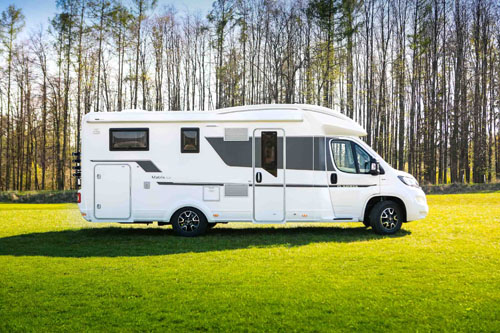
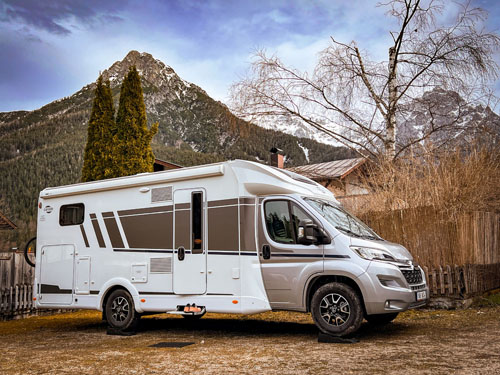
When choosing an RV for your Montenegro road trip, the size and class of the vehicle can significantly impact your experience, particularly on the country's diverse road network. Class B Camper Vans, which in Bandana's fleet average around 5.8 meters in length, are excellent choices for navigating Montenegro's narrower coastal roads and winding mountain passes. Their compact size and car-like driving experience offer significant maneuverability, while still providing sufficient amenities for 2-3 adults. For those seeking a bit more interior space and comfort, Class SI Semi-integrated RVs, averaging about 6.9 meters in length, are ideal. They are well-suited for small families or couples who desire more room without sacrificing too much on maneuverability. While larger Class C Alcove (averaging 7.5 meters) and Class A Integrated RVs (also around 7.5 meters) offer maximum comfort and living space, their larger dimensions can be more challenging on very narrow mountain roads or in congested urban areas. Ultimately, consider your group size and desired comfort level against the type of exploration you plan; a smaller, more agile RV generally offers greater flexibility for reaching hidden gems and enjoying the more challenging scenic routes Montenegro has to offer.
Should I Choose a Compact Van Instead of a Large RV in Montenegro?
The choice between a compact van and a larger RV in Montenegro largely depends on your itinerary and priorities. Compact Vans, like Class B models with average lengths around 5.8 meters, truly excel in urban environments, allowing for easier parking and access to smaller villages or less-traveled routes where larger vehicles might struggle. If your plan involves extensive exploration of ancient towns with restricted access or navigating extremely challenging mountain routes like the Lovćen Serpentine, where every inch of space counts, a compact van genuinely offers a significant advantage in terms of ease of driving. Conversely, larger RVs (Class SI, Class C, or Class A) provide substantially more indoor living space, often featuring dedicated sleeping areas, larger kitchens, and greater storage capacity, which can greatly enhance comfort for a week-long trip, particularly for families or during periods of inclement weather. For the majority of travel across Montenegro's main tourist routes and many national park access roads, comfort and interior space often matter more than absolute maneuverability, making the semi-integrated or alcove RVs a worthwhile consideration. Weighing the need for compact agility against the desire for spacious comfort will guide you to the perfect vehicle for your Montenegrin adventure.
Can I Park Anywhere Free & Wild Camping Rules in Montenegro
When it comes to overnight parking and wild camping with an RV in Montenegro, it's important to be aware of the regulations. Officially, wild camping is largely prohibited or at least strongly discouraged across Montenegro. This policy is in place to protect the country's stunning natural beauty and to promote regulated tourism, with stricter enforcement typically observed in coastal areas and within national parks. Therefore, designated campsites and official RV parks are the safest and most legal options for overnight stays, as they typically offer essential amenities like water, electricity hookups, and waste disposal facilities. If you do consider attempting to wild camp, it is absolutely paramount to adhere strictly to 'leave no trace' principles: carry out all your waste, minimize noise, and avoid any disturbance to flora or fauna. Fines for illegal wild camping can be imposed by local authorities, particularly in popular tourist areas or national parks where enforcement is more rigorous. Finding spots that are tolerated often requires venturing into very remote, non-protected areas and, if on private property, seeking permission from landowners is always the respectful approach. It's worth noting that rules can vary slightly by region, so always check local regulations and follow local law before deciding to park overnight.
Can I Drive an RV Into the City Center Heights, Tunnels & Local Signage
Driving an RV into Montenegrin city centers is generally possible, but it requires a high degree of vigilance regarding local signage. You must remain attentive to signs indicating height restrictions, tunnel clearances, low bridges, and potential pedestrian-only or residents-only zones. Larger cities like Podgorica or Bar typically have main roads leading into their centers that can accommodate RVs. However, older, historic towns such as Kotor or Budva's Old Town may feature extremely narrow streets that could be impassable for anything larger than a compact van. Always pay close attention to road signs, which will clearly display height, width, and weight limits for specific roads, tunnels, or underpasses. While environmental zones are not a widespread concern for RVs in Montenegro, be aware of any temporary or permanent restrictions on vehicle types or sizes in sensitive areas. Parking within city centers can be challenging for larger RVs; your best bet is to look for designated large vehicle parking areas or utilize paid parking lots on the outskirts of the city, then use public transport or walk into the center. Utilizing navigation systems that allow for RV-specific vehicle dimensions can also be incredibly helpful in avoiding problematic routes.
What Are the Specific Legal and Documentation Requirements for RV Rental in Montenegro?
To ensure a smooth RV rental experience in Montenegro, understanding the specific legal and documentation requirements is essential. While not universally mandatory for all nationalities, an International Driving Permit (IDP) is strongly recommended for non-EU/EEA drivers and is often legally required to translate your national license for local authorities; always carry both your national license and the IDP. You must carry the RV's original registration documents and a valid international motor insurance card, commonly known as a Green Card, which proves your coverage extends to Montenegro. It's also important to be aware of the mandatory safety equipment required in vehicles within Montenegro, which typically includes a reflective safety vest, a first-aid kit, a warning triangle, and potentially spare bulbs (though modern LED lights may exempt the latter). For entry into the country, ensure your passport is valid for at least three to six months beyond your intended stay; for longer stays or depending on your nationality, a visa might be required. Lastly, regarding road usage, Montenegro does not utilize a vignette system for its general road network, meaning no sticker purchase is required for regular road use, simplifying your travel preparations.
What Are the Realities of Wild Camping with an RV in Montenegro?
When considering wild camping with an RV in Montenegro, it's crucial to understand the realities and legalities involved. Officially, wild camping is largely prohibited or at least strongly discouraged across Montenegro, primarily to protect its significant natural beauty and to encourage the use of regulated tourism facilities. Enforcement is typically stricter in popular coastal areas and within national parks, where fines can indeed be imposed. If you do decide to attempt wild camping, the best approach is to seek out very remote, discreet locations, far from residential areas, official campsites, and protected zones. Always assume any undeveloped land is private property and, when in doubt, seek permission from locals. Safety considerations are paramount in remote areas, so it's advisable to inform someone of your planned location and ensure your RV is securely parked. The 'Leave No Trace' (LNT) principle is not just a guideline but a necessity in such situations; pack out all trash, bury human waste properly (away from water sources), and avoid starting campfires unless in designated, safe areas. Remember that wild camping means you won't have access to fresh water or designated dump points, so careful planning for water storage and waste disposal is essential until you reach an official facility.
How Does Road Quality and Vehicle Suitability Impact RV Travel in Montenegro?
The diverse road quality and terrain in Montenegro can significantly impact your RV travel experience, making vehicle suitability a key consideration. Challenging routes, such as the Lovćen Serpentine or roads through Prokletije National Park, are often extremely narrow, steep, and demanding, making larger RVs considerably more challenging to navigate. Unpaved sections are also common when accessing many stunning viewpoints, remote monasteries, or hidden beaches, where RVs with better ground clearance might offer an advantage. While general weight restrictions are rare on main roads, specific old bridges or smaller village access points might have load limits, so it's always important to respect posted signage. Traffic conditions, particularly along the coastal roads and city approaches, can become heavy, especially during the peak tourist season, which can be stressful for drivers of large RVs. Ultimately, choosing an RV size that is well-suited to your planned itinerary can drastically improve your travel experience, allowing you greater access to diverse locations without undue stress over maneuverability. For a more relaxed and flexible journey, especially if exploring off-the-beaten-path, a more compact RV like a campervan or a smaller semi-integrated motorhome is often the best choice.
What Practical Amenities Are Available for RVs Beyond Campsites in Montenegro?
Beyond the amenities typically found at designated campsites, RV travelers in Montenegro can access several practical resources. Potable water refill stations are often available at larger petrol stations or from public taps in villages, but it's always wise to carry your own hose and adapters for convenience. Dedicated dump points for grey and black water are primarily located at established campsites and some larger RV parks; therefore, planning your route to include overnight stays at such facilities is essential for proper waste management. Finding refill stations specifically for LPG can be challenging outside of major cities like Podgorica or Bar, so it's recommended to check availability beforehand if your RV relies on LPG for heating or cooking. Major supermarket chains, such as Voli, Idea, and HDL Laković, are widely distributed in towns and cities, offering a good range of groceries and supplies for your onboard kitchen. Basic mechanical services are available in most towns, but for specialized RV repairs, it's best to head to larger cities; ensuring you have comprehensive breakdown assistance coverage is highly advisable. Public bins are readily available in towns for general waste disposal, but larger RV waste should always be disposed of responsibly at designated points.
What Is Mobile Data Coverage and Communication Like for RV Travelers in Montenegro?
Mobile data coverage and overall communication for RV travelers in Montenegro are generally quite good in urban areas and along main routes, offering reliable connectivity for navigation and staying in touch. However, travelers should anticipate weaker or intermittent signals when venturing into more remote mountainous regions and national parks. Purchasing a local Montenegrin SIM card from providers like Telenor, M:tel, or Crnogorski Telekom is highly recommended for accessing cost-effective mobile data and local calls, which can be invaluable for navigation and communication. Be aware that coverage gaps are common when traveling through national parks such as Durmitor or Biogradska Gora, or in very remote mountain valleys, where mobile signals might be patchy or entirely unavailable. For emergency situations, always have a backup plan for communication; download offline maps, save important contact numbers, and remember that the universal emergency number in Montenegro is 112. Wi-Fi availability is also common, with many campsites, cafes, and restaurants offering free Wi-Fi, which can supplement your mobile data, although its reliability can vary. Before entering areas known for poor signal reception, it's wise to download maps, points of interest, and any necessary information offline to ensure you remain prepared and connected.
What Are the Specific Requirements for Traveling with Pets in an RV in Montenegro?
Bringing pets along on your RV adventure in Montenegro requires adherence to specific entry requirements to ensure a smooth journey. Your pet must be microchipped for identification purposes and possess a valid rabies vaccination, which must have been administered at least 21 days prior to your entry into the country. Pets traveling from EU countries will need an EU pet passport, while non-EU pets require an official veterinary health certificate issued within 10 days of travel, confirming their health status. Be prepared for potential checks at the border, where officials may inspect your pet's documentation to verify compliance. When it comes to accommodation, many campsites in Montenegro are pet-friendly, but it is crucial to confirm this directly when booking, as some may have restrictions on pet size, breed, or access to specific areas. Local regulations generally require pets to be kept on a leash in public areas; some beaches, restaurants, or attractions may also have specific restrictions, so always look for signage or ask for clarification beforehand. Ensure your chosen rental RV is explicitly pet-friendly, and consider packing essential items like a travel water bowl, familiar food, bedding, and any necessary medications for your pet's comfort and well-being during the trip.
What Local Etiquette and Cultural Nuances Should RV Campers Know in Montenegro?
To foster positive interactions and show respect for local culture while RVing in Montenegro, understanding some key etiquette and cultural nuances is beneficial. A simple greeting like 'Dobar dan' (Good day) or offering a 'Hvala' (Thank you) can go a long way, as Montenegrins are generally known for their warmth and hospitality. When visiting churches, monasteries, or other religious sites, it's important to dress modestly, covering shoulders and knees for both men and women out of respect. Be mindful of where you park or set up camp; if you are unsure whether property is private, it's always best to assume it is and seek permission from locals, avoiding any actions that might block access or disturb residents. Maintaining low noise levels, especially in residential areas or shared camping spaces, is a sign of respect for others. Tipping is customary in restaurants and cafes, typically around 10% for good service. Montenegrins take great pride in their stunning natural environment, so it's important to dispose of all waste properly, avoid littering, and adhere to any available recycling practices. Finally, Montenegrin hospitality is a significant part of their culture; don't be surprised if locals offer help or a friendly gesture – always respond with gratitude.
How Can RV Travelers Experience Montenegro Beyond the Typical Tourist Trail?
To truly experience Montenegro beyond the usual tourist hotspots, an RV offers unparalleled flexibility for exploration. Consider venturing into lesser-known National Parks; beyond the popular Durmitor and Lovćen, Prokletije National Park offers rugged mountain adventures, while Lake Skadar National Park is perfect for birdwatching and serene boat trips. Driving inland to explore small, authentic villages like those found in the Kuči region or around Plav provides a genuine glimpse into traditional Montenegrin life and offers opportunities to try delicious homemade food. Seek out family-run konobas (taverns) for truly authentic Montenegrin dishes, such as 'kačamak' or fresh coastal seafood, steering clear of the more tourist-oriented establishments. Discover less-visited historical sites, like the ancient Roman ruins in Doclea, medieval monasteries tucked away in mountain valleys, or old fortresses that boast stunning panoramic views. For the adventurous, engaging in white-water rafting on the Tara River Canyon or exploring hidden caves offers unique experiences away from the crowds. The inherent flexibility of an RV allows you to linger longer in these less-traveled areas, enabling deeper immersion and spontaneous discoveries that fixed itineraries might otherwise miss.
What You Shouldn't Miss
- Drive the Lovćen Serpentine: Experience the thrill of Montenegro's most famous road, with its 25 hairpin bends offering increasingly spectacular views of Kotor Bay.
- Explore Durmitor National Park: Discover the glacial Black Lake (Crno Jezero), hike scenic trails, and marvel at the dramatic Tara River Canyon, Europe's deepest canyon.
- Visit the Bay of Kotor: Take a scenic drive around this stunning bay, stop in charming towns like Perast and Kotor (a UNESCO World Heritage site), and consider the unique ferry crossing.
- Discover Skadar Lake National Park: Enjoy birdwatching, boat trips on Montenegro's largest lake, and explore charming fishing villages.
- Wander through Budva's Old Town: Explore the medieval streets, ancient citadel, and lively promenade of this popular coastal city.
- Taste Local Delicacies: Seek out traditional konobas for authentic Montenegrin cuisine, from fresh seafood on the coast to hearty mountain dishes inland.
Final Thoughts
Renting an RV for a week-long trip in Montenegro offers an unparalleled way to explore its diverse landscapes, from the dramatic Adriatic coast to the rugged mountains. By understanding the driving regulations, choosing the right vehicle class, and embracing the local culture, you're set for an incredible adventure. Remember that planning ahead, especially for popular travel seasons, will enhance your experience, but flexibility can also lead to wonderful discoveries.
Montenegro's beauty is best savored at a relaxed pace, allowing you to truly connect with the stunning scenery and rich history. With Bandana Caravan, you have the support and transparency needed to plan your journey with confidence. So, pack your bags, embrace the open road, and get ready to create unforgettable memories in this gem of the Balkans!
Ready to start planning your Montenegrin RV adventure? Compare motorhome rental prices and availability across leading suppliers on our platform to find the perfect vehicle for your trip. Discover top destinations, planning tips, all in one place!
Compare RV Rentals in Montenegro