In This Guide
- Can You Drive an RV in Iceland? License & Age Rules
- Road Conditions & Terrain in Iceland
- RV Size Limits, Bridges & Restricted Zones
- Fuel: Diesel vs. Petrol & Cost per 100 km
- Tolls, Vignettes & Border Rules
- Driving Tips for weekly rv rental Travelers
- Recommended RV Class for Iceland Roads
- Should I Choose a Compact Van Instead of a Large RV in Iceland?
- Can I Park Anywhere? Free & Wild Camping Rules in Iceland
- Can I Drive an RV Into the City Center? Heights, Tunnels & Local Signage
- What is the average cost of a 7-day RV rental in Iceland?
- What are the best RV rental companies in Iceland?
- Can you wild camp in Iceland with an RV?
- What is the best time of year to rent an RV in Iceland?
- Is it safe to drive an RV in Iceland?
- What is the Ring Road like to drive in Iceland?
- Is an RV worth it in Iceland?
🎬 Video coming soon
Can You Drive an RV in Iceland? License & Age Rules
Most drivers with a valid B-category license from their home country can operate standard RVs (under 3,500 kg) in Iceland without issues. An International Driving Permit (IDP) is highly recommended for non-EU/EEA license holders and may be legally required by many rental companies to interpret licenses not in English. The minimum driver age for RV rentals in Iceland is typically 21 years old, though some suppliers may require drivers to be 25 or older for larger Class A motorhomes. Bandana RV maintains direct partnerships with over 50 leading RV suppliers worldwide, including trusted names, ensuring you find a vehicle that fits your licensing and age requirements without a problem. There are no young driver surcharges or vehicle class restrictions based on age for renters 21 and older, making RV travel accessible to a wide range of adventurers.Road Conditions & Terrain in Iceland
Iceland's main roads, like the famous Ring Road (Route 1), are generally well-maintained and paved, making them suitable for all types of rented RVs and campervans. However, the interior F-roads are exclusively gravel, often unpaved, requiring 4x4 vehicles and specialized insurance due to challenging conditions like river crossings and rough terrain. Weather conditions across Iceland can change rapidly, with high winds, heavy rain, snow, and ice requiring cautious and slow driving, especially for larger motorhomes. It’s essential to check daily forecasts on websites like vedur.is and road.is and be prepared to adjust your route plans accordingly. Remember, travel slowly, aiming for a maximum of 100-150 km per day on average, to truly appreciate the landscape and react to changing conditions.RV Size Limits, Bridges & Restricted Zones
Iceland does not have widespread height or weight restrictions that prohibit standard rented RVs from using most major routes, but drivers should always carefully observe local signage. Low bridges are rare on main roads, though smaller, older bridges on secondary or F-roads may have weight limits, indicated by 'takmarkaður ásþungi' (limited axle load) signs. Unlike some European cities, there are no specific environmental zones or congestion charges for RVs in Iceland's major cities like Reykjavik, simplifying urban navigation. Our full transparency commitment means Bandana RV ensures you receive all necessary information regarding vehicle specifications and any potential restrictions before you book, so there are no surprises during your journey.Fuel: Diesel vs. Petrol & Cost per 100 km
Diesel is the most common fuel type for rented RVs and motorhomes in Iceland, with petrol also widely available at gas stations across the country. Based on Bandana RV's global fleet averages, Class SI (Semi-integrated) and Class C (Alcove) RVs typically consume 10-12 Liters/100 km, while Class B Camper Vans are more fuel-efficient, consuming around 8-10 Liters/100 km. Fuel costs in Iceland are among the highest in Europe, so budgeting for this expense is crucial. Many rental providers offer fuel discount cards, which can lead to significant savings over a week-long rental. For comprehensive budgeting for your entire trip, including fuel, campground fees, and other ancillary costs, remember that RV PLANET routes allow you to itemize and track every expense, offering full financial transparency.Tolls, Vignettes & Border Rules
The only toll road in Iceland is the Vaðlaheiðargöng tunnel in the North, which requires online payment within 3 hours of passage. Iceland does not utilize vignettes, nor are there any border rules for land travel as it is an island nation. Some RV rental companies may offer options to pre-pay tunnel tolls or provide transponders to simplify usage and avoid potential fines. Always check with your supplier regarding any such services to ensure a smooth journey. Our commitment to full transparency ensures you are aware of all potential costs, including tolls, upfront when booking your weekly RV rental in Iceland.Driving Tips for weekly rv rental Travelers
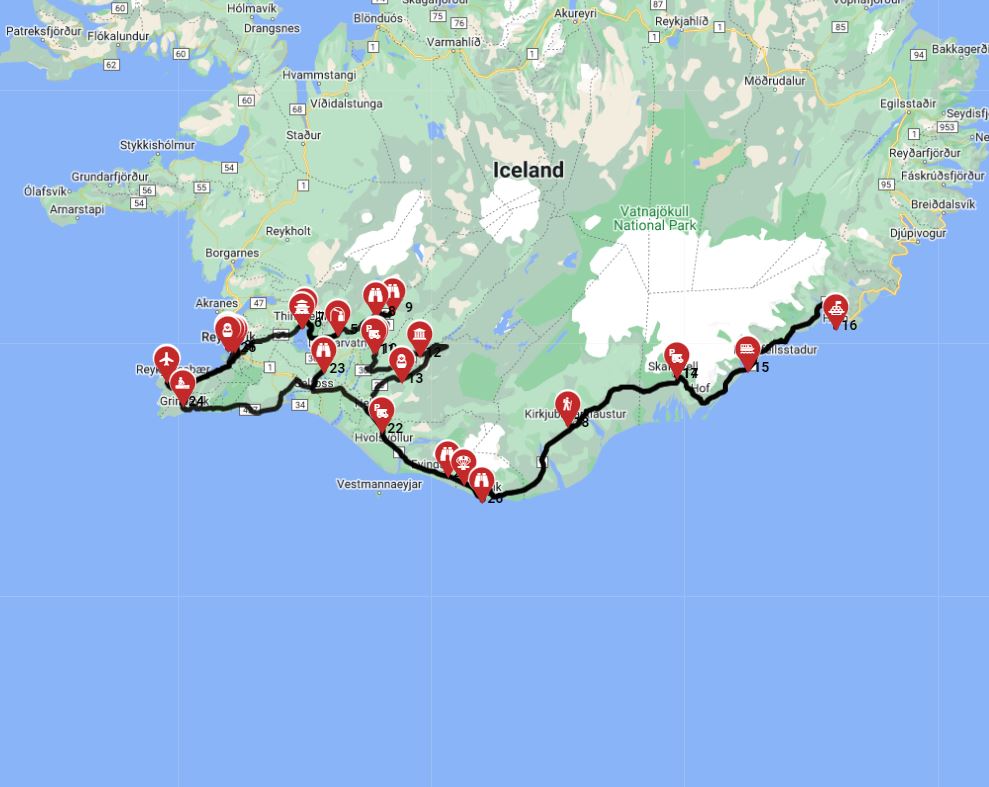
Always adhere to speed limits, which are typically 90 km/h on paved roads outside urban areas and 80 km/h on gravel roads, and never drive off-road to protect Iceland's fragile environment. Be prepared for rapidly changing weather conditions; check forecasts daily on vedur.is and road.is and adjust your plans as needed, particularly for high winds or sudden snowfall. It is legally required and improves visibility to keep headlights on at all times, even in daylight, due to variable Icelandic light conditions. Plan your fuel stops, especially in remote areas where stations can be sparse, and consider carrying an emergency kit with basic supplies. Remember to utilize designated campsites for overnight stays, respecting local regulations and practicing Leave No Trace principles to conserve Iceland's natural beauty. For detailed driving itineraries and tips, consider exploring RV PLANET's pre-planned routes like "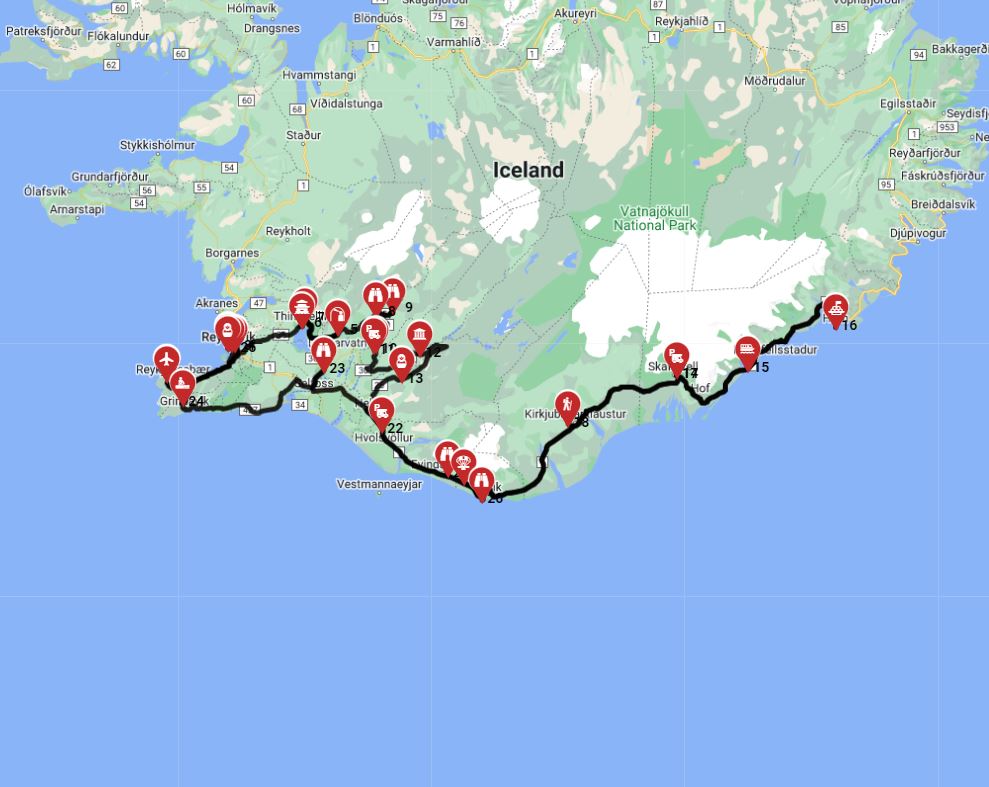
Iceland Golden Circle - South West
Recommended RV Class for Iceland Roads
For a weekly RV rental focusing on the popular Ring Road, Class SI (Semi-integrated) and Class C (Alcove) RVs are highly recommended for their excellent balance of comfort and maneuverability. Bandana RV's Class SI motorhomes, averaging around 6.9m in length, and Class C motorhomes, typically 7.5m, offer ample living space, including a full kitchen and bathroom, and are perfectly suitable for Iceland's paved main roads. These vehicles provide the amenities needed for a comfortable journey through varying weather conditions. For F-road exploration, a Class TC (Truck Camper) or specifically equipped 4x4 campervan is necessary, as most standard RVs lack the ground clearance and robust suspension required for these unpaved and often challenging routes.Should I Choose a Compact Van Instead of a Large RV in Iceland?
For most Iceland itineraries, including a comprehensive tour of the Ring Road, larger RVs typically pose no significant driving issues and offer superior comfort and indoor space over compact vans. Drivers should simply drive slowly and carefully, and they can drive almost anywhere without issues. No need to stress - just use common sense and pay attention to road signs. A compact van (like Bandana RV's Class B Camper Vans, averaging 5.8m) might genuinely offer slightly easier navigation in very tight city streets or fit into smaller parking spots, though these situations are rare outside of Reykjavik city center. The trade-off often leans towards a larger rented RV for the added amenities like a full bathroom, more spacious kitchen for preparing your meals, and dedicated sleeping areas, enhancing the overall weekly rental experience in Iceland’s often unpredictable weather conditions. If you enjoy cooking on the road, check out our RV-friendly recipes playlist for inspiration.Can I Park Anywhere? Free & Wild Camping Rules in Iceland
Wild camping in Iceland is generally prohibited, with strict regulations in place to protect the country's delicate natural environment. Overnight stays in a rented RV are only permitted at designated campsites or with explicit, prior landowner permission. Iceland enforces strict environmental laws, and violators face significant fines for unauthorized overnight parking or off-road driving, as tire tracks can take decades to disappear from the fragile moss and volcanic landscape. Rules vary by region, so always check local regulations and follow local law before parking overnight, opting for official campsites for convenience and compliance. Ethical considerations and local perspectives strongly encourage using designated campgrounds, which provide proper facilities for waste disposal (including gray and black water) and minimize impact on the landscape. Viable and ethical alternatives for budget or freedom-seeking travelers include staying at small local campgrounds, utilizing farm stays, or finding private properties where explicit permission has been granted, ensuring compliance and responsible travel. For finding campsites and campgrounds during your trip, we recommend using RV PLANET (rvplan.net) - a great resource for locating available spots along your route.Can I Drive an RV Into the City Center? Heights, Tunnels & Local Signage
Yes, it is generally possible to drive a rented RV or motorhome into Iceland's city centers, though practical considerations apply, especially in Reykjavik. Reykjavik's city center is compact, with limited parking for larger vehicles and some streets that may be pedestrianized or have lower height clearances. Drivers should always pay close attention to local signage regarding height limits, tunnels, low bridges, and designated residents-only streets to avoid issues. Drive slowly and carefully, and you can drive almost anywhere without issues. No need to stress - just use common sense and pay attention. While no specific congestion charges or environmental zones exist in Reykjavik, finding suitable RV parking centrally might require using designated spots or parking slightly outside the very core and utilizing public transport.What is the average cost of a 7-day RV rental in Iceland?
The average cost for a 7-day RV or campervan rental in Iceland typically ranges from $1,000 to $3,000+ USD, varying significantly based on vehicle size, season, and inclusions. Beyond the rental fee, a comprehensive cost breakdown should include realistic fuel consumption (e.g., 10-12 Liters/100 km for most RVs, or 8-10 Liters/100 km for campervans), mandatory insurance, and potential additional expenses like F-road permits, campsite fees, and specific attraction entry charges. High season (June-August) prices are significantly steeper due to demand, with peak-season bookings often 25-30% higher than shoulder season, while off-season (shoulder months like May or September) offers more budget-friendly rates and fewer crowds. Remember, prices are dynamic, much like flight tickets, and change daily based on availability, seasonality, and supplier marketing decisions. The final price is always set at the actual booking time, and Bandana RV prides itself on full transparency with no hidden fees or surprises. Our detailed breakdown of costs will help you plan your budget with confidence.What are the best RV rental companies in Iceland?
The best RV rental companies in Iceland are typically those with a strong reputation for well-maintained vehicles, comprehensive insurance options, and transparent pricing, ensuring a smooth weekly RV rental experience. Bandana RV partners directly with over 50 leading RV suppliers worldwide, offering you a wide selection of motorhomes and campervans that meet diverse travel needs. When choosing, look for companies that offer vehicles specifically suited for Icelandic conditions, such as 4x4 campervans for F-roads, and those with robust heating systems for cooler nights. Comparing customer reviews and services like airport transfers or included fuel discount cards can help identify providers that offer the best overall value and support for your trip. We compare final prices across these suppliers so you don't have to, making your booking process easy, safe, and affordable.Can you wild camp in Iceland with an RV?
No, wild camping with a rented RV is generally prohibited across Iceland, with strict regulations in place to protect the country's delicate natural environment from irreversible damage. Ethical considerations and local perspectives strongly encourage using designated campsites, which provide proper facilities for waste disposal (including gray and black water) and minimize impact on the landscape. This responsible RVer's Code for Iceland ensures the preservation of its pristine wilderness for future generations. Viable and ethical alternatives for budget or freedom-seeking travelers include staying at small local campgrounds, utilizing farm stays, or finding private properties where explicit permission has been granted, ensuring compliance and responsible travel. You'll find that many national and state parks reserve only 25-30% of spots for advance bookings, with the rest available first-come-first-serve, so you'll always find a spot, if not at the first campground, then the next one. Just call ahead before driving.What is the best time of year to rent an RV in Iceland?
The best time of year to rent an RV in Iceland largely depends on your priorities, with summer (June-August) offering the mildest weather, average temperatures of 10-13°C, and longest daylight hours (up to 24 hours of daylight in June) for exploring. Off-season RVing (autumn, winter, spring) presents unique challenges such as colder temperatures (often below freezing), shorter days, and potential road closures due to snow or wind, but offers rewards like fewer crowds and spectacular opportunities for Northern Lights viewing. Essential preparations for off-season travel include ensuring the rented RV has robust heating, studded tires for icy conditions as legally required between November 1st and April 14th, and being prepared for unpredictable weather shifts. Our experts at Bandana RV can guide you on the best vehicle options for any season, always focused on the small details that make a big difference. For those seeking inspiration, consider checking "Luxury RV Rental in Iceland - Premium Prices 2026" for high-end options or "Cheap RV Rental in Iceland - Budget Guide 2026" for more economical choices, depending on your travel style and season.Is it safe to drive an RV in Iceland?
Driving a rented RV in Iceland is generally safe if drivers are well-prepared and respectful of the country's unique and often unpredictable conditions. Specific challenges include managing high winds (which can impact larger vehicles up to 7.5m in length), unpredictable weather changes (rain, snow, fog), and navigating gravel roads or F-roads, which may involve river crossings and necessitate appropriate 4x4 vehicles. A key safety tip is to be mindful of the thousands of sheep that roam freely during summer, as they often cross roads without warning, requiring immediate braking. Practical solutions involve always checking road and weather alerts (e.g., vedur.is, road.is) before each journey, driving cautiously and slowly (max 90 km/h on paved roads), carrying emergency supplies, and understanding that cell service can be limited in remote areas. Our partners include reputable suppliers who provide well-maintained motorhomes and campervans, and you can upgrade to a top-level deductible for extra peace of mind during your adventure.What is the Ring Road like to drive in Iceland?
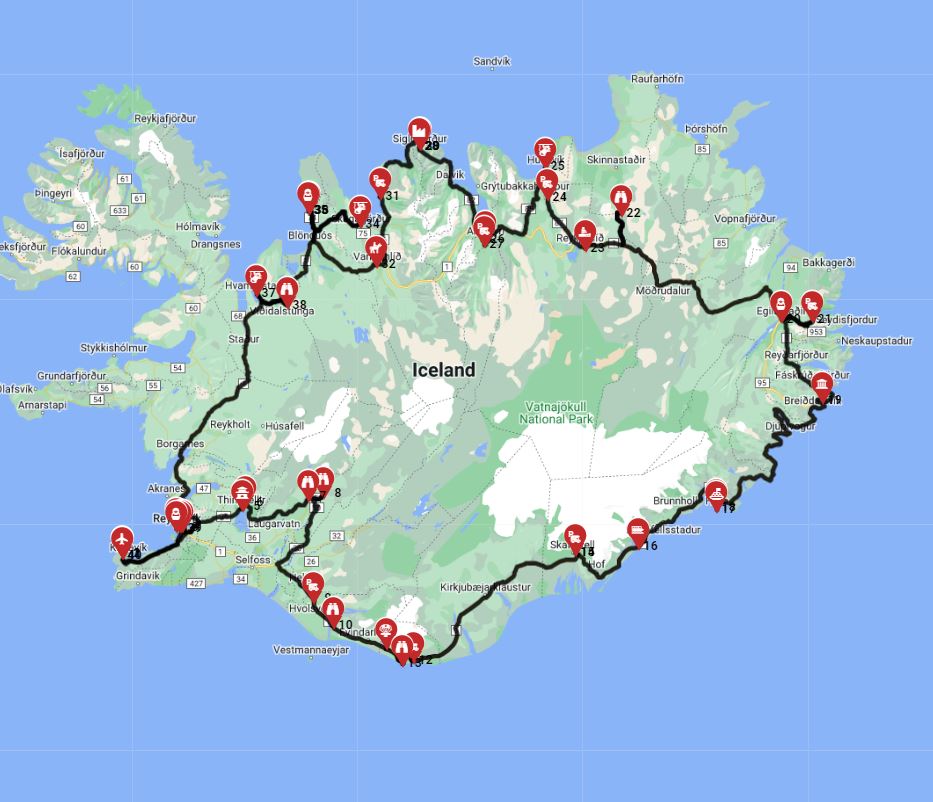
The Ring Road (Route 1) in Iceland is predominantly paved and well-maintained, spanning 1,322 km, making it highly accessible and suitable for all types of rented RVs and campervans. It offers a comprehensive circuit around the country, connecting most major attractions and towns, and is typically driven counter-clockwise to experience the sights sequentially. While generally straightforward, sections of the Ring Road can be gravel in the East and Westfjords (though less common directly on Route 1), and weather conditions can still significantly impact driving comfort and safety, especially in winter. The journey typically takes 7-10 days, allowing for a comfortable pace of 130-190 km per day. For travelers interested in an extended tour, the "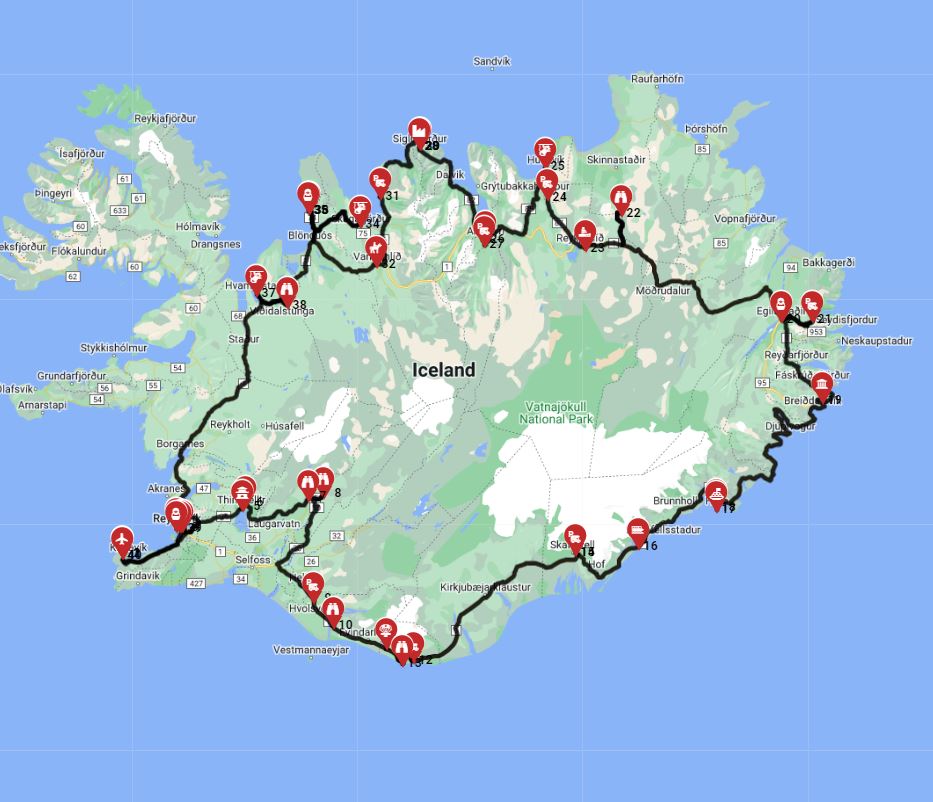
Iceland - Full ring road
Is an RV worth it in Iceland?
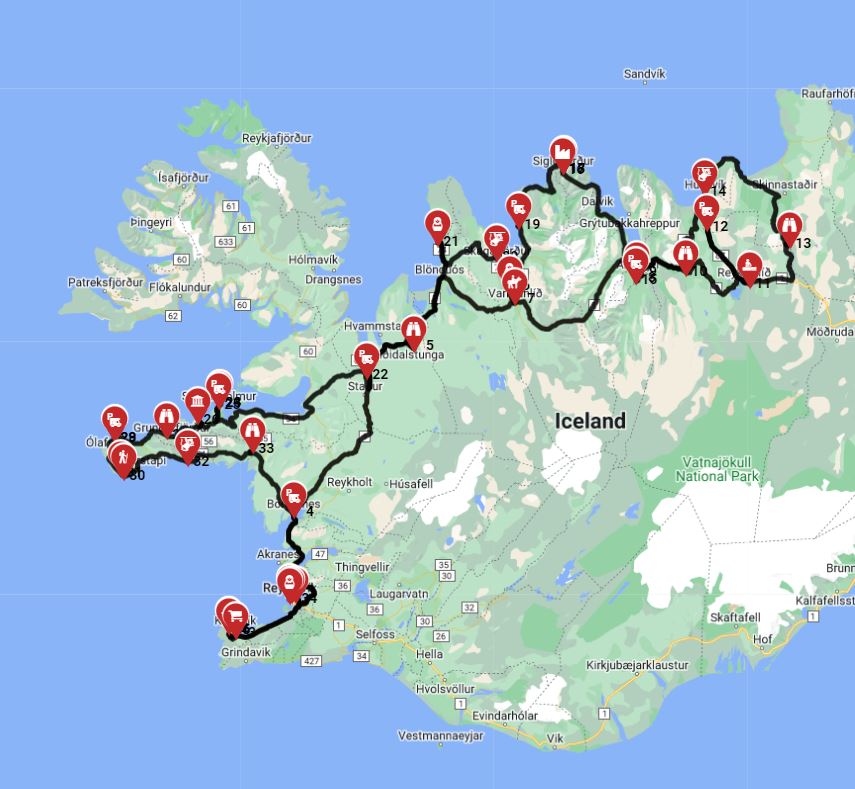
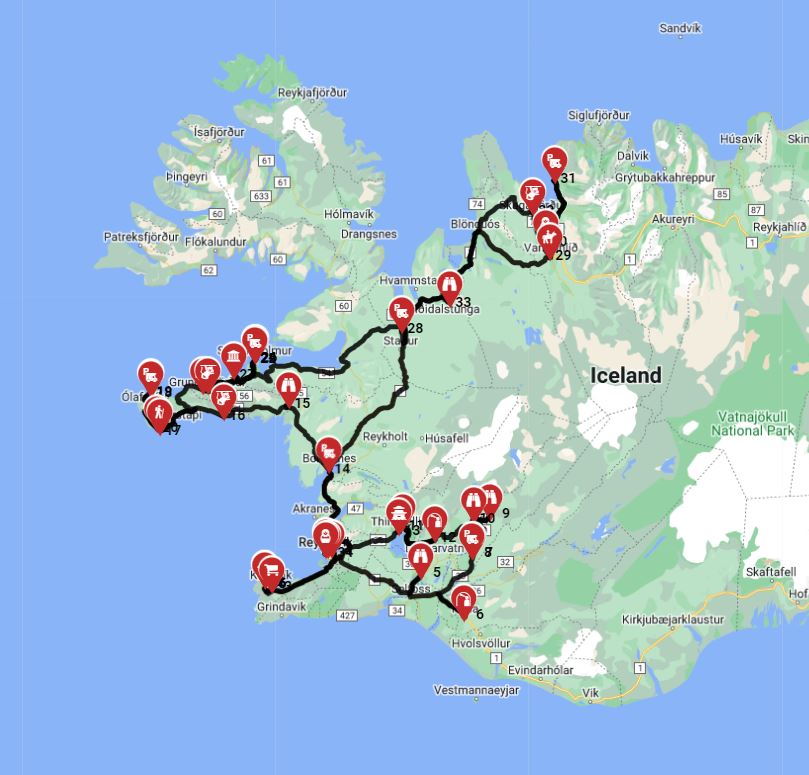
An RV rental in Iceland is often considered highly worthwhile for travelers seeking flexibility, potential cost savings on accommodation, and an immersive way to experience the country's stunning landscapes. The ability to cook your own meals using local ingredients and manage on-the-go grocery shopping can significantly reduce travel expenses, especially given Iceland's higher restaurant prices. A rented RV facilitates a deeper connection with the landscape and culture, allowing for exploration beyond typical tourist hotspots and offering the freedom to adapt your itinerary to weather or spontaneous discoveries. This mode of travel allows you to truly embrace slow travel, spending max 100-150 km per day on average, and taking time to feel the place, connect to the culture, the food, and the scenery. For instance, the "Iceland - North West" itinerary, spanning 11 days and 1244.9 km, allows for immersive experiences including 6 natural features, 2 hiking areas, and 4 wildlife watch activities. Considering the comfort of a private space, the freedom to change plans, and the breathtaking scenery always at your doorstep, a rented motorhome or campervan provides an unforgettable way to experience Iceland. For those on a shorter trip, the "Iceland Golden Circle - South West" route, covering 1438.7 km over 9 days, includes 5 natural features and 2 spa/therme visits, showcasing how a mobile home allows for a diverse and flexible adventure.What You Shouldn't Miss
- **The Golden Circle:** This classic route, easily accessible by any rented RV, includes the Gullfoss waterfall, the Geysir geothermal area, and Thingvellir National Park, a UNESCO World Heritage site where tectonic plates meet.
- **South Coast Wonders:** Drive along the scenic South Coast to witness black sand beaches like Reynisfjara, the stunning Seljalandsfoss and Skógafoss waterfalls, and the glacial lagoon Jökulsárlón.
- **Diamond Beach:** Located next to Jökulsárlón, this striking beach is scattered with icebergs that resemble diamonds, offering incredible photo opportunities.
- **Hike to a Hot Spring River:** In Reykjadalur Valley, just a short drive from Reykjavik, you can hike to a naturally hot river where you can bathe, a truly unique Icelandic experience.
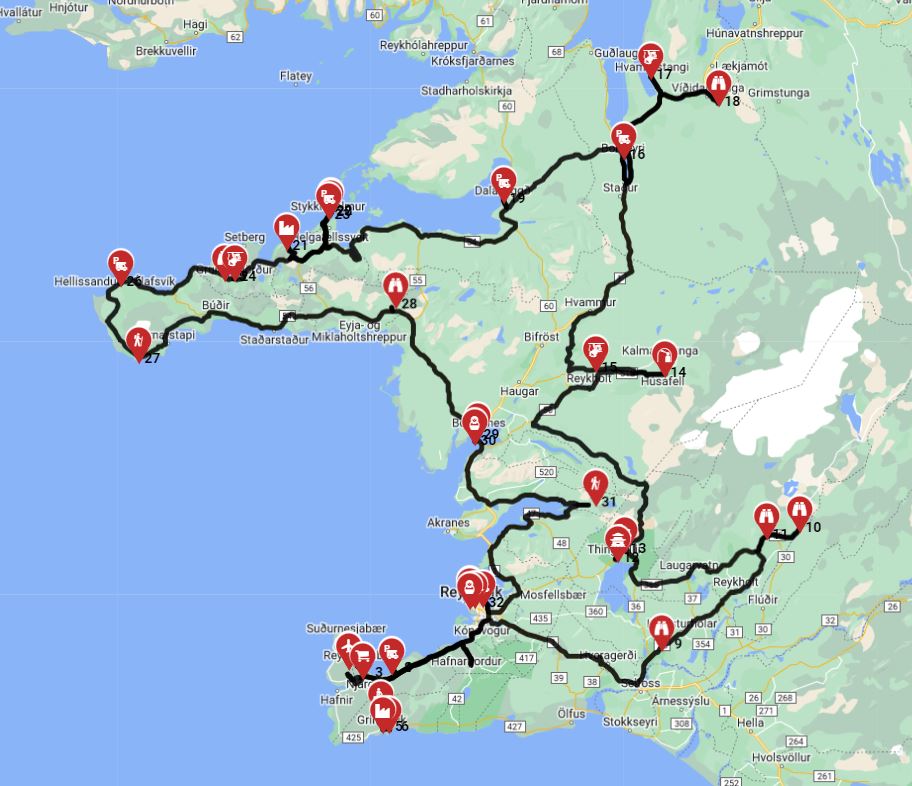
- **Visit the Westfjords:** For a more secluded and dramatic landscape, venture into the Westfjords, a less-traveled region requiring careful driving but rewarding with breathtaking fjords and abundant wildlife.
- **Explore the Snaefellsnes Peninsula:** Often called "Iceland in Miniature," this peninsula offers diverse landscapes, including Snaefellsjökull glacier, black pebble beaches, and charming fishing villages, all easily accessible in your rented motorhome.
Final Thoughts
Embarking on a week-long RV driving tour in Iceland is an adventure that promises unparalleled freedom and breathtaking scenery. From navigating the well-maintained Ring Road to exploring charming towns and natural wonders, a rented motorhome or campervan truly transforms your journey into a personalized expedition. Remember our key advice: drive slowly, respect local regulations, and plan your stops in advance to fully immerse yourself in the magic of this incredible island. At Bandana RV, we're dedicated to making your dream trip a reality. We're here to provide the easiest, safest, and most affordable way to rent an RV, comparing final prices across 50+ suppliers globally. Let us handle the details, so you can focus on making unforgettable memories. Discover top destinations and planning tips all in one place, and prepare for an adventure that will stay with you long after you've returned home.On the routes offered through RV PLANET routes, you can itemize and track every expense along the way for easy budgeting.