For live availability and current prices, start with our RV Rental East Europe - Complete Guide 2026 guide.
In This Guide
- Can You Drive an RV in East Europe - License and Age Rules
- Road Conditions and Terrain in East Europe
- RV Size Limits, Bridges and Restricted Zones
- Fuel - Diesel vs Petrol and Cost per 100 km
- Tolls, Vignettes and Border Rules
- Driving Tips for weekly rv rental Travelers
- Recommended RV Class for East Europe Roads
- Should I Choose a Compact Van Instead of a Large RV in East Europe
- Can I Park Anywhere - Free and Wild Camping Rules in East Europe
- Can I Drive an RV Into the City Center - Heights, Tunnels and Local Signage
Can You Drive an RV in East Europe - License and Age Rules
Most standard national driving licenses, specifically Category B, are sufficient for operating RVs up to 3,500 kg Gross Vehicle Weight Rating (GVWR) in East Europe. This weight class encompasses the majority of rental camper vans and semi-integrated motorhome models available. However, for non-EU citizens, an International Driving Permit (IDP) is strongly recommended and often a legal requirement to drive an RV in many Eastern European countries, both within and outside the EU. Rental companies typically set a minimum driver age of 21 or 23, with some implementing surcharges for drivers under 25. It's crucial to verify your specific rental provider's age policies, as larger RVs exceeding 3,500 kg GVWR, such as some Class A motorhomes, may necessitate a higher license category like C1 or C. Always confirm your rental vehicle's specifications against your driving license and any required permits.
Road Conditions and Terrain in East Europe
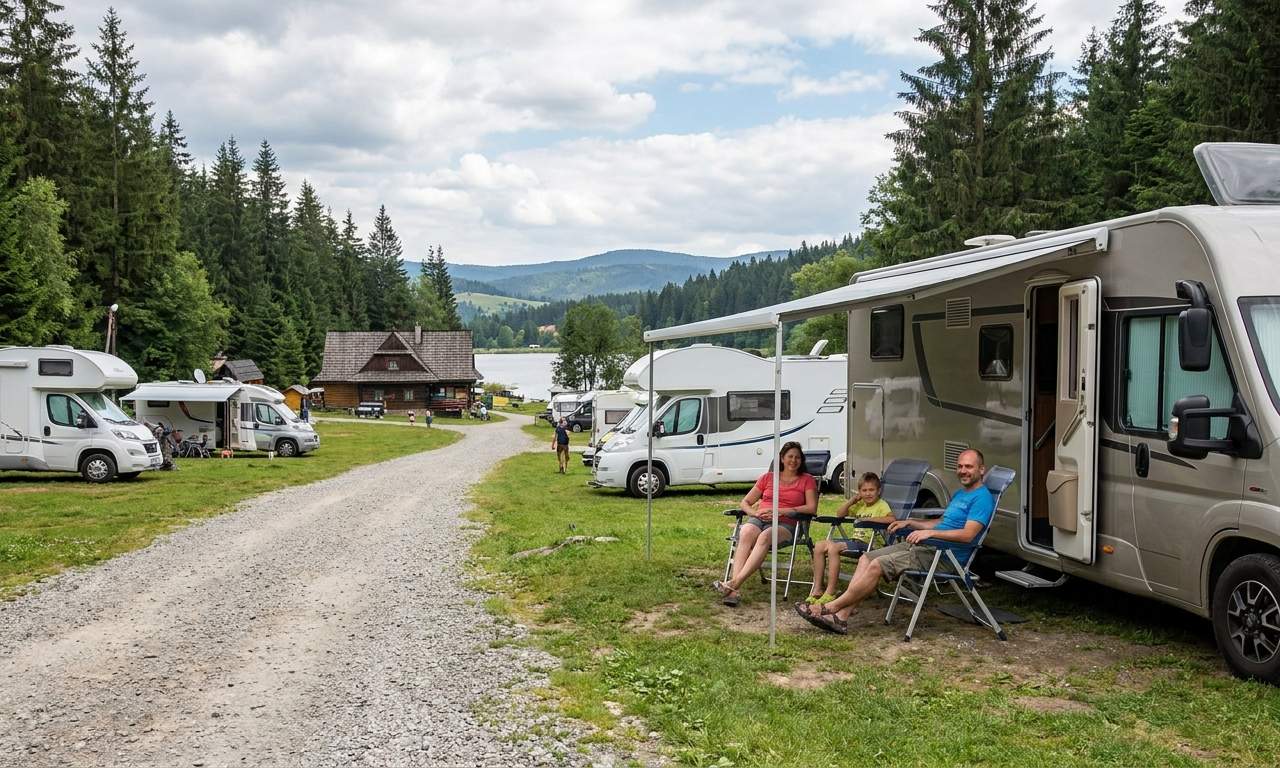
The road network in East Europe presents a varied landscape, from well-maintained, modern highways in EU member states like Poland and Hungary to narrower, occasionally less-paved routes in more rural or mountainous regions, particularly in the Balkans. Major cities are generally well-connected by contemporary highway infrastructure suitable for all RV classes. However, traversing mountainous areas such as the Carpathian or Dinaric Alps can involve steep, winding roads that demand careful driving and a capable vehicle. Urban driving may present challenges like cobblestone streets and dense traffic in historic centers, favoring slower navigation and heightened awareness of your RV's dimensions. Winter travel in certain regions may mandate the use of winter tires or snow chains. Overall, the diverse road network encourages a more relaxed driving pace, which is ideal for savoring the scenery and cultural experiences on your weekly RV rental adventure.
RV Size Limits, Bridges and Restricted Zones
While most rental RVs are designed with European roads in mind, drivers must remain vigilant about specific local restrictions for height, width, and weight. Pay close attention to signage indicating low bridges, tunnels, and underpasses, especially in older towns where height limits can commonly range from 3.0m to 3.5m. Weight restrictions may also apply to certain rural roads or older bridges; always confirm your RV's Gross Vehicle Weight Rating (GVWR) to ensure compliance. Many major Eastern European EU cities are implementing Environmental Zones (Low Emission Zones - LEZ), requiring specific vehicle stickers for access; verify if your rental RV meets these requirements to avoid fines. Historic city centers frequently have restricted access for larger vehicles, often with pedestrian-only zones or resident-only streets during specific hours, making it advisable to park on the outskirts and utilize public transport for urban exploration.
Fuel - Diesel vs Petrol and Cost per 100 km
Diesel is the predominant fuel type for rental RVs in East Europe, commonly labeled as 'Nafta' or 'Motorina,' and is widely available at fuel stations across the region. Generally, fuel prices in Eastern Europe are more budget-friendly compared to their Western European counterparts, which can contribute to overall cost savings for your trip. Bandana's global fleet data suggests typical fuel consumption rates: Class B Camper Vans average 8-10 Liters/100 km, offering the best efficiency. Semi-integrated RVs typically consume 10-11 Liters/100 km, while Alcove and Integrated motorhomes (Class C and A) range from 10-12 Liters/100 km. Truck campers may average 12-17 Liters/100 km. While some rental companies might offer fuel discount cards, it's always wise to verify this with your provider and compare prices across different stations to optimize your budget.
Tolls, Vignettes and Border Rules
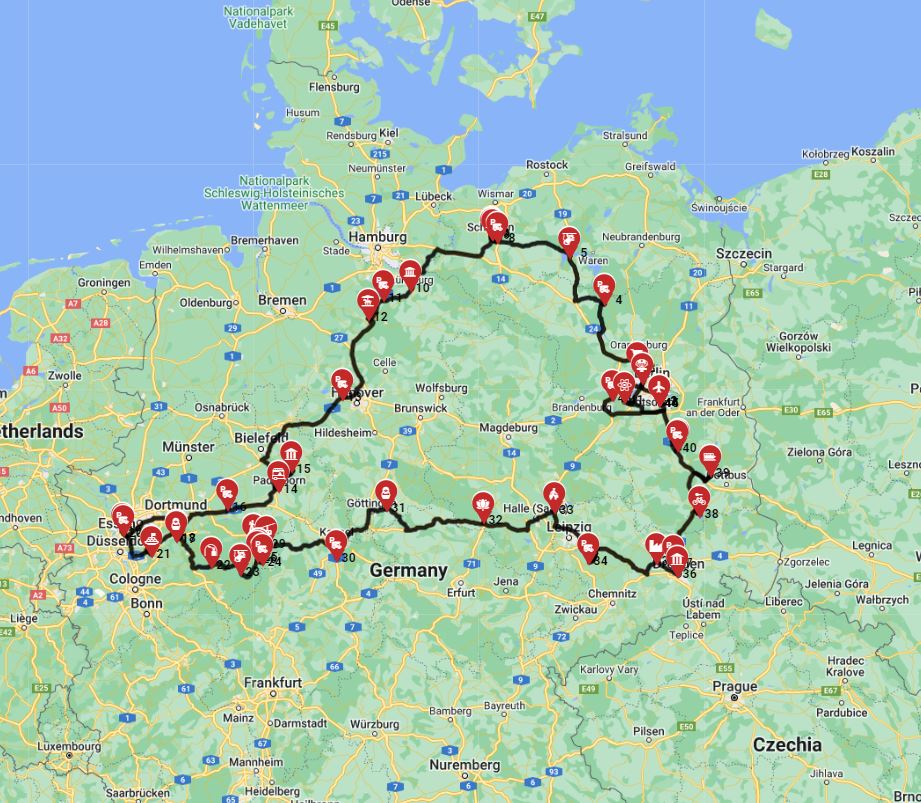
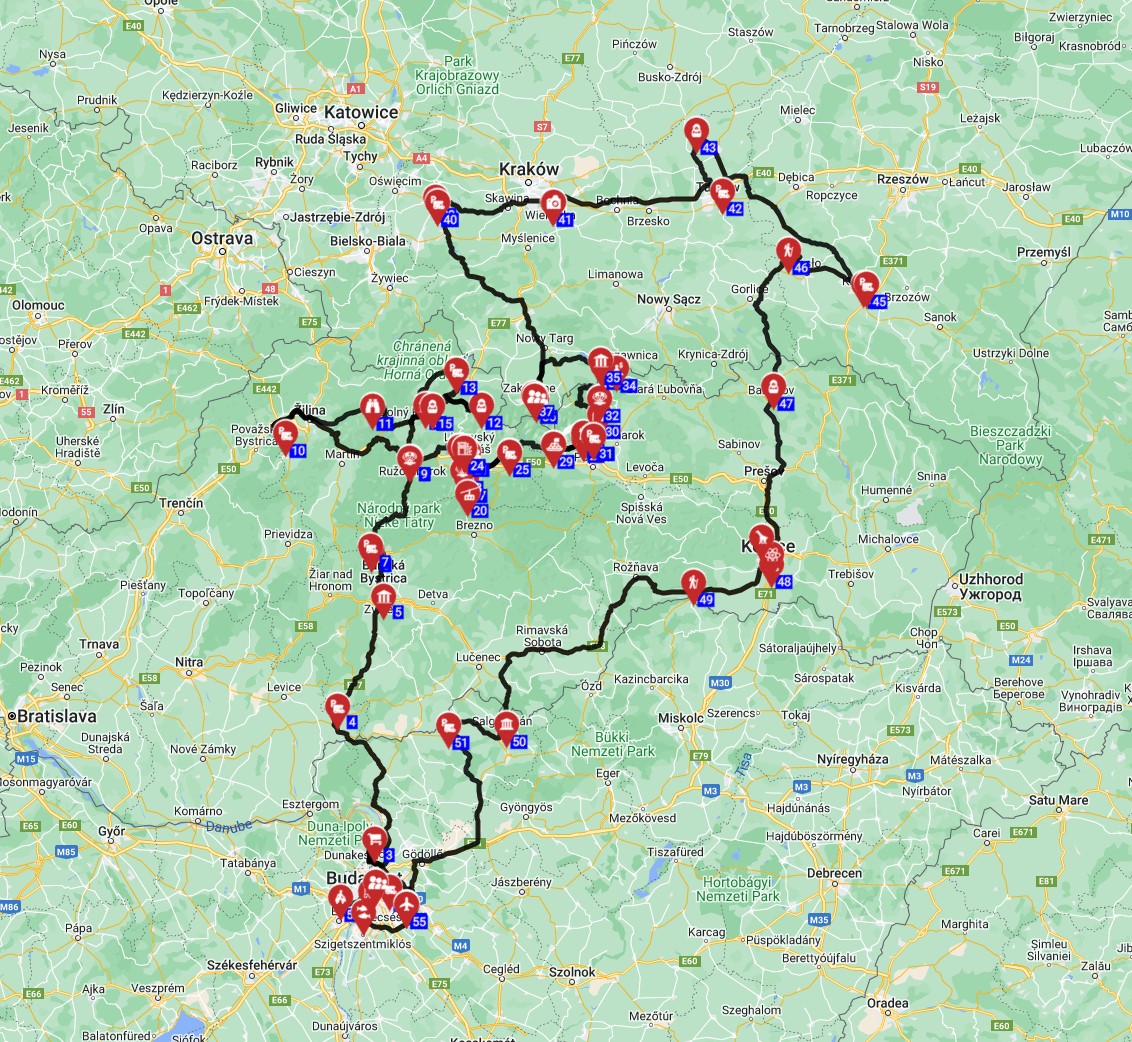
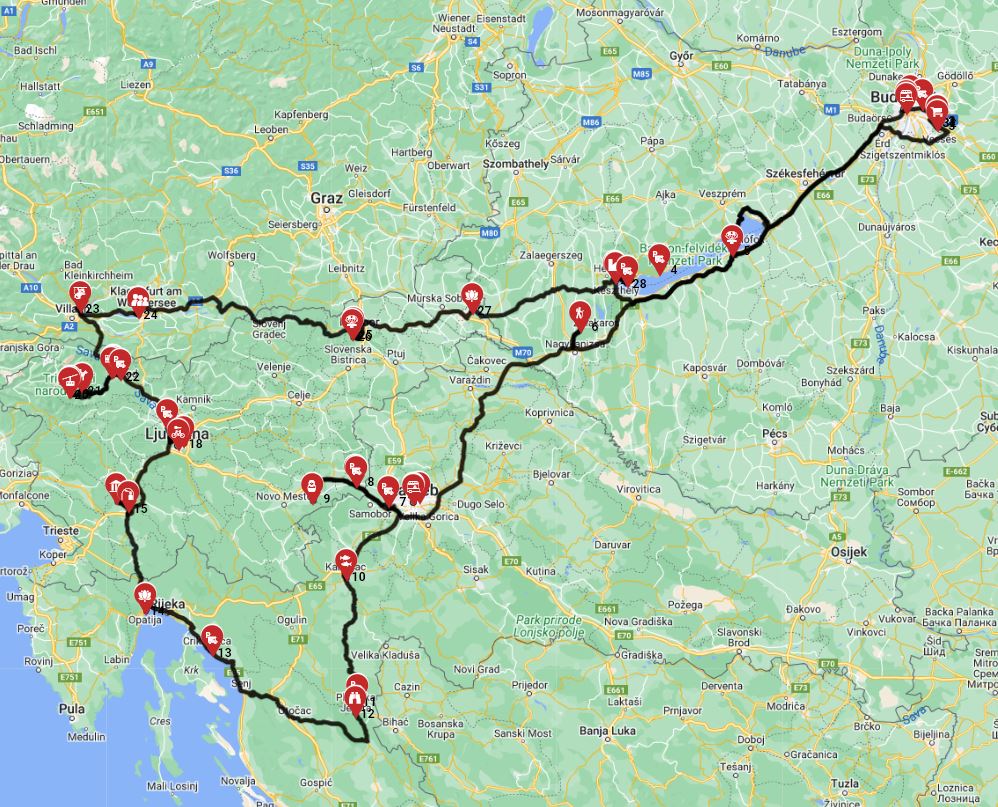
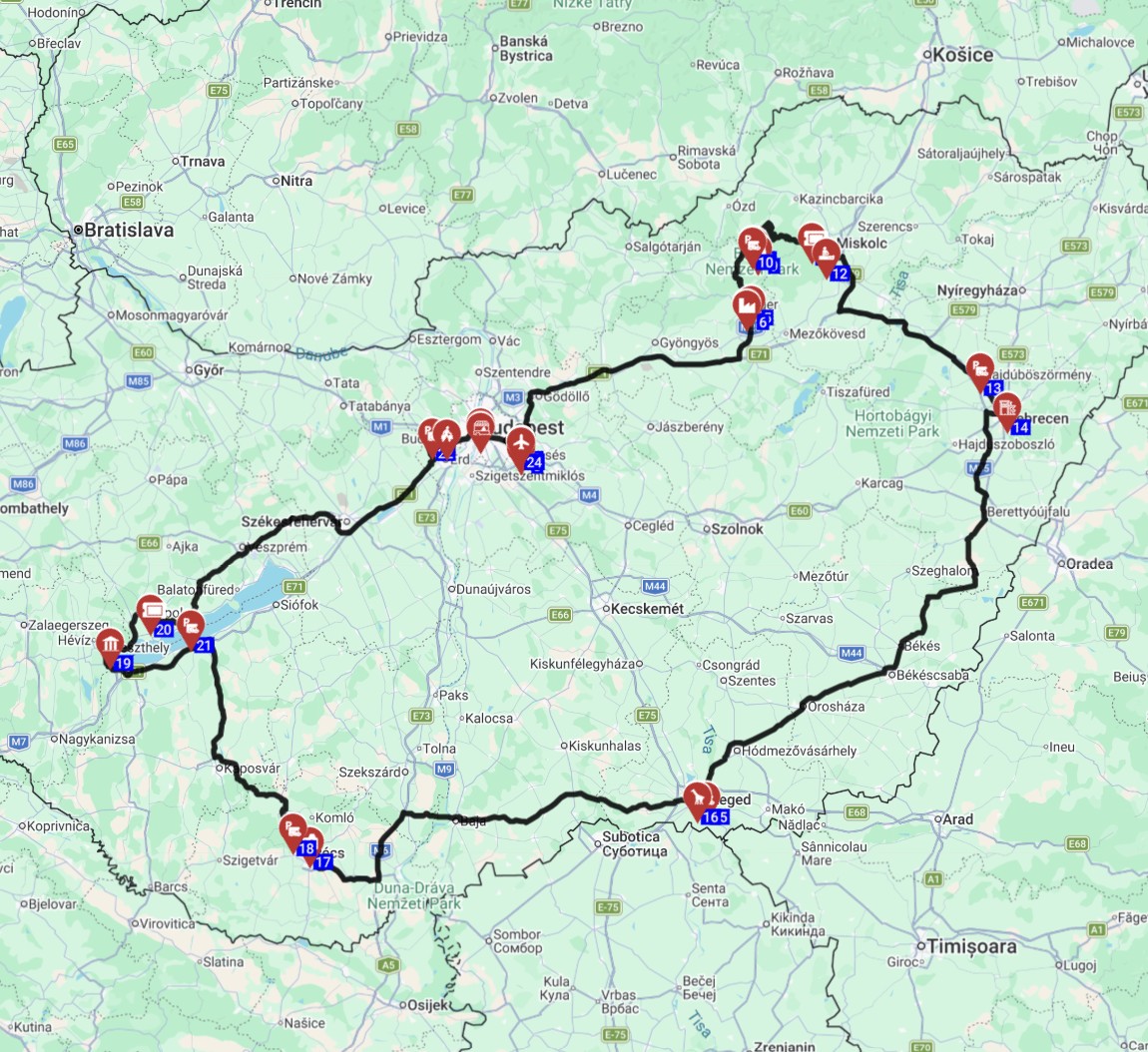
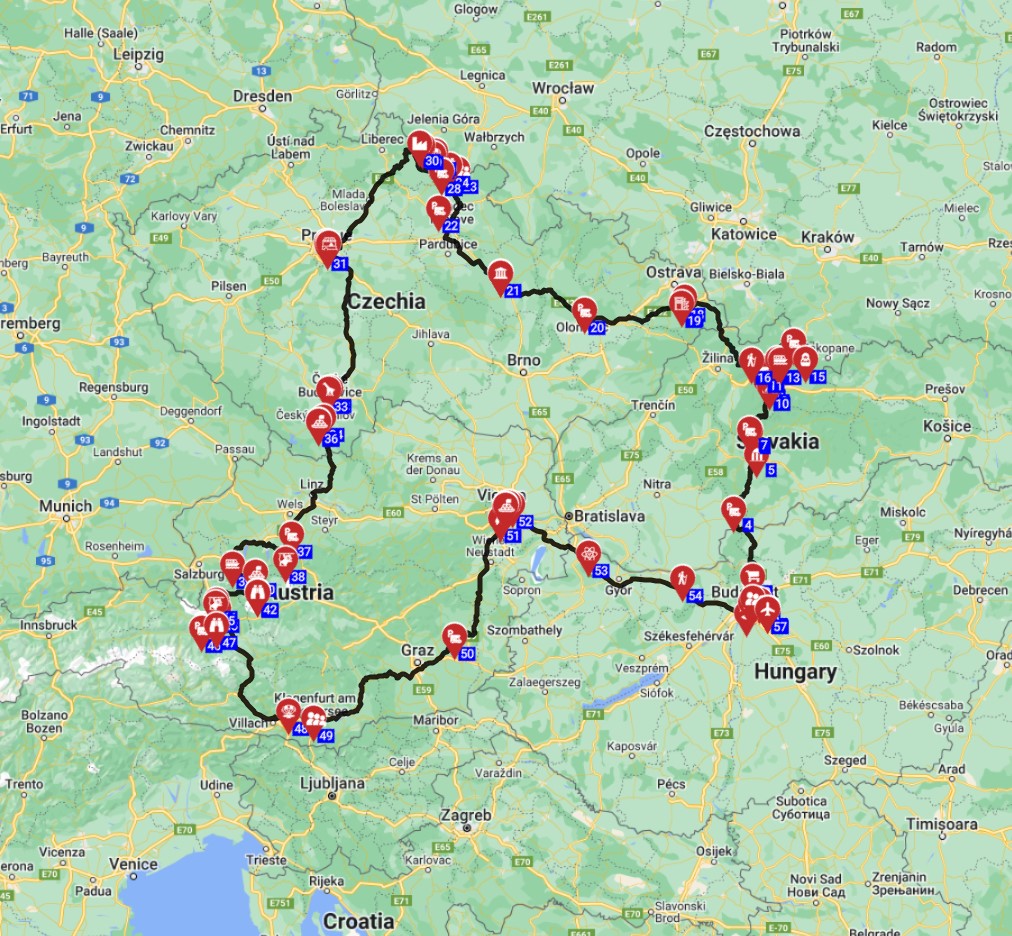
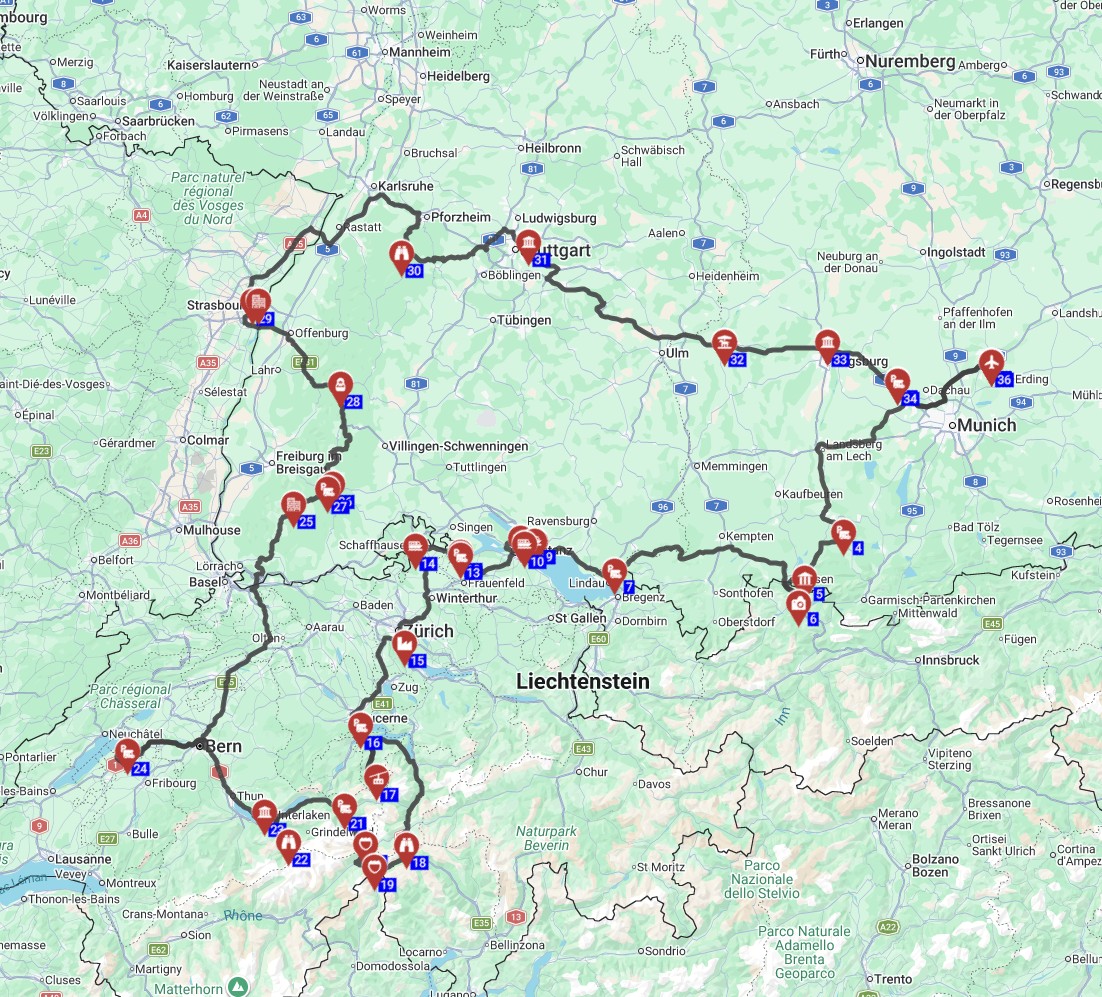
Many Eastern European countries implement a vignette system for highway usage. You'll need to purchase a sticker or electronic vignette in advance for specified durations in countries like Hungary, the Czech Republic, Slovakia, Bulgaria, Romania, and Slovenia. Traditional pay-as-you-go toll booths are also common on select highway stretches in Poland, Croatia, and Serbia. It is crucial to purchase the correct vignette for your vehicle category (car vs. RV) to avoid significant fines. Border crossings between Schengen Area countries (e.g., Hungary) and non-Schengen countries (e.g., Serbia, Albania) require full passport control and vehicle document checks, including your RV rental agreement, registration, and international insurance 'Green Card.' Carrying physical copies of all essential documents and allowing extra time for border formalities is advisable when traveling between different zones. On the routes offered through RV PLANET routes, you can itemize and track every expense along the way for easy budgeting.
Driving Tips for weekly rv rental Travelers
Embrace a slower travel pace for your weekly RV rental to truly appreciate East Europe's diverse landscapes and cultures, avoiding an overly packed schedule. Utilizing offline maps and considering a local SIM card or eSIM is highly recommended for reliable navigation and connectivity, especially in rural areas where mobile data can be inconsistent. Familiarize yourself with international road signs and basic local traffic rules, as signage may be primarily in local languages without English translations. Always secure your RV and valuables, ensuring doors and windows are locked, particularly overnight or in less-trafficked parking areas. It's essential to carry mandatory safety equipment such as a first-aid kit, reflective vest, and warning triangle, which are legally required in many countries. Being aware of local driving habits, which can vary significantly, and practicing respectful cultural etiquette will enhance your interactions with locals and contribute to a smoother journey.
Recommended RV Class for East Europe Roads
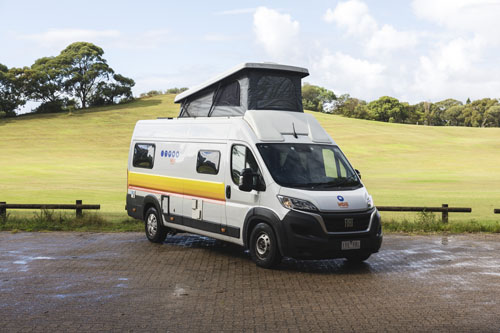
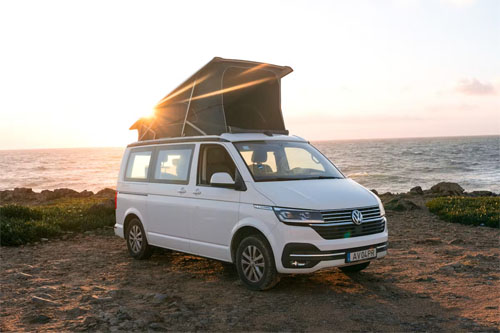
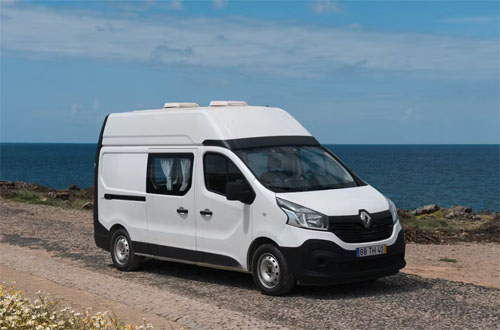
For weekly RV rentals in East Europe, the Class SI Semi-integrated motorhomes and Class B Camper Vans are highly recommended for their advantageous blend of maneuverability and comfort. Class SI Semi-integrated RVs, typically around 6.9 meters in length and sleeping up to 3.8 adults on average, offer a good balance of interior space and ease of driving, making them suitable for small families or couples. The more compact Class B Camper Vans, averaging 5.8 meters in length and sleeping approximately 3.2 adults, are exceptionally agile and ideal for navigating tight city streets and challenging mountain passes while still providing essential amenities. Both classes generally offer good fuel efficiency, with Class B averaging 8-10 Liters/100 km and Class SI around 10-11 Liters/100 km, contributing to a more economical and enjoyable trip.
Should I Choose a Compact Van Instead of a Large RV in East Europe
Opting for a compact van, such as a Class B Camper Van, provides superior maneuverability and significantly easier parking, which is especially beneficial when exploring tight historic city centers or navigating narrow mountain roads in East Europe. Larger RVs, like Class SI Semi-integrated or Class C Alcove models, offer considerably more interior space, dedicated bathrooms, and larger kitchens, significantly enhancing comfort for a weekly rental, particularly when traveling with multiple people. While larger RVs might necessitate parking on the city outskirts, they generally do not face insurmountable issues on major Eastern European roads or at designated campsites. Ultimately, the choice often balances the desire for nimble navigation (compact van) against the demand for spacious living and amenities (larger RV); both options are viable for a memorable East European adventure.
Can I Park Anywhere - Free and Wild Camping Rules in East Europe
Free or wild camping rules for RVs in East Europe are generally stricter within EU member states like Poland and the Czech Republic, and can be more lenient or ambiguous in non-EU countries such as Albania, Bosnia & Herzegovina, and Montenegro. In EU countries, wild camping is largely prohibited; however, overnight parking might be permissible in designated rest areas or car parks if no 'no camping' signs are present, though setting up camp is usually forbidden. In some non-EU countries, wild camping can be more tolerated in remote rural areas, often with landowner permission or in the absence of explicit prohibitions, but rules remain generally vague. It's always best to prioritize safety, respect private property, adhere to 'Leave No Trace' principles, and utilize apps like Park4Night for crowd-sourced information on official campsites and tolerated spots. Remember that free camping typically lacks access to essential services like fresh water or waste disposal, so plan your stops at official sites accordingly.
Can I Drive an RV Into the City Center - Heights, Tunnels and Local Signage
Yes, an RV can generally be driven into most city centers in East Europe, but it requires careful attention to local signage, as restrictions can apply. Be vigilant for explicit height limits indicated for tunnels, underpasses, and historic archways, and always know your RV's exact dimensions. Weight restrictions can also be present on older bridges and within very narrow streets, so confirm your vehicle's GVWR. Additionally, be aware that some cities, particularly in EU member states, may have Low Emission Zones (LEZ) that restrict certain vehicle types; investigate potential permit requirements. Many historic city cores feature pedestrian-only zones or resident-only streets during specific hours, which RVs cannot enter. For larger RVs, the most practical approach is often to park at designated RV-friendly car parks or campsites on the city outskirts and then utilize public transportation for exploring the urban core.
What You Shouldn't Miss
- Drive the historic Route 66 in Poland for a taste of classic American road trip nostalgia in an Eastern European setting.
- Explore the stunning Tatra Mountains of Slovakia and Poland, offering dramatic alpine scenery and hiking opportunities accessible by RV.
- Navigate the picturesque Balkan coastline in Croatia and Montenegro, enjoying Adriatic views and charming coastal towns.
- Experience the vibrant cultural heritage of cities like Prague (Czech Republic), Budapest (Hungary), and Krakow (Poland) with your conveniently parked RV nearby.
- Discover the unique landscapes of the Baltic states – Estonia, Latvia, and Lithuania – embracing their coastal beauty and wild camping opportunities.
- Journey through the Romanian countryside, perhaps including a drive on the Transfăgărășan Highway (seasonal) for unparalleled mountain vistas.
Final Thoughts
Embarking on a weekly RV rental adventure in East Europe promises an immersive journey through diverse cultures, stunning landscapes, and rich histories. From the Baltic coast to the Carpathian peaks, a rented motorhome offers the ultimate freedom and flexibility to explore at your own pace.
With Bandana Caravan, you can navigate the complexities of RV rental with confidence, knowing you have a partner dedicated to transparency and support. We encourage you to explore the vast possibilities that East Europe holds for your next unforgettable road trip.
Get inspired for your next trip! Discover top destinations, planning tips, all in one place! Plan a trip itinerary in advance with minimal effort and maximum enjoyment.
Find your perfect East European RV route and compare prices with RV PLANET (rvplan.net) today and start planning your adventure!