In This Guide
- Can You Drive an RV in Botswana? License & Age Rules
- Road Conditions & Terrain in Botswana
- RV Size Limits, Bridges & Restricted Zones
- Fuel: Diesel vs. Petrol & Cost per 100 km
- Tolls, Vignettes & Border Rules
- Driving Tips for Weekly RV Rental Travelers in Botswana
- Recommended RV Class for Botswana Roads
- Should I Choose a Compact Van Instead of a Large RV in Botswana?
- Can I Park Anywhere? Free & Wild Camping Rules in Botswana
- Can I Drive an RV Into the City Center? Heights, Tunnels & Local Signage
- How Do RVs Access Campsites and Services in Botswana?
- Beyond Safaris, What Cultural and Local Experiences Can RV Travelers Find in Botswana?
- What is the Detailed Cost Breakdown for an RV Trip in Botswana?
- What are the Best Navigation and Communication Tools for RVs in Botswana?
- How Can I Practice Responsible and Eco-Friendly RVing in Botswana?
- What are the Border Crossing Specifics for RVs Entering Botswana?
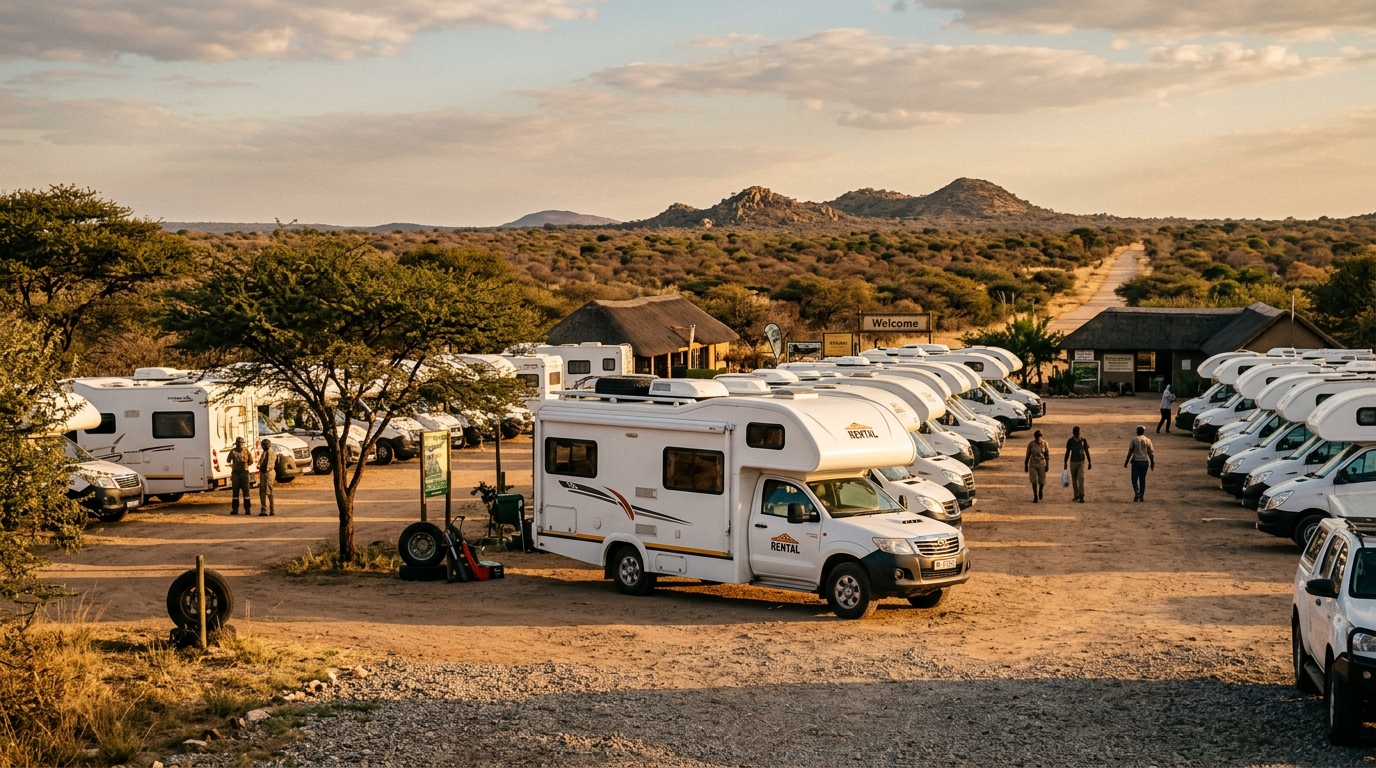
Imagine yourself embarking on an unforgettable week-long RV driving tour in Botswana, a land of vast wilderness, incredible wildlife, and rich culture. With a rented motorhome, you're not just observing; you're living the adventure, waking up to the sounds of the African bush and having the flexibility to chase the horizon. At Bandana Caravan, we've been helping tens of thousands of travelers explore the world by RV since 2001, and Botswana is truly a destination that comes alive when experienced on wheels.
Botswana offers an unparalleled experience for those who choose a mobile home adventure. For live availability and current prices, start with our RV Rental Botswana - Complete Guide 2026 guide. Whether you're a seasoned RVer or planning your first international motorhome rental, this guide will provide you with all the essential information to make your weekly rv trip in Botswana seamless and spectacular.
Can You Drive an RV in Botswana? License & Age Rules
Foreign visitors can drive a rented RV in Botswana with a valid national driver's license, often accompanied by an International Driving Permit (IDP), which is highly recommended by Botswanan authorities to avoid any legal complications and to provide a translation of your license. The minimum driver age for most RV rentals in Botswana is 21 years old, with no young driver surcharges or vehicle class restrictions based on age, ensuring accessibility for a wide range of adventurers. For all motorhome classes, including Class A, Class B, and Class C, a standard car driver's license is sufficient; no special license or CDL is required. Always carry your physical driver's license and IDP (if applicable) when driving in Botswana.
We believe in full transparency, which is why we always confirm any specific licensing requirements with our partner suppliers like Apollo and Britz during the booking process. We also want you to travel with peace of mind, knowing that our top-level deductible reimbursement is available as an optional upgrade. This ensures you're prepared for anything on your adventure, whether you choose a compact campervan or a spacious Class C motorhome.
Road Conditions & Terrain in Botswana
Botswana's road network features well-maintained tar roads connecting major towns like Gaborone, Maun, and Kasane, but venturing into national parks and remote areas will involve extensive gravel, sand, and sometimes water crossings, requiring careful driving. Major arterial routes such as the A1 and A3 are tarred and generally in good condition, suitable for all rented RV classes. However, access to popular safari destinations like the Okavango Delta, Moremi Game Reserve, or Chobe National Park often requires navigating deep sand, corrugations, and potentially seasonal water crossings, especially during the wet season (November-April). Driving slowly and cautiously, particularly on unpaved roads, is crucial to prevent accidents and damage to your rented mobile home. A rented RV allows for a slow, scenic pace, perfect for absorbing the diverse landscapes and spotting wildlife along the way. Remember, traveling slowly, ideally at a maximum of 100-150 km per day on average, allows you to truly feel the place and connect to the culture, the food, and the scenery.
🎬 Video coming soon
RV Size Limits, Bridges & Restricted Zones
While Botswana generally accommodates various RV sizes on its main roads, specific national parks and reserves might have restrictions on larger vehicles, particularly for weight and access to sensitive areas, which should always be verified with park authorities well in advance. There are no widespread low bridges or restrictive height limits on Botswana's primary road network, making urban navigation straightforward. Some internal tracks within national parks or community areas might have width or weight limitations; always check with park management or your rental provider regarding specific routes. Environmental protection zones and wilderness areas often restrict vehicles to designated tracks to minimize impact, regardless of size. For unique needs like waste disposal points and freshwater refill stations suitable for RV tanks, these are more commonly found at established campsites rather than public rest stops.
Fuel: Diesel vs. Petrol & Cost per 100 km
Diesel is the predominant fuel type for rented RVs and 4x4 vehicles in Botswana, generally available in towns and along major routes, though availability can be sparse in very remote regions. Bandana's global fleet of Class SI (Semi-integrated) RVs typically consumes 10-11 Liters/100 km, while Class C (Alcove) RVs average 10-12 Liters/100 km. Truck Campers (Class TC), often chosen for their off-road capability, typically consume 12-17 Liters/100 km. Fuel prices in Botswana are regulated and generally consistent across the country, but it is vital to fill up at every opportunity when traveling between major centers or before entering remote areas, as fuel stations can be hundreds of kilometers apart. Always carry extra fuel in jerry cans if planning extensive travel off the main roads to avoid running out, especially for routes planned using RV PLANET routes where you can meticulously track expenses.
Tolls, Vignettes & Border Rules
Botswana does not typically have road tolls or vignettes, but travelers should be aware of specific border crossing requirements and potential road usage fees if transiting through neighboring countries. There are no internal tolls or vignettes required for driving within Botswana itself. If traveling from neighboring countries like South Africa, a temporary import permit (TIP) for the RV is mandatory upon entry, along with proof of valid vehicle insurance for Botswana. Border posts often have a road fund tax (e.g., approximately BWP 100) and a carbon tax (e.g., BWP 50) that must be paid in local currency, Botswana Pula. Ensure all vehicle documentation, including registration, ownership papers, and international driving permits, are readily accessible and valid for cross-border travel; this information is often detailed in our One-Way RV Rental in Botswana - Price Guide 2026 if you're planning an international journey. On the routes offered through RV PLANET routes, you can itemize and track every expense along the way for easy budgeting.
Driving Tips for Weekly RV Rental Travelers in Botswana
For weekly RV rental travelers in Botswana, prioritizing safety, planning routes carefully, and embracing the slow pace of a safari journey are crucial for an enjoyable experience. Always drive defensively, expecting wildlife on or near roads at any time, especially at dawn and dusk, which can be particularly active periods. Avoid driving a rented campervan or motorhome at night due to the increased risk of encountering animals and poor visibility on unlit roads. Carry sufficient water, fuel, and at least two spare tires, particularly when venturing into remote regions or national parks. Utilize robust offline mapping solutions, like Tracks4Africa, and consider a satellite phone or communication device for areas without cellular coverage. For families, plan regular stops every 2-3 hours to allow for breaks and to prevent driver fatigue on long stretches of road.
Driving on the left side of the road is mandatory in Botswana, as it is in many Southern African countries, so international visitors from right-hand drive countries should adjust accordingly. The general speed limit on national highways is 120 km/h, dropping to 60 km/h in urban areas and 40 km/h within national parks. Emergency services can be reached by dialing 997 for police, 998 for ambulance, and 999 for fire services. For connectivity, consider purchasing a local SIM card from providers like Mascom or Orange Botswana upon arrival, which offers reasonable data packages, though coverage can still be limited in wilderness areas. Our RV Rental Deals in Botswana - Latest Offers 2026 often include valuable tips on preparing for your road trip.
Recommended RV Class for Botswana Roads
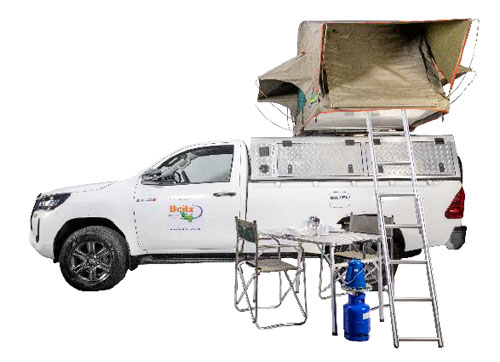
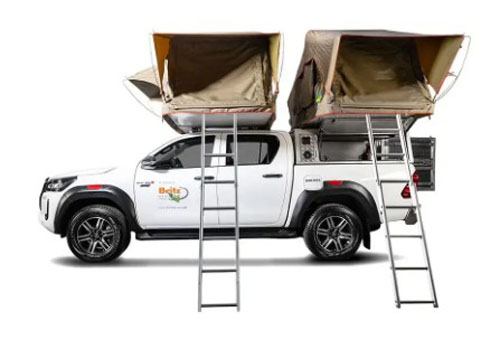
For navigating Botswana's diverse road conditions, a Class SI (Semi-integrated) or Class TC (Truck Camper) is often recommended, offering a good balance of comfort, capability, and maneuverability. Class SI (Semi-integrated) RVs, averaging 6.9m in length, are suitable for up to 3-4 adults and provide a good balance of indoor comfort with manageable dimensions for tar roads and well-maintained gravel tracks. For example, a "2 Berth Tamar" is a popular Class SI motorhome. Class TC (Truck Camper) RVs, averaging 5.5m in length, are excellent for 2 adults and often come with 4x4 capability, making them ideal for rougher, sandy tracks encountered in national parks and remote areas. The "Patagonia Camper 4x4 double cab" is a great example of a robust Truck Camper. While Class C (Alcove) RVs, like the "24' Class C Motorhome," offer more sleeping places (average 5.8) and length (average 7.5m), their larger size might be less agile on very narrow or deeply corrugated tracks. The choice depends on your itinerary: for predominantly tar and major gravel roads, a Semi-integrated offers comfort; for serious off-road safari, a Truck Camper is preferable for its ground clearance and robustness. When considering which motorhome is right for your adventure, remember that Bandana partners directly with 50+ leading RV suppliers worldwide, including trusted names like El Monte and Britz, to offer a diverse fleet.
Should I Choose a Compact Van Instead of a Large RV in Botswana?
While compact campervans offer better maneuverability, larger motorhomes often provide superior comfort and living space, which can be a significant advantage for a weekly rental in Botswana, especially when spending extended time at campsites or during inclement weather. For a weekly rental, the additional indoor space, amenities, and storage of a larger RV (such as a Class C or a Class A like "rent rv example E3") significantly enhance comfort during extended stays at campsites. Compact vans (e.g., Class B Camper Vans, averaging 5.8m in length, such as a "2 Berth Hi Top" or "Category Van") are easier to navigate on narrower tracks and through tighter village roads but sacrifice interior living space, which might be a trade-off for a longer trip. Botswana's vast landscapes mean that concerns about navigating tight city centers are minimal; instead, focus on comfort for remote living and the ability to carry adequate supplies. The decision ultimately balances the desire for easier handling in challenging terrain against the need for greater comfort, especially if your itinerary includes a mix of well-maintained and rougher roads.
Can I Park Anywhere? Free & Wild Camping Rules in Botswana
Free or wild camping is generally not permitted in Botswana, especially within national parks, reserves, or private concessions; travelers must utilize designated campsites, which are numerous and well-equipped for rented RVs. Botswana has strict regulations against wild camping to protect its fragile ecosystems and wildlife, meaning overnight parking outside official campsites is prohibited. Designated campsites, often requiring advance booking, provide essential facilities and ensure responsible tourism practices. Adhering to 'Leave No Trace' principles is paramount: pack out all trash, dispose of grey and black water at designated points, and minimize your environmental footprint. Rules vary by region, so always check local regulations and follow local law before parking overnight, particularly concerning generator usage and waste management protocols at individual camps. Many national parks reserve only 25-30% of spots for advance booking, with the rest available first-come, first-serve. You'll find a spot; if not at the first campground, then the next one. Just call ahead before driving.
Can I Drive an RV Into the City Center? Heights, Tunnels & Local Signage
Yes, RVs can generally be driven into Botswana's city centers like Gaborone or Maun, as there are typically no significant height restrictions or tunnels to contend with, though drivers should always pay attention to local signage, parking availability, and vehicle size for urban navigation. Botswana's urban infrastructure is generally RV-friendly, lacking the height-restricted tunnels or low bridges found in older European cities. The primary challenge for larger RVs in city centers is often finding suitable parking, especially during peak hours. Always observe local traffic signs, which may indicate weight restrictions on smaller bridges or narrow streets in older parts of towns. Drive slowly and carefully, and you can drive almost anywhere without issues. No need to stress - just use common sense and pay attention. Consider parking on the outskirts and using local transport for exploring dense city areas if parking proves difficult for your particular RV size.
How Do RVs Access Campsites and Services in Botswana?
RVs in Botswana typically access designated campsites, which often provide essential services like freshwater refill stations, waste disposal points for black/grey water, and sometimes power hookups, though facilities vary between remote and developed camps. It is crucial to book campsites well in advance, especially during peak safari season (May-September), to ensure availability and confirm RV-specific amenities. Many popular national park campsites, such as those in Chobe or Moremi Game Reserves, are specifically designed to accommodate various RV sizes, offering water access and communal ablutions; some private concessions may offer more luxurious power hookups. Waste disposal points for black and grey water are increasingly available at major campsites and lodges, but always verify availability for longer stays. Generator usage rules are specific to each campsite or park, often restricted to certain hours to minimize noise and disturbance to wildlife and other campers; inquire upon booking. For finding campsites and campgrounds during your trip, we recommend using RV PLANET (rvplan.net) - a great resource for locating available spots along your route.
Beyond Safaris, What Cultural and Local Experiences Can RV Travelers Find in Botswana?
RV travelers in Botswana can explore cultural experiences beyond wildlife safaris by visiting local villages, engaging with traditional crafts, exploring unique geological sites like Tsodilo Hills (a UNESCO World Heritage site), and experiencing local markets. Engage with local communities, particularly the San Bushmen, to learn about their ancient traditions, tracking skills, and rich cultural heritage in areas like the Central Kalahari. Visit the Tsodilo Hills, a UNESCO World Heritage site featuring thousands of rock paintings dating back over 100,000 years, offering profound insight into early human life and spiritual beliefs. Explore Botswana's unique landscapes beyond the Delta, such as the vast, otherworldly salt pans of Makgadikgadi and Nxai Pans, or the ancient baobabs of Kubu Island. Participate in local craft markets in towns like Maun, Ghanzi, or Gaborone to find handmade goods, sample local food, and support local artisans. For those who enjoy preparing their own meals, exploring local markets for fresh ingredients is a fantastic way to experience the culture and whip up delicious dishes using our RV-friendly recipes playlist.
Cities like Gaborone, Kasane, and Maun offer different cultural facets, from the vibrant markets of Gaborone to the riverine communities of Kasane. Considering a Weekly RV Rental in Botswana - Pricing 2026 allows you the flexibility to delve deep into these enriching experiences.
What is the Detailed Cost Breakdown for an RV Trip in Botswana?
A detailed budget for a weekly rv trip in Botswana should encompass RV rental fees, fuel costs, campsite fees, national park entry fees and permits, groceries, and a contingency for unexpected expenses. RV rental costs vary significantly by vehicle class (e.g., a Class B Camper Van like a "Combi Van" vs. a Class C Alcove like "Glamys 40"), duration of rental, and time of year, with weekly rates being more economical than daily rates; expect weekly rv rental cost for couples in a smaller campervan to be from $800-$1500 USD, while a family with kids in a larger motorhome could range from $1500-$2800+ USD per week. Fuel will be a substantial expense, especially for larger RVs (Bandana's global fleet average 10-17 Liters/100 km), and prices can be higher in remote areas; factor in extra for jerry cans. Campsite fees range from around $20-$70 USD per night, with national park camps often requiring advance payment and sometimes higher rates for specific RV-designated spots. National park entry fees (typically $10-$30 USD per person per day for non-residents) and vehicle permits (often $5-$15 USD per vehicle per day) add up quickly and are essential for accessing safari areas. Budget for groceries, often purchased in larger towns, and allocate funds for any long-term visa costs or specific vehicle permits if crossing international borders with your rented RV. On RV PLANET routes, you can itemize and track every expense along the way for easy budgeting.
Last-minute weekly rv rental deals in Botswana can sometimes be found, especially during the shoulder or low seasons, but availability for popular vehicles like a "4x4 Camper B - THOR" is limited. Prices are dynamic, similar to flight tickets, changing daily based on availability, seasonality, and supplier marketing decisions. To find the cheapest weekly rv rental, consider being flexible with your dates, traveling during the off-peak season (November-April), and using our comparison platform to see rates from 50+ suppliers simultaneously. Our Full Transparency policy means no hidden fees and no surprises; the price you see is the final price.
What are the Best Navigation and Communication Tools for RVs in Botswana?
For RV travel in Botswana, the best navigation and communication tools include robust offline mapping applications, a reliable GPS device, and critically, a satellite phone or device for emergencies, especially when venturing into areas with no cellular coverage. Offline mapping apps like Maps.me, Gaia GPS, or the highly recommended Tracks4Africa (available for various GPS devices) are essential for navigating remote areas without internet access. A dedicated GPS device, pre-loaded with detailed Southern Africa maps, provides reliable navigation independent of phone battery or signal. A satellite phone or personal locator beacon (PLB) is strongly advised for emergencies, as cellular network coverage is sparse outside major towns and national parks. Ensure you have power banks, solar chargers, or an RV-specific inverter to keep all electronic devices charged throughout your trip, as power access may be limited even at some campsites. Always inform someone of your planned route and expected return time when heading into remote areas.
How Can I Practice Responsible and Eco-Friendly RVing in Botswana?
Practicing responsible and eco-friendly RVing in Botswana involves adhering strictly to 'Leave No Trace' principles, managing waste responsibly, conserving water and energy, and respecting local wildlife and communities. Always stick to designated tracks and roads, avoiding off-roading, which can damage fragile vegetation and disturb wildlife habitats. Dispose of all waste, including black and grey water from your rented mobile home, at designated disposal points only, and pack out everything you pack in. Conserve water, as it is a precious resource in Botswana, and use biodegradable soaps and detergents to minimize environmental impact. Maintain a respectful distance from wildlife, never feed animals, and minimize noise and light pollution, especially at night. Support local communities by purchasing goods and services from local businesses and engaging respectfully with residents. Planning a trip itinerary in advance with minimal effort and maximum enjoyment can help ensure you respect these guidelines. RV PLANET (rvplan.net) offers many pre-planned routes developed by professionals, helping you to travel responsibly.
What are the Border Crossing Specifics for RVs Entering Botswana?
When entering Botswana with a rented RV, travelers typically need to present valid passports, vehicle registration documents, proof of ownership or a rental agreement, temporary import permits (TIPs) for the vehicle, and ensure they have adequate third-party insurance for Botswana. All foreign-registered vehicles, including motorhomes and campervans, require a Temporary Import Permit (TIP) issued at the border post; ensure your rental agreement explicitly allows cross-border travel into Botswana. Proof of third-party vehicle insurance valid for Botswana is mandatory; some rental companies may provide this, or it can be purchased at the border for approximately BWP 200. Be prepared for potential road access fees, such as a road fund tax (BWP 100) and a carbon emission tax (BWP 50-150 depending on vehicle size), which are payable in Botswana Pula at the border. Allow ample time for border procedures, as processing for larger vehicles can take longer, and ensure your RV is roadworthy for inspection. Our "RV Rental Africa - Complete Guide 2026" provides further details on regional border crossing nuances.
What You Shouldn't Miss
- Okavango Delta Mokoro Safari: Experience the serene beauty of the Delta from a traditional dugout canoe (mokoro), gliding silently through waterways past hippos, crocodiles, and abundant birdlife.
- Chobe National Park River Cruise: Take a sunset cruise on the Chobe River for spectacular elephant sightings, as thousands come to drink and play by the water's edge.
- Makgadikgadi Salt Pans Quad Biking: Venture onto the vast, flat expanse of the Makgadikgadi Pans for a thrilling quad bike adventure, especially unique during the dry season.
- Tsodilo Hills Rock Art: Explore the UNESCO World Heritage site of Tsodilo Hills, adorned with over 4,500 ancient rock paintings, a sacred place for the San people.
- Moremi Game Reserve Self-Drive: Navigate the challenging but rewarding tracks of Moremi with your rented 4x4-capable RV, offering exceptional wildlife viewing opportunities.
- Nxai Pan National Park Baobabs: Witness the majestic Baines' Baobabs, an iconic cluster of ancient trees in Nxai Pan, especially breathtaking at sunrise or sunset.
Final Thoughts
A weekly RV driving tour in Botswana promises an unparalleled adventure, offering the freedom to explore its breathtaking landscapes and vibrant wildlife at your own pace. From the iconic Okavango Delta to the ancient rock art of Tsodilo Hills, a rented motorhome, campervan, or caravan provides a comfortable and flexible base for your explorations. Remember to embrace the slow travel philosophy, allowing yourself to truly connect with this incredible country.
Whether you're planning a romantic getaway for two or a memorable family RV rental in Botswana, our comprehensive comparison platform ensures you find the perfect vehicle without any hidden fees. We're here to support you every step of the way, so you can focus on making unforgettable memories. Get inspired for your next trip and discover top destinations, planning tips, all in one place!
Ready to experience the magic of Botswana from the comfort of your own mobile home? Check Botswana RV Rental Prices Now and begin planning your extraordinary adventure.