In This Guide
- Can You Drive an RV in Berlin? License & Age Rules
- Road Conditions & Terrain in Berlin
- RV Size Limits, Bridges & Restricted Zones
- Fuel: Diesel vs. Petrol & Cost per 100 km
- Tolls, Vignettes & Border Rules
- Driving Tips for weekly rv rental Travelers
- Recommended RV Class for Berlin Roads
- Should I Choose a Compact Van Instead of a Large RV in Berlin?
- Can I Park Anywhere? Free & Wild Camping Rules in Berlin
- Can I Drive an RV Into the City Center? Heights, Tunnels & Local Signage
- What do I need to drive my motorhome in Germany?
- What requirements do you need to drive an RV?
- Are RVs allowed in Germany?
- Can you park your campervan anywhere in Germany?
- Can you sleep anywhere in a campervan in Germany?
- Can I sleep in RV while driving?
- Does RV need a separate license?
- Can you get temporary RV insurance?
- Does AAA cover RV insurance?
Can You Drive an RV in Berlin? License & Age Rules
A standard B-category driving license is typically sufficient for driving most motorhomes up to 3,500 kg (7,700 lbs) in Germany. This includes many campervans and smaller Class C models, making RV travel accessible to most drivers. For heavier RVs ranging from 3,500 kg to 7,500 kg, a C1 license is required, while RVs over 7,500 kg need a full C license. The minimum driving age for all rental motorhomes in Berlin through Bandana Caravan is 21 years old, with no young driver surcharges and no vehicle class restrictions based on age, ensuring everyone can enjoy a week-long RV trip. Foreign drivers need a valid national driver's license, and an International Driving Permit (IDP) is recommended for non-English speaking countries, though not always mandatory.Road Conditions & Terrain in Berlin
Berlin's road network is generally well-maintained with smooth surfaces, ensuring a comfortable driving experience for your rented motorhome. The terrain around Berlin is predominantly flat, offering relatively easy driving conditions without steep inclines or challenging mountain passes. This makes navigating the area straightforward for even first-time RV renters. While major roads are excellent, smaller streets in historic districts like Mitte or Prenzlauer Berg may be narrower, feature cobblestones, or require careful attention due to parked cars, trams, and numerous cyclists. For a weekly RV rental, integrating public transport, such as the U-Bahn, S-Bahn, and trams, is often a more practical and enjoyable approach for urban exploration than driving your RV directly into the bustling city center.RV Size Limits, Bridges & Restricted Zones
Berlin city centers feature specific 'Umweltzonen' (environmental zones) which require a green emission sticker ('Umweltplakette') for most vehicles, including rented RVs, to enter. This sticker is crucial for avoiding fines of around €100 for non-compliance; alternative strategies like parking at a periphery campground or Stellplatz and utilizing public transport are often recommended. While most main roads and modern underpasses in Berlin easily accommodate standard RV sizes like a 7-meter Class C "Motorhome hire example MIA" or a compact "K125" campervan, always pay close attention to local signage. These signs will clearly indicate any height restrictions, weight limits, or restricted access areas, particularly on older bridges or in residential zones, ensuring a smooth and stress-free driving experience in Berlin.Fuel: Diesel vs. Petrol & Cost per 100 km
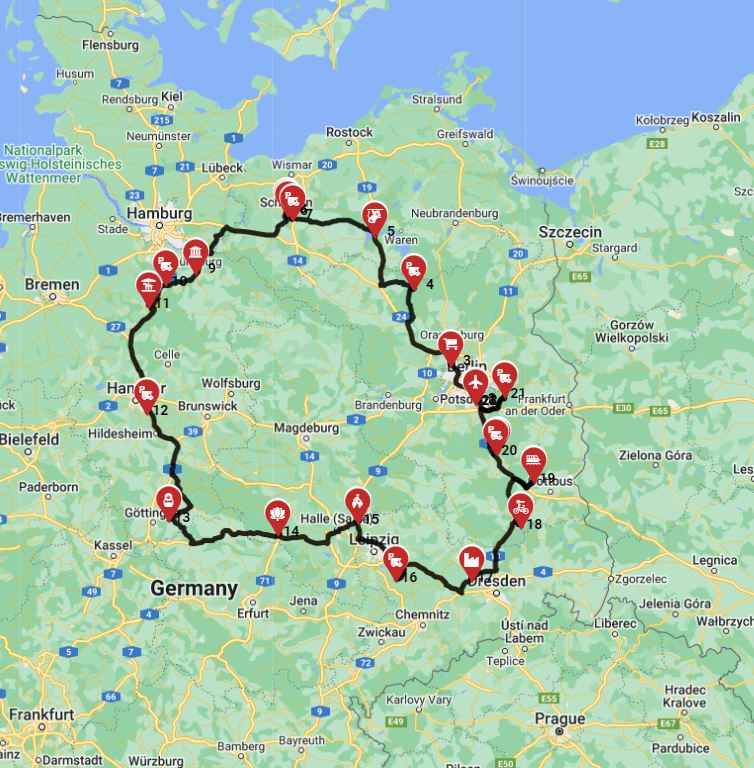
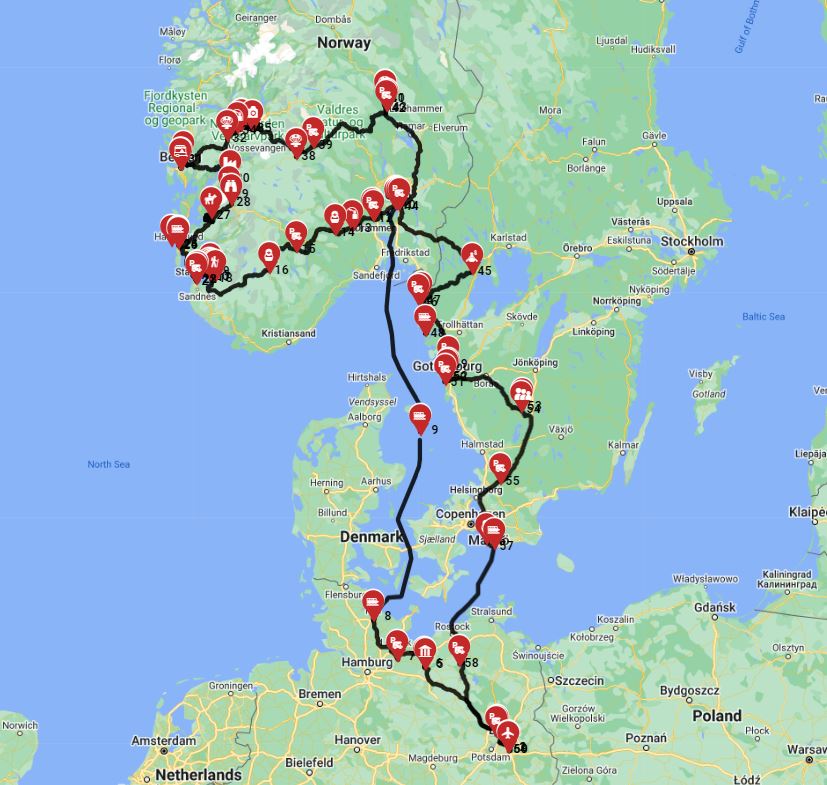
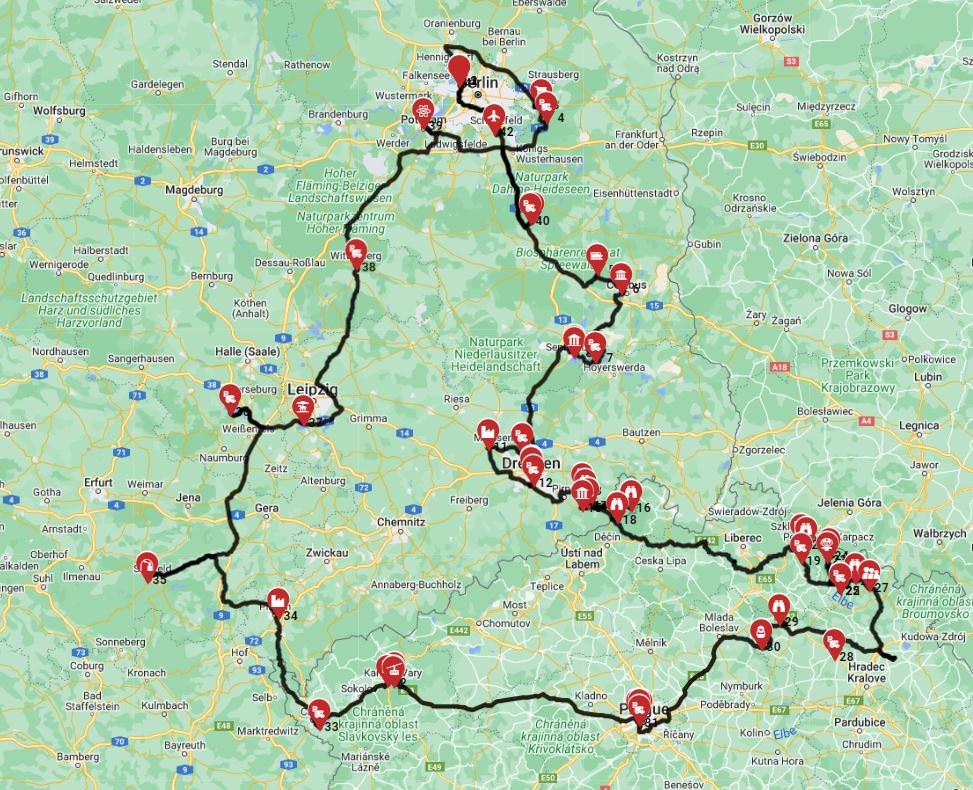
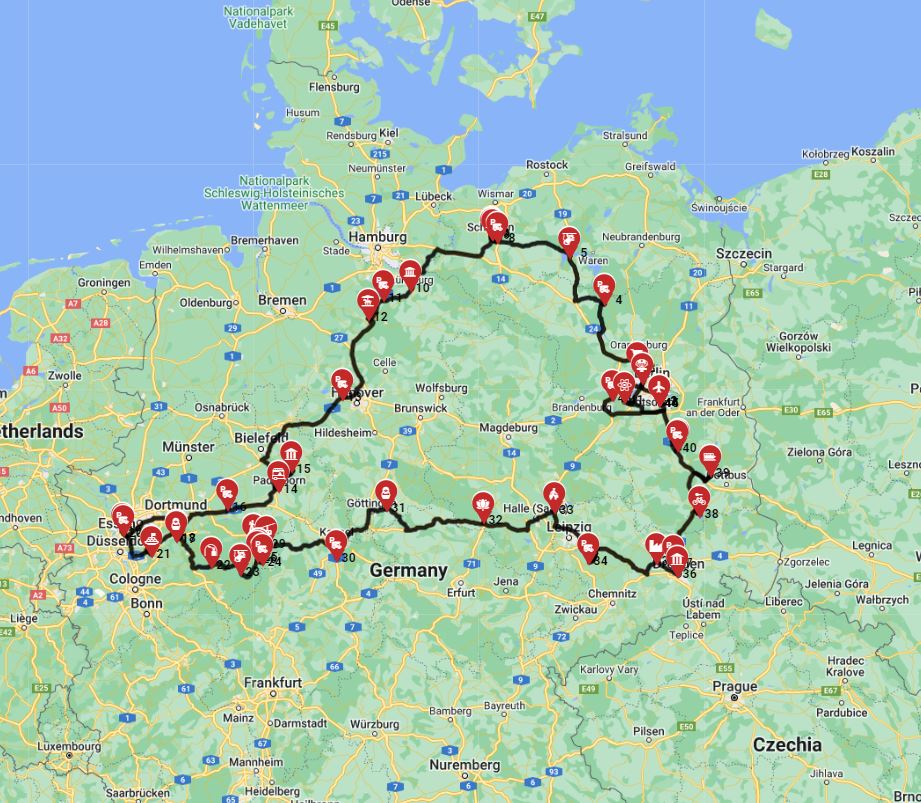
Most rented motorhomes and campervans in Germany, including those picked up in Berlin, operate on diesel fuel, which is readily available at numerous service stations across the city and surrounding regions. Fuel costs are dynamic and can fluctuate, but travelers can generally expect to pay around €1.70 - €2.00 per liter for diesel in 2026, with prices varying slightly by station and time of day. For a typical rented RV, fuel consumption averages can range from 9 to 15 liters per 100 km, meaning a 100 km drive could cost roughly €15-€30, depending on the specific vehicle and your driving style. When planning your route, remember that RV PLANET routes allow you to itemize and track every expense, including fuel, for easy budgeting. Always clarify the fuel policy with your weekly rental provider, as some may offer pre-paid options or require the tank to be returned full.Tolls, Vignettes & Border Rules
Germany does not require vignettes or charge tolls for cars and recreational RVs on its Autobahn (motorway) network, making internal travel within Germany generally toll-free. This is a significant advantage for a weekly RV rental based in Berlin, as you can explore extensively without worrying about additional road use fees within the country. While trucks over 7.5 tonnes are subject to a toll system, this typically does not apply to the motorhomes and campervans available for rental. However, if your Berlin weekly RV trip plans involve crossing borders into neighboring countries like Austria, Switzerland, or the Czech Republic, be aware that these nations often require a 'vignette' (a time-based road tax sticker) or have specific toll roads. Always check the international driving regulations and toll requirements for each country you intend to visit in advance to avoid any unexpected charges.Driving Tips for weekly rv rental Travelers
To ensure a smooth and enjoyable weekly RV rental in Berlin, familiarize yourself with German road rules and etiquette. Drive slowly and carefully, and you can drive almost anywhere without issues. No need to stress - just use common sense and pay attention. For instance, speed limits for RVs typically allow 100 km/h on Autobahns and 80 km/h outside urban areas for motorhomes over 3.5t. When exploring Berlin itself, utilize the city's excellent public transport system. Park your rented RV at a designated Stellplatz or a well-connected campground on the outskirts, such as Campingplatz Ruhlsdorf near the southern edge, and use the extensive S-Bahn or U-Bahn network to reach sights like the Brandenburg Gate or Museum Island. This approach not only simplifies parking but also enhances your urban experience. Always practice proper road etiquette, including driving on the right, yielding to trams, and being mindful of cyclists. For safety, always lock your RV, do not leave valuables visible, and opt for secure campgrounds or monitored parking areas, especially during overnight stays. Plan your route with RV-specific navigation, considering height restrictions and environmental zones, and identify dumping stations and water refill points for practical stops. For finding campsites and campgrounds during your trip, we recommend using RV PLANET (rvplan.net) - a great resource for locating available spots along your route.Recommended RV Class for Berlin Roads
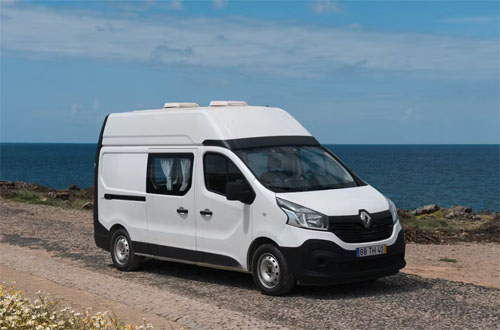
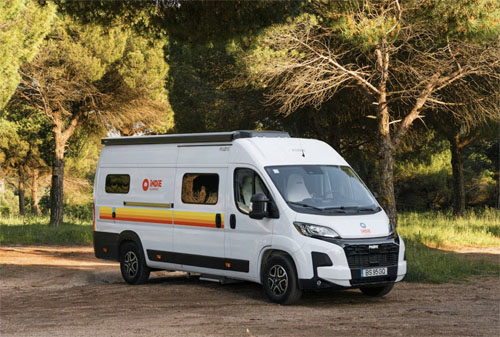
For navigating Berlin's urban environment and the surrounding areas, a compact motorhome or a campervan is generally recommended, offering an ideal balance of comfort and maneuverability. Vehicles like a Class B Campervan "V2L" (5.99m length, 2.05m width, with a 100L fresh water tank) or a smaller Class C model with an "Ideal for a couple" feature like a "rent rv example A1" are excellent choices. These smaller RV classes make parking and driving on narrower city streets, like those around Hackescher Markt, significantly easier. While Bandana Caravan's fleet includes a variety of sizes to suit all needs, selecting an RV under 7 meters in length can significantly enhance your experience when exploring Berlin's bustling areas or quaint towns outside the city. Consider factors like the number of travelers and desired amenities; a smaller RV may offer less expansive living space but gains immensely in urban convenience.Should I Choose a Compact Van Instead of a Large RV in Berlin?
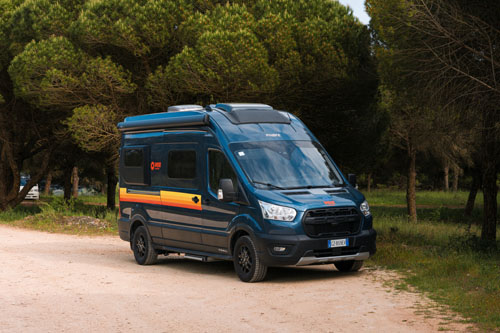
Choosing a compact van or a smaller motorhome often provides a more relaxed urban experience in Berlin due to easier parking and better maneuverability. Vehicles like the "Urban Luxury" campervan (6.4m length, 2.05m width, 2-burner gas stove) are especially beneficial for accessing very tight historic centers or navigating narrow, winding country roads should your weekly RV rental itinerary extend beyond Berlin into the Brandenburg region. However, for a week-long trip, the additional indoor space, amenities, and comfort offered by a medium-sized RV, such as a 5-berth "F4" motorhome with bunk beds and a 142L refrigerator, can significantly enhance your overall travel experience, especially for families (like an "Ideal for family of 2+2" model) or groups of friends. Ultimately, the best choice depends on your priorities: prioritize ease of city access and parking with a compact van, or prioritize living comfort and amenities with a larger, though still manageable, RV that might offer "3 double beds" for ample sleeping.Can I Park Anywhere? Free & Wild Camping Rules in Berlin
In Germany, including the urban landscape of Berlin, wild camping is generally forbidden and can result in significant fines. This means you cannot legally set up a full camp, including deploying awnings, tables, or chairs, outside designated areas. However, German law (specifically Paragraph 12 of the Road Traffic Act) offers a nuanced exception: overnight parking for a single night, usually referred to as a 'recreational sleep break' to restore driver fitness, is often tolerated on public roads where parking is explicitly allowed and does not cause obstruction. This tolerance is strictly for resting and does not extend to recreational camping. For true camping experiences during your weekly RV rental in Berlin, you must use designated campsites or official Stellplätze (motorhome parking areas), many of which are conveniently located on the city's periphery or within the surrounding lakes region, offering amenities like waste disposal and electricity. Always check local regulations, as rules can vary by municipality, especially within a dense city like Berlin.Can I Drive an RV Into the City Center? Heights, Tunnels & Local Signage
You can generally drive a rented RV into Berlin's city center, provided you have the required green 'Umweltplakette' (environmental sticker) for the low emission zone. The primary challenge in central Berlin is often not vehicle height or tunnel restrictions, as major arteries are designed for larger vehicles, but rather navigating dense traffic, finding suitable parking, and strictly adhering to environmental zone regulations. Always pay close attention to local signage, which will clearly indicate any specific height limits (e.g., underpasses, multi-story car parks not suitable for RVs), weight restrictions, or residents-only streets, such as those found around the historic Nikolaiviertel. For a more enjoyable experience exploring Berlin's iconic attractions like the Reichstag or Checkpoint Charlie, consider parking your RV on the city's outskirts at an RV-friendly campground or Stellplatz, like the popular Campingplatz Krossinsee, which offers excellent public transport links, and use trains or trams to reach the core. This allows you to explore easily while leaving your comfortable mobile home in a safe spot.What do I need to drive my motorhome in Germany?
To legally drive a rented motorhome in Germany, you need a valid driver's license, typically a Category B for vehicles up to 3,500 kg, which covers most rental campervans and Class C motorhomes. If your license is from outside the EU/EEA, an International Driving Permit (IDP) is highly recommended for official recognition, though not always mandatory. You'll also need to carry your vehicle registration documents, proof of insurance (usually provided by the rental company), and your rental agreement. German law requires specific safety equipment in your vehicle, including a warning triangle, a high-visibility vest for each occupant, and a first-aid kit, which are generally included with your rental. For travel within Berlin's city center, your RV must display a green 'Umweltplakette' (environmental sticker) to comply with the low emission zone regulations.What requirements do you need to drive an RV?
The primary requirement to drive a rented RV in Germany is a valid driver's license appropriate for the vehicle's weight: a Category B license covers RVs up to 3,500 kg, while a C1 or C license is needed for heavier vehicles. Most Bandana Caravan partner rental companies also require drivers to be over 21 years old and have held their license for a minimum period, typically 2-3 years. Drivers should be in good physical health and have sufficient driving experience, especially with larger vehicles, to safely navigate German roads and city traffic. For international visitors, an International Driving Permit (IDP) is highly recommended or legally required alongside your national license if it's not from an EU/EEA country.Are RVs allowed in Germany?
Yes, RVs are very much allowed and extremely popular in Germany, with excellent infrastructure for motorhome travel, including a vast network of campgrounds and designated Stellplätze (motorhome parking areas). Germany embraces RV culture, offering numerous scenic routes and dedicated facilities that make it an ideal destination for weekly RV rentals. The main restriction to be aware of within urban areas like Berlin is the 'Umweltzone' (environmental zone), which requires a green emission sticker for entry. While generally welcomed, drivers of rented motorhomes must adhere to local traffic laws, parking regulations, and rules regarding wild camping, which is largely prohibited. Our RV Rental Germany - Complete Guide 2026 offers a broader overview.Can you park your campervan anywhere in Germany?
No, you cannot park your rented campervan just anywhere in Germany; specific regulations govern where vehicles can park overnight, especially for recreational purposes. While parking for a single night to rest and restore driving fitness is generally tolerated on public roads where parking is not explicitly forbidden and doesn't impede traffic, this is not considered 'wild camping.' 'Wild camping' (setting up camp outside designated areas, e.g., deploying awnings, tables, or leveling jacks) is illegal and can lead to fines, particularly in natural reserves or private property around Berlin's lakes. Always seek out designated campsites, RV parks, or official 'Stellplätze' for overnight stays to ensure legality and access to necessary amenities like waste disposal points.Can you sleep anywhere in a campervan in Germany?
No, you cannot legally sleep anywhere in a rented campervan in Germany if it constitutes 'wild camping' or recreational overnight stays outside designated areas. German law distinguishes between a 'recreational sleep break' (tolerated for one night to ensure driver safety, provided no camping behavior is exhibited) and illegal wild camping. To legally sleep overnight and utilize your campervan's amenities, you must use official campsites, Stellplätze (motorhome parking spaces), or private land with the owner's explicit permission. Always check local ordinances, as rules can vary significantly, and avoid protected natural areas where restrictions are strictly enforced to prevent fines. You'll find plenty of legal and comfortable options near Berlin for your weekly RV rental.Can I sleep in RV while driving?
No, it is illegal and extremely dangerous for anyone to sleep in a rented RV while it is in motion on public roads in Germany. All occupants of a motorhome or campervan must be seated in designated seats and wear seatbelts whenever the vehicle is driving, in accordance with German traffic laws. Sleeping berths or non-seatbelt-equipped areas are only intended for use when the RV is stationary and safely parked. Failing to comply with seatbelt laws or allowing passengers to be unrestrained while driving can result in significant fines and poses a severe safety risk in the event of an accident. Safety is paramount on your Berlin RV adventure!Does RV need a separate license?
Whether a rented RV needs a separate license category in Germany depends on its maximum authorized mass (MAM) or gross vehicle weight. For most standard RVs up to 3,500 kg, a regular Category B driver's license (the same one used for cars) is sufficient, encompassing many campervans and smaller Class C motorhomes. Heavier RVs with a MAM between 3,500 kg and 7,500 kg require a Category C1 license, while those over 7,500 kg demand a Category C license. When booking a weekly RV in Berlin through Bandana Caravan, the rental company will clearly inform you of the vehicle's weight class and the corresponding license requirement, ensuring you are legally permitted to drive it.Can you get temporary RV insurance?
Yes, temporary RV insurance is typically included as part of your rental agreement when you book a weekly RV in Berlin or anywhere in Germany through Bandana Caravan. This standard rental insurance usually covers basic third-party liability, protecting against damages to other vehicles or property caused by your rented motorhome. For international travelers, it's highly recommended to review the rental company's insurance policy carefully and consider purchasing additional coverage for collision damage waiver (CDW) or personal belongings, as these are often not fully covered by standard travel insurance. Bandana offers a top-level deductible reimbursement option, which you can upgrade to for extra peace of mind during your German road trip. Some independent insurers also offer specialized temporary policies for international RV rentals, providing comprehensive coverage beyond the basic rental provisions.Does AAA cover RV insurance?
AAA primarily operates in the United States and Canada, and while they offer RV insurance policies for their members within those regions, their direct coverage typically does not extend to RV rentals in Germany. It is crucial for AAA members planning a weekly RV rental in Berlin to confirm any international coverage benefits directly with AAA prior to travel, as most policies are geographically limited. Even if AAA offers some form of international travel insurance, it will likely be secondary to the primary insurance provided by your German RV rental company. Always rely on the insurance provided by your Bandana Caravan rental agency in Germany and consider supplementary travel insurance that specifically covers rental vehicles abroad and potential deductibles for comprehensive protection.What You Shouldn't Miss
- Explore Museum Island: Dive into history at one of the five world-renowned museums, a UNESCO World Heritage site, accessible via public transport from your RV.
- Cycle through Tiergarten: Park your RV at a nearby campground and rent bikes to explore Berlin's vast central park, home to the Victory Column.
- Discover Potsdam's Palaces: A short drive from Berlin, Potsdam offers stunning palaces like Sanssouci, a perfect day trip for your motorhome rental.
- Relax at Wannsee Lake: Enjoy swimming, sunbathing, or a boat trip on this beautiful lake, with several RV-friendly campgrounds nearby for a tranquil escape.
- Wander through the East Side Gallery: Experience the longest open-air gallery in the world, showcasing incredible murals on remnants of the Berlin Wall.
- Savor local cuisine: Try authentic Currywurst from a street vendor or indulge in traditional German fare in a cozy Berlin restaurant, creating lasting food memories. For inspiration on what to cook in your RV, check out our RV-friendly recipes playlist.
🎬 Video coming soon
Final Thoughts
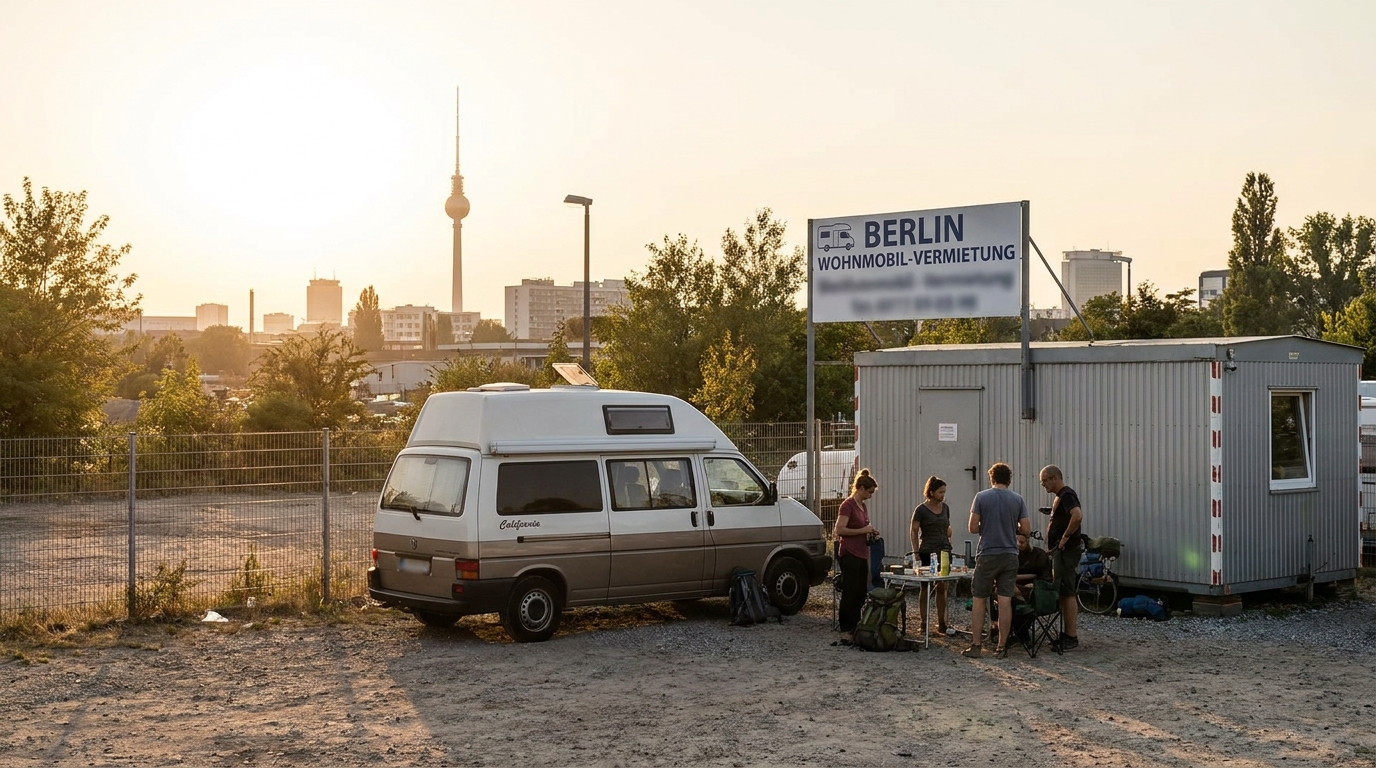
A weekly RV rental in Berlin offers an incredible blend of urban exploration and natural escapes. Imagine parking your comfortable motorhome near the serene waters of Müggelsee, then hopping on a train to immerse yourself in the vibrant history of Alexanderplatz. This is the freedom and flexibility that RV travel provides, allowing you to discover Berlin and its charming surroundings at your own pace. At Bandana Caravan, we are dedicated to making your RV journey exceptional. We understand the nuances of RV travel in Germany and are here to support you before, during, and after your booking, ensuring full transparency and peace of mind. So, whether you're planning a two-week adventure or an extended road trip, embrace the slow travel philosophy, take your time to connect with the culture and scenery, and let Berlin unfold before you. Find Motorhome Rentals in BerlinOn the routes offered through RV PLANET routes, you can itemize and track every expense along the way for easy budgeting.