In This Guide
- Can You Drive an RV in Anchorage? License & Age Rules
- Road Conditions & Terrain in Anchorage
- RV Size Limits, Bridges & Restricted Zones in Anchorage
- Fuel: Diesel vs. Petrol & Cost per 100 km in Anchorage
- Tolls, Vignettes & Border Rules for Anchorage RV Travel
- Driving Tips for cheap rv rental Travelers in Anchorage
- Recommended RV Class for Anchorage Roads
- Should I Choose a Compact Van Instead of a Large RV in Anchorage?
- Can I Park Anywhere? Free & Wild Camping Rules in Anchorage
- Can I Drive an RV Into the City Center? Heights, Tunnels & Local Signage
- What is the 3-3-3 rule when RVing?
- How big of an RV can you drive without a special license?
- What is the 4-4-4 rule for RVing?
- Do you need a CDL to drive an RV in Alaska?
- Can I park my RV anywhere in Alaska?
- Should I rent an RV in Alaska?
- How to get cheaper RV insurance?
Exploring Anchorage, Alaska, with a rented RV is an experience unlike any other, offering unparalleled freedom to discover "The Last Frontier." Imagine waking up to views of the Chugach Mountains, enjoying breakfast prepared in your motorhome, and then setting off to witness glaciers, wildlife, and breathtaking coastal scenery. For live availability and current prices, start with our RV Rental Anchorage - Complete Guide 2026 guide. Bandana Caravan, founded in 2001, has over 20 years of experience helping tens of thousands of travelers explore the world by RV, and we're here to make your Anchorage adventure seamless, transparent, and memorable.
Can You Drive an RV in Anchorage? License & Age Rules
Yes, most motorhomes under 26,000 lbs GVWR can be driven in Anchorage and throughout Alaska with a standard Class D driver's license. This means your regular car license is generally sufficient for nearly all rental RVs, including Class C (like the "24' Class C Motorhome") and Class B campervans. For foreign visitors, a valid foreign driver's license is acceptable, though an International Driving Permit (IDP) is highly recommended for clarity, especially if your license is not in English. The minimum driver age for a cheap rv rental in Anchorage is typically 21 years old across most Bandana partner suppliers. While some rental companies might require drivers to be 25 for larger Class A motorhomes, Bandana focuses on providing options for travelers aged 21 and older with no young driver surcharges on any vehicle class. No special commercial driver's license (CDL) is required for personal RVs in Alaska unless the vehicle's Gross Vehicle Weight Rating (GVWR) exceeds 26,000 pounds, which is rare for standard rental motorhomes.
Road Conditions & Terrain in Anchorage
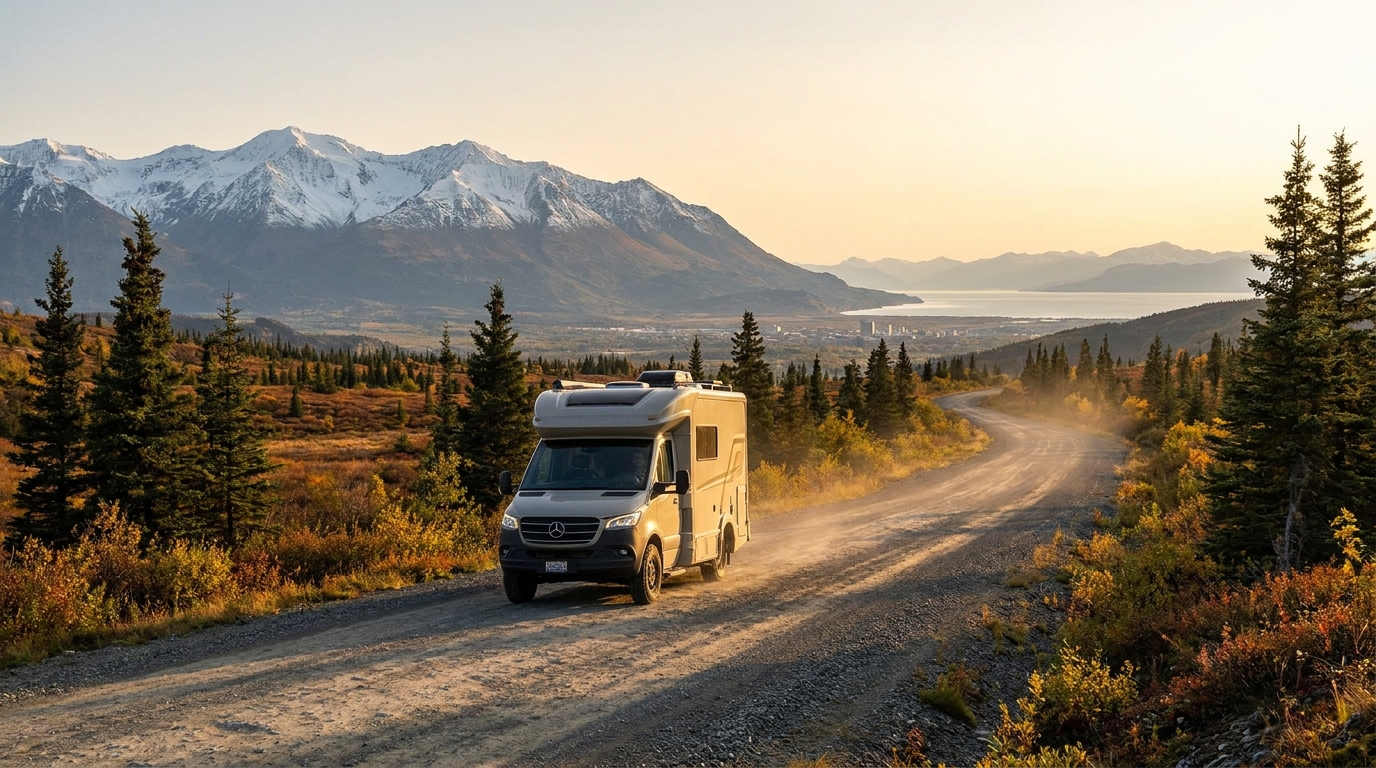
Anchorage and its surrounding areas feature generally well-maintained paved roads, but cheap rv rental drivers should be prepared for varying terrain, including urban streets, highways, and potentially some gravel roads leading to recreational areas within Chugach State Park or towards more remote camping spots. Driving a rented RV in Anchorage typically involves navigating moderate city traffic, particularly during the peak summer tourist season (June-August), and encountering scenic but sometimes winding roads outside the city, such as the breathtaking Seward Highway. Winter conditions, prevalent from October to April, can introduce significant snow, ice, and reduced visibility, making RV travel challenging and requiring appropriate vehicle preparation and cautious driving. The mountainous backdrop means some routes may include grades and curves, encouraging a slower, more scenic driving pace, especially with a larger motorhome. Awareness of wildlife, such as moose and bears, is crucial on all roads, including those within and near the city limits, emphasizing the need for attentiveness.
RV Size Limits, Bridges & Restricted Zones in Anchorage
Anchorage generally accommodates a wide range of RV sizes, with most rental Class C (average 7.8m length) and Class A (average 9.1m length) units navigating roads without issue. There are typically no significant low bridges or height restrictions specifically within Anchorage that would impede standard motorhomes, but drivers should always heed local signage for any temporary changes or specific park entry requirements. Environmental zones are not a common restriction for RVs in Anchorage, allowing relatively free movement throughout the city and surrounding areas. While specific ferry limits aren't directly within Anchorage, those planning to use the Alaska Marine Highway System for travel beyond the city, like from Whittier, must confirm RV length and height requirements as well as booking availability. Remember, you can drive almost anywhere without issues in your rented RV; just use common sense and pay attention to signs, especially around Anchorage's more bustling areas like Downtown or the Old Seward Highway.
Fuel: Diesel vs. Petrol & Cost per 100 km in Anchorage
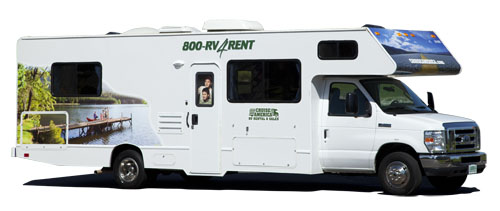
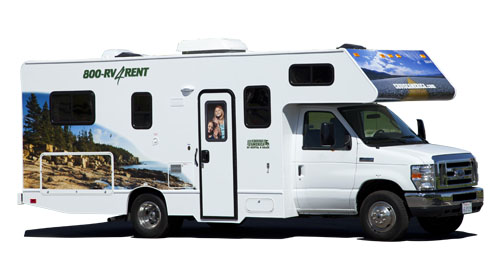
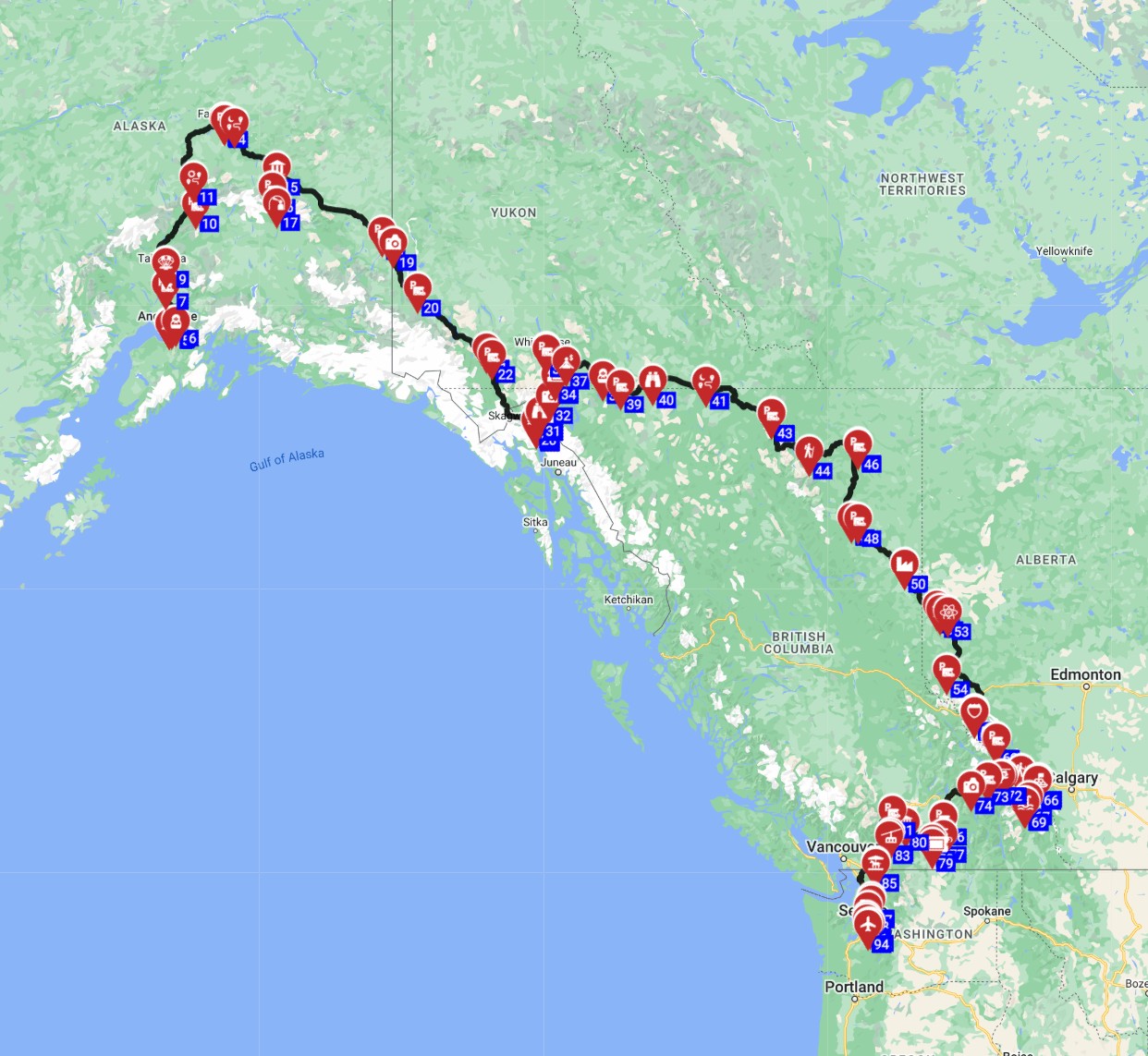
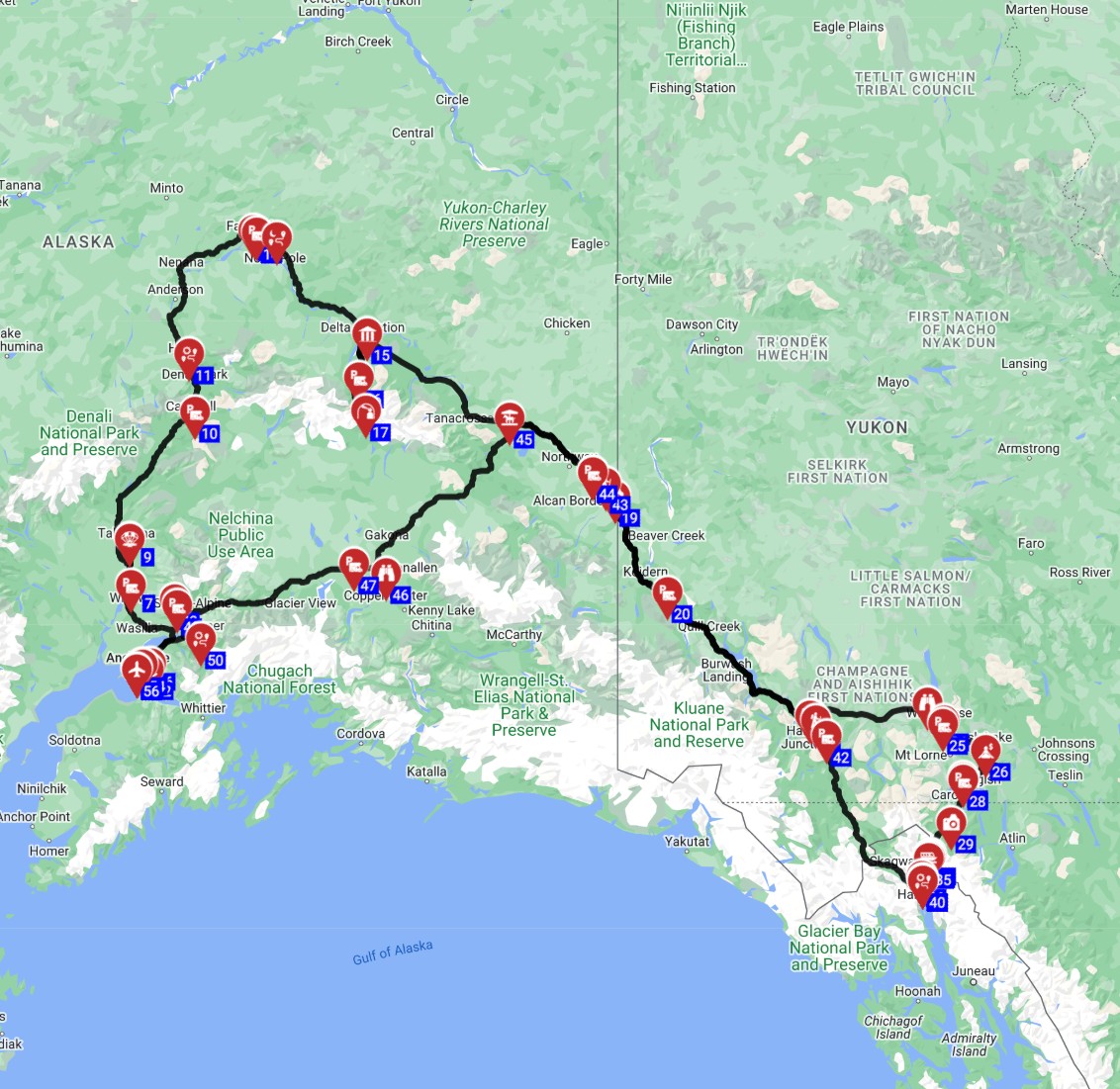
Both diesel and petrol (gasoline) are readily available in Anchorage and throughout Alaska, though diesel stations may be less frequent in extremely remote areas. Many rented RVs, particularly Class C models like the "cruise america rv rental example Explorer" which is 7.1m long, typically run on petrol with a common fuel consumption range of 24-30L/100km. Conversely, Class TC - Truck Campers such as the "Patagonia Camper 4x4 double cab" often have better fuel economy, with Bandana's fleet averaging 13 to 19.5 Litres per 100km. The cost per 100 km for an RV in Anchorage will vary significantly based on current fuel prices, which can fluctuate. Always factor in higher fuel costs compared to a standard passenger car, especially when planning extended road trips like the 23-day "
Tolls, Vignettes & Border Rules for Anchorage RV Travel
Alaska does not utilize a system of tolls or vignettes on its roads, meaning there are no direct charges for driving a rented RV on state highways around Anchorage. This simplifies route planning for your cheap rv rental adventure, as no pre-purchased passes or electronic toll systems are required within Alaska. There are no immediate borders with other countries adjacent to Anchorage that would require special RV documentation or customs checks for travel within the state. However, if you plan to drive your rental motorhome from Anchorage into Canada (e.g., via the Alaska Highway), standard passport requirements and customs procedures will apply, and you should always confirm international travel permissions with your rental company well in advance. Bandana RV works with suppliers like El Monte and Cruise America, who can clarify these specific cross-border policies, ensuring full transparency and no surprises.
Driving Tips for cheap rv rental Travelers in Anchorage
Planning frequent stops (every 2-3 hours) is essential if traveling with family in your rented RV, to prevent driver fatigue and allow passengers to enjoy the scenic Alaskan landscape. Budget for fuel by estimating consumption (e.g., 24-30L/100km for a Class C RV) and checking current prices, as fuel can be a significant expense in Alaska, often higher than in the lower 48 states. Always observe speed limits and be mindful of wildlife; moose frequently traverse roads in and around Anchorage, especially at dawn and dusk. Prioritize booking RV parks in advance, particularly during peak summer season, as specific Anchorage RV park details regarding amenities and pricing vary, though many national/state parks have 25-30% first-come-first-serve spots. Be aware of local Anchorage driving conditions, including potential traffic within the city and unique challenges on gravel roads or during seasonal weather changes. Carry emergency supplies and be familiar with local RV services (dump stations, propane, repair shops) in the Anchorage area, as roadside assistance specific to RVs can be crucial.
Recommended RV Class for Anchorage Roads
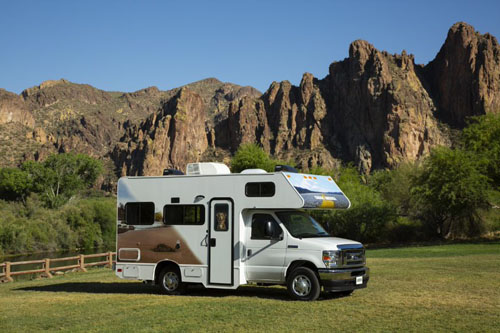
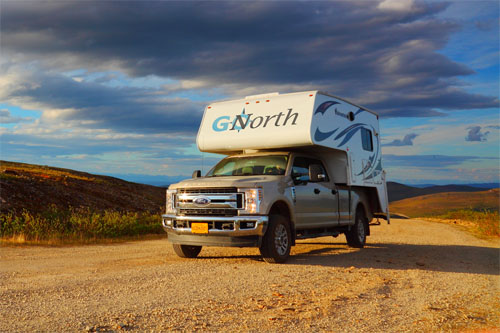
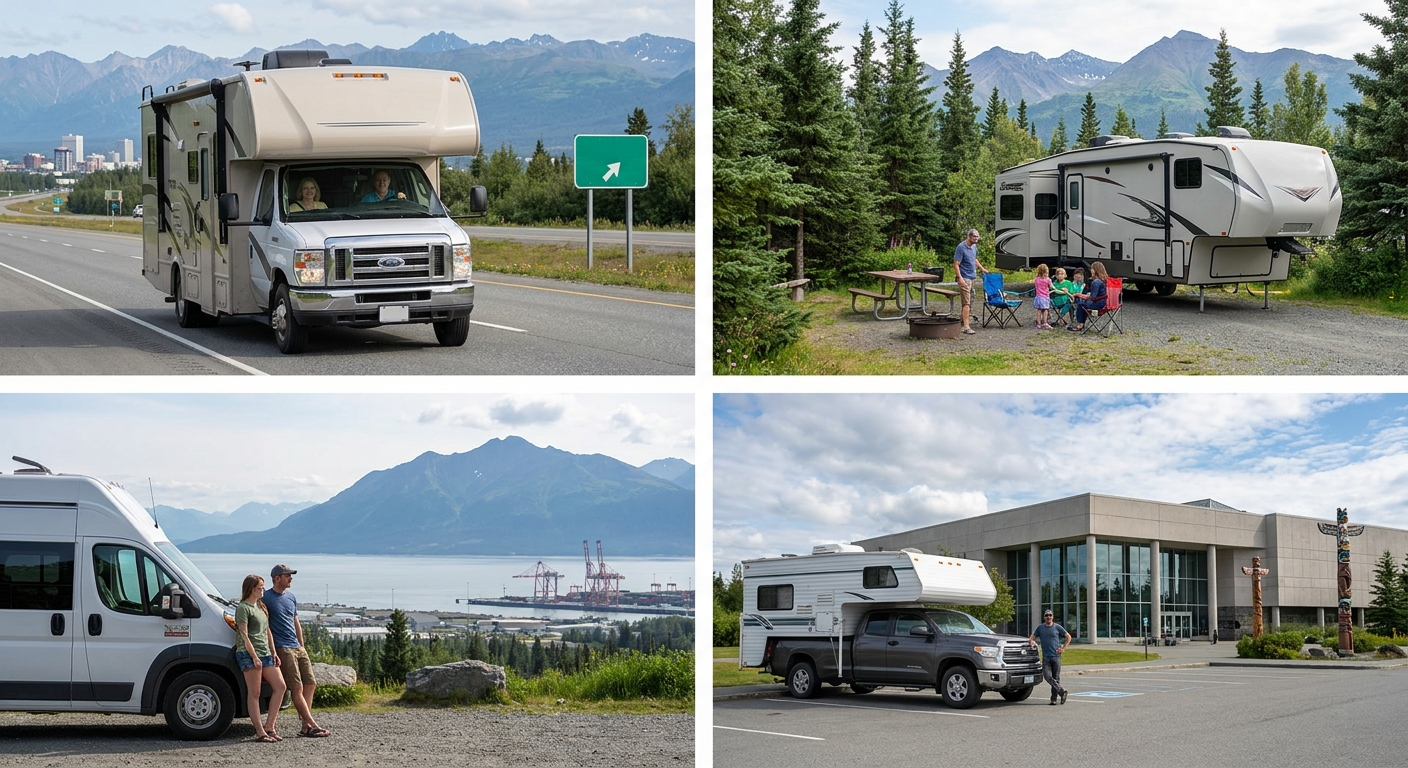
For travelers exploring Anchorage and its surrounding natural wonders, the Class C - Alcove and Class TC - Truck Camper are highly recommended due to their balanced size and maneuverability. Class C - Alcove RVs, with an average length of 7.8 meters, offer ample living and sleeping space (e.g., a "Comfort Family" model provides up to 6 sleeping places) suitable for families or groups of 4-6, while still being manageable on Anchorage's roads and highways. For example, the "Adak Argonaut 21 - Gold" is a popular Class C choice. Class TC - Truck Campers, averaging 6 meters in length, such as a "4x4 Scout Adventure Truck Camper Silver," provide excellent maneuverability and are often favored by couples or smaller groups seeking to access slightly less-developed campsites or explore diverse terrain with enhanced agility. While Class B - Camper Vans (average 6.1m), like the "Active Bunk Auto," offer maximum agility, Class C motorhomes generally provide more comfort and amenities like bathrooms and larger kitchens, highly valued for extended Alaskan adventures. Larger Class A - Integrated RVs (average 9.1m) are also navigable but require more caution in city parking or tighter areas.
Should I Choose a Compact Van Instead of a Large RV in Anchorage?
Choosing a compact van (like a Class B - Camper Van with an average length of 6.1m, for instance, a "Category Van") instead of a large RV in Anchorage depends on your travel priorities, but remember that most large RVs can be driven in Anchorage without significant issues. A compact van offers superior maneuverability and easier parking in urban settings like downtown Anchorage, which can be convenient for quick stops or navigating busy streets. The primary benefit of a larger RV (e.g., a Class C - Alcove, averaging 7.8m, or even a Class A - Integrated, avg. 9.1m) lies in enhanced comfort, more indoor living space, and additional amenities like private bathrooms and full kitchens, which are highly valued for Alaskan adventures, especially on a week-long trip. For cheap rv rental travelers prioritizing convenience for city parking or more agile driving on potentially rougher unpaved roads leading to some trailheads, a compact van or a Truck Camper (avg. 6m) can be advantageous. However, if your priority is comfort, extended stays at a single campground, or accommodating a family of 4-6, a larger motorhome generally offers a better trade-off for the open roads and spacious campsites typical of Alaska. Drive slowly and carefully, and you can drive almost anywhere without issues. No need to stress - just use common sense and pay attention.
Can I Park Anywhere? Free & Wild Camping Rules in Anchorage
No, you generally cannot park an RV anywhere you choose in Anchorage; specific rules and regulations govern overnight parking and camping within city limits, often prohibiting RVs on streets or in public lots. While wild camping or boondocking is permitted on some public lands, like certain areas of Chugach State Park or Bureau of Land Management (BLM) land outside Anchorage, thorough research of local laws and regulations is essential for any free camping near Anchorage. Always adhere to 'Leave No Trace' principles and check with local authorities, such as the Anchorage Municipality or specific land management agencies, for current rules on boondocking within or near city limits, particularly concerning generator use and waste disposal. Utilizing established RV parks and campgrounds, such as Eagle River Campground or Anchorage Ship Creek Campground, is the most reliable and legal option for overnight stays in the Anchorage area, providing essential amenities like dump stations, fresh water, and propane services. Many campgrounds near Anchorage also offer electrical hookups.
Can I Drive an RV Into the City Center? Heights, Tunnels & Local Signage
Yes, you can generally drive a rented RV into the city center of Anchorage, as the city's infrastructure is largely accommodating to recreational vehicles. Anchorage does not typically have restrictive height limits for tunnels or low bridges that would impede standard rental RVs like Class C or Class A models. However, RV drivers must always pay close attention to local signage, especially concerning parking restrictions, which can be tighter in the bustling downtown core near destinations like the Anchorage Museum or the Alaska Center for the Performing Arts. While environmental zones are not a significant concern in Anchorage, being aware of any specific temporary road closures or resident-only parking streets is important for navigation. Navigating urban traffic and finding suitable parking spots can be the biggest challenge for larger motorhomes in the city center, so planning your route and parking ahead, perhaps utilizing large parking lots near the Dena'ina Civic and Convention Center, is advisable. Drive slowly and carefully, and you can drive almost anywhere without issues. No need to stress - just use common sense and pay attention.
What is the 3-3-3 rule when RVing?
The 3-3-3 rule when RVing recommends driving no more than 300 miles (approximately 480 km) a day, arriving at your destination by 3 PM, and staying for a minimum of 3 nights. This rule is designed to promote a relaxed and safe travel pace, especially for cheap rv rental adventurers in scenic areas like Anchorage, where every turn offers a new vista. Adhering to the 3-3-3 rule helps prevent driver fatigue, allows ample time to set up camp at a place like the Anchorage Ship Creek Campground, and provides opportunities to explore the local area, including RV-friendly activities and attractions in Anchorage. While it's a guideline, it encourages a more immersive experience, aligning with the idea of a leisurely Alaskan road trip rather than rushing through destinations. Following this pace allows you to truly connect with the culture, the food, and the scenery of Alaska, ensuring your week-long or longer trip is enjoyable rather than exhausting.
How big of an RV can you drive without a special license?
In most U.S. states, including Alaska, you can drive an RV with a Gross Vehicle Weight Rating (GVWR) of up to 26,000 pounds (approximately 11,793 kg) without needing a special license or a Commercial Driver's License (CDL). The vast majority of rental RVs, including popular Class C - Alcove models (avg. 7.8m length, like the "alaska rv rental example Category C"), Class B - Camper Van (avg. 6.1m length, such as the "Combi Van"), and even many Class A - Integrated (avg. 9.1m length) models, fall well within this weight limit. This means that for the average cheap rv rental in Anchorage, a standard Class D driver's license, which you use for your car, is perfectly sufficient. Always verify the specific GVWR of your rental RV and check current Alaska DMV regulations if you have concerns about exceptionally large or heavy units, but rest assured that our direct partnerships with 50+ leading RV suppliers worldwide, including El Monte and Cruise America, ensure you'll find a suitable vehicle that you can drive with ease.
What is the 4-4-4 rule for RVing?
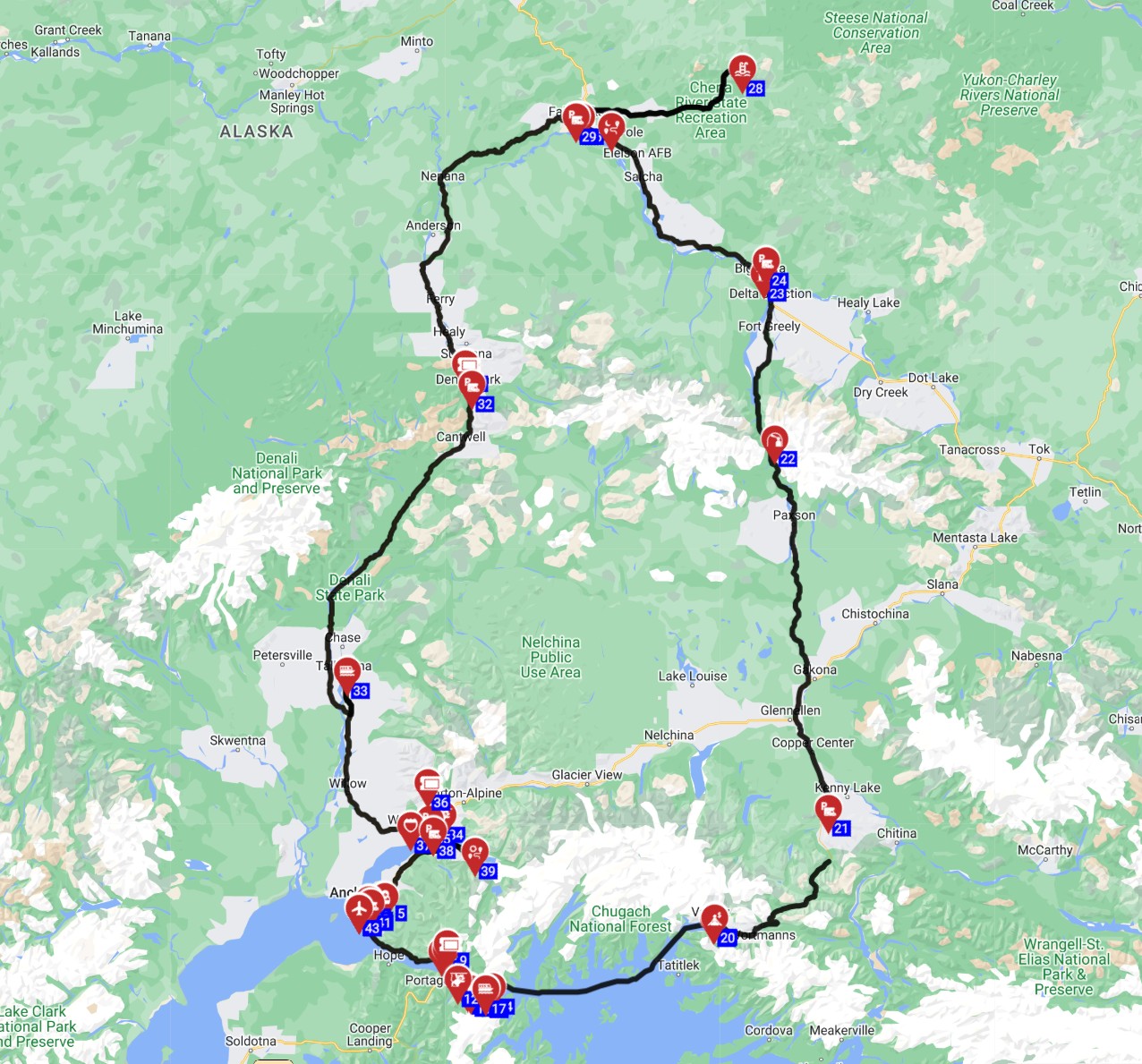
The 4-4-4 rule for RVing suggests driving no more than 400 miles (approximately 640 km) a day, stopping by 4 PM, and fueling up every 4 hours. This guideline provides a framework for safe and efficient RV travel, helping drivers manage distances, daylight, and fuel stops, which is particularly useful for longer routes like the "
Do you need a CDL to drive an RV in Alaska?
No, you typically do not need a Commercial Driver's License (CDL) to drive an RV in Alaska for personal use. A standard Class D driver's license is sufficient for operating most recreational vehicles, provided their Gross Vehicle Weight Rating (GVWR) is below 26,000 pounds (approximately 11,793 kg). This applies to the majority of rental RVs available for your cheap rv rental in Anchorage, including common models like a Class C - Alcove (e.g., "Comfort Standard 4" model), a Class B - Camper Van (like the "Active Classic"), and even larger Class A - Integrated vehicles (such as the "EX-Urban Plus"). The requirement for a CDL in Alaska is generally reserved for commercial vehicles or those exceeding the 26,000-pound weight threshold, which is extremely rare for non-commercial rental motorhomes. So, you can confidently book your preferred RV class for your Alaskan adventure knowing your standard license will suffice.
Can I park my RV anywhere in Alaska?
No, you cannot legally park your RV just anywhere in Alaska; regulations vary significantly depending on the specific location and land ownership, particularly in and around Anchorage. Within Anchorage city limits, overnight parking on streets or in undesignated public lots is generally prohibited by local ordinances. However, Alaska offers numerous state parks, national parks (like Denali National Park, which is accessible from Anchorage), and privately owned RV parks that provide designated parking and camping facilities, often with amenities such. Boondocking or wild camping is typically allowed on vast tracts of federal public lands managed by agencies like the Bureau of Land Management (BLM) or in National Forests, provided you follow 'Leave No Trace' principles and local area-specific rules. Always confirm local laws and regulations pertaining to RVs, including generator rules and overnight parking restrictions, particularly within or near urban areas like Anchorage, before parking overnight. For finding campsites and campgrounds during your trip, we recommend using RV PLANET (rvplan.net) - a great resource for locating available spots along your route.
Should I rent an RV in Alaska?
Renting an RV in Alaska is an excellent way to experience the state's vast landscapes and diverse attractions, offering unparalleled flexibility and freedom for exploration on an extended road trip. An RV allows you to comfortably access RV-friendly attractions and stay near popular spots while managing accommodation costs, which can be part of a comprehensive cost breakdown for RV travel within Anchorage. Consider the best times to visit Anchorage by RV, typically late spring through early fall (May-September), for optimal weather, road conditions, and attraction availability, though these are also peak seasons with higher crowds and dynamic pricing for cheap rv rental. The ability to cook your own meals in your motorhome's kitchen, perhaps using fresh Alaskan seafood, can significantly reduce food expenses, contributing to a cheaper RV rental experience. For some inspiration, check out our RV-friendly recipes playlist. However, be prepared for specific Anchorage driving conditions, potential wildlife encounters (requiring bear-proofing food at campsites like those in Chugach State Park), and ensure you're familiar with local RV services like dump stations and propane refills. With over 1,300 pre-planned routes across 5 continents via RV PLANET (rvplan.net), Bandana RV can help you craft the perfect Alaskan adventure.
How to get cheaper RV insurance?
When renting an RV for your Anchorage adventure, cheaper RV insurance can often be secured by comparing the various packages offered by rental providers, ranging from basic liability to comprehensive coverage. Many cheap rv rental providers in Anchorage, including our partners like Apollo and Britz, offer various insurance options, so compare these options carefully on our platform. Check if your personal auto insurance policy or credit card benefits offer any coverage for rental RVs, as this could potentially reduce the need for additional rental insurance. Remember, Bandana RV provides top-level deductible reimbursement as an optional upgrade, giving you extra peace of mind without it being included by default. Always ensure you have adequate coverage for your Alaskan RV adventure, considering potential roadside assistance needs and the value of the rented vehicle. Full transparency means no hidden fees or surprises, so all insurance options and costs will be clear at booking. You can also review our "RV Rental Alaska - Complete Guide 2026" for more insurance details.
What You Shouldn't Miss
- Explore Chugach State Park: Drive your rented RV to one of the many trailheads or campgrounds within minutes of Anchorage. Hike to Powerline Pass for stunning views, or camp at Eagle River Campground (57 sites) to fully immerse yourself in Alaskan wilderness.
- Cruise Turnagain Arm via Seward Highway: Take your motorhome on the iconic 127-mile Seward Highway, a designated All-American Road, offering dramatic views of mountains, glaciers, and marine life like beluga whales. Stop at scenic pull-outs like Beluga Point for wildlife spotting.
- Visit the Alaska Wildlife Conservation Center: Located just south of Anchorage along the Seward Highway, this 200-acre sanctuary provides a fantastic opportunity to see Alaskan wildlife like bears, moose, and bison up close, with ample RV parking available.
- Discover Downtown Anchorage: Park your RV at a designated area (e.g., near the Dena'ina Civic and Convention Center) and explore the Anchorage Museum, wander through local shops on 4th Avenue, and sample fresh Alaskan salmon at a local eatery.
- Day Trip to Whittier via Anton Anderson Memorial Tunnel: For a unique experience, drive your RV through the 2.5-mile Anton Anderson Memorial Tunnel to the port town of Whittier. From there, take a Prince William Sound cruise to see glaciers and marine animals, but check the tunnel's alternating car/train traffic schedule in advance.
- Looking for expert insights from Avi Bandana? Top 5 Adventures - recommendations from Avi Bandana
Final Thoughts
An RV adventure in Anchorage is truly an unforgettable way to experience the vast beauty of Alaska. From navigating scenic roads to exploring diverse terrain and spotting incredible wildlife, a rented motorhome offers you the flexibility and comfort to create your dream itinerary. Remember to travel slowly, aiming for max 100-150 km per day on average, to fully immerse yourself in the culture, food, and scenery.
Whether you're planning a week-long trip to explore Chugach State Park or an extended road trip into the Alaskan wilderness, Bandana Caravan is here to support you. We pride ourselves on attention to the smallest details, ensuring your booking experience is transparent and worry-free. Start envisioning your journey today, and let us help you find the perfect cheap rv rental in Anchorage for your next great escape. Life is now - go explore!
Find Motorhome Rentals in Anchorage