In This Guide
- Top 5 Tips for RV Rental for Seniors in Tokyo
- Before You Book - Class, Dates, Insurance
- Pre-Trip Prep - Packing Checklist for Tokyo
- On the Road - Driving, Fueling, Navigation
- At the Campground - Setup, Hookups and Etiquette
- RV Rental for Seniors-Specific Tips for Tokyo
- Common Mistakes to Avoid in Tokyo
- What is the best way to travel around Tokyo?
- Is RV life popular in Japan?
- How much does it cost to rent an RV in Japan?
- Are RVs allowed in Japan?
- What is the best time to visit Japan in an RV?
- Can I park an RV overnight in Japan?
Exploring Tokyo and the wider landscapes of Japan in a rented motorhome or campervan offers a truly unique adventure, especially for seniors seeking comfort and flexibility. Imagine yourself waking up to the gentle sounds of nature near Mount Fuji, after a peaceful night in your mobile home, then heading to a local onsen before discovering traditional villages. A rented RV provides a personal haven as you explore vibrant cities and serene countryside at your own pace. For live availability and current prices, start with our RV Rental Tokyo - Complete Guide 2026 guide.
Top 5 Tips for RV Rental for Seniors in Tokyo
Planning a relaxed itinerary with ample time for travel and exploration is crucial for a comfortable RV rental for seniors in Tokyo. We always recommend slow travel, averaging a maximum of 100-150 km per day, allowing you to truly feel the place, connect to the culture, the food, and the scenery. For instance, instead of rushing from Tokyo to Hakone, spread it over two days, enjoying the scenic stops along the way.
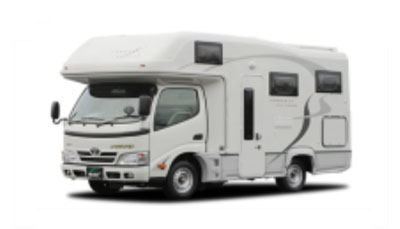
Secondly, choosing a compact RV class with automatic transmission significantly eases navigation on Japan's narrower roads and in parking areas. Campervans like a Toyota Hiace-based model, often around 4-5 meters long, are much simpler to manage than larger Class C motorhomes, especially when approaching attractions or smaller towns. For specific models available, you can check out rental options like the "hire campervan example Paradise S/T" or an "Active Classic" campervan, which typically offer automatic transmissions and a compact design.
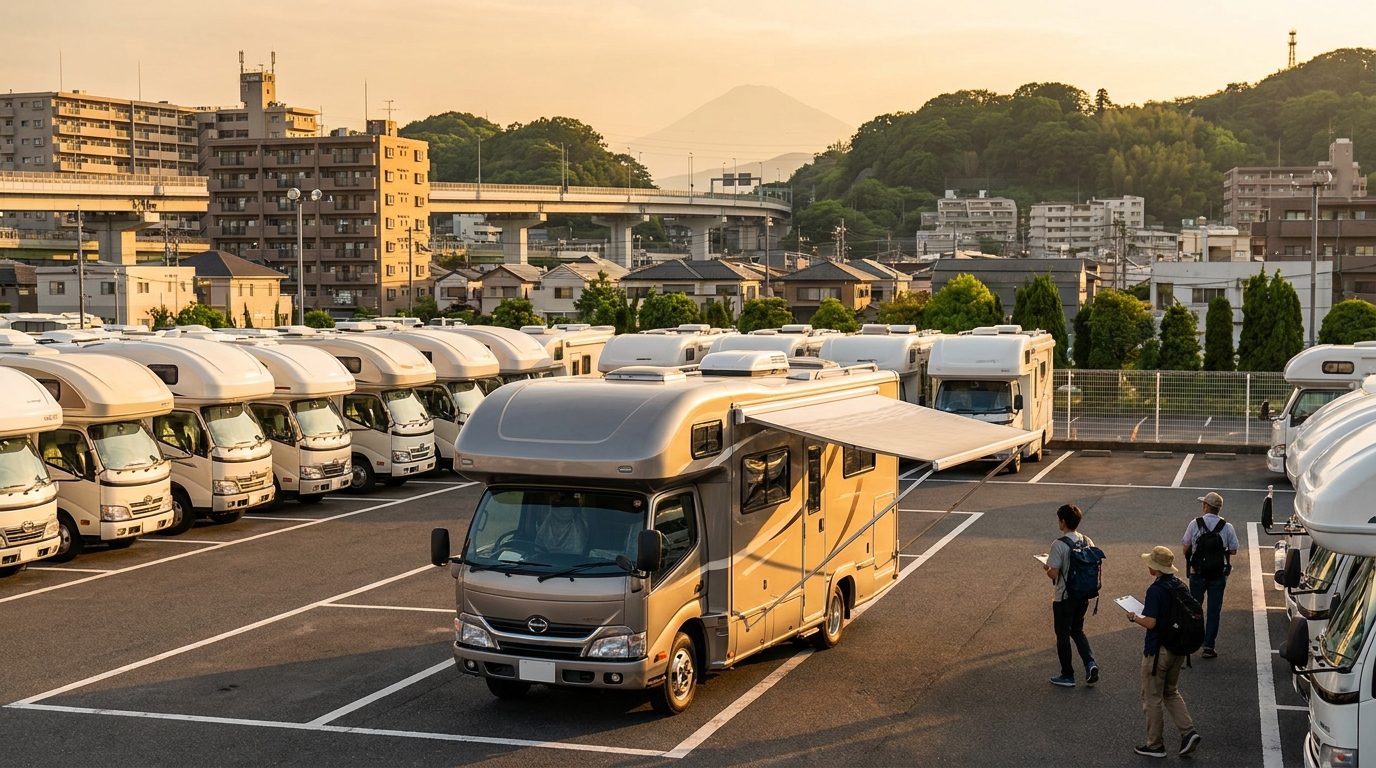
Thirdly, integrating Japan's excellent public transportation for city exploration, while parking your rented RV strategically outside central Tokyo, is highly effective. Tokyo's core is best experienced via its efficient subway and train systems, leaving your motorhome at an RV-friendly parking area or Michi-no-Eki on the outskirts, such as those in Chiba or Saitama prefectures.
Fourth, familiarize yourself with Japanese road signs and driving etiquette, including rules for Michi-no-Eki (roadside stations). Driving is on the left side of the road, and understanding common signs will enhance your safety and confidence. A rented mobile home is an excellent way to see Japan, but respect for local customs is paramount.
Finally, ensuring your travel insurance covers RV rental and potential medical needs for seniors abroad provides peace of mind. Bandana RV offers full transparency with no hidden fees, and you can opt for top-level deductible reimbursement for added security, giving you one less thing to worry about.
Before You Book - Class, Dates, Insurance
Choosing an RV class for seniors often prioritizes ease of driving and accessibility, with compact models and campervans (e.g., Toyota Hiace-based conversions) proving popular due to Japan's narrower roads and smaller parking spaces. Many of our partner suppliers, like Apollo and Britz, offer Class B campervans that are typically less than 6 meters in length, making them as easy to drive as a large car. These vehicles usually feature a front air conditioner, shower, and toilet, providing essential comforts for your adventure.
Locking in your rental dates well in advance, especially for popular seasons like spring (cherry blossoms) or autumn (fall foliage), is crucial to securing your preferred RV and avoiding higher prices. While many national and state parks reserve only 25-30% of spots, leaving the rest for first-come-first-serve, booking ahead ensures you get the exact model you want. For more insights on costs, explore "RV Rental in Tokyo - Prices and Best Deals 2026" or "Cheap RV Rental in Tokyo - Budget Guide 2026".
Basic insurance is always included with your rental. For comprehensive coverage, which is generally recommended for peace of mind, you can select that option during your search on our platform, and all relevant insurance options will be displayed. Bandana RV believes in full transparency, so you'll never encounter hidden fees or surprises throughout the booking process. You can upgrade to a top-level deductible for extra peace of mind, an optional add-on that offers greater financial protection during your trip.
Pre-Trip Prep - Packing Checklist for Tokyo
Preparing a tailored packing list for your RV rental in Tokyo ensures comfort and readiness for varied conditions. Given Japan's diverse climate and experiences, a thoughtful approach to packing makes all the difference. Remember, with a rented RV, you have flexible storage, but compact and essential items are always best.
- Lightweight, comfortable clothing suitable for layering, as temperatures can change, especially when traveling from city to mountain regions.
- Comfortable walking shoes are essential for exploring temples, gardens, and bustling Tokyo streets.
- A rain jacket or umbrella is advisable, as Tokyo weather can be unpredictable, with sudden showers possible year-round.
- Swimsuit for onsen (hot springs) if you plan to enjoy these traditional Japanese baths, which are a fantastic way to relax during your trip.
- Adapter for Japanese electrical outlets (Type A/B, 100V) and a portable Wi-Fi device or local SIM card for staying connected and navigating.
- A basic first-aid kit with any personal medications, clearly labeled, along with prescription glasses or contact lenses (with spares).
- Your International Driving Permit (IDP), which is legally required to drive a rental motorhome in Japan, alongside your valid home country driver's license.
- Passport and visa (if required for your nationality), and credit cards along with some Japanese Yen cash for smaller purchases or remote areas.
- Copies of all important documents stored separately from the originals.
When preparing meals in your RV, consider simple, delicious options. Check out our RV-friendly recipes playlist for inspiration that requires minimal kitchen equipment.
On the Road - Driving, Fueling, Navigation
Driving a rented RV in Japan involves navigating on the left side of the road and understanding unique signage, requiring careful attention, especially for those accustomed to right-hand driving. Japanese roads are well-maintained, but city streets can be narrow. Drive slowly and carefully, and you can drive almost anywhere without issues. No need to stress - just use common sense and pay attention to the flow of traffic.
Fueling your motorhome is straightforward, with gasoline (レギュラー - regular, ハイオク - premium) and diesel (軽油 - keiyu) widely available at service stations across Japan. Always ensure you know your specific RV's fuel type before filling up. Keep an eye on your fuel gauge, especially in rural areas, as stations can be less frequent. For an overview of total trip costs, including fuel, explore RV PLANET routes, where you can itemize and track every expense. On the routes offered through RV PLANET routes, you can itemize and track every expense along the way for easy budgeting.
Navigation is best managed with reliable apps like Google Maps or specialized RV navigation systems, which can account for vehicle size on narrower roads and help locate Michi-no-Eki. These roadside stations are not just for rest, but often offer local products and cultural insights, making them excellent spots for a break or overnight stay. Remember to check local driving customs for Tokyo itself, as parking can be scarce and public transport is often a better option for central city exploration.
Expect significant expressway tolls throughout Japan, which can be a substantial part of your budget; for example, the drive from Tokyo to Hakone can incur tolls. Using an ETC (Electronic Toll Collection) card, if available with your rental motorhome, will allow for smoother passage through toll booths, or you can pay manually. Our 24/7 support is there for you before and after booking, ensuring you have all the information you need, including local driving tips.
At the Campground - Setup, Hookups and Etiquette
Setting up your rented RV at a Japanese campground typically involves checking in at the reception, locating your designated site, and familiarizing yourself with facility rules, which are often clearly posted and enforced. Many campgrounds provide specific instructions in English, ensuring a smooth arrival.
Hookup order generally follows a sequence of parking your motorhome, leveling it on your site using ramps if necessary, connecting the shore power cable to the electricity pedestal, then connecting the fresh water hose, and finally attaching the sewer hose if a full hookup is available. While some campgrounds in popular areas like around Mount Fuji offer full hookups, many Michi-no-Eki provide only basic facilities like restrooms and waste disposal points. You'll find a spot; if not at the first campground, then the next one. Calling ahead before driving can be very helpful.
Adhering to local etiquette is important at Japanese campgrounds, including observing quiet hours, which are typically from 9 PM to 7 AM, and keeping your campsite tidy. Correctly disposing of waste at designated areas is crucial, and always separate recyclables according to local guidelines. Michi-no-Eki (roadside stations) are excellent for overnight stops, offering basic amenities and local products, but generally do not provide full hookups or traditional camping facilities; they are primarily for rest and local engagement, not extended stays with awnings deployed or outdoor cooking.
RV Rental for Seniors-Specific Tips for Tokyo
For seniors considering an RV rental in Tokyo, prioritizing a motorhome model with lower steps or a ramp for easier entry and exit can significantly enhance comfort and accessibility. Many modern campervans are designed with user-friendliness in mind, ensuring a smoother experience when getting in and out of the vehicle.
Planning shorter driving days with frequent breaks helps prevent fatigue and allows for leisurely sightseeing, enabling you to truly savor each destination. We always recommend slow travel, averaging a maximum of 100-150 km per day on average, so you can take time to feel the place, connect to the culture, the food, and the scenery. For a relaxing pace, consider a two-week adventure focusing on specific regions around Tokyo, rather than a rushed week-long trip.
Familiarize yourself with emergency medical services in Japan and carry a list of your prescriptions (generic names) and medical history, translated into Japanese if possible. Hospitals are generally excellent, and having this information readily available can be very helpful. Remember that your top-level deductible reimbursement, an optional upgrade, offers crucial peace of mind for unexpected situations.
Utilize Japan's efficient public transport for exploring bustling city centers like Tokyo, parking your RV at accessible out-of-city locations near major train stations such as those in Chiba or Yokohama. This strategy minimizes stress associated with driving a larger vehicle in dense urban environments and saves on potentially high city parking fees. For detailed route plans, consider using RV PLANET (rvplan.net), which offers pre-planned routes by professionals and a 25% planning discount when you use their services.
Booking accommodations like campgrounds or Michi-no-Eki well in advance, especially during peak seasons like Golden Week (early May) or Obon (mid-August), ensures availability and reduces travel stress. While some spots are first-come-first-serve, securing your preferred site beforehand allows for a more relaxed and enjoyable rental mobile home experience.
Common Mistakes to Avoid in Tokyo
A common mistake for RV renters in Tokyo is attempting to drive into central Tokyo with their motorhome; instead, park your rented RV at designated RV-friendly spots outside the city, such as in Saitama or Kanagawa prefectures, and use Japan's excellent public transport. Traffic in central Tokyo is dense, and parking for larger vehicles is extremely limited and expensive, making public transit a far more efficient choice.
Avoid underestimating the cost of expressway tolls and parking, which can significantly add to your overall travel budget in Japan. Expressway tolls, particularly on routes like the Tomei Expressway or Chuo Expressway leading out of Tokyo, accumulate quickly. Research these costs beforehand and factor them into your trip budgeting. Remember, with RV PLANET routes, you can itemize and track every expense for easy budgeting.
Do not neglect to obtain an International Driving Permit (IDP) before your trip to Japan, as it is legally required to drive any rented motorhome or campervan. Your standard car driver's license alone is not sufficient. An IDP ensures you comply with local driving regulations and avoid potential issues with local authorities or your rental supplier, like El Monte or Apollo.
Avoid traditional boondocking or wild camping, as it is generally not allowed or culturally accepted in Japan; instead, utilize Michi-no-Eki (roadside stations) or dedicated campgrounds for overnight stays. Michi-no-Eki provide safe and free parking, but are intended as rest stops, not places to set up extensive camp with awnings and outdoor cooking areas.
Finally, do not overschedule your itinerary; instead, allow flexibility and a relaxed pace to fully enjoy the experience without rushing. Trying to cover too much distance daily can lead to fatigue and diminish the enjoyment of your RV rental adventure. Bandana RV, founded in 2001, has over 23 years of experience helping tens of thousands of travelers explore the world by RV, and we consistently recommend a slower travel approach to truly immerse yourself.
What is the best way to travel around Tokyo?
The most effective way to navigate Tokyo, particularly for RV travelers, involves parking your rented RV at an accessible location just outside the city center and utilizing Japan's world-class public transportation system. This strategy allows you to experience the city's vibrant attractions without the challenges of driving a large vehicle through congested streets or finding scarce RV parking.
RV parking options near major train or subway lines, such as dedicated RV parks or larger Michi-no-Eki in surrounding prefectures like Chiba or Saitama, allow for easy and convenient access into Tokyo's core. From these locations, you can use an IC card like Suica or Pasmo for seamless travel on Tokyo's extensive subway and train networks, which are far more efficient for reaching destinations like Shibuya, Shinjuku, or Ueno.
Exploring Tokyo by public transport also provides a more authentic cultural experience, letting you move like a local and avoid the stress of navigating complex intersections or paying high parking fees in a dense urban environment. For broader travel planning and route options beyond Tokyo, consult our "RV Travel Guide to Tokyo - Tips and Top Spots 2026" or the "RV Rental Japan - Complete Guide 2026".
Is RV life popular in Japan?
RV life is indeed gaining popularity in Japan, evolving into a distinct culture focused on convenient travel, exploring scenic beauty, and utilizing the extensive network of Michi-no-Eki (roadside stations). Japanese RVers, or "camping car" enthusiasts, appreciate the flexibility of a rented motorhome for weekend getaways and extended road trips to natural sites, rather than for full-time living.
Japanese RV culture often emphasizes smaller, more compact RVs and campervans due to the country's narrower roads and limited parking spaces. These vehicles are perfectly suited for navigating both urban fringes and rural landscapes. For example, a popular choice is a smaller campervan with features like a front air conditioner, ideal for couples, or a compact Class C motorhome like an "rv rentals example Comfort Class" that offers just enough space without being cumbersome.
The appeal for Japanese travelers lies in the freedom to visit remote natural sites, enjoy family outings, and partake in outdoor activities. Michi-no-Eki, equipped with clean restrooms, local shops, and often restaurants, serve as a cornerstone of this RV travel, providing safe and convenient overnight resting spots across the country. Bandana RV works with over 50 leading RV suppliers worldwide, including many who offer smaller models ideal for the Japanese landscape, demonstrating our local expertise and support in 50+ countries.
How much does it cost to rent an RV in Japan?
The cost of renting an RV in Japan varies significantly based on vehicle size, rental duration, season, and chosen inclusions, with daily rates typically ranging from ¥15,000 to ¥35,000 (approximately $100-$230 USD) for smaller models like campervans. Larger Class C motorhomes or luxury options, as detailed in "Luxury RV Rental in Tokyo - Premium Prices 2026", can cost more, especially during peak travel times such as cherry blossom season in spring.
Beyond the base rental fee, travelers should budget for high expressway tolls, which can be substantial; a trip from Tokyo towards popular destinations like Kyoto can easily incur tolls over ¥10,000 (approx. $65 USD) one-way for a motorhome. Fuel costs are also a significant factor, with gasoline prices generally higher than in many Western countries, often averaging around ¥160-¥180 per liter (approximately $1.05-$1.20 USD per liter).
Additional expenses include campground fees, which range from ¥2,000-¥5,000 (approximately $13-$33 USD) per night for a powered site, parking fees in urban areas, and optional comprehensive insurance coverage. While you can opt for a base deductible, choosing a top-level deductible for extra peace of mind is an optional upgrade that enhances your financial security. Bandana RV ensures full price transparency across bookings available in 30+ currencies, with no hidden fees or conversion commissions.
Are RVs allowed in Japan?
Yes, RVs are permitted and can be driven in Japan, provided the driver holds a valid International Driving Permit (IDP) based on the 1949 Geneva Convention, along with their home country's driver's license. This dual documentation is essential for legal compliance, as a local car driver's license is sufficient for all motorhome classes (Class A, Class B, and Class C) when accompanied by the IDP.
Foreigners are allowed to rent and operate RVs in Japan, but must adhere strictly to Japanese traffic laws, including driving on the left side of the road. While driving an RV is allowed, larger motorhomes might find navigation challenging on some of Japan's narrower rural roads and in dense urban areas like central Tokyo, where parking can also be scarce and costly.
Most rental companies in Japan, including Bandana's partners, primarily offer compact RVs and campervans that are well-suited for Japanese road conditions. These smaller vehicles, often under 6 meters in length, make RV travel a much more feasible and enjoyable option. Whether you are looking for a compact "rv rental denver example Category Van" or a slightly larger "Class C - Alcove," you'll find options designed for comfortable travel.
What is the best time to visit Japan in an RV?
The best times to visit Japan in a rented RV generally align with the pleasant weather of spring (March to May) and autumn (September to November), offering mild temperatures and stunning natural scenery like cherry blossoms or fall foliage. These seasons provide ideal conditions for outdoor activities and touring without extreme heat or cold.
Spring is immensely popular for its iconic cherry blossoms (sakura), which typically bloom from late March to early April in the Tokyo area, then sweep north. This season can be crowded, making it crucial to book campgrounds and your RV rental far in advance to secure your preferred options. For a week-long or two-week adventure during this period, plan at least 3-6 months ahead.
Autumn, from September to November, offers equally vibrant foliage and comfortable temperatures, making it ideal for hiking, exploring national parks, and enjoying scenic drives. Early summer (June) and late autumn (November) can also provide good weather with potentially fewer crowds, offering more availability for RV rentals and campsites. Avoid major national holidays like Golden Week (late April/early May) and Obon (mid-August) when domestic travel peaks, leading to crowded roads, fully booked sites, and higher prices. For spontaneous travelers, remember that many national and state parks reserve only 25-30% of spots, with the rest available first-come-first-serve, so you'll often find a spot.
Can I park an RV overnight in Japan?
Traditional boondocking or wild camping with a rented RV is generally not permitted or culturally accepted in Japan, with designated facilities being the primary option for overnight parking. Unlike some other countries, Japan has strict rules against parking and sleeping in undesignated areas, which applies to both urban and rural landscapes.
Michi-no-Eki (roadside stations) serve as the most common and accepted alternative for overnight stays, providing safe parking, clean restrooms, and often local produce or restaurants. These government-designated rest stops are a fantastic resource for RV travelers. While Michi-no-Eki allow overnight parking for rest, they are primarily rest stops, and guests are expected to observe quiet hours, avoid setting up camp (e.g., deploying awnings or setting out tables and chairs), and maintain cleanliness and respect for local customs.
Dedicated campgrounds and RV parks offer more amenities like power hookups, fresh water, and waste disposal, providing a more comfortable and traditional camping experience. These facilities are often found near natural attractions and popular tourist routes. For finding campsites and campgrounds during your trip, we recommend using RV PLANET (rvplan.net) - a great resource for locating available spots along your route, ensuring you always have a safe and legal place to park your motorhome.
What You Shouldn't Miss
- Explore Hakone National Park: Just a short drive from Tokyo, Hakone offers stunning views of Mount Fuji, serene lake cruises on Lake Ashi, and relaxing hot spring resorts. It's a perfect spot for seniors to unwind and enjoy nature.
- Visit Nikko's Shrines and Temples: Discover the UNESCO World Heritage sites of Nikko, including Toshogu Shrine, Futarasan Shrine, and Taiyuinbyo Mausoleum. The scenic drive through the mountains in your rented campervan is equally rewarding.
- Stroll through Kyoto's Gion District: Park your motorhome on the city outskirts and take public transport to explore the historic geisha district of Gion in Kyoto. Enjoy traditional tea houses, beautiful gardens, and immerse yourself in classic Japanese culture.
- Experience the Japanese Alps: For a more adventurous but manageable trip, head to the Japanese Alps. Destinations like Matsumoto with its historic castle, or the picturesque village of Shirakawa-go, are breathtaking by RV.
- Indulge in Local Cuisine at Michi-no-Eki: Make frequent stops at Michi-no-Eki. These roadside stations are perfect for trying regional delicacies, picking up fresh local produce for cooking in your RV kitchen, and experiencing local culture firsthand.
Looking for expert insights from Avi Bandana? Top 5 Adventures - recommendations from Avi Bandana
🎬 Video coming soon
Final Thoughts
A motorhome or campervan rental in Tokyo offers an unparalleled way for seniors to experience the rich tapestry of Japan, blending urban exploration with serene natural escapes. With Bandana RV, you're not just renting a vehicle; you're gaining a partner who values full transparency, provides honest advice, and supports you every step of the way, from comparing options to ensuring your booking is perfect.
Imagine the freedom of waking up in a new scenic location each day, enjoying home-cooked meals, and discovering hidden gems at a pace that suits you. Japan's excellent infrastructure, friendly Michi-no-Eki, and efficient public transport make it an ideal destination for comfortable RV travel. We handle the details, so you can live the journey.
So, take the leap! Plan a trip itinerary in advance with minimal effort and maximum enjoyment. Your unforgettable RV adventure in Tokyo awaits.
Find Motorhome Rentals in Tokyo