In This Guide
- Top 5 Tips for RV Rental in Denver
- Before You Book — Class, Dates, Insurance
- Pre-Trip Prep — Packing Checklist for Denver
- On the Road — Driving, Fueling, Navigation
- At the Campground — Setup, Hookups & Etiquette
- RV Rental-Specific Tips for Denver
- Common Mistakes to Avoid in Denver
- What to know before renting an RV?
- How much to rent an RV for a week in Colorado?
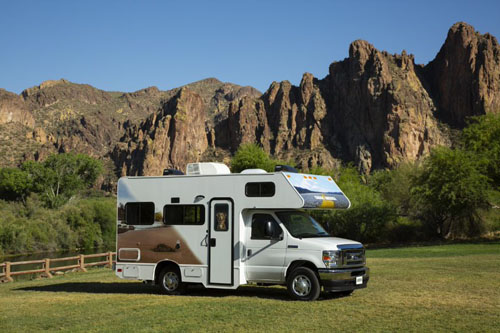
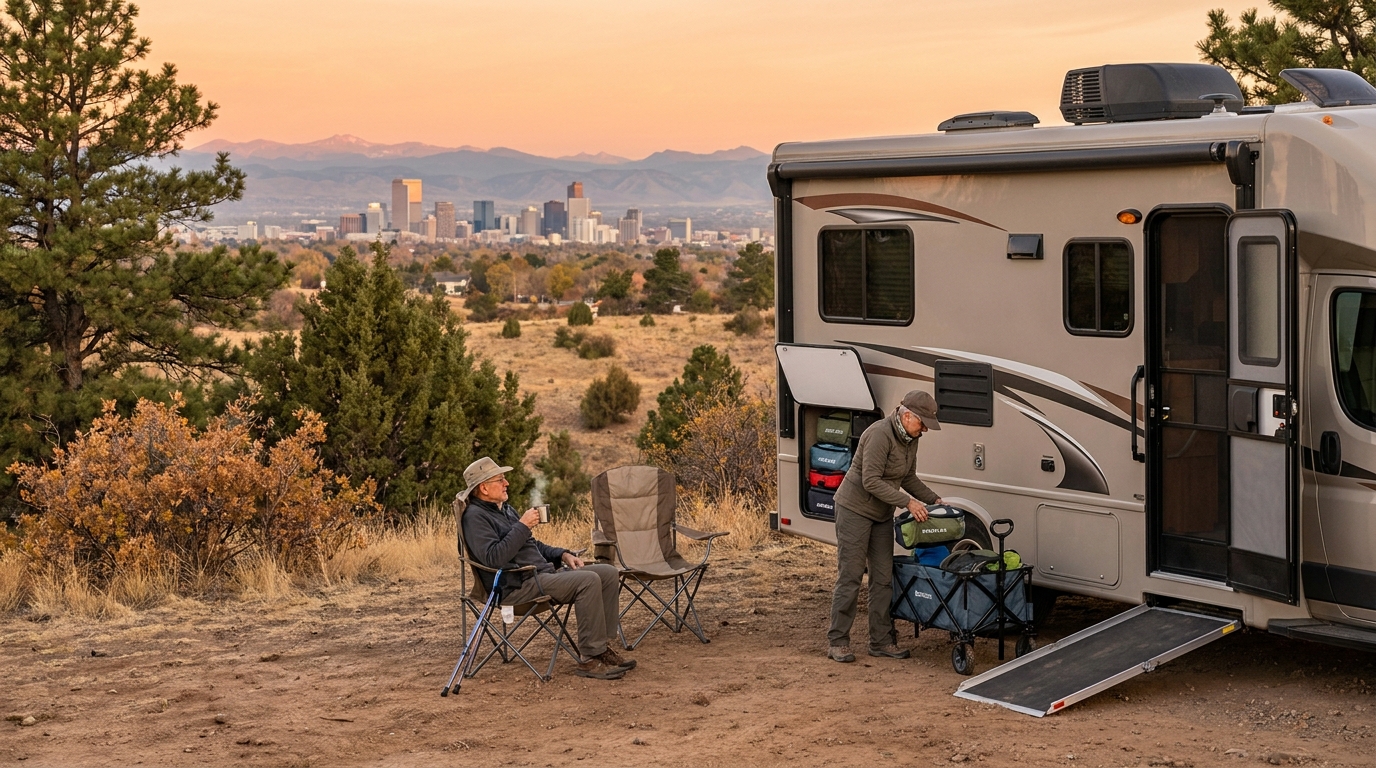
Imagine waking up to the crisp mountain air, a warm cup of coffee in hand, with the majestic Rocky Mountains painting your window view. This isn't a dream; it's the reality of exploring the Mile High City and its breathtaking surroundings in the comfort of a rented motorhome. Denver serves as the perfect launchpad for an unforgettable adventure, offering a blend of vibrant city life and unparalleled access to nature's grandeur. For seniors seeking a comfortable, flexible, and deeply rewarding way to travel, renting a campervan or mobile home opens up a world of possibilities at your own pace.
Here at Bandana RV, we've been helping travelers like you discover the freedom of the open road since 2001. We believe that life is now, and there’s no better way to embrace it than from the driver’s seat of a home-on-wheels. This guide is crafted with your comfort and peace of mind at the forefront, filled with practical tips to make your Denver RV experience smooth, safe, and absolutely spectacular. Let's get you ready for the journey of a lifetime.
Top 5 Tips for RV Rental in Denver
The top five tips for a successful RV rental in Denver involve planning your booking, choosing a suitable vehicle, preparing for the high altitude, confirming your rental details, and provisioning your vehicle in the city. Embracing these tips ensures a comfortable and stress-free journey through Colorado's stunning landscapes. Whether you're a pre-planner who loves having every detail arranged or a more spontaneous traveler, a little forethought goes a long way.
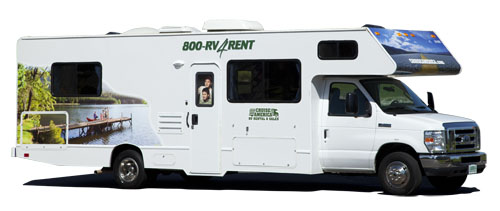
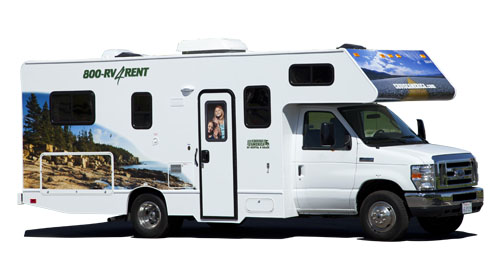
- Choose Your RV Wisely: Comfort is key. For senior travelers, we recommend considering a Class C motorhome or a spacious Class B campervan. These rented vehicles often feature walk-around beds, larger bathrooms, and more accessible living spaces. Think about your group size and desired amenities; a vehicle with automatic transmission and comfortable seating can make all the difference on a week-long trip.
- Plan for High Altitude: Denver sits at 5,280 feet, and your routes will likely take you higher. This affects both you and your vehicle. Allow a day or two in the Denver area to acclimate before heading into the mountains. Drink plenty of water. Your rented motorhome's engine will also have slightly less power, so plan to drive a bit slower up steep grades.
- Confirm Inclusions and Mileage: Before finalizing your booking, it’s vital to understand what's included. At Bandana, we pride ourselves on full transparency, so you'll see everything upfront. Check the mileage packages offered, as some routes through the Rockies can add up. Also, confirm if items like kitchen kits, bedding, and outdoor chairs are included or are available as add-ons.
- Provision in Denver: Before you head for the hills, stock up on groceries, water, and supplies in Denver. Larger supermarkets like King Soopers or Safeway near the rental depots offer better prices and variety than the smaller stores in mountain towns. This is a great way to manage your budget and ensure you have all your favorite essentials on hand.
- Travel Slowly and Enjoy the Journey: Our philosophy is to travel slowly, averaging a maximum of 100-150 km (about 60-90 miles) per day. This is especially important for seniors who want to avoid long, tiring days behind the wheel. Take time to feel the place, connect to the scenery, and pull over whenever a beautiful vista calls to you. That's the true freedom of RV travel.
Before You Book — Class, Dates, Insurance
Selecting the right vehicle class, booking for the best dates, and understanding your insurance coverage are the most critical steps to take before you book your Denver RV rental. A Class C motorhome is often a perfect balance for seniors, offering ample space without being overwhelming to drive. You'll find a standard car driver's license is sufficient for all rental models, with no special permits needed.
When choosing your vehicle, think about the layout. A model with a permanent rear bed is often more convenient than one requiring you to convert a dinette each night. Class B campervans are more compact and easier to maneuver, while still offering essential comforts like a kitchenette and often a small bathroom. Class A motorhomes provide the most space and luxury, and don't let their size intimidate you. Just drive slowly and carefully, and you can navigate almost anywhere without issues. Pay attention and use common sense, and you'll be fine. You can check out options and compare features in our "RV Rental Denver - Complete Guide 2026".
For dates, the peak season in Colorado runs from June through September. If you plan to travel then, it's wise to book a few months in advance. However, if you have flexibility, the shoulder seasons of May and October offer fewer crowds, beautiful scenery, and often lower prices. Don't stress about campgrounds booking up; many national and state parks only reserve about 30% of their spots, leaving the rest for first-come, first-served arrivals.
Finally, every rental includes basic insurance. During the booking process, you'll see clear options for upgrading your coverage. For extra peace of mind, you can upgrade to a top-level deductible reimbursement, which significantly reduces your financial liability in case of an incident. We make sure there are no surprises or hidden fees, so you can choose the plan that best suits your comfort level.
Pre-Trip Prep — Packing Checklist for Denver
A well-thought-out packing list for your Denver RV trip should prioritize layers of clothing, essential documents, and basic supplies for comfort and safety. Colorado's mountain weather can change in an instant, so being prepared for sun, rain, and cool evenings is essential. Your rented RV will come with the basics, but a few personal touches will make it feel like home.
Clothing & Gear:
- Layers: Pack lightweight shirts, fleece jackets, and a waterproof/windproof outer layer. This allows you to adapt to changing temperatures from morning to evening.
- Comfortable Footwear: Bring sturdy walking shoes or hiking boots for exploring trails, and a comfortable pair of slippers or sandals for inside the camper.
- Sun Protection: The sun is more intense at high altitudes. Pack a wide-brimmed hat, sunglasses, and high-SPF sunscreen.
- Rain Gear: A lightweight rain jacket or poncho is a must for unexpected afternoon showers, common in the Rockies.
Kitchen & Supplies:
- Basic Groceries: While you'll shop in Denver, it's helpful to bring small quantities of your favorite spices, coffee, or tea.
- Reusable Water Bottles: Staying hydrated is crucial at altitude. Reusable bottles are eco-friendly and easy to refill.
- Easy Meals: Plan for some simple one-pot meals. If you want some inspiration, check out our RV-friendly recipes playlist for delicious and easy ideas.
Documents & Safety:
- Essential Paperwork: Don't forget your driver's license, rental agreement, and any campground reservation confirmations.
- First-Aid Kit: A basic kit with bandages, pain relievers, and any personal medications is a good idea.
- Navigation: Bring a physical road atlas or download offline maps, as cell service can be spotty in the mountains. For finding campsites, we always recommend using RV PLANET (rvplan.net) to locate available spots along your route.
On the Road — Driving, Fueling, Navigation
When on the road in your rented RV around Denver, the key is to use lower gears on mountain roads, plan your fuel stops strategically, and utilize RV-friendly navigation tools. Driving a motorhome in the mountains is a unique experience, but it's completely manageable and offers incredible rewards. Remember, there's no need to rush; the journey itself is the destination.
Driving in the mountains requires a different approach than on flat highways. When ascending steep grades, your engine will work harder due to the altitude. Shift into a lower gear to maintain a steady RPM without over-revving. On descents, use that same lower gear to let the engine do some of the braking for you. This technique, known as engine braking, helps prevent your brakes from overheating. Always allow for extra stopping distance and take turns wider than you would in a car. Many scenic byways, like the Peak to Peak Highway, are perfectly suited for a rented camper.
🎬 Video coming soon
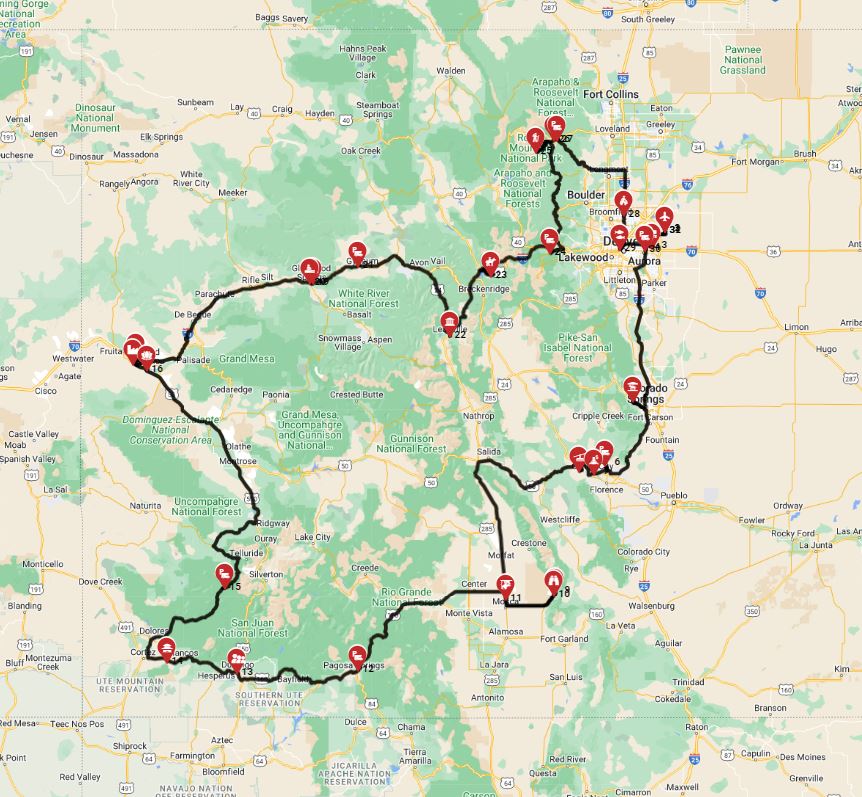
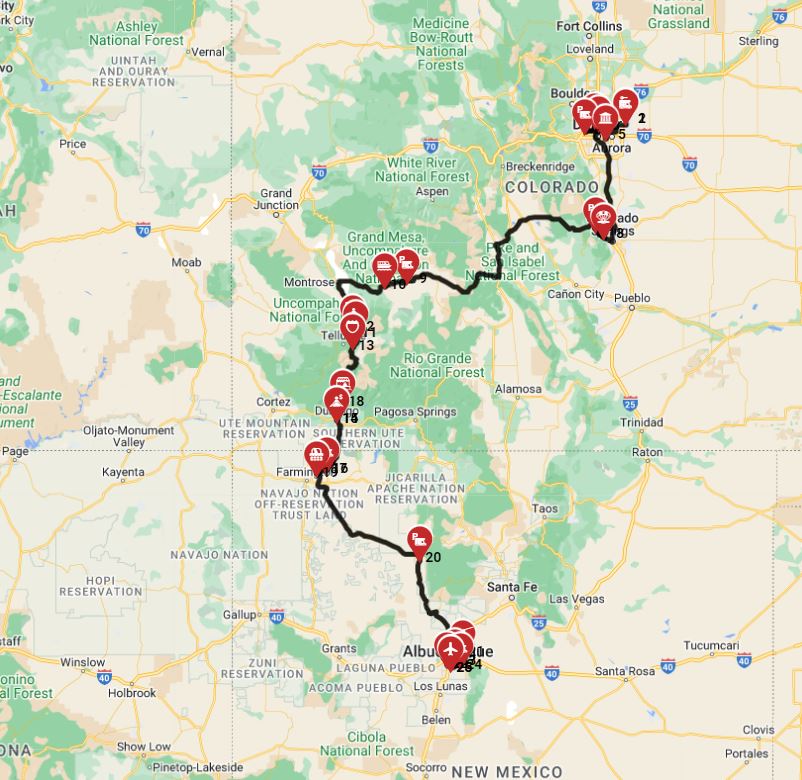
Fuel stations can be sparse in rural and mountainous areas. A good rule of thumb is to never let your tank go below half-full. Fill up in larger towns like Idaho Springs, Estes Park, or Silverthorne where prices are generally better. An RV-specific GPS or an app like Google Maps with your vehicle's height and length entered can help you avoid low-clearance bridges or overly tight roads. However, always have a physical map as a backup. Get inspired for your next trip and consider pre-planned routes for maximum enjoyment with minimal effort. The RV PLANET (rvplan.net) sister site has fantastic options, and you even get a 25% planning discount when you use it.
At the Campground — Setup, Hookups & Etiquette
Properly setting up your rented motorhome at the campground involves leveling the vehicle, connecting your utilities in the correct order, and observing general etiquette for a peaceful stay. Your first time might take a few minutes, but you'll quickly become a pro. Arriving at your spot for the night with daylight to spare makes the process much more relaxed.
First, find the most level part of your campsite. Use leveling blocks under the wheels if necessary to get the vehicle as flat as possible. This is important for the refrigerator to function correctly and for your general comfort. Once you're level, you can extend any slide-outs your motorhome might have. Next, it's time for the hookups. Always connect in this order: sewer, water, then electricity. The sewer hose connects with a secure, airtight fitting. When connecting the water hose, always use a water pressure regulator to protect the RV's plumbing from high-pressure campground systems. Finally, plug in your electrical cord to the site's power pedestal.
Campground etiquette is all about being a good neighbor. Respect quiet hours, which are typically from 10 p.m. to 8 a.m. Keep your site tidy and properly dispose of all trash. Always adhere to local fire restrictions; if there's a burn ban, it's for a very good reason. By being a considerate camper, you help ensure a pleasant experience for everyone. Many travelers enjoy a "One-Way RV Rental in Denver - Price Guide 2026" to explore further afield without having to backtrack.
RV Rental-Specific Tips for Denver
For seniors enjoying a Denver RV rental, prioritizing accessible layouts, comfortable beds, and planning for shorter driving days will greatly enhance the trip. Denver's unique position as a gateway to the Rockies presents specific opportunities and considerations for different types of travelers. As true RV specialists, not just a travel agency side department, we've gathered insights to help you tailor your adventure perfectly.
A rented motorhome with a ground-level permanent bed (often found in Class C or select Class A models) can be more comfortable and convenient than climbing into an over-cab bunk. Look for layouts with spacious bathrooms and easy-to-navigate kitchens. Shorter driving days of 2-3 hours allow plenty of time for leisurely stops, scenic viewpoints, and relaxing afternoons at the campground. Don't try to cover too much ground too quickly. The joy of a mobile home is having your home with you, so take the time to settle in and enjoy each location.
If you're on a budget, consider staying at state parks like Chatfield or Cherry Creek State Park near Denver. They offer beautiful settings with hookups at a fraction of the cost of private RV resorts. For those seeking a more premium experience, look into a "Luxury RV Rental in Denver - Premium Prices 2026". Many suppliers offer high-end Class A motorhomes with amenities like residential-sized refrigerators, multiple TVs, and even fireplaces. No matter your style, we're here to help with pre-booking comparisons and booking support to find the perfect fit. God is in the small details, and we take care of them.
Common Mistakes to Avoid in Denver
The most common mistakes to avoid with an RV rental in Denver include underestimating the impact of altitude, not booking campgrounds for popular parks in advance, and neglecting to provision in the city. A little awareness can help you sidestep these common pitfalls and ensure a smooth, enjoyable road trip from the moment you pick up your keys.
First and foremost, respect the altitude. Pushing yourself too hard on the first day or not drinking enough water can lead to altitude sickness. Take it easy, stay hydrated, and allow your body to adjust. This also applies to your rented RV; expect it to be a bit more sluggish on mountain climbs and plan accordingly. Second, while many campsites are available first-come, first-served, if your heart is set on a specific campground inside Rocky Mountain National Park during July, it's wise to reserve a spot. For most other situations, calling ahead a day or two before you arrive is a great strategy to find a spot. You'll find a place, if not at the first campground, then the next one.
Another mistake is waiting to buy groceries until you're in a small mountain town. The selection is limited, and the prices are significantly higher. The area around Denver International Airport (DIA) has plenty of large stores. Stocking up before you leave is a simple way to save money and hassle. Lastly, avoid overpacking. A heavier motorhome uses more fuel and can be more challenging to drive. Stick to the essentials and enjoy the simplicity of life on the road. On the routes offered through RV PLANET routes, you can itemize and track every expense along the way for easy budgeting.
What to know before renting an RV?
Before renting an RV in Denver, it's crucial to understand the rental agreement, choose a vehicle size appropriate for mountain driving, and familiarize yourself with the basics of RV systems like water and propane management. Knowing these details upfront ensures you are fully prepared for the adventure ahead. Being an informed renter is the first step to a fantastic trip.
First, carefully review the rental agreement details from our partners like El Monte or Cruise America. We ensure full transparency, so pay attention to the included mileage, any fees for generator usage, the insurance deductible, and what's included in convenience kits. This prevents any surprises down the road. Second, choosing the right RV size is about comfort and confidence. Class B and C motorhomes are often great choices for Colorado's mountain roads, as they are easier to handle on winding routes. Remember, a standard car driver's license is all you need for any class of rental motorhome.
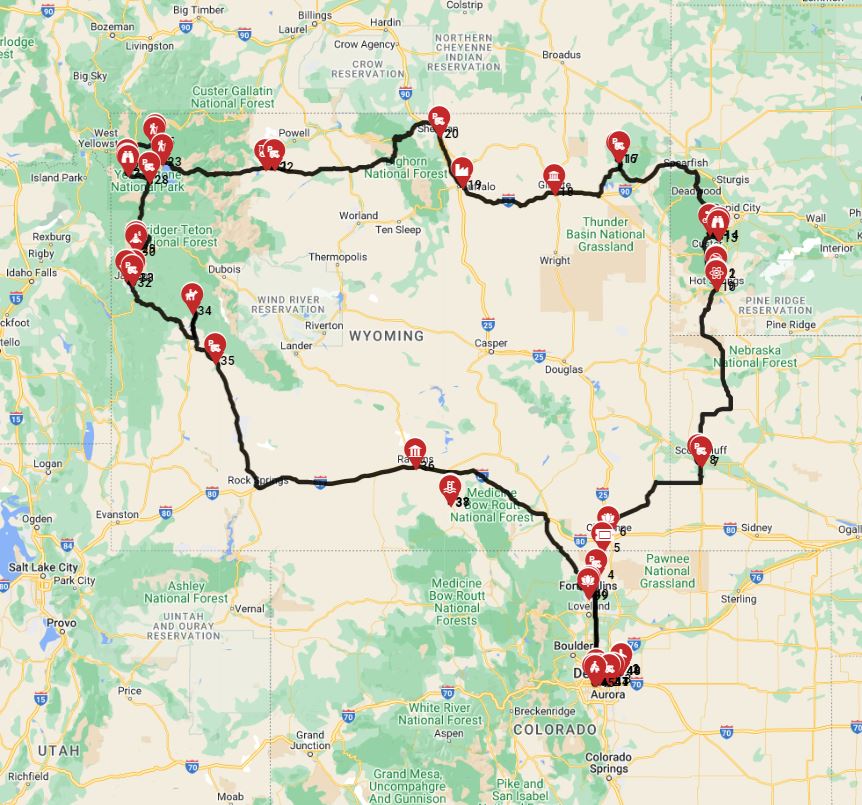
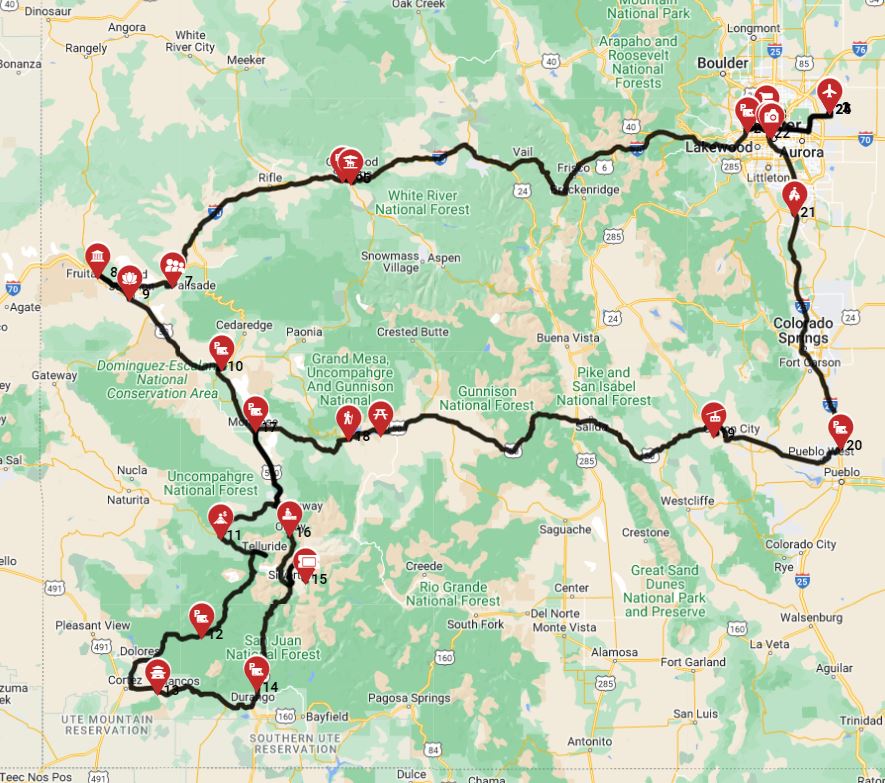
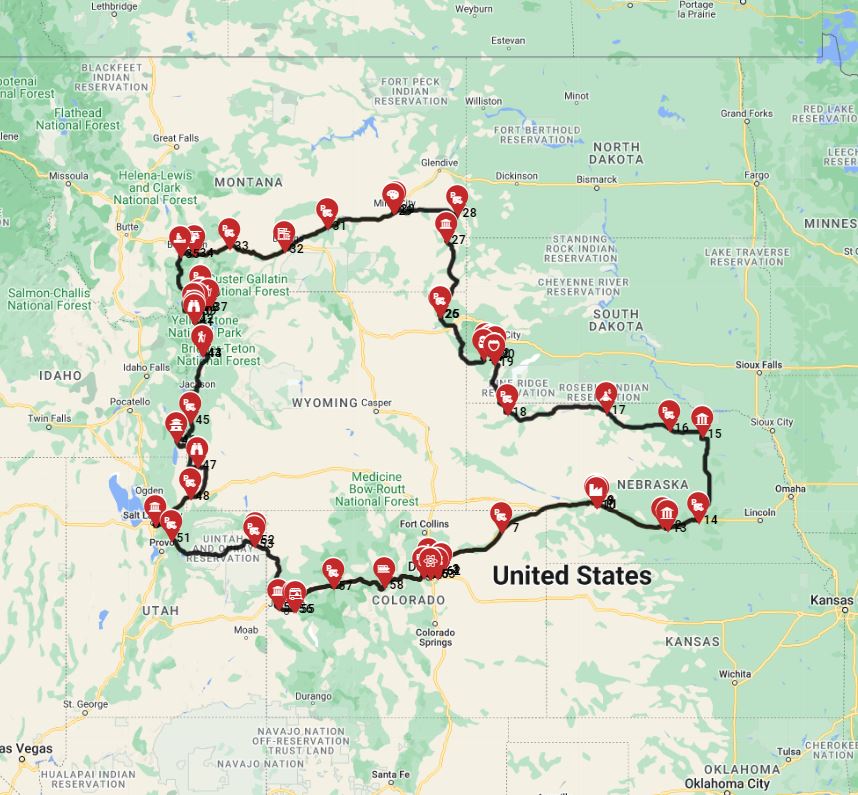
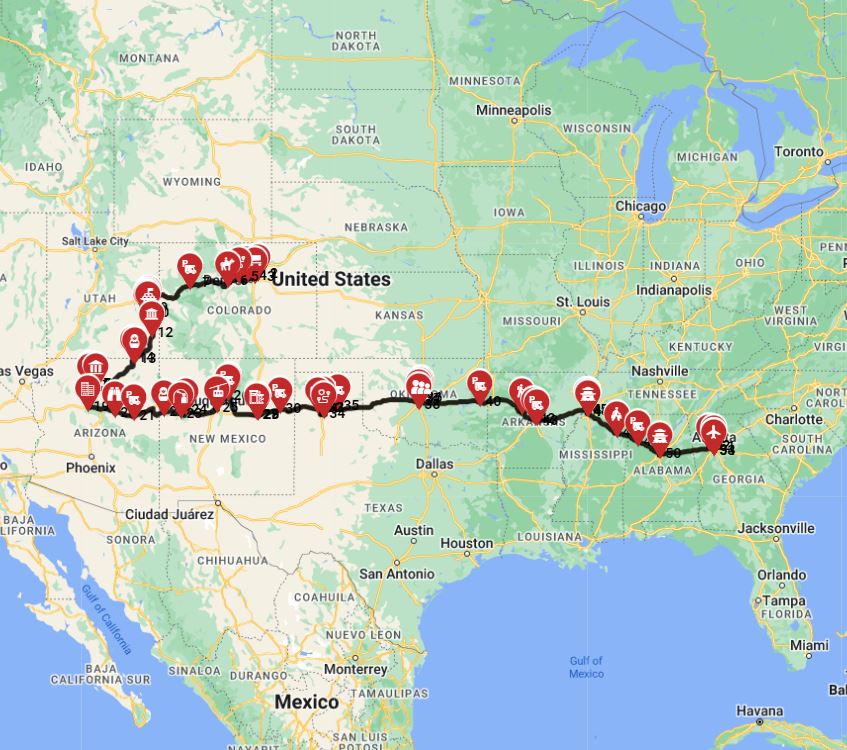
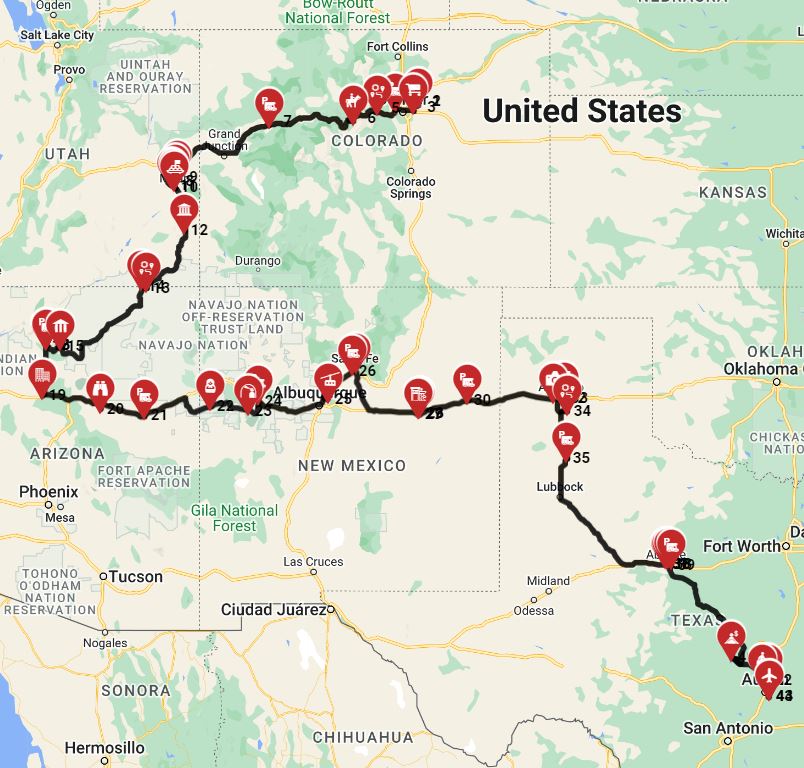
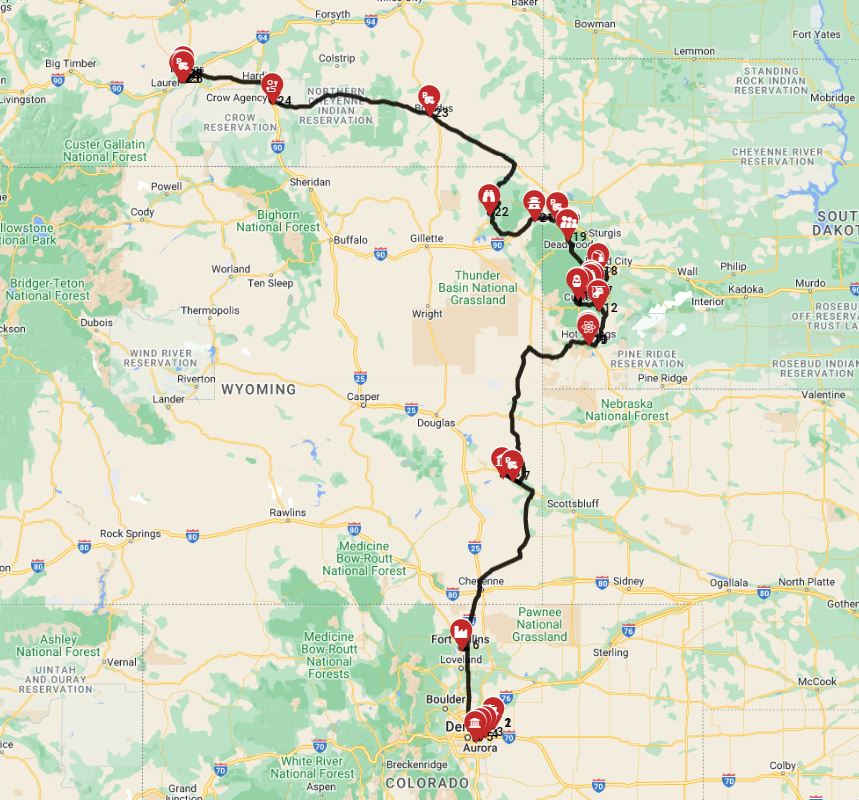
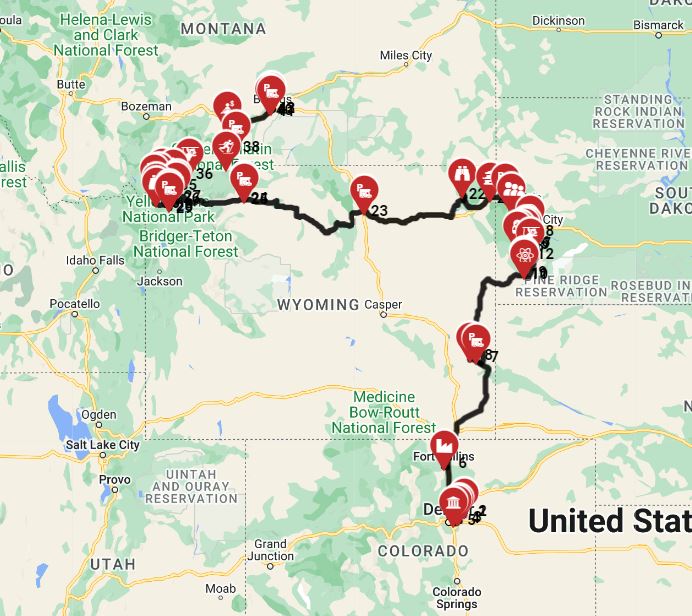
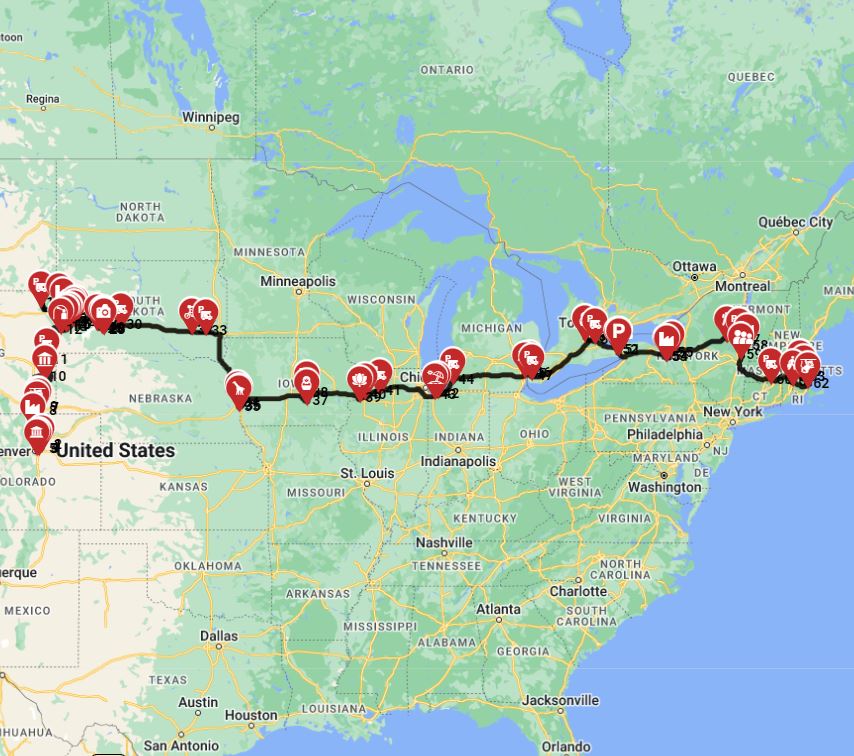
Finally, get acquainted with the RV's systems. During your pickup orientation, you'll learn how to manage the fresh, gray, and black water tanks, monitor propane levels, and operate the appliances. It might seem like a lot at first, but it's very straightforward. Understanding these systems, especially how they might be affected by elevation, will make your trip comfortable and worry-free. For a truly seamless experience, consider a pre-planned route like the "Billings to Denver - Wild West by RV: A Camper Route Planner Journey", a 13-day itinerary that takes all the guesswork out of planning.
How much to rent an RV for a week in Colorado?
The total cost to rent an RV for a week-long trip in Colorado typically ranges from $1,500 to $4,300, depending on the vehicle size, season, and your travel style. This estimate includes the base rental fee plus ancillary costs like fuel, campground fees, and provisions. Prices are dynamic, much like airline tickets, so the final price is set at the time of booking.
Let's break down the potential costs for a 7-night adventure:
- RV Rental Fee: The base rental for a week can range from $1,000 for a compact campervan in the shoulder season to $2,800 or more for a large Class C or Class A motorhome during the peak summer months. You can explore different options with our guide "Weekly RV Rental in Denver - Pricing 2026".
- Fuel: Budget approximately $300-$800 for fuel. Rented motorhomes typically get 6-12 miles per gallon, and driving in mountainous terrain is less fuel-efficient. This estimate covers about 500-1000 miles of travel.
- Campground Fees: Plan for $140-$700+ for campsites. State park campgrounds are very affordable, often $20-$40 per night. Private RV parks with full hookups and amenities can range from $50-$100+ per night. Dispersed camping in national forests is often free.
- Other Expenses: Factor in about $200-$500 for groceries, plus costs for national park entry fees (like Rocky Mountain National Park's $35 fee for a 7-day vehicle pass), activities, and dining out.
By using RV PLANET routes, you can itemize and track every single expense along the way, making it incredibly easy to create and stick to a budget. This tool gives you full control over your trip costs, ensuring no financial surprises. To get the best value, check out our "Cheap RV Rental in Denver - Budget Guide 2026".
What You Shouldn't Miss
- Drive the Peak to Peak Scenic Byway: This stunning 55-mile route offers incredible views of the Continental Divide and is easily accessible from Denver. It's a perfect, manageable day trip in a rented motorhome, connecting the historic towns of Black Hawk and Estes Park.
- Explore Rocky Mountain National Park: Just a 90-minute drive from Denver, this iconic park is a must-see. Drive the famous Trail Ridge Road (check for seasonal closures), look for elk and bighorn sheep, and take a gentle stroll around Bear Lake.
- Visit Garden of the Gods: Head south to Colorado Springs to witness these dramatic red rock formations. The park has paved, accessible trails, making it easy for everyone to enjoy the scenery. The main loop road is RV-friendly.
- Relax in Idaho Springs: Soak in the natural hot springs at the Indian Hot Springs resort. It's a wonderfully relaxing experience after a few days of exploring and a great way to ease into your high-altitude adventure.
- Stroll through Downtown Estes Park: This charming mountain town is the gateway to Rocky Mountain National Park. Enjoy the riverside walk, browse the unique shops, and grab a bite to eat with beautiful mountain backdrops.
- Experience the Georgetown Loop Railroad: Take a ride on this historic narrow-gauge steam train that winds through the mountains between Georgetown and Silver Plume. It's a fantastic, low-impact way to experience Colorado's mining history and scenery.
Final Thoughts
A rented motorhome trip starting from Denver is more than just a vacation; it's an opportunity to create lasting memories at your own pace, wrapped in the comfort of your home on wheels. It’s the freedom to follow a winding mountain road, to linger an extra day in a place that captures your heart, and to wake up to some of the most spectacular scenery in North America right outside your door.
We hope these tips give you the confidence and inspiration to embark on your own Colorado adventure. Remember to travel slowly, stay hydrated, and most importantly, enjoy every moment. From the initial planning stages to the day you hit the road, our team of true RV specialists is here to ensure your journey is as smooth and transparent as possible. The Rockies are calling!
Find Motorhome Rentals in Denver