In This Guide
- Top 5 Tips for rv rental RV Rental in West Europe
- Before You Book — Class, Dates, Insurance
- Pre-Trip Prep — Packing Checklist for West Europe
- On the Road — Driving, Fueling, Navigation
- At the Campground — Setup, Hookups & Etiquette
- RV Rental-Specific Tips for West Europe
- Common Mistakes to Avoid in West Europe
- How much does it cost to rent an RV in Europe and travel Europe in an RV
- What is the best month to RV in Europe
- What documents do I need to rent an RV in Europe and can I drive an RV in Europe with a US license
- Is it easy to drive an RV in Europe
- Where can I park an RV overnight in Europe
- How many days do you need for an RV trip in Europe
Top 5 Tips for rv rental RV Rental in West Europe
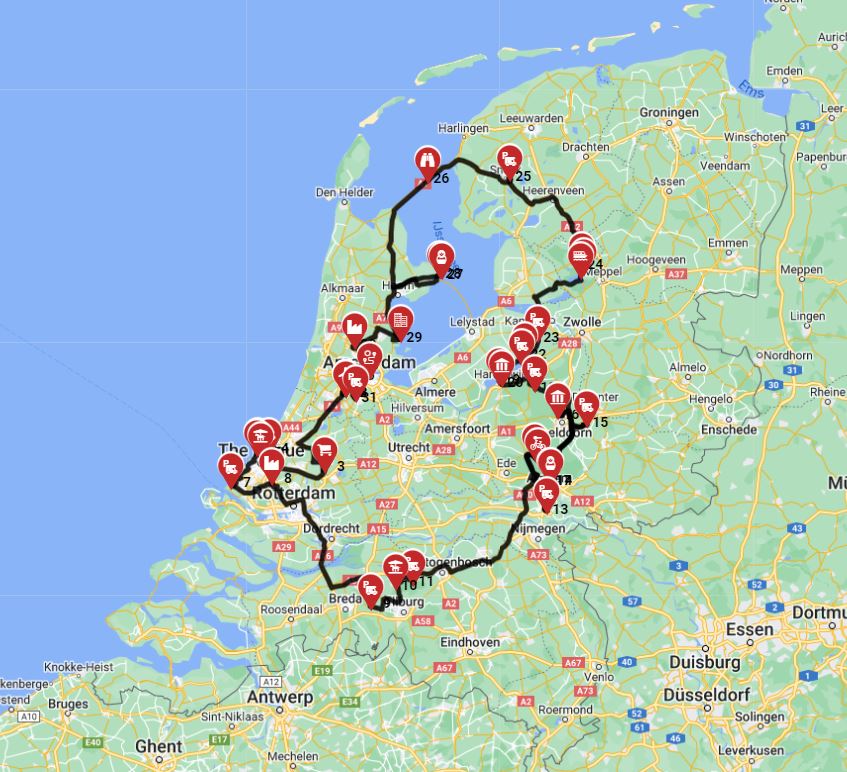
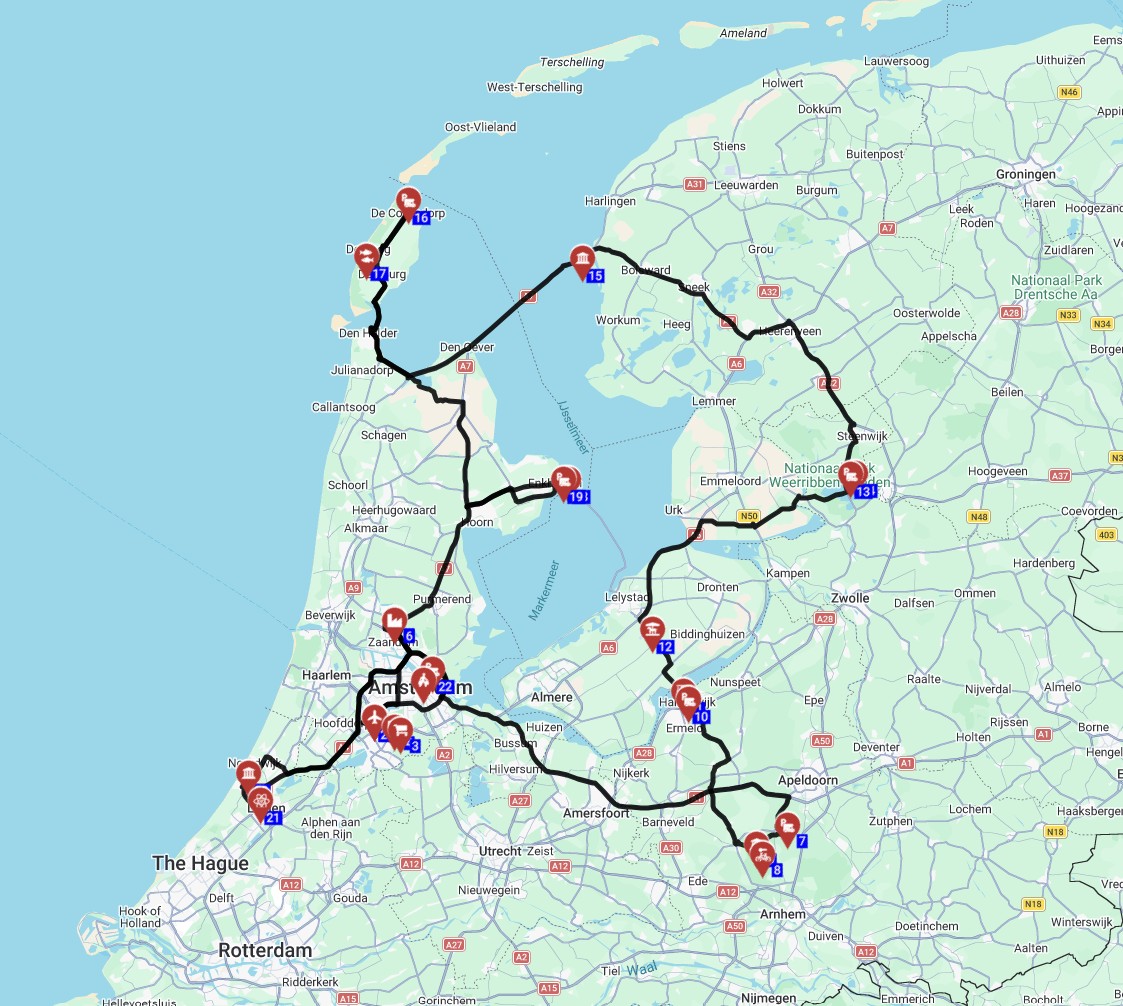
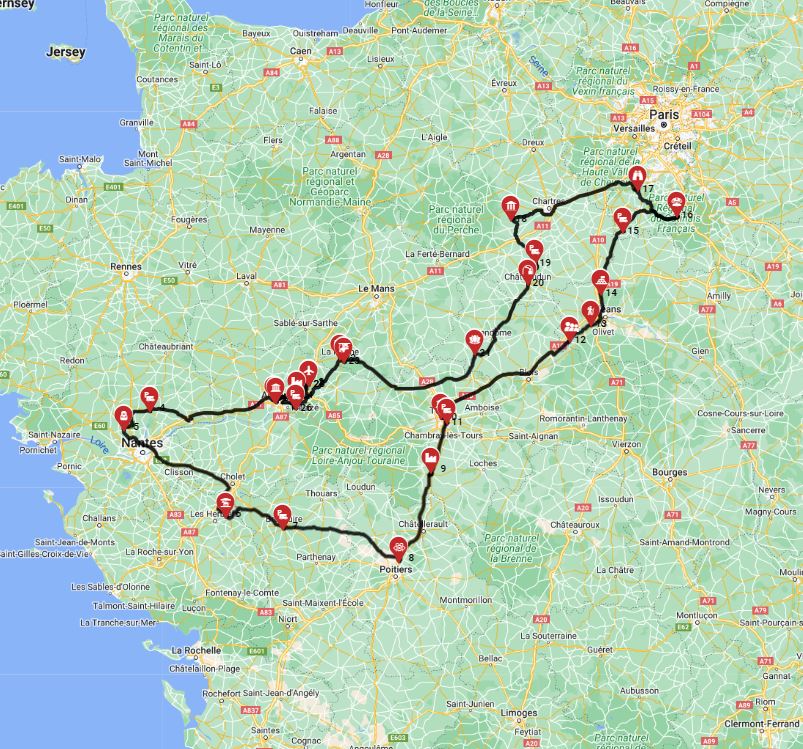
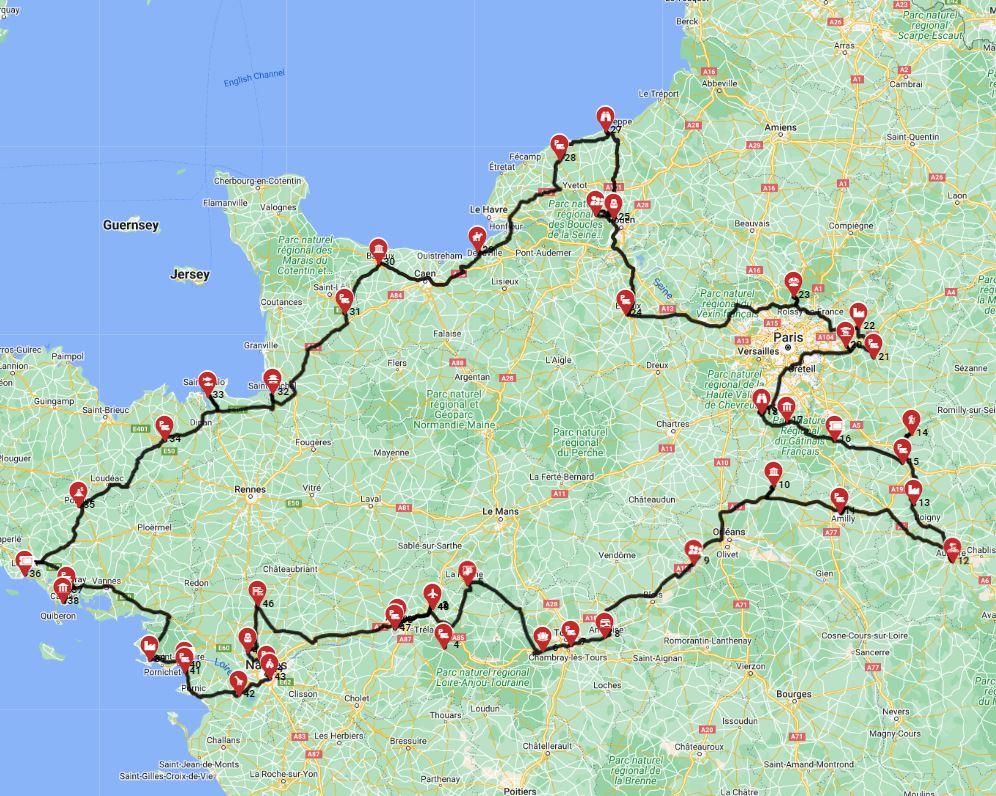
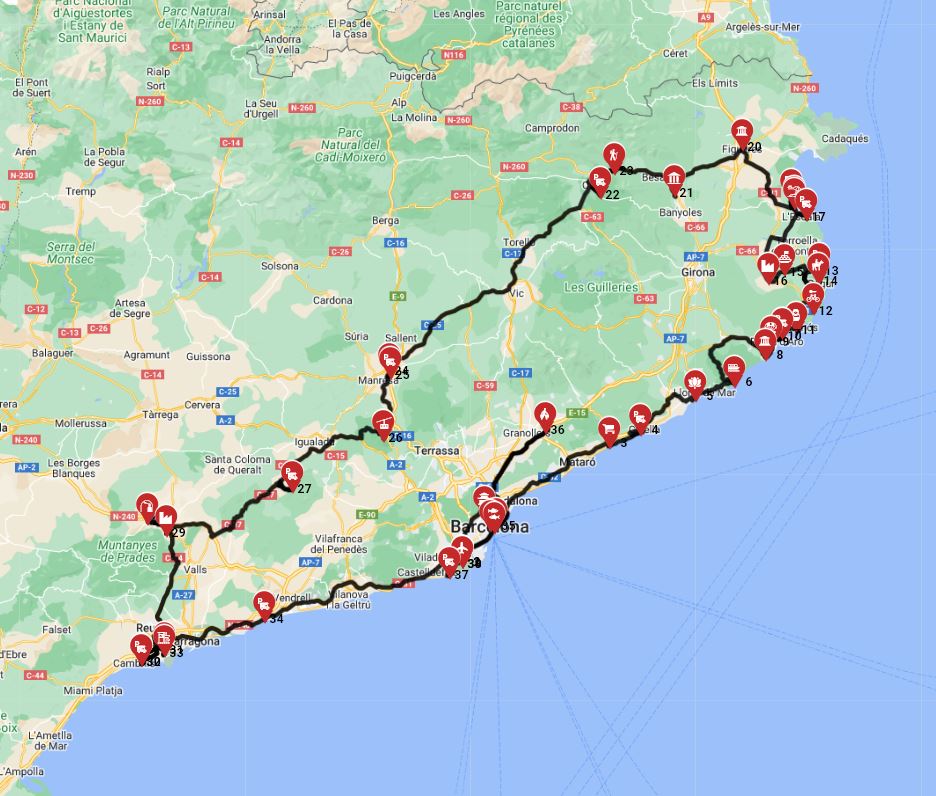
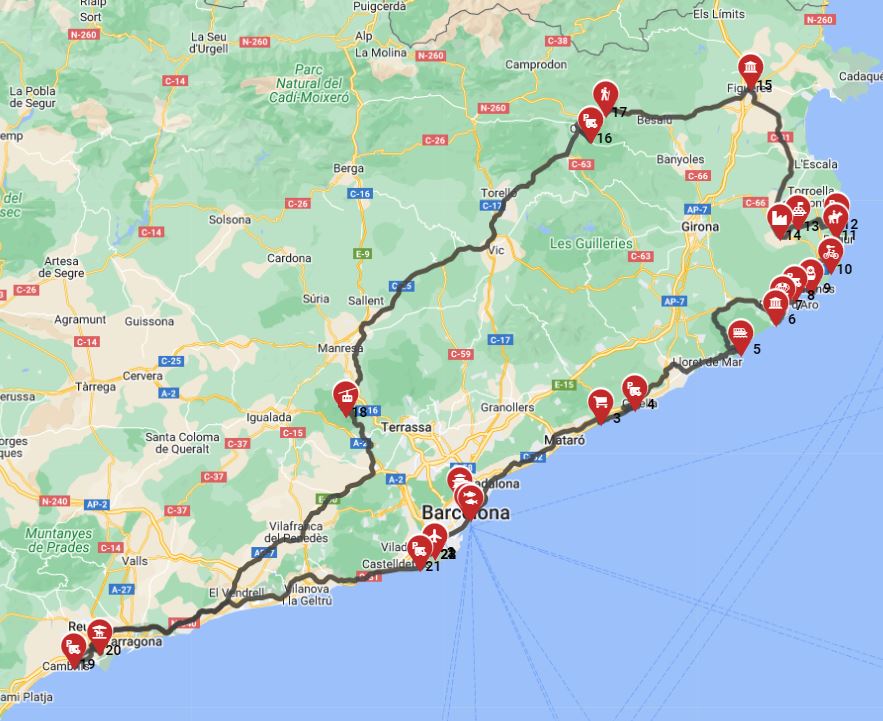
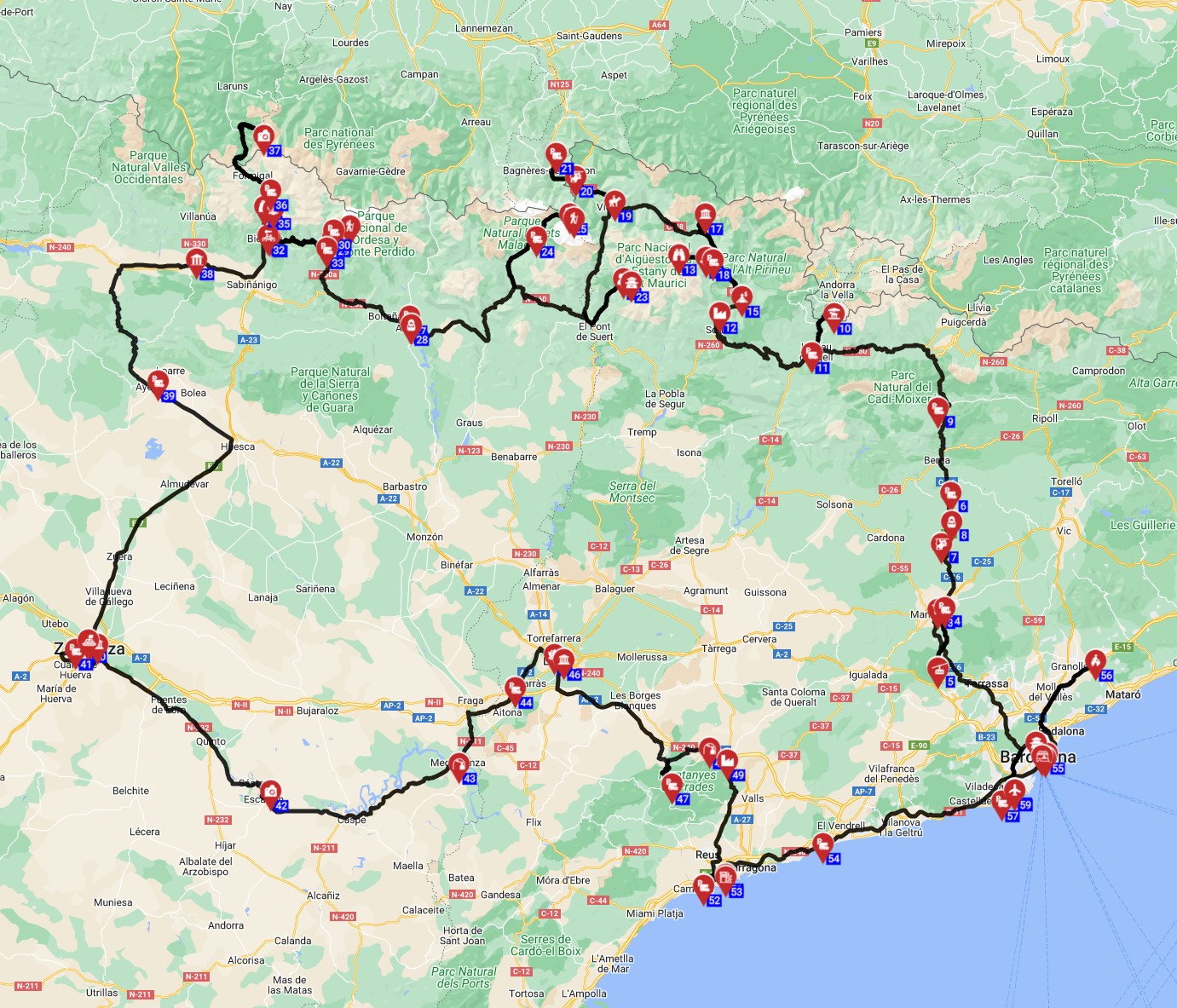
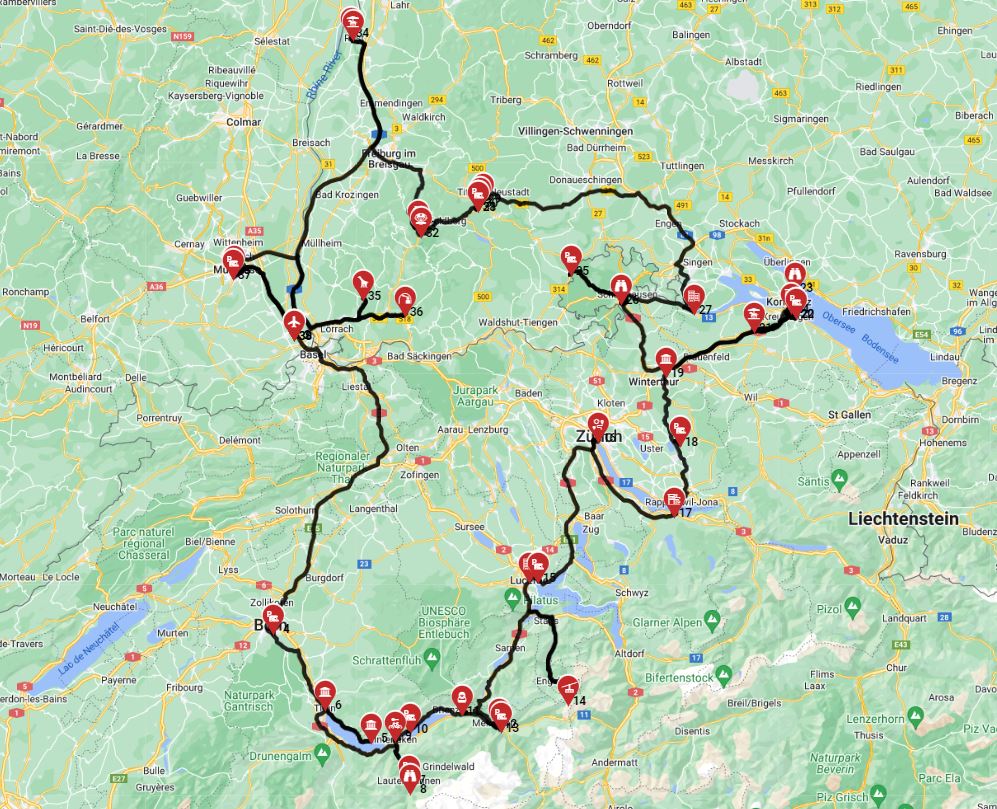
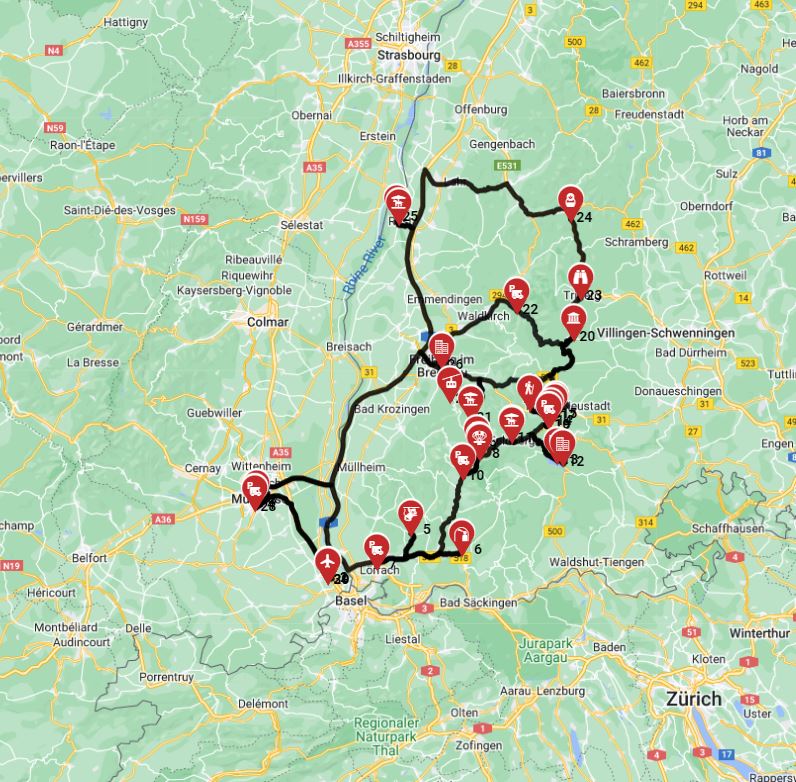
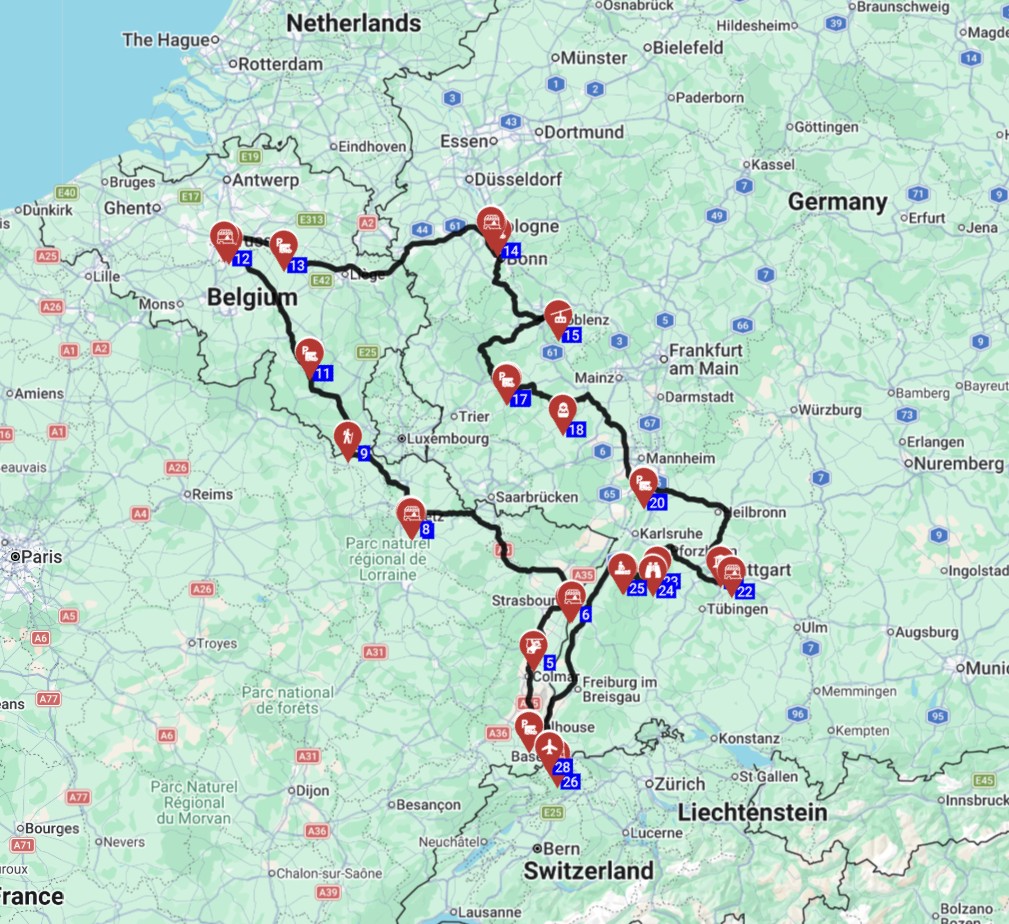
Embarking on an RV adventure in West Europe offers unparalleled freedom to explore diverse landscapes and cultures. To make the most of your journey, consider these essential tips for RV rental. Booking your motorhome early, especially for peak season travel like summer or major European holidays, is crucial to ensure vehicle availability and often secures better rates. When choosing your RV, understanding the different size classifications prevalent in Europe is key, as many roads and parking spots can be narrower than you might be used to, requiring a vehicle that balances comfort with maneuverability. Always research specific country regulations before you depart; this includes understanding toll systems, the need for vignettes (toll stickers), and any potential city access restrictions or environmental zones that might apply to larger vehicles. Don't forget to factor in all potential costs beyond the rental itself, such as fuel (which can be pricier than in North America), various campsite fees, and potential international driving permit fees. Finally, plan a flexible itinerary; while having a route in mind is helpful, allowing for spontaneity and the discovery of unexpected sights will truly enhance your West Europe RV experience. For personalized advice tailored to your specific trip, consider exploring curated route plans or consulting with travel experts. You'll find a comprehensive overview of RV rental in West Europe in our RV Rental West Europe - Complete Guide 2026 guide. On the routes offered through RV PLANET routes, you can itemize and track every expense along the way for easy budgeting.
Before You Book — Class, Dates, Insurance
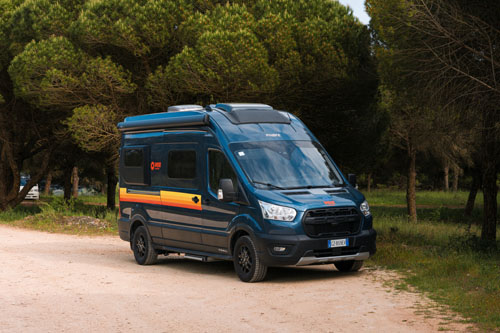
Selecting the right RV class for your West Europe adventure is a balancing act between desired comfort and practical maneuverability, especially when considering the diverse road conditions you might encounter. Larger families or groups of friends might gravitate towards spacious Class A or C motorhomes, like the rv rentals example Comfort Class, which offers ample living space and sleeping arrangements for up to six. If you prefer something more compact and agile, a Class B campervan, such as the hire campervan example Paradise S/T, might be a better fit for navigating narrower streets and finding parking in historic towns. Locking in your rental dates well in advance is paramount, particularly if you're planning to travel during peak summer months or around major European holidays, as this can significantly impact pricing and ensure the availability of your preferred vehicle. When it comes to insurance, remember that basic coverage is typically included with your rental. However, it's wise to review the options for enhanced protection. For instance, you can upgrade to a top-level deductible reimbursement for added peace of mind, allowing you to travel with confidence. To explore pricing that includes the most comprehensive coverage, simply select that option during your search, and all relevant insurance choices will be displayed.
Pre-Trip Prep — Packing Checklist for West Europe
A well-prepared packing list is essential for a comfortable and efficient RV trip in West Europe. Your rented motorhome will likely come equipped with basic amenities, but it’s always best to verify what’s included and pack accordingly to address various climates and activities. Ensure you have all necessary documents: passport, visas (if required), your valid driver's license, and any vehicle rental or travel insurance information. Consider having digital and physical copies of important documents. For clothing, think layers – t-shirts, long-sleeved shirts, sweaters, and a reliable waterproof and windproof jacket are crucial. Comfortable walking shoes or hiking boots are a must, as is a pair of sandals or flip-flops. Don't forget essentials like a hat, sunglasses, and sunscreen, even if traveling in cooler months. In the kitchen, reusable water bottles, a small cooler or insulated bag, basic cooking spices, oil, and your preferred coffee or tea supplies will enhance your onboard dining experience. Reusable shopping bags are also a practical addition for market visits. For safety and health, pack a basic first-aid kit, any personal medications, hand sanitizer, wet wipes, and insect repellent. Many European countries mandate carrying high-visibility vests and warning triangles in vehicles, so check if these are included or need to be packed. For navigation and connectivity, consider a European SIM card or a portable Wi-Fi device. RV-specific GPS systems or navigation apps that account for vehicle dimensions (like Sygic RV or Campercontact) are invaluable for avoiding restricted zones, low bridges, and navigating urban areas. Essential tech items include a power bank for devices and all necessary charging cables. A comprehensive packing list ensures you can fully enjoy your West Europe RV rental adventure. For ideas you can prep on the road, watch our RV-friendly recipes playlist on YouTube.
On the Road — Driving, Fueling, Navigation
Navigating West Europe by RV requires an understanding of local driving customs, fueling procedures, and effective navigation strategies, which can differ significantly from driving smaller vehicles. Many European roads, especially in charming historic towns and rural areas, are narrower than those typically found in North America, necessitating careful maneuvering and constant awareness of your RV's dimensions. Utilizing GPS systems specifically designed for larger vehicles, alongside offline maps and reliable navigation apps, is highly recommended. These tools can help you avoid restricted zones, low bridges, weight-restricted roads, and city-specific access charges, ensuring a smoother journey. When it comes to fueling your rented motorhome, it's vital to understand the correct fuel type required (diesel is most common for RVs) and to locate fuel stations that can accommodate larger vehicles. Apps or road signage can help you find suitable stations. For broader trip planning, our guide to RV Rental Europe - Complete Guide 2026 covers general continent-wide advice, while country-specific details are crucial for a seamless experience. You can also compare pricing for various RV types in our RV Rental in West Europe - Prices and Best Deals 2026 guide.
At the Campground — Setup, Hookups & Etiquette
Setting up your RV at a European campground is a systematic process that adheres to a specific sequence for hookups and emphasizes adherence to local etiquette. This ensures a pleasant and respectful experience for all campers. Upon arrival at your designated pitch, the typical sequence is to first level your RV. Following that, connect to the electricity hookup, then to the potable water supply. Finally, manage your grey and black water waste disposal at the designated service points, a common practice at most European campgrounds. Respecting quiet hours, which are usually observed from late evening until morning, is fundamental to campground etiquette. Maintaining clean common areas and being mindful of neighboring campers through noise reduction are also key aspects of ensuring a harmonious environment. Many campgrounds offer various services, from basic pitches to those with full amenities like laundry facilities. For a deeper dive into what to expect, consider resources that detail campground specifics for West Europe. You can find additional travel tips in our RV Travel Guide to West Europe - Tips and Top Spots 2026.
RV Rental-Specific Tips for West Europe
Tailoring your RV rental experience in West Europe to your specific travel profile can significantly enhance both enjoyment and efficiency, from the initial vehicle choice to the final itinerary planning. For families traveling with children, prioritizing RVs with separate sleeping areas or integrated entertainment options can make drives more nap-friendly and evenings more comfortable. Seniors might find lower-profile vehicles with easier access, automatic transmissions, and dedicated navigation systems more conducive to relaxed touring. Budget-conscious travelers can optimize costs by researching free or low-cost overnight parking options, such as the popular 'stellplatze' in Germany or 'aires' in France, and by cooking most meals in their RV. Opting for smaller, more fuel-efficient models can also reduce overall travel expenses. For those seeking a more luxurious experience, premium add-ons like satellite TV, higher-end models with spacious interiors, and pre-booked serviced pitches at exclusive campgrounds can elevate comfort and convenience. To find the best deals, explore our RV Rental Deals in West Europe - Latest Offers 2026. For specific vehicle types like campervans, check out options featured in Campervan Hire in West Europe - Costs and Deals 2026.
Common Mistakes to Avoid in West Europe
Avoiding common pitfalls can significantly improve your RV rental experience in West Europe, ensuring a smoother, more enjoyable, and stress-free journey. One frequent mistake is underestimating driving times; always allow extra time for travel, especially on scenic routes or in dense urban areas prone to traffic. Rather than neglecting country-specific regulations, thoroughly research tolls, environmental zones (like ZTLs in Italy), weight restrictions, and mandatory safety equipment for each country on your itinerary to avoid hefty fines. Instead of overpacking, learn to utilize the compact storage solutions in your RV efficiently and plan for laundry stops, as interior space is often limited. Another common oversight is relying solely on credit cards; carrying some local currency is advisable for smaller purchases, parking meters, or emergencies, particularly in more rural areas. Finally, instead of ignoring local cultural norms, familiarize yourself with basic etiquette regarding parking, noise levels, waste disposal, and general interaction with locals to ensure respectful and pleasant travel. You can find more specific tips in our RV Travel Guide to West Europe - Tips and Top Spots 2026 article.
How much does it cost to rent an RV in Europe and travel Europe in an RV
The overall cost to rent an RV in Europe and travel across the continent can vary widely, with daily rental rates typically ranging from €70 to €200 for the rental itself, depending on the RV class, season, and rental company. Additional expenses for fuel, tolls, campsites, and groceries must also be budgeted for. Rentals during peak season, generally June through August, are often more expensive, while traveling in the off-season can offer better value. A realistic budget for an RV trip in West Europe should account for fuel costs, which can be higher than in North America. Daily campsite fees can range from €10 for basic spots to €50 or more for full-service resorts. Factor in road tolls or vignette costs (required in countries like Switzerland and Austria) and your grocery expenses. To optimize costs, consider cooking most meals in the RV, choosing free or low-cost overnight spots such as 'aires' in France or 'stellplatze' in Germany, and practicing fuel-efficient driving techniques for your larger vehicle. Booking a smaller, more fuel-efficient RV can also significantly reduce overall travel costs, as can purchasing a regional SIM card for navigation and communication rather than relying on expensive international roaming. For detailed pricing and deal comparisons, explore our RV Rental in West Europe - Prices and Best Deals 2026 guide.
What is the best month to RV in Europe
The best months to RV in West Europe are generally considered to be May, June, and September. These months typically offer pleasant weather, fewer crowds compared to the peak summer season, and a good balance of open services at campgrounds and attractions. Traveling in spring (April-May) provides the added benefit of blooming landscapes and mild temperatures, which are ideal for exploring cities and natural parks before the intense summer heat arrives. Autumn (September-October) offers the spectacle of vibrant fall foliage, comfortable temperatures for hiking, and opportunities to experience local harvest festivals. While summer (July-August) is characterized by warm weather and bustling tourist areas, it also requires booking campgrounds well in advance. Winter RV travel (November-March) is best suited for more experienced RVers, particularly in regions like the Alps for skiing, but demands specific vehicle readiness such as winter tires and proper insulation, and many rural campsites may be closed during this period. Consider consulting our RV Travel Guide to West Europe - Tips and Top Spots 2026 for seasonal travel insights.
What documents do I need to rent an RV in Europe and can I drive an RV in Europe with a US license
To rent an RV in West Europe, travelers typically need a valid driver's license from their home country, a credit card for the security deposit, and often an International Driving Permit (IDP). Most rental companies have a minimum age requirement, usually 21 or 25 years old, and may require the license to have been held for a minimum of 2-5 years. While a US driver's license is generally accepted for short-term tourist stays in many European countries, an International Driving Permit (IDP) is highly recommended and often legally required when driving an RV. The IDP acts as an official translation of your US license and must be obtained in your home country before you depart. It's crucial to check the specific regulations for each country in your itinerary, as requirements can vary, particularly for heavier vehicle categories (e.g., RVs over 3.5 metric tons), where different driving license requirements might apply. Always confirm these details with your chosen rental provider. For more information on this topic, you can refer to our guide on RV Rental Europe - Complete Guide 2026.
Is it easy to drive an RV in Europe
Driving an RV in West Europe can be a straightforward and rewarding experience, but it requires an awareness of local road rules, varied traffic laws, and specific country regulations, which may differ from what you're accustomed to. European cities often feature restricted traffic zones (ZTLs) or emission-based access requirements, making it advisable to park on the outskirts and utilize public transport for city exploration. Reliable navigation is key; dedicated RV GPS systems are invaluable for avoiding low bridges, narrow streets, and weight-restricted roads. Familiarize yourself with country-specific regulations, which include different speed limits, mandatory equipment like reflective vests and warning triangles, and varied toll systems (e.g., vignettes in Switzerland/Austria, electronic tolls in France/Italy). RV safety advice includes securing all loose items before driving, understanding your vehicle's dimensions, and exercising extra caution on winding mountain roads. For comprehensive tips on driving and navigation, consult our RV Travel Guide to West Europe - Tips and Top Spots 2026. You can also find information on specific routes in our One-Way RV Rental in West Europe - Price Guide 2026.
Where can I park an RV overnight in Europe
Overnight RV parking in West Europe is widely available through a variety of options, including dedicated campgrounds, designated 'aires' or 'stellplatze,' and, where permitted, specific wild camping spots. Official campgrounds, often referred to as 'campings,' typically offer full amenities such as electricity, water hookups, waste disposal services, and sometimes laundry facilities. During peak season, advance booking at these sites is often necessary. 'Aires de service' in France and 'Stellplatze' in Germany, along with similar concepts in other countries, are specifically designated parking areas for RVs. These spots often provide basic services like water and dump stations, and may be free or available for a nominal fee. While wild camping (boondocking) is generally restricted across most of West Europe, some regions or private landowners may permit it; always research local laws and seek permission to avoid fines or cultural misunderstandings. To easily locate overnight parking, dump stations, potable water points, and power hookups across different regions, utilize apps like Park4Night or Campercontact. When parking overnight, especially outside official sites, always observe local cultural etiquette, be discreet, minimize noise, and leave no trace. For more on planning your route and finding amenities, explore our RV Rental Europe - Complete Guide 2026.
How many days do you need for an RV trip in Europe
The ideal duration for an RV trip in West Europe largely depends on your desired itinerary and the pace at which you wish to travel. However, a minimum of 10-14 days is generally recommended to comfortably explore one or two regions without feeling rushed. For those aiming for a multi-country tour, allocating 3-4 weeks allows for a more relaxed pace, providing ample time to immerse yourself in local cultures and explore both major attractions and less-traveled, off-the-beaten-path destinations. Shorter trips, typically ranging from 5-7 days, are best suited for focusing on a single country or a specific, concentrated area, such as the Swiss Alps or the French Riviera. RV travel uniquely facilitates experiences like accessing remote natural parks, charming smaller villages, and less-touristed areas that might be challenging to reach with public transport or conventional car rentals. Remember to plan adequate travel days between destinations to prevent driver fatigue and allow for spontaneous stops at scenic viewpoints or local markets. For more itinerary ideas, check our RV Rental West Europe - Complete Guide 2026.
What You Shouldn't Miss
- Drive the scenic 'Route des Grandes Alpes' in France, experiencing its legendary mountain passes and breathtaking vistas, though be mindful of seasonal closures.
- Explore Germany's 'Stellplatze' network, offering convenient and often budget-friendly overnight parking that complements the freedom of the Autobahn.
- Navigate the Swiss Alps, perhaps taking on the iconic Stelvio Pass (if your RV and driving skills are up for it!) for unparalleled mountain scenery.
- Embrace slow travel by allowing ample time in smaller villages and less-touristed areas, which RVs excel at accessing.
- Enjoy local culinary experiences by shopping at farmers' markets and cooking in your RV kitchen using our RV-friendly recipes playlist.
Final Thoughts
Renting an RV in West Europe opens up a world of possibilities for an unforgettable road trip. By planning ahead, understanding the nuances of RV travel in the region, and leveraging resources like Bandana Caravan and RV PLANET (rvplan.net), you can ensure a smooth and enriching journey. Embrace the slow travel philosophy, take your time to savor the diverse cultures, stunning landscapes, and delicious cuisines. Remember, the freedom of the open road is at your fingertips!
Ready to start planning your dream RV adventure in West Europe? Compare top RV rental suppliers and discover pre-planned routes to inspire your journey. Get inspired for your next trip!
Discover top destinations, planning tips, all in one place! Plan a trip itinerary in advance with minimal effort and maximum enjoyment.