For live availability and current prices, start with our RV Rental Toronto - Complete Guide 2026 guide.
In This Guide
- Top 5 Tips for RV Rental in Toronto
- Before You Book - Class, Dates, Insurance
- Pre-Trip Prep - Packing Checklist for Toronto
- On the Road - Driving, Fueling, Navigation
- At the Campground - Setup, Hookups & Etiquette
- RV Rental-Specific Tips for Toronto
- Common Mistakes to Avoid in Toronto
- What do you need to rent an RV in Canada?
- What is the 3-3-3 rule for RV travel?
- What is the 444 rule for RVs?
- Is it easy to drive an RV in Canada?
- What is the 2 2 2 rule for RV travel?
Top 5 Tips for RV Rental in Toronto
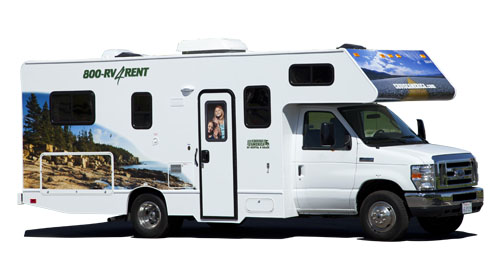
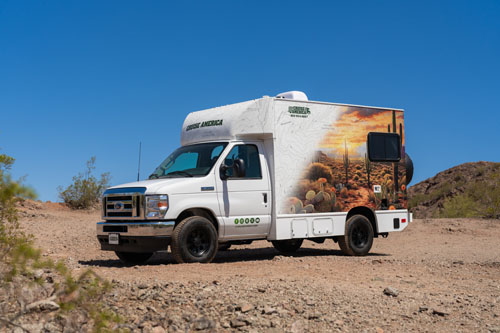
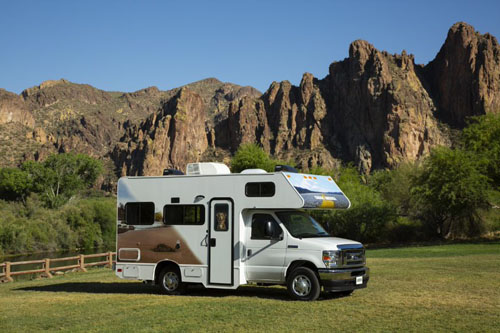
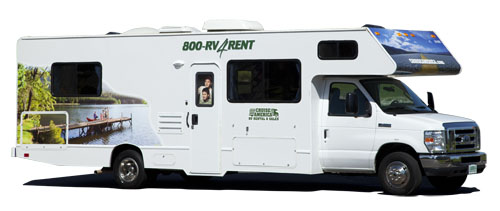
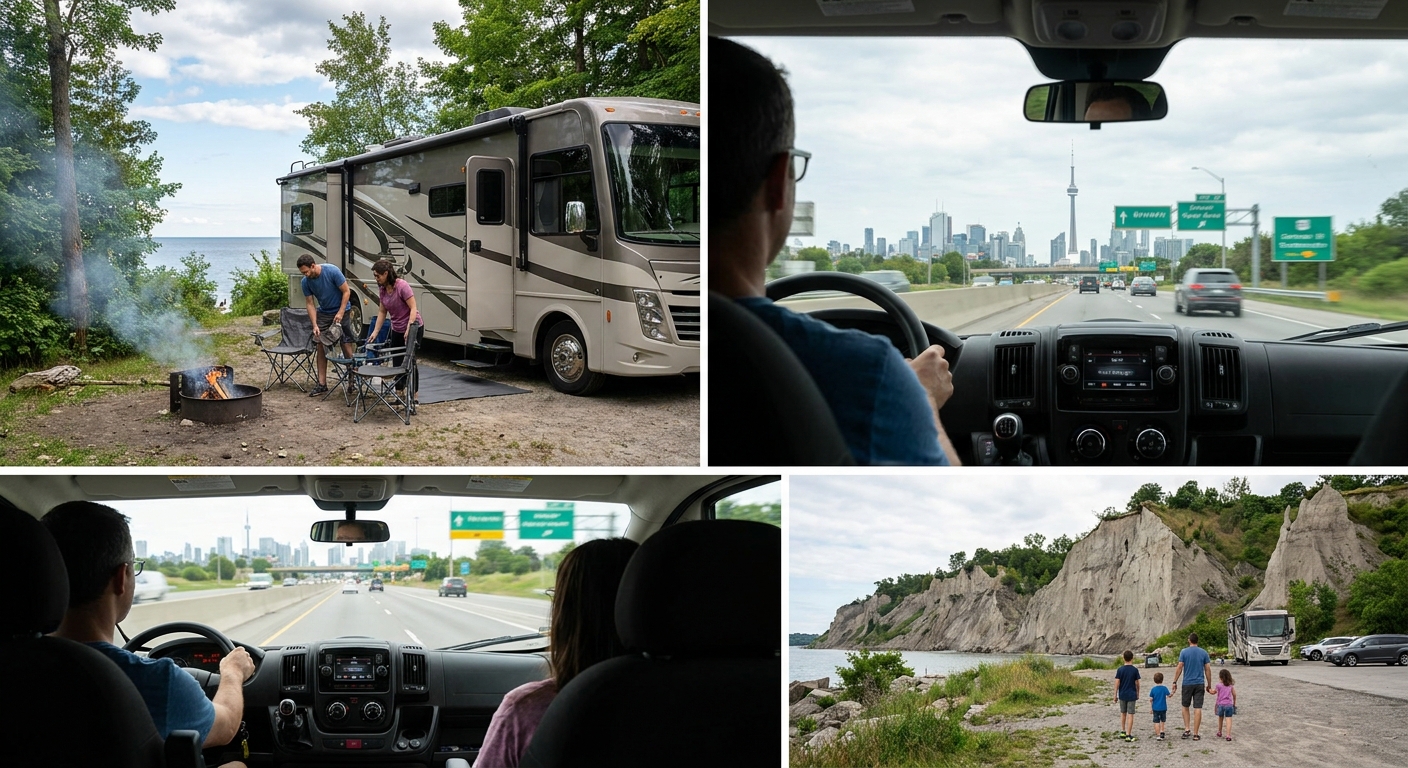 Planning an RV rental in Toronto involves knowing a few key details to ensure a smooth and enjoyable adventure. To begin, securing your motorhome or campervan early, especially for peak travel times like summer (June-August) or the vibrant fall foliage season (September-October), is essential to guarantee your preferred model and secure desirable campground spots. Understanding the various RV sizes and classes available, such as a compact campervan like the 'Category Van' or a family-friendly Class C motorhome like the 'Motorhome MC4 Gold', will help you match your comfort level with Toronto's urban and surrounding road conditions. Our role at Bandana is to make this comparison simple, transparent, and hassle-free, bringing together options from trusted suppliers like El Monte and Cruise America.
Next, always clarify the insurance coverage options included with your rental. While basic insurance is standard, considering an optional upgrade to a top-level deductible for extra peace of mind is a smart move, protecting you from unexpected costs. Furthermore, pre-planning your campgrounds and overnight stops in advance is highly recommended, particularly for those looking for spots with easy access to Toronto attractions or public transit connections. Finally, taking the time to familiarize yourself with Canadian driving rules and understanding the nuances of navigating a larger vehicle in Toronto's traffic will significantly enhance your confidence on the road. Drive slowly and carefully, and you can drive almost anywhere without issues. No need to stress - just use common sense and pay attention. We’re true RV specialists, founded in 2001, with over 23 years of experience helping tens of thousands of travelers, so we understand these nuances.
Planning an RV rental in Toronto involves knowing a few key details to ensure a smooth and enjoyable adventure. To begin, securing your motorhome or campervan early, especially for peak travel times like summer (June-August) or the vibrant fall foliage season (September-October), is essential to guarantee your preferred model and secure desirable campground spots. Understanding the various RV sizes and classes available, such as a compact campervan like the 'Category Van' or a family-friendly Class C motorhome like the 'Motorhome MC4 Gold', will help you match your comfort level with Toronto's urban and surrounding road conditions. Our role at Bandana is to make this comparison simple, transparent, and hassle-free, bringing together options from trusted suppliers like El Monte and Cruise America.
Next, always clarify the insurance coverage options included with your rental. While basic insurance is standard, considering an optional upgrade to a top-level deductible for extra peace of mind is a smart move, protecting you from unexpected costs. Furthermore, pre-planning your campgrounds and overnight stops in advance is highly recommended, particularly for those looking for spots with easy access to Toronto attractions or public transit connections. Finally, taking the time to familiarize yourself with Canadian driving rules and understanding the nuances of navigating a larger vehicle in Toronto's traffic will significantly enhance your confidence on the road. Drive slowly and carefully, and you can drive almost anywhere without issues. No need to stress - just use common sense and pay attention. We’re true RV specialists, founded in 2001, with over 23 years of experience helping tens of thousands of travelers, so we understand these nuances.
🎬 Video coming soon
Before You Book - Class, Dates, Insurance
Choosing the right camper or motorhome for your Toronto adventure, along with planning your dates and understanding insurance, is crucial for a stress-free trip. When selecting your RV class, consider a Class B (campervan) or a smaller Class C motorhome for trips around Toronto. Vehicles like the 'Juliette 2-3' campervan or a 'C-Small' motorhome are often favored due to their easier maneuverability and parking capabilities in urban areas compared to larger Class A motorhomes. The average length of a Class B is around 6 meters, while a compact Class C might be around 7 meters, both manageable for city-adjacent campgrounds. Regarding dates, to ensure the best selection and potentially better rental rates, aim to book your RV rental in Toronto three to six months in advance, particularly if your trip falls during the popular summer (June-August) or vibrant fall foliage season (September-October). However, if you're a spontaneous traveler, last-minute availability is often possible, as many national and provincial parks reserve 25-30% of their spots for first-come-first-serve arrivals. You’ll find a spot; if not at the first campground, then the next one. Just call ahead before driving. At Bandana, we offer full transparency, comparing final prices across 50+ leading RV suppliers worldwide, so you won't encounter any hidden fees or surprises. This commitment to honesty is central to our mission, ensuring you know exactly what you’re paying for. Understanding insurance options is also key. Basic liability insurance is always included with your rental. You can easily view prices that include comprehensive coverage by selecting that option during your search on our platform. Review what is covered, such as liability, collision, and roadside assistance, and consider purchasing additional protection like our top-level deductible reimbursement for extra peace of mind, especially if you plan an extended road trip or are traveling with valuable belongings. We stand by you through the pre-booking comparison, booking support, and post-booking coordination, making sure your entire experience is seamless. For a broader perspective on RV rentals in the region, consult our RV Rental Ontario - Complete Guide 2026.Pre-Trip Prep - Packing Checklist for Toronto
Preparing an RV-specific packing list ensures you have everything needed for a comfortable and enjoyable week-long trip or extended adventure through Toronto and its surrounding areas. Most rental motorhomes and campervans come with basic amenities, but a thoughtful packing list makes a huge difference.Clothing:
- Layered clothing (Toronto weather can change quickly from average highs of 25°C in summer to lows of -5°C in winter)
- Rain jacket and umbrella (especially for spring and fall)
- Comfortable walking shoes for city exploration and hiking in nearby parks like Rouge National Urban Park
- Swimsuit (for campground pools or nearby lakes like Lake Ontario)
- Warm pajamas (even in summer, nights can be cool, dropping to 15°C)
Kitchen Essentials (Check what’s included with your rental):
To truly enjoy the convenience of your rented RV, planning some meals is a great idea. Our 'Glamys 265' motorhome often includes a refrigerator and stove, perfect for preparing meals. For fresh food, consider stopping at St. Lawrence Market in downtown Toronto or local farm markets in the Greenbelt. If you're looking for inspiration on what to cook, check out our RV-friendly recipes playlist.- Basic spices and condiments
- Non-perishable snacks and drinks
- Reusable water bottles and coffee cups
- Dish soap, sponges, and dish towels
- Cooler for day trips or extra food storage
Safety & Comfort:
- First-aid kit (standard in all RVs)
- Flashlight or headlamp
- Portable power bank for devices
- Insect repellent (especially near lakes and forests in summer)
- Sunscreen and hats
- Any necessary medications
Documents & Navigation:
- Valid driver's license (minimum age 21 for all motorhome classes) and rental agreement
- RV insurance documents (including details for optional top-level deductible reimbursement)
- Campground reservation confirmations
- Physical maps or downloaded offline maps (GPS can be unreliable in some remote Ontario areas)
- List of emergency contacts and roadside assistance numbers
On the Road - Driving, Fueling, Navigation
Driving an RV rental in Toronto offers incredible freedom but requires careful planning, especially when navigating Canada's largest city. Navigating a rented motorhome or campervan in Toronto's dense urban environment requires extra caution. Be aware of lane restrictions, one-way streets in areas like downtown, and lower bridge clearances, particularly on older routes or underpasses near the Gardiner Expressway. Plan your routes to avoid peak traffic hours (7-9 AM and 4-6 PM) and major downtown arteries such as Yonge Street. Drive slowly and carefully, and you can drive almost anywhere without issues. No need to stress - just use common sense and pay attention. Utilizing a reliable RV-specific GPS that accounts for vehicle height (e.g., a Class C motorhome like the 'Adventurer' typically has a height of around 3.5 meters) and weight restrictions is highly recommended. Canadian road rules are generally consistent, but it's important to remember that Canada uses the metric system. Speed limits are posted in kilometers per hour (km/h) and distances in kilometers (km). For instance, major highways around Toronto like Highway 401 often have speed limits of 100 km/h. Familiarize yourself with common Canadian road signs, which may differ slightly from those in your home country. Provincial laws can vary, so be aware of Ontario's specific regulations regarding RV length and width, though a standard driver's license is sufficient for all motorhome classes. Fueling your rented RV is another key consideration. Motorhomes and campervans typically use gasoline or diesel. Plan your fuel stops, as larger gas stations capable of accommodating RVs are more common outside major urban centers like central Toronto. Always check your fuel gauge and avoid letting it get too low, especially when venturing into less populated areas of Ontario. Considering the fuel efficiency of your chosen RV class, such as a compact Class B campervan with an average consumption of 10-15 L/100km, is important when planning your itinerary. For finding campsites and campgrounds during your trip, we recommend using RV PLANET (rvplan.net) - a great resource for locating available spots along your route and even tracking all your trip expenses.At the Campground - Setup, Hookups & Etiquette
Arriving at your RV campsite in Toronto or the surrounding Ontario region and setting up camp efficiently ensures a relaxing start to your stay. Upon arrival, your first priority is to ensure your rented RV is level. Use leveling blocks under tires or jacks to stabilize the vehicle, which is crucial for proper appliance function (especially the refrigerator, common in models like the 'Class C Motorhome' with its 283-liter capacity) and overall comfort. Orient your RV to maximize shade or sunlight as desired, and ensure slide-outs (if your chosen model has them, like the 'Denali Searcher 30 - Gold') have enough clearance from trees or other obstacles. Connecting utilities should follow a specific sequence for hygiene and safety. First, connect the sewer hose, ensuring a tight seal, then the fresh water hose (always use a pressure regulator to protect your RV's plumbing from high water pressure, often around 40-50 PSI), and finally the electrical power cord to your 30-amp or 50-amp hookup. Reverse this order when disconnecting. Dump stations are readily available at most campgrounds; for example, many provincial parks within a 2-hour drive of Toronto, like Darlington Provincial Park, offer these facilities. Adhering to campground etiquette ensures a pleasant experience for everyone. Respect quiet hours, typically between 10 PM and 7 AM, by minimizing noise from generators, conversations, and music. Keep your campsite tidy, and dispose of garbage properly in designated bins. Be mindful of your neighbors' space, avoid cutting through other sites, and always keep pets leashed and clean up after them promptly. Many campgrounds near Toronto, such as Holland Marsh, are pet-friendly, but clear-up is mandatory. Following these guidelines fosters a friendly and communal atmosphere, allowing everyone to enjoy their rented RV adventure.RV Rental-Specific Tips for Toronto
Tailoring your RV rental experience to your travel group's needs ensures everyone enjoys the Toronto adventure. For live availability and current prices, start with our RV Rental Toronto - Complete Guide 2026 guide.Family Fun in Toronto:
For families with children (typically 4-6 people), choosing a larger Class C motorhome like the 'Euro Deluxe' with its multiple double beds (3 double beds, sleeping up to 6-8) is a great option for sufficient sleeping arrangements and comfortable living space. Plan visits to family-friendly attractions like the Toronto Zoo, Ripley's Aquarium of Canada (with over 20,000 aquatic animals), or Canada's Wonderland. When considering campgrounds, look for those slightly outside the city center, such as Glen Rouge Campground, which offers easy access to public transit (GO Transit or TTC) into Toronto, helping to avoid urban RV parking challenges.Senior Travel Considerations:
Retired couples often prefer a Class B campervan or a smaller, easy-to-handle Class C motorhome for easier maneuvering and navigation. Consider models like the 'RV Rental Denver example Category Van' which is ideal for a couple, or a 'DVC' campervan known for its comfortable driving experience, especially if long drives averaging more than 150 km per day are not preferred. Look for campgrounds with amenities like paved, level sites, accessible washrooms, and convenient access to walking paths. Day trips from Toronto to Niagara Falls (a 130 km drive with numerous RV parks) or the charming Prince Edward County (approx. 200 km) offer scenic, manageable drives with plenty of RV-friendly parking at attractions.Budget-Conscious Exploration in Toronto:
To manage costs, look for RV rentals that include unlimited mileage or offer generous allowances (e.g., a 2,000 km package). Seek out campgrounds slightly further from the city center, such as those in conservation areas like Albion Hills Conservation Park (about 60 km north of Toronto), which often have lower nightly rates starting from $40. Exploring free activities like hiking in Rouge National Urban Park or visiting Toronto's many public parks, such as High Park (161 hectares), significantly reduces daily expenses. Cooking most meals in your RV kitchen also saves significantly compared to dining out.Luxury Experience in Toronto:
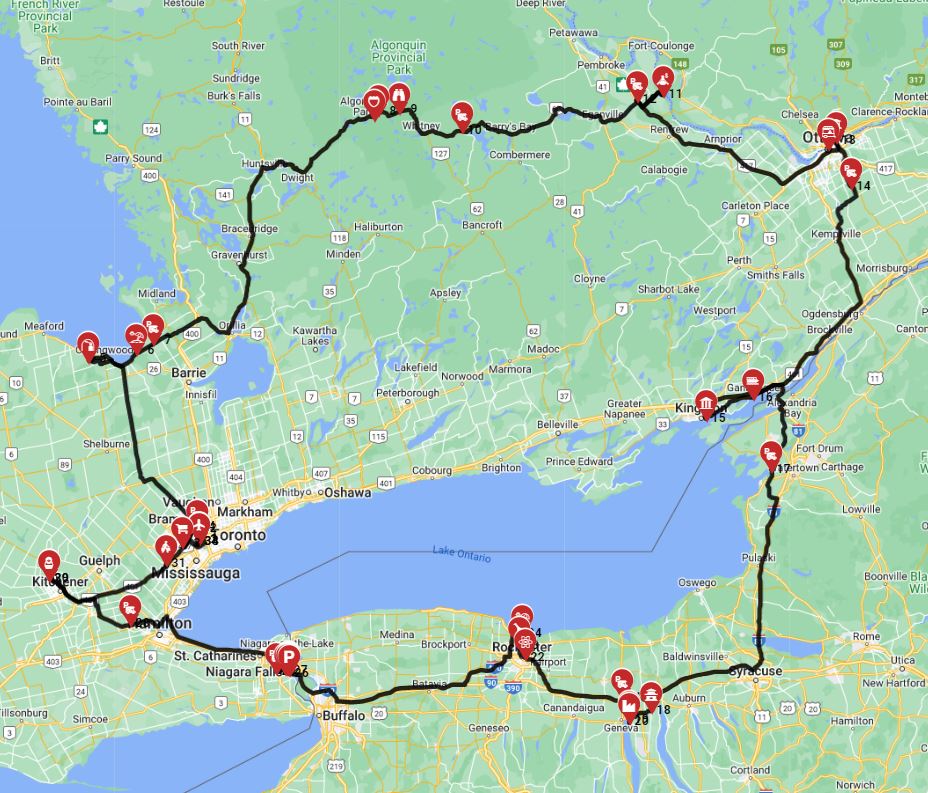
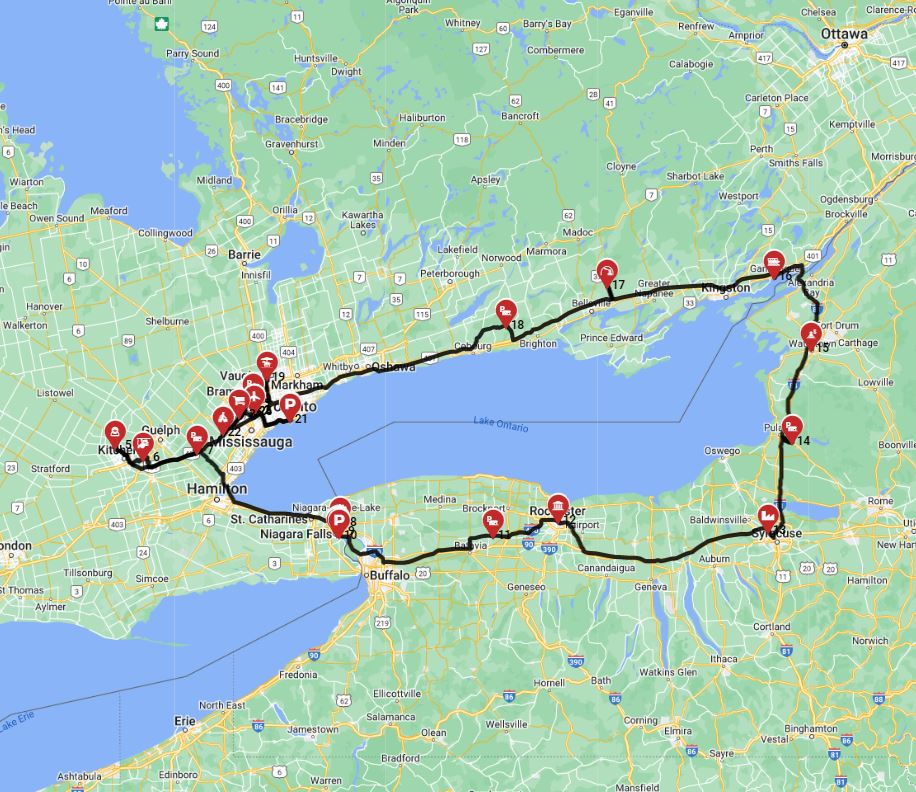
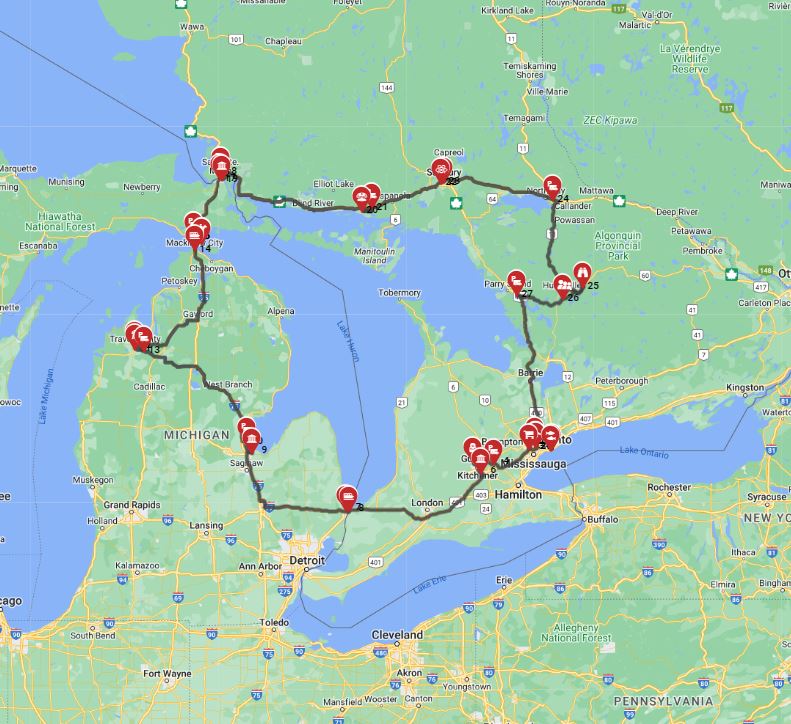
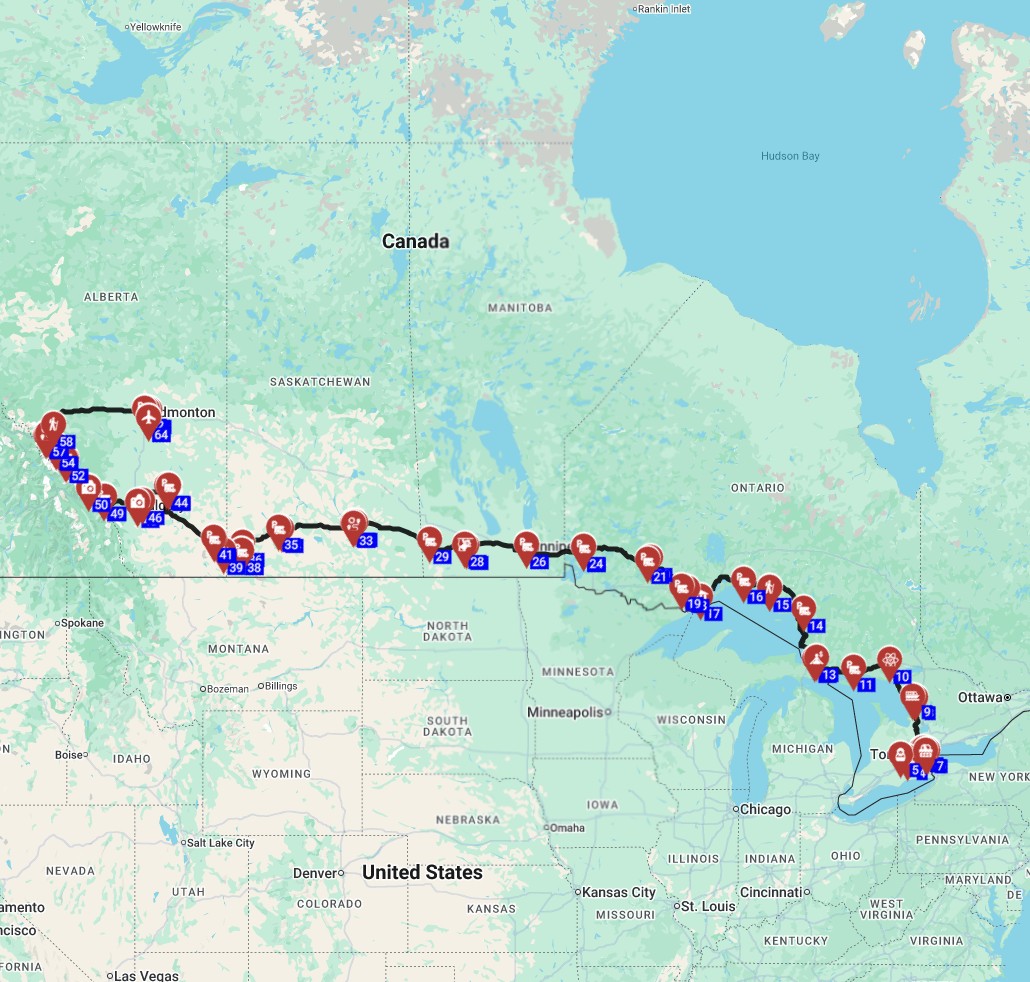
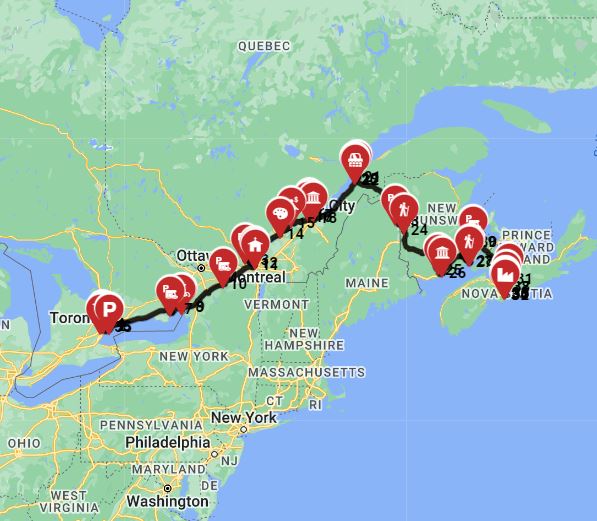
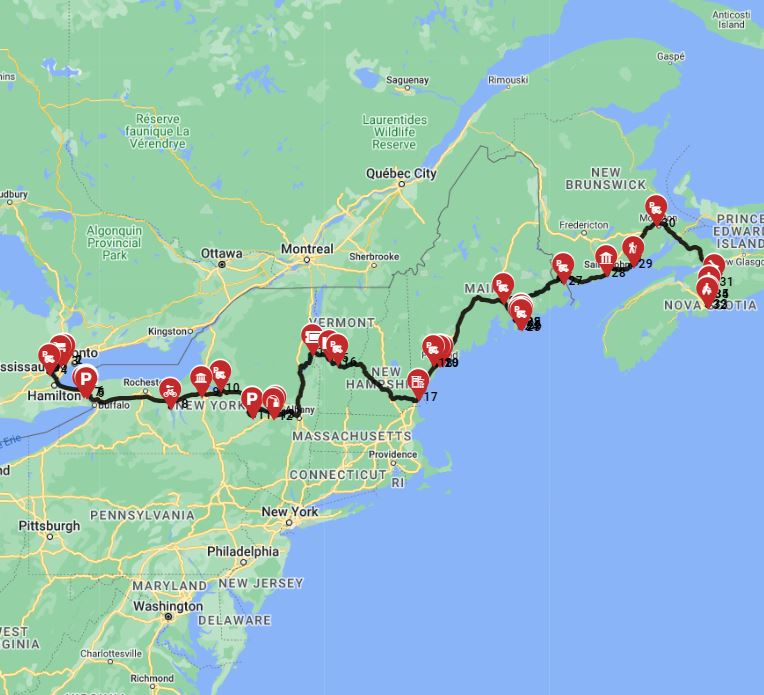
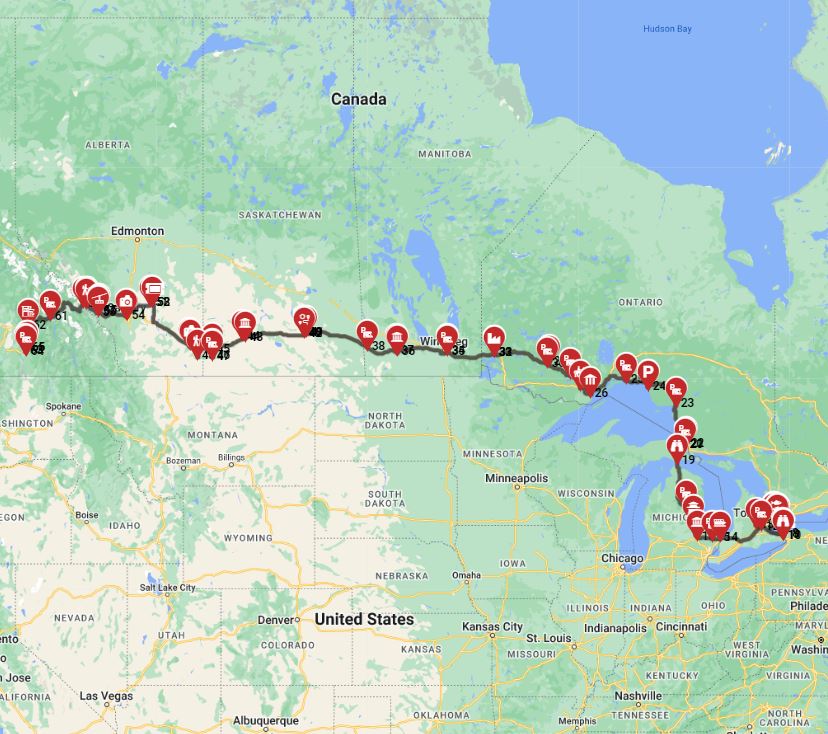
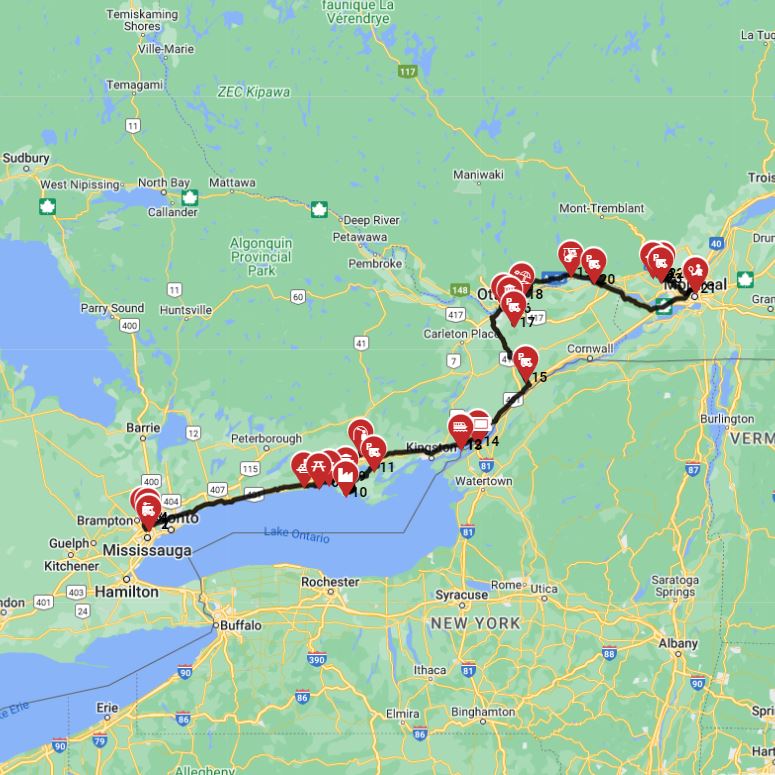
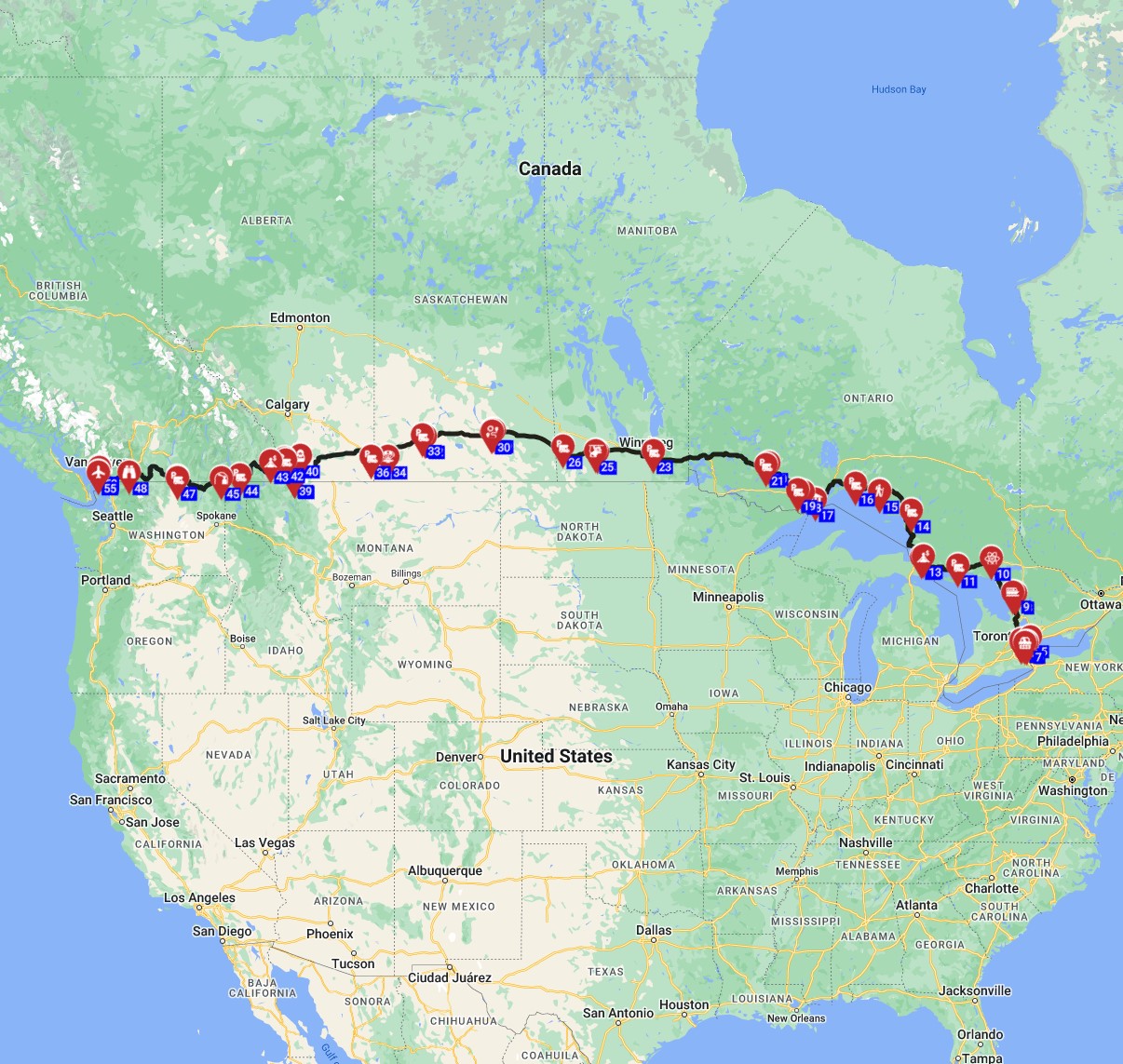
For a premium experience, opt for a high-end Class A motorhome with multiple slide-outs, advanced amenities like residential refrigerators, and luxurious finishes (e.g., a 'Class A - Thor ACE 30' offers generous living space). Book upscale RV resorts or private campgrounds offering full hookups, spa facilities, and concierge services, such as those found around Lake Simcoe (approximately 80 km north of Toronto). Consider adding premium linen packages or kitchen essentials for a truly turnkey experience. Remember, prices are dynamic and change daily based on availability, seasonality, and supplier marketing decisions, so booking early for a luxury RV rental in Toronto is advised. Imagine yourself exploring the vibrant city of Toronto, then retreating to a peaceful campsite by Lake Ontario. Our curated Rent&Plan routes, developed by travel professionals, help you visualize and execute such adventures. For instance, the "Montreal to Toronto" route plan covers 1,326.6 km over 11 days, including 1 amusement park, 1 aquarium, 1 beach, and 3 traditional markets near Toronto. You might also consider the "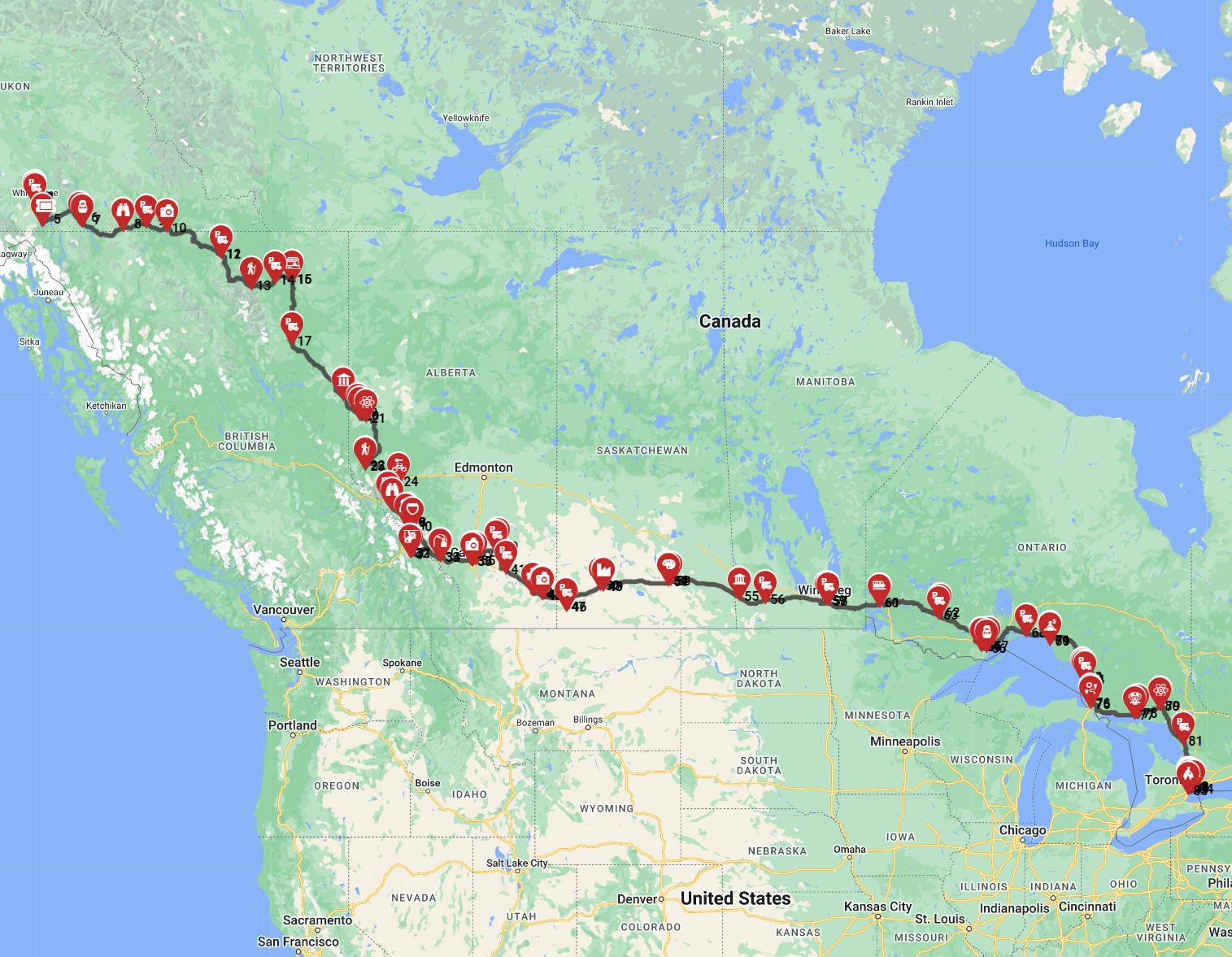
Whitehorse to Toronto - The Great Canadian RV Adventure
Common Mistakes to Avoid in Toronto
Navigating your first RV rental in Toronto requires awareness to sidestep common pitfalls and ensure a smooth journey. A frequent mistake is underestimating Toronto's traffic and parking situation. Instead of assuming easy city navigation, plan your routes to major attractions using public transit (TTC subway, streetcar, or bus services are extensive) from a peripheral campground or opt for RV-friendly parking lots on the outskirts of the city, such as those near the Exhibition Place or Woodbine Beach, which typically accommodate larger vehicles. Always check height and weight restrictions before attempting to enter parking garages or smaller streets, as a Class C motorhome like the 'Cruise America Explorer' has a length of 7.1 meters and height of over 3 meters. Another pitfall is ignoring hidden costs beyond the basic rental rate. It is important to budget for comprehensive costs, which might include mileage overages (some rentals offer 100-200 free km per day, others are unlimited), propane (a 9 kg tank might last 10-14 days), generator usage (often $5-$10 per hour), waste disposal at non-campground sites (usually $10-$20 at truck stops), tolls (e.g., Highway 407 ETR is electronic and charges by distance), park entrance fees (e.g., provincial parks cost around $12-$21 per vehicle per day), and potential ferry fees if exploring islands like the Toronto Islands (ferry tickets around $9 per adult). For easy budgeting and tracking every expense, consider utilizing RV PLANET routes, which allow you to itemize costs along the way. Our full transparency promise means you'll see all fees upfront. Failing to book campgrounds in advance is another common error. Instead of hoping for last-minute availability, especially during peak seasons (summer and fall) or for popular spots like those near Lake Ontario or within conservation areas, make campground reservations well in advance. Many Toronto-area campgrounds, particularly within a 100 km radius, fill up months ahead. Not understanding RV dimensions can lead to tricky situations. Avoid attempting to navigate tight spaces or low clearances without knowing your rented RV's exact height, width, and length. Always use an RV-specific GPS or consult physical maps for major routes to prevent accidental damage or getting stuck under a 3-meter bridge. Lastly, neglecting seasonal considerations can impact your trip significantly. In spring, some rural roads or campgrounds might still be wet or partially closed due to thawing conditions. In fall, specific attractions might have reduced hours or require advance booking for leaf-peeping tours. Winter RVing in Toronto presents unique challenges like navigating snow and ice, requiring specialized preparation (e.g., winter tires or chains on some routes) and different driving approaches. Always check local weather forecasts and road conditions before heading out, especially if planning a trip from Toronto to areas north of the city.What do you need to rent an RV in Canada?
To rent an RV in Canada, typically you need to be at least 21 years old (though specific rental companies may require 25 for certain larger Class A motorhomes), possess a valid driver's license, and have a credit card for payment and a security deposit. A standard car driver's license is sufficient for all motorhome classes (Class A, B, and C) in Canada, with no special license or additional permits required. For visitors from non-English-speaking countries, an International Driving Permit (IDP) alongside your national license is often recommended, though not always legally mandated if your domestic license is clearly readable in English or French. Most rental companies in Toronto require a major credit card for the booking and a security deposit, typically ranging from $500 to $2,500, which is held during the rental period. Drivers must present their physical driver's license upon pickup to verify their identity and eligibility.What is the 3-3-3 rule for RV travel?
The "3-3-3 rule" for RV travel suggests driving no more than 300 miles (approximately 480 kilometers) in a day, arriving at your destination by 3 PM, and staying for a minimum of 3 days. This guideline is designed to promote a relaxed and enjoyable RV experience, minimizing travel fatigue and allowing ample time to set up camp, explore the local area, and truly unwind. Driving no more than 480 km (which is significantly more than our recommended 100-150 km average) helps prevent exhaustion and ensures you have enough energy for safe driving, especially with a larger rented motorhome. Arriving by 3 PM provides sufficient daylight to find and set up your campsite, handle any unexpected issues, and enjoy the afternoon before dusk, allowing for leisurely evening activities. Staying for at least 3 days encourages a slower pace, giving you a chance to experience the location fully without constantly packing and unpacking, making it ideal for exploring Toronto's diverse attractions and nearby provincial parks at a calm pace.What is the 444 rule for RVs?
The "444 rule" for RVs is a variant of conservative travel guidelines, advising to drive no more than 400 miles (approximately 640 kilometers) per day, stop by 4 PM, and ideally stay at a location for at least 4 nights. Similar to the 3-3-3 rule, the 4-4-4 rule aims to reduce the stress of long-haul RVing and enhance the travel experience, particularly beneficial for those undertaking an extended road trip from Toronto across Ontario. Limiting daily mileage to 640 km provides a balance between making good progress and avoiding excessive fatigue, which is crucial for safe RV operation of a rented motorhome like the 'MHC28', weighing over 5,000 kg. Stopping by 4 PM ensures you have sufficient daylight to navigate to your campground, set up your site, and familiarize yourself with your surroundings. The recommendation to stay for 4 nights encourages a deeper exploration of each destination, fostering a more immersive and less rushed travel style, perfect for fully experiencing areas around Toronto like the scenic towns along Lake Huron or the Thousand Islands without feeling rushed.Is it easy to drive an RV in Canada?
Driving a rented RV in Canada is generally straightforward, especially on well-maintained major highways like the Trans-Canada Highway system in Ontario, but it requires awareness of your vehicle's size, specific provincial road rules, and varying road conditions. Canadian roads are typically excellent, particularly the provincial highways and trans-Canada routes, making long-distance motorhome travel relatively smooth. However, navigating an RV in denser urban areas like Toronto presents unique challenges due to traffic congestion, smaller streets, parking limitations, and specific height or weight restrictions on certain routes or bridges (e.g., underpasses on the Don Valley Parkway). Drive slowly and carefully, and you can drive almost anywhere without issues. No need to stress - just use common sense and pay attention. Drivers should be comfortable with metric units for speed and distance, understand Canadian road signage, and be prepared for changing weather conditions, particularly outside of summer, which can impact road safety and visibility. Practicing turns, braking, and parking in a large vehicle before embarking on your trip, and using an RV-specific GPS that accounts for vehicle dimensions, can significantly ease the driving experience across Canada, including around Toronto.What is the 2 2 2 rule for RV travel?
The "2-2-2 rule" for RV travel recommends driving no more than 200 miles (about 320 kilometers) per day, arriving at your campsite by 2 PM, and staying for a minimum of 2 nights. This rule is the most conservative of the RV travel guidelines (2-2-2, 3-3-3, 4-4-4) and is particularly beneficial for first-time RVers, families with young children, or those seeking a very relaxed pace when exploring from Toronto. Driving only 320 km daily minimizes stress, allows for frequent stops to enjoy provincial parks like Bronte Creek (about 45 km from Toronto), and ensures drivers remain fresh and alert behind the wheel of a larger vehicle like a rented Class C motorhome. Arriving by 2 PM provides ample daylight to comfortably set up your RV, settle in, and explore the immediate vicinity of your campground, even in late afternoon. Staying for at least 2 nights at each stop avoids the rush of daily packing and unpacking, offering a more leisurely opportunity to enjoy campground amenities and nearby attractions without feeling constantly on the move, ideal for exploring Toronto and its beautiful surroundings at a calm pace.What You Shouldn't Miss
- Explore Niagara Falls: Just a 1.5-hour drive from Toronto, witness the majestic Horseshoe Falls and the charming town of Niagara-on-the-Lake. Many RV parks are available in the region, including Niagara Falls KOA Holiday, which offers full hookups for your rental motorhome.
- Visit Algonquin Provincial Park: A quintessential Canadian wilderness experience, about a 3-hour drive north of Toronto. Known for its incredible fall colors, canoeing routes, and wildlife spotting. Note: book campsites well in advance, as they fill up quickly.
- Wander through the Distillery District: A pedestrian-only village in downtown Toronto, famous for its Victorian-era industrial architecture, art galleries, boutiques, and unique eateries. Park your RV at a peripheral lot, like near Cherry Beach, and take public transport in.
- Discover Prince Edward County: Often called "The County," this region (approx. 2 hours east of Toronto) is renowned for its vineyards, artisan food scene, and Sandbanks Provincial Park with its stunning beaches. It's a perfect slow travel destination for a week-long RV trip.
- Stroll Kensington Market: Experience Toronto's bohemian heart with its eclectic shops, vintage finds, vibrant street art, and diverse food stalls. Parking is challenging here, so consider using the local streetcar system after parking your RV at an accessible lot further out.
- Looking for expert insights from Avi Bandana? Top 5 Adventures - recommendations from Avi Bandana - Discover Avi's personal travel tips and recommended routes.
Final Thoughts
Embarking on a rented RV adventure in Toronto offers an unparalleled blend of urban excitement and natural beauty. From navigating the city's vibrant streets to discovering tranquil campgrounds just a short drive away, a motorhome or campervan provides the flexibility to craft your perfect journey. Remember to embrace slow travel, allowing 100-150 km per day on average, so you can truly feel the place, connect to the culture, the amazing food, and the stunning scenery that Ontario has to offer. Whether you're a first-timer or a seasoned RV enthusiast, Toronto and its surrounding Greenbelt offer endless possibilities for exploration. With Bandana Caravan, you're choosing a partner committed to full transparency, offering top-tier deductible options, and providing expert pre-trip planning support. We're here to ensure your RV rental in Toronto is an unforgettable experience, free from hidden fees and full of memorable moments. Get inspired for your next trip and discover all that Toronto has to offer with the freedom of a rented RV! Find Motorhome Rentals in TorontoOn the routes offered through RV PLANET routes, you can itemize and track every expense along the way for easy budgeting.