For live availability and current prices, start with our RV Rental Tokyo - Complete Guide 2026 guide.
In This Guide
- Top 5 Tips for RV Rental in Tokyo
- Before You Book — Class, Dates, Insurance
- Pre-Trip Prep — Packing Checklist for Tokyo
- On the Road — Driving, Fueling, Navigation
- At the Campground — Setup, Hookups and Etiquette
- RV Rental Deals-Specific Tips for Tokyo
- Common Mistakes to Avoid in Tokyo
- What are the best overnight parking alternatives to campgrounds for RVs in Japan?
- What size RV is best for navigating Japan's roads and cities?
- What specific cultural etiquette should RV travelers observe in Japan?
- How should RV travelers prepare for emergencies like natural disasters in Japan?
- What is the full cost breakdown for an RV trip in Japan, beyond rental fees?
- What unique RV-friendly routes and experiences are there near Tokyo?
- How can I effectively navigate and park an RV in Tokyo itself?
Top 5 Tips for RV Rental in Tokyo
Securing the best RV rental deals in Tokyo requires a blend of savvy planning and understanding local nuances. For instance, booking your rental well in advance is crucial, especially if you're targeting peak seasons like the mesmerizing cherry blossom period in spring or the vibrant autumn foliage. Opting for a smaller, more maneuverable RV class, such as a campervan or a compact Class C motorhome, is highly recommended for navigating Japan's characteristically narrower roads and the bustling urban environments. Thoroughly understanding the insurance options provided by your rental company is also paramount; consider selecting comprehensive coverage for complete peace of mind during your travels. Don't forget to familiarize yourself with Japan's specific road rules, signs, and the electronic toll collection (ETC) system for a smoother journey. Finally, plan your overnight stays meticulously, prioritizing official campgrounds or designated Michi-no-Eki (roadside stations) to ensure compliance and convenience. For tips tailored to your specific trip, talk to Bandana RV specialists. On the routes offered through RV PLANET routes, you can itemize and track every expense along the way for easy budgeting.
Before You Book — Class, Dates, Insurance
Choosing the right RV class for your Tokyo adventure is crucial for an enjoyable experience. For navigating Japan's often narrower roads, bustling urban environments, and parking challenges, smaller models like a campervan or a compact Class C RV are generally recommended. These vehicles offer greater maneuverability, making it easier to drive on country roads and fit into standard parking spaces, reducing stress when encountering oncoming traffic on single-lane routes. Booking your RV rental dates well in advance, particularly for travel during Japan's popular seasons such as spring (March-May) for the cherry blossoms or autumn (September-November) for the vibrant foliage, can significantly impact availability and pricing, often securing you better rates. Basic insurance is always included with RV rentals in Japan; however, to see prices including the most comprehensive coverage, select that option during your search. Bandana RV will then display all relevant insurance options for your chosen vehicle. For tips tailored to your specific trip, talk to Bandana RV specialists.
Pre-Trip Prep — Packing Checklist for Tokyo
Preparing a tailored packing list for an RV trip in Tokyo ensures you have everything needed for comfort and convenience, accounting for Japan's variable climate and unique amenities. Essential clothing layers are key for fluctuating temperatures, along with a waterproof outer shell for unpredictable weather, and comfortable walking shoes are a must for exploring. Don't forget an adaptor for Type A/B outlets to keep your devices charged, and reusable shopping bags are always practical for market visits. Compact cooking utensils and a small cutting board will be invaluable if you plan to prepare meals onboard. A first-aid kit, an emergency contact list, and copies of important documents like your passport and International Driving Permit (required for driving in Japan) are crucial for preparedness. A portable power bank and a headlamp can also be very useful. Remember to check what your rental includes, as many companies provide basic kitchenware and bedding. For tips tailored to your specific trip, talk to Bandana RV specialists. For ideas you can prep on the road, watch our RV-friendly recipes playlist on YouTube.
On the Road — Driving, Fueling, Navigation
Navigating Japan's roads in a rented RV requires an understanding of local driving practices and infrastructure, particularly around Tokyo where traffic can be dense and roads are often narrow. Driving in Japan is on the left side of the road, and speed limits are strictly enforced; be mindful of urban speed limits, which are often 40-60 km/h, and highway limits, generally 80-100 km/h, which may be lower for larger vehicles. Fueling stations are widespread, but be aware that some smaller stations might be self-service (セルフ), requiring basic Japanese or visual cues to operate; most RVs in Japan use gasoline (レギュラー), but always confirm your vehicle's specific fuel type. For navigation, a reliable GPS with English language options is essential, as road signs are often in both Japanese and English, but local knowledge greatly helps; consider using a mobile data plan for real-time traffic updates and map services, especially when navigating Tokyo's complex road network. For tips tailored to your specific trip, talk to Bandana RV specialists.
At the Campground — Setup, Hookups and Etiquette
Understanding campground procedures and observing local etiquette is essential for a smooth and respectful RV experience in Japan. Upon arrival at a campground or designated overnight parking spot, check in at the reception area, where you'll typically receive instructions for your assigned pitch and a map of the available facilities. When connecting utilities, it's standard practice to connect the electricity first, then water, and finally manage your wastewater disposal; ensure all connections are secure and leak-free. Crucially, observe quiet hours, usually enforced from 9 PM to 7 AM, by minimizing noise, respecting personal space, and properly disposing of waste in designated areas. Aligning with Japanese cultural norms for public spaces will ensure a positive experience for everyone. For tips tailored to your specific trip, talk to Bandana RV specialists.
RV Rental Deals-Specific Tips for Tokyo
To find the best RV rental deals in Tokyo, consider traveling during the shoulder seasons, such as early June, late September, or early December, when demand is typically lower, often leading to more competitive pricing. Look for rental companies that offer early bird discounts or long-term rental incentives, as these can significantly reduce the overall cost of your trip. It’s also wise to compare prices across different vehicle classes; sometimes, opting for a slightly smaller RV might offer better fuel efficiency and lower toll fees, contributing to overall savings. Leveraging online comparison tools can help you scout for promotions or package deals that might include insurance upgrades or additional amenities at a reduced price. For tips tailored to your specific trip, talk to Bandana RV specialists.
Common Mistakes to Avoid in Tokyo
A common pitfall for RV travelers in Tokyo is underestimating Japan's high toll road fees; instead, plan your routes to utilize some free roads or explicitly budget for expressways, considering an ETC card for convenience and potential discounts. Renting an RV that is too large for Japan's infrastructure is another frequent mistake; opt instead for a compact or mid-sized RV that offers easier maneuverability on narrow streets and fits into standard parking spaces. Overlooking the nuances of Japanese cultural etiquette can also lead to misunderstandings; make an effort to understand local customs regarding waste disposal, noise levels, and respecting private property, especially at Michi-no-Eki. Failing to pre-book campgrounds or overnight parking spots, particularly during peak travel seasons, can be problematic; secure your accommodations in advance to avoid searching for a spot late in the day. For tips tailored to your specific trip, talk to Bandana RV specialists.
What are the best overnight parking alternatives to campgrounds for RVs in Japan?
The best overnight parking alternatives to traditional campgrounds for RVs in Japan are predominantly Michi-no-Eki (roadside stations) and designated 'RV Parks', as 'wild camping' is generally discouraged and often illegal. Michi-no-Eki are government-designated roadside stations offering various amenities like clean restrooms, local product shops, restaurants, and often 24-hour parking, providing a safe and accepted option for overnight RV stays. While Michi-no-Eki allow overnight parking, it's crucial to observe specific etiquette: avoid setting up camp (no awnings, tables, or loud activities), dispose of waste properly, and respect the quiet nature of these community spaces, distinguishing it from traditional camping. Other legal overnight parking options include some public parking lots that explicitly allow RVs, and privately run 'RV Parks' which offer more services than Michi-no-Eki but are less common than in other countries. For tips tailored to your specific trip, talk to Bandana RV specialists.
What size RV is best for navigating Japan's roads and cities?
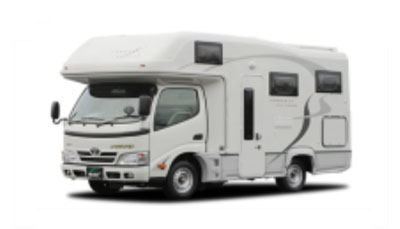
For navigating Japan's roads and cities, a smaller RV model, such as a campervan (often referred to as 'camping car' in Japan) or a compact Class C, is generally considered the most practical and recommended choice. Larger RVs present significant challenges due to Japan's infrastructure, which includes narrow urban streets, tight turns, height restrictions in tunnels and parking garages, and limited spacious parking, particularly in metropolitan areas like Tokyo. Smaller vehicles offer greater maneuverability, making it easier to drive on country roads, fit into standard parking spaces, and reduce stress when encountering oncoming traffic on single-lane routes. Prioritizing a vehicle under 5 meters in length and 2.5 meters in height can significantly enhance your driving experience and accessibility to a wider range of destinations and parking options. For tips tailored to your specific trip, talk to Bandana RV specialists.
What specific cultural etiquette should RV travelers observe in Japan?
RV travelers in Japan should observe specific cultural etiquette, emphasizing respect for local customs, public spaces, and the environment, which significantly enhances the travel experience for both visitors and locals. Proper waste disposal is paramount: separate trash meticulously into categories such as burnable, non-burnable, plastic, and glass, and use designated bins or take it with you until appropriate disposal facilities are found. Minimize noise, especially during quiet hours (typically evening to early morning) at Michi-no-Eki, campgrounds, and residential areas, to avoid disturbing others and maintain the peaceful atmosphere. Respect private property by not parking or camping in undesignated areas; always seek permission or use official sites to avoid trespassing and maintain positive relations with local communities. When interacting with locals, a polite demeanor, bowing slightly, and attempting basic Japanese phrases like 'Arigato gozaimasu' (thank you) can foster positive exchanges and demonstrate cultural appreciation. For tips tailored to your specific trip, talk to Bandana RV specialists.
How should RV travelers prepare for emergencies like natural disasters in Japan?
RV travelers in Japan should proactively prepare for potential emergencies like natural disasters by familiarizing themselves with local protocols and ensuring access to emergency information and services. In the event of an earthquake, pull over safely to an open area if driving, or stay inside your RV if parked, and follow official guidance; have a pre-packed emergency kit with water, non-perishable food, and a battery-powered radio. For typhoons, monitor weather forecasts closely and heed evacuation advisories; secure your RV or move to a sturdy shelter if necessary, being aware that some campgrounds may close during severe weather. For vehicle breakdowns, contact your RV rental company immediately using the provided emergency numbers; having a Japanese SIM card or a pocket Wi-Fi device is crucial for communication and accessing translation apps. Accessing emergency services (119 for fire/ambulance, 110 for police) can be challenging with language barriers, so having key phrases or a translation app ready is advisable, and look for KOBAN (police boxes) for assistance. For tips tailored to your specific trip, talk to Bandana RV specialists.
What is the full cost breakdown for an RV trip in Japan, beyond rental fees?
Beyond the initial rental fees, a comprehensive cost breakdown for an RV trip in Japan must account for significant expenses such as toll fees, fuel, parking, and campground charges. Toll fees on Japan's extensive expressway network can be notably high, especially for longer distances or multiple entries/exits; acquiring an Electronic Toll Collection (ETC) card from your rental company or a service station can offer discounts and convenience. Fuel costs for RVs vary depending on vehicle size and fuel efficiency, but generally, gasoline (レギュラー) prices in Japan are comparable to other developed nations; budget for regular fill-ups, particularly for larger models. Parking fees, especially in urban areas like Tokyo, can accumulate quickly; plan to utilize paid parking lots or designated RV parking, as free street parking is rare and often restricted. Campground pricing typically ranges from ¥2,000 to ¥5,000 per night, varying by location, amenities, and season, with some premium sites offering additional services at a higher cost. For finding campsites and campgrounds during your trip, check out RV PLANET (rvplan.net) — a great tool for locating available spots along your route.
What unique RV-friendly routes and experiences are there near Tokyo?
Near Tokyo, several unique and RV-friendly routes offer distinct experiences, allowing travelers to explore Japan's natural beauty and cultural sites at their own pace. The Izu Peninsula, easily accessible from Tokyo, provides a scenic coastal drive with hot springs (onsen), fresh seafood, and picturesque fishing villages, perfect for RV exploration with numerous Michi-no-Eki along the route. Heading west, the Fuji Five Lakes region (Fujigoko) offers stunning views of Mount Fuji, various outdoor activities, and well-equipped campgrounds, providing ample opportunities for scenic drives and overnight stays. Further afield but still within a reasonable drive, the Hakone area combines natural beauty with art museums and traditional ryokans, with RV-accessible spots to enjoy the serene landscape. For a blend of history and nature, consider routes towards Nikko, known for its UNESCO World Heritage shrines and temples amidst beautiful mountain scenery, offering unique cultural immersion from an RV perspective. For tips tailored to your specific trip, talk to Bandana RV specialists.
How can I effectively navigate and park an RV in Tokyo itself?
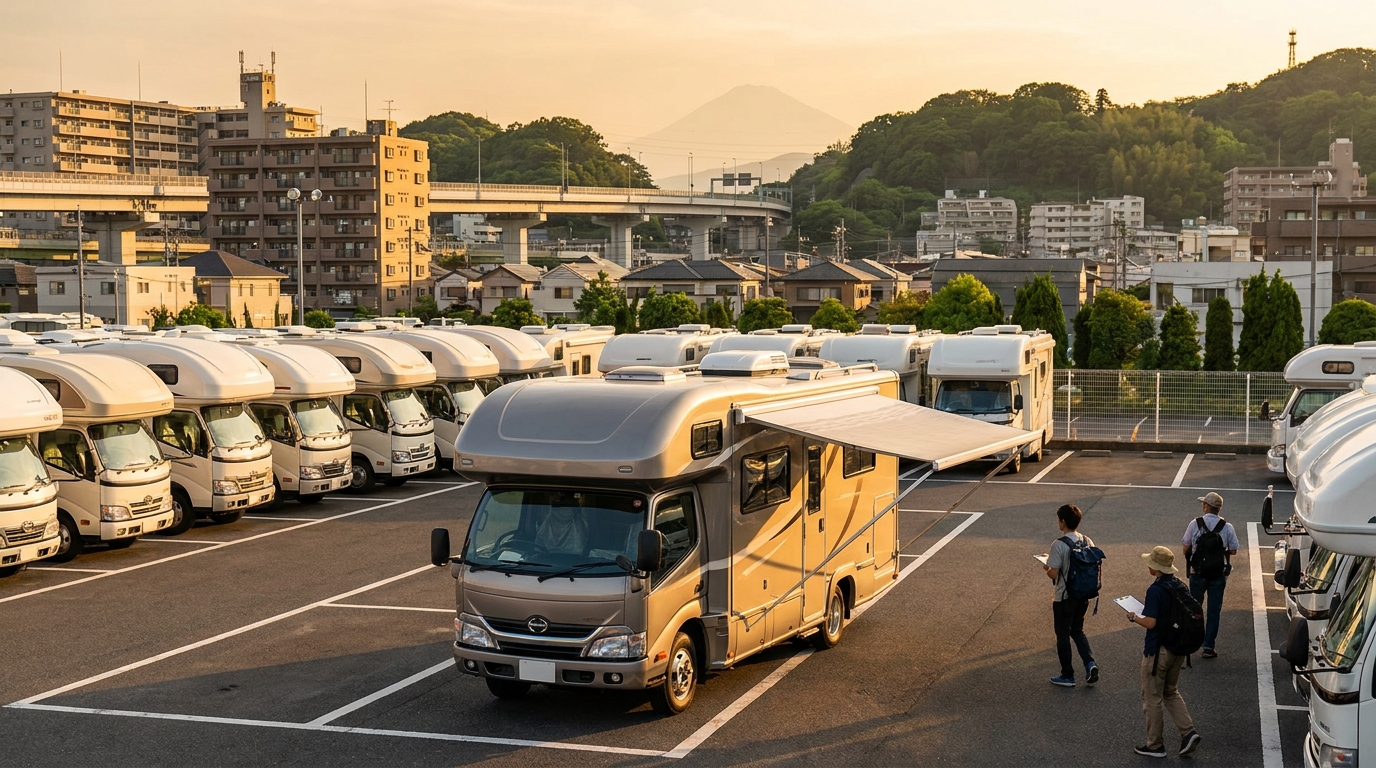
Effectively navigating and parking an RV in Tokyo typically involves strategic planning, often favoring parking on the city's outskirts and utilizing its excellent public transportation system for urban exploration. Driving an RV directly into Tokyo's central areas can be challenging due to narrow streets, heavy traffic, and limited parking for larger vehicles; consider using dedicated RV parking facilities located just outside the main city hubs. Specific parking options include large commercial parking lots (often multi-story, so check height restrictions), some shopping malls with ample space, or designated RV-friendly spots that may require pre-booking. For experiencing Tokyo's urban attractions, parking your RV at a nearby Michi-no-Eki or campground (e.g., in Chiba or Saitama prefectures) and commuting into the city via train or subway is often the most convenient and stress-free approach. Familiarize yourself with Tokyo's traffic regulations, which are strictly enforced, and be aware of one-way streets and complex intersections; a reliable GPS with real-time traffic updates is invaluable. For tips tailored to your specific trip, talk to Bandana RV specialists.
What You Shouldn't Miss
- Explore the diverse culinary scene of Tokyo, from street food to Michelin-starred restaurants, all accessible with your rented RV parked nearby.
- Visit the iconic Mount Fuji and the serene Fuji Five Lakes region for breathtaking scenery and RV-friendly campgrounds, a perfect day trip from Tokyo.
- Experience the historic charm of Hakone, known for its natural beauty, art museums, and traditional inns, with accessible RV parking options.
- Discover the spiritual tranquility of Nikko, a UNESCO World Heritage site nestled in the mountains, offering beautiful drives and cultural immersion.
- Enjoy a coastal drive along the Izu Peninsula, renowned for its hot springs, fresh seafood, and picturesque fishing villages, with plenty of roadside stations for convenient overnight stays.
Final Thoughts
Embarking on an RV adventure in Tokyo offers a unique way to experience the blend of urban excitement and natural beauty that Japan is renowned for. By keeping these tips in mind, from selecting the right vehicle to understanding local customs, you're setting yourself up for a seamless and memorable journey. Remember, the freedom of the open road combined with the comfort of your mobile home is an unparalleled way to explore.
Don't let the planning overwhelm you; focus on the incredible experiences that await. Compare the latest RV rental deals in Tokyo and start planning your unforgettable Japanese road trip today!
Find Motorhome Rentals in Tokyo