In This Guide
- Top 5 Tips for RV Rental in Tokyo
- Before You Book - Class, Dates, Insurance
- Pre-Trip Prep - Packing Checklist for Tokyo
- On the Road - Driving, Fueling, Navigation
- At the Campground - Setup, Hookups and Etiquette
- RV Rental-Specific Tips for Tokyo
- Common Mistakes to Avoid in Tokyo
- Is it worth renting an RV in Japan?
- Can foreigners drive RV in Japan?
- Do you need a special license to drive an RV in Japan?
- What is the best time to RV in Japan?
- What is the smallest RV in Japan?
- How much does it cost to rent an RV in Tokyo?
- How much does it cost to rent an RV in Japan?
- How much does it cost to rent a campervan in Japan?
- Is it easy to drive an RV in Japan?
- Is it safe to drive RV in Japan?
- Where can I sleep in my car in Japan?
- Can you RV camp in Japan?
- Is RVing popular in Japan?
- How long does it take to drive around Japan in an RV?
Embarking on a motorhome adventure in Tokyo, Japan, offers a unique way to explore both the bustling metropolis and the serene countryside that lies just beyond. Renting a campervan provides the freedom to discover hidden gems at your own pace, away from the rigid schedules of public transport. For live availability and current prices, start with our RV Rental Tokyo - Complete Guide 2026 guide, which provides a comprehensive overview to help you kickstart your journey with full price transparency and no hidden fees.
Top 5 Tips for RV Rental in Tokyo
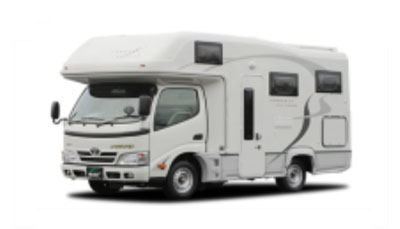
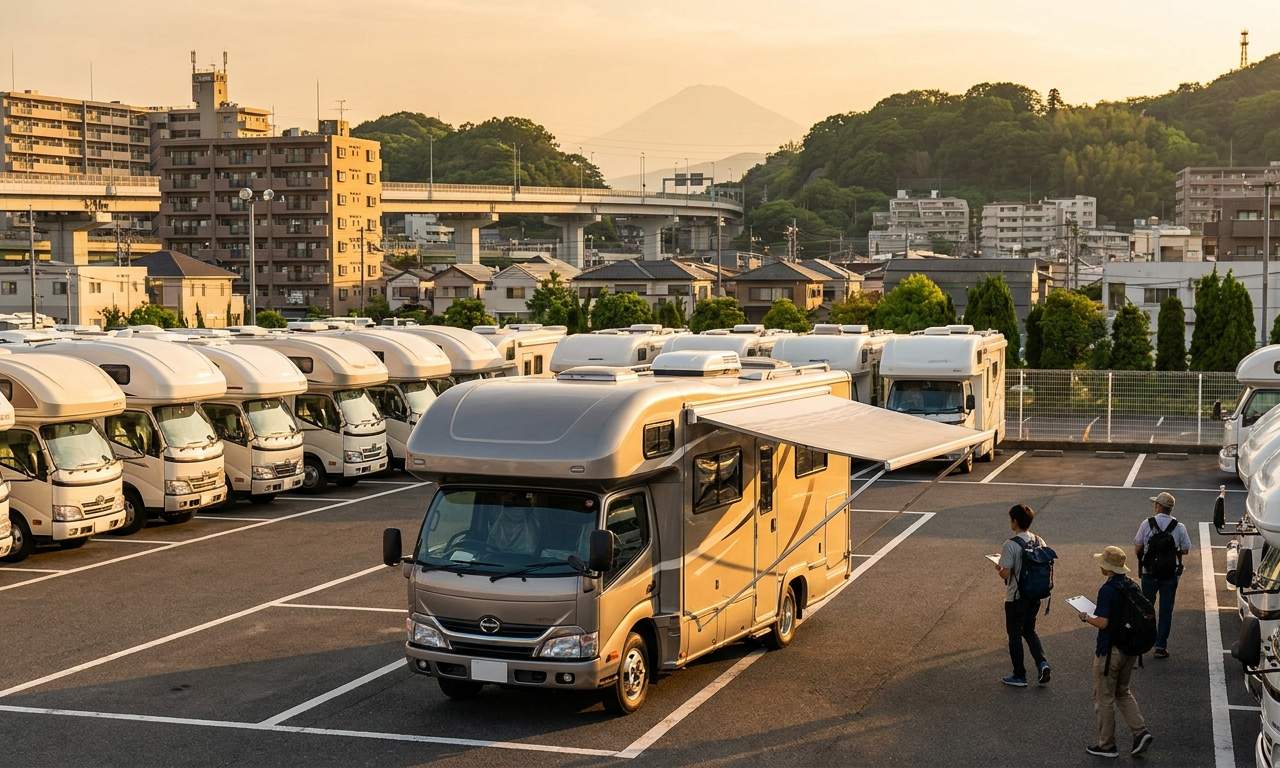
Navigating an RV rental in Tokyo requires thoughtful planning, starting with choosing the right vehicle. Opt for a compact RV or campervan, like a "Category Van" (ideal for a couple, RV size - Small), for easier navigation on Tokyo's notoriously narrow streets and limited parking spaces.
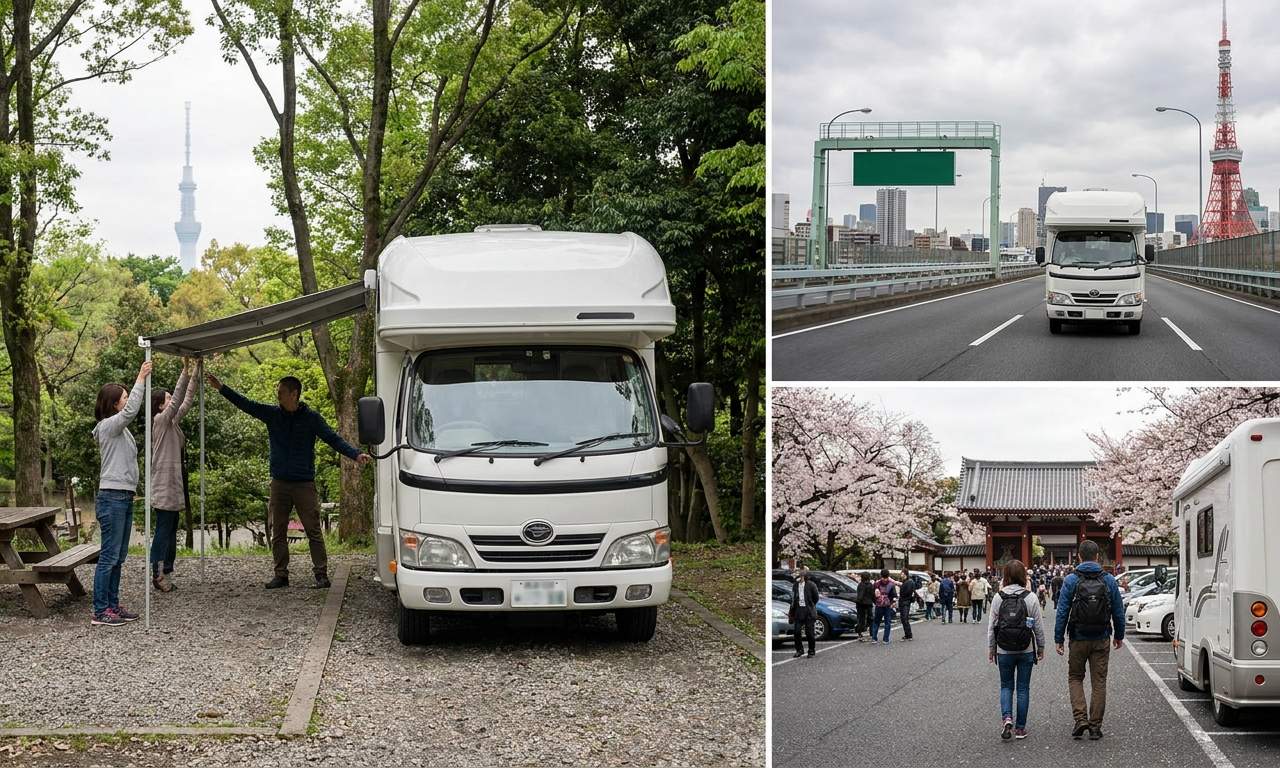
Secondly, planning your parking strategy is paramount; utilize designated RV parks on the city outskirts, such as Wakasu Park Campground in Koto Ward, and leverage Tokyo's efficient public transport for city exploration. Third, secure an International Driving Permit (IDP) before arriving in Japan, as it is a mandatory document for all foreign drivers to legally operate a vehicle. Fourth, familiarize yourself with Japanese road signs and driving etiquette, including their left-hand traffic system, to ensure a smooth and safe journey. Finally, booking your RV rental well in advance is essential, especially for popular seasons like the cherry blossom (spring) or autumn foliage, to secure availability and potentially better rates, with many planning 2-3 months ahead.
🎬 Video coming soon
Before You Book - Class, Dates, Insurance
Before confirming your motorhome rental, thoughtful consideration of the RV class, rental dates, and insurance coverage is essential for a smooth Tokyo adventure. Choosing an RV class for your Tokyo adventure typically involves prioritizing maneuverability; compact campervans or van conversions, such as the "Active Classic" (RV size - Small, ideal for a couple), are often ideal for urban environments and suburban roads where space can be limited.
Lock in your rental dates as early as possible, especially if traveling during Japan's popular spring (March-May) or autumn (October-November) seasons, to ensure availability and secure more favorable rates for your preferred vehicle type. Regarding insurance, basic insurance is always included with your rental, but for enhanced peace of mind, you can upgrade to a top-level deductible for extra protection.
To see prices including the most comprehensive coverage, simply select that option during your search on Bandana RV, and all relevant insurance options will be clearly displayed, ensuring full transparency with no hidden fees.
Pre-Trip Prep - Packing Checklist for Tokyo
A well-prepared packing list for an RV trip around Tokyo ensures comfort and readiness for varied conditions, from city exploration to scenic drives. For clothing, pack lightweight layers, comfortable walking shoes, and reliable rain gear, as Tokyo weather can be unpredictable and you'll be doing plenty of walking between your parked RV and city attractions.
In the kitchen, consider compact cooking utensils, reusable water bottles, basic seasonings, and instant coffee or tea; remember that cooking in your rented RV can significantly save on dining costs, especially when exploring local markets for fresh ingredients. Check out our RV-friendly recipes playlist for inspiration. Safety essentials should include a first-aid kit, an emergency contact list (including your RV rental supplier's 24/7 support number for pre-booking inquiries or post-booking coordination), a headlamp for campground navigation, and a portable power bank for electronics.
Finally, your documents are crucial: carry your International Driving Permit (IDP), passport, visa (if required), and your RV rental agreement at all times. If you plan to use Japan Rail, having your JR Pass handy is also beneficial.
On the Road - Driving, Fueling, Navigation
Navigating Tokyo by RV requires attention to detail regarding local driving customs and infrastructure, especially since driving is on the left side of the road. Japanese roads are generally well-maintained and clearly signposted, with important signs often translated into English for convenience.
Fueling stations are widespread, offering regular (レギュラー - Regyuraa) and high-octane (ハイオク - Haioku) gasoline, as well as diesel (軽油 - Keiyu); budgeting for fuel is essential, as prices can vary, and can be tracked using RV PLANET routes. For urban driving in Tokyo, remember that you can drive almost anywhere without issues if you drive slowly and carefully, using common sense and paying attention, but be mindful of narrow streets and limited parking. Navigation is best handled with a reliable GPS system or smartphone app that supports English and includes real-time traffic updates, which is invaluable for avoiding congestion on the Metropolitan Expressway or finding RV-suitable parking on the city outskirts near train stations like Fuchu-Hommachi or Tachikawa, allowing you to seamlessly integrate your RV travel with Tokyo's excellent public transport system. On the routes offered through RV PLANET routes, you can itemize and track every expense along the way for easy budgeting.
At the Campground - Setup, Hookups and Etiquette
Setting up your RV rental at a Japanese campground involves following a polite and orderly process, rooted in local cultural etiquette. Upon arrival, always check in at the reception, where you'll typically receive site-specific instructions, a campground map, and information on amenities like laundry facilities or onsen access.
When connecting hookups, follow the standard order: first electricity (often 100V, so bring an adapter if needed), then fresh water, and finally wastewater (if applicable), ensuring all connections are secure and leak-free. It's crucial to observe quiet hours, typically from late evening until morning, and maintain exceptional cleanliness by properly disposing of all waste in designated areas, including garbage separation, and leaving facilities as you found them.
This respectful approach not only demonstrates appreciation for your hosts and fellow campers but also helps preserve the pristine conditions of Japan's beautiful natural settings.
RV Rental-Specific Tips for Tokyo
Tailoring your RV rental in Tokyo to your specific travel group can greatly enhance your experience. For families traveling with kids, consider a Class C motorhome like the "F4" which has bunk beds and can accommodate up to 5 people, or a "Koru Star 6 Freedom" (a 6-berth motorhome with 3 double beds) offering separate sleeping areas for naps and quiet time during drives.
Look for campgrounds around Tokyo with playgrounds or family amenities, such as Wakasu Park Campground. Seniors may benefit from ergonomic RV classes with automatic transmissions and easy-access steps; prioritize shorter, less strenuous driving days, averaging a maximum of 100-150 km per day, with frequent stops at Michi-no-Eki for rest.
Budget-conscious travelers can save significantly by utilizing free overnight parking spots at 'Michi-no-Eki' where permitted, cooking most meals in their rented RV, and combining RV travel with public transport to explore central Tokyo. Luxury travelers might opt for premium RV models with advanced features, consider adding a portable Wi-Fi device for seamless connectivity, and explore gourmet food experiences at destinations easily accessible by RV from Tokyo. For tips tailored to your specific trip and to explore various options, remember Bandana RV offers transparent comparison across different suppliers.
Common Mistakes to Avoid in Tokyo
To ensure a smooth RV adventure in Tokyo, there are several common pitfalls first-time renters should be aware of. First, avoid attempting to drive a large RV directly into central Tokyo; instead, park your mobile home on the outskirts, such as at large parking lots near Shin-Kiba Station (an RV-friendly option), and use Japan's highly efficient public transportation system to navigate the urban core.
Second, do not underestimate the importance of an International Driving Permit (IDP); driving without one in Japan is illegal and can lead to serious complications. Third, refrain from assuming you can park your rented RV overnight anywhere; instead, exclusively utilize designated campgrounds, RV parks, or approved Michi-no-Eki locations for overnight stays, respecting local regulations and customs.
Fourth, don't overlook booking popular campgrounds in advance, especially during peak seasons like Golden Week or the cherry blossom period, as prime spots fill up quickly. Finally, instead of relying solely on English GPS, ensure your navigation system includes Japanese maps and accepts Japanese addresses or phone numbers for accuracy, as some street names may not have direct Romanized equivalents. For a deeper dive into optimal planning and to avoid surprises, consider checking our RV Travel Guide to Tokyo - Tips and Top Spots 2026 for more insights.
Is it worth renting an RV in Japan?
Renting an RV in Japan is often considered a worthwhile option for travelers seeking flexibility, immersive cultural experiences, and the ability to explore regions beyond typical tourist routes. An RV offers unparalleled freedom to craft your own itinerary, especially for exploring scenic countryside like the Fuji Five Lakes region, remote onsen towns, and natural attractions not easily reached by public transport.
It can provide cost savings for families or groups on accommodation and dining, particularly when utilizing Michi-no-Eki and cooking some meals yourself. Integrating RV travel with public transport, by parking at city outskirts like in Yokohama or Chiba and taking trains into major centers like Tokyo, combines the best of both worlds, offering both urban convenience and rural exploration.
While specific RV-related expenses such as expressway tolls and dedicated parking fees must be factored into your total trip cost, the ability to carry all your gear and adapt your journey on the fly makes renting a campervan or motorhome a truly rewarding experience for many.
Can foreigners drive RV in Japan?
Yes, foreigners can legally drive an RV in Japan provided they hold a valid International Driving Permit (IDP) or a Japanese translation of their driver's license, depending on their country of origin. Travelers from countries like the USA, Canada, Australia, and most European nations can use an IDP, which must be obtained in their home country before arriving in Japan and is valid for one year from the date of issue.
Drivers from Switzerland, Germany, France, Belgium, Monaco, and Taiwan may use an official Japanese translation of their national driving license along with their original license. It is crucial to carry both your original driver's license and the IDP/translation at all times while driving a rented motorhome, as law enforcement may request both documents during routine checks.
Do you need a special license to drive an RV in Japan?
No, typically you do not need a special license to drive most rental RVs or campervans in Japan, as long as the vehicle's gross vehicle weight (GVW) and passenger capacity fall within the limits of a standard passenger car license. This means a standard car driver's license, along with your International Driving Permit (IDP), is sufficient for operating all Class A, Class B, and Class C motorhomes commonly available for rental.
Most Japanese rental RVs, including compact models suitable for Tokyo, are designed to be driven with these standard permits. It's always recommended to confirm the specific license requirements with your chosen RV rental company, particularly if you plan to rent a larger vehicle like a 6-berth motorhome, to ensure full compliance with local regulations and avoid any unforeseen issues.
What is the best time to RV in Japan?
The best time to RV in Japan largely depends on your travel preferences, with spring (March-May) and autumn (October-November) generally considered ideal for their pleasant weather and breathtaking scenic beauty. Spring offers comfortable temperatures and the iconic cherry blossoms, creating picturesque routes, though popular spots can be crowded and require early booking for RVs, especially for RV Rental Deals in Tokyo - Latest Offers 2026.
Autumn provides vibrant fall foliage, mild weather perfect for outdoor activities, and often fewer crowds than spring, making it a fantastic time for an extended road trip. Summer (June-August) can be hot and humid, especially in cities like Tokyo, with typhoon season from August to October, but it's excellent for exploring northern regions like Hokkaido or enjoying coastal escapes.
Winter (December-February) is ideal for those seeking snow sports and hot springs, though some mountain roads and campgrounds may be inaccessible due to heavy snowfall. For comprehensive seasonal insights and to find the best deals, checking our RV Rental in Tokyo - Prices and Best Deals 2026 can provide valuable information.
What is the smallest RV in Japan?
The smallest RVs commonly available for rental in Japan are often 'kei campervans' or compact 'van conversions' based on smaller commercial vehicles, designed specifically for Japanese roads and parking limitations. These vehicles, often built on 'kei' car chassis, prioritize maneuverability and fuel efficiency, making them highly suitable for navigating Tokyo's dense urban environment and narrow streets.
While compact, they typically include basic amenities such as a sleeping area (often converting from seating), a small kitchenette (perfect for simple meals), and sometimes a portable toilet. Opting for a smaller RV, like a "Patagonia Camper 4x4 double cab" (RV size - Small, Ideal for a couple), significantly enhances the ease of finding parking, dealing with urban toll routes, and generally reduces the stress of driving in a busy metropolitan area like Tokyo.
How much does it cost to rent an RV in Tokyo?
The cost to rent an RV in Tokyo varies significantly based on factors such as the RV's size and class, rental duration, season, and chosen insurance coverage, with daily rates typically ranging from ¥10,000 to ¥35,000 (approximately $70-$250 USD) for a standard campervan or small Class C motorhome. For example, a compact 2-berth campervan might start at the lower end, while a 4-berth motorhome suitable for a family could be in the middle to upper range.
Additional expenses to budget for include fuel prices (which can fluctuate), expressway tolls, parking fees (especially in and around central Tokyo), and potential campground fees, which can add ¥2,000-¥5,000 (approx. $15-$35 USD) per night. During peak seasons like cherry blossom (March-May), Golden Week, or autumn foliage, prices can be higher due to increased demand and availability limited, necessitating advance booking for optimal rates. To compare prices and find options that suit your budget, Bandana RV provides clear pricing, ensuring you know the final cost with no hidden surprises, as seen in our Cheap RV Rental in Tokyo - Budget Guide 2026 and Luxury RV Rental in Tokyo - Premium Prices 2026 offerings.
How much does it cost to rent an RV in Japan?
Renting an RV in Japan generally costs between ¥10,000 to ¥35,000 per day for the vehicle itself, with overall trip expenses adding significantly to this figure, depending on your itinerary and travel style. Beyond the daily rental fee, a granular budget breakdown should include fuel costs (varying by region and vehicle efficiency), expressway tolls (which can add up quickly on longer journeys), and overnight parking or campground fees (ranging from free Michi-no-Eki to paid RV parks, usually ¥2,000-¥5,000 per night).
Considering that a typical week-long trip might involve multiple days of driving, optional insurance upgrades, and potential add-ons like Wi-Fi or bedding, a weekly rental can often average ¥70,000 to ¥245,000, excluding operational costs. When comparing RV travel to public transport and hotels for city exploration, RVs offer flexibility and potentially lower overall costs for groups, especially if cooking your own meals and using strategic parking outside major cities, a strategy explored in our RV Rental Japan - Complete Guide 2026.
How much does it cost to rent a campervan in Japan?
Renting a campervan in Japan typically ranges from ¥10,000 to ¥20,000 per day, making it a more budget-friendly and maneuverable option compared to larger motorhomes while still offering the flexibility of a mobile home. These compact vehicles, such as a "Category Van" or "Duo" (Ideal for a couple, RV size - Small, with an 80 Liter fresh water tank), are popular for their ease of driving and parking, particularly on Japan's often narrow urban and rural roads.
The base cost often includes essential amenities, but additional charges for bedding, cooking equipment, or comprehensive insurance can increase the overall price. Campervans are ideal for solo travelers, couples, or small families (e.g., a "Paradise Family 5" has a 30 Liter fresh water tank and seats 5), and their better fuel efficiency compared to larger Class C motorhomes can contribute to overall cost savings on longer trips. Keep in mind that prices are dynamic, so comparing options through a platform like Bandana RV will provide the most current rates for your specific dates and preferences.
Is it easy to drive an RV in Japan?
Driving an RV in Japan can be easy for those accustomed to left-hand traffic and comfortable with navigation, but it presents unique challenges, especially within Tokyo's extremely dense urban environment. Japanese roads are generally well-maintained, and signage on main routes often includes English translations, aiding navigation.
However, navigating central Tokyo requires specific strategies for finding RV-suitable parking, which is limited and often costly, and understanding the city's complex urban toll routes and congestion zones on elevated highways. Narrow streets, particularly in older neighborhoods and smaller towns outside the main expressways, can be a major challenge for larger RVs; therefore, choosing a compact campervan is highly recommended for urban exploration.
Utilizing RV-friendly parking locations on the city outskirts and integrating with Japan's efficient public transport system is a crucial strategy for stress-free city exploration, allowing you to enjoy the journey without the pressure of urban driving.
Is it safe to drive RV in Japan?
Driving an RV in Japan is generally very safe, thanks to exceptionally well-maintained roads, disciplined drivers who adhere to traffic laws, and clear signage often in both Japanese and English. Japan has impressively low crime rates, contributing to a secure environment for travelers.
However, specific preparedness for natural disasters is important due to Japan's geological activity, especially for those embarking on an extended road trip. It is crucial for RVers to understand earthquake protocols at campgrounds, know typhoon safety measures during certain seasons, and be aware of emergency resources available at Michi-no-Eki, many of which serve as official evacuation sites. Keeping a close eye on local weather forecasts and official advisories will help ensure a safe and enjoyable journey in your rented motorhome.
Where can I sleep in my car in Japan?
In Japan, the most common and accepted places to sleep in your rented motorhome are at 'Michi-no-Eki' (roadside stations) and designated RV parks or campgrounds. Michi-no-Eki are public rest stops equipped with restrooms, and often include local shops and restaurants, many of which tolerate overnight stays for resting as long as you adhere to cultural etiquette by maintaining a low profile and avoiding setting up external camping gear.
It's crucial to understand that Michi-no-Eki are not official campgrounds; you should avoid excessive noise and ensure proper waste disposal, respecting local norms. Dedicated RV parks and private campgrounds, like Wakasu Park Campground near Tokyo Bay, offer full amenities for overnight stays, including hookups for electricity and water, and are the most appropriate for longer or more comfortable camping experiences in your RV rental.
Can you RV camp in Japan?
Yes, you can RV camp in Japan at numerous designated campgrounds and some roadside stations (Michi-no-Eki), offering diverse experiences from serene mountain retreats to picturesque coastal sites. Japan boasts a comprehensive network of well-maintained campgrounds, often equipped with amenities like clean toilets, showers, and sometimes even hot springs (onsen) for a unique cultural experience.
Camping at Michi-no-Eki for overnight stays is generally tolerated for resting, provided campers adhere strictly to cultural etiquette, such as avoiding setting up external camp equipment, minimizing noise during quiet hours, and proper waste management. Understanding and respecting local customs regarding waste disposal, noise considerations, and respectful interactions with locals is paramount for a positive RV camping experience in your rented campervan throughout Japan.
Is RVing popular in Japan?
RVing, or "camping car" culture, has been steadily growing in popularity in Japan, appealing to both domestic and international travelers seeking flexible and immersive travel experiences. This trend is fueled by an increasing desire for outdoor activities, domestic tourism, and the unique convenience a rented RV offers for exploring Japan's diverse landscapes, from the vibrant urban centers to the tranquil rural areas.
The increasing number of Michi-no-Eki (roadside stations) and dedicated RV parks (affiliated with RV Parks Japan) further supports this popularity by providing essential infrastructure for overnight stays, including dump stations and waste facilities. RVing is particularly popular among families and seniors, offering a comfortable way to visit multiple destinations and enjoy Japan's natural beauty at one's own pace, often traveling slowly, averaging 100-150 km per day.
How long does it take to drive around Japan in an RV?
Driving around Japan in an RV is highly variable based on the desired itinerary and pace, but a comprehensive exploration of either the main island of Honshu or a significant region typically takes at least 2-4 weeks. For instance, a full circumnavigation of Honshu, including major cities and scenic areas, could realistically require 3-4 weeks to avoid rushing, allowing ample time for sightseeing and relaxation.
For those with less time, focused regional itineraries, such as a "Tokyo's Foodie RV Trail" exploring suburban culinary delights or a "History and Hot Springs Loop from Tokyo" visiting Hakone and Atami, can be completed in an extended week-long or two-week adventure. Considering Japan's efficient expressway network, covering long distances is feasible, but the real time investment comes from exploring destinations rather than just driving between them. For expertly crafted routes and itineraries, check out RV PLANET routes, which offers over 1,300 pre-planned routes across 5 continents.
What You Shouldn't Miss
- **Mount Fuji and Fuji Five Lakes:** Drive your rented motorhome to Lake Kawaguchiko, one of the Fuji Five Lakes, for iconic views of Mount Fuji, especially during cherry blossom season (April) or autumn foliage (November). Several RV-friendly campsites like Koan Campground offer stunning lakeside spots.
- **Hakone's Hot Springs and Art:** Explore Hakone, a mountainous town known for its hot springs and the Hakone Open-Air Museum. Park your campervan near Gora Station and use local transport to enjoy the Hakone Tozan Railway and Lake Ashi.
- **Nikko National Park:** Journey north from Tokyo to Nikko National Park to witness magnificent shrines and temples, such as Toshogu Shrine, a UNESCO World Heritage site, and the natural beauty of Kegon Falls. Camp at one of the peaceful forest campgrounds for a refreshing escape.
- **Izu Peninsula Coastal Drive:** Take an RV road trip down the scenic Izu Peninsula, offering stunning ocean views, fresh seafood markets (like the one in Ito), and numerous onsen towns. This slower pace allows you to truly connect with Japan's coastal culture.
- **Looking for expert insights from Avi Bandana? Top 5 Adventures - recommendations from Avi Bandana**
Final Thoughts
Renting an RV in Tokyo truly opens up Japan in an incredible way, offering an unparalleled blend of urban exploration and natural beauty at your own pace. Imagine starting your day with a traditional Japanese breakfast in your campervan, then heading out to explore the vibrant Shibuya Crossing, followed by a serene evening at a peaceful lakeside campground near Mount Fuji. It's an experience that offers both freedom and comfort, creating memories you'll cherish for years.
Remember to embrace slow travel, allowing yourself the time to truly immerse in the culture, savor the delicious food, and take in the stunning scenery of Japan. With Bandana RV, you have a partner dedicated to making your journey transparent and enjoyable, offering clear pricing and expert assistance every step of the way. We're with you from comparing options to confirming your booking, ensuring a smooth start to your unforgettable Japanese adventure.
Find Motorhome Rentals in Tokyo