In This Guide
- Top 5 Tips for RV Rental Deals in Switzerland
- Before You Book - Class, Dates, Insurance
- Pre-Trip Prep - Packing Checklist for Switzerland
- On the Road - Driving, Fueling, Navigation
- At the Campground - Setup, Hookups & Etiquette
- RV Rental Deals-Specific Tips for Switzerland
- Common Mistakes to Avoid in Switzerland
- What is the best time of year for an RV trip in Switzerland?
- What are the driving challenges for RVs in Switzerland?
- Can you wild camp in Switzerland with an RV?
- How do I choose the right RV campground in Switzerland?
Exploring Switzerland by a rented motorhome or campervan offers an unparalleled sense of freedom, allowing you to immerse yourself in the stunning Alpine landscapes and picturesque towns at your own pace. To truly maximize your adventure, finding the best RV rental deals in Switzerland is key, ensuring your journey is both memorable and budget-friendly. For live availability and current prices, start with our RV Rental Switzerland - Complete Guide 2026 guide, which provides a comprehensive overview of everything you need to know.
Top 5 Tips for RV Rental Deals in Switzerland
Securing the best RV rental deals in Switzerland involves strategic planning to optimize your travel budget. First, **book your motorhome rental well in advance** to secure better rates, especially for peak season travel between June and August, where prices can increase by 20-40% closer to the date.
Second, **compare prices from multiple rental providers** using a dedicated comparison platform like Bandana RV. As true RV specialists, we partner directly with over 50 leading suppliers worldwide, including popular names like Apollo and Britz, to give you a transparent overview of options without hidden fees or surprises.
Third, **consider traveling during the shoulder seasons** of spring (April-May) or autumn (September-October) for potentially lower prices and fewer crowds. During these times, daily rates for a 4-berth campervan might be 15-30% less than in high season.
Fourth, **look for all-inclusive package deals** that might cover essential add-ons like insurance, mileage, or kitchen kits at a reduced cost. Always review what's included and consider supplementary coverage for extra peace of mind; you can upgrade to a top-level deductible for enhanced protection.
Finally, **understand the included insurance options** with your chosen campervan rental and assess if supplementary coverage aligns with your peace of mind preferences. Our team at Bandana RV is available before, during, and after your booking to explain all available choices and ensure full transparency.
Before You Book - Class, Dates, Insurance
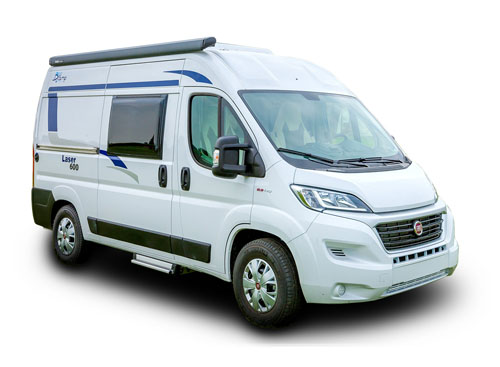
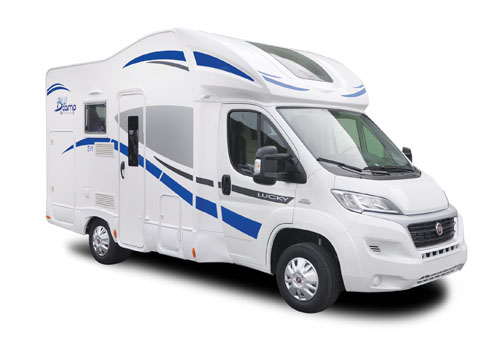
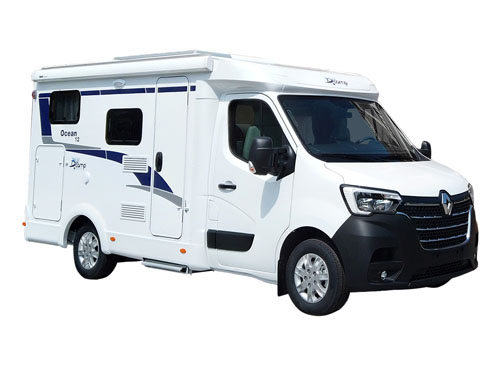
Choosing the right RV class for your Swiss adventure involves balancing comfort, maneuverability, and budget, with smaller campervans proving ideal for navigating narrow mountain roads and city centers, while larger motorhomes offer more living space for families.
For instance, a compact Class B campervan, perfect for two travelers, offers fuel efficiency of approximately 8-10 liters per 100 km, making it economical for navigating alpine routes. On the other hand, a larger Class C motorhome like the 'cruise america rv rental example Explorer' or 'C-30' with capacities for up to 7 people, boasts ample space with rear double beds and a full kitchen, ideal for a family of 2+2 or a group of friends on an extended road trip.
Cruise America C-30 motorhome, ideal for up to 7 people.
Locking in your RV rental dates, particularly for the popular summer months of July and August, should be done several months in advance to ensure availability and potentially secure better pricing, as popular models can be booked out 4-6 months ahead. Insurance options are crucial for RV rentals in Switzerland, ensuring coverage for potential damages or incidents during your trip. Basic insurance is always included; to see prices including the most comprehensive coverage, select that option during your search on Bandana RV, and all relevant insurance details will be clearly presented. Remember, Bandana RV offers full transparency with no hidden fees, providing you with confidence in your booking.
🎬 Video coming soon
Pre-Trip Prep - Packing Checklist for Switzerland
Preparing a comprehensive packing checklist tailored to Switzerland's varied climate and RV travel ensures you have everything needed for a comfortable and safe journey.
It's essential to pack layers for fluctuating temperatures, along with specific items for cooking, safety, and documentation. For instance, even in summer, mountain regions can experience temperatures as low as 5-10°C, while valleys might be 25-30°C. Many rented motorhomes come equipped with a basic kitchen, often including a 2-burner or 3-burner gas stove and a refrigerator, perfect for preparing meals and keeping ancillary trip costs down. For finding campsites and campgrounds during your trip, we recommend using rvplan.net - a great resource for locating available spots along your route. You can even track every expense along the way for easy budgeting on RV PLANET routes. On the routes offered through RV PLANET routes, you can itemize and track every expense along the way for easy budgeting.
Essential RV Packing Checklist for Switzerland:
- Layers of clothing (base, mid, outer)
- Waterproof and windproof jacket
- Comfortable walking shoes/hiking boots
- Swimsuit (for lakes/spas)
- European power adapter
- Portable power bank
- Reusable water bottle
- Sunscreen and hat
- Basic toiletries and medications
- First-aid kit
- Headlamp or flashlight
- GPS device or reliable navigation app
- Swiss Vignette (can be bought at border/gas stations)
- Driver's license (International Driving Permit recommended)
- Passport/ID
- RV rental agreement
- Travel insurance documents
- Credit/debit cards and some Swiss Francs cash
- Cooking essentials (oil, salt, pepper, coffee)
- Reusable shopping bags
- Binoculars (for scenic views)
On the Road - Driving, Fueling, Navigation
Navigating Switzerland by a rented RV requires awareness of specific road rules, fueling practices, and effective navigation strategies to ensure a smooth journey.
All vehicles using Swiss motorways require a 'Vignette,' an annual toll sticker which costs approximately CHF 40 and can be purchased at the border or gas stations. Speed limits are strictly enforced, typically 120 km/h (75 mph) on motorways, 80 km/h (50 mph) outside towns, and 50 km/h (31 mph) in urban areas. Drive slowly and carefully, and you can drive almost anywhere without issues. No need to stress - just use common sense and pay attention. Fueling stations are widely available, with most motorhomes running on diesel ('Diesel') or petrol ('Bleifrei 95/98'), and payment usually accepted by credit card. Utilize reliable GPS navigation systems or apps that account for vehicle dimensions to avoid unsuitable routes, especially on narrow mountain passes.
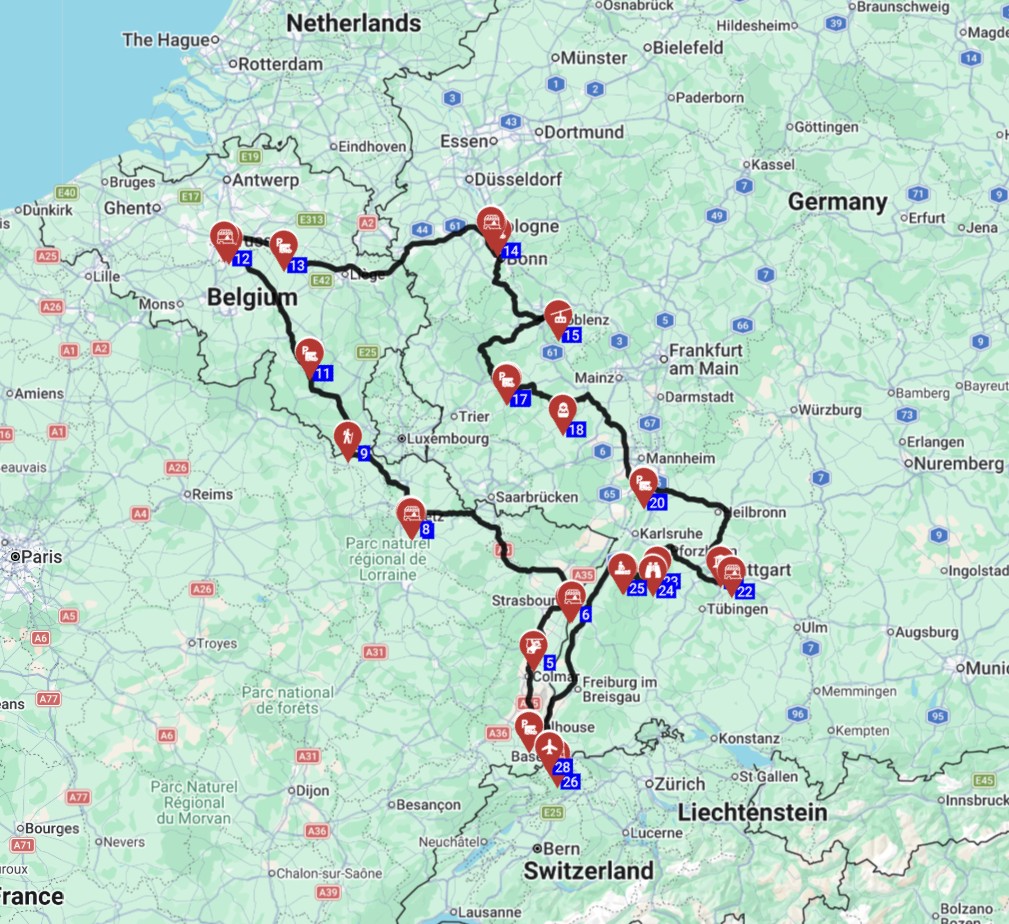
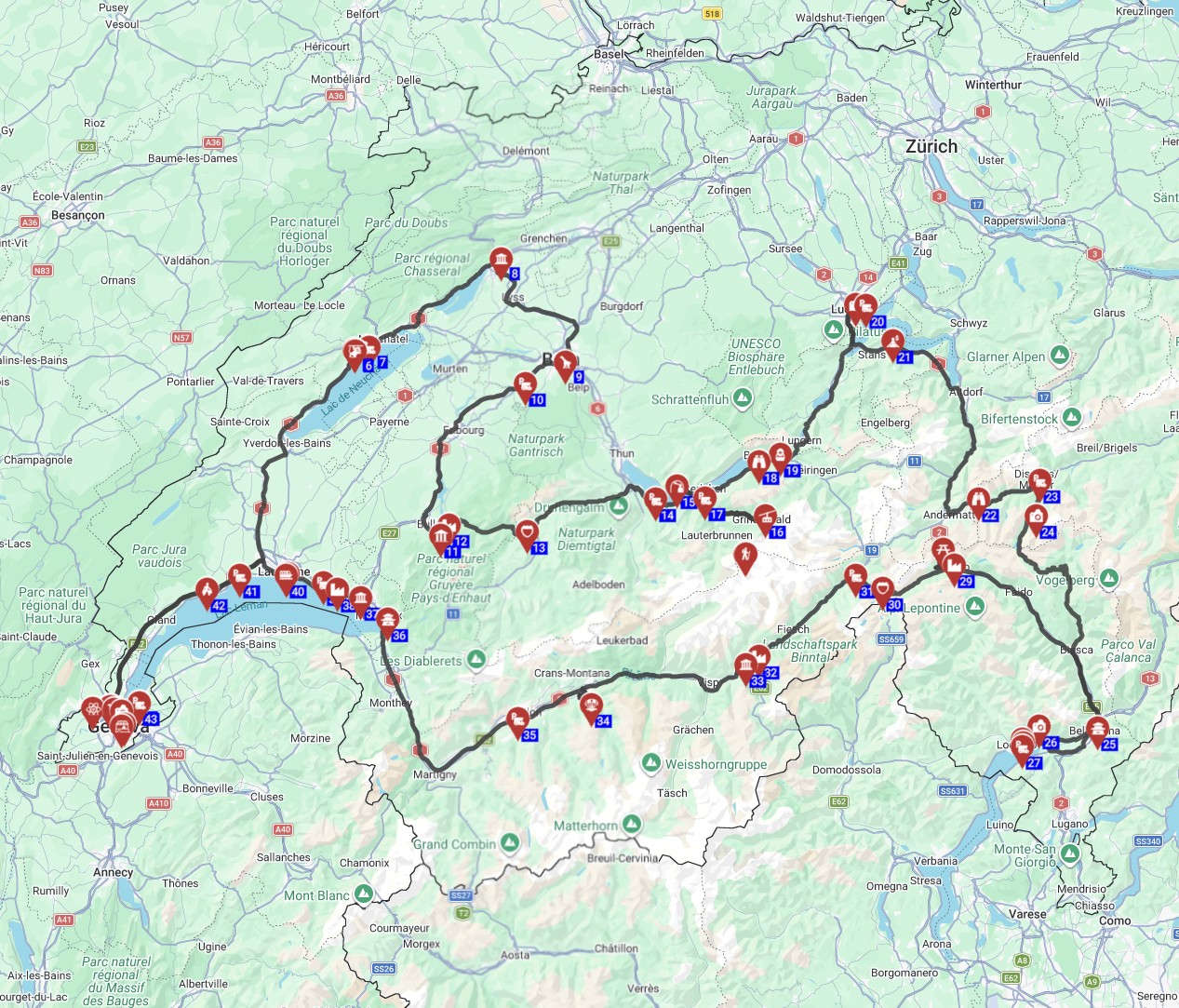
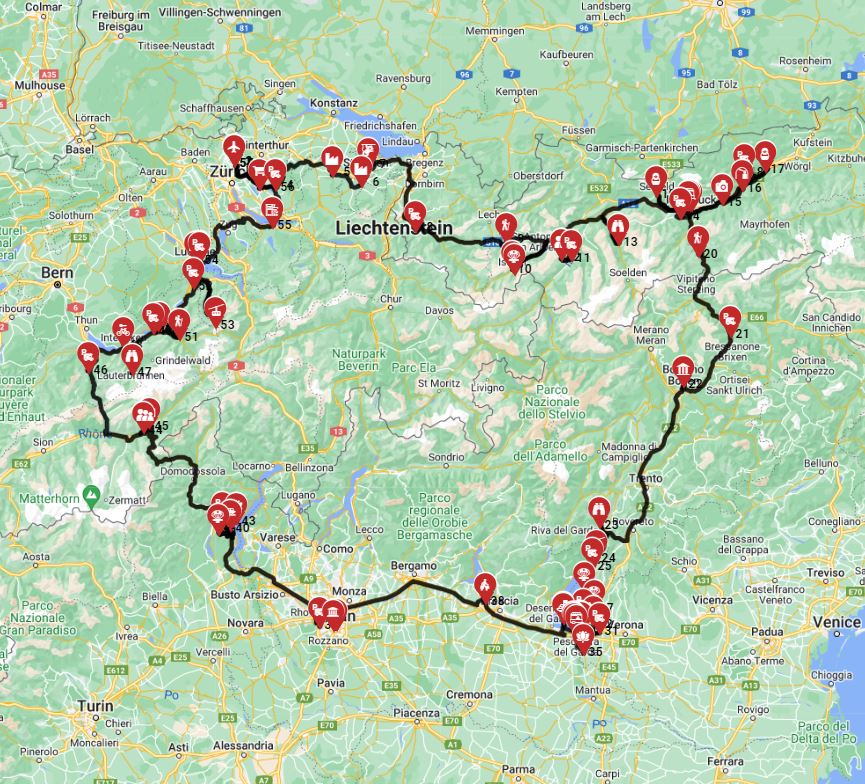
When planning your drive, remember our recommendation to travel slowly, a maximum of 100-150 km per day on average. This allows you to truly feel the place, connect to the culture, the food, and the scenery. For example, the Nice Roundtrip - French Riviera toward North Italy, Switzerland, and the French Alps covers 1742.8 km over 15 days, allowing for leisurely exploration and discovery.
At the Campground - Setup, Hookups & Etiquette
Setting up your RV at a Swiss campground involves a standard sequence of steps for safety and comfort, alongside observing local etiquette for a pleasant stay.
Upon arrival, first level your rented motorhome or campervan using ramps or blocks, then connect to electricity (often via a CEE blue plug), followed by fresh water if available. Proper waste disposal for grey water and black water is critical, and dedicated facilities are readily available at all official campgrounds. Observing quiet hours, typically from late evening until early morning, and respecting your neighbors' privacy are fundamental aspects of Swiss campground etiquette. Many campgrounds offer amenities like showers, toilets, and sometimes even laundry facilities, enhancing the comfort of your RV rental experience.
Remember that while many national and state parks reserve only 25-30% of spots, the rest are often first-come-first-serve. So, even if you are a spontaneous traveler, you will likely find a spot. If not at the first campground, then the next one; just call ahead before driving.
RV Rental Deals-Specific Tips for Switzerland
Securing an excellent RV rental deal in Switzerland involves strategic planning to maximize value without compromising the travel experience.
Opting for a smaller, more fuel-efficient campervan or motorhome can significantly reduce costs related to fuel and tolls, making it a smart choice for budget-conscious travelers. Consider a 'V3' campervan with a 2-liter diesel engine or a 'luxury rv rentals example Carthago Malibu 600' which is ideal for a couple, offering excellent maneuverability and fuel efficiency. These compact options typically have 80-100 liter fresh water tanks and 75-liter fuel tanks, ideal for several days of travel. Take advantage of Switzerland's excellent public transport system by using 'park and ride' options from campgrounds to explore cities, saving on parking fees and stress. Planning to cook most of your meals in your rented RV's kitchenette can lead to substantial savings compared to dining out, given Switzerland's higher cost of living. For inspiration, check out our RV-friendly recipes playlist. Seek out Stellplätze (designated RV parking spots, often free or low-cost) or farm stays as alternatives to more expensive campgrounds for occasional overnight stops. Lastly, consider travel insurance that specifically covers RV rental deductibles and any potential trip interruptions.
Common Mistakes to Avoid in Switzerland
Avoiding common pitfalls can significantly enhance an RV trip through Switzerland, ensuring a smoother and more enjoyable experience.
A common mistake is failing to purchase a Swiss motorway Vignette before driving on highways; instead, buy it at the border or gas stations for approximately CHF 40. Underestimating the challenges of mountain driving, such as steep ascents/descents and narrow roads, can be problematic; instead, plan routes carefully and consider a smaller RV or campervan for greater maneuverability. Ignoring local regulations regarding wild camping is a frequent error; instead, utilize official campsites, Stellplätze, or farm stays for legal overnight parking. Not booking popular campsites or attractions in advance, especially during peak season, can lead to disappointment; instead, secure reservations early, particularly for sites in areas like Interlaken or Zermatt, which book out months ahead. Neglecting proper waste disposal and sustainable practices can harm the environment and lead to fines; instead, use designated facilities and adhere to eco-friendly guidelines. Always ensure your rental motorhome's waste tanks (typically 80-120 liters for grey and black water) are properly managed. Remember, we handle the details, so you can live the journey, but responsible travel is everyone's role.
What is the best time of year for an RV trip in Switzerland?
Switzerland offers distinct RV travel experiences year-round, with peak season in summer providing warm weather and open passes, while spring, autumn, and winter each present unique scenic and activity-based opportunities.
Summer (June-August) is the most popular time for RV rentals in Switzerland, offering warm weather, accessibility to high mountain passes like the Stelvio Pass (2,757 m / 9,045 ft), and abundant outdoor activities such as hiking and cycling. However, this period also means higher prices and more crowds, so booking 4-6 months ahead is highly recommended for best availability and pricing for motorhome rentals. Spring (April-May) features blooming landscapes, fewer tourists, and potentially lower rental rates, though some higher passes may still be closed. Autumn (September-October) offers stunning foliage, wine routes, and pleasant temperatures, making it ideal for scenic drives and hiking, with average temperatures ranging from 8-15°C. Winter (November-March) caters to ski enthusiasts, with specific winterized routes and campgrounds open near ski resorts; an RV equipped for cold weather, such as a model with good insulation and heating, is essential. Choosing the 'best' time depends entirely on your preferred activities and tolerance for crowds and weather conditions, but an extended road trip of one week or more allows you to fully experience the season.
What are the driving challenges for RVs in Switzerland?
Navigating an RV in Switzerland involves specific considerations such as steep mountain passes, narrow roads in villages, and restricted city access, which often necessitate choosing a suitable vehicle size and careful route planning.
Steep Mountain Passes: Roads like the Susten or Grimsel Pass feature significant gradients (sometimes exceeding 10%) and numerous hairpin bends; ensure your rented RV or motorhome is capable and you're comfortable with such driving. Smaller campervans, such as those under 6 meters in length, are generally more agile. Narrow Roads and Villages: Many historic towns and rural villages have very narrow streets, making navigation challenging for larger RVs; consider parking on the outskirts and using public transport for city exploration. City Access and Parking: Major cities often have limited RV parking, expensive garages, or restricted access zones. Instead, utilize park and ride facilities or integrated public transport from campgrounds, many of which are located just outside urban centers. Vehicle Suitability: Smaller campervans or semi-integrated motorhomes (under 7 meters) are generally recommended for greater maneuverability on Swiss roads, especially for scenic routes that often include tight turns. Traffic and Tunnels: Be prepared for occasional traffic congestion, especially around major cities and during peak travel times, and for numerous tunnels which are common in mountainous regions, such as the Gotthard Tunnel, which is 17 km (10.5 miles) long.
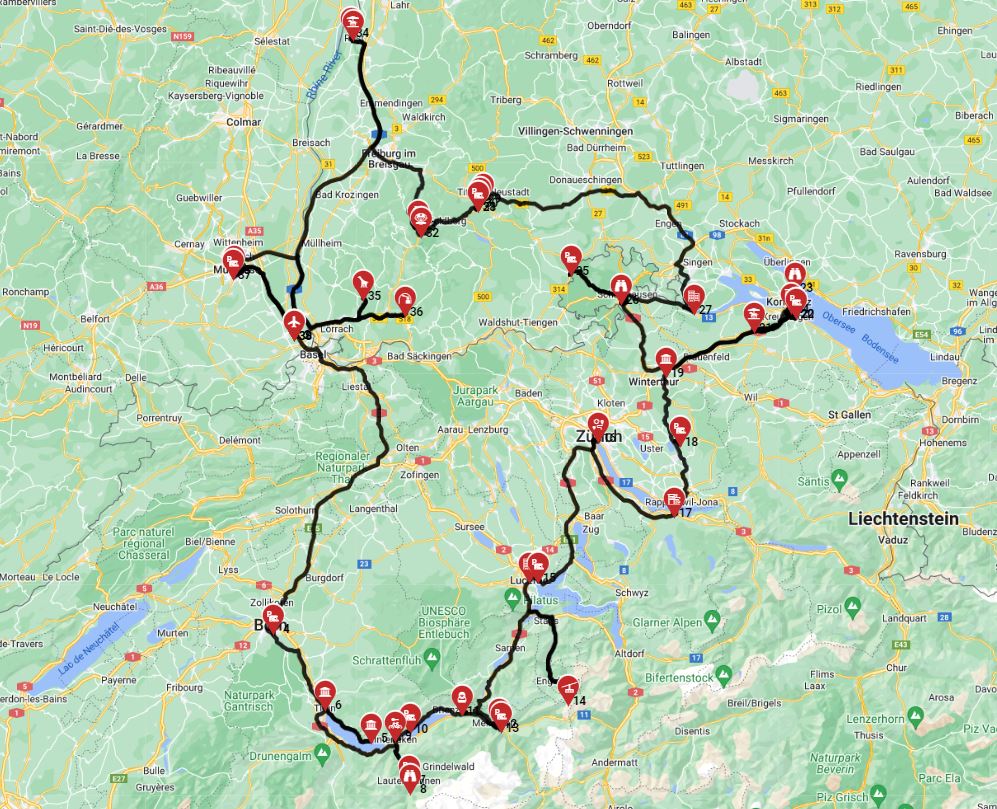
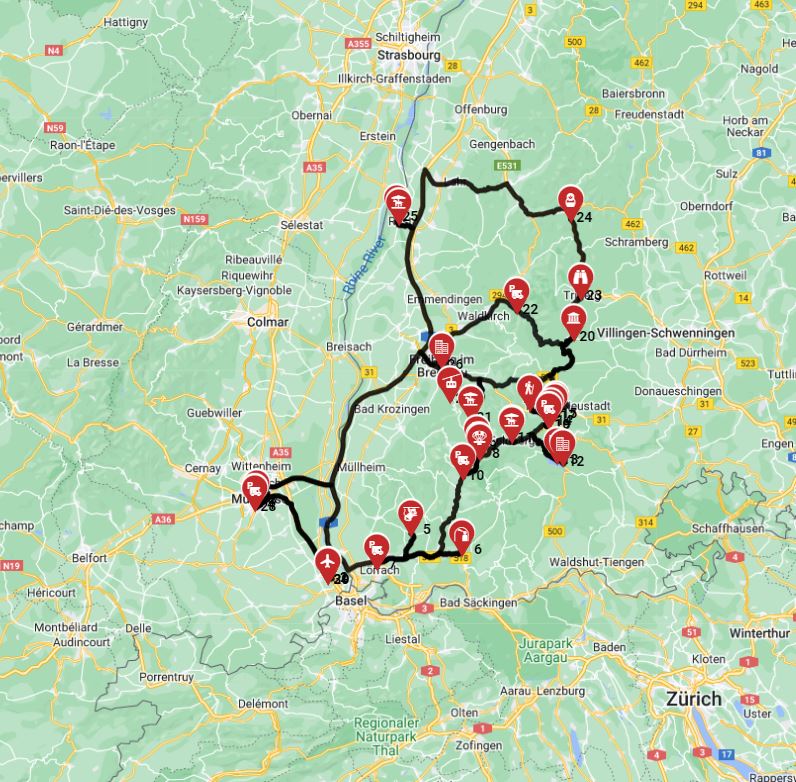
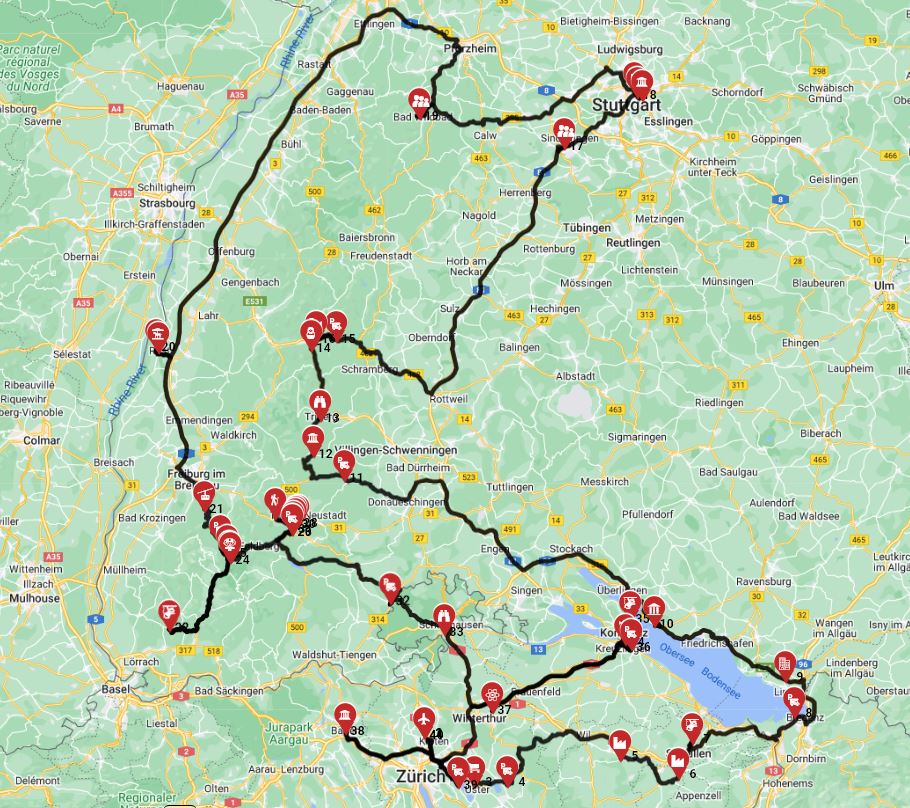
If you're interested in routes that navigate these challenges expertly, the Basel Roundtrip - Switzerland & Black Forest is a 16-day itinerary covering 1233.4 km, including visits to 5 natural features and offering pre-planned guidance.
Can you wild camp in Switzerland with an RV?
Wild camping in Switzerland is generally prohibited for RVs and motorhomes in most cantons, with strict regulations varying locally, making official campsites, designated Stellplätze, or farm stays the primary legal overnight parking options.
The legal status of wild camping varies significantly by canton, municipality, and even specific areas (e.g., national parks, nature reserves, private land). It is generally illegal to wild camp in national parks, nature protection areas, and above the tree line without specific permission, and fines can be substantial, often ranging from CHF 100 to over CHF 1,000. Designated Stellplätze (official parking areas for motorhomes, sometimes with basic facilities like fresh water and waste disposal) offer a legal and often inexpensive alternative for overnight stays. Farm stays (often called 'Camping auf dem Bauernhof') provide another legal option, allowing RVers to park on private farmland, often offering local produce or unique experiences. Always consult local tourist information or campground apps (like those found on rvplan.net) to find legal and safe overnight parking for your rented campervan or motorhome.
As true RV specialists, we recommend planning your overnight stops in advance to avoid any unwelcome surprises, ensuring full transparency in your journey.
How do I choose the right RV campground in Switzerland?
Selecting the appropriate RV campground in Switzerland depends on your travel style and preferences, with options ranging from luxury resorts to budget-friendly sites, family-oriented parks, and unique locations, all requiring early booking, especially during peak season.
Switzerland offers a variety of campgrounds: luxury sites with extensive amenities like pools and restaurants, budget-friendly options with basic facilities, family-friendly parks with playgrounds, and quiet, scenic spots near natural attractions like lakes or mountains. Consider what amenities are essential for your trip, such as electricity hookups, fresh water (often 100-150 liter tanks in rental motorhomes), waste disposal points, showers, toilets, laundry facilities, or Wi-Fi. Choose campgrounds based on your itinerary, whether you prefer proximity to hiking trails, lakes, ski resorts, or public transport for city excursions. Popular campgrounds, especially in scenic or major tourist regions like Lucerne or Zermatt, can book out months in advance during peak season (July-August) and holidays; early reservations are highly recommended. If traveling with pets, verify the campground's pet policy, as some may have restrictions on breed, size, or designated pet areas, and always ensure your pets' travel documents are in order.
What You Shouldn't Miss
Looking for expert insights from Avi Bandana? Top 3 Adventures - recommendations from Avi Bandana
- The Jungfrau Region & Interlaken: Explore the iconic Eiger, Mönch, and Jungfrau peaks with panoramic train rides to Jungfraujoch, Europe's highest railway station at 3,454 meters (11,332 ft). Stay at Camping Jungfrau in Lauterbrunnen, known for its stunning valley views and easy access to hiking trails and cable cars. The region also offers thrilling extreme activities like paragliding and canyoning.
- Lucerne & Lake Lucerne: Discover the charming city of Lucerne with its medieval Chapel Bridge (Kapellbrücke) and historical old town. Take a leisurely cruise on Lake Lucerne, visit Mount Pilatus or Mount Rigi for breathtaking views, and enjoy a traditional Swiss meal by the water. Nearby campgrounds often offer direct lake access and cycling routes.
- Zermatt & the Matterhorn: While Zermatt itself is car-free, you can park your RV in Täsch (5 km away) and take a short train ride into the village. This allows you to experience the majestic Matterhorn up close, explore glaciers, and enjoy world-class hiking or skiing. Many campsites in Täsch are equipped for motorhomes and offer shuttle services.
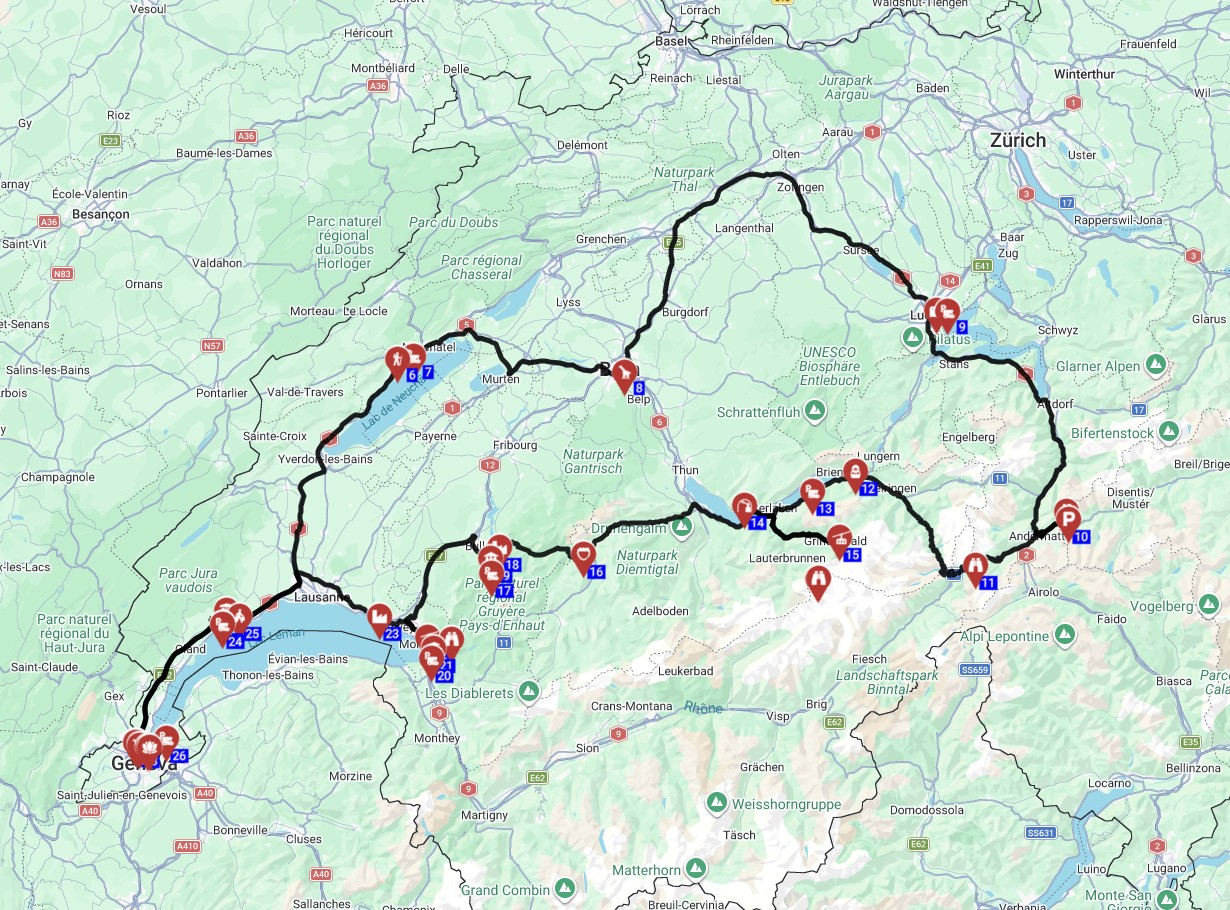
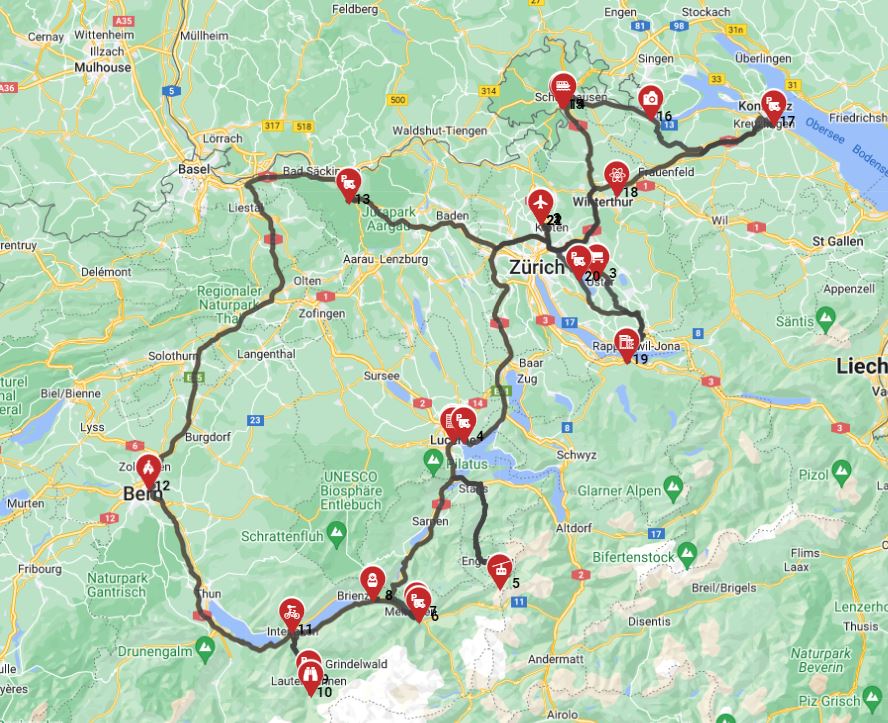
For a structured trip focusing on Swiss highlights, consider the
Final Thoughts
Embarking on an RV adventure through Switzerland promises breathtaking scenery, charming towns, and an unparalleled sense of freedom. By leveraging the tips and insights shared here, from smart booking strategies to understanding local driving nuances, you're well-equipped to find the best RV rental deals and make the most of your journey. Remember that thoughtful planning, especially around vehicle choice and seasonal travel, can significantly enhance your experience and budget efficiency.
At Bandana RV, we're passionate about helping you craft the perfect RV rental experience. We handle the details, so you can truly live the journey, creating lasting memories amidst Switzerland's majestic landscapes. Discover top destinations, planning tips, all in one place, and prepare for an unforgettable mobile home adventure!