In This Guide
- Top 5 Tips for RV Rental Deals RV Rental in South America
- Before You Book - Class, Dates, Insurance
- Pre-Trip Prep - Packing Checklist for South America
- On the Road - Driving, Fueling, Navigation
- At the Campground - Setup, Hookups & Etiquette
- RV Rental Deals-Specific Tips for South America
- Common Mistakes to Avoid in South America
- What is the 3-3-3 rule for RV travel?
- What is the cheapest way to rent an RV?
- What is the 444 rule for RV?
- What is the 2-2-2 rule for RV?
- Is it cheaper to rent an RV or stay in a hotel?
- What are some important tips for traveling around South America?
- How much money do I need for 3 weeks in South America?
Embarking on a motorhome rental adventure through South America is an unparalleled journey into a continent of breathtaking landscapes, vibrant cultures, and unforgettable experiences. Planning your trip wisely, especially when looking for RV rental deals in South America, can unlock incredible value and ensure a smooth, inspiring road trip. Whether you dream of Patagonia's towering peaks, the Amazon's lush rainforests, or the ancient mysteries of the Andes, traveling with a rented RV gives you the freedom to explore at your own pace. For live availability and current prices, start with our RV Rental South America - Complete Guide 2026 guide.
Top 5 Tips for RV Rental Deals RV Rental in South America
Securing the best RV rental deals in South America requires strategic planning and flexibility, focusing on key areas to maximize your budget and travel experience. Booking well in advance, ideally 3-6 months before your trip, significantly increases your chances of securing desired motorhome models and lower rates, particularly during peak seasons like Argentina and Chile's summer (December-February).
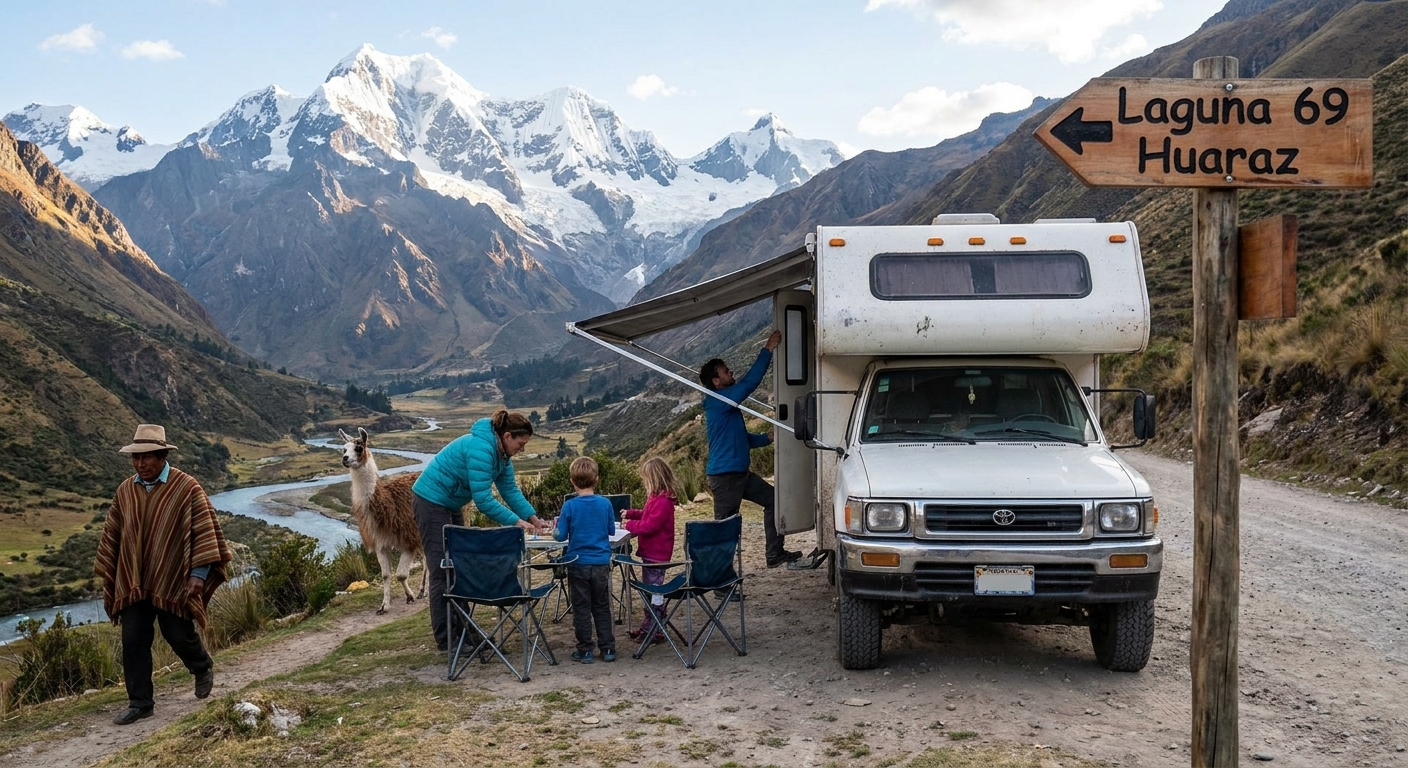
Consider a 4x4 campervan like a "Patagonia Camper 4x4 double cab" for enhanced flexibility and access to diverse terrains, especially if your route includes Patagonia or remote Andean regions where roads might be unpaved gravel sections. Factor in all potential costs upfront, beyond just the daily rental fee, including varying fuel prices (e.g., cheaper in Bolivia/Ecuador than Argentina), road tolls, and specific country insurance requirements like SOAT (Compulsory Traffic Accident Insurance) often mandated in Peru or Bolivia. Plan your route with realistic driving times, averaging around 100-150 km per day, accounting for varied road conditions, potential border crossings, and unique delays found in South American travel. Prioritize essential communication and navigation tools such as offline maps (Maps.me, Google Maps offline) and a local SIM card, as cellular service can be intermittent in remote areas. Remember, Bandana is with you before, during, and after your booking process to support your planning and coordination, offering transparent pricing with no hidden fees or surprises at pickup. On the routes offered through RV PLANET routes, you can itemize and track every expense along the way for easy budgeting.
Before You Book - Class, Dates, Insurance
Choosing the right motorhome class for your South American adventure heavily depends on your intended itinerary and comfort preferences. For rugged terrain or off-the-beaten-path exploration, a compact campervan or a 4x4 such as an "Adventure Camper" is often ideal, offering maneuverability and resilience. Larger Class C motorhomes, like an "rv rentals example Comfort Class", are generally more suited for well-maintained paved highways and offer more living space, perfect for families or groups. Pricing for a rented RV in South America is dynamic, similar to flight tickets, changing daily based on availability, seasonality, and supplier marketing decisions. Locking in your rental dates as early as possible, generally 3-6 months out, can significantly improve availability and secure more favorable pricing for peak seasons. Spontaneous travelers can also find options, as many national and state parks reserve 25-30% of their spots for first-come, first-served arrivals, meaning you'll likely find a spot, even if it's at the next campground. Always call ahead before driving long distances to a campsite to confirm availability.
Regarding insurance, basic coverage is always included with your motorhome rental. For comprehensive peace of mind, you can upgrade to a top-level deductible reimbursement option, which protects you from unexpected costs in case of an incident. It is crucial to be aware of country-specific insurance mandates, such as SOAT (Compulsory Traffic Accident Insurance) in Andean nations like Peru and Bolivia, as these might not be fully covered by standard policies and may need to be purchased locally at borders. Always review your rental agreement and discuss insurance options with your Bandana specialist to ensure full transparency and no surprises.
🎬 Video coming soon
Pre-Trip Prep - Packing Checklist for South America
Thorough preparation is key for your South American motorhome rental adventure, ensuring comfort and readiness for diverse climates and conditions. Packing smart involves prioritizing layers of clothing to adapt to rapid temperature changes, from warm, waterproof outerwear suitable for Patagonia's winds to breathable items for warmer regions. Essential footwear includes sturdy hiking boots for trail exploration and comfortable walking shoes for city excursions. Sun protection is critical everywhere, so a sun hat, sunglasses, and high-SPF sunscreen are non-negotiable, along with effective mosquito repellent (with DEET or Picaridin) for tropical zones.
For your rented RV's kitchen, basic cooking utensils and non-perishable food items are wise additions, allowing you to prepare delicious meals on board, perhaps even some new RV-friendly recipes playlist. Consider bringing a water filter or purification tablets for regions where potable water might be scarce, alongside reusable water bottles and bags to reduce waste. A comprehensive first-aid kit, including medication for altitude sickness if you plan on high-altitude routes, is vital. Don't forget a headlamp or flashlight, a multi-tool for minor vehicle adjustments, and an external battery pack for electronic devices. Secure locks for your motorhome's doors and storage compartments offer added peace of mind.
Document readiness is paramount: carry your valid passport, a standard car driver's license (which is sufficient for all motorhome classes), and an International Driving Permit (IDP) if you're from a non-English-speaking country (though not mandatory in all cases, it's highly recommended). Always have physical and digital copies of all important documents, including vehicle registration and any country-specific insurance like SOAT. Ensure you have local currency and credit/debit cards, and keep a list of emergency contact information readily accessible. When you use RV PLANET routes, you can easily itemize and track every expense, helping you stick to your budget and manage ancillary costs like fuel and park fees.
At the Campground - Setup, Hookups & Etiquette
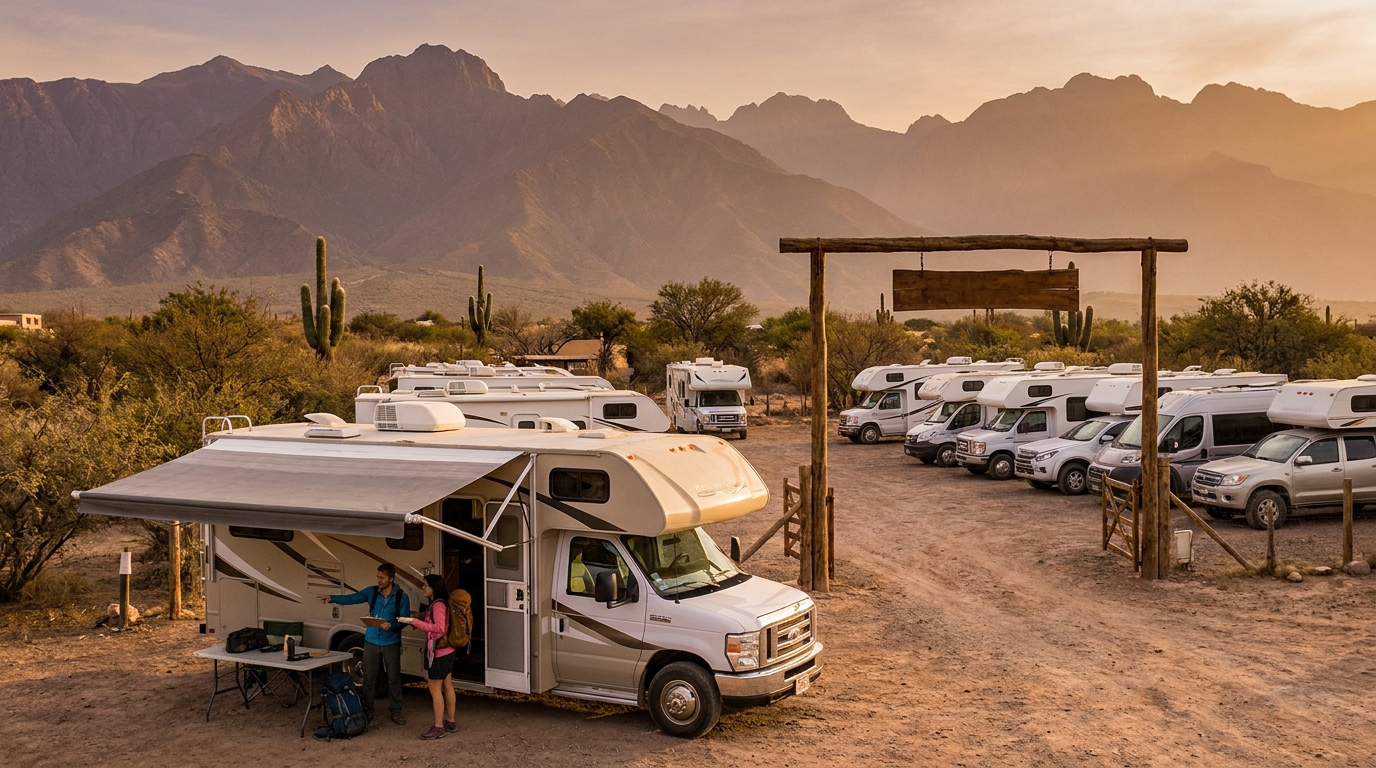
Setting up your rented motorhome at a South American campground, whether a formal RV park or a scenic wild camping spot, involves a few key steps for a comfortable and respectful experience. Upon arrival, selecting a level spot is the first priority; use leveling blocks if needed to ensure your motorhome, such as an "Adventurer" model, is stable and comfortable. Connecting to available hookups typically follows a specific order: first water, then electricity (if provided), and finally, your sewer hose for waste disposal. It is crucial to always check water quality at national parks and camping areas; if unsure, use a filter or boil water to ensure it's potable, as water quality is not guaranteed everywhere.
Adhering to campground etiquette is universally appreciated and contributes to a positive experience for everyone. This includes observing designated quiet hours, maintaining cleanliness in your area and shared facilities, and showing respect for fellow campers. Familiarize yourself with local regulations regarding wild camping, which can offer unique, immersive experiences but demands extra preparedness regarding amenities, waste management, and safety considerations. For finding campsites and campgrounds during your trip, we recommend using RV PLANET (rvplan.net) - a great resource for locating available spots along your route.
RV Rental Deals-Specific Tips for South America
To find the best RV rental deals in South America, travelers should strategize based on their personal travel style and budget. For budget travelers, opting for smaller, more fuel-efficient campervans, like an "Active Compact Select" or "RV rental denver example Category Van," is often the most economical choice. Consider utilizing free overnight spots where permitted and safe, or inexpensive municipal campgrounds to save significantly on accommodation costs while still enjoying the unparalleled freedom of a rented motorhome.
Long-term adventurers looking for RV rental deals should inquire about discounts for extended rental periods, typically for trips over three weeks or a month. Early communication with suppliers regarding cross-border travel permissions is essential to avoid last-minute complications and fees. Luxury seekers, on the other hand, can explore premium RV models offering advanced amenities, such as a "Class A - Thor ACE 30" with spacious interiors and a private toilet. Families embarking on an RV adventure should prioritize rented RVs with multiple sleeping areas and ample storage for gear, like a "6 Berth Discovery" with beds up to 140/210cm. Planning kid-friendly stops and ensuring comfortable travel for naps are crucial for a harmonious and memorable family road trip. Remember, Bandana makes it easy to compare final prices across a wide range of suppliers, ensuring what you see is what you pay, with no surprise fees at pickup.
Common Mistakes to Avoid in South America
Ensuring a smooth motorhome rental trip through South America means proactively understanding and avoiding common pitfalls that can arise on such a diverse continent. Many travelers underestimate the complexity of border crossings, which in South America, require thorough research into specific country requirements for both travelers and vehicles. This includes visa needs, temporary import permits, and local insurance (like SOAT in Peru or Bolivia); always budget ample time for potential delays, which can be several hours. It's also a mistake to neglect road condition research; instead of relying solely on major map applications, consult local sources or forums for current road conditions, as unpaved sections, potholes, and mountain pass closures are common, especially off main routes.
Ignoring hidden costs is another frequent error. Beyond the rental and fuel expenses, budget for diverse ancillary costs such as country entry/exit fees, road tolls, varying fuel prices, specific vehicle insurance requirements, and emergency funds for unexpected repairs, all of which can differ significantly between nations. Underestimating safety and security is a critical mistake; always plan for secure overnight parking, understand local emergency protocols, carry essential communication devices, and research health precautions for high altitudes or local diseases. Finally, skipping thorough vehicle pre-checks is ill-advised. Before departing, inspect your rented RV carefully for common issues, verify the spare tire's condition, and understand basic maintenance tasks, as finding mechanics in remote areas can be challenging. By avoiding these common mistakes, your RV rental trip in South America will be far more enjoyable and stress-free.
What is the 3-3-3 rule for RV travel?
The 3-3-3 rule for RV travel, also referred to as the campervan 3-3-3 rule, is a widely recommended guideline suggesting travelers drive no more than 300 miles (approximately 480 km) a day, arrive at their destination by 3 PM, and stay for a minimum of 3 nights. This rule aims to enhance the enjoyment and reduce the stress of rented RV trips by preventing driver fatigue, allowing ample time for setup and relaxation, and providing opportunities to thoroughly explore each location. For South American RV travel, adapting this rule is crucial; consider shorter daily distances of 100-150 km due to variable road conditions, more frequent stops for border crossings, and allowing extra time for unexpected delays. The slower pace recommended by the 3-3-3 rule, even when modified, is essential for appreciating the diverse landscapes and cultures encountered during a South American motorhome adventure.
What is the cheapest way to rent an RV?
The cheapest way to rent an RV in South America generally involves booking well in advance, taking advantage of off-peak seasons, being flexible with pickup and drop-off locations, and choosing smaller, more fuel-efficient campervans. Early booking, often 6-12 months ahead, can secure lower daily rates before demand drives prices up, which is especially important for popular South American destinations like Patagonia during summer. Traveling during the shoulder seasons (e.g., spring or fall in the Andes) can significantly reduce your rental costs compared to peak summer or winter months. Opting for a smaller Class B campervan or a compact 4x4 camper, such as a "2 Person 4WD Camper" is typically more economical due to lower rental rates and better fuel efficiency, a key consideration with varying fuel prices across the continent. Comparing prices across multiple rental platforms, like Bandana, helps ensure you see the most transparent deals available. Embracing wild camping where permitted and safe, or staying at less expensive municipal campgrounds instead of full-service RV parks, can further reduce overall trip costs. Remember, Bandana's full transparency policy means no hidden fees, giving you a clear picture of your total rental cost.
What is the 444 rule for RV?
The 4-4-4 rule for RV travel is an alternative guideline to the 3-3-3 rule, suggesting that you should drive no more than 400 miles (approximately 640 km) a day, arrive by 4 PM, and ideally stay for at least 4 nights. This rule provides slightly more flexibility in daily mileage while still emphasizing the importance of arriving at your destination with daylight to spare and allowing for a longer stay to truly experience a location. For South American RV travel, adhering to the 4-4-4 rule might be more challenging due to potentially slower average speeds on diverse road conditions and the need for frequent stops, but it can be adapted for segments with better infrastructure. The core benefit is reducing rush and fatigue, allowing for more relaxed travel and immersive cultural experiences with your rented motorhome.
What is the 2-2-2 rule for RV?
The 2-2-2 rule for RV travel is a conservative guideline recommending driving no more than 200 miles (approximately 320 km) a day, arriving at your destination by 2 PM, and staying for a minimum of 2 nights. This rule is particularly well-suited for leisurely trips, beginners, or those who wish to maximize their time exploring each stop rather than constantly moving. When traveling in South America, the 2-2-2 rule can be highly beneficial, as it allows extra time to navigate unfamiliar roads, handle unexpected delays at border crossings, and thoroughly explore the unique attractions of each region, making for a less rushed and more immersive experience with your motorhome rental. It also provides ample buffer for vehicle maintenance checks and adjustments, which are especially important when navigating diverse terrains and remote areas.
Is it cheaper to rent an RV or stay in a hotel?
Whether it is cheaper to rent an RV or stay in a hotel in South America largely depends on the length of your trip, the number of travelers, the type of RV chosen, and your overall travel style. For longer trips, typically over a week, with multiple people (like a family of 4-6), a rented motorhome can often be more cost-effective than booking multiple hotel rooms, as it combines accommodation and transportation expenses. The ability to self-cater in your RV's kitchen also saves significantly on restaurant meals, especially for families. However, it is crucial to factor in all RV-related expenses beyond the initial rental fee, such as fuel (which can be expensive and highly variable in South America), campground fees (if not wild camping), insurance, and potential maintenance costs. Hotels might be cheaper for shorter trips or solo travelers, particularly if you opt for budget hostels or guesthouses and don't need the flexibility and amenities of a rented mobile home. Ultimately, the RV offers unparalleled flexibility and access to remote areas where hotels are scarce, providing value beyond just monetary cost, particularly for adventure-focused travelers seeking immersion in nature and culture.
What are some important tips for traveling around South America?
Important tips for traveling around South America in a rented motorhome include thorough planning, cultural awareness, and practical safety measures to navigate its diverse landscapes and cultures effectively. First, plan your route meticulously: research road conditions for specific regions (e.g., paved highways versus gravel mountain passes), anticipate varied fuel prices, and understand border crossing requirements for each country, including necessary documents and potential fees. It's vital to prioritize safety and security; always be aware of your surroundings, research secure parking options for your RV, understand local emergency protocols, and carry a reliable communication device for remote areas. While driving in cities, remember to drive slowly and carefully, and you can drive almost anywhere without issues. No need to stress - just use common sense and pay attention.
Embrace cultural immersion by learning basic Spanish or Portuguese phrases, practicing local etiquette, trying regional cuisine (while observing food safety), and engaging respectfully with indigenous communities to enrich your experience. Pack versatile clothing layers to handle everything from Andean altitudes and Patagonia's cold winds to Amazonian humidity and coastal warmth. Budget for hidden costs like country entry/exit fees, road tolls, varied fuel prices, and mandatory local vehicle insurance. Finally, consult your doctor about necessary vaccinations and consider altitude sickness prevention for high-altitude areas. Bandana, with over 23 years of experience helping tens of thousands of travelers, stands as a true RV specialist, offering unmatched personal experience and attention to the smallest details to make your South American RV adventure a success.
How much money do I need for 3 weeks in South America?
The amount of money needed for a 3-week motorhome rental trip in South America varies widely based on your travel style, the specific countries you visit, the type of RV, and your chosen activities, but a comprehensive budget is essential for planning. A realistic budget for a 3-week RV trip for two people could range from $2,500 to $6,000 USD or more, assuming a mid-range RV rental and a mix of paid and free activities. For RV rental costs, expect to pay approximately $80-$250+ USD per day for a Class B campervan or Class C motorhome, depending on size and amenities. Fuel will be a significant expense; prices fluctuate by country (e.g., generally cheaper in Ecuador/Bolivia, more expensive in Chile/Argentina), so budget roughly $100-$300+ per week depending on your mileage and vehicle's fuel consumption (e.g., a "cruise america rv rental example Explorer" has a 75-liter fuel tank and consumes about 11 liters/100 km). Campground fees typically range from $10-$40 USD per night, but leveraging safe and permitted wild camping spots can considerably reduce this. Food expenses for self-catering from local markets might be around $50-$100 USD per person per week, while dining out will significantly increase this, potentially $20-$50 per meal per person. Allocate funds for national park entry fees ($10-$50+ per park), guided tours (Machu Picchu, Galapagos, Amazon Jungle tours can run into hundreds or thousands), and other excursions. Crucially, factor in potential border crossing fees, road tolls, country-specific vehicle insurance, and an emergency fund for unexpected repairs or medical needs. Bandana offers bookings in over 30 currencies with full price transparency, helping you budget accurately without hidden conversion commissions.
What You Shouldn't Miss
- **Patagonia's Glaciers and Peaks**: Drive the iconic Ruta 40 in Argentina or Carretera Austral in Chile with a 4x4 campervan to witness massive glaciers like Perito Moreno and granite spires of Torres del Paine.
- **The Amazon Rainforest**: Explore the vast biodiversity of the Amazon from a base in Ecuador or Peru, taking eco-tours and river excursions.
- **Andean High Plateaus**: Venture through Bolivia's Altiplano, visiting Salar de Uyuni (world's largest salt flat) and colorful lagoons, best accessed with a robust motorhome.
- **Iguazu Falls**: Experience the immense power of these waterfalls on the border of Brazil and Argentina, enjoying the flexibility of arriving early or staying late with your rented RV.
- **Colonial Cities**: Discover charming colonial architecture and vibrant street life in cities like Cusco (Peru), Cartagena (Colombia), or Salta (Argentina), parking your campervan nearby and exploring on foot.
Looking for expert insights from Avi Bandana? Top Tips for RV Rental Deals in South America - recommendations from Avi Bandana.
Final Thoughts
Exploring South America by rented RV is an adventure that promises unparalleled freedom, breathtaking scenery, and deep cultural immersion. By leveraging these tips and planning intelligently, you can secure excellent RV rental deals and navigate the continent's unique challenges with confidence. Remember to embrace the spirit of slow travel, averaging 100-150 km per day, to truly savor each destination, its culture, cuisine, and natural beauty.
From the arid deserts of the Atacama to the vibrant cities of Brazil and the majestic glaciers of Patagonia, your rented motorhome is your mobile basecamp for discovery. With Bandana Caravan's commitment to transparency, expert support, and comprehensive resources like RV PLANET, you have a trusted partner every step of the way. We're here to help you compare final prices and make sure all the small details are covered, ensuring your journey is as smooth and enjoyable as possible.
So, get inspired for your next trip! Start planning your South American RV adventure today and discover the incredible deals waiting for you. Life is now - hit the road!