In This Guide
- Top 5 Tips for RV Rental in South America
- Before You Book - Class, Dates, Insurance
- Pre-Trip Prep - Packing Checklist for South America
- On the Road - Driving, Fueling, Navigation
- At the Campground - Setup, Hookups and Etiquette
- RV Rental-Specific Tips for South America
- Common Mistakes to Avoid in South America
- What is the 3-3-3 rule for RV travel?
- What is the 4-4-4 rule for RV travel?
- What are some important tips for traveling around South America?
- What is the 2-2-2 rule for RV travel?
- Is it cheaper to rent an RV or stay in a hotel?
- Can you RV in South America?
- What size RV is good for a beginner?
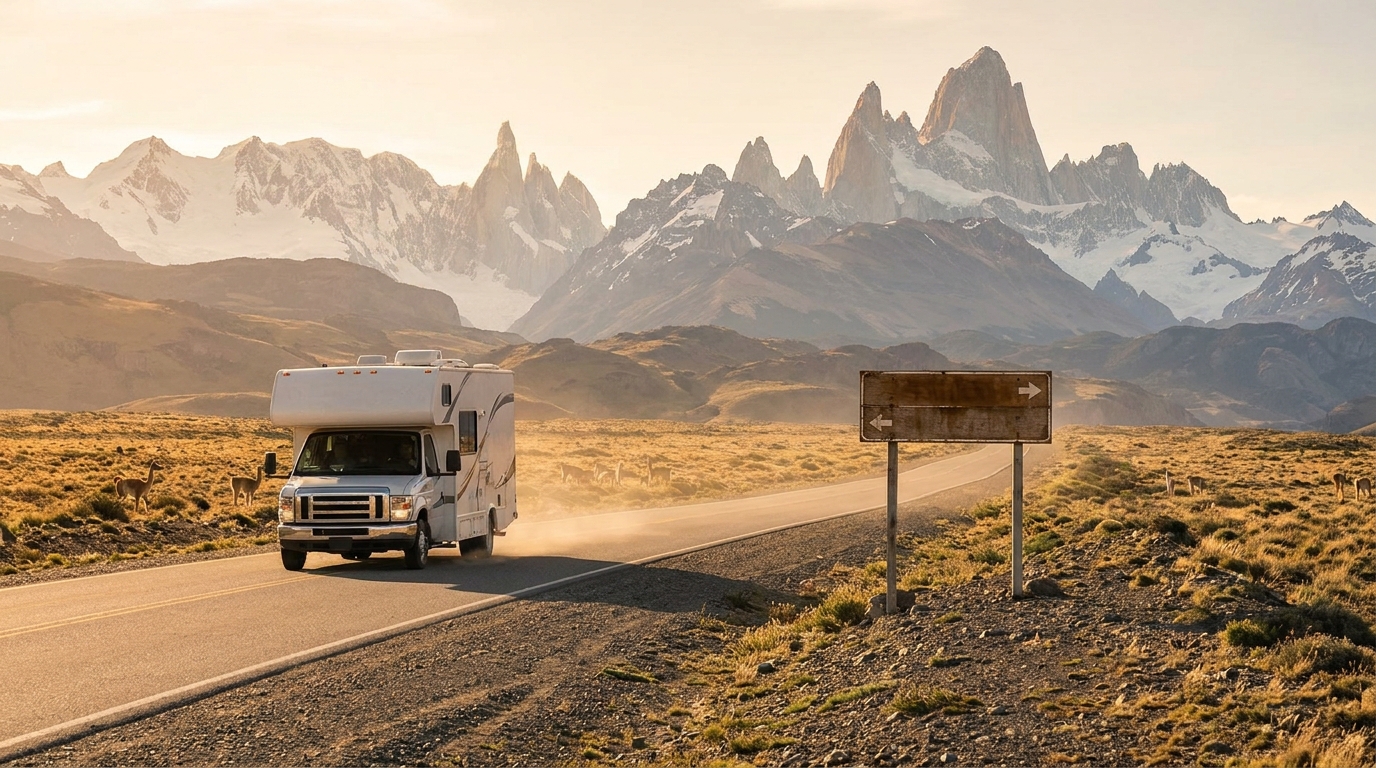
South America offers an RV adventure like no other, from the peaks of the Andes to the vast Patagonian plains. Imagine waking up to the sounds of nature, cooking a fresh meal with local ingredients right in your mobile home, and setting off at your own pace to discover vibrant cultures and breathtaking landscapes. To truly unlock this experience, having the right knowledge and preparation is key. For live availability and current prices, start with our RV Rental South America - Complete Guide 2026 guide.
Top 5 Tips for RV Rental in South America
Navigating South America in a rented RV requires careful planning, starting with thoroughly researching road conditions and planning your route using offline maps to account for varied terrain and infrastructure. Many routes, like Argentina's Ruta 40, can switch from paved to gravel, so knowing what's ahead prevents surprises. Secure comprehensive vehicle and travel insurance that covers international travel and potential emergencies, including breakdowns and medical needs, as standard policies may not extend fully across borders. Factor in all potential costs, including fuel, tolls, varied border crossing fees, diverse camping options (from formal campgrounds to permitted wild camping), and contingency funds for unexpected repairs or currency fluctuations. Fuel costs, for instance, can vary significantly between countries, so budgeting accurately is essential. Familiarize yourself with local driving laws, required documentation (e.g., International Driving Permits, Temporary Import Permits for vehicles), and cultural etiquette to ensure smooth interactions and compliance. Prioritize communication strategies by securing local SIM cards or satellite options for remote areas, and have emergency contacts readily available, as cell service can be spotty in vast stretches of the continent. Planning an itinerary in advance using RV PLANET routes allows travelers to itemize and track every expense, making budgeting easy and transparent. On the routes offered through RV PLANET routes, you can itemize and track every expense along the way for easy budgeting.
Before You Book - Class, Dates, Insurance
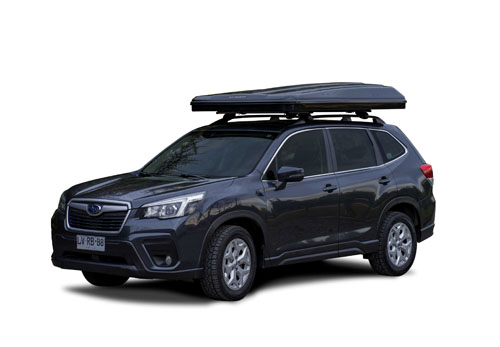
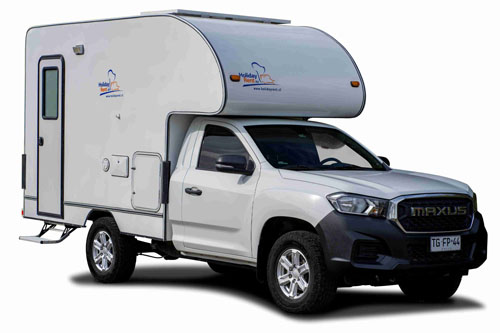
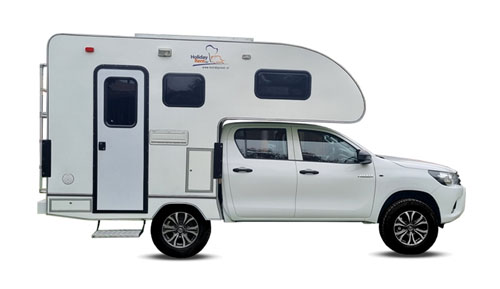
Choosing an RV class depends on your group size, budget, and comfort preferences, which is why Bandana RV offers a diverse fleet from numerous suppliers. Smaller campervans like the 'Patagonia Camper 4x4 double cab' are ideal for a couple, offering agility on varied roads, while larger Class C motorhomes such as the 'rv rentals example Comfort Class' (ideal for a big family / group of friends with 3 double beds) provide more amenities and space. Lock in your rental dates as early as possible, especially for peak seasons (December-February and July-August) to ensure availability and potentially better rates. Review insurance options carefully; basic insurance is always included in Bandana RV rentals. To see prices including the most comprehensive coverage, simply select that option during your search; then all relevant insurance options, including the ability to upgrade to a top-level deductible for extra peace of mind, will be shown. Consider additional insurance for roadside assistance, personal belongings, and medical emergencies, as standard policies might not cover all contingencies in South America. Finally, understand temporary import permits and specific vehicle insurance requirements for cross-border travel within South America, as these are critical legal aspects.
Pre-Trip Prep - Packing Checklist for South America
Preparing for your South American RV adventure means packing smart and efficiently. Pack versatile clothing suitable for diverse climates, from high-altitude cold (like in the Andes) to coastal warmth (such as along the Brazilian coast), including layers, waterproof outerwear, and sturdy hiking boots. Include essential kitchen gear for preparing meals in your rented motorhome (don't forget to check out our RV-friendly recipes playlist for inspiration), robust navigation tools like a reliable GPS with offline maps, and safety equipment such as a first-aid kit, emergency triangles, and a fire extinguisher. Ensure all necessary documents are accessible and secure, including your passport, driver's license (an International Driving Permit is recommended for non-English speaking countries but not mandatory), Temporary Import Permits for your RV, and copies of your rental agreement. Consider items for water purification and vehicle self-sufficiency, such as extra water containers or a portable water filter, especially if planning to explore remote areas where amenities might be scarce. A comprehensive checklist helps ensure nothing is forgotten for your journey.
On the Road - Driving, Fueling, Navigation
Driving a rented RV in South America requires awareness of varied road conditions, which can range from well-maintained highways in urban centers to unpaved rural routes in more remote regions. Drive slowly and carefully, and you can drive almost anywhere without issues; no need to stress - just use common sense and pay attention. Plan fuel stops in advance, especially in remote areas where availability can be sparse and fuel types may vary (diesel is common for larger RVs). Utilize robust navigation tools, including offline maps (like Maps.me or Google Maps offline feature) and physical maps, as cellular service can be unreliable in many areas. Always adhere to local speed limits, be cautious of livestock and pedestrians on the road, and carry all necessary vehicle documentation, including an International Driving Permit (recommended but not mandatory) and Temporary Import Permits for your vehicle. Prepare for high-altitude driving challenges, including potential impacts on vehicle performance (reduced engine power) and personal health; acclimating slowly to higher elevations is advisable. Familiarize yourself with common vehicle issues and local repair resources, carrying basic tools and spare parts for minor fixes, as expert help might be distant.
🎬 Video coming soon
At the Campground - Setup, Hookups and Etiquette
Setting up your rented RV at a South American campground typically involves parking, leveling the vehicle on a stable surface, and connecting utilities. Always connect electrical hookups first to prevent power surges, then water, and finally manage grey and black water disposal responsibly at designated stations. Observe quiet hours, respect local customs, and maintain a clean campsite to ensure a pleasant experience for everyone, including wildlife. Research camping options beforehand, which range from formal campgrounds with amenities (like electricity and fresh water) to permitted wild camping spots in national parks or secluded areas; understanding water and waste management solutions for each is crucial. Many national and state parks reserve only 25-30% of spots for advance booking, with the rest available on a first-come, first-served basis; so, you'll find a spot. If not at the first campground, then the next one. Call ahead before driving to confirm availability. For finding campsites and campgrounds during your trip, we recommend using RV PLANET (rvplan.net) - a great resource for locating available spots along your route.
RV Rental-Specific Tips for South America
Traveling by rented RV in South America offers flexibility for various group types. For families, choose a motorhome with sufficient sleeping and living space, such as a larger Class C or Class A with 3 double beds, like the 'Euro Deluxe' (ideal for a big family / group of friends), consider kid-friendly attractions, and plan nap-friendly drives to keep everyone comfortable. Seniors might prefer an RV with easy access and ergonomic design, focusing on comfortable driving distances (remember slow travel of max 100-150 km per day) and accessible sites. Budget travelers can save by opting for smaller campervans like an 'rv rental denver example Category Van' (ideal for a couple), utilizing free or low-cost overnight parking spots (where permitted), and cooking most meals aboard their mobile home. Luxury travelers can enhance their experience with premium RV add-ons like enhanced solar setups, more robust recovery gear, and specialized amenities for remote comfort. Always research specific requirements for crossing borders with a rental vehicle, as these can vary significantly by country and may require special permits from your rental supplier. Bandana RV works with over 50 leading suppliers worldwide, including El Monte and Apollo, to provide you with the best options and transparent terms.
Common Mistakes to Avoid in South America
Avoiding common pitfalls will make your South American RV journey smoother. Avoid underestimating travel times; instead, plan flexible itineraries allowing for unexpected delays due to varied road conditions, border crossings, or scenic stops - remember to embrace slow travel, averaging 100-150 km per day. Do not overlook comprehensive insurance; instead, secure policies covering breakdowns, medical emergencies, and specific cross-border vehicle requirements, and consider the optional top-level deductible reimbursement for ultimate peace of mind. Steer clear of carrying excessive cash; instead, use a combination of cards and smaller amounts of local currency, securing valuables discreetly. Avoid neglecting cultural norms; instead, learn basic Spanish/Portuguese phrases and practice respectful interaction with local communities, as this enhances your travel experience. Do not rely solely on online maps; instead, download offline maps and carry physical backups, especially for remote regions where connectivity is scarce. Avoid ignoring vehicle maintenance; instead, perform daily checks and understand where to find reliable mechanics and parts in case of common issues specific to local conditions, ensuring your rented campervan remains in top shape. You'll find that with a little preparation, these challenges are easily manageable, and the rewards are immense.
What is the 3-3-3 rule for RV travel?
The 3-3-3 rule for RV travel suggests driving no more than 300 miles (approximately 480 km) a day, arriving at your destination by 3 PM, and staying for a minimum of 3 nights. This rule is designed to promote a relaxed travel pace, allowing ample time for sightseeing, setting up camp, and enjoying each location without feeling rushed. It helps prevent driver fatigue, provides sufficient daylight for navigating new areas, and minimizes the stress of constant packing and unpacking, contributing to a more enjoyable RV experience. For campervan travel in South America, adapting this rule to a slower pace of 100-150 km per day is often more practical due to varied road conditions.
What is the 4-4-4 rule for RV travel?
The 4-4-4 rule for RV travel is an alternative to the 3-3-3 rule, recommending driving no more than 400 kilometers (approximately 250 miles) a day, arriving at your destination by 4 PM, and staying for at least 4 nights. This rule offers a slightly different rhythm, allowing for longer distances than the 2-2-2 rule while still prioritizing a leisurely pace for exploration and relaxation. The core benefit is similar: reducing travel stress, enabling thorough exploration of destinations, and providing sufficient time for rest. It's particularly useful when considering South American roads where mileage might be less indicative of travel time due to varying surface quality and mountain passes.
What are some important tips for traveling around South America?
Important tips for traveling around South America include prioritizing safety, understanding local customs, being prepared for diverse climates, and planning logistics thoroughly. Research specific regions for political stability and health advisories, secure comprehensive travel insurance, and always be aware of your surroundings to mitigate risks. Learn basic Spanish or Portuguese phrases to enhance interactions, respect local traditions, and be mindful of cultural etiquette, especially when engaging with indigenous communities. Pack versatile clothing for varying temperatures and altitudes (from -5°C in Patagonia to +30°C in tropical zones), carry essential medications, and have contingency plans for unexpected weather changes or road closures. Plan your routes meticulously, factoring in actual road conditions, fuel availability, and border crossing procedures, and ensure all vehicle and personal documentation is in order for a smooth journey. Remember to drive slowly and carefully, and you can drive almost anywhere without issues.
What is the 2-2-2 rule for RV travel?
The 2-2-2 rule for RV travel advises driving no more than 200 miles (approximately 320 km) a day, arriving at your destination by 2 PM, and staying for at least 2 nights. This rule is ideal for those who prefer a very relaxed pace, have young children, or are new to RVing and want to minimize stress and maximize time at each stop. It allows for ample daylight arrival for easy campground setup, reduces long stretches of driving, and provides a good balance between seeing multiple locations and truly experiencing them. This pace can be particularly beneficial in South America where varying road conditions and numerous scenic stops might demand slower speeds, ensuring you truly connect with the culture, food, and scenery.
Is it cheaper to rent an RV or stay in a hotel?
Whether it is cheaper to rent an RV or stay in a hotel in South America largely depends on trip duration, number of travelers, itinerary, and travel style. For longer trips (a week or more) and larger groups (4-6 people), RV rentals often become more economical due to combined savings on accommodation and dining, as you can prepare your own meals. Imagine cooking a delicious dinner for four with local produce for an average of $20-30, compared to restaurant meals. However, RV costs include rental fees (which can vary dynamically daily like flight tickets), fuel, campground fees (ranging from $10-$50 per night), insurance, and potential ancillary items like propane and dump fees, which can add up. Hotels offer varying price points, but repeated nightly stays, especially for multiple rooms or extended periods, can quickly exceed RV costs. When budgeting for South America, consider local fuel prices (e.g., around $1.00-$1.50 per liter), diverse campground options (from free wild camping to paid sites), and varying border crossing fees which can influence the overall cost comparison significantly. Using RV PLANET routes allows you to itemize and track every expense for easy budgeting.
Can you RV in South America?
Yes, you can absolutely RV in South America, offering an incredible way to explore the continent's diverse landscapes and cultures with unparalleled flexibility. Many travelers successfully embark on RV adventures across countries like Argentina, Chile, Peru, Bolivia, and Ecuador, utilizing both rental motorhomes and campervans. However, RVing in South America requires thorough planning due to varying road conditions (some routes may be unpaved for 50-100 km stretches), border crossing complexities (requiring Temporary Import Permits for vehicles), and differences in infrastructure compared to North America or Europe. Preparation should include securing appropriate vehicle documentation, robust insurance (especially important given the varied conditions), and understanding local driving laws and customs. With careful preparation and a spirit of adventure, a rented RV provides the perfect mobile headquarters for an unforgettable South American journey.
What size RV is good for a beginner?
For a beginner RV traveler in South America, a smaller RV size, such as a campervan (Class B) or a small Class C motorhome, is generally recommended due to their ease of driving and maneuverability. Vehicles like the 'Juliette 2-3' campervan or a compact Class C are typically under 7 meters (23 feet) in length. These smaller vehicles handle more like a large car or SUV, making them less intimidating to navigate through city streets, winding mountain roads, and less developed areas often found in South America. They are also easier to park in towns, consume less fuel (e.g., 10-15 L/100km compared to larger RVs' 20+ L/100km), and offer better agility on varied terrain, which is a significant advantage when encountering narrower routes or busy towns. While they offer fewer amenities than larger RVs, their practicality and ease of use for first-time RVers often outweigh the desire for more space, allowing you to focus on the incredible experience.
What You Shouldn't Miss
- **The Carretera Austral, Chile**: This 1,240 km (770 mile) scenic route through Chilean Patagonia is a dream for rented RVs, offering glaciers, fjords, and national parks like Queulat, with numerous wild camping opportunities.
- **The Uyuni Salt Flats, Bolivia**: Experience the otherworldly beauty of the world's largest salt flat, especially after rain when it becomes a giant mirror, accessible by 4x4 campervan.
- **Iguazu Falls, Argentina/Brazil**: Witness the immense power of these waterfalls from both the Argentinian and Brazilian sides, with dedicated RV parking available at nearby national park campgrounds.
- **Patagonia's National Parks**: Explore iconic parks like Torres del Paine in Chile and Los Glaciares in Argentina (home to Perito Moreno Glacier), which offer breathtaking landscapes and designated RV camping areas.
- **Colca Canyon, Peru**: Drive your rented motorhome through one of the world's deepest canyons, spotting Andean condors and experiencing traditional Andean villages.
Looking for expert insights from Avi Bandana? Top 5 Adventures - recommendations from Avi Bandana
Final Thoughts
Exploring South America by rented RV is an extraordinary journey that offers unmatched freedom and immersion in diverse landscapes and cultures. While it requires thoughtful preparation and an adventurous spirit, the rewards of waking up to a new, breathtaking vista each day are truly priceless. Remember, with a bit of planning and the right resources, you're set for an unforgettable adventure.
Whether you're a seasoned RVer or embarking on your first motorhome trip, Bandana RV is here to support you every step of the way. We compare final prices across 50+ suppliers so you don't have to, ensuring you find the easiest, safest, and most affordable way to rent an RV. Get ready to create lasting memories and discover the magic of South America on your own terms!
Get inspired for your next trip! Discover top destinations, planning tips, all in one place!
Check South America RV Rental Prices Now