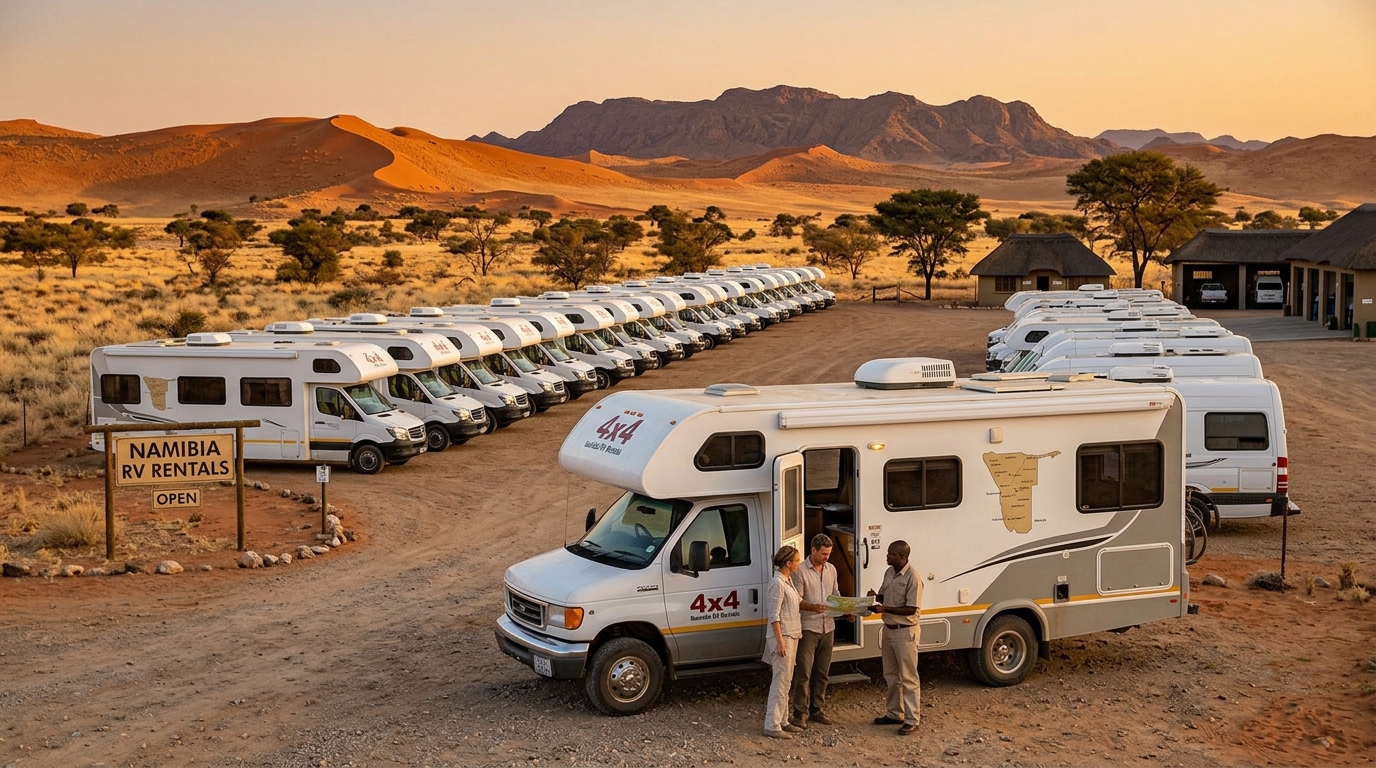
For live availability and current prices, start with our RV Rental Namibia - Complete Guide 2026 guide.
In This Guide
- Top 5 Tips for RV Rental in Namibia
- Before You Book - Class, Dates, Insurance
- Pre-Trip Prep - Packing Checklist for Namibia
- On the Road - Driving, Fueling, Navigation
- At the Campground - Setup, Hookups & Etiquette
- RV Rental-Specific Tips for Namibia
- Common Mistakes to Avoid in Namibia
- How much does an RV rental in Namibia cost
- Is RV camping safe in Namibia
- Is wild camping legal in Namibia
- Is a 4x4 RV necessary for Namibia
- What are the road conditions like for RVs in Namibia
- How to stay connected and navigate in remote Namibia with an RV
- How to practice responsible tourism as an RV traveler in Namibia
- What are some off-the-beaten-path RV destinations in Namibia
Namibia is an adventurer's dream, a land of vast, open spaces, towering dunes, and abundant wildlife just waiting to be explored. There's no better way to truly experience this incredible country than with a rented motorhome or campervan, offering you the freedom to move at your own pace and immerse yourself in its wild beauty. Imagine waking up to the sunrise painting the Namib Desert in hues of orange and red, or spotting elephants just steps from your mobile home. For live availability and current prices, start with our RV Rental Namibia - Complete Guide 2024 guide.
Top 5 Tips for RV Rental in Namibia
Successful RV travel in Namibia hinges on meticulous planning and understanding local conditions, ensuring your adventure is smooth and enjoyable. First, it is advisable to book your chosen rented RV or campervan several months in advance, especially if you plan to travel during peak season from July-August or December-January, when demand for popular models like a 4x4 camper with 80-liter fridge can increase by up to 30%.
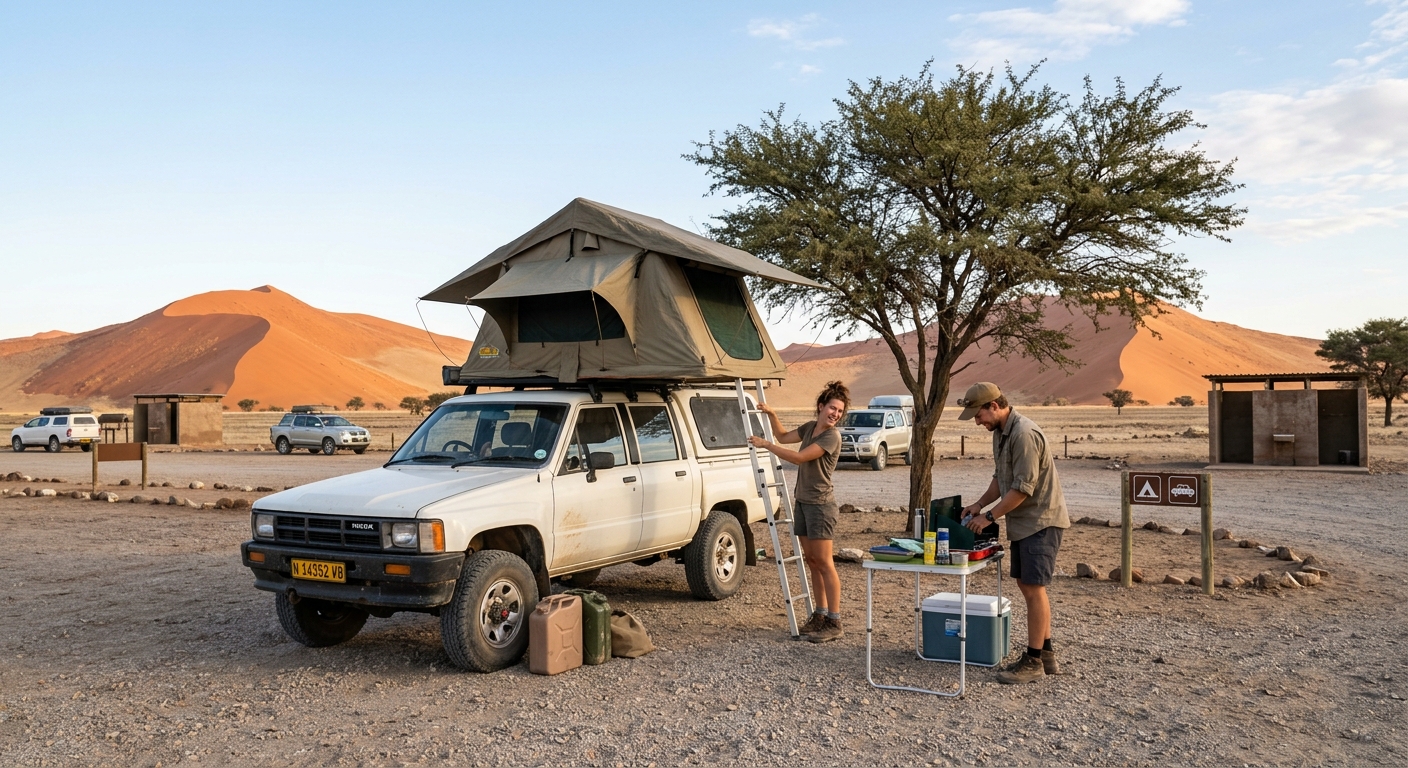
Second, understanding Namibia's diverse road conditions is crucial; while major routes are paved, many stunning destinations are accessed via gravel, sand, or corrugated tracks, often requiring a suitable vehicle like a Class C motorhome or a 4x4 camper. Third, always plan your route with designated campsites and fuel stops in mind, as distances between services can be extensive, sometimes over 200 km. Fourth, pack versatile clothing for varying temperatures from scorching desert days to chilly nights, and ensure all essential documents like your driving license (a standard car driver's license is sufficient for all motorhome classes), passport, and an International Driving Permit (IDP) if applicable, are readily accessible. Finally, familiarize yourself with local driving rules, such as left-hand traffic and common speed limits of 120 km/h on tar roads and 80 km/h on gravel, and know basic emergency procedures for a stress-free extended road trip.
Before You Book - Class, Dates, Insurance
Before confirming your RV rental in Namibia, carefully consider the type of motorhome or campervan that best suits your itinerary and comfort levels. For instance, a 2WD campervan like a "hire campervan example Paradise S/T" with an automatic transmission and front air conditioning is generally ideal for paved roads and major attractions, while a "Patagonia Camper 4x4 double cab" is specifically designed with 4-wheel drive for tackling remote, unpaved tracks that characterize much of Namibia's wilderness. Securing your rental dates early is particularly important for popular travel periods, such as the dry season from May to September, when availability can be limited and prices dynamic; pre-planners often benefit from more choices and better rates compared to spontaneous day-to-day bookings, although many national parks offer first-come-first-serve spots.
Additionally, it is highly recommended to consider comprehensive insurance options beyond the basic coverage typically included, such as upgrading to a top-level deductible reimbursement, to travel with complete peace of mind given Namibia's sometimes challenging road conditions and wildlife encounters. Bandana RV offers full transparency with no hidden fees or surprises, making it easy to compare final prices across suppliers like Apollo and Britz, ensuring what you see is what you pay.
Pre-Trip Prep - Packing Checklist for Namibia
For an optimal RV adventure in Namibia, a well-thought-out packing list is key, focusing on versatility and self-sufficiency. Essential clothing includes layers to accommodate daily temperature swings from warm desert days to cool evenings, sturdy closed-toe walking shoes for exploring diverse terrains, and ample sun protection like hats and high-SPF sunscreen. When considering kitchen items for your rented mobile home, prioritize reusable water bottles (some vehicles, like the "cruise america rv rental example Explorer", have an 82-liter fresh water tank, but water access can be scarce), a reliable cooler for keeping provisions fresh in the heat, and basic cooking utensils, as many campsites offer basic facilities where you can prepare meals inspired by our RV-friendly recipes playlist.
Safety items such as a comprehensive first-aid kit, a fully inflated spare tire, and basic repair tools like a tire pressure gauge are crucial, especially when traversing remote gravel roads. Critically, always carry your standard car driver's license, an International Driving Permit (IDP) if you're from a non-English speaking country, your passport, and digital and physical copies of all travel and rental documents. For comprehensive route plans and to track every expense along the way for easy budgeting, we recommend using RV PLANET routes, which helps ensure you're fully prepared for ancillary costs like fuel, campsite fees, and activity permits. On the routes offered through RV PLANET routes, you can itemize and track every expense along the way for easy budgeting.
On the Road - Driving, Fueling, Navigation
Driving a rented RV in Namibia requires constant awareness and adaptability, particularly due to the country's unique road conditions and vast distances. Always adhere to posted speed limits-120 km/h on tar roads and typically 80 km/h on gravel-and remain highly vigilant for wildlife, especially during dawn and dusk hours, as animals like Kudu, Oryx, and even warthogs can suddenly appear on the road. Drive slowly and carefully, and you can drive almost anywhere without issues. No need to stress - just use common sense and pay attention. Crucially, monitor your fuel levels diligently; service stations can be scarce, with distances between towns sometimes exceeding 250 kilometers, so always top up your 70-liter to 120-liter fuel tank whenever possible. For routes like the challenging gravel roads of Damaraland or the sandy tracks towards Sossusvlei (the last 5 km to Sossusvlei are sandy, requiring a 4x4 shuttle or a 4x4 RV), a campervan with a larger fuel tank is a wise choice.
For navigation, relying solely on mobile reception is risky as coverage is limited in vast remote areas; instead, utilize offline maps via apps like Maps.me or Gaia GPS, carry detailed paper maps as a backup, and consider a satellite phone for emergency communication if you plan to venture deep into truly off-grid regions. Remember, slow travel is the best way to enjoy Namibia: aim for a maximum of 100-150 km per day on average, allowing you ample time to feel the place, connect to the culture, the food, and the scenery without rushing.
At the Campground - Setup, Hookups & Etiquette
Setting up your rented motorhome or campervan at a Namibian campground is straightforward, but a few key considerations will ensure a smooth and respectful experience. Always choose a level spot first to ensure comfortable sleeping and proper functioning of onboard amenities; then, deploy any stabilizers your RV may have to prevent rocking. If your campsite offers power and water hookups, connect them securely, remembering that power might be 220-240V and requires a suitable adapter.
Respecting campground etiquette is paramount: adhere strictly to quiet hours, which are typically from 10 PM to 6 AM, ensuring a peaceful environment for all travelers. Manage your waste responsibly by utilizing designated bins and recycling facilities where available, practicing 'Leave No Trace' principles by leaving your campsite cleaner than you found it. Most importantly, secure your campsite against wildlife, which is a common and exciting aspect of Namibian camping; store all food properly inside your RV (a refrigerator of 80-150 liters is common in many rentals, like the "MH2 - IDUNN"), and always close doors and windows, especially at night, to prevent unwanted animal visitors like baboons or jackals.
RV Rental-Specific Tips for Namibia
Choosing the right rented motorhome or campervan in Namibia can significantly enhance your travel experience, tailored to different group types and preferences. Families, for instance, benefit greatly from larger RVs like a Class C motorhome with ample sleeping areas (such as a "rent rv example D1" that offers three double beds) and onboard entertainment options, which can be invaluable for keeping kids engaged during longer drives between attractions. Seniors often prefer RVs with automatic transmission and easier entry/exit, prioritizing comfort and accessibility on their extended road trip.
Budget travelers can maximize their savings by opting for smaller campervans like a "Category Van" and utilizing legally permitted overnight spots outside of national parks, in addition to self-catering with a basic onboard kitchen to prepare meals. For those seeking a more luxurious experience, premium motorhomes, such as a "new zealand motorhome hire example Euro Deluxe" with features like a larger 190-liter fridge and advanced heating, can provide enhanced comfort, allowing for outdoor cooking facilities and more spacious living areas. Many RVs also include a shower and toilet, offering full self-sufficiency for travelers seeking convenience on the road.
Common Mistakes to Avoid in Namibia
Avoiding common pitfalls can make your RV rental adventure in Namibia significantly smoother and more enjoyable. One frequent mistake is underestimating driving distances and the time required for travel; always factor in extra travel time for unpaved roads and unexpected wildlife crossings, as a 100 km stretch on gravel can easily take two hours, not one. Another critical error is not carrying enough water and fuel; always top up your RV's tanks when available and carry additional reserves (especially 20-liter jerry cans for fuel and water) for remote areas, as service stations can be hundreds of kilometers apart.
Ignoring road signs and speed limits is a dangerous oversight; instead, drive defensively, adhere to all traffic regulations, and reduce speed considerably on gravel or sandy tracks, as conditions can change rapidly. Failing to book popular campsites in advance during peak season is another common mistake, leading to disappointment; while some spots are first-come-first-serve, securing major national park sites like Etosha or Sossusvlei well ahead of time is highly recommended. By proactively addressing these points, your extended road trip in Namibia will be much more relaxing and rewarding.
How much does an RV rental in Namibia cost
RV rental costs in Namibia vary significantly based on vehicle type, season, and rental duration, typically ranging from NAD 1,500 to NAD 4,500 per day for a standard 2-berth campervan up to a fully equipped 4x4 motorhome. Prices are dynamic, much like flight tickets, changing daily based on availability and supplier marketing decisions. For example, a compact 2-berth campervan might start around NAD 1,500 per day in the low season (February-April), while a larger 4-berth 4x4 motorhome could easily exceed NAD 4,000 per day during peak season (July-August and December-January).
Beyond the rental rate, travelers should budget for additional expenses: fuel, which is a significant cost given Namibia's vast distances (diesel is common and can cost around NAD 22-25 per liter); campsite fees, typically ranging from NAD 150-500 per night for a powered site; groceries for cooking in your rented RV; and activity permits for national parks. Opting for longer rental periods, such as a two-week adventure, often reduces the average daily rate, and traveling during off-peak months can also result in substantial savings, making your dream Namibia RV trip more accessible. RV PLANET (rvplan.net) offers detailed routes where you can itemize and track every expense for easy budgeting.
Is RV camping safe in Namibia
RV camping in Namibia is generally considered safe, particularly when travelers prioritize staying in designated campsites which often provide enhanced security, fencing, and essential amenities. These established campgrounds, especially within national parks like Etosha or private reserves, are well-maintained and offer a secure environment for your rented motorhome or campervan. To further enhance personal safety, always keep your RV locked when unattended or at night, secure valuables out of sight, and maintain an awareness of your surroundings, especially in less populated areas.
Regarding wildlife encounters, which are a thrilling part of Namibian travel, maintaining a safe and respectful distance is crucial; never feed wild animals, and ensure all food items are securely stored within your RV to prevent attracting unwanted attention. Most campsites are equipped to manage wildlife interactions, providing a buffer between campers and the natural environment. By choosing reputable campsites and practicing common-sense precautions, you can enjoy a safe and unforgettable week-long trip or extended road trip in Namibia.
Is wild camping legal in Namibia
Wild camping, which involves sleeping outside of designated campsites in a rented RV or campervan, is generally not permitted in Namibia, especially within national parks, protected areas, and private land without explicit permission. Namibia has strict conservation laws designed to protect its fragile ecosystems and abundant wildlife, making unauthorized overnight stays illegal and punishable by fines. It is advisable and often legally required for RV travelers to stay in official campsites, private lodges, or established municipal campgrounds for both safety and to respect private property and ongoing conservation efforts.
While the vastness of Namibia might tempt some to seek remote overnight spots, unauthorized wild camping poses several risks, including potential encounters with dangerous wildlife (such as hyenas or elephants), lack of access to water and waste disposal facilities, and the risk of getting stuck in challenging terrain like deep sand. For those seeking a truly remote experience, certain private conservancies and wilderness areas offer exclusive, pre-booked "bush camping" sites that provide isolation with necessary permits. Always call ahead to verify current regulations and availability to ensure you’ll find a spot; if not at the first campground, then the next one along your planned route.
Is a 4x4 RV necessary for Namibia
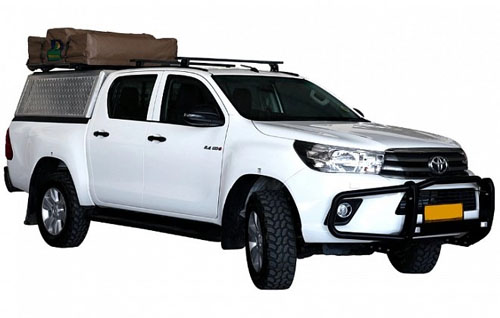
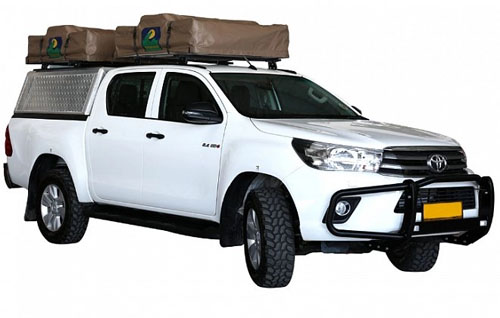
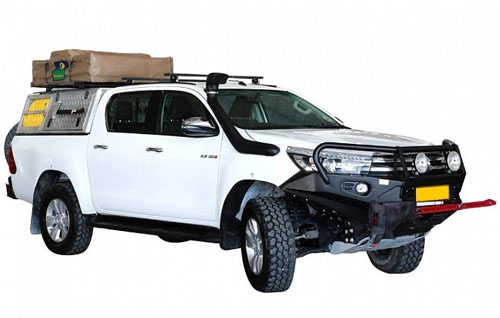
A 4x4 RV or campervan is highly recommended and often necessary for exploring remote or challenging routes in Namibia, particularly if your itinerary includes off-the-beaten-path destinations. If your adventure includes sandy tracks to places like Epupa Falls in Kaokoland, certain remote sections of Damaraland, or accessing the final few kilometers into Sossusvlei (beyond the 2WD parking area), a 4x4 provides crucial capability, ground clearance, and peace of mind. Vehicles like a "Patagonia Camper 4x4 double cab" are specifically built for these demanding conditions.
However, for popular destinations like Etosha National Park, Swakopmund, the main parking area of Sossusvlei (where a 4x4 shuttle is available for the final sandy stretch), and major towns connected by well-maintained tar roads, a standard 2WD Class C motorhome or campervan (many feature front air condition and a toilet, like a "rent rv example A1") is generally sufficient. Namibia's main arteries are good, but gravel roads to many attractions can be corrugated or sandy. Assess your planned route carefully; if you aim for maximum exploration and adventure, especially a week-long trip into more rugged terrains, a 4x4 RV is undoubtedly the superior choice, while a 2WD rental RV might be more budget-friendly for a trip focused on accessible highlights.
What are the road conditions like for RVs in Namibia
Namibia's road network primarily consists of well-maintained tar (asphalt) roads connecting major towns, such as the B1 from Windhoek to Etosha or the B2 to Swakopmund, which are generally suitable for any rented motorhome or campervan. However, a significant portion of the country's roads, including routes to many of its iconic attractions like Sossusvlei, Damaraland, and the Fish River Canyon, are gravel roads that can be corrugated, sandy, or stony. When driving an RV on these unpaved surfaces, it is crucial to reduce your speed significantly-typically to 60-80 km/h-and maintain a safe following distance to avoid dust and flying stones.
Adjusting tire pressure for gravel roads (often slightly lower than for tar) can improve traction and ride comfort; check with your rental supplier for specific recommendations. Be prepared for changing conditions, as sudden rainfall during the wet season (November-April) can lead to washouts or slippery surfaces, while dry, windy conditions can create thick dust clouds that impair visibility. Driving slowly and carefully, you can drive almost anywhere without issues. No need to stress - just use common sense and pay attention to road signs indicating conditions and potential hazards, ensuring a safe and enjoyable journey across Namibia's diverse landscapes in your mobile home.
How to stay connected and navigate in remote Namibia with an RV
Staying connected and navigating effectively in remote Namibia with a rented RV or campervan requires proactive planning, as mobile network coverage is limited across vast areas, especially within national parks and wilderness regions. While major cities like Windhoek and Swakopmund have reliable cellular service, travelers venturing into remote areas like Damaraland or the Skeleton Coast will quickly find themselves without reception, making offline navigation absolutely crucial. Utilize robust offline GPS applications like Maps.me or Gaia GPS on your smartphone or tablet, pre-downloading all necessary maps for your entire itinerary before you lose signal. Carrying detailed physical paper maps as a backup is also highly recommended, as technology can fail.
For emergency communication in truly remote areas where even satellite phones are a consideration, it's wise to rent or bring a satellite phone, though this is typically for extreme off-grid adventures. Regarding power, ensure your RV has a robust auxiliary battery system to keep devices charged and essential functions running during extended periods without electrical hookups. Many modern motorhomes, such as a "cruise america rv rental example Explorer", are equipped with a refrigerator and other appliances that rely on 12V or gas power, and supplementing with portable solar panels can provide a sustainable way to recharge devices and maintain RV functions off-grid. Bandana RV's 24/7 support means real people are behind you to assist with pre-booking comparison and post-booking coordination, ensuring you are well-prepared before you even hit the road.
How to practice responsible tourism as an RV traveler in Namibia
Practicing responsible tourism as an RV traveler in Namibia is essential to preserve its natural beauty and unique cultural heritage for future generations. Engage respectfully with local communities by always seeking permission before taking photographs, especially of people, and learning a few basic greetings in local languages like Oshiwambo or Nama can go a long way. Support local businesses by purchasing crafts directly from artisans, dining at local eateries, and utilizing community-run campsites or services when available.
Minimize your environmental impact by rigorously adhering to 'Leave No Trace' principles: properly dispose of all waste (pack it in, pack it out, especially in remote areas), conserve precious water and electricity (many RVs have fresh water tanks of 80-160 liters, but water is scarce), and stay strictly on marked trails and roads to protect fragile desert vegetation. Avoid disturbing wildlife or natural habitats; observe animals from a distance, never feed them, and do not remove any natural souvenirs. By following these guidelines, you contribute positively to Namibia's conservation efforts and ensure your week-long trip or extended adventure leaves only footprints, not a trace.
What are some off-the-beaten-path RV destinations in Namibia
For RV travelers seeking unique experiences beyond Namibia's popular spots like Etosha and Sossusvlei, several off-the-beaten-path destinations offer solitude and unparalleled natural beauty. Consider exploring the vast wilderness of Kaokoland in the northwest; this rugged region is home to the Himba people and boasts dramatic landscapes and challenging tracks that truly require a 4x4 motorhome or campervan for access. The remote Caprivi Strip, now known as the Zambezi Region, in the northeast offers a stark contrast with its lush riverine environments, abundant birdlife, and diverse national parks like Mudumu and Nkasa Rupara (Mamili), where you can encounter crocodiles and hippos along the Kwando River.
Further south, discover less-traveled viewpoints of the colossal Fish River Canyon, the second largest canyon in the world, where you can find secluded campsites offering breathtaking vistas. For the ultimate wilderness experience, obtaining special permits to explore parts of the wild coastal beauty of the Skeleton Coast Park offers unparalleled opportunities for solitude and untouched nature, where the desert meets the Atlantic. These destinations promise a true adventure for those willing to venture further and embrace the magnificent isolation Namibia has to offer, making your extended road trip truly unforgettable. While exploring these less-known places, our RV Rental Africa - Complete Guide 2024 can offer broader insights into continental travel.
What You Shouldn't Miss
- **Sossusvlei & Deadvlei:** Witness the towering red dunes and ancient camel thorn trees, especially at sunrise or sunset.
- **Etosha National Park:** Enjoy self-drive safaris from your rented RV, spotting abundant wildlife around floodlit waterholes at night.
- **Skeleton Coast:** Experience the dramatic meeting of desert and ocean, with shipwrecks and seal colonies (permits often required for access).
- **Fish River Canyon:** Marvel at the sheer scale of Africa's largest canyon, perfect for scenic viewpoints and hiking.
- **Damaraland:** Search for desert-adapted elephants and rhinos, and explore ancient rock art at Twyfelfontein, a UNESCO World Heritage site.
- **Swakopmund:** Discover a charming coastal town with German colonial architecture, offering quad biking, sandboarding, and marine tours.
Looking for expert insights from Avi Bandana? Top 5 Adventures - recommendations from Avi Bandana.
🎬 Video coming soon
Final Thoughts
Namibia truly is a destination made for RV travel, offering a unique blend of wild landscapes, incredible wildlife, and cultural richness that is best experienced on your own terms. With the right preparation and a spirit of adventure, renting a motorhome or campervan here provides unparalleled freedom and a mobile base from which to discover its wonders. From the iconic red dunes of Sossusvlei to the wildlife-rich plains of Etosha, every day promises a new, breathtaking vista right outside your window.
Remember to embrace slow travel, allowing yourself time to soak in every moment and connect with this magnificent country. We are here to support you every step of the way, from comparing the best rental options to providing transparent pricing and expert advice. So pack your bags, plan your route with RV PLANET, and get ready to create unforgettable memories on an extended road trip through the heart of Namibia.
Compare Motorhome Prices for Namibia today and begin your ultimate Namibian adventure!