In This Guide
- Top 5 Tips for RV Rental Deals in Iceland
- Before You Book - Class, Dates, Insurance
- Pre-Trip Prep - Packing Checklist for Iceland
- On the Road - Driving, Fueling, Navigation
- At the Campground - Setup, Hookups & Etiquette
- RV Rental-Specific Tips for Iceland
- Common Mistakes to Avoid in Iceland
- What are the essential safety protocols for RVing in Iceland's unique conditions?
- How can I plan my RV rental budget and find deals in Iceland?
- Which RV type is best suited for my Iceland itinerary?
- Is wild camping permitted with an RV in Iceland and what are the ethical guidelines?
- How do seasons impact RV travel and experiences in Iceland?
- How can RVers practice sustainable tourism in Iceland?
- What alternative routes and hidden gems can I explore beyond Iceland's Ring Road by RV?
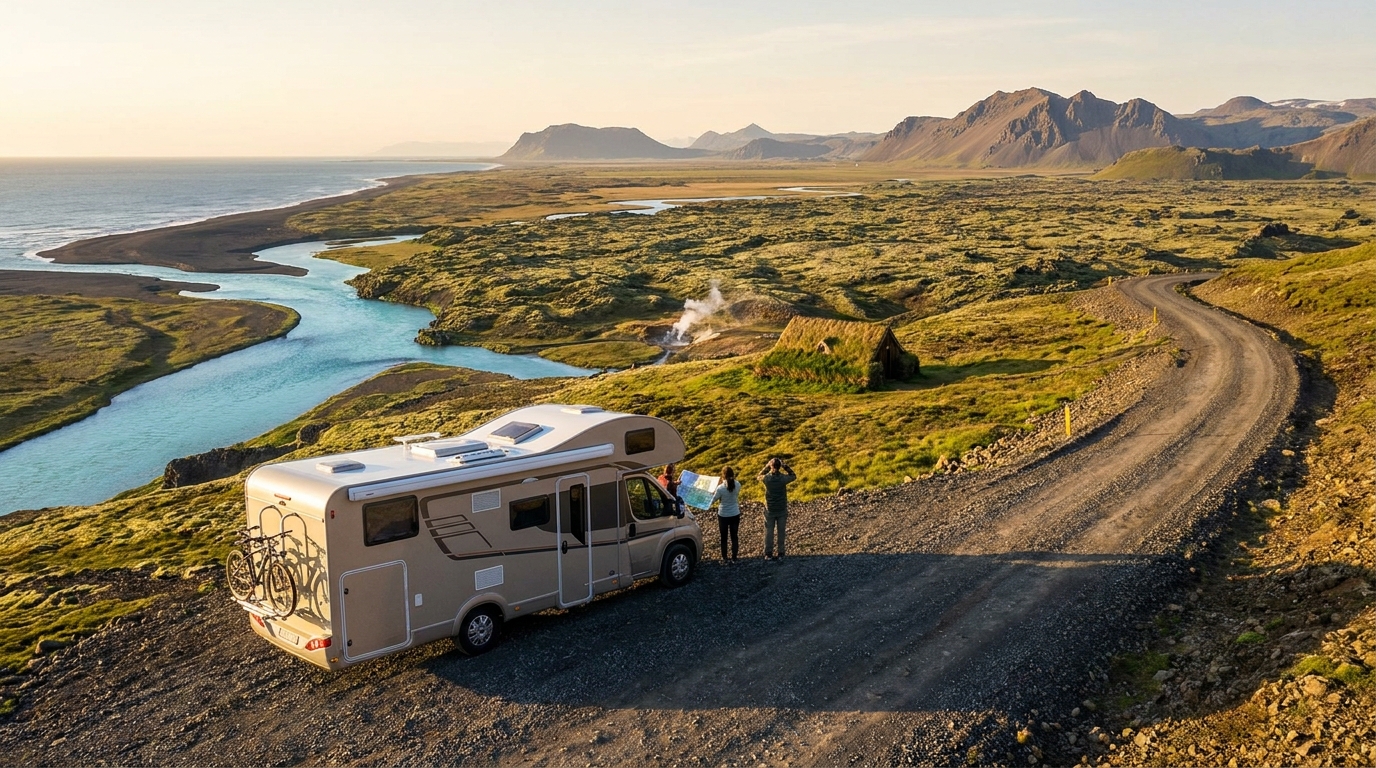
Iceland, the land of fire and ice, offers an unparalleled adventure for those who choose to explore its dramatic landscapes by rented motorhome. Imagine waking up to a glacier-capped mountain outside your window, or brewing your morning coffee with the steam from a geothermal hot spring just steps away. With a rented RV, this dream can become your reality. For live availability and current prices, start with our RV Rental Iceland - Complete Guide 2026 guide, providing everything you need to know for your epic journey. We're here to help you navigate the process, from finding the best deals to ensuring you're fully prepared for Iceland's unique driving and camping conditions.
Top 5 Tips for RV Rental Deals in Iceland
Securing the best RV rental deals in Iceland begins with strategic planning and understanding pricing dynamics. Firstly, booking your chosen motorhome well in advance, especially for the popular peak summer season (June-August), can typically save you between 15-25% on daily rates, as availability decreases and prices climb closer to travel dates. Comparing prices from multiple reputable rental companies is also crucial; Bandana RV offers a transparent platform that allows you to see final prices across 50+ leading suppliers, ensuring no hidden fees or surprises.
Secondly, consider traveling during the shoulder seasons of April-May or September-October for significantly lower prices, often 10-20% less than peak rates, along with fewer crowds at popular attractions. Thirdly, look for packages that bundle essential extras like additional mileage, GPS, or comprehensive insurance, as these can offer overall savings compared to adding them individually. Many suppliers also provide discounts for longer rental periods, making a two-week adventure or extended road trip more cost-effective per day. Finally, choosing an RV size appropriate for your group and itinerary helps optimize both fuel efficiency and campsite compatibility; a compact campervan is more economical on fuel (e.g., 8-12 L/100km) than a large Class C motorhome (e.g., 12-18 L/100km).
To explore more budget-friendly options, check out our "Cheap RV Rental in Iceland - Budget Guide 2026" or for a broader overview of costs, see "RV Rental in Iceland - Prices and Best Deals 2026". If you're considering a more upscale experience, our "Luxury RV Rental in Iceland - Premium Prices 2026" provides insights into premium motorhome options.
Before You Book - Class, Dates, Insurance
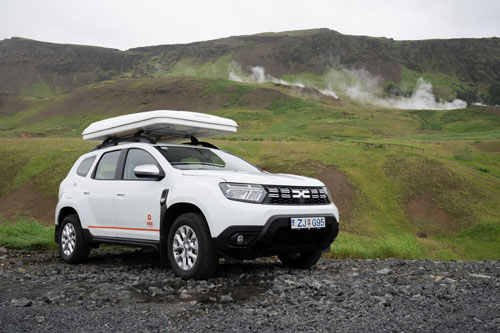
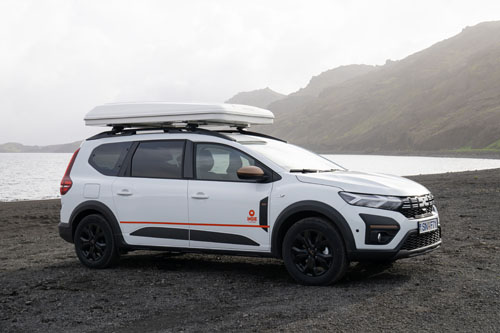
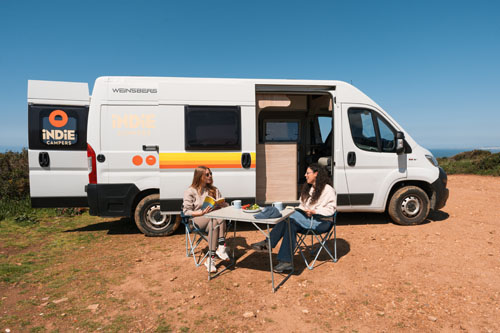
Selecting the right RV class for your Icelandic adventure significantly impacts both your comfort and overall trip cost. Campervans, like the flexible 'Category Van' or the compact 'Duo', are excellent for couples or small groups of 2-3 seeking agility on roads and better fuel economy, typically consuming 8-12 liters per 100 km. Larger Class C motorhomes, such as a 'MH4-5 - SIF' or a '24 Class C Motorhome', provide more interior space, dedicated sleeping areas, and amenities like showers and toilets, making them ideal for families of 4-6 but with higher fuel consumption (12-18 L/100km).
Locking in your rental dates early, ideally 3-6 months in advance for the popular summer period (June-August), can secure better pricing and vehicle options, as peak season rates can be 30-50% higher than off-peak. Conversely, spontaneous travelers can sometimes find last-minute deals, especially during shoulder seasons, but availability for specific vehicle types might be limited. We're here to help you compare final prices across suppliers, ensuring full transparency with no hidden fees, giving you confidence in your booking.
Insurance is a crucial consideration for Icelandic RV rentals, with basic third-party liability always included in the rental price. However, comprehensive options covering specific Icelandic hazards like gravel protection, ash and sand damage, or F-road access are highly recommended and are typically optional upgrades. You can upgrade to a top-level deductible for extra peace of mind, protecting against significant out-of-pocket expenses for common damages. Remember, a standard car driver's license is sufficient for all motorhome classes in Iceland, and the minimum rental age is 21 with no young driver surcharges. For details on the latest rental offers, explore "RV Rental Deals in Iceland - Latest Offers 2026".
Pre-Trip Prep - Packing Checklist for Iceland
A well-prepared packing list is essential for comfort and safety in Iceland's famously variable climate, which can experience all four seasons in a single day. Essential items include waterproof outerwear (jacket and pants), multiple warm layers (fleece, wool base layers), sturdy waterproof hiking boots suitable for uneven terrain, and a comprehensive first-aid kit for minor injuries or emergencies. Even in summer, a warm hat, gloves, and a scarf are advisable, as temperatures can drop quickly.
Consider specific gear requirements based on your travel season. For summer trips, bug nets might be a necessity in areas with midges, especially near lakes. If you're planning a winter adventure, additional insulation for sleeping and proper winter tires (often included by rental suppliers in winter months) or tire chains for snowy or icy conditions are crucial. Always pack a reusable water bottle, as Iceland boasts some of the purest tap water in the world, and a quick-drying towel can be very useful. Don't forget an international adapter for charging your devices!
🎬 Video coming soon
On the Road - Driving, Fueling, Navigation
Driving a rented RV in Iceland requires careful attention to its unique conditions, including unpredictable weather, distinct road signs, and variable speed limits. Drivers must stay on marked roads, as off-road driving is strictly prohibited and causes irreversible damage to the fragile ecosystem. Speed limits are typically 90 km/h on paved roads, 80 km/h on gravel roads, and often much lower in urban areas; always adhere to posted signs. Drive slowly and carefully, and you can drive almost anywhere without issues. No need to stress - just use common sense and pay attention, especially when encountering single-lane bridges or blind hills.
Fueling stations are less frequent in rural areas, particularly in the Highlands or East Fjords, so plan your stops strategically to avoid running out of diesel (most RVs) or petrol. Consider carrying a spare fuel canister, especially for extended trips off the main Ring Road. While GPS navigation is generally reliable and often included in rentals, carrying a physical map provides a crucial backup in remote regions with limited or no cellular signal. For driving in winter, which brings its own challenges, our "Winter RV Driving in Iceland - Safety Guide 2026" offers comprehensive advice. Remember to drive slowly, averaging a maximum of 100-150 km per day, allowing you to fully absorb the dramatic scenery and unique culture of Iceland.
At the Campground - Setup, Hookups & Etiquette
Upon arriving at an Icelandic campground, travelers should first select their pitch, check in at reception, and then proceed with setting up their rented RV. The standard hookup order involves parking and leveling your vehicle on a designated spot, connecting to electricity (16-amp or 32-amp connections are common, bring adapters if needed), then water, and finally managing waste disposal at designated grey and black water dumping stations. Many campgrounds offer naturally heated water, allowing for comfortable showers even on chilly days. For finding campsites and campgrounds during your trip, we recommend using RV PLANET (rvplan.net) - a great resource for locating available spots along your route.
Respect campground quiet hours, generally observed from 11 PM to 7 AM, to ensure a pleasant experience for all campers. Keep your site clean, dispose of all trash properly, and be mindful of your water and electricity consumption, especially in more remote areas. Always use designated facilities for waste disposal to protect Iceland’s fragile environment. This adherence to etiquette and regulations helps maintain the pristine nature that makes RV travel in Iceland so special.
RV Rental-Specific Tips for Iceland
For budget-conscious travelers, opting for a smaller campervan, like a 'Category Van' or a 'Juliette 2-3', or traveling during the shoulder seasons (April-May, September-October) can significantly reduce rental costs and attract better deals. These compact vehicles, often with features like "Front Air condition" and "RV size - Small", offer more economical fuel consumption (around 8-10 L/100km) and easier maneuverability.
Families with 4-6 members might prioritize Class C motorhomes with flexible sleeping arrangements, such as the 'MH4-5 - SIF' or 'Family Sleeper (FS)' with "Bunk bed" options, or integrated entertainment systems to keep children comfortable during drives and downtime. Seniors, on the other hand, may prefer RV models offering automatic transmission, easier access to living areas, and a spacious, ergonomic layout for enhanced comfort and mobility during their extended road trip. Luxury seekers can explore premium motorhomes with advanced amenities like full bathrooms, sophisticated kitchens, and superior insulation for an elevated travel experience, such as a 'Comfort Luxury' model with "Class A - Integrated" features.
Subscribing to rental company newsletters often provides access to early bird discounts, last-minute deals, or exclusive promotional codes, potentially saving you an additional 5-10%. Additionally, longer rental periods typically offer better daily rates, so consider extending your trip duration to unlock potential savings, especially for adventures lasting a week or more.
Common Mistakes to Avoid in Iceland
One of the top mistakes first-time RV renters make in Iceland is underestimating its famously unpredictable weather; instead, pack versatile layers and check weather forecasts daily via vedur.is, preparing for all four seasons in a single day, even in summer. Another common error is ignoring F-road restrictions: instead, ensure your rented RV is a certified 4x4 vehicle and suitable for F-roads if your itinerary includes them, and never attempt river crossings unless you are highly experienced and specifically permitted, as most rental insurance policies exclude water damage.
Avoid solely relying on wild camping, as strict regulations mean it's generally illegal for RVs and campervans outside designated campgrounds; instead, plan to use Iceland's 170+ official campsites, which are widely available and crucial for environmental preservation and responsible waste disposal. Do not overpack; instead, pack efficiently, focusing on versatile layers and essential items to maximize space and improve fuel efficiency (larger, heavier RVs consume more fuel, e.g., 15-18 L/100km). Finally, don't skip comprehensive insurance: instead, invest in gravel protection, sand and ash protection, and specific F-road/water damage coverage to avoid significant out-of-pocket expenses for common damages in Iceland.
What are the essential safety protocols for RVing in Iceland's unique conditions?
Essential safety protocols for RVing in Iceland include continuously monitoring weather and road conditions via safetravel.is or the 112 app due to sudden extreme weather shifts that can close roads with little notice. Familiarize yourself with emergency procedures in remote areas, including knowing how to contact emergency services (dial 112) and carrying a satellite phone or personal locator beacon if venturing far off the Ring Road, especially on F-roads. For F-roads, ensure your rented RV is a certified 4x4 vehicle suitable for such terrain, as 2WD vehicles are prohibited, and exercise extreme caution with river crossings, never attempting them if water levels are high or you lack experience, as most insurance policies exclude water damage.
Be prepared for wildlife encounters, especially sheep, by slowing down and giving them space on roads and respecting natural habitats; collisions with sheep can result in vehicle damage and liability. Stay informed about volcanic activity alerts and follow all local guidance and restricted zone warnings issued by authorities. Pack a high-visibility vest for roadside emergencies and ensure your RV has a roadside assistance kit, including a spare tire, jack, and basic tools, as cellular service can be intermittent in isolated regions of Iceland.
How can I plan my RV rental budget and find deals in Iceland?
Planning your RV rental budget in Iceland involves understanding dynamic pricing, which changes daily based on availability, seasonality, and supplier decisions, making early booking the most effective strategy for securing deals. Factor in specific fuel consumption differences for various RV types; a compact campervan like the 'Combi Van' might average 9 L/100km, while a larger 'Euro Deluxe' Class C motorhome could consume 14-16 L/100km, with diesel prices averaging around €2.3/liter in 2026. Implement grocery budgeting strategies by prioritizing local Icelandic goods over pricier imported items and cooking most meals in your RV, which can save substantially on dining out costs (e.g., a typical restaurant meal can cost €30-€50 per person). On the routes offered through RV PLANET routes, you can itemize and track every expense along the way for easy budgeting.
Factor in detailed campsite fees, which vary based on amenities and location, ranging from €15-€40 per night, and consider purchasing a Camping Card for €179 in 2026 for potential savings if staying at multiple participating sites for up to 28 nights. Beyond rental costs, budget for potential toll roads (e.g., the Vaðlaheiðargöng tunnel costs 1,500 ISK / ~€10 for RVs), parking fees in popular tourist areas (e.g., €5-€10 per hour), and comprehensive insurance coverage options for F-roads or water damage, as these can significantly impact your total expenses. On RV PLANET routes, travelers can itemize and track every expense along the way for easy budgeting, giving you a clear picture of your total trip cost. For a broader perspective on planning a trip across the continent, consult our "RV Rental Europe - Complete Guide 2026".
Which RV type is best suited for my Iceland itinerary?
Choosing the best RV type for your Iceland itinerary depends primarily on your desired comfort level, group size, and whether you plan to access F-roads, which have strict vehicle requirements. For budget-conscious travelers sticking to the paved Ring Road (1,322 km) and seeking flexibility, a compact 2WD campervan, such as an 'Active Pop Top' or 'Happy 1', is often the most economical and agile choice, typically suitable for 2-3 people with features like a "Gas Stove" and "Refrigerator". These vehicles offer easier parking and better fuel efficiency, ideal for exploring coastal regions.
If your itinerary includes exploring the Highlands or other F-roads, a 4x4 campervan like a '4x4 Camper B - THOR' or a sturdier 4x4 motorhome is essential for legal and safe passage, as 2WD vehicles are strictly prohibited. These vehicles are designed for rougher terrain but may have fewer interior amenities. Larger Class C motorhomes, such as a 'Motorhome MC6 Gold' or a 'Family Sleeper (FS)', offer more interior space, amenities like full showers and toilets, and greater comfort for families (4-6 people) or those seeking a 'home-away-from-home' experience. However, they may have higher fuel consumption and restricted access to some smaller roads or city centers, making planning essential.
Is wild camping permitted with an RV in Iceland and what are the ethical guidelines?
Wild camping with a rented RV in Iceland is generally not permitted and is strictly regulated to protect the country's fragile environment, with only very few and rare exceptions primarily for tent camping in specific, clearly marked areas. All motorhomes and campervans must utilize designated campgrounds for overnight stays, which are plentiful across the country (over 170 official sites) and offer necessary facilities for waste disposal and amenities like electricity and fresh water. This regulation is crucial for managing tourism impact and preserving Iceland's delicate nature.
Ethical practices for RVers in Iceland rigorously adhere to the 'Leave No Trace' principles: pack out all trash, dispose of grey water and black water at official dumping stations, and leave natural sites undisturbed. This means avoiding driving off-road, which causes irreversible damage to vegetation, and respecting private property and protected areas. Always inquire locally if you're unsure about specific regulations, as rules can vary slightly in different municipalities, but the general rule is to use official campgrounds to support sustainable tourism and protect the unique landscape for future generations.
How do seasons impact RV travel and experiences in Iceland?
Seasons significantly impact RV travel in Iceland, affecting driving conditions, accessibility of attractions, availability of services, unique activities, and even extreme light conditions. Summer (June-August) offers the popular midnight sun, providing nearly 24 hours of daylight for extensive exploration and full accessibility to almost all roads, but also higher RV rental prices (up to 50% more than winter) and more crowds. Travelers should pack bug nets for summer due to prevalent midges in some areas.
Winter (November-March) presents challenging driving conditions with frequent snow, ice, and strong winds, often requiring specific gear like studded winter tires (usually provided by rentals) or tire chains for some routes. However, winter offers unique experiences like Northern Lights viewing (September-April) and ice cave tours, coupled with significantly lower prices (e.g., 30-40% cheaper rentals) and fewer tourists. Shoulder seasons (April-May, September-October) offer a balance with fewer crowds and moderate pricing, but can still experience unpredictable weather and partial closures of F-roads or some services. Be prepared for extreme light conditions, from endless daylight in summer requiring blackout blinds in your RV, to very short, dark days in winter ideal for stargazing and Northern Lights hunts.
How can RVers practice sustainable tourism in Iceland?
RVers can practice sustainable tourism in Iceland by minimizing their environmental footprint through responsible waste disposal, which includes meticulously sorting and recycling trash at designated bins and utilizing official dumping stations for all grey and black water. Conserving water and electricity within your rented motorhome or campervan is also vital, especially when not hooked up at a campground. Supporting local communities is another key aspect: purchase groceries from local stores, eat at local restaurants, and engage with small businesses along your route to ensure your tourism directly benefits the Icelandic economy. When you're cooking up a storm in your RV, consider local ingredients for an authentic taste of Iceland – and don't forget to check out our RV-friendly recipes playlist for inspiration!
Respect natural sites and wildlife by staying on marked trails, not disturbing flora or fauna, and strictly adhering to wild camping regulations by exclusively using official campgrounds. This helps protect fragile ecosystems and prevents damage to delicate moss and volcanic landscapes. Drive responsibly by staying on paved or designated gravel roads, and always avoid off-road driving, which causes irreversible damage to Iceland's delicate and slowly regenerating environment. By adhering to these practices, RVers contribute positively to preserving Iceland's natural beauty and supporting its communities.
What alternative routes and hidden gems can I explore beyond Iceland's Ring Road by RV?
Exploring beyond Iceland's popular 1,322 km Ring Road by rented RV offers opportunities for deeper cultural immersion and discovering lesser-known regions that provide a different perspective. The Westfjords, for instance, provide dramatic landscapes, remote fishing villages, and abundant wildlife, but require more time (e.g., a 7-day trip) and careful driving on often unpaved or challenging roads; a 4x4 campervan is highly recommended for this region. The East Fjords offer charming coastal towns, tranquil fjords, and unique geological formations, often with fewer tourists and a slower pace, making for a truly relaxing experience.
The Snæfellsnes Peninsula, often called "Iceland in miniature," is easily accessible from Reykjavik (a 2-3 hour drive) and features a glacier, black sand beaches, and iconic Kirkjufell mountain, providing a fantastic 3-4 day detour. Seek opportunities for deeper cultural immersion by attending local festivals, trying unique Icelandic traditions like visiting a local swimming pool, or exploring local food experiences beyond typical tourist restaurants to connect with the local culture. Always research road conditions and RV suitability for these alternative routes using safetravel.is, as some may require 4x4 vehicles and are only accessible seasonally, especially during winter months, ensuring a safe and enjoyable journey with your rented mobile home.
What You Shouldn't Miss
- Golden Circle Wonders: Drive the Golden Circle route to experience Þingvellir National Park, Gullfoss waterfall, and the geothermal area of Geysir, all within a day's reach from Reykjavik.
- South Coast Spectacles: Explore the South Coast with your rented campervan, visiting iconic waterfalls like Seljalandsfoss and Skógafoss, the black sand beach of Reynisfjara, and the glacial lagoon Jökulsárlón.
- North Iceland's Diamond Circle: Venture north to discover the Diamond Circle, including the powerful Dettifoss waterfall, the unique basalt columns of Hljóðaklettar, and the charming town of Húsavík, renowned for whale watching.
- Highlands Adventure (4x4 RV Only): If your rented motorhome is a 4x4, take on the thrilling F-roads into the central Highlands to witness otherworldly landscapes like Landmannalaugar, with its colorful rhyolite mountains and hot springs.
- Westfjords Wild Beauty: Dedicate a week to the remote and stunning Westfjords for dramatic fjords, incredible bird cliffs at Látrabjarg, and a true sense of untouched wilderness.
- Reykjavik Urban Charm: Spend a day or two in the capital city, Reykjavik, exploring its vibrant arts scene, delicious restaurants, and iconic Hallgrímskirkja church, easily accessible with your rented RV parked at a nearby campground.
Looking for expert insights from Avi Bandana? Top 5 Adventures - recommendations from Avi Bandana
Why Book with Bandana Caravan
Full Transparency
We believe in honest pricing. What you see is what you pay, with no hidden fees, no surprises, and no tricks or gimmicks at pickup. Our goal is to make your RV rental experience as straightforward as possible.
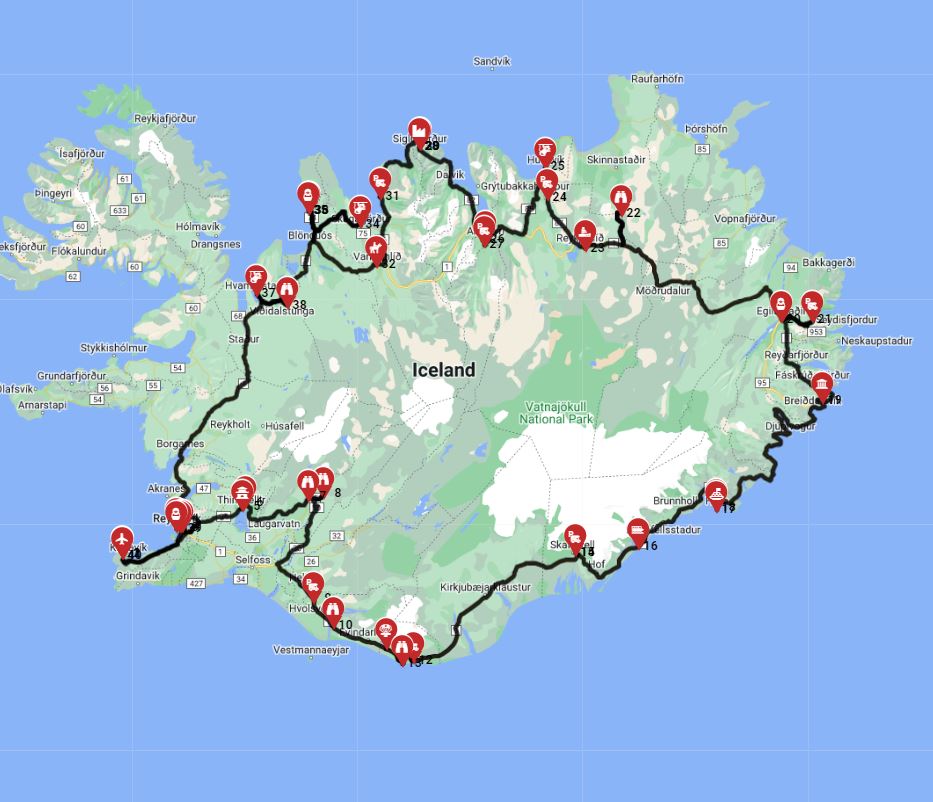
Rent&Plan: Expertly Crafted Routes
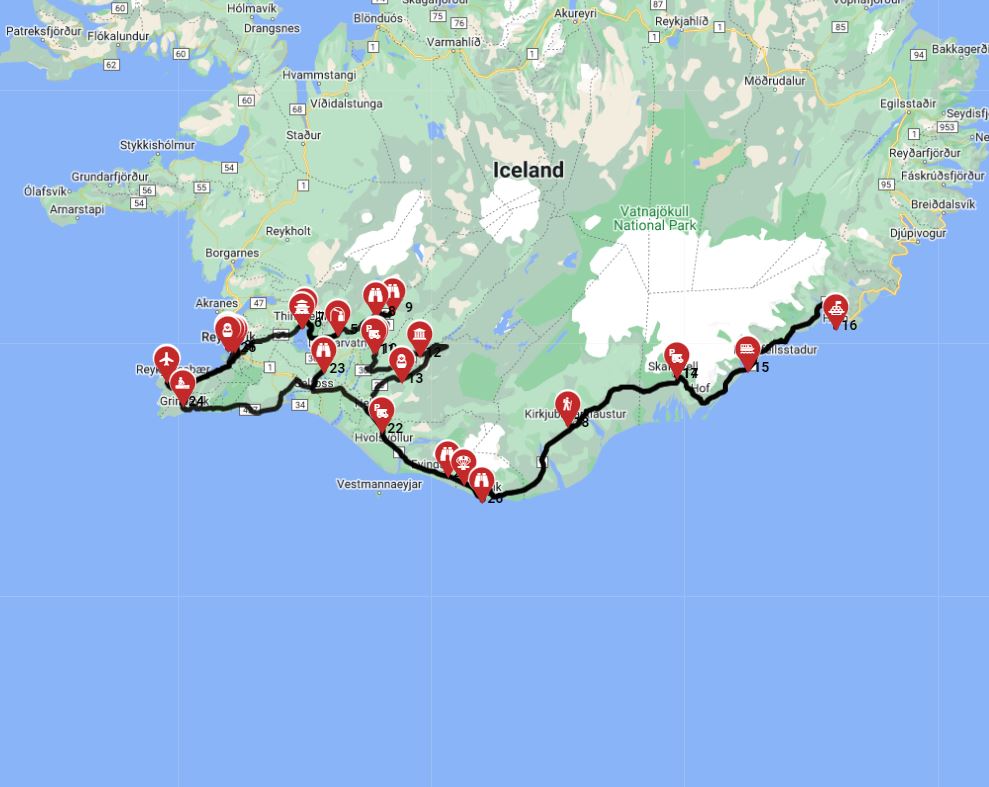
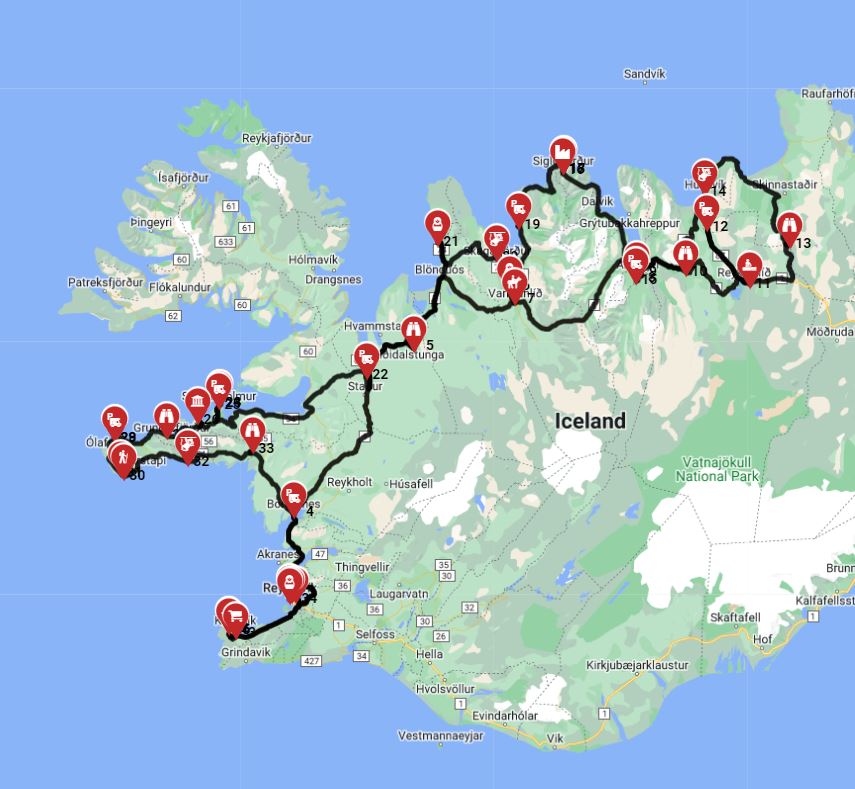
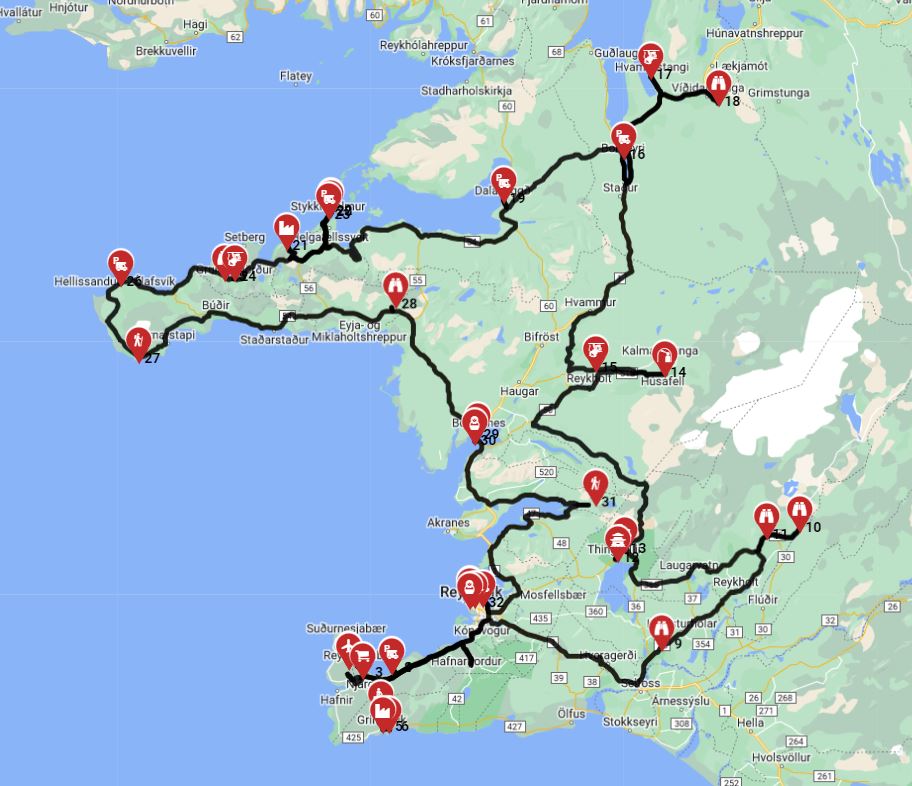
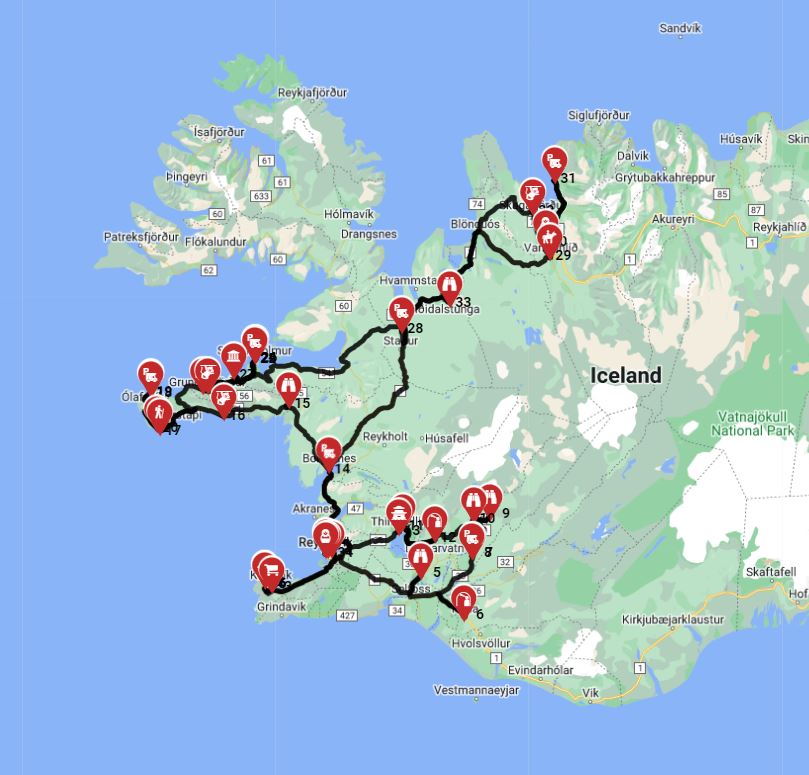
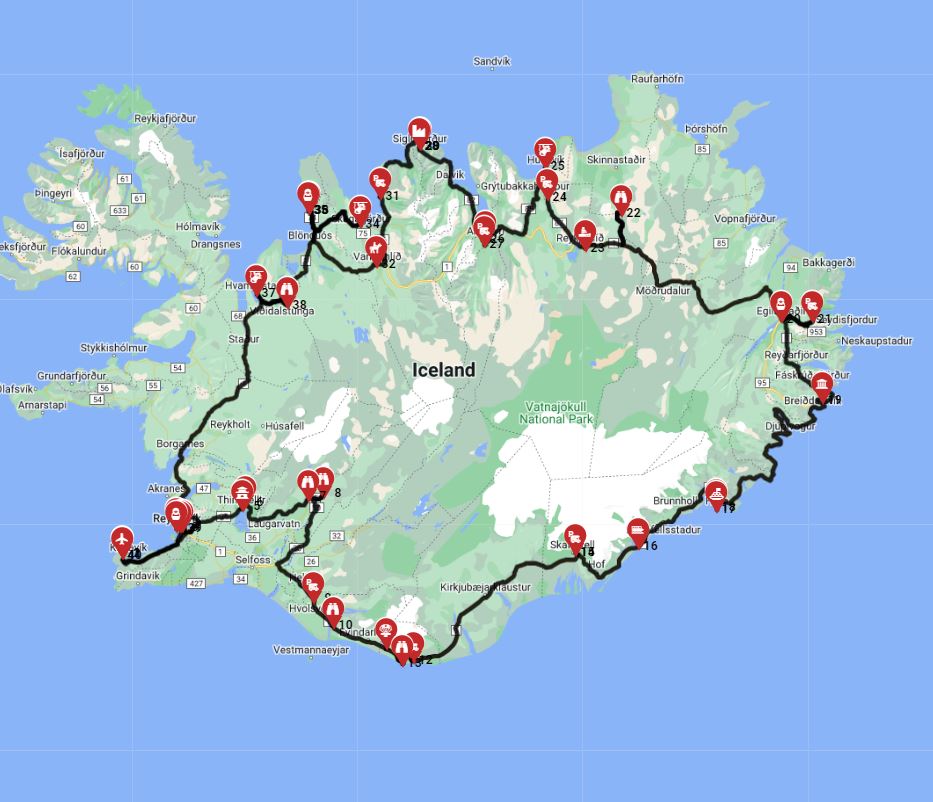
Discover Iceland with confidence using our Rent&Plan service, offering 1,300+ pre-planned routes across 5 continents via our sister company RV PLANET (rvplan.net). These professionally designed itineraries, including options like the "
True RV Specialists
Unlike general travel agencies, we are true RV specialists. Founded in 2001, we have over 23 years of dedicated experience helping tens of thousands of travelers explore the world by RV. Our direct partnerships with 50+ leading RV suppliers worldwide, including trusted names like El Monte and Apollo, mean you get access to the best fleet and deals.
Peace of Mind
We offer the option to upgrade to a top-level deductible reimbursement, ensuring you can travel with peace of mind. Our extensive coverage across 50+ countries means you benefit from local expertise and support throughout your journey, before, during, and after your booking. Bookings are available in 30+ currencies with full price transparency and no conversion commissions.
Final Thoughts
Renting an RV in Iceland truly opens up a world of breathtaking beauty and unforgettable experiences. From the moment you pick up your comfortable motorhome or agile campervan, you're not just booking a vehicle, you're unlocking the freedom to explore Iceland at your own pace, creating memories around every corner. We at Bandana RV are passionate about helping you discover the magic of RV travel, ensuring a seamless and transparent booking experience from start to finish.
Remember to plan ahead, pack smart, and embrace the spirit of adventure that Iceland inspires. With our comprehensive comparison tools and expert advice, finding the perfect RV rental deal for your journey is simpler than ever. So, why wait? Imagine yourself traversing the stunning landscapes, feeling the crisp Icelandic air, and connecting with nature in a way only RV travel allows. Plan a trip itinerary in advance with minimal effort and maximum enjoyment, knowing you have a supportive team behind you every step of the way.
Discover top destinations, planning tips, all in one place! Your Icelandic RV adventure awaits.