In This Guide
- Top 5 Tips for RV Rental in Iceland
- Before You Book - Class, Dates, Insurance
- Pre-Trip Prep - Packing Checklist for Iceland
- On the Road - Driving, Fueling, Navigation
- At the Campground - Setup, Hookups & Etiquette
- RV Rental-Specific Tips for Iceland
- Common Mistakes to Avoid in Iceland
- Is it worth RVing in Iceland?
- How much does it cost to rent an RV in Iceland for a week?
- What is the cheapest way to travel Iceland?
- What is the best month to RV in Iceland?
- Do I need a 4x4 RV in Iceland?
- Do I need a special license to drive an RV in Iceland?
- Can you wild camp in Iceland in an RV?
- Is it hard to drive an RV in Iceland?
- Are there gas stations in Iceland?
- Is RVing in Iceland safe?
- Is there cell service in Iceland?
Top 5 Tips for RV Rental in Iceland
Securing your preferred dates and models for an RV rental in Iceland requires planning, especially for high season travel. For live availability and current prices, start with our RV Rental Iceland - Complete Guide 2026 guide. To truly maximize your adventure across this incredible country, here are our top five tips:- **Book your RV rental well in advance,** especially for summer travel between June and August, to secure your preferred dates and models like a spacious Class C motorhome or a nimble campervan. Early booking can often lead to better rates and ensures you have the perfect mobile home for your journey.
- **Carefully review insurance options** to understand coverage for common Icelandic risks such as gravel damage, sand/ash protection, and specific road types. While basic insurance is included, upgrading to a top-level deductible reimbursement option provides extra peace of mind against unexpected incidents, a service Bandana offers with full transparency.
- **Match your RV class to your itinerary;** a 4x4 campervan is essential for navigating F-roads in the Highlands, while a 2WD campervan or larger motorhome is perfectly suited for exploring the famous Ring Road (Route 1). Consider the number of travelers and desired amenities; a "Category Small AT" campervan is ideal for couples, while a "Comfort Family 6" motorhome offers ample space for a group of 6.
- **Familiarize yourself with Iceland's unique driving rules,** including strictly enforced speed limits (e.g., 90 km/h on paved rural roads), the protocol for single-lane bridges, and the country's strict wild camping regulations. Drive slowly and carefully, and you can drive almost anywhere without issues. No need to stress - just use common sense and pay attention.
- **Plan flexible itineraries,** allowing extra time for unexpected weather changes and captivating scenic stops like the Skógafoss waterfall or the Jökulsárlón Glacier Lagoon. Traveling slowly, aiming for a maximum of 100-150 km per day on average, allows you to truly feel the place, connect to the culture, the food, and the breathtaking scenery.
Before You Book - Class, Dates, Insurance
Choosing the right RV class and understanding insurance options are crucial steps before finalizing your Iceland motorhome rental. Bandana RV, as true RV specialists, is here to support you in comparing and booking the perfect vehicle for your adventure.RV Class Selection: Your Iceland adventure starts with choosing the right RV. For couples seeking agility and ease of parking, a compact campervan like an "Active Classic" (RV size - Small) is ideal for exploring the Ring Road and accessible attractions. For families or groups up to 6, larger motorhomes like a "Comfort Standard" (RV size - Medium or Large) offer more living space, a shower, and a toilet, making them perfect for longer trips. If venturing into the rugged Highlands, a 4x4 RV, such as a "4x4 Camper B - THOR" (RV size - Small), becomes essential for legally accessing F-roads and navigating unbridged river crossings. Understanding these options is a key part of your planning, ensuring your chosen vehicle perfectly matches your travel style and itinerary. Many popular options from suppliers like Apollo and Britz feature automatic transmissions, ideal for stress-free driving on Iceland's varying terrain.
Booking Dates: Securing your motorhome rental early is highly recommended, especially for peak season (June-August), where booking 3-6 months ahead can prevent disappointment and potentially yield better rates. However, for those with a flexible schedule, exploring shoulder seasons (May, September, October) can offer fewer crowds and unique experiences like the Northern Lights, often with more last-minute availability. Remember, prices are dynamic, much like flight tickets, changing daily based on availability, seasonality, and supplier marketing decisions. For the best deals, keep an eye on our "RV Rental Deals in Iceland - Latest Offers 2026" guide.
Insurance Options: Basic liability insurance is always included with your rental. However, given Iceland's unique driving conditions, considering additional coverage is a smart move. Options such as gravel protection, sand and ash protection, and tire insurance are highly recommended, as gravel roads are common, and volcanic ash can be a factor. Bandana offers full transparency, ensuring no hidden fees or surprises when you choose your insurance package. You can upgrade to a top-level deductible reimbursement for extra peace of mind, knowing you're protected against common risks in Iceland.
Pre-Trip Prep - Packing Checklist for Iceland
Proper preparation is key for any RV adventure in Iceland, as the weather can be incredibly unpredictable. Your packing list should reflect this, prioritizing layers and practical items to ensure comfort and safety throughout your journey.Clothing: Iceland's weather can change rapidly from sunny to stormy in minutes, even in summer. Packing versatile layers is paramount. Always bring waterproof and windproof outer layers (jacket and trousers), thermal base layers (tops and bottoms), and mid-layers such as fleece or wool sweaters. Don't forget a warm hat, gloves, and scarf, along with sturdy waterproof hiking boots and wool or synthetic socks. Comfortable clothes for evenings spent inside your rented motorhome, perhaps a "Comfort Class" with ample living space, will also be appreciated.
Kitchen Essentials: One of the joys of RV travel is cooking your own meals, which can also help save on dining costs in Iceland. Most rentals come with basic kitchenware, but it's wise to bring a reusable water bottle, a small cutting board and knife, and your favorite basic spices (salt, pepper). Coffee/tea bags are a must for warming up, and reusable shopping bags are handy for grocery runs to local supermarkets like Bónus. For culinary inspiration on the road, check out our RV-friendly recipes playlist.
Safety & Comfort: A well-stocked first-aid kit is essential. Carry a power bank and car charger for your devices, as well as a headlamp or flashlight for exploring in dimmer conditions or during shorter winter daylight hours. A travel adapter may be needed for charging if your RV has specific outlets. During summer's midnight sun, an eye mask can be a lifesaver for sleeping, and earplugs are useful for noisy campsites. For groups, a Class C motorhome like the "cruise america rv rental example Explorer" offers a 90-liter refrigerator and a 75-liter fuel tank, making it well-equipped for longer stretches.
Documents: Always carry your valid physical driver's license. An International Driving Permit (IDP) is highly recommended for non-English speakers, though not always mandatory, as it provides a translation. Your passport and RV rental agreement, including insurance details, should be easily accessible. Keep emergency contact information handy, including details for your rental company and local emergency services (112).
On the Road - Driving, Fueling, Navigation
Navigating Iceland in a rented RV offers incredible freedom, but it comes with unique considerations for driving, fueling, and staying on track. Proper awareness of local conditions is essential for a smooth and enjoyable trip.Driving Conditions: Always observe speed limits in Iceland, which are strictly enforced, typically 90 km/h on paved rural roads and 80 km/h on gravel. Be prepared for unpaved gravel roads, especially when venturing off the main Ring Road (Route 1) into rural areas or on secondary routes; reduce speed to prevent skidding and potential gravel damage to your vehicle. Exercise extreme caution at single-lane bridges, yielding to oncoming traffic as indicated by road signs. For winter travel, our "Winter RV Driving in Iceland - Safety Guide 2026" offers crucial advice on managing icy conditions and reduced daylight hours.
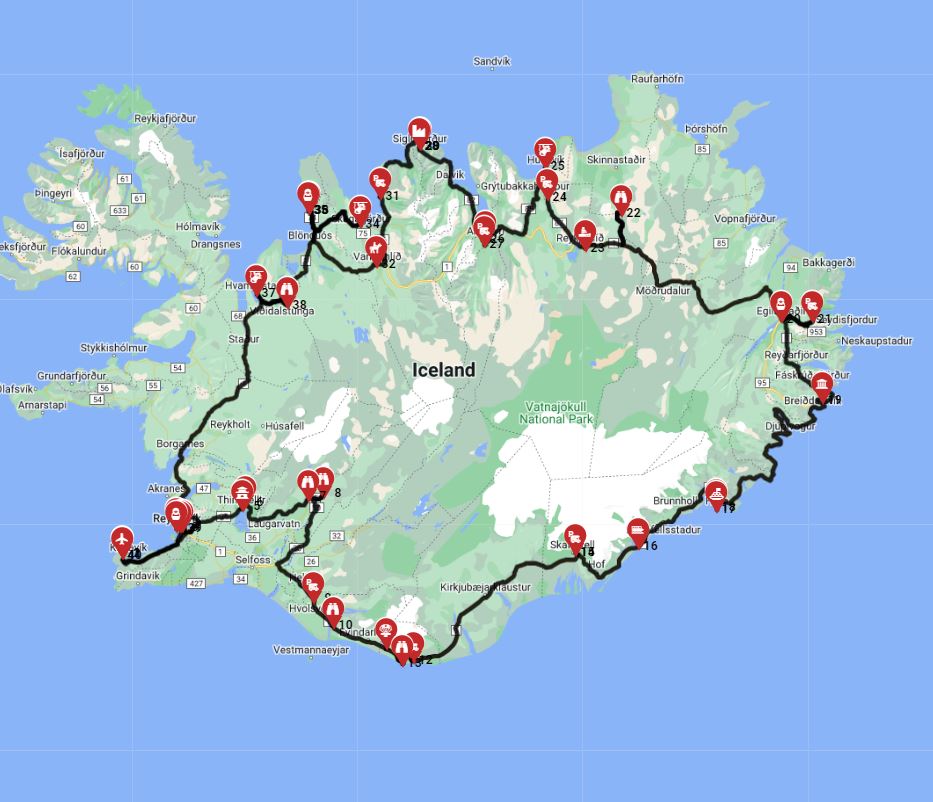
Fueling: Planning your fuel stops is crucial, particularly when venturing into less populated regions, as gas stations can be sparse. Along the Ring Road and in major towns, you'll find a good network of stations. Many pumps are self-service and operate efficiently with credit cards; ensure your card has a 4-digit PIN for use at automated stations. Both diesel and unleaded (bensín) are widely available, so confirm your rented motorhome's fuel type before filling up. A typical motorhome consumes around 11-25 liters per 100 km, so factor this into your ancillary trip costs. On RV PLANET routes, travelers can itemize and track every expense along the way for easy budgeting. On the routes offered through RV PLANET routes, you can itemize and track every expense along the way for easy budgeting.
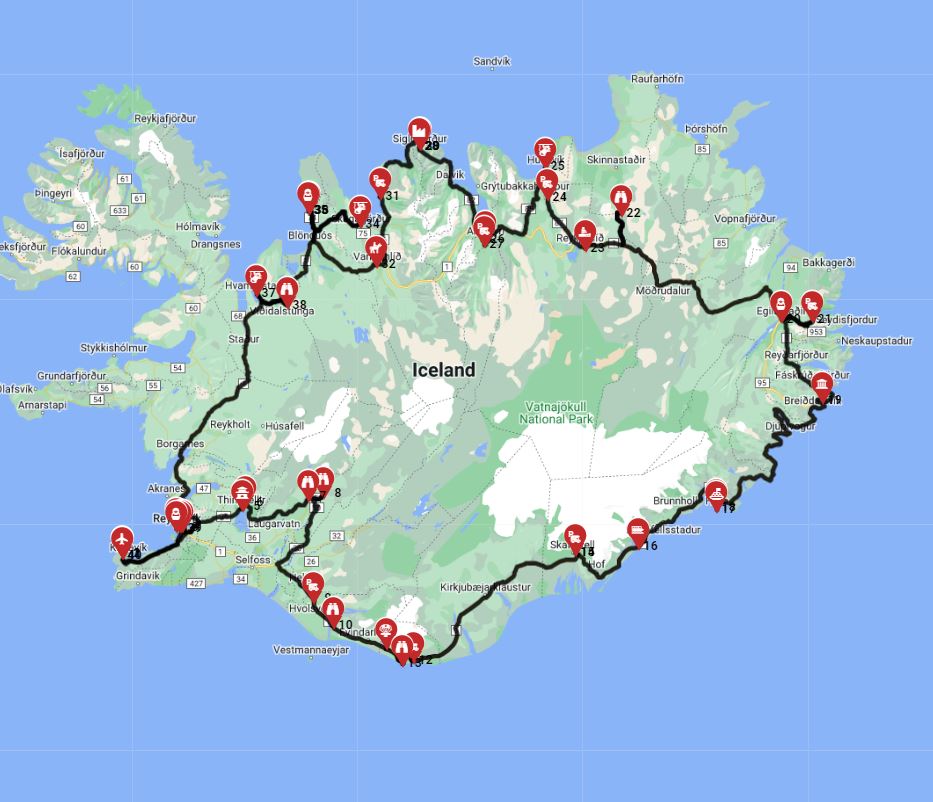
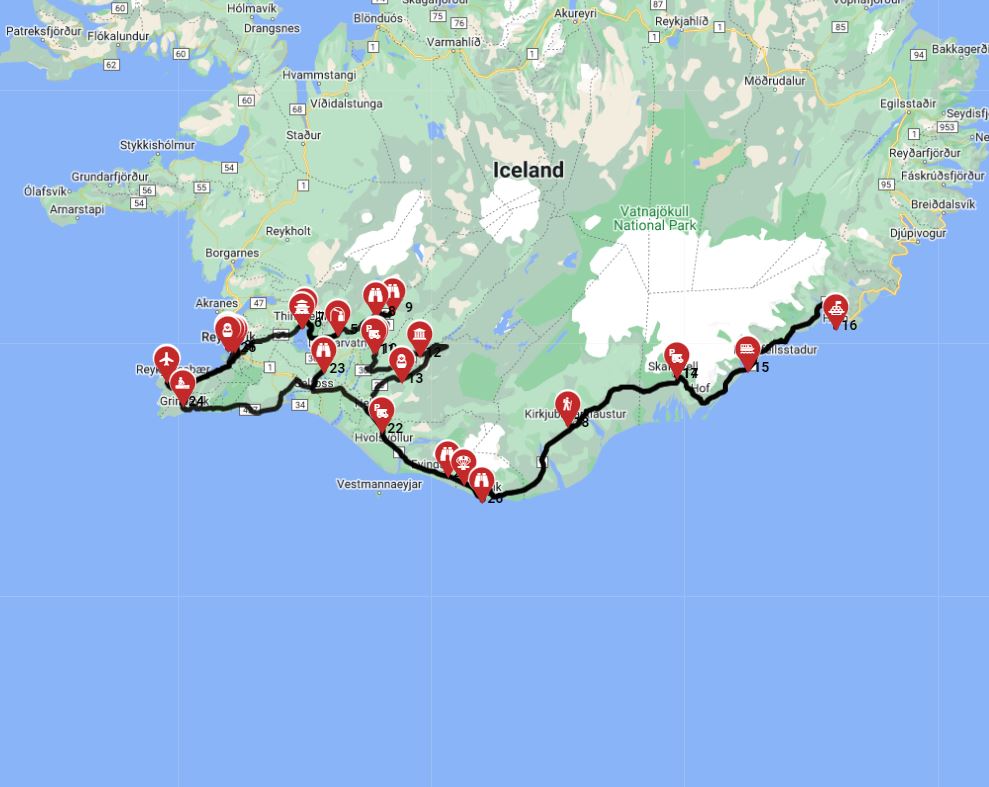
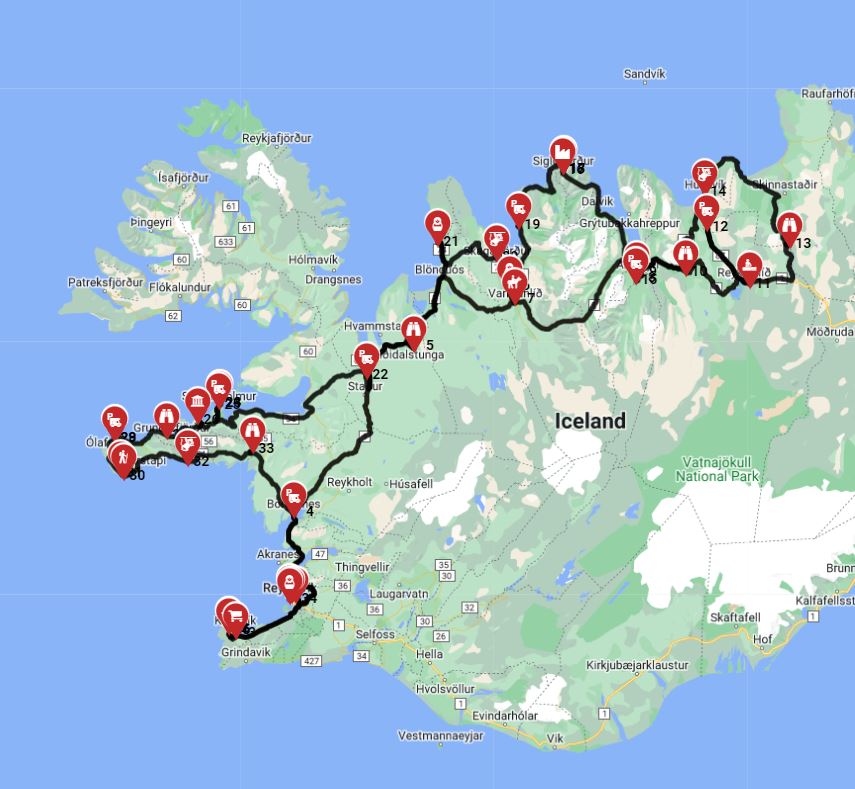
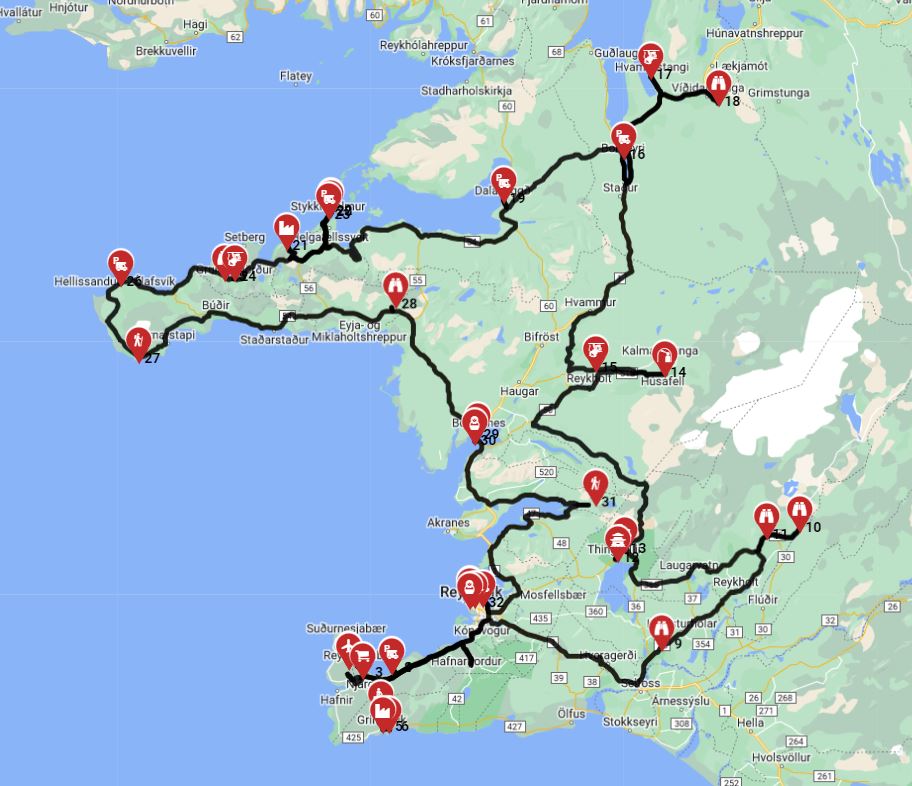
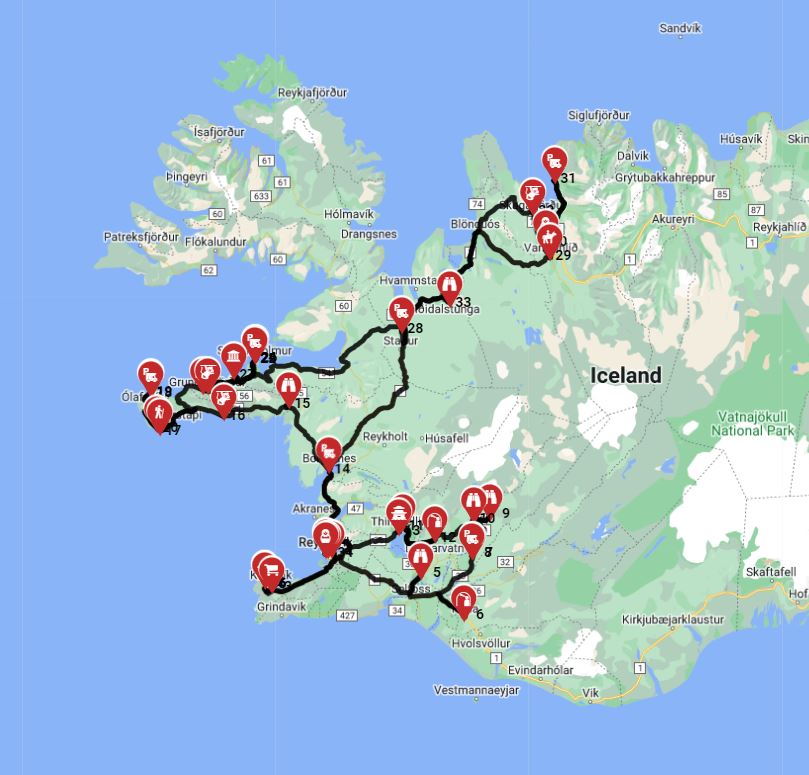
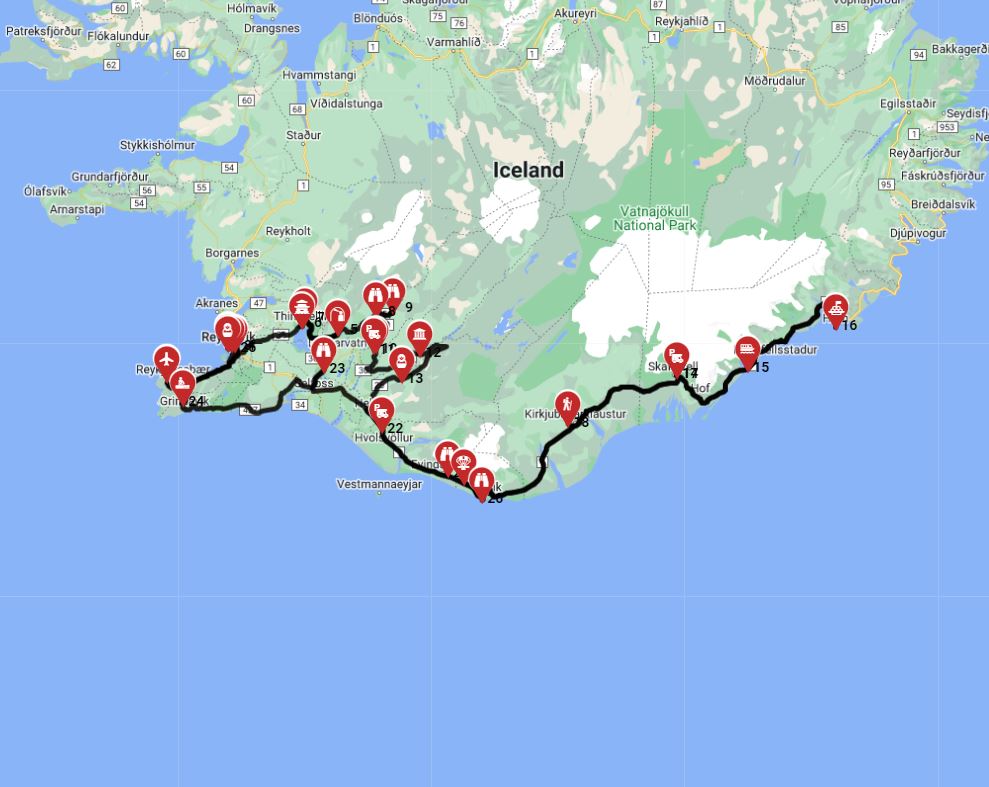
Navigation: Utilize reliable GPS systems or offline maps (e.g., Google Maps, Maps.me) as cell service can be intermittent in remote areas. Staying updated on road conditions and closures is vital; always check the Icelandic Road and Coastal Administration (Vegagerðin) website (www.road.is) before driving, especially when planning to traverse F-roads or during periods of unpredictable weather. Planning your route beforehand with resources like rvplan.net can save you time and stress, ensuring your adventure stays on track. For instance, the "
At the Campground - Setup, Hookups & Etiquette
Staying at designated campgrounds in Iceland is mandatory for RVers, and understanding the setup, hookups, and local etiquette ensures a comfortable and respectful experience. With over 170 campsites available, you'll find options to suit every preference.Parking and Leveling: Upon arrival at an Icelandic campsite, select a suitable spot and use leveling blocks if necessary to ensure your RV or campervan is level. This is important not only for comfortable sleeping but also for proper appliance function, particularly the refrigerator and drainage systems. Many campsites, such as the one in Skaftafell, offer spacious bays suitable for various motorhome sizes, from compact campervans to larger Class C models like the "MHC24" with its 150-liter fresh water tank.
Hookup Order: If electrical hookups are available, connect your power cable first to the pedestal, then to your rented motorhome. Next, connect your fresh water hose, ensuring it's a dedicated potable water hose. Keep your grey and black water tanks closed until you are ready to empty them at the designated dumping station. When departing, disconnect in reverse order: fresh water hose, then power cable. Always ensure tanks are sealed during travel. Remember, proper waste disposal is crucial for preserving Iceland's pristine environment.
Waste Disposal: Always dispose of grey and black water at designated dumping stations, which are readily available at most campgrounds throughout Iceland. Never empty tanks into the environment, as this is strictly prohibited and carries significant fines. Properly sort and dispose of your trash in marked bins, adhering to local recycling guidelines. Showing respect for the environment and fellow campers is a core aspect of RV etiquette. Many sites, even those for smaller campervans, provide convenient access to these facilities.
Quiet Hours: Most Icelandic campgrounds observe quiet hours, typically from 10 PM to 8 AM. Respect fellow campers by keeping noise levels down, especially during these times. Be mindful of generator use, if your rented motorhome has one, and exterior lighting, particularly during summer when daylight is nearly constant. Peaceful enjoyment of nature is a shared value, and maintaining a quiet environment helps everyone relax and appreciate the stunning surroundings. Bandana believes that "God is in the small details, and we take care of them. That's what makes the big difference."
RV Rental-Specific Tips for Iceland
Tailoring your RV rental experience in Iceland to your specific travel group can greatly enhance your trip. Whether you're a family with kids, a senior couple, or a budget-conscious explorer, there's a perfect motorhome and approach for you.Family Travel: For families, opting for a Class C motorhome like the "Denali Searcher 30 - Gold" with multiple sleeping areas (e.g., three double beds) and a generous 160-liter fresh water tank provides ample space and comfort. Plan kid-friendly stops such as local swimming pools and playgrounds, which are often heated by geothermal energy and perfect for a break. Integrate nap-friendly driving stretches into your itinerary and consider bringing entertainment options for the road. Our large motorhomes from suppliers like El Monte and Cruise America are well-equipped to make family adventures unforgettable, including amenities like refrigerators, stoves, and in some models, even microwaves, making meal prep a breeze. For longer family routes, consider the "
Senior Travelers: For senior travelers, comfort and ease of use are paramount. Consider renting RVs with automatic transmissions, which many of our Class B and Class C options offer, for easier driving on Iceland's roads. Ensure that bed access and bathroom facilities (like a shower and toilet) are comfortable and accessible. Avoid overly ambitious itineraries; instead, travel slowly, perhaps 100-150 km per day, to savor the scenery without rushing. A smaller motorhome like the "EcoLine 2" (Diesel / 2.2 Liter, 796Kg load capacity) with a comfortable double bed and a 78-liter refrigerator might be an excellent choice for a couple, providing all the necessary amenities for a relaxed pace.
Budget-Conscious Travel: Traveling Iceland on a budget is entirely possible with a rented RV. Choose a smaller campervan, like the "Active Small" (RV size - Small), which offers better fuel economy. Cooking most meals in your RV, using groceries purchased at budget supermarkets such as Bónus or Krónan, will significantly cut down on dining costs. Look for campgrounds with shared kitchen facilities to minimize expenses and maximize your culinary options. Remember, Bandana offers transparent pricing with no hidden fees, so you can easily compare options in our "Cheap RV Rental in Iceland - Budget Guide 2026" to find the best value.
Luxury Expeditions: For those seeking a premium experience, explore luxury RV models offering spacious living areas, onboard showers, and enhanced amenities. A Class A motorhome like the "Exclusive First" provides superior comfort and features like a TV, making your journey feel truly indulgent. Pre-book campsites with electrical hookups and consider incorporating guided tours for unique experiences, such as glacier hikes or lava cave explorations. Luxury RVs often come with larger fresh water tanks and powerful heating systems, ensuring comfort even in cooler conditions. For those dreaming of a high-end trip, consider our "Luxury RV Rental in Iceland - Premium Prices 2026" options.
Common Mistakes to Avoid in Iceland
Avoiding common pitfalls can make your Iceland RV rental experience seamless and unforgettable. Being aware of local regulations, weather patterns, and road conditions will ensure a stress-free adventure.Underestimating Weather Variability in Iceland: Many first-time RV renters underestimate how quickly Iceland's weather can change, even in summer. Instead, pack versatile layers for all four seasons, as a sunny morning can turn into a windy, rainy afternoon in minutes. Always check the weather forecast (vedur.is) before heading out for the day and be prepared to adjust your plans. A sudden change in weather can affect driving conditions, particularly on gravel roads.
Illegal Wild Camping: Iceland has very strict laws against wild camping in RVs or campervans outside of designated campsites. Instead, plan to stay only at official campgrounds, respecting Iceland's fragile nature and avoiding hefty fines. These rules are in place to protect the delicate ecosystems that are easily damaged by unauthorized camping. Many campsites offer excellent facilities, and finding a spot is usually manageable. While many national/state parks reserve only 25-30% of spots, the rest are first-come-first-serve, so you'll find a spot. If not at the first campground, then the next one. Call ahead before driving. For finding campsites and campgrounds during your trip, we recommend using RV PLANET (rvplan.net) - a great resource for locating available spots along your route.
Ignoring F-Road Restrictions: F-roads, which access the rugged interior Highlands, legally require a 4x4 vehicle. Driving a 2WD campervan on an F-road is illegal and will void your rental insurance. Many F-roads also involve unbridged river crossings, which are generally not covered by standard insurance policies, even for 4x4 vehicles. Ensure your rented RV is a certified 4x4 like the "2 Person 4WD Camper" before attempting these routes. For a deeper dive, review "Do I need a 4x4 RV in Iceland?" in this guide.
Not Booking Campsites in Advance: While many campgrounds operate on a first-come, first-served basis, popular areas like the Golden Circle or the South Coast can fill up quickly during peak summer months. Instead, especially for larger motorhomes or specific locations, reserve your campsite spots ahead of time if you want guaranteed availability. This is particularly true for campsites that offer specific amenities like electrical hookups. RV PLANET (rvplan.net) can help you plan and book your route effectively, including campsites.
Rushing Your Itinerary: Iceland is a country of breathtaking landscapes that deserve to be savored. Instead of trying to cram too much into each day, allow ample time for drives, unexpected photo stops, and enjoying the landscapes. Travel slowly, aiming for a maximum of 100-150 km per day on average. This pace allows you to truly feel the place, connect to the culture, the food, and the stunning scenery, making your RV rental trip more rewarding. Consider a two-week adventure or an extended road trip to fully immerse yourself.
Is it worth RVing in Iceland?
RVing in Iceland offers unparalleled flexibility and immersion in nature, making it a highly rewarding travel choice for many visitors. The unique combination of comfort and freedom allows you to experience Iceland's dramatic landscapes up close, at your own pace.Freedom and Flexibility: A rented RV provides the ultimate freedom to adjust your itinerary on the fly, chase the Northern Lights to the best viewing spots, or linger longer at a captivating waterfall. Imagine waking up to the sound of a rushing river or with a glacier in your rearview mirror; this level of spontaneity is hard to achieve with traditional hotel bookings. With your mobile home, you dictate the schedule, whether you're exploring the "
Cost-Effectiveness: For groups or families, an RV rental can be significantly more economical than renting multiple hotel rooms and eating out for every meal, which can be expensive in Iceland. Utilizing the onboard kitchen in your motorhome, even a compact "RV size - Small" model equipped with a refrigerator and gas stove, for self-catering meals can lead to substantial savings. Stocking up at local supermarkets like Bónus or Krónan and enjoying meals with stunning views is both budget-friendly and a memorable experience. Find great RV-friendly recipes playlist to prepare delicious meals on the go.
Proximity to Nature: With a rented RV, you can park at designated campsites nestled in stunning landscapes, offering direct access to hiking trails and unique local experiences. Unlike hotels that may be removed from natural attractions, an RV allows you to wake up immersed in Iceland's raw beauty, from black sand beaches to geothermal areas. This direct connection to nature enhances cultural interactions, as many small towns and communities thrive around these natural wonders, offering authentic local food and craft experiences.
Comfort: Compared to tent camping, a rented motorhome offers superior comfort and protection from Iceland's often harsh elements. Features like heating, comfortable beds (e.g., a "Double Bed - 135/200cm" in a standard campervan), and an onboard toilet and shower provide a convenient and warm 'home base' for your adventures, regardless of the weather outside. You get to enjoy the wild without sacrificing comfort.
How much does it cost to rent an RV in Iceland for a week?
The cost to rent an RV in Iceland for a week typically ranges from $1,000 to $3,500 USD or more, varying significantly based on vehicle size, rental season, and included insurance options. Like airline tickets, prices are dynamic and can change daily.Rental Fees: Prices are generally highest during peak summer (June-August), when demand is highest, potentially reaching $250-$500 USD per day for a standard Class C motorhome. Opting for shoulder seasons (May, September, October) can see daily rates drop to $150-$300 USD. A compact campervan, ideal for 2 people, will be less expensive (around $100-$250 USD/day) than a larger motorhome like a "6 Berth Deluxe" or a specialized 4x4 RV required for F-roads. For the most up-to-date pricing, always compare current listings through Bandana RV, where we ensure full price transparency with no hidden fees.
Insurance: Basic liability insurance is usually included in the rental price. However, comprehensive coverage for specific Icelandic risks such as gravel protection, sand and ash protection, and tire insurance can add an extra $30-$100+ USD per day to your total cost. We recommend upgrading to a top-level deductible reimbursement for complete peace of mind. It's critical to factor this into your budget to avoid unexpected expenses from common road damages in Iceland.
Fuel: Iceland has high fuel prices, typically ranging from $2.20-$2.50 USD per liter. Larger RVs and 4x4 vehicles, which consume more fuel (e.g., a large motorhome like the "MH-A" with a 208-liter fuel tank might get 25 L/100km), will incur substantial fuel costs, especially if you plan to cover long distances like the 1,322 km Ring Road. Budgeting for fuel is essential for your ancillary trip costs, and our RV PLANET routes allow you to itemize and track every expense for easy budgeting.
Campsite Fees: Expect to pay around $15-$25 USD per person, per night, for designated campsites, which are mandatory for overnight stays in an RV. Many sites offer additional services like electrical hookups, showers (often geothermal with a unique sulfur smell!), and waste disposal, which may sometimes be included or incur a small extra fee. For families of 4-6 people, campsite fees can add $60-$150 USD per night, a significant part of the overall cost.
Provisioning: Cooking your own meals from groceries purchased at local supermarkets like Bónus or Krónan is significantly cheaper than dining out. A typical supermarket haul for a few days for a family might cost $80-$150 USD, whereas a single restaurant meal for the same family could easily exceed $150-$200 USD. Bringing basic spices and a reusable water bottle can also save money. Considering these elements, a week-long RV trip in Iceland offers a unique blend of adventure and potential savings compared to traditional travel.
What is the cheapest way to travel Iceland?
For independent travel, renting a small campervan and self-catering meals is generally among the cheapest ways to travel Iceland, significantly more affordable than relying on hotels and frequent restaurant dining. This approach allows for maximum flexibility while keeping costs in check.Compact Campervan: Opting for the smallest campervan model, such as a "Category Van" (RV size - Small) or a "Happy 1 EX" (RV size - Small), significantly reduces both rental costs and fuel consumption compared to larger RVs. These compact vehicles, often equipped with a simple cooking area and bed, typically rent for $100-$250 USD per day in shoulder season. They are easy to drive and park, making them ideal for navigating both city streets and rural routes without stress. Remember, even in cities, you can drive almost anywhere without issues, just use common sense and pay attention.
Self-Catering: Prioritize cooking your own meals in your rented campervan. Stock up on groceries at budget supermarkets like Bónus, Krónan, or Nettó, which offer lower prices than smaller convenience stores or restaurants. Icelandic food specialties like skyr, lamb, and fresh fish are great for RV cooking. This strategy can save a family of four $100-$200 USD per day on food costs alone. Many campervans, such as the "Active Original" or "Aero - Campervan," come equipped with a small refrigerator and gas stove, perfect for preparing simple, delicious meals. Need inspiration? Check out our RV-friendly recipes playlist.
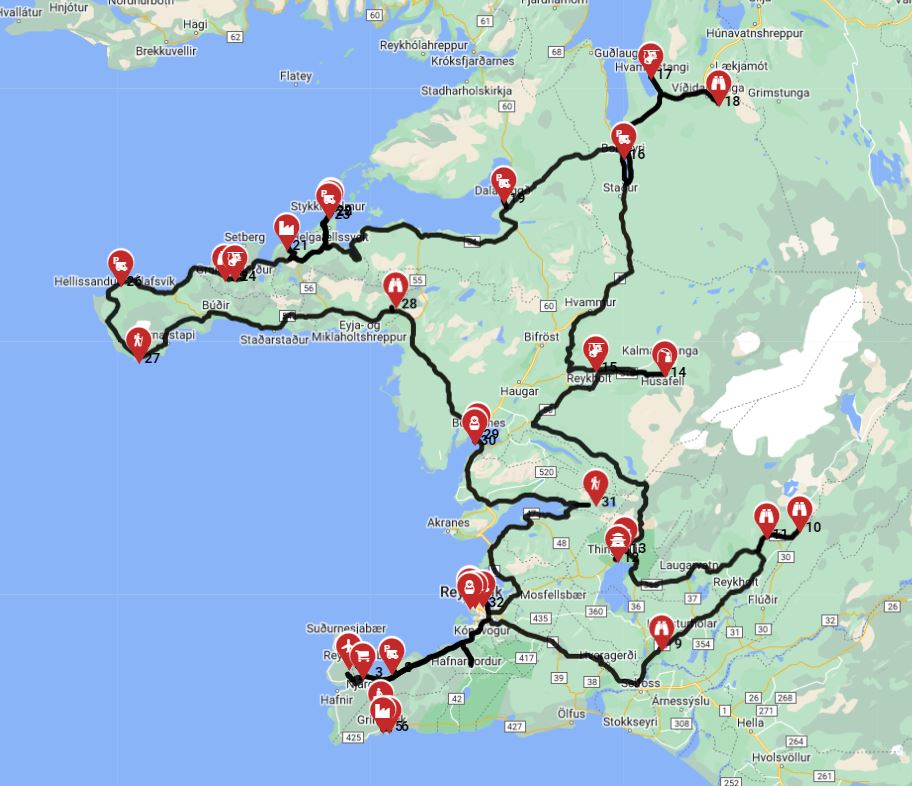
Free Attractions: Focus on Iceland's abundant natural attractions, which are often free to visit. Waterfalls like Seljalandsfoss, black sand beaches at Reynisfjara, geothermal areas like Geysir, and numerous hiking trails offer breathtaking experiences without an entrance fee. Planning your route to maximize these free sights can drastically reduce overall expenses. A pre-planned route like the "Iceland Golden Circle - South West" from rvplan.net includes 5 Natural Features and multiple traditional visits without excessive entry costs.
Campsite Selection: Choose basic campsites without extensive amenities, as these are typically more affordable (around $15-$25 USD per person per night). Many campgrounds, even without luxury features, still provide essential facilities like toilets, cold running water, and waste disposal. Utilizing shared kitchen facilities, if available, can further minimize cooking and cleaning costs. For detailed information on campsite locations and amenities, rvplan.net is an invaluable resource.
What is the best month to RV in Iceland?
The best month to RV in Iceland largely depends on your desired experiences, with June, July, and August offering the mildest weather, longest daylight hours, and access to all roads, while shoulder seasons like May and September provide fewer crowds and potential aurora views. Each season offers unique advantages for a motorhome adventure.Summer (June-August): These months are considered peak season for a rented RV trip in Iceland. You'll experience 20-24 hours of daylight, perfect for extensive exploration of popular spots like the Golden Circle and the South Coast. All F-roads, which access the interior Highlands, are typically open, allowing for 4x4 campervan adventures. Temperatures range from 10-15°C (50-59°F). The trade-off is higher prices for RV rentals and campsites, along with more tourists. Booking 3-6 months in advance is crucial to secure vehicles and better rates. For instance, a "Category Large 6 AT" motorhome for a family of 6 might be in high demand.
Shoulder Season (May, September-October): These months offer a fantastic balance. You'll find fewer crowds, lower rental rates, and excellent opportunities to see the Northern Lights, particularly from late September into October. Daytime temperatures average 5-10°C (41-50°F). However, some F-roads may still be closed in May, and weather becomes more unpredictable in autumn, with increased chances of rain and strong winds. Winterizing your RV rental, if traveling later in the shoulder season, is important to ensure comfort. One-Way RV Rental in Iceland - Price Guide 2026 can help you plan seasonal relocation options.
Winter (November-April): Winter RVing in Iceland is ideal for aurora hunting and experiencing the dramatic, snow-covered landscapes. However, it requires specific preparation for cold temperatures (averaging 0-5°C, 32-41°F), limited daylight (as little as 4-5 hours in December), and challenging driving conditions due to snow and ice. Many F-roads and highland routes are closed, restricting travel primarily to the Ring Road and accessible areas. You will need a winter-ready campervan with good heating. While rewarding for the adventurous, this season presents unique challenges, and our "Winter RV Driving in Iceland - Safety Guide 2026" provides essential guidance. Despite the cold, there are still over 100 open campsites.
Do I need a 4x4 RV in Iceland?
A 4x4 RV is essential for legally and safely accessing Iceland's challenging F-roads, which are typically only open during summer months; however, it's not strictly necessary for most Ring Road explorations. Your itinerary dictates the need for a 4x4 campervan.F-Road Access: F-roads, or mountain roads, are explicitly marked with an 'F' prefix (e.g., F208) and legally require a 4x4 vehicle to drive on them. Driving a 2WD campervan or motorhome on an F-road is illegal and will void your rental agreement, rendering your insurance invalid. These roads are typically unpaved, rugged, and can involve difficult terrain. Examples of suitable 4x4 vehicles include a "4x4 Jimny" (RV size - Small) or a "Patagonia Camper 4x4 double cab."
River Crossings: Many F-roads involve unbridged river crossings, which can be dangerous and require experience. A 4x4 with high ground clearance is critical for these situations. It's important to note a critical fun fact: most standard rental insurances, even for 4x4 vehicles, do not cover water damage incurred during river crossings or damages from driving on unauthorized F-roads. Always check the fine print of your insurance policy if you plan to tackle these routes. Bandana provides full transparency on all insurance options.
Ring Road and Main Routes: If your itinerary focuses solely on the paved Ring Road (Route 1) and other main routes (like the Golden Circle), a 2WD campervan or motorhome is perfectly suitable and often more economical. These roads are well-maintained, and any Class B campervan like the "V3" or a Class C motorhome like the "CA-25" (with its 151-liter fresh water tank) will provide a comfortable and capable ride. Smaller RVs like "Category Small AT" are particularly easy to maneuver.
Weather Conditions: Even on main roads, a 4x4 can offer added stability and safety in challenging weather conditions, especially during winter or in areas with strong winds and unpredictable storms. While not strictly required for paved roads, a 4x4 can provide an extra layer of confidence if you're traveling during shoulder seasons or are concerned about adverse weather.
Do I need a special license to drive an RV in Iceland?
Most standard RVs and campervans in Iceland can be driven with a regular Class B (or equivalent) driver's license from your home country, provided it is valid and you meet the minimum age requirements, typically 21 years old. No special license or CDL is required for any rental motorhome.Standard Driver's License: For the vast majority of motorhomes and campervans available for rental in Iceland, including Class A, Class B, and Class C models, a standard car driver's license is sufficient. This applies to vehicles under 3,500 kg (7,700 lbs). You do not need a special commercial driver's license (CDL) or additional permits. Vehicles such as a "Category Small AT" (RV size - Small) or a "MH23 Medium - Economy" (RV size - Medium) fall within this category and are accessible with a regular license.
International Driving Permit (IDP): While not legally required for all nationalities (e.g., visitors from EU, US, Canada), an International Driving Permit (IDP) is highly recommended for visitors from non-English-speaking countries. The IDP provides a translation of your license into multiple languages, which can be invaluable for rental companies or in case of an incident with local authorities. Always carry your physical home country driver's license along with your IDP.
Age Requirements: Bandana RV suppliers typically have a minimum age requirement of 21 years old for RV rentals in Iceland. Unlike some countries, there are no young driver surcharges or vehicle class restrictions based on age, meaning a 21-year-old can rent any class of motorhome or campervan, provided they meet the general licensing criteria. This offers greater flexibility for younger adventurers eager to explore Iceland.
Can you wild camp in Iceland in an RV?
Wild camping in Iceland in a rented RV is generally prohibited outside of designated campsites, with strict laws in place to protect the fragile environment and respect private land. These regulations are vital for preserving Iceland's unique and delicate ecosystems.Legal Restrictions: Icelandic law (specifically the Nature Conservation Act) states that it is illegal to camp overnight outside of designated campsites in an RV, campervan, or any motor vehicle, unless explicit, prior permission from the landowner is obtained. This includes parking overnight on public roads, rest stops, or unpaved areas. These rules are rigorously enforced, and violating them can result in significant fines. When comparing options for your trip, always remember that full transparency is our promise, so we want you to be aware of all local regulations.
Environmental Protection: The primary reason for these strict laws is to protect Iceland's delicate ecosystems. The country's unique flora and fragile volcanic landscapes are highly susceptible to damage from unauthorized camping, including tire tracks, waste, and disruption of natural habitats. Responsible travel practices are paramount to ensuring these natural wonders remain pristine for future generations. Choosing to stay at a designated campsite, even with a smaller campervan, ensures you are doing your part.
Responsible Travel: Always use official campsites that provide proper facilities for waste disposal, including grey and black water emptying stations, and trash bins. This "leave no trace" approach is a fundamental aspect of sustainable tourism in Iceland. Many campsites offer essential amenities and are conveniently located near popular attractions. You'll find approximately 170 designated campsites across Iceland, ensuring you always have a legal place to stay.
Consequences: Violating Iceland's wild camping laws can result in significant fines, and repeated offenses could lead to more severe penalties. Beyond legal repercussions, unauthorized camping can cause irreversible damage to Iceland's natural beauty, which we all have a responsibility to protect. Planning your route in advance with RV PLANET (rvplan.net) can help ensure you're always aware of designated campgrounds and avoid any issues.
Is it hard to drive an RV in Iceland?
Driving a rented RV in Iceland presents unique challenges such as variable weather, gravel roads, and strong winds, but with careful preparation and awareness, it is manageable for most experienced drivers. It's an adventure, not a hardship!Strong Winds: Iceland is notoriously windy, and sudden, powerful gusts can make driving larger RVs or even a Class C motorhome like the "Jayco Excursion" challenging and potentially dangerous. Always check the weather forecast for wind warnings (vedur.is) before driving and be prepared to pull over if conditions become too severe. Holding your door firmly when opening it is a critical safety and financial mantra to avoid damage.
Gravel Roads: Many roads, especially secondary routes, scenic detours, and F-roads, are unpaved gravel. These require reduced speed, careful handling, and heightened awareness of flying stones that can damage your rented motorhome. Speed limits on gravel roads are typically 80 km/h, but it's often safer to drive much slower, around 40-60 km/h, to prevent skidding and damage. If you're on paved roads, drive slowly and carefully, and you can drive almost anywhere without issues. No need to stress - just use common sense and pay attention.
Single-Lane Bridges: Numerous bridges, particularly on the Ring Road (Route 1), are single-lane. The rule is to yield to the vehicle closest to the bridge or the one displaying a clear right-of-way sign. Always approach these bridges cautiously and be prepared to stop. These are often clearly marked well in advance, giving you ample time to react.
Sheep and Wildlife: Livestock, primarily sheep, often roam freely by the roadside throughout rural Iceland. Be prepared to slow down or stop suddenly to avoid collisions, especially when driving early morning or late evening. They often blend into the landscape, so vigilance is key. This is part of the charm and challenge of Iceland's rural routes.
Rapidly Changing Weather: Weather can shift from sunny to stormy in minutes, impacting visibility and road conditions. Always be vigilant and adjust your driving accordingly. Even a fully equipped motorhome needs a cautious driver. Having flexible itineraries helps you adapt to these changes without feeling rushed, embodying our recommendation to travel slowly, max 100-150 km per day.
Are there gas stations in Iceland?
Yes, there are gas stations throughout Iceland, particularly along the Ring Road and in major towns, though their frequency decreases significantly in more remote areas. Strategic fuel planning is crucial for a smooth RV rental trip.Ring Road Coverage: You'll find a good network of gas stations along the main Ring Road (Route 1), which circles the entire country. Major chains like N1, Olís, and Orkan are common, especially in and around larger towns such as Reykjavik, Akureyri, and Egilsstaðir. These stations typically offer full services, including small shops for snacks and essential items. Planning your route with rvplan.net can highlight gas station locations, ensuring you never run low on fuel for your rented campervan.
Remote Areas: When venturing into the Highlands (on F-roads with a 4x4 campervan) or other less populated regions like the Westfjords, gas stations become scarcer. It's crucial to plan your route and refuel whenever possible, especially before long stretches without services. Some remote stations might have limited hours, so checking ahead is always a good idea. A larger motorhome like a "C-Large" has a 250-liter fuel tank, offering a longer range between fill-ups.
Self-Service Pumps: Many stations, particularly outside of major towns, are self-service. These typically operate 24/7 and require a credit card with a 4-digit PIN for payment. It's advisable to have a credit card that works internationally and to know your PIN. Some smaller stations may not accept all international cards, so carrying a backup or a small amount of Icelandic Krona (ISK) for emergencies can be helpful.
Fuel Types: Diesel (dísel) and unleaded gasoline (bensín) are widely available. Ensure you know your rented RV's specific fuel type before you start your journey to avoid costly mistakes. Most modern campervans and motorhomes use diesel, which is typically more fuel-efficient. For example, a "Category Van" (RV size - Small) may consume around 9-12 L/100km, while a large Class C motorhome like the "MHC30" can consume up to 23 L/100km. Factor fuel costs into your overall trip budget, as mentioned in our "RV Rental in Iceland - Prices and Best Deals 2026" guide.
Is RVing in Iceland safe?
RVing in Iceland is generally safe, provided travelers are well-prepared for rapidly changing weather conditions, understand local driving hazards, and practice responsible travel. With the right precautions, your motorhome adventure will be secure and enjoyable.Weather Preparedness: Iceland's weather is highly unpredictable, with strong winds, heavy rain, and sudden fog capable of appearing in minutes. Always check forecasts (vedur.is) before driving and be prepared to adjust plans if severe weather is predicted. Carrying emergency supplies, including extra warm clothing and food, is always a smart idea, especially when exploring remote areas. Our comprehensive "RV Rental Europe - Complete Guide 2026" emphasizes the importance of weather awareness in regions like Iceland.
Road Conditions: Gravel roads and F-roads pose unique challenges. Drive cautiously, respect speed limits, and ensure your rented RV is suited for the terrain. Have appropriate insurance for potential damage, particularly gravel protection, which is a common risk. Drive slowly and carefully, and you can drive almost anywhere without issues. No need to stress - just use common sense and pay attention. For those venturing off-pavement, knowing when a 4x4 campervan is necessary is vital.
Emergency Services: Iceland has an excellent emergency response system (dial 112 for all emergencies - police, fire, ambulance, rescue services). Carry a fully charged phone and a power bank for reliability. For breakdowns, contact your rental company's 24/7 support line – remember, with Bandana, you have real people behind you before, during, and after your booking process to assist with coordination and support queries.
Remote Areas: When traveling in the Highlands or other remote parts of Iceland, inform someone of your route and expected return time. Consider renting a satellite phone or a personal locator beacon (PLB) for areas without cell service, which can be critical for emergency communication. A fully self-contained motorhome like a "MH2 - IDUNN" with a 120-liter fresh water tank can sustain you longer in remote spots.
Wildlife: Be mindful of sheep and other livestock on or near roads, especially in rural areas. They often roam freely, and collisions can be dangerous for both the animals and your rented motorhome. Drive defensively and be prepared to slow down or stop suddenly. Paying attention to these local nuances helps ensure a safe and respectful journey through Iceland.
Is there cell service in Iceland?
Cell service in Iceland is generally reliable along the Ring Road and in populated areas, though coverage can be spotty or non-existent in remote highland regions and deep valleys. For most travelers, staying connected won't be an issue, but planning for potential gaps is wise.Good Coverage: Major towns, cities, and the vast majority of the Ring Road (Route 1) have strong 4G/5G mobile data coverage from providers like Síminn, Vodafone, and Nova. This means you can typically use your smartphone for navigation, communication, and internet access throughout the main tourist routes and populated areas. Many rental campervans are equipped with a "Front Air condition" for comfort during drives, allowing you to enjoy your connected journey.
Remote Area Gaps: When exploring the Highlands, the Westfjords, or other isolated areas, expect intermittent or no cell service. This is particularly relevant for navigation and emergency communication. For instance, areas around Landmannalaugar or parts of the Snaefellsnes Peninsula might have limited signals. It's crucial not to rely solely on your phone in these remote conditions.
Emergency Preparedness: Due to potential connectivity issues in remote areas, do not rely solely on cell service for emergencies. Always carry offline maps, inform someone of your route and expected return time, and consider renting a satellite phone or a personal locator beacon (PLB) for highland treks. These devices can transmit your location and allow for emergency contact even without cell signal, offering crucial safety in Iceland's vast wilderness.
Wi-Fi Hotspots: Many RV rental companies offer optional in-vehicle Wi-Fi hotspots for an additional fee, providing a convenient way to stay connected even when personal cell service is weak. Additionally, most campsites, cafes, restaurants, and hotels throughout Iceland provide Wi-Fi, offering reliable connectivity points during your trip. This ensures you can upload photos, plan your next stop, or connect with loved ones from your rented motorhome, such as a "Category Urban Van AT" with an automatic transmission for easy travel.
What You Shouldn't Miss
An RV adventure in Iceland opens up a world of discovery. Here are some must-do experiences that truly showcase the magic of this land of fire and ice:- Drive the Golden Circle: This iconic route takes you to Thingvellir National Park (a UNESCO World Heritage site), the Geysir geothermal area, and the mighty Gullfoss waterfall. The "Iceland Golden Circle - South West" route plan takes 9 days and covers 1438.7 km, ensuring you hit all the highlights.
- Explore the South Coast's Waterfalls and Black Sand Beaches: Witness the powerful Skógafoss and Seljalandsfoss waterfalls, and marvel at the black sand beaches of Reynisfjara with its dramatic basalt columns. This is often a favorite stretch for our RV renters.
- Hike in Skaftafell Nature Reserve: Part of Vatnajökull National Park, Skaftafell offers stunning hiking trails with views of glaciers and unique landscapes. Many campsites here offer electrical hookups for your rented motorhome.
- Relax in Geothermal Pools: Beyond the famous Blue Lagoon, seek out local swimming pools in small towns or natural hot springs like the Secret Lagoon. It's the perfect way to unwind after a day of driving.
- Chase the Northern Lights (Seasonal): If traveling in the shoulder season (September-October) or winter, use your RV to escape city lights and find dark skies for a chance to witness the spectacular Aurora Borealis, a truly unforgettable experience.
🎬 Video coming soon
Looking for expert insights from Avi Bandana? Top 5 Adventures - recommendations from Avi Bandana
Avi Bandana, our founder, is a true connoisseur of RV travel. His passion for helping people explore the world by motorhome is evident in every detail. "Iceland offers a unique blend of rugged beauty and geological wonders that are best explored with the freedom an RV provides," says Avi. "Don't rush through it. Allow time for the unexpected, like stumbling upon a hidden hot spring or witnessing a sudden burst of aurora. That's where the real magic happens. Our pre-planned itineraries are designed for this immersive experience, helping you connect with the essence of Iceland."
Final Thoughts
An RV rental in Iceland promises an adventure unlike any other, a chance to truly immerse yourself in one of the world's most stunning natural landscapes. From chasing waterfalls along the Ring Road to exploring the rugged Highlands in a 4x4 campervan, the freedom of your own mobile home allows for spontaneous detours and intimate encounters with nature. Remember, with careful planning, understanding local driving conditions, and embracing the ethos of slow travel – focusing on 100-150 km per day to truly connect with the culture and scenery – your journey will be an absolute joy.At Bandana RV, we're passionate about helping you discover this incredible way to travel. With our commitment to full transparency, expert support before and after your booking, and resources like RV PLANET to help plan your perfect itinerary, we ensure every detail is covered. So, imagine yourself on the route, Icelandic winds at your back, ready for another day of discovery. Iceland is waiting, and with the right tips and preparation, your RV adventure will be truly unforgettable.
Get inspired for your next trip! Discover top destinations, planning tips, and all you need for an incredible RV adventure in Iceland. Plan a trip itinerary in advance with minimal effort and maximum enjoyment. Check out our detailed guides, including "RV Rental in Iceland - Prices and Best Deals 2026," to get started.