In This Guide
- Top 5 Tips for RV Rental in East Europe
- Before You Book - Class, Dates, Insurance
- Pre-Trip Prep - Packing Checklist for East Europe
- On the Road - Driving, Fueling, Navigation
- At the Campground - Setup, Hookups and Etiquette
- RV Rental-Specific Tips for East Europe
- Common Mistakes to Avoid in East Europe
- What is the 3-3-3 rule for RV travel?
- How much does it cost to rent an RV in Europe?
- What is the 333 rule for campervan?
- What is the 444 rule for RV?
- How easy is it to travel around Europe in a motorhome?
- What is the best way to travel around Eastern Europe?
- Is Europe RV friendly?
- What do I need to know before renting an RV?
- Top Cities for RV Rental in East Europe
- What You Shouldn't Miss
- Why Book with Bandana Caravan
- Final Thoughts
- Frequently Asked Questions
Embarking on a motorhome adventure through East Europe offers a unique blend of historical discovery, vibrant cultures, and stunning natural landscapes. This region, stretching from the Baltic to the Balkans, is increasingly popular for rented RV travel, providing incredible value and unforgettable experiences. For live availability and current prices, start with our RV Rental East Europe - Complete Guide 2026 guide, where you'll find everything you need to plan your ideal trip.
Top 5 Tips for RV Rental in East Europe
Planning your route for a rented RV in East Europe is crucial, especially when considering diverse road conditions and potential border crossings outside the Schengen Area. Carefully research country-specific regulations to ensure a smooth journey.
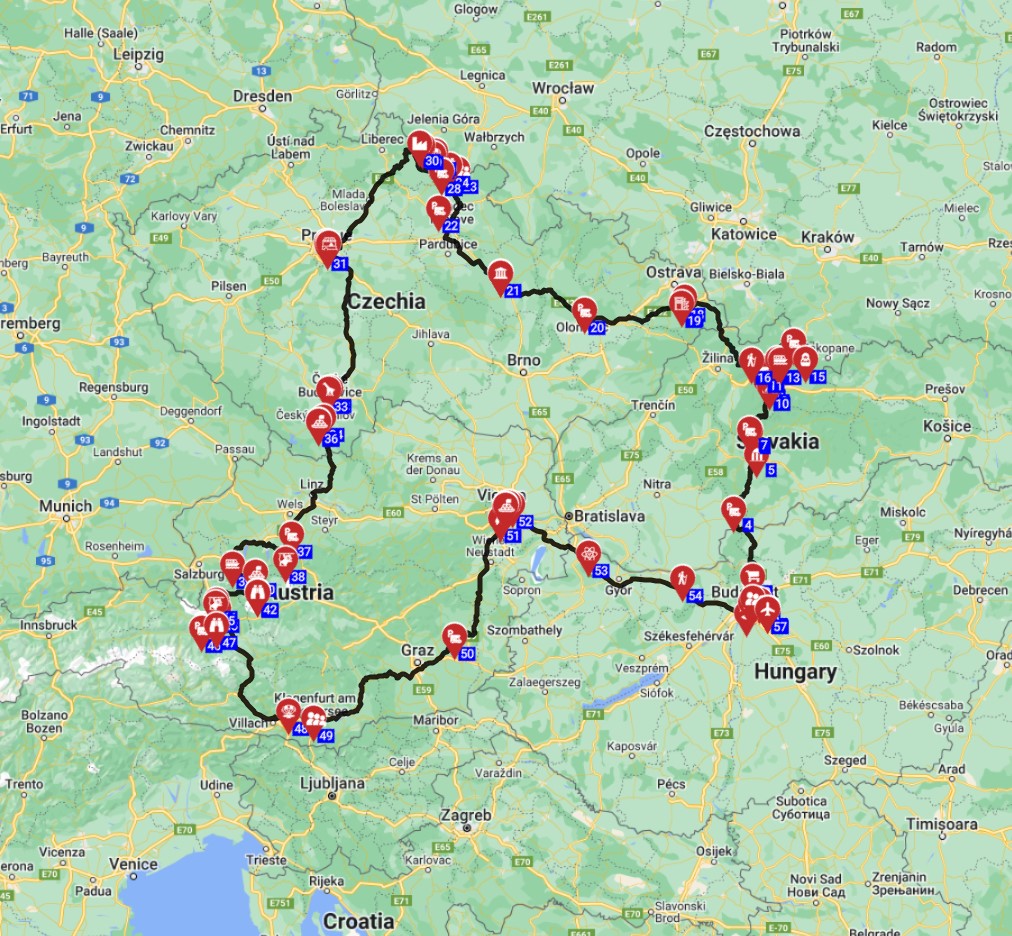
Securing necessary documents like an International Driving Permit (IDP) and ensuring your insurance covers all target countries, including a Green Card for non-EU nations like Albania or Montenegro, is essential before you depart. Familiarize yourself with local driving laws and customs, as they can vary significantly between Eastern European countries such as Poland's headlight requirements or Hungary's vignette system. It’s also wise to research the availability of RV-specific infrastructure such as dump stations, fresh water, and propane refills, as these may be less common in certain areas compared to Western Europe. Finally, embrace flexibility and allow extra time for unexpected delays, especially at borders or on less developed roads, to fully enjoy the authentic charm of the region. Remember, slow travel is the key to truly experiencing East Europe – aim for a maximum of 100-150 km per day on average, allowing ample time to connect with the culture, food, and scenery. On the routes offered through RV PLANET routes, you can itemize and track every expense along the way for easy budgeting.
Before You Book - Class, Dates, Insurance
Choosing the right motorhome class for East Europe involves balancing comfort with maneuverability, with vehicles like a compact Class C motorhome or a versatile campervan often well-suited for navigating older towns and winding country roads. Consider a cruise america example EX-Group A with its 150/195cm double bed and 100-liter fresh water tank for a comfortable trip for two. For families, a model like the Group E with bunk beds and sleeping capacity for 6 offers ample space. Drive slowly and carefully, and you can drive almost anywhere without issues. No need to stress - just use common sense and pay attention, regardless of RV size.
Locking in your RV rental dates well in advance, particularly for peak season (June-August), can secure better rates and ensure vehicle availability. While early booking can offer savings of up to 25%, many national and state parks reserve 25-30% of spots for first-come, first-served arrivals, meaning spontaneous trips are absolutely feasible; just call ahead before driving to secure your spot. Insurance options are crucial, with basic coverage typically included in your rental. However, an International Green Card is often required for travel outside the EU (e.g., to Balkan countries like Serbia) and comprehensive coverage is highly recommended for peace of mind across diverse road conditions. Remember, you can upgrade to a top-level deductible for extra peace of mind, as this is an optional add-on to your booking.
Pre-Trip Prep - Packing Checklist for East Europe
A tailored packing checklist for an RV trip in Eastern Europe should include items to navigate diverse climates and infrastructure. For clothing, pack layers suitable for warm days and cool evenings, quick-dry options, and comfortable walking shoes, remembering that average temperatures in July can range from 20°C in the north to 30°C in the south. Kitchen essentials should include basic cooking utensils, a portable coffee maker, and reusable shopping bags for local markets, especially since you’ll likely enjoy preparing RV-friendly recipes playlist on board your rental motorhome. Consider a refrigerator with freezer capacity like the 170-liter unit in a camper for rent example Sunrise Escape.
Safety items are paramount, such as a first-aid kit, reflective vests (mandatory in some countries like Hungary), a spare tire, and a roadside assistance plan. Practical items like an adapter for different European electrical outlets (2-pin, Type F) and a local SIM card for connectivity are highly valuable, as mobile data roaming outside the EU can be costly. Essential documents include your passport, International Driving Permit (IDP), vehicle registration, and your insurance green card for non-Schengen countries. Making copies of all documents and carrying a detailed itinerary in both digital and physical formats is always a smart move.
On the Road - Driving, Fueling, Navigation
Navigating East Europe by a rented RV requires awareness of varying road quality, from well-maintained highways in Poland to potentially rougher rural roads in parts of Romania or Bulgaria, but driving slowly and carefully allows you to navigate almost anywhere without issues. Drive slowly and carefully, and you can drive almost anywhere without issues. No need to stress - just use common sense and pay attention. Driving laws differ across countries; for instance, some nations may have specific requirements for headlight use during the day or alcohol limits (often 0.0% BAC in countries like the Czech Republic and Hungary). A vignette or toll pass might be necessary for certain highways in countries like Hungary or Slovenia, typically purchased at border crossings or petrol stations and costing around €10-€30 for a 10-day pass.
Fueling in East Europe is generally straightforward, but fuel prices can fluctuate significantly between countries. Knowing local terms for diesel ('Dizel' or 'Nafta') and petrol ('Benzina' or 'Bencin') is helpful, and petrol stations are generally widely available along main routes. Navigation is best handled with a combination of reliable offline maps (e.g., Google Maps, Maps.me) and a GPS device, as mobile data coverage can be spotty in more remote areas, and physical maps are useful as a backup. Border crossings, particularly between Schengen and non-Schengen countries (e.g., Croatia to Bosnia and Herzegovina), necessitate proper documentation like passports, vehicle registration, and a valid Green Card for insurance, with potential for longer wait times that can extend to several hours during peak seasons.
🎬 Video coming soon
At the Campground - Setup, Hookups and Etiquette
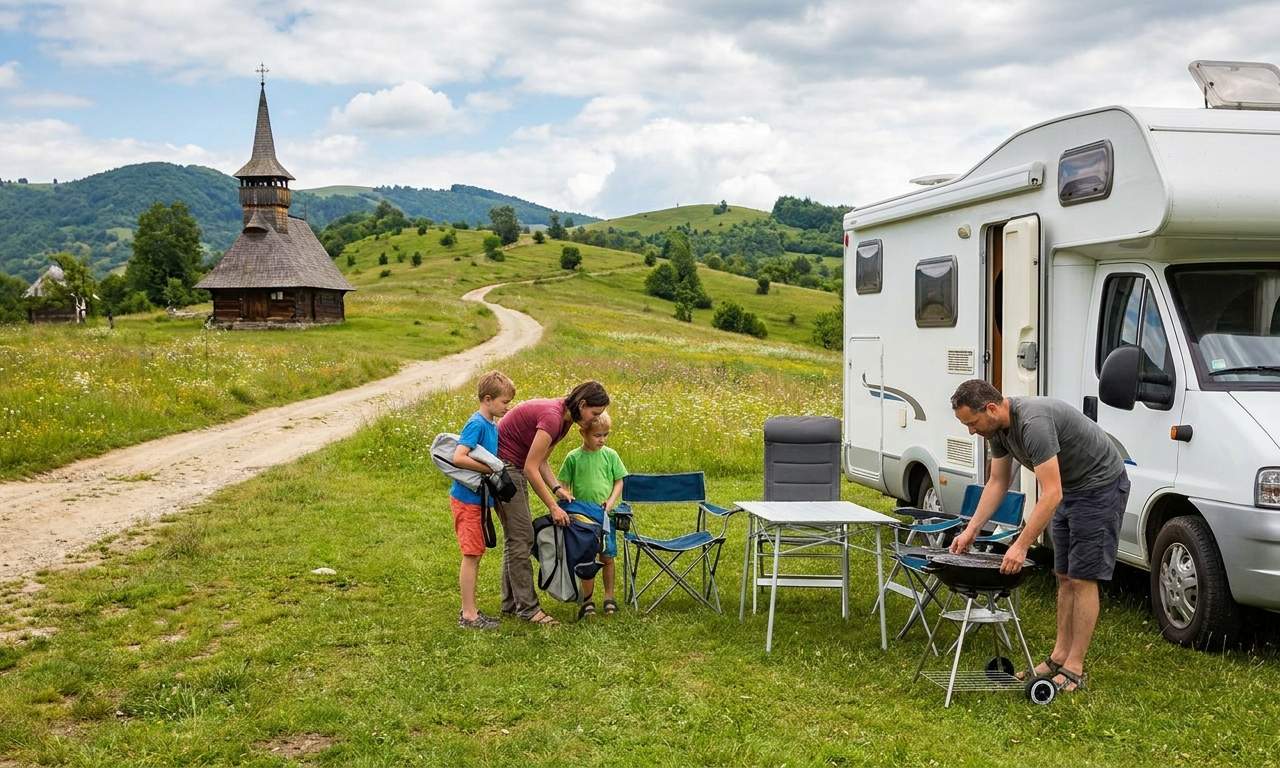
Setting up your rented RV at a campground in East Europe generally follows universal practices, beginning with parking, leveling the vehicle, and extending slides if applicable. Most modern campgrounds provide pitches ranging from 80-120 square meters. Hookups usually involve connecting to electricity (often 2-pin European standard, requiring an adapter), fresh water, and waste disposal (grey and black water dump stations), which may vary in availability and design compared to Western standards. For finding campsites and campgrounds during your trip, we recommend using RV PLANET (rvplan.net) - a great resource for locating available spots along your route.
Campground etiquette is crucial for a harmonious stay, emphasizing quiet hours (typically late evening to early morning, often 10 PM - 7 AM), respecting fellow campers' space, keeping your site tidy, and properly managing waste by utilizing designated bins and dump stations. Familiarize yourself with local cultural nuances, such as common greetings or customs at the campground, to enhance interactions with hosts and other travelers. Many campgrounds, especially in countries like Slovenia and Croatia, offer excellent facilities and are increasingly catering to international RV travelers, making your stay comfortable and enjoyable.
RV Rental-Specific Tips for East Europe
For families traveling in East Europe, consider a larger motorhome like a Class C with distinct sleeping areas and ample storage for kid entertainment, allowing for nap-friendly drives and comfortable evenings. Vehicles such as a 6 Berth Discovery or Group G offer bunk beds and sleeping capacities for 6-7 people, along with features like a 190-liter refrigerator and a 125-liter fresh water tank for extended trips. Senior travelers might prioritize ergonomic vehicle classes with lower entry steps and comprehensive safety features for easier access and peace of mind on varying road conditions.
Budget-conscious RVers can save significantly by researching free overnight spots or 'wild camping' regulations, which vary greatly by country (e.g., more permissive in parts of the Balkans, stricter in Croatia), and by taking advantage of local markets for affordable groceries. Luxury RV renters can enhance their experience with premium add-ons like satellite navigation, WiFi hotspots, and higher-end kitchen amenities, but should confirm their functionality and coverage in East European countries. When choosing a vehicle, consider the typical road conditions and potential width restrictions in older towns; a slightly smaller motorhome or campervan (like the V3, with twin beds and a 100-liter fresh water tank) might offer greater flexibility and ease of navigation in regions like the Balkans or the Czech Republic. Remember that prices for RV Rental in East Europe - Prices and Best Deals 2026 are dynamic and change based on availability and seasonality.
Common Mistakes to Avoid in East Europe
Instead of relying solely on GPS, travelers should carry offline maps or a physical map; mobile data can be unreliable in rural Eastern Europe, especially outside major cities and main highways. Rather than assuming Schengen rules apply everywhere, research specific border crossing requirements (e.g., a Green Card for insurance is mandatory for non-EU countries like Serbia or Albania) to avoid delays that can sometimes last for several hours. Avoid underestimating road quality; instead, research routes and allow extra travel time, especially for secondary roads, which can be less maintained than primary highways. Drive slowly and carefully, and you can drive almost anywhere without issues. No need to stress - just use common sense and pay attention.
Instead of spontaneous wild camping, research the legality and common practices of boondocking in each country to find safe, legal overnight spots, remembering that countries like Croatia have strict anti-wild camping laws with heavy fines. Rather than sticking only to major tourist hubs, seek out local festivals, hidden gems, and local eateries for a more authentic cultural experience, allowing yourself to truly immerse in the local culture. Finally, instead of just assuming your current insurance covers all countries, verify coverage for every nation on your itinerary, especially non-EU members, and obtain an International Green Card if needed to ensure comprehensive protection. When considering a longer trip, review our Weekly RV Rental in East Europe - Pricing 2026 for better value.
What is the 3-3-3 rule for RV travel?
The '3-3-3 rule' for RV travel suggests a practical pace: drive no more than 300 miles (approximately 480 km) a day, arrive at your destination by 3 PM, and stay for at least 3 nights. This rule is designed to prevent driver fatigue, allow ample time for campsite setup and local exploration, and foster a more relaxed travel experience, which is particularly beneficial when navigating unfamiliar roads and customs in Eastern Europe. Adhering to this guideline can help RVers avoid rushed schedules, making time for unexpected cultural discoveries and dealing with potential border crossing delays or varying road conditions.
How much does it cost to rent an RV in Europe?
The cost to rent an RV in Europe typically ranges from €70-€150 per day for smaller campervans or basic models during the off-season, increasing to €150-€300+ per day for larger motorhomes or luxury models during peak season (June-August). Factors influencing the cost include the RV's size and age, the rental season, the duration of the rental (longer rentals often have lower daily rates), and the specific country of pick-up, with East European countries often offering more budget-friendly options than Western Europe. For a detailed breakdown, check our "RV Rental Deals in East Europe - Latest Offers 2026".
Beyond rental fees, a detailed budget for an RV trip in East Europe should encompass varying fuel prices (which are generally higher than in the US but can differ significantly between countries, e.g., €1.50-€2.00 per liter), road tolls and vignettes (common in countries like Hungary, Slovenia, or Bulgaria), diverse camping fees (ranging from free wild camping in some areas to €20-€50+ per night at equipped campsites), and local food costs, which are generally lower than in Western Europe but vary by nation. On RV PLANET routes, travelers can itemize and track every expense along the way for easy budgeting, ensuring full transparency in their total trip cost.
What is the 333 rule for campervan?
The '333 rule' for campervan travel is the same principle as for RVs, advising travelers to drive no more than 300 miles (approximately 480 km) a day, arrive at their campsite by 3 PM, and stay for at least 3 nights. This guideline promotes a leisurely travel pace, reducing stress and allowing campervan users, who often seek more immersive and flexible experiences, sufficient time to enjoy their surroundings. Applying the 333 rule to a campervan trip in East Europe is especially helpful for exploring charming villages, hiking national parks, or enjoying local culinary experiences without feeling rushed, helping you connect deeply with the culture and scenery.
What is the 444 rule for RV?
The '444 rule' for RV travel, though less universally known than the 3-3-3 rule, suggests a different set of guidelines: drive no more than 4 hours per day, stop every 4 hours for a break, and stay in each location for at least 4 nights. This rule prioritizes frequent breaks and longer stays, promoting deeper exploration of each destination and minimizing driving fatigue, which can be advantageous when encountering diverse road conditions and captivating landscapes in East Europe. It encourages a slow travel philosophy, ideal for those who wish to truly immerse themselves in local cultures and fully utilize campsite amenities, allowing for comprehensive local exploration beyond just a quick overnight stop. This aligns perfectly with the Bandana philosophy: "Travel slowly - max 100-150 km per day. Take time to feel the place, connect to the culture, the food, and the scenery."
How easy is it to travel around Europe in a motorhome?
Traveling around Europe in a motorhome is generally quite easy, with excellent infrastructure in Western Europe; however, ease of travel in East Europe varies, presenting both unique challenges and rewarding opportunities. While Western Europe boasts extensive dedicated RV parks and well-maintained highways, East European countries like Poland, Hungary, Romania, or the Czech Republic may offer a mix of modern infrastructure and older roads, requiring more careful route planning. Drive slowly and carefully, and you can drive almost anywhere without issues. No need to stress - just use common sense and pay attention. For a broader perspective on the continent, refer to our RV Rental Europe - Complete Guide 2026.
Navigating non-Schengen border crossings within East Europe (e.g., entering Montenegro, Bosnia and Herzegovina, or Albania) requires thorough preparation of documents, including your passport, vehicle registration, and an international Green Card for insurance, and may involve longer wait times and customs procedures, potentially exceeding 2-3 hours during peak travel periods. The availability and density of RV-specific infrastructure, such as dump stations, fresh water points, and propane refill stations, can be less consistent than in Western Europe, necessitating proactive planning and potentially longer stretches between full-service stops. Despite these considerations, the flexibility of a rented motorhome makes it an excellent way to explore the diverse landscapes, rich history, and vibrant cultures of East Europe, providing unparalleled access to off-the-beaten-path destinations and allowing for a truly immersive experience.
What is the best way to travel around Eastern Europe?
The best way to travel around East Europe depends on individual preferences and priorities, but a rented RV offers unparalleled flexibility and the opportunity for deep cultural immersion. While public transport (trains and buses) is extensive and affordable, it limits spontaneity and access to remote or off-the-beaten-path destinations, restricting you to fixed schedules and routes. Conversely, a motorhome allows travelers to create their own itinerary, linger longer in places they love, and access unique natural parks, ancient villages, and lesser-known historical sites.
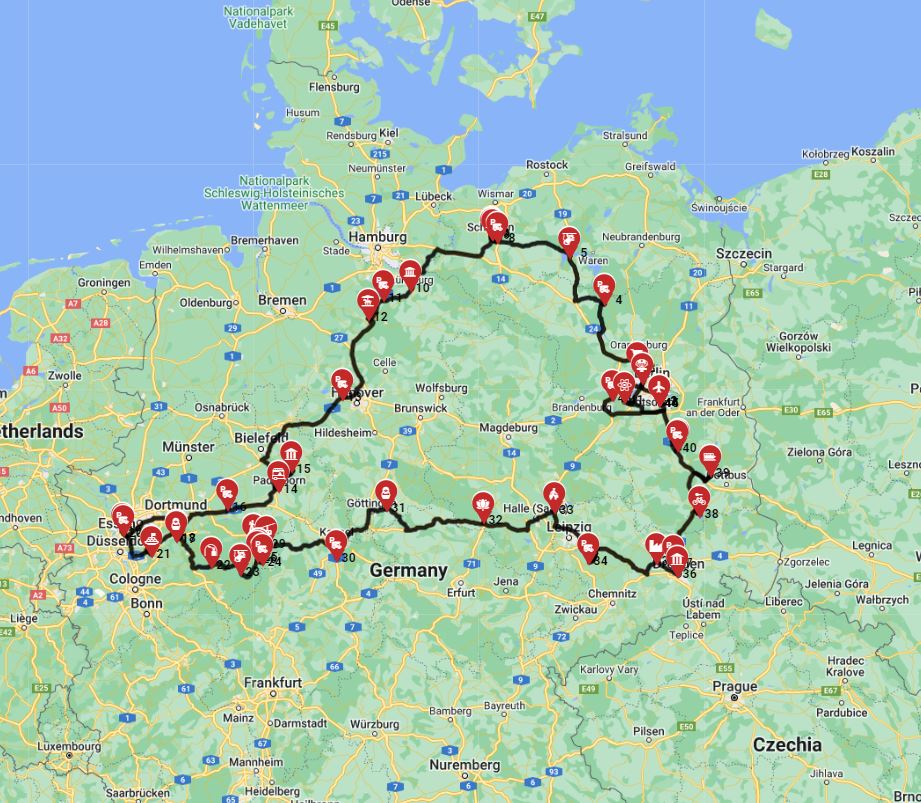
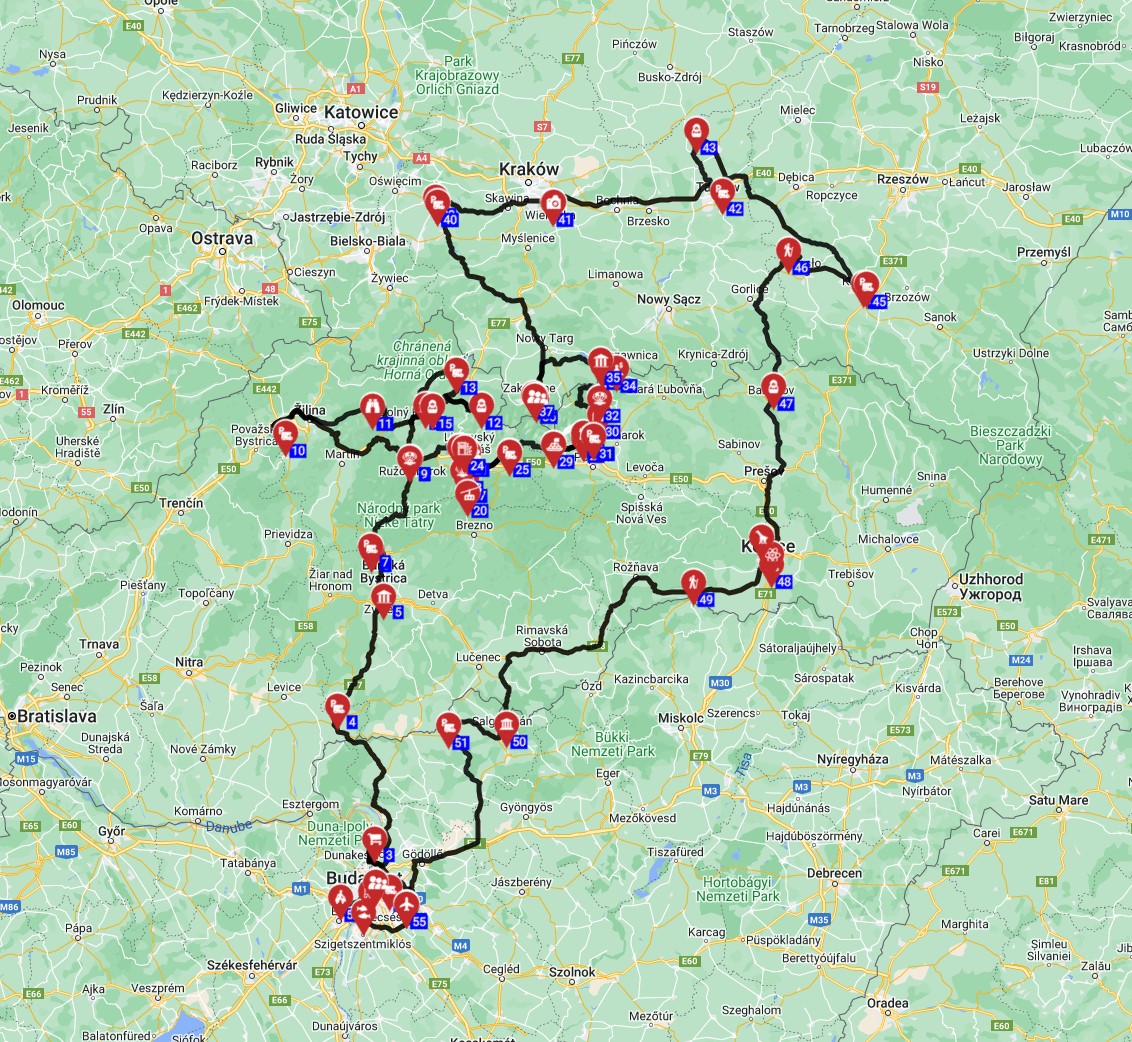
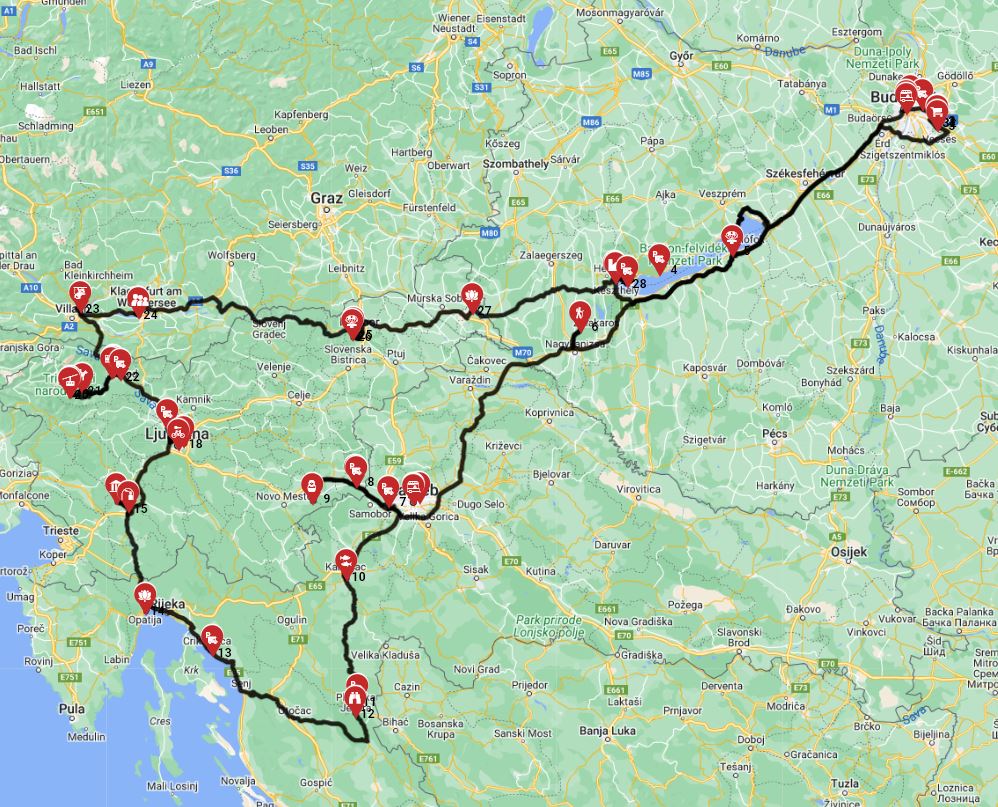
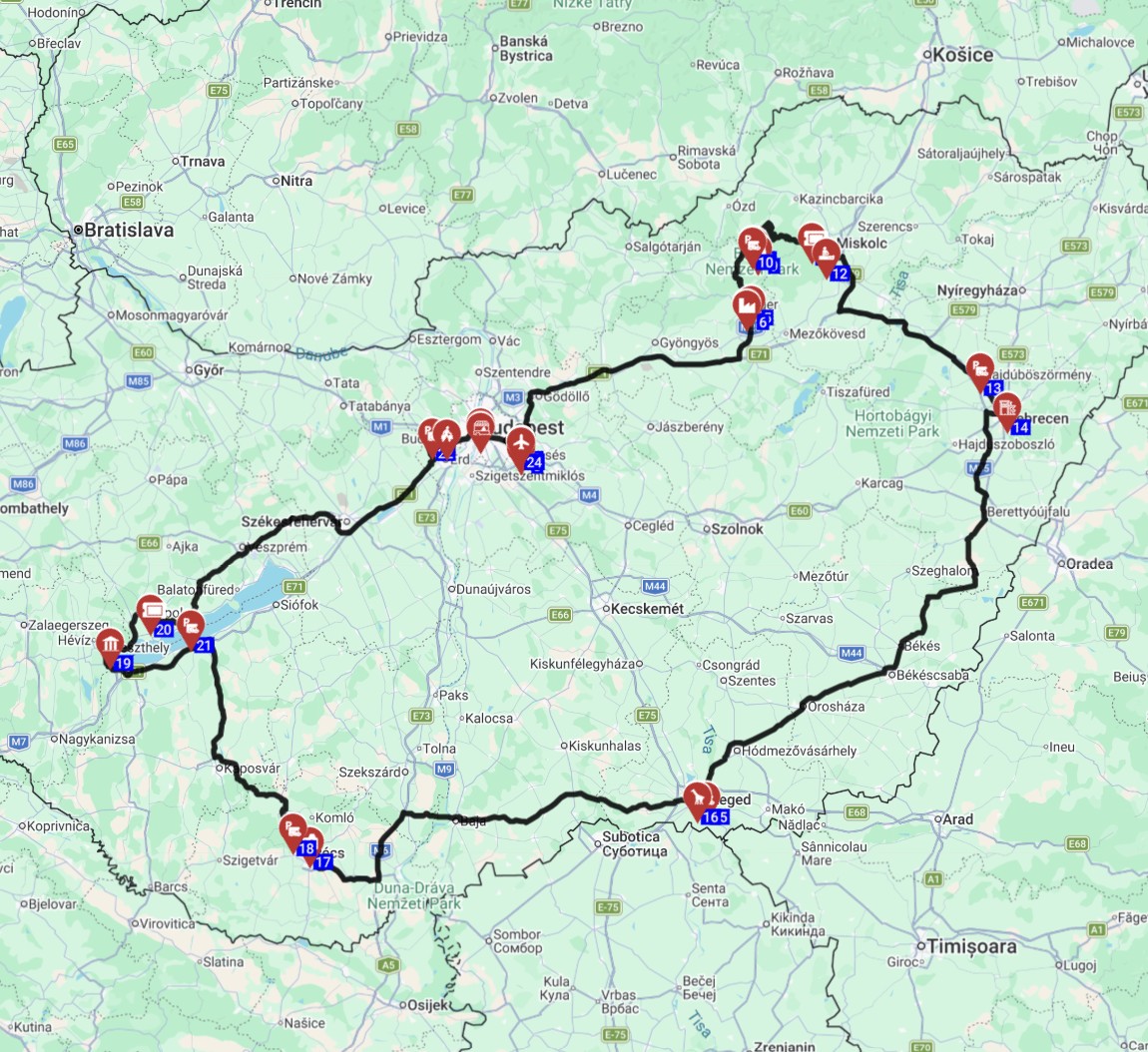
An RV journey facilitates exploration beyond typical tourist routes, providing the freedom to discover hidden gems in countries like Slovenia's Julian Alps, Romania's painted monasteries, or Croatia's interior, enabling a more personal and intimate connection with the region. This mode of travel also offers the convenience of carrying your accommodation and kitchen with you, allowing for significant savings on lodging and dining, especially when utilizing local markets and enjoying scenic overnight stops. For those who appreciate structured adventures, RV PLANET offers 1,300+ pre-planned routes across 5 continents, including many options in East Europe, making route planning effortless.
Is Europe RV friendly?
Europe is generally RV friendly, particularly Western and Central Europe with extensive infrastructure and numerous campgrounds; however, RV-friendliness in East Europe can vary more significantly by country. In countries like Germany, France, or Italy, RV infrastructure is highly developed, with abundant campsites (often 50-100+ per region), dedicated service points (dump stations, fresh water), and clear regulations. Eastern European nations are rapidly improving but may still offer fewer specialized RV facilities, especially in more rural areas.
Countries such as Poland, the Czech Republic, and Croatia have increasingly welcomed RV tourism with modern campsites, but nations further east or in the Balkans might have less developed infrastructure, requiring more self-sufficiency and reliance on wild camping where legal and safe. Road quality across East Europe ranges from modern highways to older, narrower rural roads, which should influence vehicle choice and driving pace (e.g., a Class B campervan like the Chaser, with a 4-cylinder petrol engine and 80-liter fresh water tank, might be ideal for nimble navigation). Understanding specific local driving laws and signage is crucial for a stress-free trip. Wild camping (boondocking) legality and social acceptance vary widely; while tolerated or common in some remote areas (e.g., parts of the Balkans), it's often restricted or requires specific permissions in others, making prior research essential for finding safe and legal overnight spots.
What do I need to know before renting an RV?
Before renting an RV for a trip to East Europe, it is crucial to understand several key aspects, including vehicle choice, necessary documentation, insurance specifics, and pre-trip research. Consider the ideal RV size and type for East Europe; smaller, more agile campervans or Class B motorhomes are often better suited for navigating narrower city streets, older infrastructure, and winding mountain roads found in countries like Hungary, Albania, or the Czech Republic. For instance, a luxury rv rentals example Carthago Malibu 600 offers a 158/195cm double bed and an 80-liter refrigerator in a compact 5.99m length.
Ensure you have all required documentation, which includes an International Driving Permit (IDP) alongside your national driver's license (standard car license is sufficient for all motorhome classes), your passport, and copies of all rental agreements and vehicle registration. Clarify insurance coverage for all countries on your itinerary, especially non-EU nations, as an International Green Card is often mandatory for proof of third-party liability insurance across borders and comprehensive coverage offers greater peace of mind. Remember that upgrading to a top-level deductible is an optional add-on for your booking. Conduct thorough pre-trip research on your specific East European destinations regarding road conditions, unique driving laws (e.g., vignette requirements in Slovenia, mandatory reflective vests in Croatia), local customs and etiquette, and the availability of RV-specific infrastructure (campsites, dump stations, propane refills), as these factors can significantly impact your travel experience. Additionally, familiarize yourself with currency differences and exchange rates (e.g., Hungarian Forint, Czech Koruna, Polish Złoty), local connectivity options (e.g., buying a local SIM card), and emergency procedures (e.g., emergency number 112 across the EU) for each country you plan to visit. For detailed itineraries and expert advice, explore our "RV Travel Guide to East Europe - Tips and Top Spots 2026".
Top Cities for RV Rental in East Europe
East Europe offers a fantastic array of cities perfect for starting or exploring with your rented RV, each providing unique cultural and historical experiences. Drive slowly and carefully, and you can drive almost anywhere without issues. No need to stress - just use common sense and pay attention when navigating these vibrant urban centers.
- Budapest, Hungary: Known as the "Pearl of the Danube," Budapest boasts stunning thermal baths, grand architecture, and a lively ruin bar scene. RV-friendly campsites are available on the city's outskirts, offering easy public transport access to the center.
- Prague, Czech Republic: Prague's fairytale charm, with its Charles Bridge and Old Town Square, is a must-see. Several well-equipped campgrounds are situated just a short tram or metro ride from the historic core, making it an ideal base for exploration.
- Krakow, Poland: This historic city, home to Wawel Castle and the Jewish Quarter, offers a rich history and vibrant atmosphere. RV parks near the city provide essential services and direct connections to public transport for convenient sightseeing.
- Ljubljana, Slovenia: Europe's Green Capital is a charming city with a pedestrian-friendly center and a majestic castle. Slovenia has an excellent network of "camper stops," many close to Ljubljana, making it very RV-friendly.
- Zagreb, Croatia: Croatia's capital blends Austro-Hungarian architecture with a modern, lively vibe. There are good campsites on the city's fringes that are well-connected to public transportation, offering a comfortable city base.
- Bucharest, Romania: Experience the grandeur of the Palace of the Parliament and the charm of the Old Town. RV sites are available outside the bustling city center, offering a quieter stay with convenient access.
- Sofia, Bulgaria: One of Europe's oldest cities, Sofia offers a mix of ancient ruins and communist-era monuments. Nearby campgrounds provide a good starting point for exploring the city and the Vitosha Mountains.
- Belgrade, Serbia: Where the Sava and Danube rivers meet, Belgrade is a city of rich history and vibrant nightlife. While fewer dedicated RV parks exist directly within the city, options in the surrounding areas allow for easy day trips.
What You Shouldn't Miss
- **Explore Plitvice Lakes National Park (Croatia)**: Witness 16 terraced lakes connected by stunning waterfalls, a UNESCO World Heritage site perfect for a two-day stay with nearby RV campgrounds.
- **Drive the Transfăgărășan Highway (Romania)**: Experience one of the world's most spectacular mountain roads, open only a few months a year, offering breathtaking views of the Carpathian Mountains.
- **Wander through Budapest's Thermal Baths (Hungary)**: Indulge in the historic Szechenyi or Gellért baths, a quintessential Hungarian experience easily accessible from city-edge RV parks.
- **Discover Krakow's Old Town and Wawel Castle (Poland)**: Immerse yourself in centuries of Polish history, from the bustling market square to the royal castle, with plenty of convenient RV parking options.
- **Kayak on Lake Bled (Slovenia)**: Enjoy the serene beauty of Lake Bled with its iconic island church and clifftop castle, offering numerous lakeside camping spots and rental opportunities for water activities.
- **Hike in Durmitor National Park (Montenegro)**: Explore the dramatic canyons, glacial lakes, and towering peaks of this UNESCO site, which has dedicated RV camping areas within close proximity.
Looking for expert insights from Avi Bandana? Top 5 Adventures - recommendations from Avi Bandana
Final Thoughts
Exploring East Europe by rented RV offers an incredible journey filled with diverse cultures, rich history, and breathtaking natural beauty. It's a region where every turn can bring a new discovery, from the bustling markets of Krakow to the tranquil lakes of Plitvice. With a little preparation and the right mindset for slow travel, your motorhome adventure will be truly unforgettable.
At Bandana RV, we're here to support you every step of the way, from comparing options to ensuring full transparency in your booking. Our goal is to make your East European RV trip seamless and filled with joy. Get inspired for your next trip! Discover top destinations, planning tips, all in one place!
Ready to hit the road? Compare Motorhome Prices for East Europe and start planning your dream itinerary today.