In This Guide
- Top 5 Tips for RV Rental in Denver
- Before You Book - Class, Dates, Insurance
- Pre-Trip Prep - Packing Checklist for Denver
- On the Road - Driving, Fueling, Navigation
- At the Campground - Setup, Hookups & Etiquette
- RV-Specific Tips for Denver
- Common Mistakes to Avoid in Denver
- What to know before renting an RV?
- How much to rent an RV for a week in Colorado?
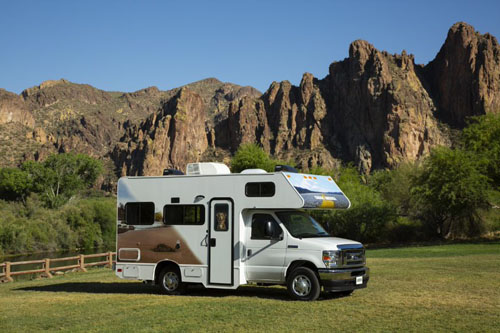
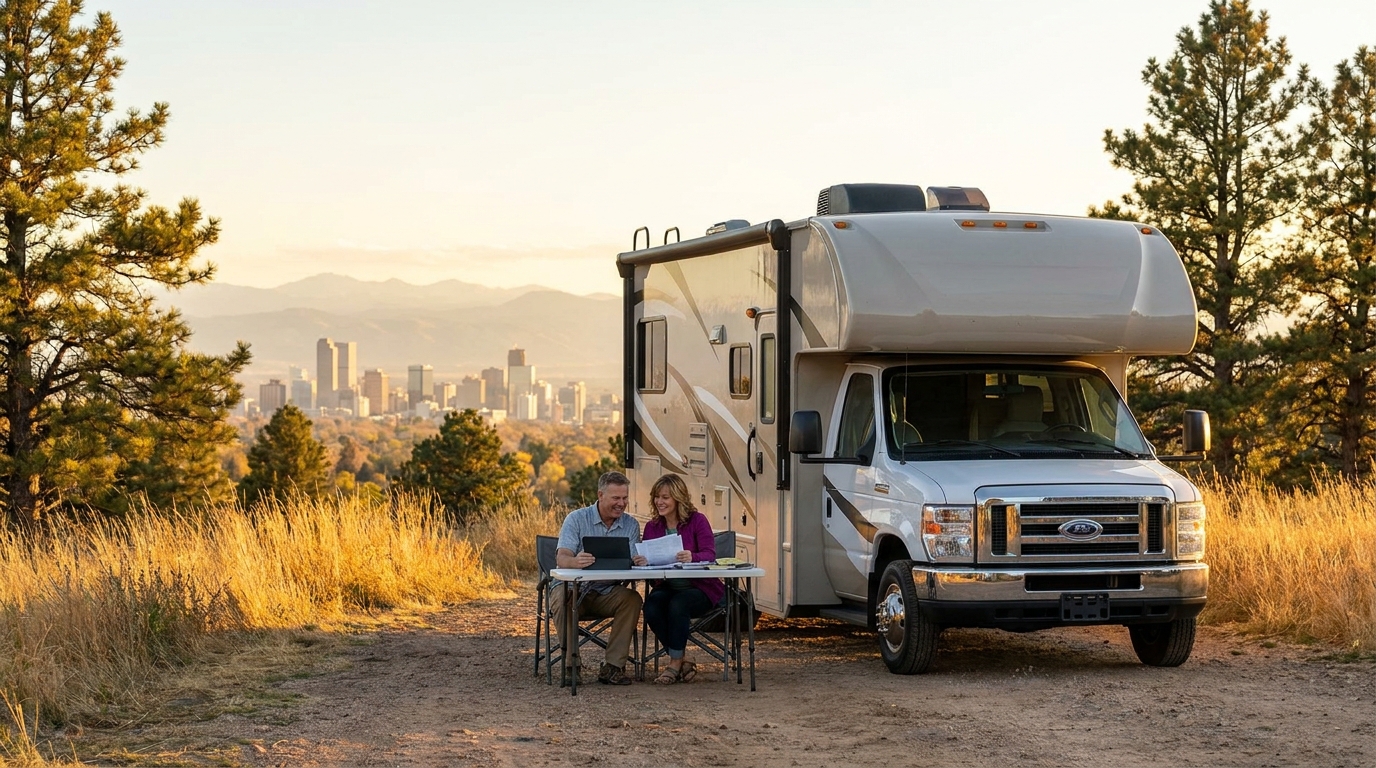
Imagine yourself behind the wheel of a comfortable rented motorhome, with the skyline of Denver in your rearview mirror and the majestic Rocky Mountains unfolding before you. This isn't just a trip; it's the beginning of an adventure where every turn reveals a new vista, every stop a new memory. With a rented camper, Denver becomes your ultimate basecamp, the gateway to alpine lakes, historic mining towns, and landscapes that stretch the imagination.
Here at Bandana RV, we're not just a booking platform; we're true RV specialists who have been helping travelers like you explore the world since 2001. We believe in slow travel, taking the time to truly connect with the culture, the food, and the scenery. Let’s get you ready for an unforgettable journey starting from the Mile High City. Get inspired for your next trip!
Top 5 Tips for RV Rental in Denver
Success on your Denver motorhome adventure begins with smart planning. Preparing for Colorado's unique environment, from its high altitude to its mountain roads, will ensure your trip is smooth, safe, and everything you dreamed it would be. These five essential tips will set you on the right path for exploring Denver and the stunning landscapes beyond.
First, consider your timing. Both pre-planners who love to have every detail organized and spontaneous travelers who book day-to-day can have fantastic trips. If you're aiming for popular campgrounds inside Rocky Mountain National Park during summer or fall, booking ahead is a good idea. However, many national and state forest campgrounds reserve only about 25-30% of their spots, leaving the rest for first-come, first-served arrivals. You'll find a spot; if not at the first campground, then the next one. Just call ahead before driving.
Second, prepare for the high altitude. Denver sits at 5,280 feet, and your travels will likely take you much higher. The key is to acclimate. Drink plenty of water before and during your trip, take it easy on your first couple of days, and listen to your body. This simple preparation makes a huge difference and allows you to enjoy hiking and exploring without discomfort. Third, familiarize yourself with mountain driving. When descending long, steep grades on roads like I-70, use lower gears to let the engine help with braking. This saves your brakes from overheating and gives you more control. Drive slowly and carefully, and you can take a rented motorhome of almost any size anywhere without issues. For a complete overview of what's available, check out our RV Rental Denver - Complete Guide 2026.
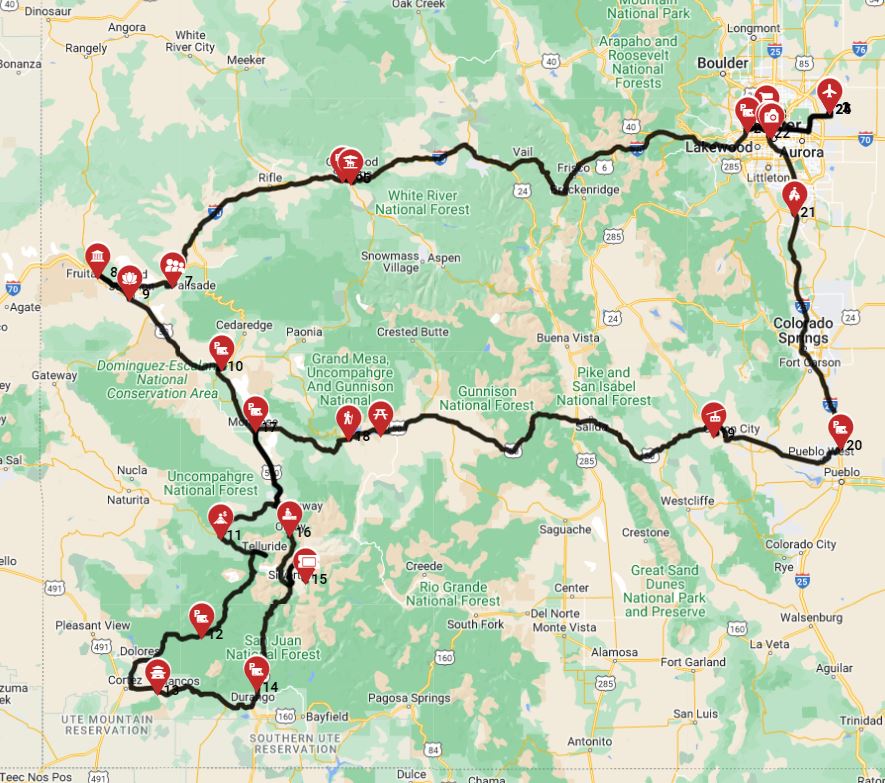
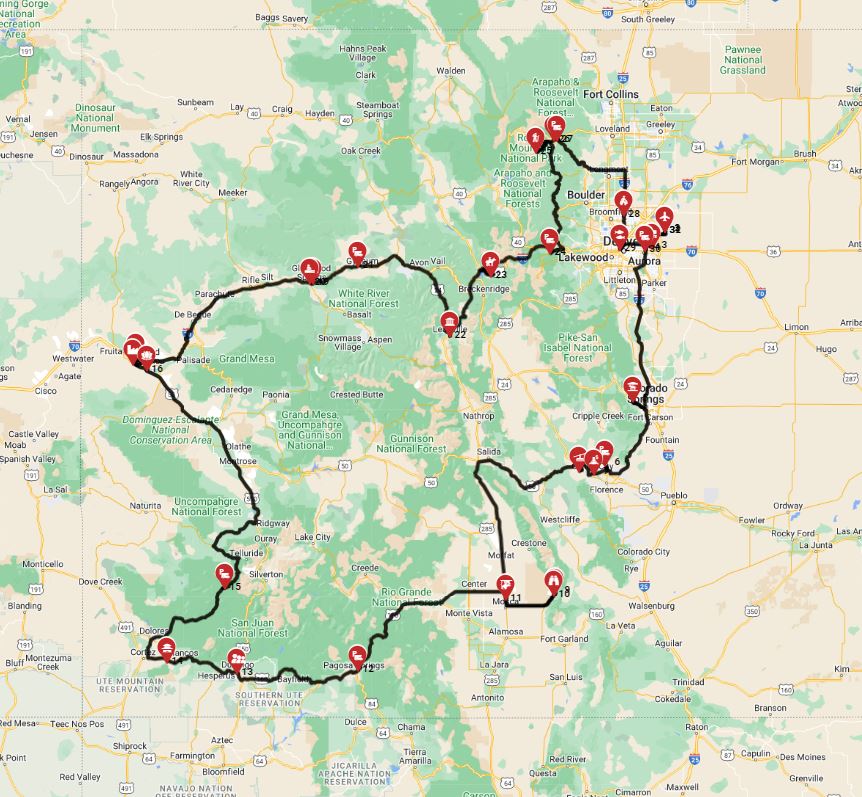
Fourth, think about Denver-specific logistics. Before you even leave the rental depot, have a general idea of where you can find services. For finding campsites and campgrounds during your trip, we recommend using RV PLANET (rvplan.net) - a great resource for locating available spots along your route. You can find large, RV-friendly fuel stations like Flying J or Pilot along major highways like I-25 and I-70. Dump stations are available at many state parks, including Cherry Creek State Park and Chatfield State Park, for a small fee. On the routes offered through RV PLANET routes, you can itemize and track every expense along the way for easy budgeting.
Finally, embrace the season. Summer offers access to high-altitude passes like Trail Ridge Road, but the shoulder seasons of spring and fall provide fewer crowds, beautiful colors, and a different kind of tranquility. Winter RV travel is also possible with the right preparation, offering access to world-class ski resorts. Each season in Colorado has its own unique magic to share.
Before You Book - Class, Dates, Insurance
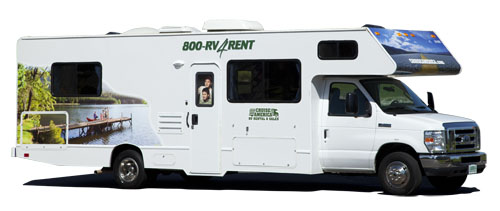
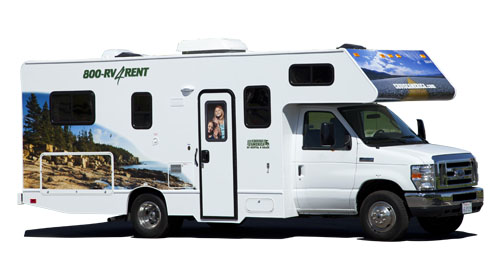
Choosing the right rented motorhome, securing your dates, and understanding your insurance are the foundational steps to a stress-free Denver road trip. When selecting a vehicle class, consider your group's size and travel style. A Class B campervan is perfect for couples or solo adventurers who value maneuverability on winding scenic byways. A Class C motorhome is a versatile choice for families, offering a great balance of space and driving ease, while a larger Class A motorhome provides residential-style comforts for those planning an extended journey.
We recommend booking your preferred dates as soon as your travel plans start to solidify, especially for trips between June and September. This is when demand is highest for adventures into the mountains. If you have flexibility, traveling in May or October can often yield better availability and more competitive pricing. Prices are dynamic, much like airline tickets, and change based on availability and seasonality, so locking in your rental early can be beneficial. For those looking at different pricing options, our Cheap RV Rental in Denver - Budget Guide 2026 provides helpful insights.
Every rental from our trusted partners like Cruise America and El Monte includes basic insurance coverage. During the booking process, you'll see all the details with full transparency-no hidden fees, no surprises. For extra peace of mind on mountain roads, you can upgrade to a top-level deductible. This optional coverage reduces your financial responsibility in the unlikely event of an accident, letting you focus completely on the journey. We make sure you see all the options upfront so you can make the best choice for your adventure.
Pre-Trip Prep - Packing Checklist for Denver
A well-thought-out packing list is your best friend for a Colorado RV trip, where the weather can change in an instant. The key is to pack layers. A sunny 75°F day in Denver can turn into a chilly 40°F night in the mountains, so having fleeces, thermal layers, and a waterproof jacket is essential. Even in summer, a warm hat and gloves are wise additions for high-elevation hikes or early-morning adventures.
Your rented motorhome comes equipped with the basics, but you'll want to bring personal items and some key gear. Sun protection is non-negotiable at high altitude; pack sunscreen, sunglasses, and a wide-brimmed hat. Sturdy, comfortable hiking boots are a must for exploring the trails. We also recommend bringing reusable water bottles to stay hydrated-it's the number one way to combat altitude sickness.
While the kitchen will have pots and pans, bringing a few of your own favorite spices, coffee, and cooking oil can make meal prep easier and more enjoyable. Imagine brewing your morning coffee with a view of a mountain lake right outside your window. For some great meal ideas on the road, check out our RV-friendly recipes playlist. Here is a handy checklist to get you started:
- Layers of clothing (fleece, thermal wear)
- Rain gear and waterproof jacket
- Comfortable hiking boots and extra socks
- Sunscreen, sunglasses, and a hat
- Reusable water bottles
- Basic cooking spices and coffee
- First-aid kit with personal medications
- Offline maps or a dedicated GPS unit
- Headlamps or flashlights for navigating the campground after dark
- Camera to capture the stunning scenery
- Rental documents, driver's license, and reservation confirmations
On the Road - Driving, Fueling, Navigation
Driving a rented campervan or motorhome around Denver is an exciting experience, and with a bit of mindfulness, it's also a safe and easy one. The most important rule is to travel slowly and take your time, especially on mountain roads. There is no need to stress-just use common sense and pay attention. When descending long grades, shift to a lower gear (like 2 or 3) to use engine braking. This technique saves your brakes and gives you better control. You'll see signs for runaway truck ramps; these are for emergencies, but their presence is a good reminder to manage your speed on descents.
Fueling is straightforward along major routes like I-70 and I-25, with many truck stops designed to accommodate large vehicles. When you venture onto more scenic, rural roads, plan your fuel stops ahead of time, as stations can be farther apart. A good habit is to refuel whenever your tank is half-full, ensuring you're never caught short. As you budget for your trip, remember that ancillary costs like fuel are a key part of the equation. On the routes offered through RV PLANET routes, travelers can itemize and track every expense along the way for easy budgeting.
For navigation, a dual approach is best. While your phone's GPS is great for city driving, cell service can be unreliable in the mountains. We highly recommend downloading offline maps for your entire route or carrying a physical Colorado road atlas as a backup. Pay attention to signs indicating low clearances or weight limits, though this is rarely an issue on major state and interstate highways. The freedom of having your home on wheels is incredible, and these simple practices will make your journey through Colorado's spectacular landscapes a pure joy.
At the Campground - Setup, Hookups & Etiquette
Arriving at your campground after a day of scenic driving is one of the great joys of RV travel. Setting up your rented motorhome is a simple process that quickly becomes second nature. The first step is to find a level spot. Most designated campsites are relatively flat, but carrying a set of leveling blocks is always a good idea. Once you're level, you can extend any slide-outs to maximize your living space.
If your site has hookups, the process is straightforward. Connect your electrical cord first to the shore power pedestal-this gets your lights and appliances running. Next, connect your fresh water hose (always use a hose designated for potable water) to the spigot. Finally, connect your sewer hose to the drain, but keep the black tank valve closed until it's ready to be emptied. This prevents solids from creating a blockage. When you do empty the tank, always drain the black tank first, then the grey tank; the soapy grey water helps clean out the hose.
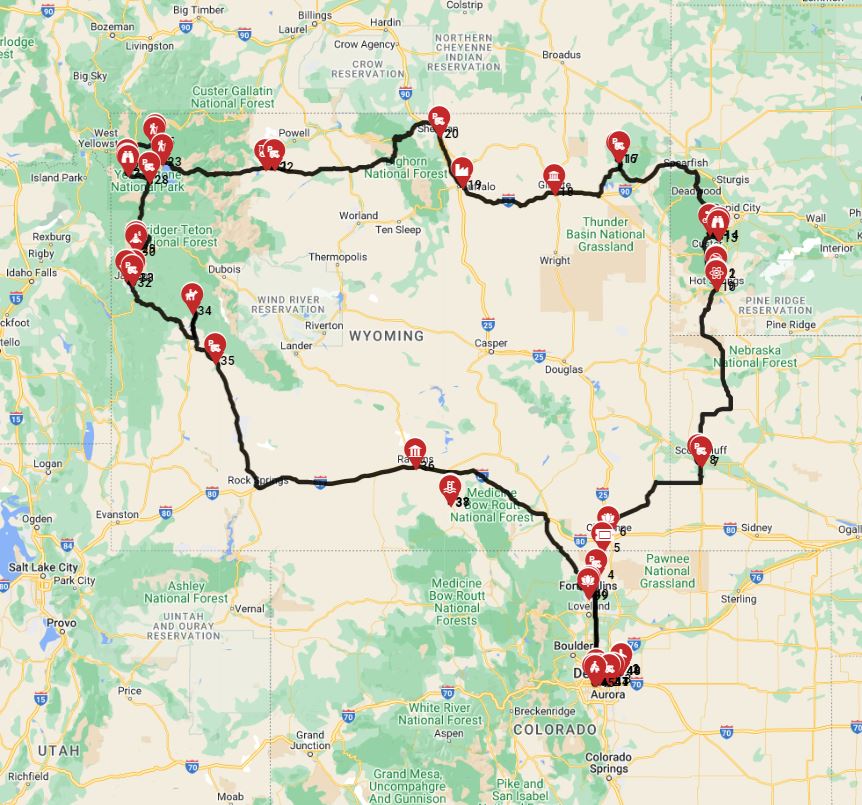
Observing campground etiquette ensures a pleasant experience for everyone. Respect quiet hours, which are typically from 10 PM to 7 AM. Keep your site tidy, and be mindful of your generator usage if you're not hooked up to power-run it only during designated hours. Following these simple courtesies contributes to the wonderful sense of community you'll find in the RV world. Plan a trip itinerary in advance with minimal effort and maximum enjoyment by mapping out your stops.
RV-Specific Tips for Denver
Using Denver as your starting point opens up a world of possibilities, and a few local tips can make your RV rental experience even better. While many see the city as just a launchpad, Denver itself has much to offer. For exploring downtown, consider parking your rented RV at a campground on the outskirts, like Dakota Ridge RV Park or Cherry Creek State Park, and using the light rail system or a rideshare service to get into the city center. This saves you the hassle of navigating tighter city streets. Drive slowly and carefully, and you can drive almost anywhere without issues.
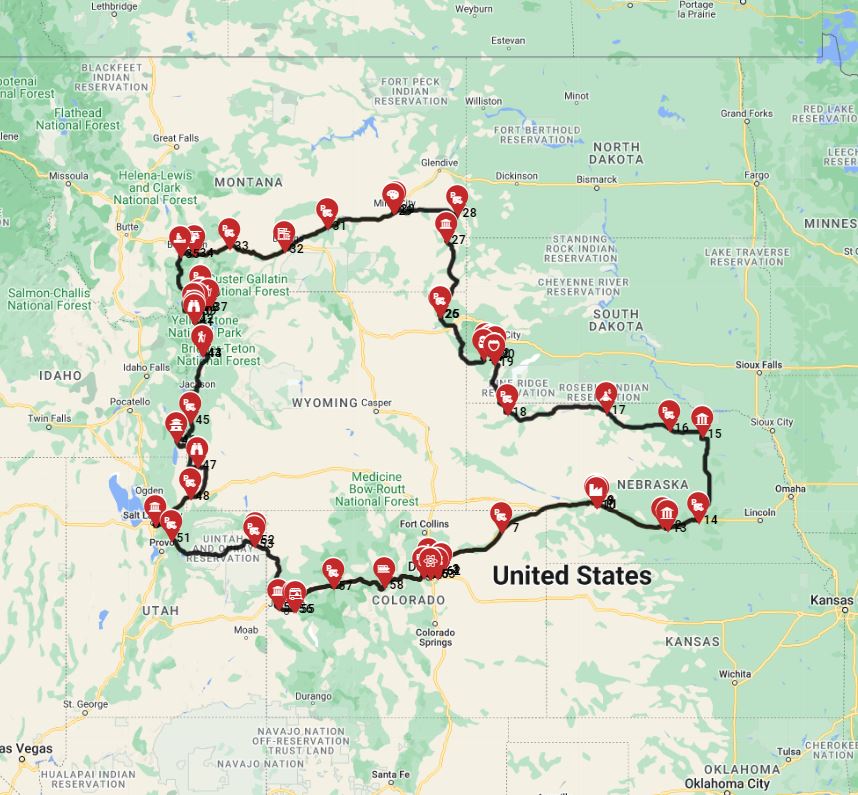
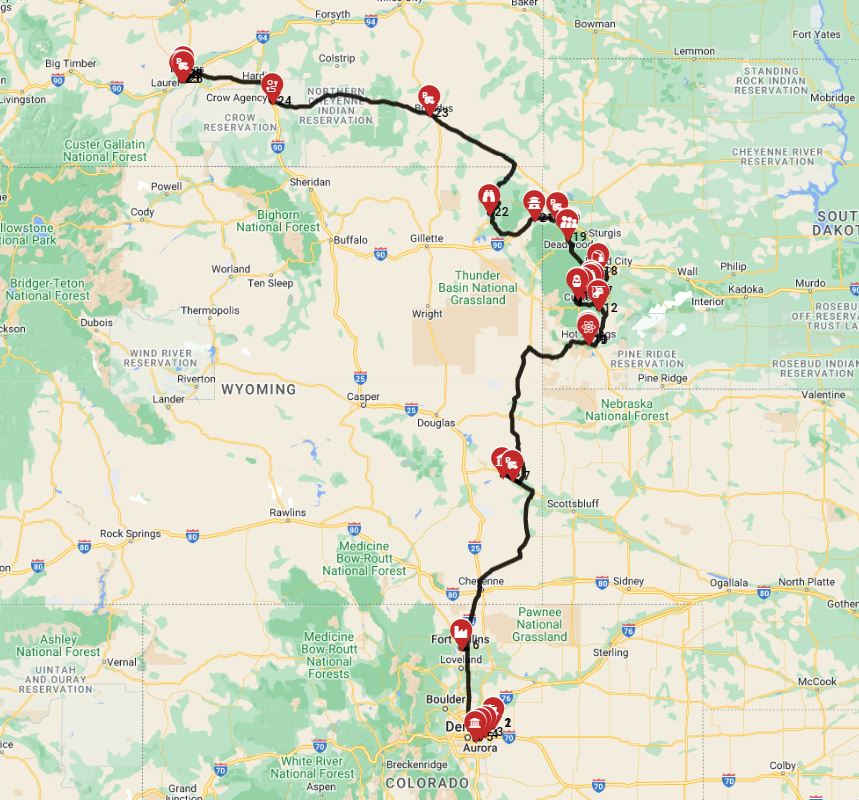
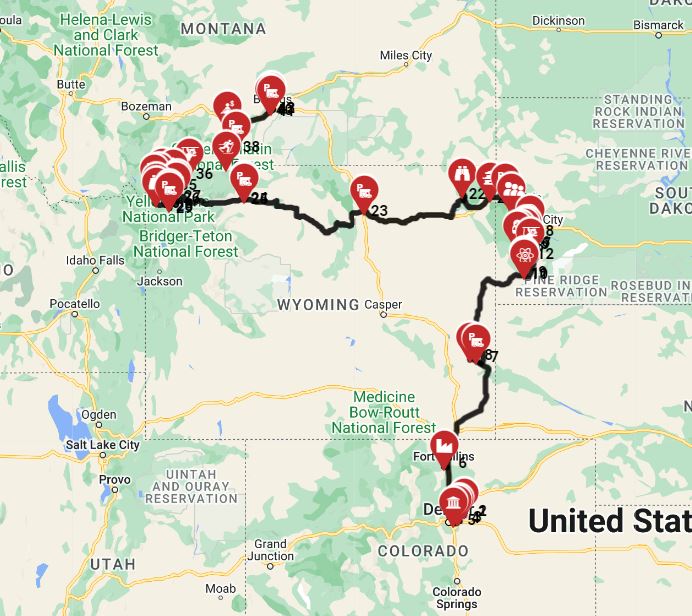
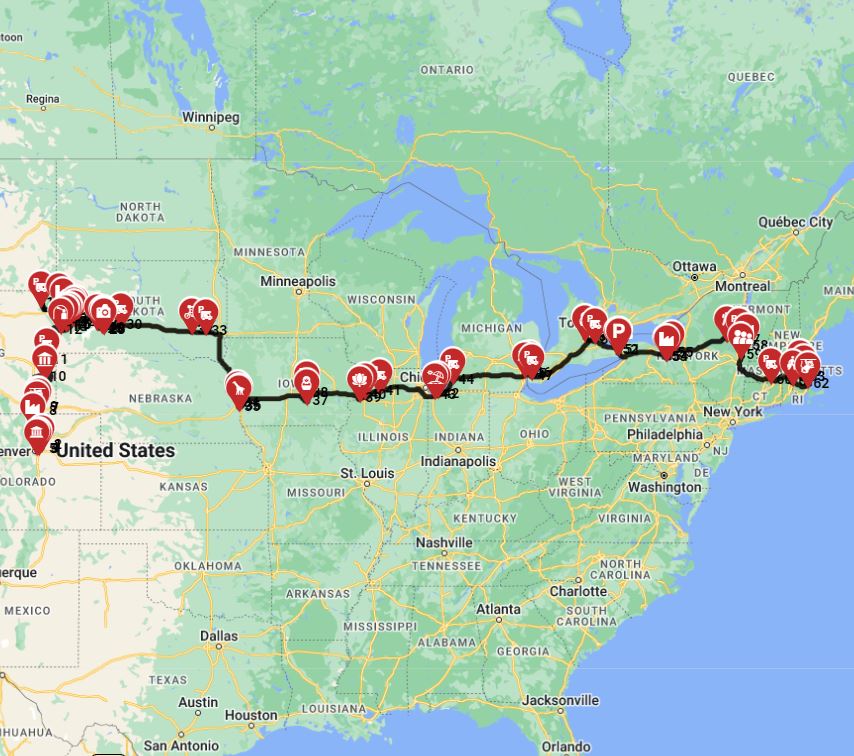
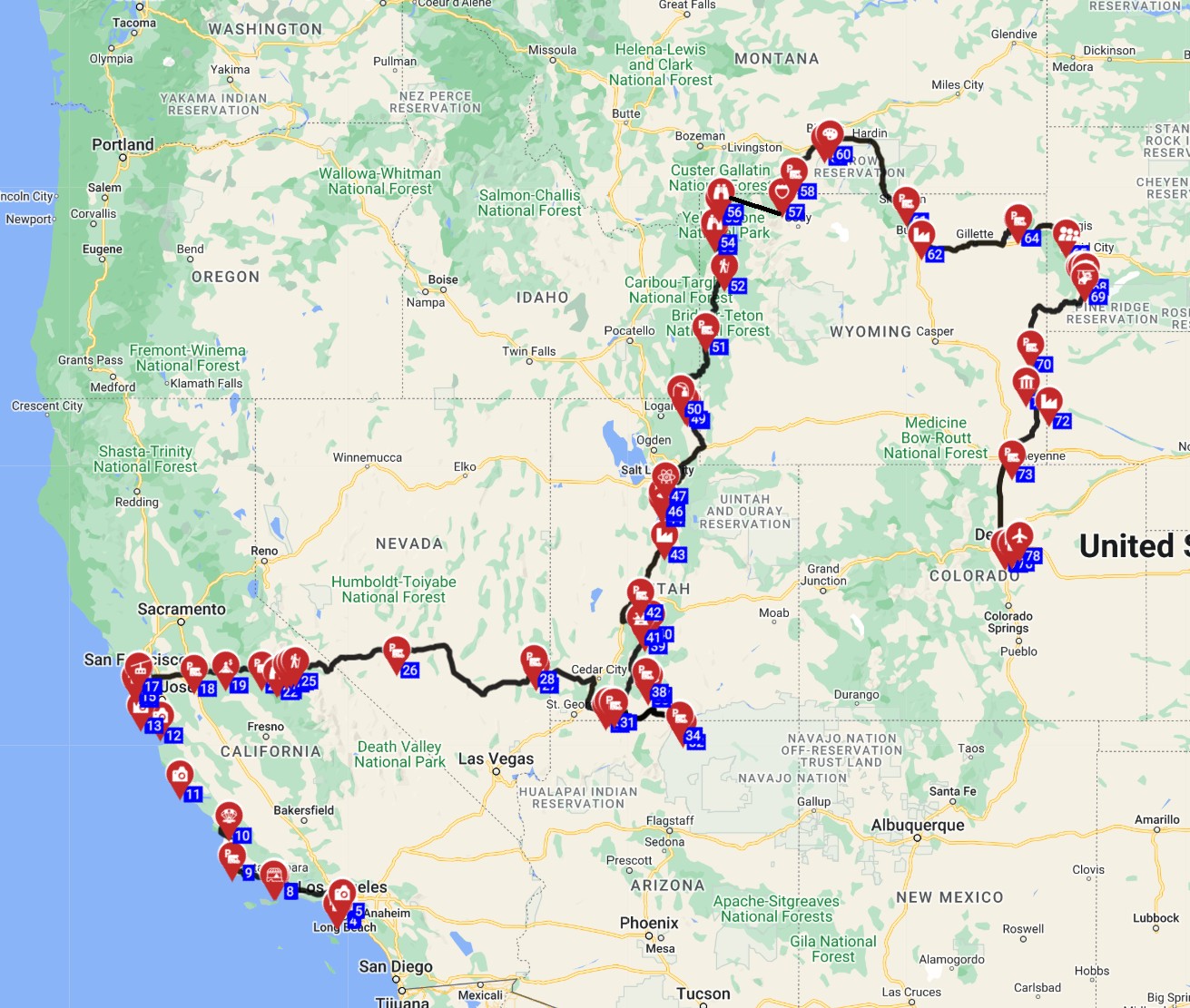
For those who prefer a more spontaneous trip, Colorado is fantastic. While national park campgrounds fill up, the surrounding National Forests, like Arapaho and Roosevelt National Forests, offer numerous campgrounds and designated dispersed camping areas where you can camp for free. Always check local ranger district rules for any restrictions. This flexibility is a key advantage for travelers who don't want every night planned out. Looking for some expert-planned route ideas? The "Billings to Denver - Wild West by RV: A Camper Route Planner Journey" is a fantastic 13-day itinerary that captures the spirit of the region.
If you're traveling with a furry friend, Colorado is very pet-friendly. Many state parks, like Cherry Creek State Park, have off-leash dog areas. Most national forest trails welcome leashed dogs, though they are generally not allowed on trails within Rocky Mountain National Park. Always check regulations beforehand and practice responsible pet ownership. Utilizing local services will also make your trip smoother. You can find convenient dump stations and potable water at the Suncor gas station at 5050 E 58th Ave, a popular stop for RVers near the I-70/I-25 interchange.
Common Mistakes to Avoid in Denver
A successful motorhome trip around Denver is as much about what you do as what you don't do. By avoiding a few common pitfalls, first-time renters can ensure their adventure is memorable for all the right reasons. One of the biggest mistakes is underestimating the altitude. Instead of pushing hard on day one, plan a relaxed first day in Denver to acclimate. Stay well-hydrated by drinking more water than usual and limit alcohol, which can amplify the effects of altitude.
Another area to focus on is mountain driving. Don't drive on steep descents the same way you would on flat ground. Remember to downshift to a lower gear to let the engine control your speed, tapping the brakes periodically rather than riding them continuously. This simple technique prevents brake fade and keeps you safe. Also, don't try to keep up with car traffic; travel at a pace that feels comfortable and safe for you, and use pull-outs to let faster traffic pass.
While we encourage a mix of planning and spontaneity, a common mistake is not booking anything in advance for a peak-season trip. If your heart is set on a specific campground in a popular park during July, it's wise to book that reservation ahead of time. For the rest of your trip, you can leave room for exploration. Also, avoid the stress of trying to park a large Class A motorhome in the heart of downtown Denver. Instead, use park-and-ride facilities or stay at a nearby RV park and use public transit to explore the city core.
🎬 Video coming soon
Finally, always be prepared for Colorado's variable weather. Don't assume a sunny morning means a warm day. Pack layers, check road conditions on cotrip.org before heading into the mountains (especially for passes like I-70's Eisenhower Tunnel), and be ready for sudden changes. This proactive mindset will turn potential problems into minor inconveniences, allowing you to fully enjoy your rolling Rocky Mountain home.
What to know before renting an RV?
Before you rent a motorhome for your Denver adventure, it's essential to understand the basics of vehicle types, rental costs, and the logistics of your trip. First, familiarize yourself with the different RV classes. A Class B campervan is a nimble choice, great for couples and easy to drive on mountain roads. A Class C motorhome, with its characteristic over-cab bunk, is a family favorite, while a Class A motorhome offers the most space and luxury for longer trips. A standard car driver's license is all you need to drive any of these rental vehicles.
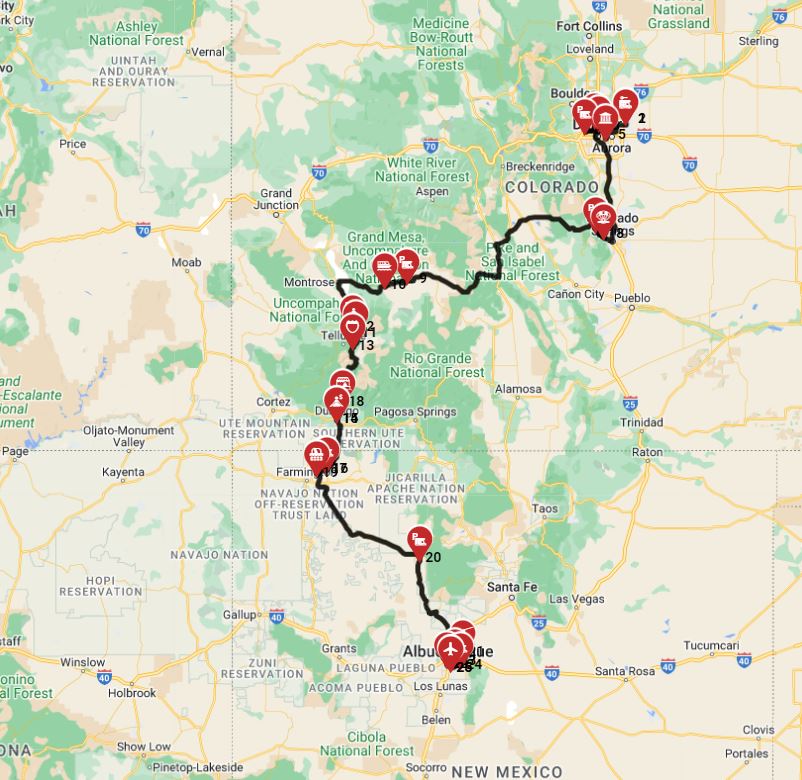
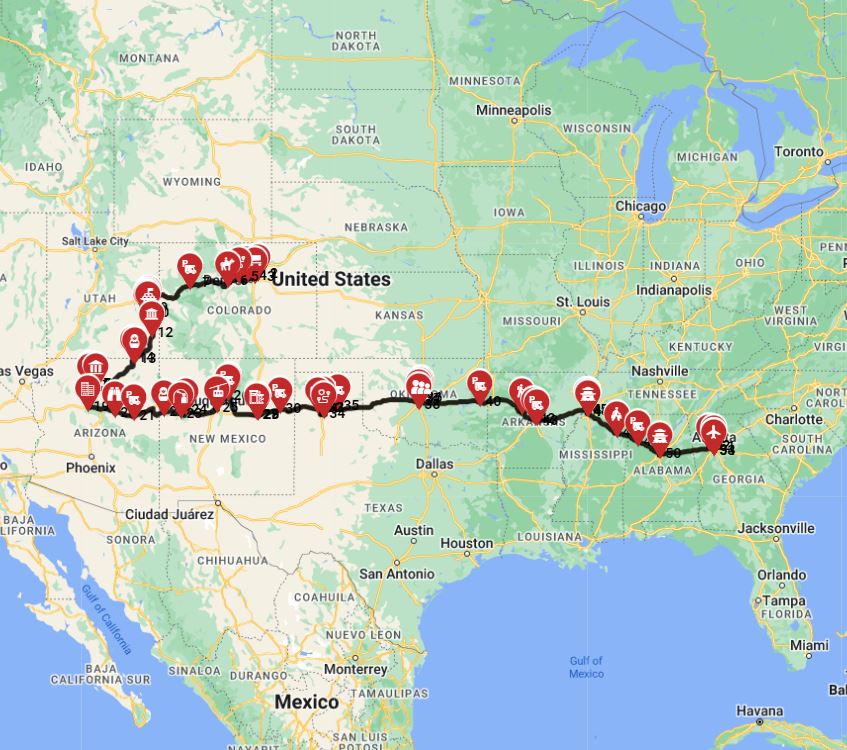
Next, get a clear picture of the total cost. Beyond the daily rental rate, which varies by season, factor in mileage packages, insurance choices, and any convenience kits for kitchen supplies or linens. We pride ourselves on full transparency, so you'll see every potential cost listed clearly before you book. Also, ask about the fuel policy and be prepared for expenses like campground fees and propane refills. Considering a longer, cross-country adventure? The "Chicago to Denver - The Canyons & Rockies Adventure Trail" itinerary is an epic 26-day plan to inspire you.
Finally, think about the unique aspects of a Colorado trip. Driving a rented RV is different than a car; practice making wider turns and allow for longer braking distances. Most importantly, prepare for the high altitude and mountain terrain. By understanding these key points before you book, you're setting yourself up for a fantastic and worry-free journey through the Rockies. For a deep dive into costs, our guide RV Rental in Denver - Prices and Best Deals 2026 is an excellent resource.
How much to rent an RV for a week in Colorado?
The cost to rent a motorhome for a week-long trip in Colorado typically ranges from approximately $700 to over $2,500, with prices being dynamic and changing based on several factors. The most significant variables are the type of RV you choose and the time of year you travel. Prices are always changing, so using a comparison tool is the best way to see current rates for your specific dates.
A smaller Class B campervan, ideal for two people, might cost between $700 and $1,500 for a week. A mid-size Class C motorhome, the most popular choice for families, generally falls in the $1,200 to $2,200 range per week. For a large, luxurious Class A motorhome, you can expect costs to be $2,000 or more for a week-long rental. Rates are highest during the peak summer months of June, July, and August, as well as the beautiful fall foliage season in September. Traveling during the shoulder seasons of May or October can often result in lower rental prices.
Beyond the base rental fee, remember to budget for other expenses. These can include optional insurance upgrades, mileage fees if you plan to cover long distances, and campground fees, which can range from $30 to $80 per night. If you're looking for an unforgettable journey that starts on the West Coast, the "
What You Shouldn't Miss
- Drive the Peak to Peak Scenic Byway: This historic 55-mile route offers incredible views of the Continental Divide. Start in Estes Park (the gateway to Rocky Mountain National Park) and wind your way south through charming mountain towns like Allenspark and Nederland.
- Explore Rocky Mountain National Park: An absolute must-do. Drive the famed Trail Ridge Road (check for seasonal closures), the highest continuous paved road in North America, and keep an eye out for elk, bighorn sheep, and moose.
- Visit Garden of the Gods: Just an hour south of Denver in Colorado Springs, these dramatic red rock formations are a geological wonder. The park is free to enter, and the main roads are easily navigable with a rented motorhome.
- Relax in a Hot Spring: Head west to towns like Glenwood Springs or Idaho Springs to soak in natural geothermal hot springs. It’s the perfect way to relax your muscles after a few days of hiking.
- Discover Historic Mining Towns: Step back in time in towns like Georgetown, Silver Plume, or Leadville. Ride the historic Georgetown Loop Railroad for a unique perspective on Colorado's silver rush history.
- Looking for expert insights from Avi Bandana? We recommend checking out his personal Top 5 Adventures for a curated list of must-see spots.
Final Thoughts
Your Denver adventure is more than just a vacation; it's a chance to write your own story against the backdrop of one of America's most stunning landscapes. With a rented RV as your mobile headquarters, you have the freedom to chase sunsets, discover hidden trails, and wake up to a new, breathtaking view every morning. The road is calling, and the Rocky Mountains are waiting.
We've shared these tips and insights from our decades of experience because we genuinely love helping people discover the joy of RV travel. We handle the details, you live the journey. Now it's your turn to take the wheel. The mountains, the open road, and a lifetime of memories are just a click away.
Find Motorhome Rentals in Denver