In This Guide
- Top 5 Tips for RV Rental in Croatia
- Before You Book - Class, Dates, Insurance
- Pre-Trip Prep - Packing Checklist for Croatia
- On the Road - Driving, Fueling, Navigation
- At the Campground - Setup, Hookups and Etiquette
- RV-Specific Tips for Croatia
- Common Mistakes to Avoid in Croatia
- What are the road conditions and driving practicalities in Croatia for an RV?
- How much does an RV trip to Croatia cost beyond the rental price?
- What are the specific driving regulations and parking challenges for RVs in Croatia?
- Is it good to rent an RV in Croatia during the off-season or shoulder-season?
- Is wild camping allowed in Croatia with an RV?
- Can I take my rental RV from Croatia to neighboring countries?
- What are the best connectivity options for digital nomads in an RV in Croatia?
- How can I experience authentic Croatian culture with an RV?
- What are the best RV itinerary options for different trip lengths in Croatia?
- What You Shouldn't Miss
- Why Book with Bandana Caravan
- Final Thoughts
- Frequently Asked Questions
Croatia, with its shimmering Adriatic coastline, ancient cities, and stunning national parks, offers an incredible backdrop for a motorhome adventure. Traveling by a rented RV provides the ultimate flexibility to explore hidden coves, historic towns, and lush interiors at your own pace. For live availability and current prices, start with our RV Rental Croatia - Complete Guide 2026 guide.
Top 5 Tips for RV Rental in Croatia
To secure the best RV rental deals in Croatia and ensure a smooth journey, several key strategies can make a significant difference in your planning and budget.
- Booking early is essential to secure preferred RV models and dates, especially for peak season travel between June and August, potentially saving you up to 25% on daily rental rates.
- Considering shoulder seasons, specifically April-May and September-October, often results in fewer crowds and potentially lower rental prices, with a 2-berth campervan like "hire campervan example Paradise S/T" starting from around $90-$120 per day.
- Choosing an RV class that perfectly matches your group size and comfort preferences, such as a compact campervan for couples or a spacious 6-berth "rv rentals example Comfort Class" for families, balances amenities with ease of driving on Croatia's often narrower coastal roads.
- Budgeting realistically for additional trip costs like fuel, tolls (which can add €10-€30 per 100 km), and campsite fees is crucial, as these can significantly impact your total expenses.
- Familiarizing yourself with all available insurance options, including upgrading to a top-level deductible for extra peace of mind, ensures comprehensive coverage for your Croatian motorhome adventure.
Before You Book - Class, Dates, Insurance
Before finalizing an RV rental in Croatia, carefully selecting your desired vehicle class, locking in dates to secure availability and better rates, and understanding your insurance coverage options are crucial steps. RV classes range from compact campervans ideal for a couple, offering great maneuverability for tighter coastal roads, to larger Class C motorhomes, like a 6-berth "Euro Deluxe" with spacious beds up to 160/220cm, perfect for families of 2+2 or groups up to 6. It's smart to compare options to ensure your chosen camper matches your itinerary and comfort needs. Remember, a standard car driver's license is sufficient for all motorhome classes in Croatia, so no special permits are required.
Booking several months in advance is highly recommended for summer travel or specific models, especially if you have particular preferences for features like automatic transmission or a larger fresh water tank of 150 liters, often found in models such as a "cruise america rv rental example Explorer". However, flexibility with dates can lead to better deals during shoulder seasons (April-May, September-October), where daily rates might be 15-20% lower. While many national and state parks reserve only 25-30% of spots for advance booking, the rest are often first-come-first-serve, so you will find a spot, even if it's at the next campground. Always call ahead before driving.
Basic insurance is always included with your rental. For enhanced protection, you can upgrade to a top-level deductible for extra peace of mind, which covers a broader range of potential incidents during your RV Rental in Croatia - Prices and Best Deals 2026. When searching on Bandana RV, you can select the most comprehensive coverage option to see prices that include these additional protections directly, ensuring full transparency with no hidden fees or surprises at pickup.
Pre-Trip Prep - Packing Checklist for Croatia
Preparing for your Croatian RV adventure involves a tailored packing checklist to ensure comfort and readiness for various climates and activities, from exploring ancient Roman ruins to swimming in the Adriatic Sea. Packing lightweight, quick-dry clothing layers is essential for fluctuating temperatures, as coastal mornings can be cool while afternoons are warm, even outside peak summer. Comfortable walking shoes are a must for exploring towns and national parks like Plitvice Lakes, which has over 16 terraced lakes and 90 waterfalls, and swimsuits for coastal enjoyment on islands like Hvar.
Consider bringing essential kitchen items such as basic cooking spices, a small bottle of olive oil, and reusable bags for local markets, even if your rented RV is equipped with a gas stove and refrigerator (like the 90-liter unit in a "cruise america example EX-Group A"). Having a small cooler for day trips is also a prudent addition for keeping drinks and snacks cool on longer drives. For cooking inspiration, check out our RV-friendly recipes playlist.
Safety items such as a first-aid kit with personal medications, a reflective vest (mandatory by law for roadside emergencies), and roadside assistance information are prudent additions. Ensure all necessary documents, including passports, your driver's license (a standard license is sufficient for all motorhomes), an International Driving Permit (IDP) if your license is not in English, and rental agreements, are easily accessible and stored securely in your rented campervan.
- Lightweight, quick-dry clothing layers
- Swimwear and beach towels
- Comfortable walking shoes and sandals
- Sun protection (hat, sunglasses, high-SPF sunscreen)
- Basic cooking spices and oil
- Reusable water bottles and shopping bags
- Small first-aid kit with personal medications
- Headlamp or flashlight
- EU travel adapter
- Passport/ID, driver's license, international driving permit (if needed)
- RV rental agreement and insurance documents
- Copies of important documents (stored separately)
At the Campground - Setup, Hookups and Etiquette
Efficient setup at a Croatian campground typically involves a specific order for hookups and adherence to local etiquette, particularly during quiet hours. Upon arrival, position your rented motorhome or campervan on your designated pitch, ensuring sufficient clearance for slide-outs and awnings. Many campsites, particularly those with a "Good value for money" rating like those found in RV PLANET's regional guides, offer various pitch sizes to accommodate different vehicle dimensions. The standard hookup order is typically electric first (many sites offer 16 amp connections), followed by fresh water, and then connecting the sewer hose to the dump station. Always ensure connections are secure to prevent leaks.
Campsite etiquette in Croatia is important to respect for a harmonious stay. This includes adhering to quiet hours, which are often from 11 PM to 7 AM and sometimes include a midday siesta (e.g., 1 PM to 3 PM), especially in family-friendly campgrounds. Keeping your pitch tidy and managing waste responsibly by using designated recycling and disposal points helps maintain the beauty of these natural environments. Utilizing the campground's facilities such as clean showers, toilets, and waste disposal points is expected, and many sites offer comprehensive facilities to enhance your comfort. For finding campsites and campgrounds during your trip, we recommend using RV PLANET (rvplan.net) - a great resource for locating available spots along your route.
RV-Specific Tips for Croatia
To maximize your RV experience and find great deals in Croatia, consider strategies like seeking out free overnight parking alternatives, leveraging campsite discounts, and focusing on self-catering to manage food costs efficiently. While official wild camping is generally illegal and carries significant fines, you might find informal overnight parking options at 'agrotourism' farms in rural areas or designated rest stops on some highways. These spots sometimes offer basic amenities for a small fee, providing a glimpse into local life. Alternatively, planning a Week-Long RV Driving Tour in Croatia 2026 can reveal well-regarded campgrounds with early booking discounts.
Prioritizing cooking meals in your RV kitchen can save significantly on dining out expenses, as even a compact campervan like the "rv rental denver example Category Van" typically features a basic stove and a small refrigerator (e.g., 60-liter capacity). Exploring local markets (pijaca) in smaller towns allows you to purchase fresh, affordable produce, seafood, and local delicacies. Many Croatian markets offer seasonal fruits and vegetables for a fraction of supermarket prices. For creative meal ideas on the go, check out our RV-friendly recipes playlist. Additionally, seeking out free or low-cost activities, such as hiking in national parks like Paklenica (with over 150 km of hiking trails), swimming at public beaches, or visiting charming old towns, can further enhance your budget-friendly adventure.
When planning your itinerary, utilize ferry services for island hopping, which can be an economical way to explore multiple destinations like Hvar, Brač, or Korčula without excessive driving. Always book ferry tickets in advance, especially for larger vehicles, as space is limited during peak season. For comprehensive route planning, including these cost-saving tips and detailed expense tracking, exploring RV PLANET routes can be immensely helpful.
Common Mistakes to Avoid in Croatia
Avoiding common mistakes in Croatia, such as underestimating driving times or neglecting early booking, can significantly enhance your RV travel experience. A frequent oversight is trying to cover too much ground in a short period. Instead of attempting to see the entire coastline in a few days, focus on a specific region, such as Istria, Dalmatia, or Slavonia, to allow for deeper exploration and less rushed travel. Remember, we always recommend slow travel, aiming for a maximum of 100-150 km per day on average, to truly connect with the culture, food, and scenery.
Instead of waiting until the last minute, it is crucial to book popular campsites and ferry crossings well in advance, especially during high season (July and August). Many top coastal campgrounds, particularly those near Split or Dubrovnik, are fully booked months ahead. Spontaneous travelers should remember that many national and state parks reserve only 25-30% of spots, with the rest being first-come-first-serve; always call ahead before driving to a new spot. Another common error is relying solely on credit cards; carry some local currency (Euros) for small purchases at local markets (pijaca), roadside stands, or in charming, remote villages that may not accept card payments. While Croatia is part of the EU and uses the Euro, having cash is always beneficial for a smooth trip.
Lastly, instead of ignoring local customs, research basic Croatian phrases like "Dobar dan" (Good day) or "Hvala" (Thank you) and familiarise yourself with general etiquette. Croatians are known for their hospitality, and a little effort in local language and customs goes a long way in enhancing interactions and creating memorable experiences with locals.
What are the road conditions and driving practicalities in Croatia for an RV?
Driving an RV in Croatia presents unique practicalities, including navigating scenic but sometimes narrow coastal roads and mountain passes, understanding the toll system, and planning for fuel and service station access, particularly in less populated regions. Croatian roads vary from modern, multi-lane highways (autoceste) like the A1, where speeds up to 130 km/h are permitted, to winding local roads that offer stunning views but can be challenging for larger RVs due to sharp bends and occasional narrow sections. Drivers should be particularly cautious on coastal D-roads, where vigilance is key. Drive slowly and carefully, and you can drive almost anywhere without issues. No need to stress - just use common sense and pay attention.
Tolls are mandatory on most highways, primarily paid at toll booths (cash, card accepted) or via an electronic toll collection (ENC) device, which offers convenience and can sometimes provide a small discount. Researching your route for potential tolls and planning payment methods is advisable before setting off. Fuel availability is good in most towns and along major routes, with many stations open 24/7, but it can be sparse in remote inland areas or on smaller islands, necessitating planning fuel stops in advance. Most rental motorhomes run on diesel.
While specific water and dump stations outside of official campsites are rare, many larger campsites and some gas stations offer these services. Utilizing RV PLANET (rvplan.net) for detailed campsite information can help locate suitable service points. An International Driving Permit (IDP) is recommended for visitors from non-English-speaking countries to Croatia but is not strictly mandatory if your national license is in English. However, having one can simplify interactions with local authorities.
How much does an RV trip to Croatia cost beyond the rental price?
Beyond the initial rental fee, an RV trip to Croatia involves additional significant costs such as fuel, road tolls, varied campsite fees depending on season and amenities, and daily budgets for food and activities. Fuel costs are a major component, greatly influenced by your RV's fuel efficiency (e.g., a "cruise america rv rental example Explorer" might get 11 liters/100 km) and your total travel distance. As of 2026, diesel prices in Croatia typically range from €1.50 to €1.70 per liter. Road tolls on major highways can add up, especially if traversing long distances or frequently using toll roads, with a trip from Zagreb to Dubrovnik costing approximately €30-€40 in tolls one way for an RV.
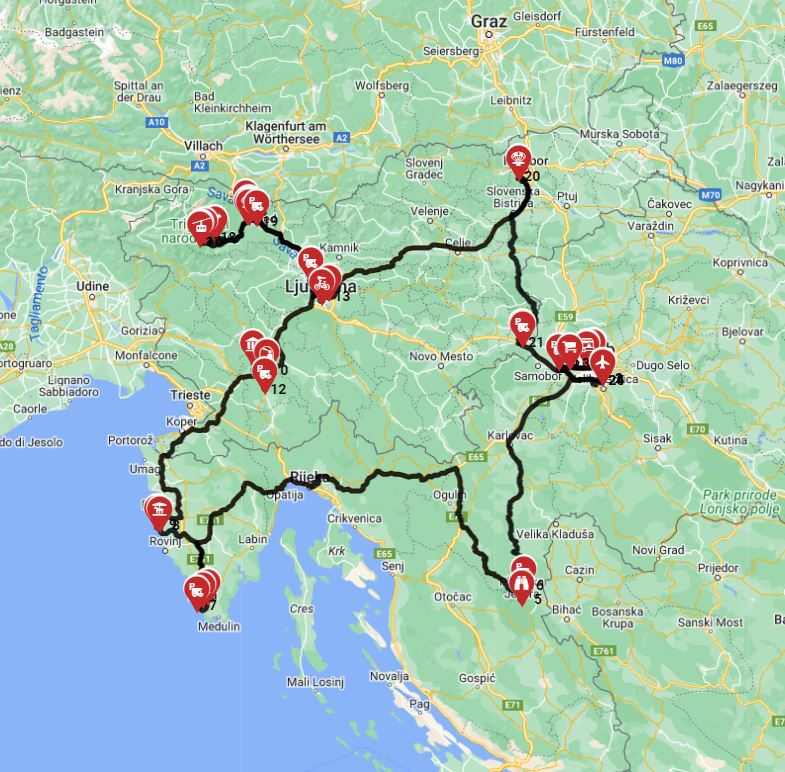
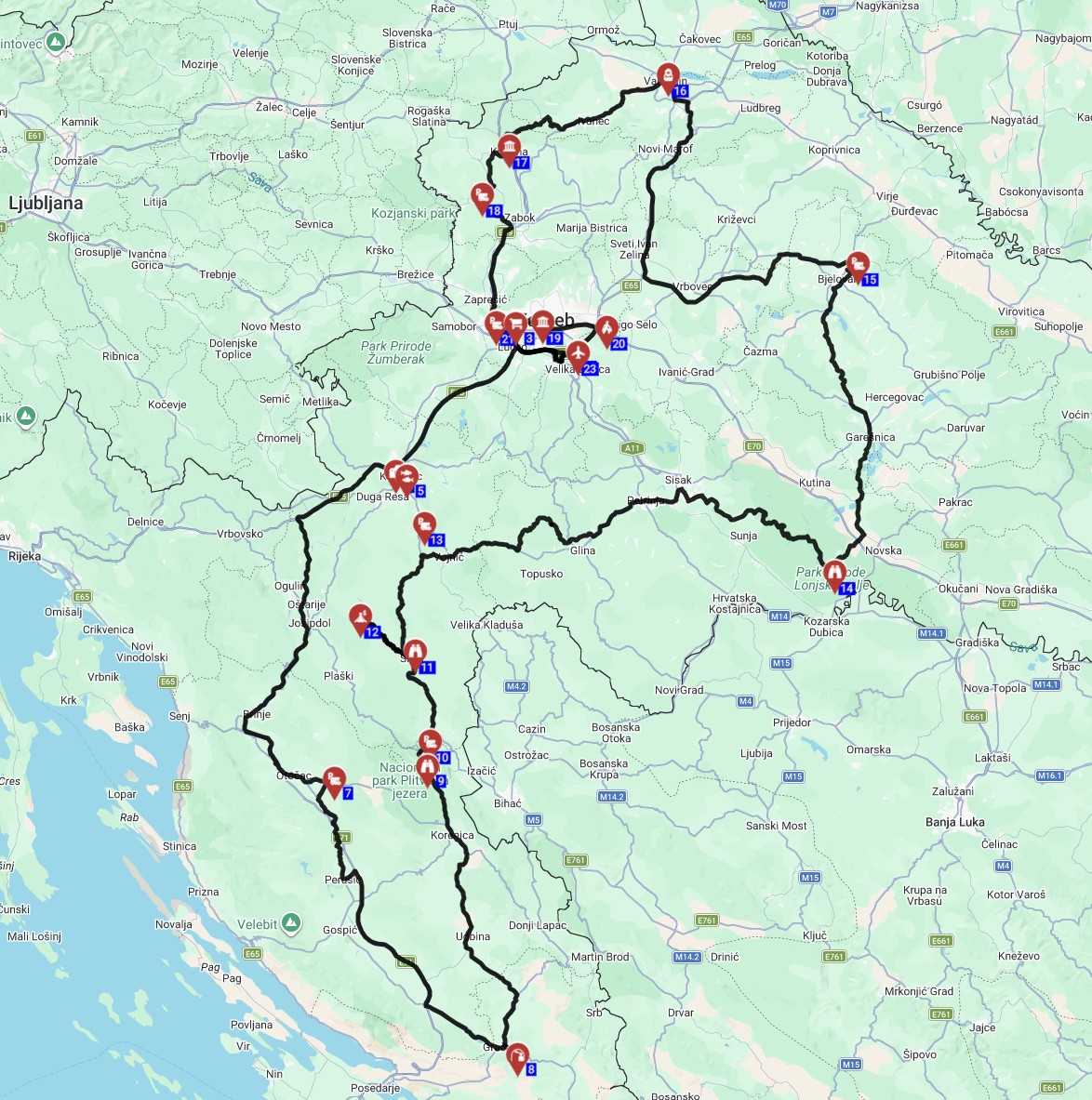
Campsite fees vary widely, from €20-€30 per night for basic off-peak pitches without electricity to €60+ for luxury seaside spots in prime locations during peak season. A comprehensive 15-day "Zagreb Roundtrip - Croatia & Slovenia" itinerary, for instance, might include approximately 12-14 nights at campgrounds, resulting in €300-€800 in total campsite fees. Food budgets depend heavily on whether you primarily cook in your rented motorhome or eat out; local markets offer fresh, affordable produce, while dining at traditional konobas can range from €15-€40 per person per meal. Cooking meals in your RV, which typically includes a refrigerator and gas stove, can significantly reduce food expenses.
Activity costs can include national park entrance fees (e.g., Plitvice Lakes National Park tickets range from €10-€40 depending on season), boat tours, museum tickets, or adventure sports, ranging from €10 to €100+ per activity. Remember that prices are dynamic like flight tickets and change daily based on availability, seasonality, and supplier marketing decisions, so the final price is set at actual booking time. For detailed budgeting and expense tracking for your chosen route, exploring RV PLANET routes offers an excellent tool to itemize every expense along the way.
What are the specific driving regulations and parking challenges for RVs in Croatia?
RV drivers in Croatia should be aware of specific regulations, including nuanced speed limits and distinctive road signs, along with potential parking challenges, particularly for larger vehicles in historic city centers. Speed limits are generally 50 km/h in urban areas, 90 km/h outside urban areas, and 130 km/h on highways, but these can vary and are often posted with specific signage, so always pay close attention to local signs. A standard car driver's license (B category) is sufficient for all motorhome classes (Class A, Class B, and Class C) in Croatia, and an International Driving Permit (IDP) is recommended for non-EU visitors but not mandatory if your license is in English. The minimum rental age is 21, and there are no young driver surcharges or vehicle class restrictions based on age.
Parking for larger RVs can be difficult in popular historic city centers like Dubrovnik or Split, where spaces are limited and streets are narrow. It's often necessary to utilize designated RV parking outside the old towns and then use public transport (buses, ferries) to reach the city center. For example, in Dubrovnik, larger vehicles are typically directed to parking lots a short bus ride from the Pile Gate. Drive slowly and carefully, and you can drive almost anywhere without issues. No need to stress - just use common sense and pay attention. Unique road signs might include those indicating priority roads, no-parking zones for larger vehicles, or specific traffic flow rules, requiring drivers to pay close attention.
Rules for different vehicle sizes (e.g., length, weight restrictions) are typically posted on bridges, tunnels, or near sensitive areas. Campervans generally have fewer restrictions than full-size motorhomes, offering more flexibility for urban exploration. Always check for overhead clearance signs before entering tunnels or parking garages. Being aware of these specific driving regulations and planning for parking in advance will significantly contribute to a stress-free motorhome journey in Croatia.
Is it good to rent an RV in Croatia during the off-season or shoulder-season?
Renting an RV in Croatia during the off-season or shoulder-season can offer significant advantages like fewer crowds and potentially lower prices, though travelers should consider cooler weather and reduced operating hours for some attractions. Shoulder seasons (April-May, September-October) typically offer pleasant weather, vibrant landscapes, and fewer tourists, making national parks like Plitvice Lakes (with over 16 lakes) and coastal towns much more enjoyable. Daily RV rental rates can be 15-30% lower than peak season, and campsite fees are often reduced, making a "Cheap RV Rental in Croatia - Budget Guide 2026" more attainable.
The off-season (November-March) brings colder temperatures, especially inland, and many coastal businesses and island ferry services may operate on reduced schedules or be closed entirely. However, this period is ideal for cultural exploration in cities like Zagreb or Split, experiencing local Christmas markets (in December), or engaging in winter sports in the mountains, offering a unique perspective of Croatia. Travelers during these times should be more self-sufficient, as some amenities might be limited. The advantages include even lower RV rental rates, cheaper campsite fees (sometimes as low as €15 per night for a basic pitch), and easier access to popular sites without reservations.
Challenges might involve limited ferry schedules, some campgrounds being closed, and fewer options for dining or activities, requiring more self-sufficiency and research. Despite this, it's important to remember that many national and state parks reserve only 25-30% of their spots for advance booking, with the majority being available on a first-come-first-serve basis, even during off-peak times. Reassuringly, "You'll find a spot. If not at the first campground, then the next one. Call ahead before driving." This flexibility is a major benefit for spontaneous travelers during quieter periods.
Is wild camping allowed in Croatia with an RV?
Wild camping with an RV is generally prohibited in Croatia, with strict regulations in place to protect natural areas, making designated campsites or legal alternatives like agritourism stays the recommended and safest option. Croatia has stringent laws against wild camping, particularly along the coast, in national parks (like Krka or Paklenica), and near protected or inhabited areas, with fines being significant, often starting from €500 and potentially reaching €1,000 or more. These regulations are enforced to protect the country's pristine environment and support its well-developed tourism infrastructure.
Safety implications of attempting unauthorized overnight stays include potential theft or unauthorized access in isolated areas, as well as environmental impact concerns from improper waste disposal, which can attract animals and damage delicate ecosystems. Ethical considerations involve respecting local communities, preserving natural habitats for future generations, and adhering to designated tourism infrastructure. Travelers should always prioritize responsible travel practices to ensure a positive experience for themselves and the environment.
Legal alternatives include staying at official campsites, which are numerous and well-equipped across the country, often offering various amenities like electricity, fresh water, and waste disposal. Many designated 'autocamps' provide basic facilities at lower prices. Another excellent option is seeking out agritourism farms (agroturizam) that offer informal overnight parking for RVs, sometimes for free or a small fee, in exchange for buying local produce, wine, or dining at their traditional konoba (tavern). This not only provides a legal and safe place to park but also a fantastic way to experience authentic Croatian hospitality and local flavors, often with delicious RV-friendly recipes playlist opportunities.
Can I take my rental RV from Croatia to neighboring countries?
Taking a rental RV from Croatia to neighboring countries like Slovenia, Montenegro, or Bosnia and Herzegovina is often permissible but requires specific arrangements, including ensuring adequate insurance (such as a Green Card) and understanding border crossing procedures and vehicle documentation. Most RV rental companies allow cross-border travel within the Schengen Area and beyond, but they universally require prior notification during the booking process. This typically involves an additional fee for international travel authorization, usually a one-time charge ranging from €50 to €150, depending on the number of countries and the rental duration.
A Green Card (international motor insurance card) is usually mandatory for driving into non-EU countries like Montenegro and Bosnia and Herzegovina, confirming your insurance coverage extends there. Ensure your rental company provides this document if you plan to visit these countries. Border crossing procedures typically involve presenting passports (all passengers), vehicle registration documents (provided by the rental company), and the Green Card if applicable. Be prepared for potential waiting times, especially during peak tourist seasons or at smaller crossings.
It is crucial to research specific driving requirements for each country you plan to visit, as regulations can vary. For example, some countries might have specific equipment requirements like a reflective vest or first-aid kit that are mandatory to carry in the vehicle. Planning your route carefully and confirming all necessary documentation with your rental supplier ensures a smooth and compliant cross-border RV adventure. For more detailed insights into a multi-country trip, consider our "RV Rental Europe - Complete Guide 2026."
What are the best connectivity options for digital nomads in an RV in Croatia?
For digital nomads traveling in an RV in Croatia, reliable connectivity typically involves securing a local mobile data plan or eSIM, utilizing Wi-Fi available at many campsites, and identifying suitable locations for remote work setups. Purchasing a local Croatian SIM card from major providers like A1, T-Hrvatski Telekom, or Telemach upon arrival offers excellent value and reliable mobile data coverage across much of the country. Tourists can often find prepaid SIM cards with generous data allowances (e.g., 10-30 GB for €10-€20) valid for 7-30 days, which is ideal for a week-long or two-week adventure.
🎬 Video coming soon
eSIMs provide a convenient alternative for compatible devices, allowing quick activation of local data plans without the need for physical SIM card exchanges. This is particularly useful for travelers with multiple devices or those who prefer to keep their primary SIM active for calls. Most modern campsites in Croatia, especially those designated as "RV size - Medium" or "RV size - Large," offer Wi-Fi, though quality and speed can vary. Some campgrounds provide premium paid options for better bandwidth, which can be essential for video calls or large file transfers. Before booking, checking campground reviews for Wi-Fi reliability is a smart move.
Beyond campsites, coffee shops with public Wi-Fi or even designated co-working spaces in larger cities like Zagreb, Split, or Dubrovnik can serve as backup remote work spots. Libraries also occasionally offer free public Wi-Fi. Always remember to use a VPN for security when connecting to public Wi-Fi networks. Additionally, a portable Wi-Fi hotspot device can be a worthwhile investment, allowing you to utilize your local SIM data plan across multiple devices in your rented campervan, ensuring you stay connected as you travel slowly, averaging 100-150 km per day.
How can I experience authentic Croatian culture with an RV?
Experiencing authentic Croatian culture with an RV involves moving beyond major tourist hubs to engage with local communities, dine at traditional konobas, understand local customs, and seek out regional events or festivals. Instead of sticking to the well-trodden paths of Dubrovnik or Split, venture with your rented motorhome into smaller towns and villages in regions like Istria, Slavonia, or the Dalmatian hinterland. Visit local markets (pijaca) to interact with vendors, sample regional produce like truffles, olive oil, and artisan cheeses, and observe daily life away from the main tourist bustle. This is an excellent way to practice basic Croatian phrases and engage with locals directly.
Seek out 'konobas' (traditional taverns) or family-run pizzerias, often found off the main tourist routes, for authentic local cuisine. These eateries typically serve hearty, homemade dishes, offering a true taste of Croatian gastronomy, with meals ranging from €15-€40 per person. Consider trying peka (meat or seafood baked under a bell-shaped lid) or local fish platters. Understanding basic Croatian etiquette, such as greeting people with 'Dobar dan' (Good day) and respecting religious sites (dressing modestly when visiting churches), can greatly enhance your interactions and foster a more genuine connection with the culture. Exploring a route plan like "Ljubljana Roundtrip - Adriatic sea Round -> Slovenia, Croatia & Italy" or "Zagreb Roundtrip - Croatia & Slovenia" could lead you to some hidden culinary gems.
Participate in regional events like olive oil tastings in Istria, wine festivals on Hvar, or local fishing festivals along the coast for immersive experiences. These smaller events offer a window into Croatian traditions and community life that larger, more commercialized attractions might miss. Engaging in slow travel, averaging 100-150 km per day, allows you ample time to discover these cultural nuances, enjoy spontaneous interactions, and truly feel the place, its people, its food, and its scenery. A Luxury RV Rental in Croatia - Premium Prices 2026 often includes detailed local insights to guide you.
What are the best RV itinerary options for different trip lengths in Croatia?
Croatia offers diverse RV itinerary options that can be tailored for varying trip lengths, from 7 to 21 days, catering to interests such as exploring the Adriatic coastline, national parks, historical sites, culinary experiences, or adventure sports. For a week-long (7-day) trip, focusing on a single region is ideal. Consider exploring Istria, visiting Pula's Roman amphitheater, Rovinj's charming old town, and indulging in truffle hunting near Motovun, which includes 3 historical sites and 2 traditional visits. Alternatively, a segment of the Dalmatian coast, such as Split and Krka National Park (featuring 7 waterfalls), with a ferry trip to a nearby island, offers a concentrated dose of history and nature.
A 10-day itinerary allows for a combination of regions, perhaps starting in Istria and slowly moving south to Plitvice Lakes National Park (with its 90 waterfalls) before reaching the northern Dalmatian coast around Zadar. This balance ensures you experience both inland natural wonders and coastal charm. With 14 days, a more comprehensive coastal journey from Istria down to Dubrovnik, incorporating multiple national parks, historical sites, and island visits via ferry, becomes feasible. This would allow for around 4-6 hours of driving every few days, leaving plenty of time for exploration.
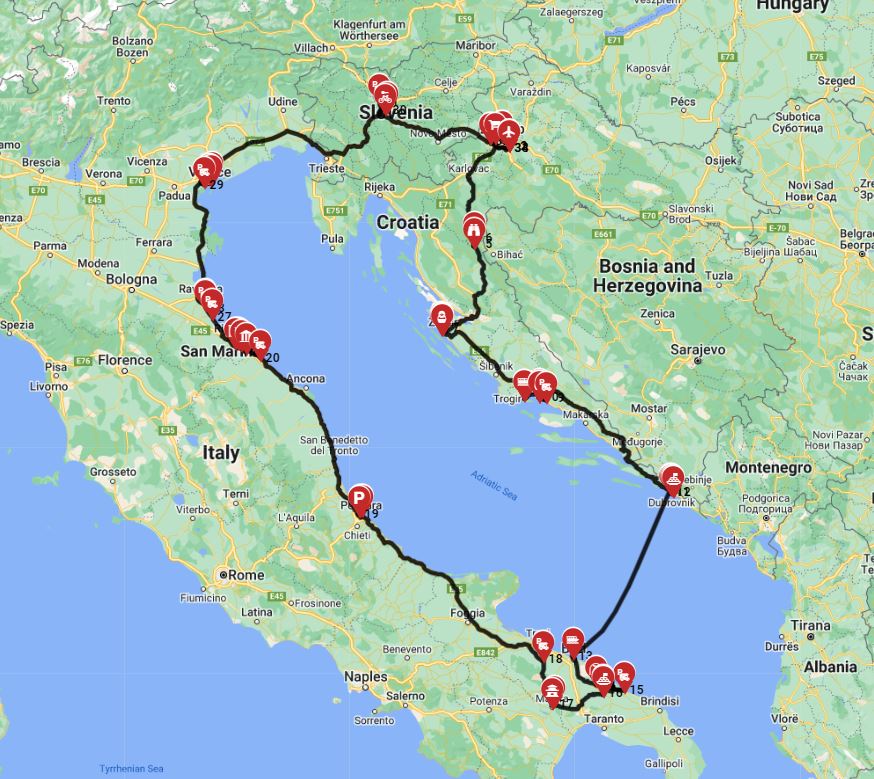
For 21 days or more, travelers can deeply explore multiple regions, including inland Croatia's less-visited areas, or combine a Croatian adventure with cross-border excursions to neighboring Slovenia (e.g., a 15-day "Zagreb Roundtrip - Croatia & Slovenia" covering 1250.7 km with 3 extreme activities and 2 historical sites) or even Italy (e.g., a 22-day "Venice Roundtrip - South - Adriatic sea, Croatia, Slovenia, Italy" covering 2682.9 km with 4 traditional markets and 3 historical sites), delving into specific interests like gastronomy, historical sites, or adventure sports like kayaking and hiking. Our professionals at RV PLANET (rvplan.net) have crafted over 1,300 pre-planned routes across 5 continents, including detailed itineraries like these for your convenience, offering a 25% planning discount when you use their service.
What You Shouldn't Miss
- Plitvice Lakes National Park: Witness the stunning cascades and turquoise lakes, a UNESCO World Heritage site with 90 waterfalls and 16 terraced lakes.
- Dubrovnik's Old Town: Walk the ancient city walls of this "Pearl of the Adriatic," a UNESCO site with origins dating back to the 7th century.
- Krka National Park: Explore its beautiful waterfalls, including Skradinski Buk, and enjoy boat trips through the park's lush canyons, home to 7 waterfalls.
- Istrian Peninsula's Culinary Delights: Indulge in truffle hunting tours near Motovun, taste world-class olive oil, and savor fresh seafood in Rovinj.
- Zadar's Sea Organ and Greeting to the Sun: Experience unique art installations powered by the sea and solar energy, offering unforgettable sunsets.
- Diocletian's Palace in Split: Wander through the ancient Roman emperor's palace, a living city center with over 1700 years of history.
Final Thoughts
Embarking on an RV adventure in Croatia is an invitation to explore a land of breathtaking natural beauty, rich history, and warm hospitality at your own pace. With a little planning and an open mind for discovery, your rented motorhome or campervan will become your mobile sanctuary, allowing you to chase sunsets along the Adriatic, wake up to mountain views, and savor local flavors from the comfort of your own kitchen. Remember to embrace slow travel, allowing 100-150 km per day on average, to fully immerse yourself in every experience.
Whether you're a couple seeking a romantic escape in a compact 2-berth campervan or a family planning an extended road trip in a spacious 6-berth motorhome, Croatia offers a diverse range of possibilities. By following these tips, from booking early to understanding local regulations, you're well on your way to an unforgettable journey filled with freedom and discovery. Imagine the memories you'll create, the hidden gems you'll uncover, and the authentic connections you'll make along the Croatian coast and beyond.
Don't wait to start dreaming and planning your ultimate Croatian RV adventure. Get inspired for your next trip and discover top destinations, planning tips, all in one place! Plan a trip itinerary in advance with minimal effort and maximum enjoyment. The open road of Croatia awaits!