In This Guide
- Top 5 Tips for RV Rental in Anchorage
- Before You Book - Class, Dates, Insurance
- Pre-Trip Prep - Packing Checklist for Anchorage
- On the Road - Driving, Fueling, Navigation
- At the Campground - Setup, Hookups and Etiquette
- RV Rental-Specific Tips for Anchorage
- Common Mistakes to Avoid in Anchorage
- Should I rent an RV in Alaska?
- What size RV is good for a beginner?
- What You Shouldn't Miss
- Why Book with Bandana Caravan
- Final Thoughts
- Frequently Asked Questions
Imagine yourself embarking on an unforgettable adventure through Alaska's stunning landscapes, with the freedom of a mobile home. Renting an RV in Anchorage provides the perfect gateway to explore the Last Frontier at your own pace, blending urban convenience with direct access to vast wilderness. Whether you dream of glaciers, wildlife, or remote scenic routes, a rented motorhome or campervan gives you the flexibility to chase every sunset and sunrise. For live availability and current prices, start with our RV Rental Anchorage - Complete Guide 2026 guide. We’re here to help you navigate every detail, offering full transparency with no hidden fees and 24/7 support before you book, so you can truly live the journey.
Top 5 Tips for RV Rental in Anchorage
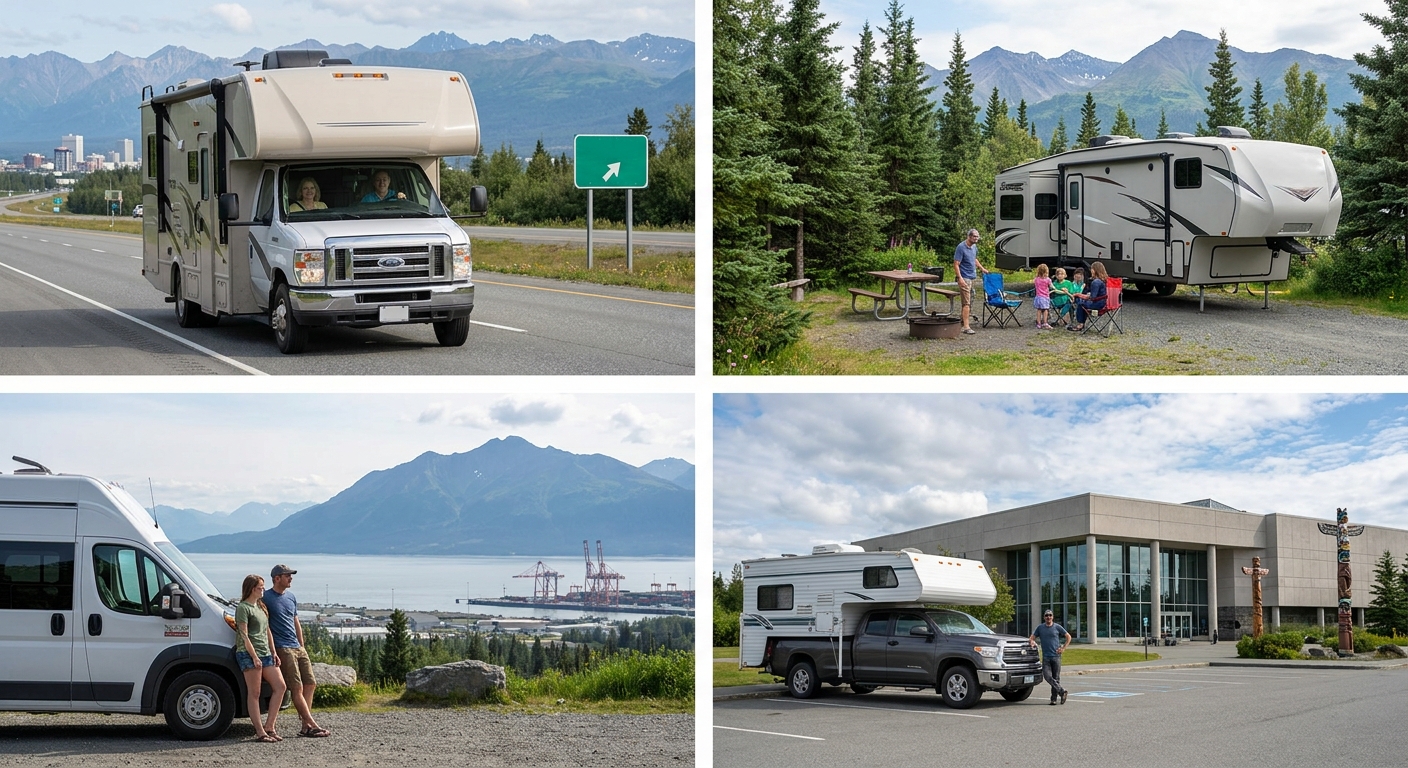
To make your RV adventure in Anchorage seamless and enjoyable, consider these top five essential tips. Firstly, booking your RV early, especially for the peak summer months (June-August), is crucial because popular models like a 6-berth Class C motorhome with a 120-liter fresh water tank can be in high demand, leading to limited availability and higher prices.
Secondly, matching your rented RV type to Alaska's diverse terrains and your travel style will significantly enhance your experience; for example, a compact campervan like the "Active Standard" offers nimble exploration on smaller roads, while a family-friendly Class C provides more living space and amenities for longer stays. Thirdly, budgeting for your trip extends beyond just the RV rental costs to include fuel, groceries (especially provisioning in Anchorage before heading out), campground fees, and activity expenses like guided tours or park entrance fees, so use RV PLANET routes to itemize all costs. Fourthly, familiarizing yourself with local driving conditions is paramount; this includes awareness of potential gravel roads on less-traveled paths, wildlife crossings along major routes like the Seward Highway, and varying speed limits, which often range from 55 mph on highways to 25 mph in urban areas. On the routes offered through RV PLANET routes, you can itemize and track every expense along the way for easy budgeting.
Finally, planning your itinerary with flexibility, allowing extra time for scenic stops at Turnagain Arm or unexpected weather changes common in Alaska, ensures a relaxed pace where you can truly connect with the culture, food, and scenery, adhering to our recommendation of traveling slowly, typically 100-150 km per day on average.
Before You Book - Class, Dates, Insurance
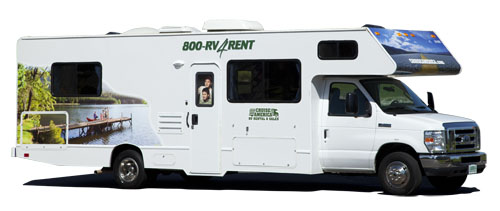
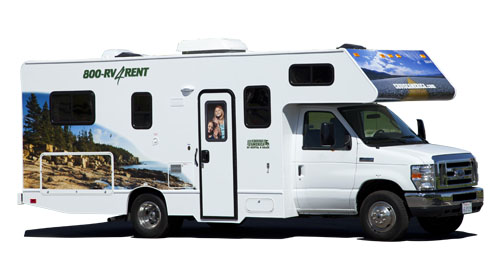
Choosing the right RV class for your Anchorage adventure hinges on your group size, comfort preferences, and desired maneuverability. For example, couples or small groups might prefer a Class B campervan, which is easy to drive and park in Anchorage's downtown core or smaller park lots, resembling a larger van with features like a two-burner stove and compact toilet. Families with 4-6 people, on the other hand, often find Class C motorhomes, such as the "Cruise America Explorer" with its 82-liter fresh water tank and up to 4 sleeping places, ideal for their combination of living space, kitchen facilities, and separate sleeping areas.
Locking in your RV rental dates well in advance, particularly for June through August, is crucial to secure preferred models and competitive rates, with spontaneous bookings possible but subject to dynamic pricing and limited choices. Many national and state parks, while having some first-come-first-serve spots, recommend calling ahead to check availability, especially around popular destinations near Anchorage like Chugach State Park's campgrounds.
Basic insurance is always included with your rental. For enhanced peace of mind, you can upgrade to a top-level deductible reimbursement plan during your booking process. To see prices including the most comprehensive coverage, simply select that option during your search on our platform; all relevant insurance options will then be displayed transparently, reflecting our commitment to no hidden fees or surprises.
Pre-Trip Prep - Packing Checklist for Anchorage
A comprehensive packing checklist for an Anchorage RV trip ensures you are prepared for Alaska's unpredictable climate and diverse activities. You'll need layers of clothing, including base layers, mid-layers for warmth, and a waterproof/windproof outer jacket and pants, as temperatures can fluctuate quickly from 40°F (4°C) to 70°F (21°C) even in summer.
Essential items include a warm hat, gloves, and sturdy hiking boots suitable for varied terrains found in areas like Chugach State Park. Sunglasses and sunscreen are vital, even on cloudy days, due to high UV exposure, particularly near glaciers or open water. Don't forget insect repellent, especially for mosquitoes, which can be prevalent in marshier areas. A well-stocked first-aid kit and any personal medications are non-negotiable for remote travel. For wildlife safety, carry bear spray and be informed on bear safety protocols, readily available at visitor centers in Anchorage. A headlamp or flashlight is essential due to the variable daylight hours outside of peak summer. Bring reusable water bottles to stay hydrated and minimize waste. Binoculars are highly recommended for optimal wildlife viewing opportunities along scenic routes like the Seward Highway.
Always have physical maps or offline navigation tools, along with your driver's license and all RV rental documents, as cell service can be intermittent outside major towns. Credit cards and some cash will be useful for smaller vendors or emergencies. For preparing meals in your rented RV, consider checking out our RV-friendly recipes playlist for inspiration that requires minimal equipment. A Class C motorhome like the "Adak Argonaut 21 - Gold" often includes a gas stove and refrigerator, perfect for cooking on the go.
🎬 Video coming soon
On the Road - Driving, Fueling, Navigation
Navigating Alaska's roads in a rented RV requires awareness of local driving conditions, including varying speed limits and potential for wildlife, especially on routes outside of Anchorage like the Glenn Highway. Drive slowly and carefully, and you can drive almost anywhere without issues. No need to stress - just use common sense and pay attention. Pay particular attention to moose, which are common even in urban areas of Anchorage, and other wildlife like bears and Dall sheep, especially along the Seward Highway. While Anchorage city streets are well-maintained, some roads leading to trailheads or remote campgrounds might be unpaved gravel, requiring a slower speed and careful handling.
Fueling a motorhome or campervan in remote Alaskan areas can be less frequent, so planning stops and monitoring your tank level is essential, especially on routes like the scenic 200 km stretch of the Seward Highway south of Anchorage. Major fuel stations like Tesoro or Chevron are readily available in Anchorage and larger towns, but check for availability in smaller communities before departing. GPS systems are helpful for general navigation, but carrying physical maps or downloading offline digital maps is highly recommended due to intermittent cell service outside major towns and within expansive areas like Chugach State Park.
Parking an RV in downtown Anchorage can be limited, so consider utilizing designated RV parking lots or parking at the outskirts and using public transit or ride-shares for city exploration. One common mistake first-time RV renters make is underestimating Alaska's vast distances and travel times; always factor in extra time for unexpected stops, road construction, and wildlife viewing opportunities to maintain a slow, enjoyable travel pace, averaging 100-150 km per day.
At the Campground - Setup, Hookups and Etiquette
Setting up your rented RV at an Anchorage campground, such as Eagle River Campground in Chugach State Park, involves a systematic approach to ensure safety and comfort, regardless of whether you're in a compact "Category Van" or a larger "C-XLarge" motorhome. Upon arrival, first ensure your spot is level and free of hazards like low-hanging branches.
Connecting hookups typically follows an order: first electricity (plugging in your power cord to a 30-amp or 50-amp pedestal), then water (connecting a potable water hose), and finally the sewer hose (attaching and opening the black tank valve first, then the grey water valve after rinsing, ensuring all valves are closed before disconnecting). Familiarize yourself with how to dump your tanks at facilities, such as the Anchorage Wastewater Treatment Plant or designated dump stations at RV parks, which usually charge a small fee ($5-$15).
Adhering to campground etiquette, such as observing quiet hours (generally 10 PM to 7 AM), respecting fellow campers' space by keeping noise to a minimum, and proper waste disposal, enhances everyone's experience. Always store food and scented items in your RV or bear-resistant containers, especially in Alaskan campgrounds near wild areas like Eklutna Lake, to prevent wildlife encounters. For finding campsites and campgrounds during your trip, we recommend using RV PLANET (rvplan.net) - a great resource for locating available spots along your route.
RV Rental-Specific Tips for Anchorage
When planning your RV rental in Anchorage, tailoring your vehicle choice to your group's needs ensures the best experience. For families traveling with 4-6 people, consider larger Class C motorhomes with designated sleeping areas and ample storage for kids' entertainment and gear, like the "MH-C" which often features multiple beds and a full kitchen for preparing RV-friendly recipes playlist. These models, typically 25-30 feet in length, provide comfort for longer stays and offer a home-like base after exploring attractions like the Alaska Native Heritage Center.
Seniors might prefer smaller, more ergonomic RV classes like Class B campervans, such as the "Active Classic", for easier driving and parking within Anchorage and on scenic roads like the Seward Highway. These compact options, often under 20 feet, ensure comfort and accessibility while still providing essential amenities like a toilet and shower. Budget-conscious travelers can maximize savings by leveraging Anchorage's large grocery stores, like Fred Meyer or Carrs-Safeway, for provisioning and researching free overnight spots in designated areas or national forest campgrounds, which often have basic amenities.
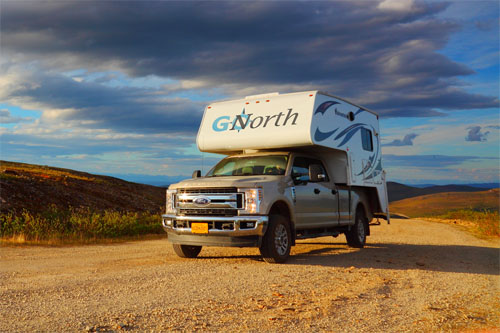
Those seeking luxury can explore premium Class A or larger Class C models like the "Comfort Luxury" with slide-outs, gourmet kitchens, and integrated entertainment systems, ideal for a comfortable base while exploring destinations like Girdwood or Portage Glacier. To truly experience Alaska's wild side, look for rented RVs equipped for off-grid capabilities, such as solar panels and larger fresh water tanks (100+ liters), allowing exploration beyond developed campgrounds into more remote areas of Alaska, like those found in Denali National Park.
Common Mistakes to Avoid in Anchorage
One common mistake RV renters make in Anchorage is underestimating Alaska's vast size; instead, plan realistic daily driving distances, aiming for an average of 100-150 km per day, to genuinely enjoy scenic routes like the Seward Highway without rushing through the experience. Another frequent error is relying solely on cell service for navigation and communication; rather than that, download offline maps and essential information before venturing outside Anchorage, as connectivity can be sparse or non-existent in many wilderness areas.
Many first-timers pack only for sunny weather; instead of packing light for only one type of weather, bring layers for all conditions, as Alaskan weather around Anchorage can change rapidly, with summer temperatures ranging from 40°F (4°C) to 70°F (21°C). Critically, do not skip bear safety briefings; familiarize yourself with proper food storage techniques, especially for fresh produce and cooking ingredients, and encounter protocols to protect both yourself and Alaska's diverse wildlife, including the urban moose in Anchorage's parks. Finally, avoid booking accommodations last-minute; instead, reserve campgrounds well in advance, particularly for popular areas around Anchorage like Chugach State Park's Eklutna Lake Campground, or along major routes, as many prime spots fill up quickly, though state parks often hold 25-30% of spots for first-come-first-serve. We are true RV specialists, not a travel agency side department, and are here to help you avoid these pitfalls.
Should I rent an RV in Alaska?
Renting an RV in Alaska offers unparalleled flexibility to explore the state's vast wilderness, stunning landscapes, and diverse attractions from Anchorage at your own pace. With a rented motorhome, you have the convenience of mobile lodging and cooking facilities, making it ideal for accessing remote trailheads, scenic overlooks of Turnagain Arm, and unique cultural sites like the Alaska Native Heritage Center, which are not always served by traditional accommodations. This approach is an excellent choice for those seeking a self-guided adventure, allowing for spontaneous stops at places like the Alaska Wildlife Conservation Center or extended stays in areas such as Girdwood or near Portage Glacier, enhancing the immersive experience of Alaska's natural beauty. Furthermore, having a kitchen on board, even a compact one found in a "Category Van" with an 80-liter fresh water tank, means you can prepare meals efficiently, saving on restaurant costs and catering to dietary needs.
The flexibility of a rented campervan also means you can easily adjust your plans based on weather or unexpected discoveries, spending more time hiking in Chugach State Park or fishing in the Kenai River. Alaska's primary road network, though vast, is well-suited for RV travel, with ample campgrounds providing services from basic dry camping to full hookups, ensuring a comfortable journey through epic scenery. Our RV Rental Alaska - Complete Guide 2026 provides more comprehensive information for planning your Alaskan journey.
What size RV is good for a beginner?
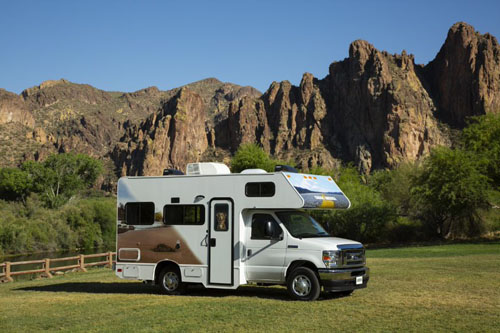
For beginner RVers exploring Anchorage and the wider Alaskan roads, a Class B campervan or a smaller Class C RV, typically ranging from 20-25 feet in length, is often recommended due to their easier maneuverability and parking. Class B campervans, such as the "Active Original" with a 90-liter fresh water tank and a compact footprint of around 5.99 meters, offer comfortable driving experiences akin to a regular full-size van, making them less intimidating for first-time RVers on roads like the winding Seward Highway or when navigating downtown Anchorage streets.
These smaller rigs are easier to park at popular trailheads in Kincaid Park or near scenic overlooks. Smaller Class C RVs, like the "C-Small" with a length of 6.2 meters, provide a good balance of living space, including a compact kitchen and bathroom, and ease of handling, suitable for accessing many state and national park campgrounds without feeling overwhelming. While larger Class A or longer Class C motorhomes (up to 32 feet) offer more amenities and space, their size can be challenging for beginners, especially when backing up or negotiating tight turns. Regardless of size, remember that a standard car driver's license is sufficient for all motorhome classes in Alaska, and the minimum rental age is 21 with no vehicle class restrictions by age.
Drive slowly and carefully, and you can drive almost anywhere without issues. No need to stress - just use common sense and pay attention. For additional vehicle options and more detail, explore our Luxury RV Rental in Anchorage - Premium Prices 2026 for high-end options, or Cheap RV Rental in Anchorage - Budget Guide 2026 if you're looking for something more economical.
What You Shouldn't Miss
Anchorage offers a myriad of experiences perfect for RV travelers, balancing city attractions with easy access to wild landscapes.
- Drive the Seward Highway: Start your adventure immediately after picking up your RV from Anchorage on this All-American Road. This 200 km route from Anchorage to Seward offers stunning Turnagain Arm views, prime wildlife spotting (Dall sheep, beluga whales), and stops like the Alaska Wildlife Conservation Center.
- Explore Chugach State Park: Immerse yourself in the wilderness just outside Anchorage. Eklutna Lake Campground within the park offers glacier views and ample RV-friendly spots. Hike the South Fork of Eagle River trail or bike around Eklutna Lake for breathtaking scenery.
- Visit the Alaska Native Heritage Center: Discover Alaska's rich indigenous cultures at this interpretive center in Anchorage. It's an RV-accessible cultural gem where you can learn about traditional Alaska Native dwellings and arts.
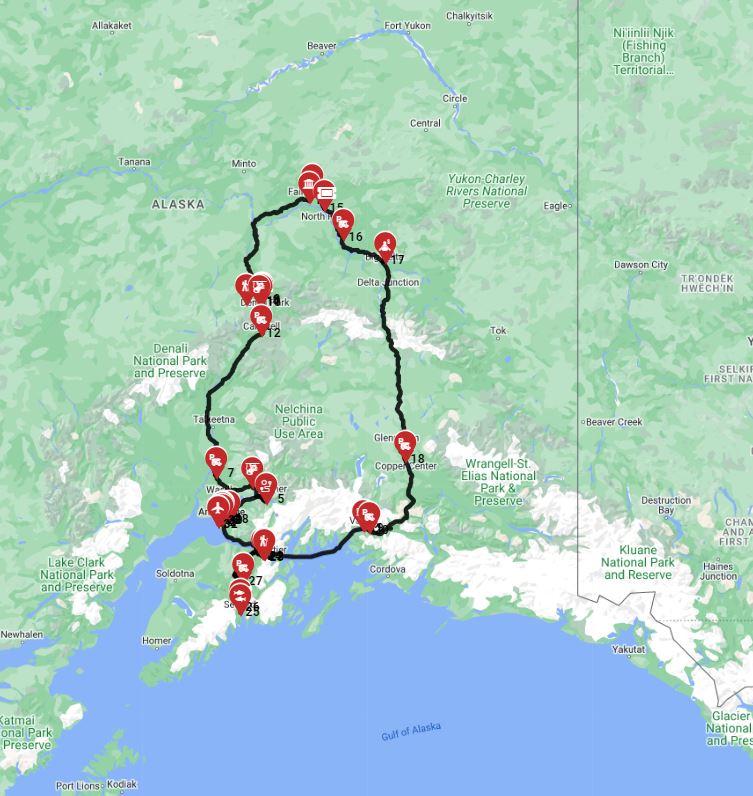
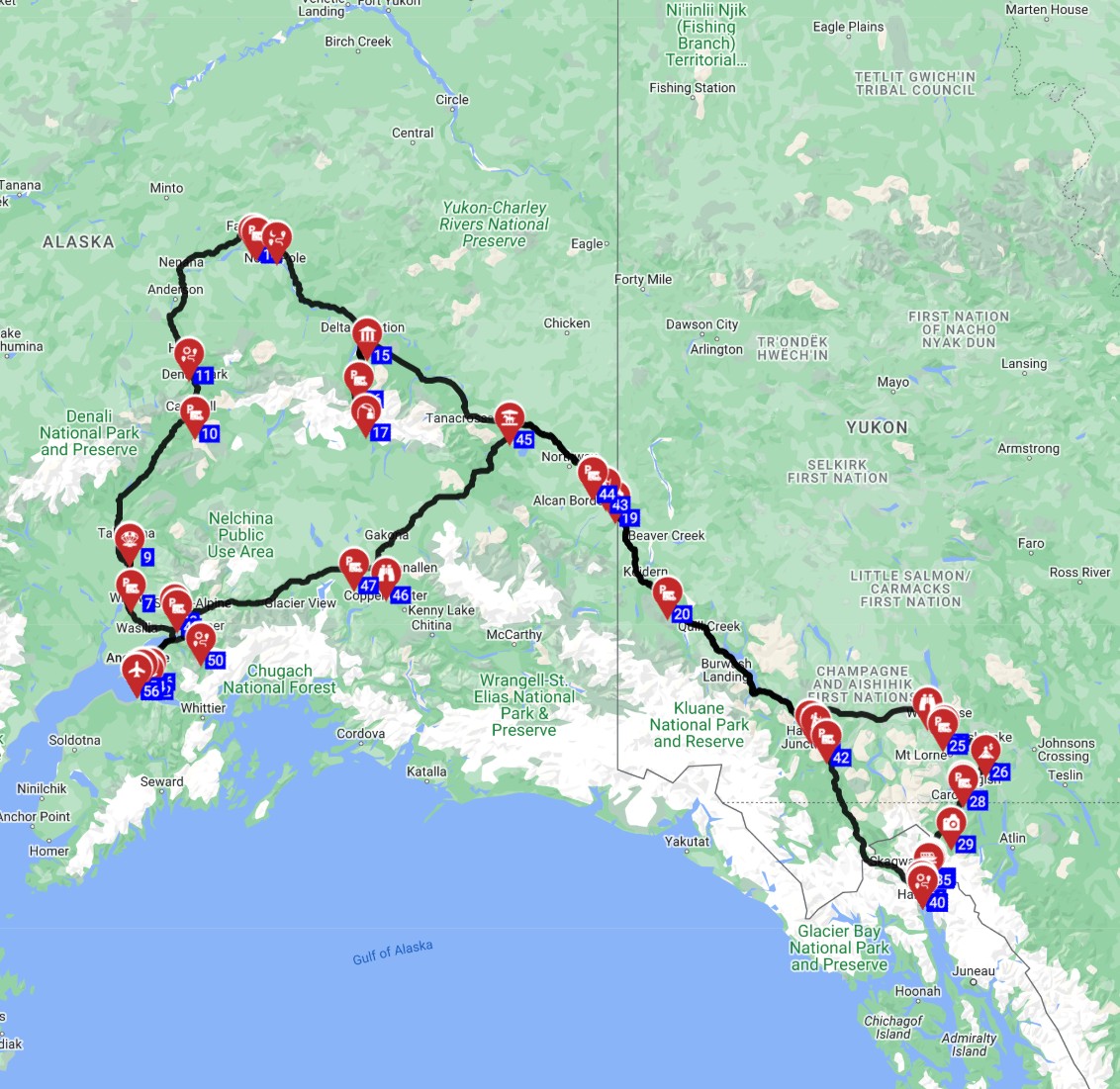
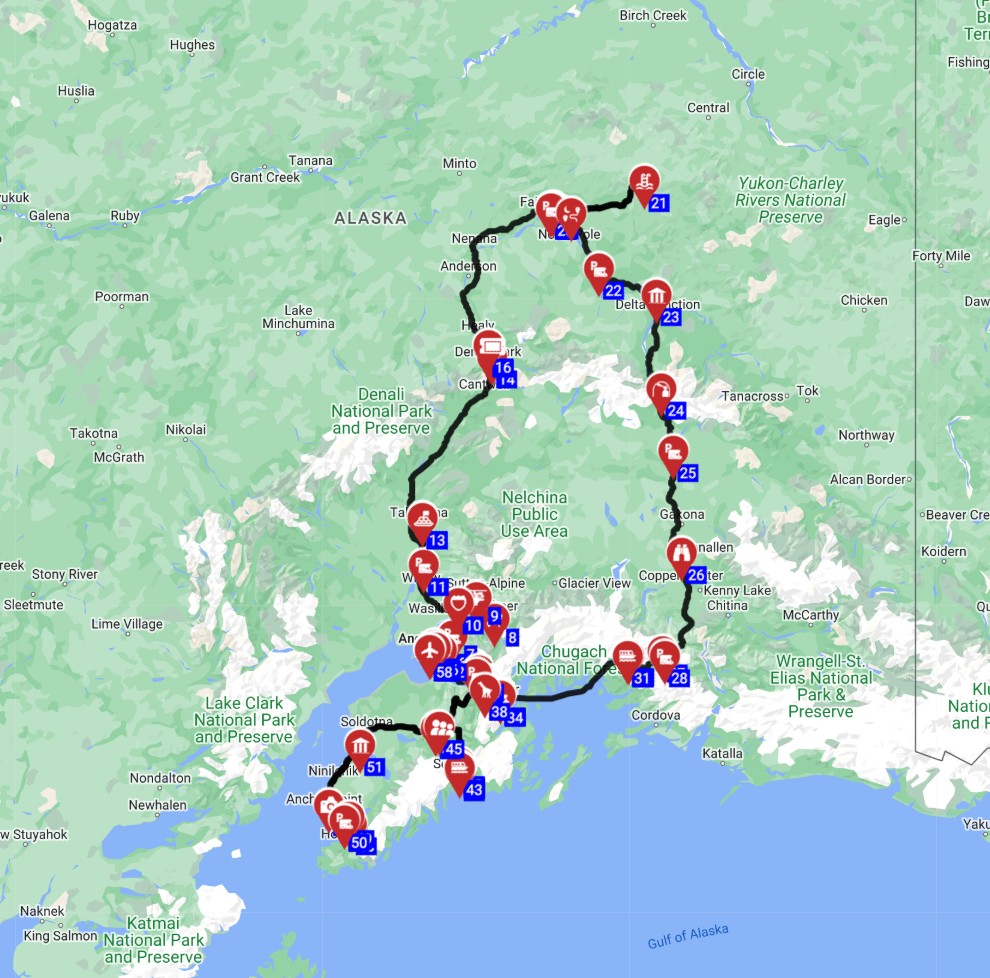
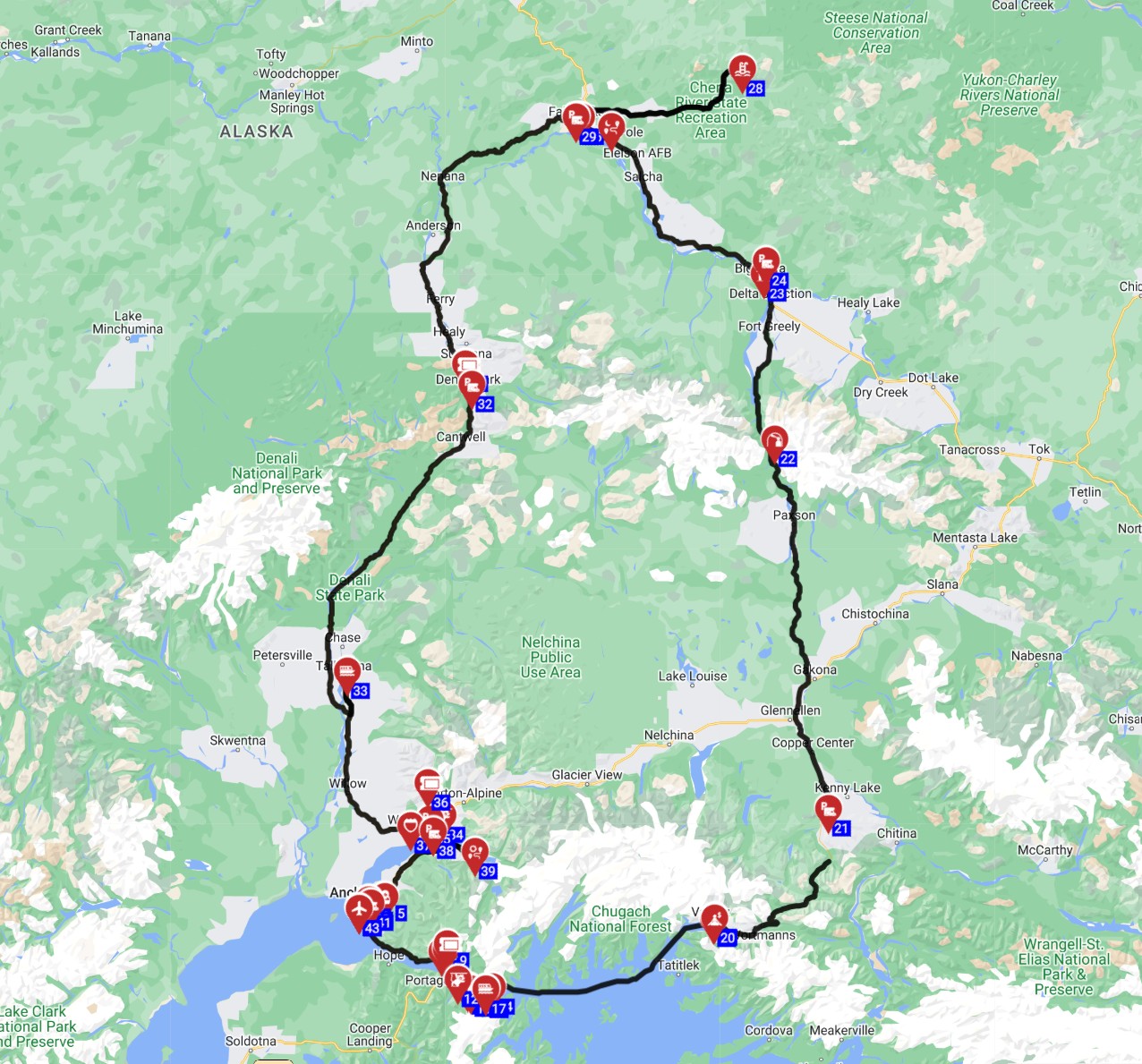
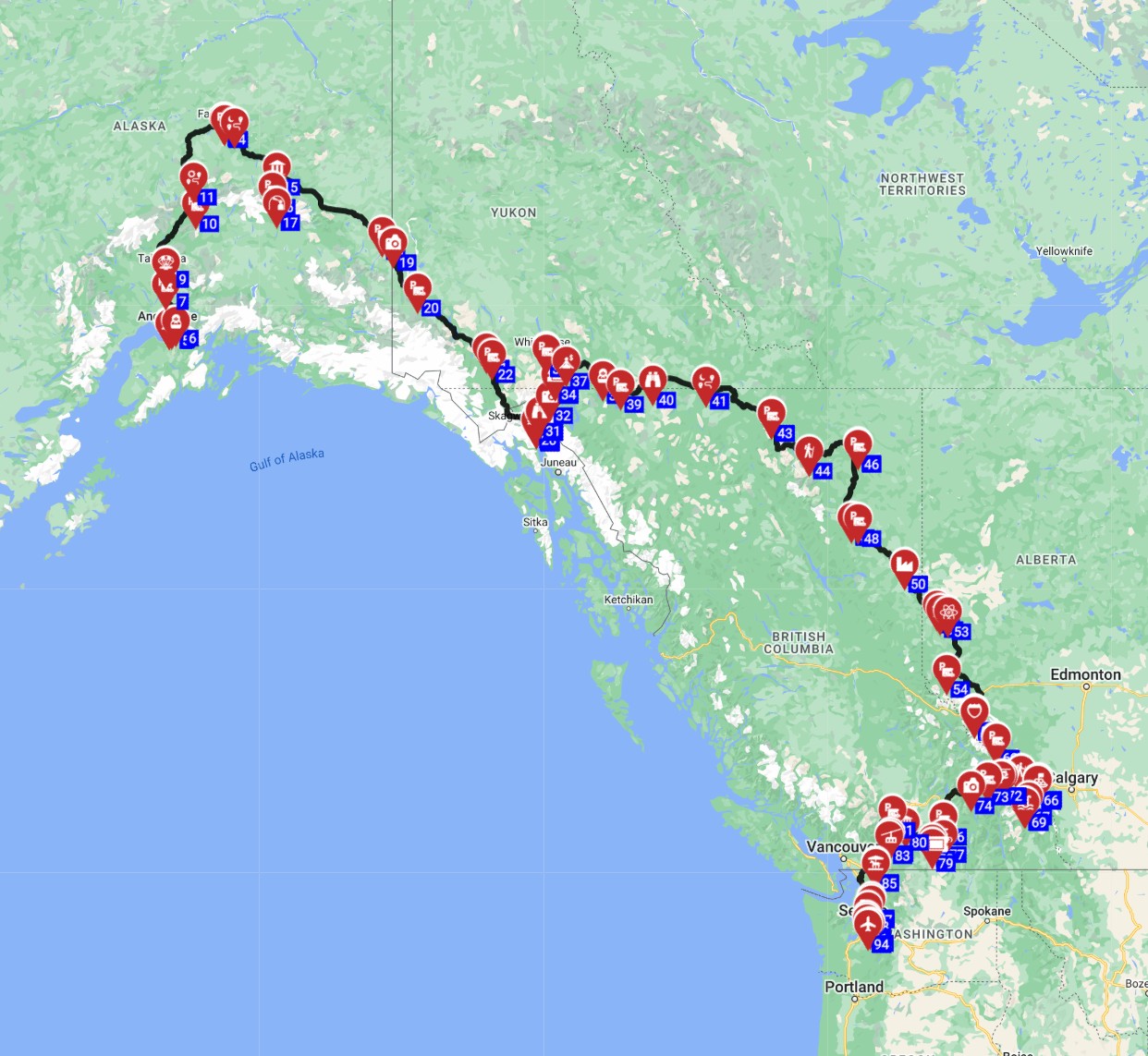
- Glacier & Wildlife Cruise from Whittier or Seward: Take a day trip from your RV base to board a glacier and wildlife cruise. Many tour operators leave from Whittier (accessible via the Anton Anderson Memorial Tunnel) or Seward (at the end of the Seward Highway), offering close-up views of tidewater glaciers and marine animals. RV PLANET offers excellent planned itineraries like the "
" that includes 3 Cruise Terminal / Sailing activities over 23 days.
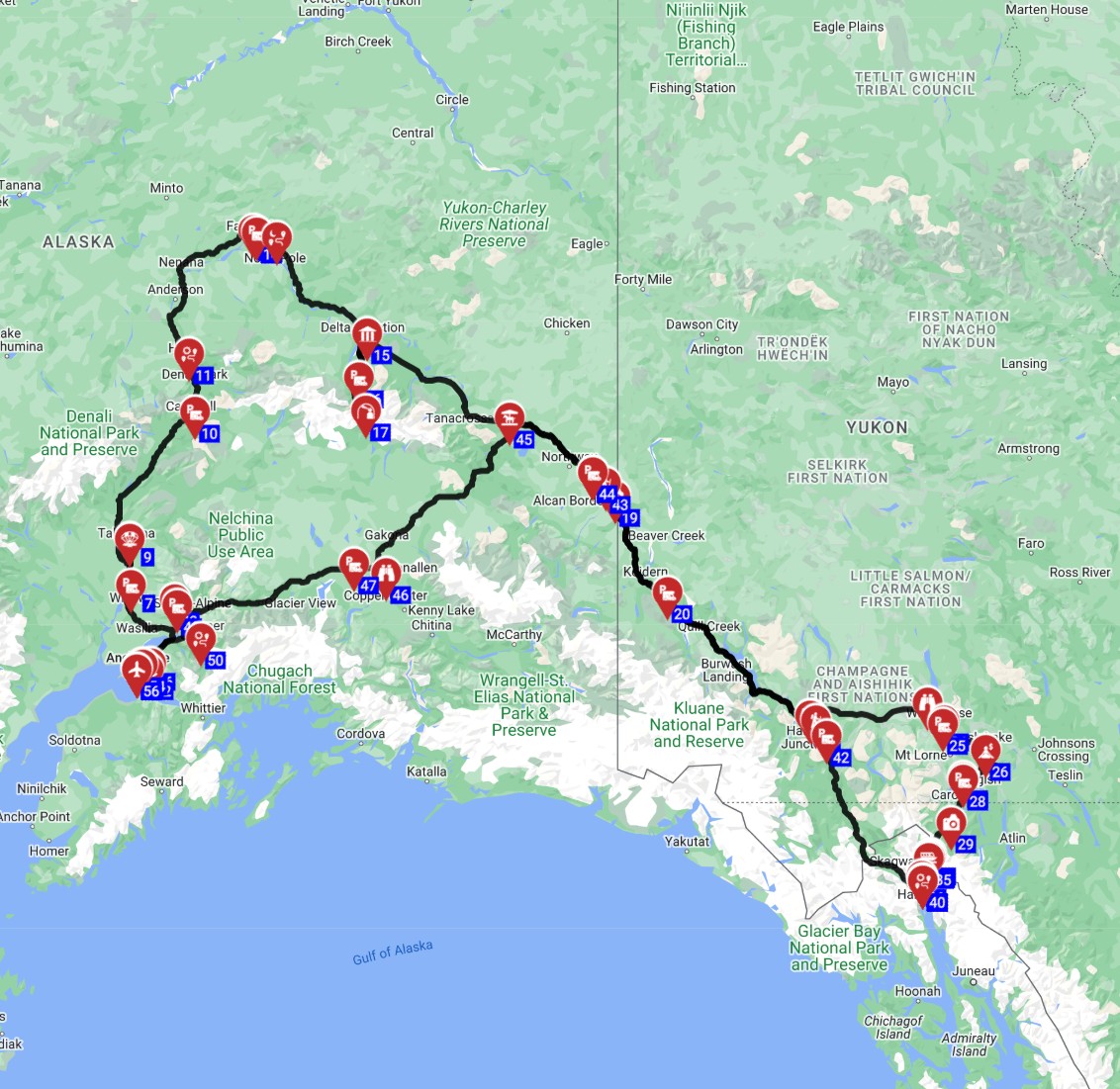 Anchorage Round Trip - Alaska-Yukon Discovery Trail
 - Hike in Kincaid Park: Experience Anchorage's urban wilderness with extensive trail systems perfect for hiking or fat-tire biking. Keep an eye out for urban moose, especially during dawn and dusk. Parking for RVs is available, with easy access to various trailheads.
- Looking for expert insights from Avi Bandana? Top 5 Adventures - recommendations from Avi Bandana: "Make sure to drive a part of the iconic Alaska-Yukon Discovery Trail. RV PLANET's route plan for this 3539.2 km, 23-day journey from Anchorage to Anchorage is packed with 20+ unique attractions, including 3 museums and 3 hiking areas. It's a truly immersive way to see Alaska and Yukon Territory. Alternatively, the "
", a 15-day, 1929.9 km route from Anchorage to Anchorage, features 2 Animals Show / Wildlife watch experiences and 2 hiking areas for those seeking a true wilderness focus."
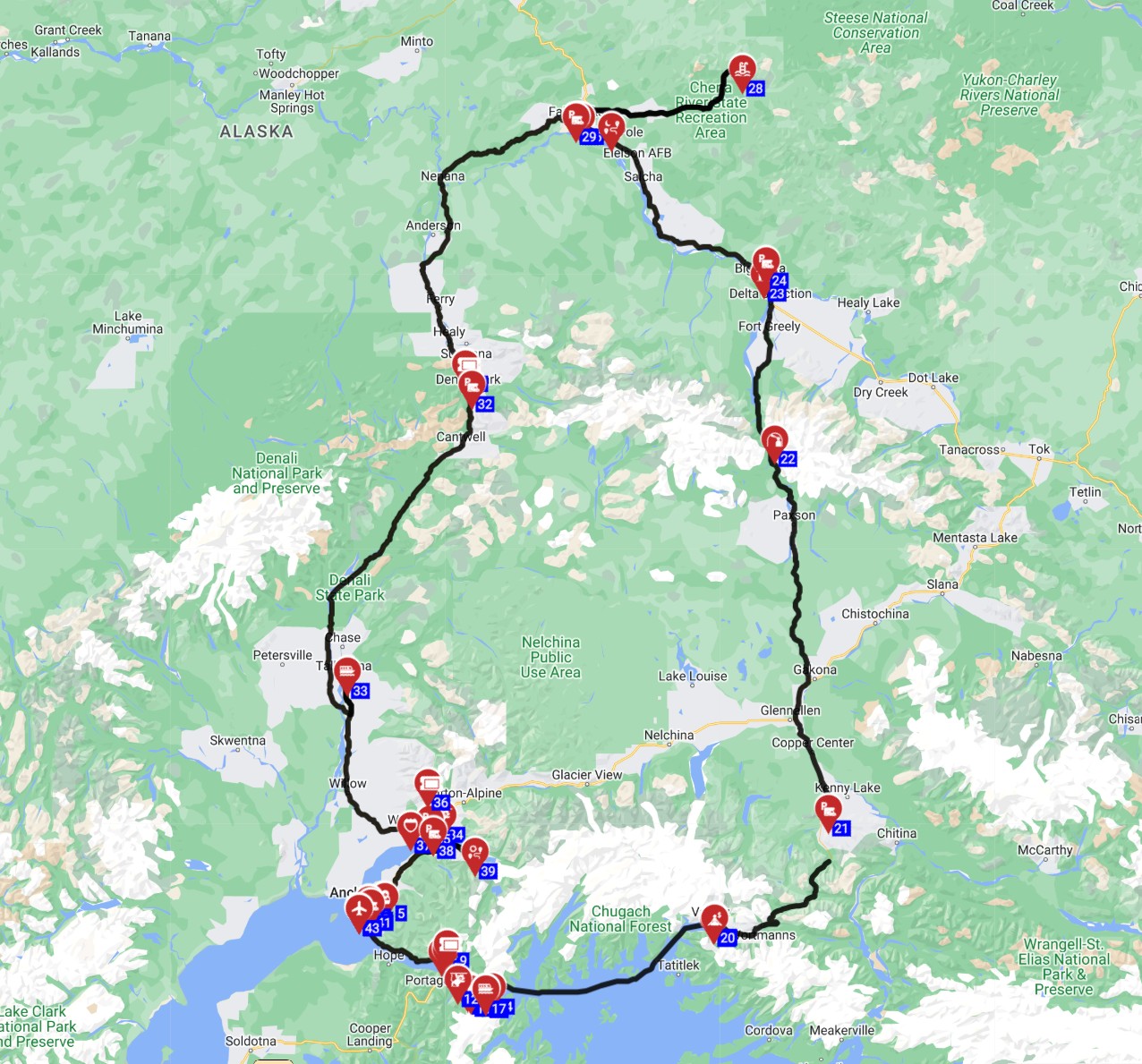 Anchorage Roundtrip Heading North - The Great Alaskan Wilderness Road Trip
Final Thoughts
Embarking on an RV adventure in Anchorage is more than just a trip; it's an opportunity to discover Alaska's majestic wilderness with unmatched freedom and comfort. With these essential tips, you're well-equipped to plan a journey that suits your style, whether you're a couple seeking serene campervan exploration or a family ready for a grand motorhome adventure. Remember, our commitment is to handle the details, so you can focus on living the journey, from your first inquiry to the moment you pick up your keys in Anchorage. We compare final prices across 50+ suppliers, ensuring you find the easiest, safest, and most affordable way to rent an RV.
Imagine waking up to glacier views, cooking breakfast with a backdrop of pristine Alaskan mountains, and having the flexibility to change your itinerary on a whim. That's the magic of an RV rental in Anchorage. We're here to support you before, during, and after your booking, guaranteeing a transparent and joyful experience. Your ultimate Alaskan road trip awaits!
Find Motorhome Rentals in Anchorage