In This Guide
- Top 5 Tips for RV Rental Deals in Africa
- Before You Book - Class, Dates, Insurance
- Pre-Trip Prep - Packing Checklist for Africa
- On the Road - Driving, Fueling, Navigation
- At the Campground - Setup, Hookups & Etiquette
- RV Rental Deals-Specific Tips for Africa
- Common Mistakes to Avoid in Africa
- What is the 3-3-3 rule for RV living?
- What is the 4-4-4 rule for RV travel?
- What is the cheapest way to rent an RV?
- Is it cheaper to rent an RV or stay in a hotel?
- What is the 2-2-2 rule for RV?
- How much would it cost to rent an RV for 1 week?
- What do I need to know before traveling to South Africa?
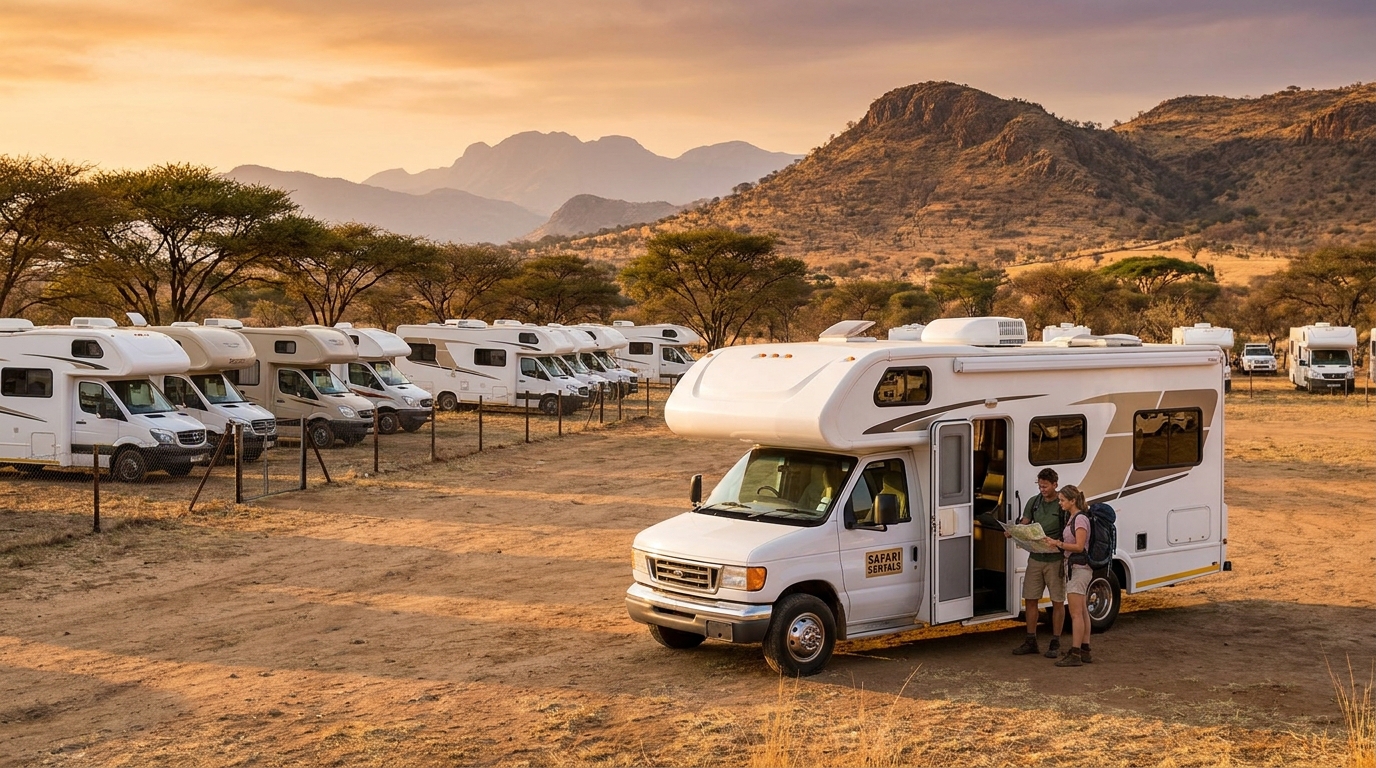
Embarking on a rented RV adventure across Africa is an unparalleled way to experience its breathtaking landscapes and vibrant cultures. Imagine the freedom of waking up to the sounds of the wilderness, or savoring a home-cooked meal with an incredible sunset as your backdrop. At Bandana RV, we’re true RV specialists who genuinely love helping people discover this unique way to travel. For live availability and current prices, start with our RV Rental Africa - Complete Guide 2026 guide. We provide full transparency with no hidden fees and real people to support you before, during, and after your booking, ensuring your African road trip is nothing short of epic.
Top 5 Tips for RV Rental Deals in Africa
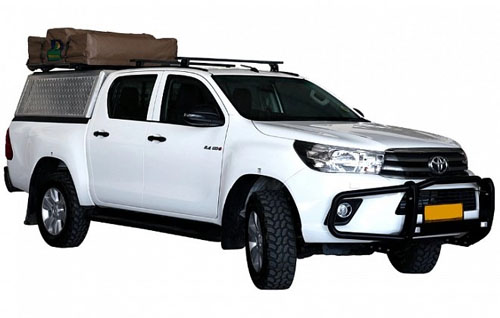
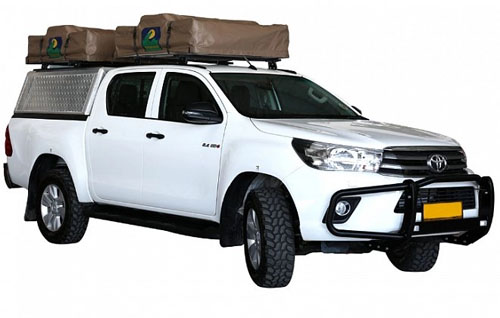
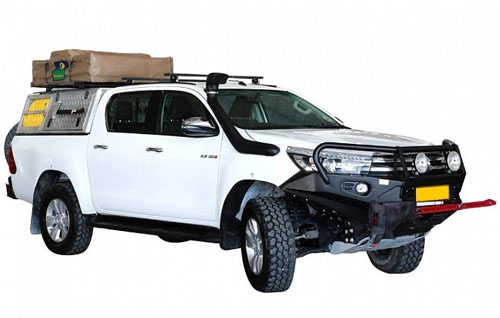
Securing the best RV rental deals in Africa requires thoughtful planning and an understanding of local conditions. Our first tip is always to book well in advance, especially for peak seasons like the dry months from June to October, to lock in better rates and ensure your preferred vehicle type, whether a spacious "Euro Deluxe" Class C motorhome (with 3 double beds) or a compact "Active Bunk Auto" campervan, is available. Next, consider a 4x4 camper or a robust motorhome suitable for diverse African terrains, as much of your journey might take you off paved roads; a vehicle with 4 Wheel Drive capabilities and strong suspension is a significant advantage.
Third, factor in all ancillary costs, including mileage packages, comprehensive insurance, cross-border fees (if planning to visit multiple countries like Namibia, Botswana, or South Africa), and national park permits; on RV PLANET routes, you can itemize and track every expense for easy budgeting. Fourth, familiarize yourself with local driving conditions and specific safety protocols, particularly for wildlife areas where slow driving and vigilance are paramount. Finally, pack versatile clothing and essential gear, such as a first-aid kit, water purification, and satellite communication for truly remote excursions, ensuring you're prepared for any adventure Africa throws your way. On the routes offered through RV PLANET routes, you can itemize and track every expense along the way for easy budgeting.
Before You Book - Class, Dates, Insurance
Choosing the right RV class for an African adventure involves assessing the terrain you plan to cover. While Class B campervans like a "2 Berth Hi Top" with Automatic transmission are excellent for couples on paved routes, 4x4 campers or robust Class C motorhomes such as the "Patagonia Camper 4x4 double cab" are often ideal for varied conditions, including gravel and dirt roads common in national parks.
Locking in rental dates typically 6-12 months ahead can yield better RV rental deals and ensure vehicle availability, especially during dry seasons (June-October) when demand is high. However, don't stress if you're a spontaneous traveler; many national and state parks reserve 25-30% of spots as first-come-first-serve, meaning you can often find a place to stay even without long-term reservations. Always call ahead before driving if you're not sure. Basic insurance is always included; to see prices including the most comprehensive coverage, select that option during your search, which is crucial for peace of mind in African travel.
Pre-Trip Prep - Packing Checklist for Africa
A comprehensive packing list for African RV travel is essential for a smooth journey. This includes adaptable layered clothing for varying day-to-night temperatures, essential kitchen items for self-catering, critical safety gear, and all necessary travel documents. Consider packing light, breathable, long-sleeved clothing to protect against sun and insects.
For your rented motorhome's kitchen, think about an RV-friendly recipes playlist to make the most of your on-board refrigerator and gas stove. Safety and recovery gear, such as a robust first-aid kit, a reliable GPS with offline maps, a satellite phone for remote areas, and basic repair tools, are highly recommended for remote African destinations. Crucial documents include passports, any required visas, your standard car driver's license (an International Driving Permit (IDP) is strongly recommended), vehicle carnets (if required for specific countries), vaccination records, and comprehensive travel insurance details. Being prepared ensures a more relaxed and enjoyable trip.
On the Road - Driving, Fueling, Navigation
Driving a rented motorhome in Africa requires vigilance and adaptability due to varied road conditions. Drive slowly and carefully, and you can drive almost anywhere without issues; no need to stress-just use common sense and pay attention to speed limits, which can fluctuate, and watch for unexpected obstacles like wildlife, livestock, and pedestrians. Roads can range from paved highways to gravel and dirt tracks, especially when venturing into national parks or remote areas.
Reliable fueling in Africa involves planning your routes carefully to ensure access to fuel stations, particularly in vast, remote regions. It's always wise to carry extra fuel in jerry cans if your itinerary includes extended stretches without services. Navigation is best managed with a combination of reliable GPS, crucially with offline maps downloaded, traditional paper maps as a backup, and valuable local advice on current road conditions, which can change rapidly due to weather. Cellular signal can be intermittent in many areas, making offline resources invaluable for your RV rental adventure.
At the Campground - Setup, Hookups & Etiquette
Upon arrival at an African campground with your rented RV, your first steps should be to check in at reception, observe the site layout, and select a level parking spot. Prioritize safety and ensure a clear exit path, especially in unfenced wildlife areas where unexpected animal visitors are part of the charm.
Hooking up utilities generally follows a standard order: first connect to electricity (if available), then water, and finally sewage (if your rented motorhome has hookup capabilities and the site offers it), ensuring all connections are secure and leak-free. Campground etiquette in Africa emphasizes respect for the natural environment and fellow campers. This includes observing quiet hours (typically 10 PM to 7 AM), minimizing noise, properly disposing of all waste, and being acutely mindful of wildlife presence by securing food and keeping a safe distance from animals. Remember, you're a visitor in their home!
RV Rental Deals-Specific Tips for Africa
Finding the right RV rental deals in Africa depends largely on your travel style and group size. For families, choosing a Class C motorhome like the "Family Sleeper (FS)" (a 6-berth model with a fresh water tank of 167 liters) provides ample sleeping and living space, and planning shorter daily drives of max 100-150 km per day allows for spontaneous stops and accommodates children's breaks. Senior travelers will appreciate ergonomic RV designs, automatic transmissions for easier driving, and pre-booking campsites with full amenities for enhanced comfort.
Budget travelers can find excellent RV rental deals by opting for older, more compact campervans like a "2 Berth Sandpiper", traveling during shoulder seasons (e.g., May or November), utilizing designated free overnight parking spots where safe and permitted, and extensively self-catering meals in their RV's kitchen to save on dining costs. Luxury seekers can enhance their African RV adventure with premium Class A motorhomes, adding features like satellite internet, upgraded kitchen facilities, and pre-arranged guided excursions through platforms like RV PLANET for a truly bespoke experience. We compare final prices across 50+ suppliers so you don't have to, ensuring you find the perfect fit for your African journey.
Common Mistakes to Avoid in Africa
To ensure a smooth RV rental trip in Africa, avoid underestimating driving times. Always allow extra hours for unexpected delays, widely varied road conditions (from paved to deeply rutted dirt tracks), and irresistible scenic stops that demand your attention, especially when traversing long distances or unpaved roads. Don't neglect daily vehicle checks; perform inspections of tires, fluid levels, and overall vehicle condition, particularly before heading into remote areas where assistance is scarce.
Ignoring local advice is another common mistake; engage with locals and campground managers for up-to-date information on road conditions, safety, and wildlife sightings, as their insights are invaluable. Rather than over-scheduling your itinerary, build in flexibility for spontaneous discoveries, unexpected detours, and relaxing days to truly immerse yourself in the African experience. Lastly, never overlook health precautions for Africa; ensure all recommended vaccinations are current, pack comprehensive medical supplies for your rented RV, and understand malaria prevention strategies before visiting risk areas like Kruger National Park. Being proactive in these areas will lead to a more enjoyable and stress-free adventure.
What is the 3-3-3 rule for RV living?
The 3-3-3 rule for RV living suggests traveling no more than 300 miles (approximately 480 km) a day, arriving at your destination by 3 PM, and staying for at least 3 nights. This guideline promotes a relaxed travel pace, allowing ample time for sightseeing, setting up camp, and enjoying each location without rushing. While applicable in Africa, diverse road conditions, wildlife encounters, and specific campsite booking requirements might necessitate adjusting daily mileage or arrival times to prioritize safety, especially for reaching your destination before dark.
What is the 4-4-4 rule for RV travel?
The 4-4-4 rule for RV travel recommends limiting your drive to 4 hours per day, parking your RV by 4 PM, and staying at least 4 days at each campsite. This rule, similar to the 3-3-3 rule, aims to reduce driving fatigue and allow for deeper exploration of destinations. In the context of African RV travel, adhering to such a rule can be highly beneficial for safety, particularly to avoid night driving which can be hazardous due to wildlife, livestock, and unlit roads, ensuring you settle into your campsite well before sunset.
What is the cheapest way to rent an RV?
The cheapest way to rent an RV in Africa often involves booking well in advance during the off-peak or shoulder seasons, typically outside of major holidays and school breaks (e.g., May or November), where daily rates can start from $100 USD. Opting for smaller, older RV models or campervans that consume less fuel, like a "Paradise Family 5" with a 70 Liter fuel tank, can significantly reduce overall costs. Comparing prices from multiple rental companies like Apollo and Britz on a platform like Bandana RV, and checking for relocation deals (where available), can also uncover great RV rental deals.
Is it cheaper to rent an RV or stay in a hotel?
Renting an RV in Africa can often be more cost-effective than staying in hotels, especially for longer trips or larger groups of 4-6 people, as it combines accommodation and transport into one expense. RV travel offers significant savings on food by allowing for self-catering, utilizing a kitchen with a refrigerator and gas stove for meals, thus avoiding expensive restaurant meals common with hotel stays. However, when comparing, remember to factor in all RV-related expenses: rental fees, comprehensive insurance (optional upgrade to top-level deductible is recommended), fuel (which can be substantial with average consumption of 10-25 Liters/100 km), campsite fees, and potential cross-border charges or national park permits. The value proposition of RV travel in Africa often extends beyond pure cost savings, offering unmatched freedom, immersion in nature, and access to remote areas that traditional hotels cannot provide.
What is the 2-2-2 rule for RV?
The 2-2-2 rule for RV travel suggests driving no more than 200 miles (approximately 320 km) a day, stopping every 2 hours for a break, and arriving at your destination by 2 PM. This rule is designed for maximum safety and comfort, particularly for new RVers or those driving in challenging conditions like those found in Africa. Frequent breaks help maintain driver alertness, which is crucial on long African drives, and arriving early allows ample time to settle in, explore the campground, and prepare for sunset activities, adding to a stress-free experience.
How much would it cost to rent an RV for 1 week?
The cost to rent an RV for a week-long adventure in Africa varies significantly based on vehicle type, season, rental company, and specific country. Expect weekly rental prices to range from approximately $700-$2000 USD for a basic 4x4 campervan like a "2 Person 4WD Camper" to $2500-$5000+ USD for larger, more luxurious motorhomes like a "6 Berth Deluxe". This estimate typically includes the base rental fee but excludes additional costs such as insurance upgrades, mileage fees, cross-border permits (potentially $50-$200 per border crossing), national park fees (ranging from $20-$100 per person per day), fuel, and campsite charges, which can add another $500-$1500 to your total trip cost. To find RV rental deals, consider booking during shoulder seasons (e.g., May, November) and comparing options on platforms like Bandana RV.
What do I need to know before traveling to South Africa?
Before traveling to South Africa with a rented RV, it's essential to research visa requirements, ensure your passport has at least 6 months validity, and obtain an International Driving Permit (IDP) even if not mandatory, as it is highly recommended. Health preparations include consulting a doctor for recommended vaccinations (such as Yellow Fever if coming from an endemic country) and discussing malaria prevention strategies if visiting risk areas like Kruger National Park.
Familiarize yourself with local safety and security protocols, especially in urban areas and national parks, including advice on avoiding night driving due to wildlife and varying road conditions. Understanding local infrastructure is vital: know where to find reliable fuel stations (many have attendants to assist), water sources, and potential repair services, especially when venturing into remote regions. Finally, be aware of cultural sensitivities and responsible tourism guidelines to interact respectfully with local communities and minimize your environmental impact while enjoying South Africa's diverse landscapes and wildlife.
What You Shouldn't Miss
- Safari in Kruger National Park, South Africa: Experience iconic wildlife viewing from your rented motorhome, seeing the "Big Five" (lion, leopard, elephant, rhino, buffalo) up close. Many campgrounds like Skukuza Rest Camp offer full amenities.
- Exploring the Skeleton Coast, Namibia: Drive a 4x4 camper along remote, dramatic coastal roads, encountering unique desert-adapted wildlife and haunting shipwrecks.
- Okavango Delta Mokoro Trip, Botswana: Park your RV at a nearby campsite and take a traditional dugout canoe safari for a serene water-based wildlife experience.
- Garden Route Adventure, South Africa: A stunning coastal route, perfect for a Class C motorhome, offering diverse landscapes from lush forests to golden beaches, with plenty of charming towns to explore.
- Victoria Falls, Zambia/Zimbabwe: Witness the awe-inspiring spectacle of the world's largest waterfall. RV camping is available at nearby Livingstone, Zambia or Victoria Falls Town, Zimbabwe.
Looking for expert insights from Avi Bandana? Top 5 Adventures - recommendations from Avi Bandana
Final Thoughts
Exploring Africa with a rented RV is an adventure of a lifetime, offering unparalleled freedom and immersion in nature and culture. By leveraging these expert tips, you're well-equipped to find the best RV rental deals in Africa and plan a journey that's both exhilarating and stress-free. Remember, Bandana Caravan is with you every step of the way, from comparing prices across suppliers to ensuring you have all the support you need.
Imagine yourself traversing breathtaking landscapes, encountering incredible wildlife, and connecting with local communities—all from the comfort of your own mobile home. Don't just dream about it; make it a reality. Discover top destinations, planning tips, all in one place and start planning your epic African RV adventure now.
Are you ready for your unforgettable African road trip? Compare RV Rental Prices for Africa now and let the adventure begin!