In This Guide
- Top 5 Tips for RV Rental in Africa
- Before You Book - Class, Dates, Insurance
- Pre-Trip Prep - Packing Checklist for Africa
- On the Road - Driving, Fueling, Navigation
- At the Campground - Setup, Hookups & Etiquette
- RV Rental-Specific Tips for Africa
- Common Mistakes to Avoid in Africa
- What is the 3 3 3 rule for RV travel?
- What is the 4 4 4 rule for RV?
- What are the drawbacks of renting an RV?
- What not to forget on an RV trip?
- How much is a 1 week RV rental?
- Can you camp in Africa?
- What are some good travel tips for Africa?
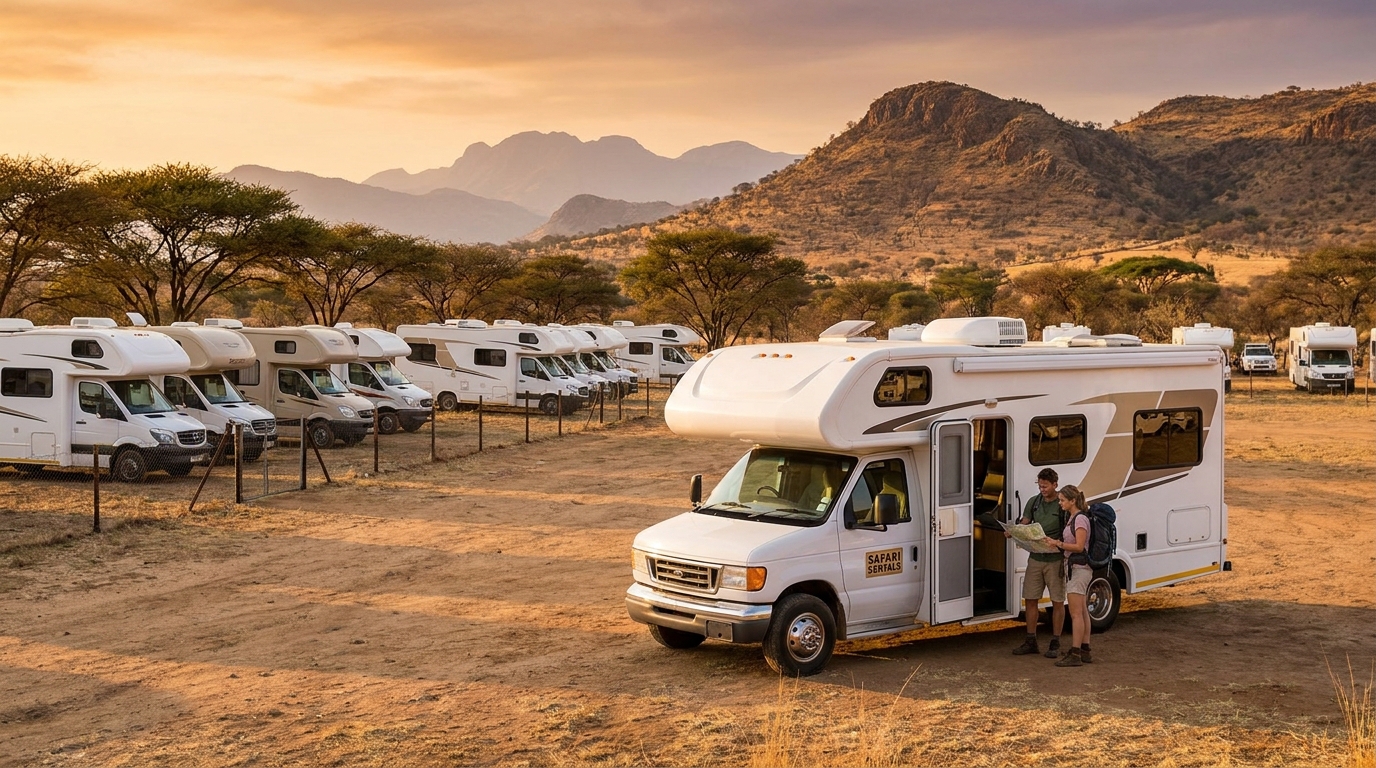
An RV rental in Africa promises an unparalleled adventure, offering the freedom to explore vast landscapes, incredible wildlife, and diverse cultures at your own pace. Imagine waking up to the sounds of the savanna in Namibia or enjoying a seaside breakfast in Morocco, all from the comfort of your mobile home. With Bandana RV, we believe in empowering your journey with transparent information and unwavering support, ensuring your African road trip is nothing short of spectacular. For live availability and current prices, start with our RV Rental Africa - Complete Guide 2026 guide.
Top 5 Tips for RV Rental in Africa
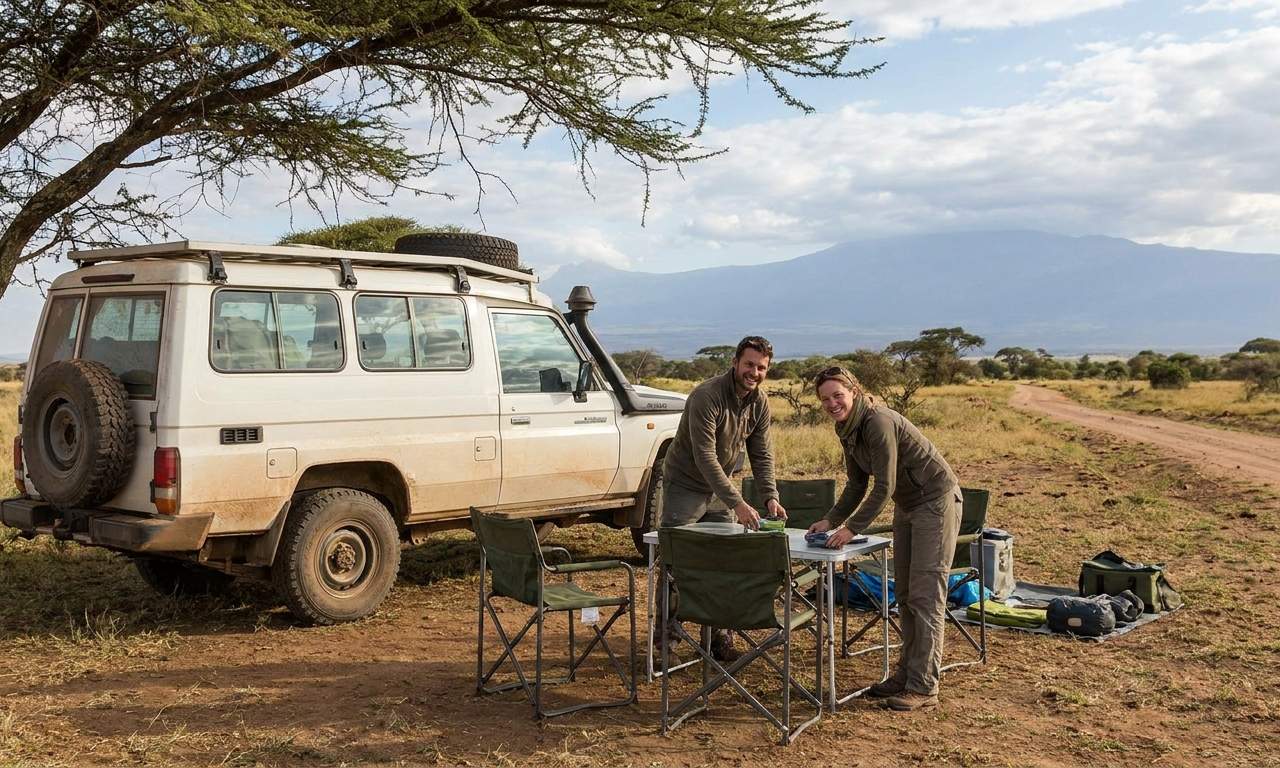
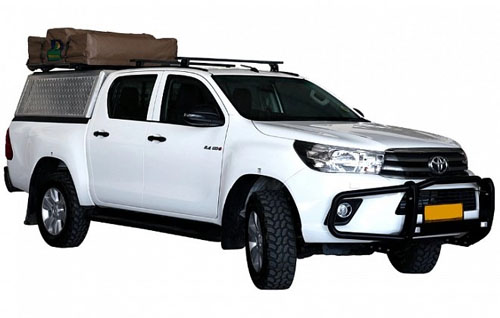
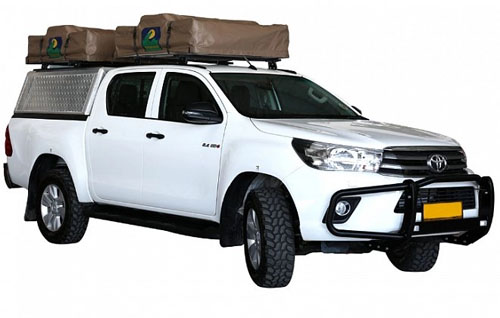
Prioritizing a 4x4 camper is crucial for many African RV routes, as varied terrains and remote access points often demand robust off-road capability. Renting a 4x4 motorhome or campervan, such as a "Patagonia Camper 4x4 double cab" or "2 Person 4WD Camper", ensures you can confidently navigate unpaved roads and access essential national parks like Etosha in Namibia or Chobe in Botswana.
Obtaining all necessary permits, visas, and an International Driving Permit (IDP) well in advance is essential for multi-country trips and national park access in Africa. While a standard car driver's license is sufficient for all motorhome classes, an IDP is highly recommended for visitors from non-English speaking countries to facilitate smooth interactions with local authorities across regions like South Africa, Zambia, and Zimbabwe.
Planning for off-grid living is a key aspect of RV travel in many remote African destinations; understanding water sourcing, purification, and reliable power management for remote camping will significantly enhance your experience. A mobile home equipped with a robust water tank (e.g., 100 Liter fresh water tank common in many RVs) and ample battery capacity or solar panels is invaluable.
Researching region-specific safety protocols, including wildlife encounter guidelines and local security considerations, is paramount for a safe African adventure. Always respect wildlife, never feed animals, and keep all food secured in your rented camper, especially when visiting areas like Kruger National Park in South Africa or the Serengeti in Tanzania.
Embracing cultural sensitivity by learning basic local phrases and respecting community customs will enrich your travel experience and foster positive interactions throughout your journey across diverse African nations like Morocco or Mozambique.
Before You Book - Class, Dates, Insurance
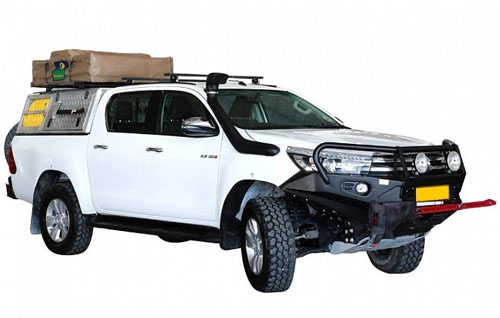
Choosing the right RV class for an African adventure often means opting for a robust 4x4 camper, which is essential for navigating unpaved roads and accessing many national parks, as standard motorhomes may limit your route options. Vehicles like the "4x4 Truck Camper Gold" or a "Discovery - 5 berth motorhome" are designed to handle challenging conditions, providing both comfort and capability.
Locking in your RV rental dates as early as possible is wise, particularly if traveling during peak seasons, such as the dry season for wildlife viewing (May-October in East Africa, June-November in Southern Africa), to ensure availability and potentially secure better rates. Booking 3-6 months ahead can offer an average saving of 15-20% on your RV rental in Africa. Bandana, founded in 2001, has over two decades of experience helping tens of thousands of travelers explore the world by RV, providing insights into optimal booking times.
Regarding insurance options, basic insurance is always included with your rental. To see prices including the most comprehensive coverage, select that option during your search; then all relevant insurance options will be shown. For travel in Africa, consider upgrading to a top-level deductible for extra peace of mind, especially given varying road conditions and remote locations. This optional upgrade can protect you from significant out-of-pocket expenses in case of unexpected events.
Pre-Trip Prep - Packing Checklist for Africa
Preparing a comprehensive packing checklist tailored for an African RV trip is crucial for comfort and safety, covering everything from clothing to essential safety gear. For instance, a rented motorhome typically includes basic kitchenware, bedding, and a fresh water tank, often around 80-150 liters, but personal items and specific gear are your responsibility.
When it comes to clothing, lightweight, breathable layers are best, with long sleeves and pants providing protection from the sun and mosquitoes, a wide-brimmed hat, sturdy closed-toe shoes, a swimsuit, rain gear, and a warm jacket for cool evenings, especially in desert or high-altitude regions. For cooking on board, our RV-friendly recipes playlist offers great ideas.
For your kitchen inside a Class C motorhome or campervan, pack basic cooking utensils, non-perishable food items, a reliable water filter or purifier, a cooler (in addition to the built-in fridge), reusable water bottles, and coffee/tea supplies. Don't forget that on RV PLANET routes, travelers can itemize and track every expense, including groceries, along the way for easy budgeting. On the routes offered through RV PLANET routes, you can itemize and track every expense along the way for easy budgeting.
Safety essentials should include a comprehensive first-aid kit (with any necessary anti-malaria pills if advised for your route), strong insect repellent, high SPF sunscreen, a satellite phone or reliable GPS device for remote areas, spare tires, and a basic repair kit for minor vehicle issues. Many "4x4 Camper B - TYR" models come equipped for rugged travel.
Documents are paramount: ensure you have your passport, all required visas, an International Driving Permit, your RV rental agreement, comprehensive travel insurance details, photocopies of all important documents (stored separately), sufficient local currency, and any relevant permits for national parks or border crossings, especially when considering a one-way RV rental in Africa through countries like South Africa to Namibia.
On the Road - Driving, Fueling, Navigation
When driving a rented RV in Africa, expect diverse road conditions ranging from well-maintained highways to unpaved, corrugated, or sandy tracks, frequently requiring cautious driving and often a 4x4 vehicle. Drive slowly and carefully, and you can drive almost anywhere without issues. No need to stress - just use common sense and pay attention, especially with a larger Class A motorhome like the "MHLUX" with a length of 10.7 meters.
Fueling requires strategic planning, particularly in remote areas where fuel stations can be scarce; always refuel when possible and consider carrying extra jerry cans, especially in countries like Namibia or Botswana where distances between services can be extensive. Fuel costs are dynamic, just like rental prices, and represent a significant ancillary expense for any RV trip in Africa.
Navigation is best managed with a combination of reliable GPS (downloaded offline maps are essential), up-to-date physical maps, and local advice, as cell service can be intermittent or nonexistent outside major towns. For pre-planned routes, RVPLANET (rvplan.net) offers detailed itineraries that can be invaluable for navigation, covering over 1,300 routes across 5 continents.
At the Campground - Setup, Hookups & Etiquette
Upon arriving at an African campground, the RV setup process generally involves finding a suitable spot, leveling your rented vehicle, and connecting hookups if available. Many popular campsites in South Africa, such as those in Kruger National Park, offer electrical hookups and fresh water access.
Hookup order typically begins with connecting the sewer hose (if applicable) first, followed by the fresh water hose, and then electricity, ensuring all connections are secure and leak-free. A standard Class C motorhome like the "cruise america rv rental example Explorer" has a fresh water tank of 82 liters and a waste water tank of 82 liters, requiring proper management.
Campground etiquette in Africa includes respecting quiet hours, being especially mindful of wildlife (never feed animals and always keep food secured in your campervan to avoid attracting scavengers), managing waste responsibly by utilizing designated bins, and showing courtesy to fellow campers and local staff. Remember, many national parks and state parks reserve only 25-30% of their spots for advance bookings, with the rest being first-come-first-serve, so you'll find a spot; if not at the first campground, then the next one, but call ahead before driving.
RV Rental-Specific Tips for Africa
For families traveling with a rented motorhome, plan routes with manageable daily driving distances, ideally no more than 100-150 km per day, to allow for breaks and kid entertainment, and ensure your RV has adequate sleeping arrangements and shaded outdoor space. A 6-berth motorhome, for instance, might offer "3 double beds" perfect for a larger family, like the "Euro Deluxe" model.
For seniors, consider an RV class with easier access and amenities for comfort, and prioritize routes with established campsites and medical facilities nearby. Many Class C motorhomes offer comfortable, accessible layouts for a more relaxed trip.
Budget-conscious travelers can save by utilizing free overnight spots where permitted (always research local regulations beforehand) and cooking most meals in their rented RV, focusing on local markets for groceries. Options like a smaller "Camper Van" or "Active Pop Top" can be more economical on fuel, which can consume around 11-14 liters/100 km depending on the vehicle and terrain.
Luxury travelers might opt for premium RV models with advanced amenities, such as a "Class A - Thor ACE 30" which often includes slide-outs for extra space, and consider adding curated excursions or private guides through your rental company for enhanced experiences. Bandana partners with 50+ leading RV suppliers worldwide, including Apollo and Britz, to offer a wide range of vehicles to suit every style.
For adventurous types, prioritizing a rugged 4x4 camper capable of off-road conditions is paramount, and planning for extended periods off-grid with robust water and power management systems is essential. The "4x4 Camper B - THOR" is an example of a well-equipped vehicle for such journeys, featuring a 40-liter fresh water tank and a 70-liter fuel tank for extended trips into the wild.
Common Mistakes to Avoid in Africa
Underestimating driving distances and road conditions is a common mistake for RV renters in Africa; instead, allocate more travel time than initially planned and choose a vehicle specifically suited for varied terrains, such as a 4x4 campervan. Remember, slow travel, averaging a maximum of 100-150 km per day, allows for a richer experience.
Ignoring local advice or safety warnings can be perilous; instead, engage with locals, seek recommendations from seasoned travelers, and always heed guidance from park rangers or reputable sources regarding road conditions, wildlife, and community interactions.
Failing to secure proper permits and visas in advance can seriously interrupt your trip; instead, meticulously research and acquire all necessary documentation for each country and national park you plan to visit, including any specific vehicle permits for national parks, which can sometimes save up to 25% on entry fees if purchased as part of a package.
Neglecting off-grid preparation, such as water purification and adequate power management, can lead to discomfort in remote areas; instead, invest in reliable systems and carry adequate supplies of water (beyond the RV's 100-150 liter tank capacity) and ensure your power source (e.g., solar or generator) is fully functional for prolonged stays.
Disregarding cultural etiquette can cause offense; instead, educate yourself on local customs and strive for respectful interactions with communities. This approach will significantly enhance your experience and foster positive relationships throughout your rented RV journey.
What is the 3 3 3 rule for RV travel?
The 3-3-3 rule for RV travel recommends driving no more than 300 miles (approximately 480 km) a day, arriving at your destination by 3 PM, and staying for at least 3 days. This guideline, while often applied to North American travel, is a useful principle for any RV adventure, especially in Africa, promoting a more relaxed pace and allowing travelers to truly immerse themselves in their surroundings.
This rule helps prevent rushed travel, reduces the stress of driving long distances, and encourages exploring the local area rather than constantly being on the move. By adhering to this approach, travelers in Africa can savor the incredible scenery and cultural experiences without feeling fatigued.
While 300 miles might be ambitious for some African roads, the core idea of planning shorter daily drives and longer stays is excellent for experiencing the continent's diverse environments, from the deserts of Namibia to the vibrant cities of South Africa. Our recommendation for slow travel, max 100-150 km per day, aligns well with the spirit of this rule, ensuring you take time to feel the place, connect to the culture, the food, and the scenery.
What is the 4 4 4 rule for RV?
The 4-4-4 rule for RV travel is an alternative guideline suggesting driving no more than 400 miles (approximately 640 km) a day, arriving by 4 PM, and staying for at least 4 nights. This rule is a slightly more ambitious version of the 3-3-3 rule, suitable for those who prefer to cover more ground while still maintaining a leisurely pace.
Adopting either the 3-3-3 or 4-4-4 rule can significantly enhance the enjoyment of an RV trip in Africa by balancing travel with opportunities for relaxation and exploration. Given the diverse and sometimes challenging road conditions, travelers might find the slower pace of the 3-3-3 rule more practical and enjoyable in many African regions.
Ultimately, these rules serve as helpful frameworks rather than strict mandates, allowing you to tailor your journey to your preferences and the specific conditions of your chosen African destination. Flexibility in your daily distances, while aiming for consistent stays, will optimize your adventure. If you're considering a longer journey, our "One-Way RV Rental in Africa - Price Guide 2026" offers useful insights into extended trips.
What are the drawbacks of renting an RV?
Renting an RV can present several drawbacks, including the potentially higher cost of rental, fuel, and campground fees compared to other travel methods, as well as the initial learning curve for driving and operating a larger vehicle. For instance, a "Category Large" motorhome can be up to 7.5 meters long, requiring careful maneuvering.
Specific to Africa, drawbacks might include the necessity for more expensive 4x4 camper rentals to access certain remote areas, the limited availability of standard RVs for some routes, and the potential for mechanical issues in very remote areas with limited assistance, though Bandana strives to partner with reliable suppliers like El Monte and Cruise America. However, driving slowly and carefully helps mitigate many common issues.
Other disadvantages can involve less flexibility in navigating tight city streets compared to a standard car (though with common sense and attention, you can drive almost anywhere without issues), the responsibility of managing various onboard systems (water, waste, power), and the commitment to a less spontaneous travel style than tent camping or hotel stays due to the vehicle size. It’s also important to consider all ancillary costs, which can be tracked on RV PLANET routes.
What not to forget on an RV trip?
Forgetting critical items on an RV trip to Africa can significantly impact the experience, with essential often-overlooked items including a comprehensive first-aid kit, spare vehicle parts like fan belts or filters, and reliable communication devices such as a satellite phone for areas without cell service. Ensure your rented motorhome has a functioning spare tire and tools.
Specifically for an African RV adventure, do not forget your International Driving Permit (if from a non-English speaking country), all necessary border crossing documents for countries like South Africa and Botswana, a satellite phone or high-frequency radio for remote areas, and a robust water purification system as potable water sources can be limited. Also, confirm the actual rental price and what is included, as outlined in our "RV Rental in Africa - Prices and Best Deals 2026" guide.
Other crucial items often missed are comprehensive travel insurance documents, sufficient local currency for areas where cards aren't accepted, and a detailed plan for fuel and grocery resupply in less populated regions. Always ensure your fuel tank, like the 75-liter capacity in many campervans, is full before heading into remote stretches.
How much is a 1 week RV rental?
The cost of a 1-week RV rental in Africa can vary significantly, typically ranging from $1,000 to $3,000 USD or more, depending on the RV class, time of year, rental company, and specific country. For example, a compact 2-berth campervan might start around $150/day, while a larger 4x4 expedition vehicle could easily exceed $350/day during peak season.
For instance, a basic 4x4 camper suitable for rugged African terrain, like a "4x4 Camper B - THOR" with a 40-liter fresh water tank, will generally be on the higher end of this scale, while a smaller, less off-road capable Class B campervan like the "2 Berth Hi Top" might be less expensive, particularly during the off-peak season (e.g., rainy season in parts of East Africa). Check our "Cheap RV Rental in Africa - Budget Guide 2026" for more details.
Factors influencing the final price include insurance options (an optional top-level deductible for peace of mind can add 10-20% to the daily rate), mileage limits, additional equipment (e.g., camping gear, satellite phone), and one-way fees if applicable, making it essential to obtain a detailed quote for your specific trip. Remember, prices are dynamic and change daily based on availability, seasonality, and supplier marketing decisions.
Can you camp in Africa?
Yes, camping in Africa with a rented RV is not only possible but also a popular and immersive way to experience its diverse landscapes and wildlife, with options ranging from basic wild camping to luxurious equipped campsites. Many national parks across Botswana, Namibia, and South Africa offer excellent facilities.
Many national parks, game reserves, and private conservancies across countries like South Africa, Namibia, Botswana, Tanzania, and Kenya offer well-maintained campsites with varying amenities, often requiring advance booking and permits, although 25-30% of spots are typically first-come-first-serve. For instance, Etosha National Park in Namibia boasts numerous powered campsites suitable for all motorhome sizes, including those like the "C-MEDIUM PLUS" which sleeps 5 with a 158-liter fresh water tank.
It is crucial to research specific regional regulations, obtain all necessary permits, understand safety protocols for wildlife encounters (e.g., never leave food unattended), and be prepared for self-sufficiency, especially when venturing into remote or less developed camping areas. Using resources like rvplan.net can help you find suitable campgrounds and plan your journey effectively.
What are some good travel tips for Africa?
Effective travel tips for an RV rental in Africa include prioritizing thorough research on destinations, cultural norms, and health precautions, as well as maintaining flexibility in your itinerary. Africa is vast and varied; what applies to Morocco may differ greatly from South Africa.
It is advisable to pack light but wisely, focusing on versatile clothing for different climates, and to bring appropriate medical supplies, including any required vaccinations and anti-malarial medication if traveling to affected regions. A standard Class B campervan, for example, typically offers enough storage for personal essentials without being overly cumbersome.
For RV travel specifically, ensure your rented vehicle is well-equipped for varied terrains, always have a reliable offline navigation system, plan for fuel and water stops in advance (many motorhomes have 100-150 liter fuel tanks), and remain culturally sensitive and respectful in local communities to enhance your experience. Drive slowly, max 100-150 km per day on average, to fully absorb the beauty and vibrancy of Africa.
🎬 Video coming soon
What You Shouldn't Miss
- Safari in Kruger National Park, South Africa: Experience incredible wildlife viewing from your rented motorhome in one of Africa's most famous game reserves. Many campsites offer excellent amenities for RVs.
- Driving the Garden Route, South Africa: A stunning 300 km coastal drive from Mossel Bay to Storms River, offering picturesque towns, ancient forests, and beautiful beaches, perfect for a week-long RV trip.
- Exploring the Namib Desert, Namibia: Witness the towering red dunes of Sossusvlei and the dramatic landscapes of the Skeleton Coast, often requiring a robust 4x4 campervan for deeper exploration.
- Discovering Victoria Falls, Zambia/Zimbabwe: Park your RV nearby and marvel at one of the world's largest waterfalls, an awe-inspiring natural wonder.
- Camping in Chobe National Park, Botswana: Known for its vast elephant herds, Chobe offers fantastic campsites and unique opportunities for game viewing directly from your RV.
- Visiting the Imperial Cities of Morocco: Explore the vibrant souks of Marrakech and the ancient medinas of Fes, using your campervan as a comfortable base to return to after bustling city explorations.
Looking for expert insights from Avi Bandana? Top 5 Adventures - recommendations from Avi Bandana
Final Thoughts
An RV rental in Africa is more than just a trip; it's an immersive experience that puts you in control of your adventure, offering unmatched flexibility and a front-row seat to some of the world's most spectacular natural wonders and vibrant cultures. With Bandana RV, you're not just booking a vehicle; you're gaining a partner dedicated to making your journey seamless and unforgettable. We handle the details, you live the journey, supported by our personal service from day one until your booking is confirmed.
Whether you dream of tracking wildlife in Namibia, exploring the ancient cities of Morocco, or discovering the majestic landscapes of South Africa, a rented motorhome provides the perfect mobile base. Remember to travel slowly, immerse yourself fully, and embrace every moment. Get inspired for your next trip and plan a trip itinerary in advance with minimal effort and maximum enjoyment, all while knowing you have true RV specialists behind you every step of the way.
So, take the leap, imagine yourself on the open roads of Africa, and let us help you find the ideal campervan or motorhome for your next great adventure. Your African road trip awaits!