In This Guide
- What RV Rental Costs for Seniors in West Europe (2024)
- Seasonal Pricing - Peak vs. Shoulder vs. Off-Season in West Europe
- What's Included vs. What's an Add-On for West Europe RV Rentals
- Hidden Costs to Budget For in West Europe
- How to Save on RV Rental in West Europe for Seniors
- How much does it cost to rent an RV in Europe for 2 weeks?
- What is the best month to rent an RV in Europe?
- What do I need to rent an RV in Europe?
- Is it easy to drive an RV in Europe?
- What is the cheapest way to travel Europe in an RV?
- Can you park an RV anywhere in Europe?
- How do I find RV campgrounds in Europe?
- What should I know before renting an RV in Europe?
Embarking on a motorhome adventure through West Europe is an incredible way for seniors to experience diverse cultures, stunning landscapes, and historical gems at their own pace. Imagine waking up to the sound of Alpine cowbells in Switzerland, savoring fresh croissants by a vineyard in France, or exploring ancient Roman ruins in Italy – all from the comfort of your own rented mobile home. At Bandana RV, we specialize in making these dreams a reality, offering full transparency and dedicated support from the moment you start planning.
For live availability and current prices, start with our RV Rental West Europe - Complete Guide 2026 guide. This comprehensive resource helps you navigate the options available across the region.
What RV Rental Costs for Seniors in West Europe (2024)
RV rental prices in West Europe fluctuate daily based on demand, season, and vehicle class, making real-time comparison essential for seniors looking to budget effectively in 2024. A compact campervan, like a "Class B - Camper Van" for a couple, might range from €60-€100 per day in the low season, while a spacious "Class C - Alcove" motorhome for up to 4 people could be €120-€200 per day during the shoulder or peak season. These prices are dynamic, similar to airline tickets, and are finalized at the actual booking time. We ensure full transparency with our pricing, so what you see is what you get, with no hidden fees or surprises.
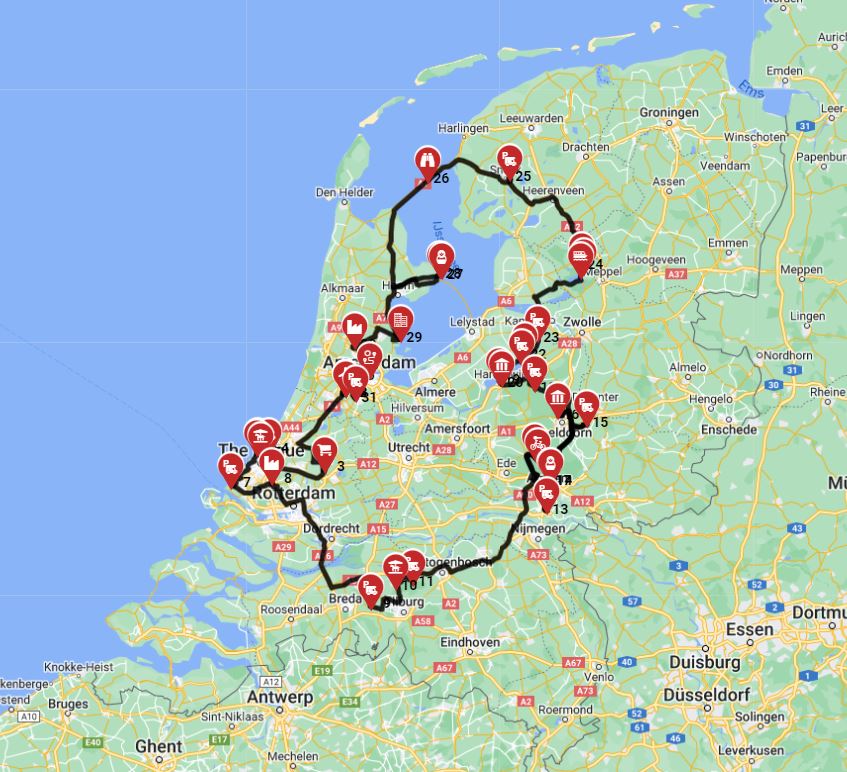
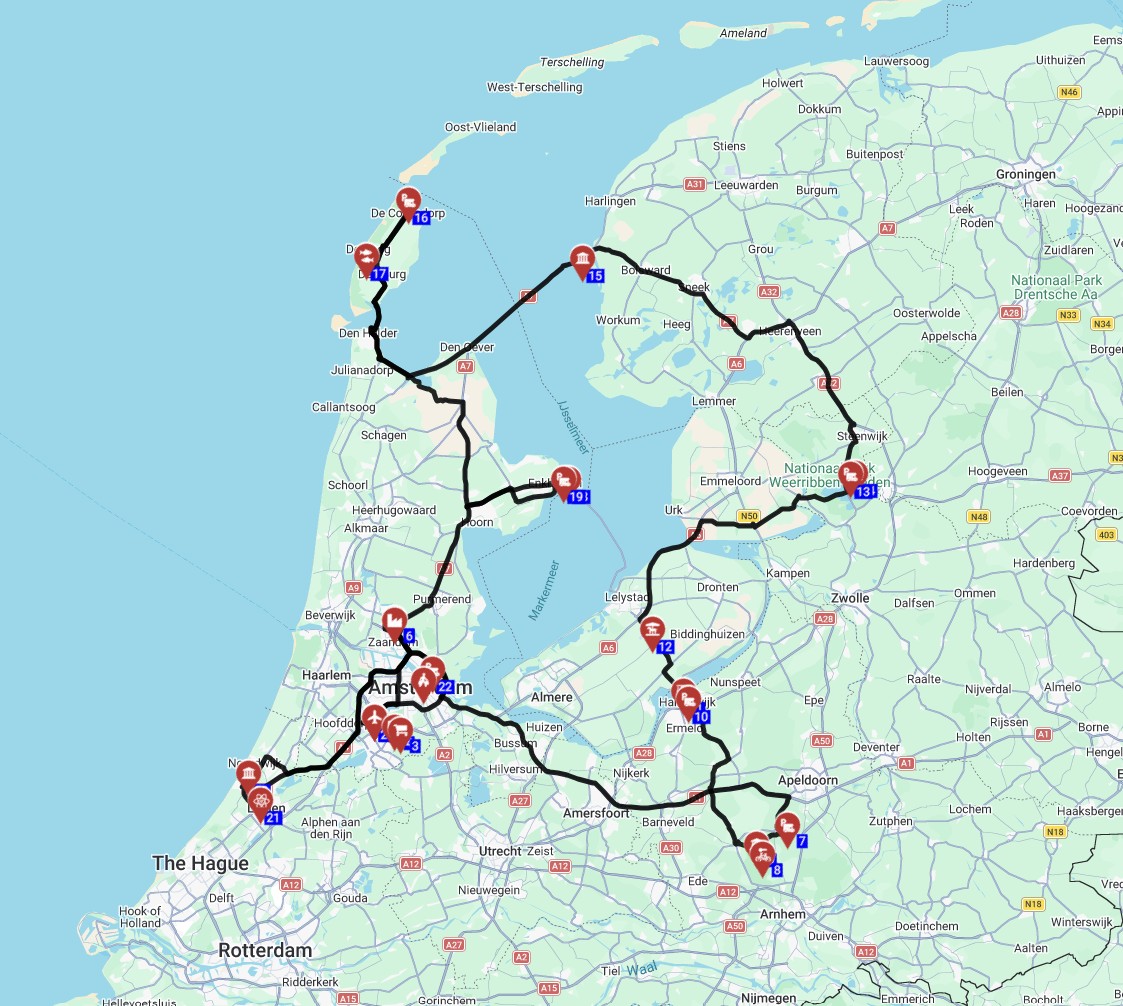
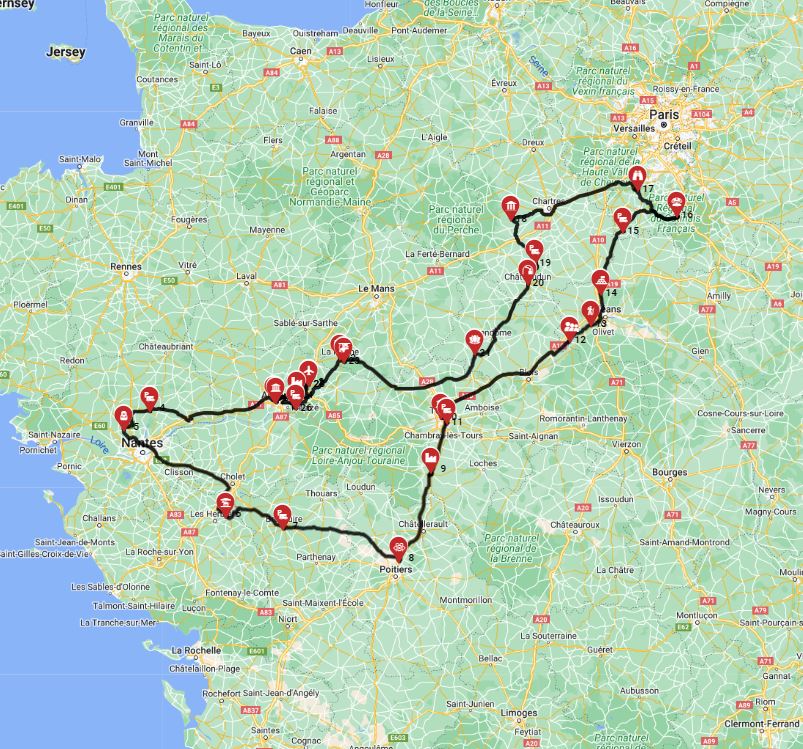
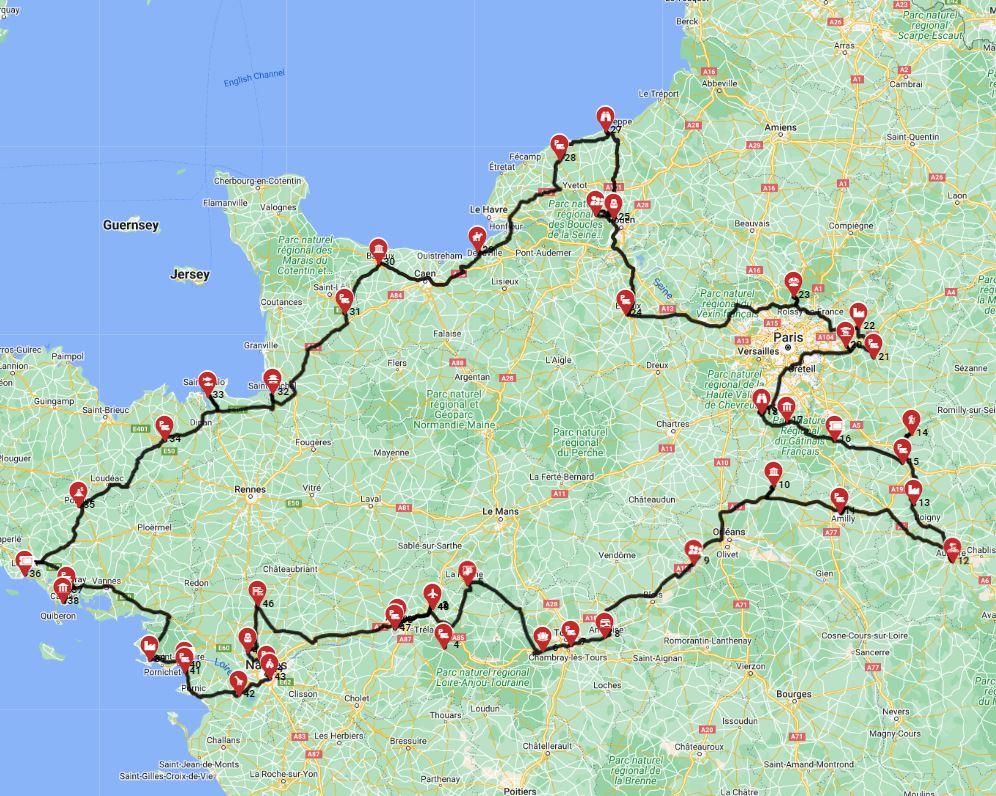
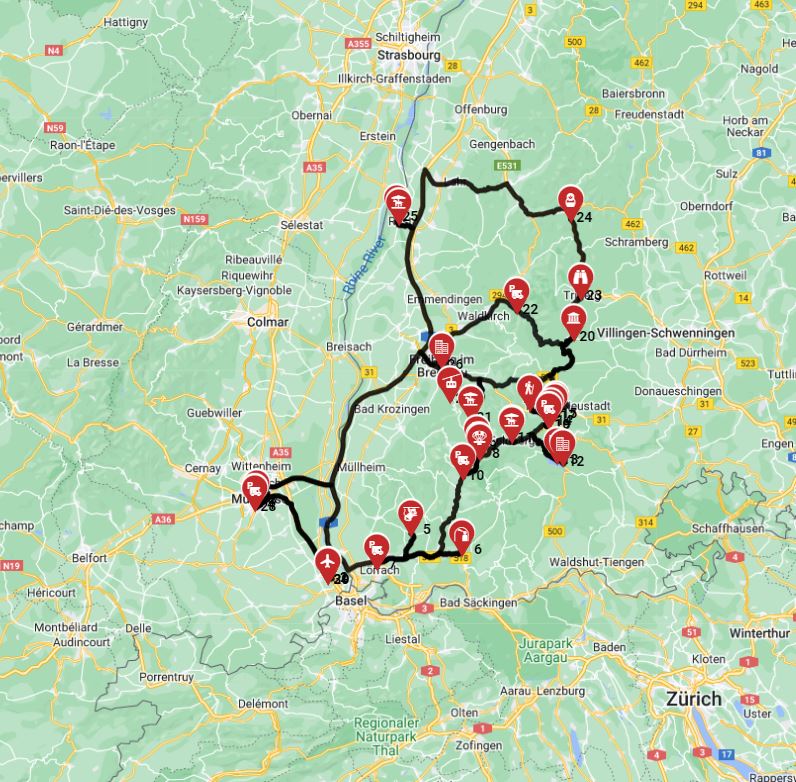
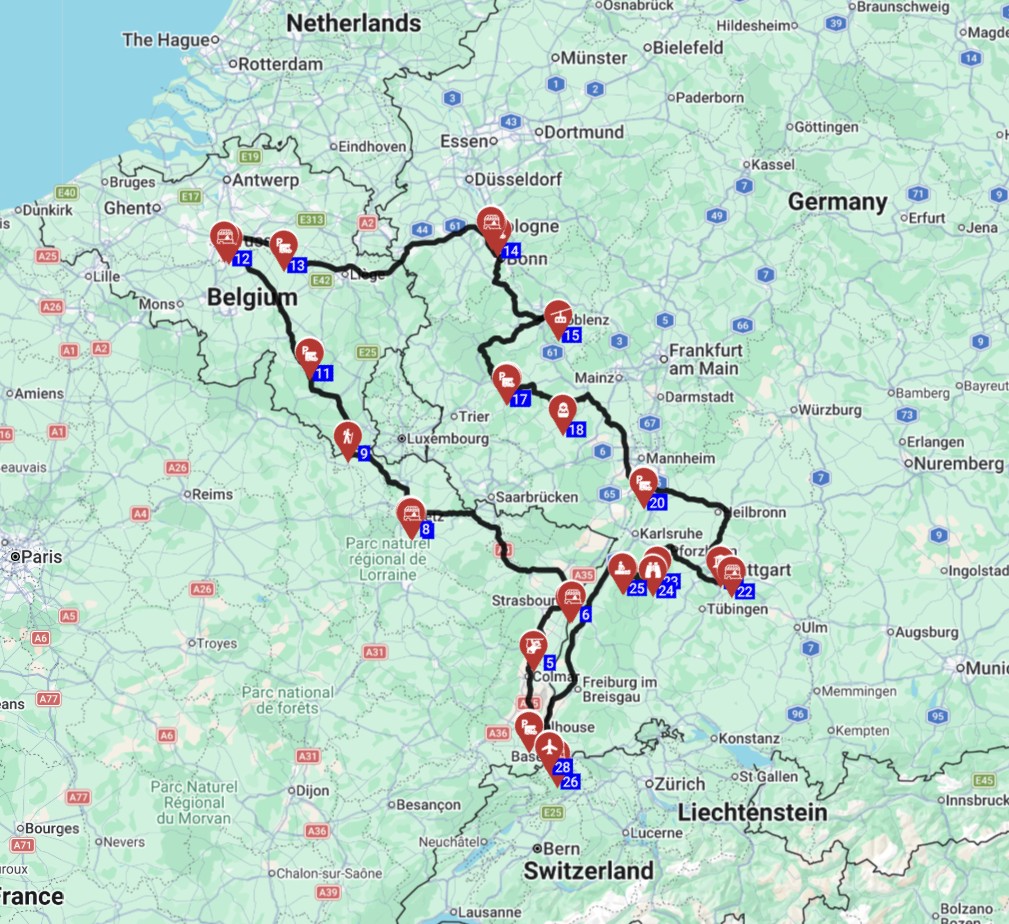
Consider the total trip cost rather than just the daily rental rate. Factors like fuel, campsite fees, and groceries can significantly add to your budget. Opting for a longer rental duration, such as a two-week adventure or even a month-long trip, often results in a lower average daily rate. For instance, a two-week rental could bring down the daily cost by 10-20% compared to a single week. To understand how ancillary trip costs beyond the RV rental itself can be managed, we recommend exploring RV PLANET routes where you can itemize and track every expense along the way for easy budgeting. This tool helps you see the complete financial picture of your West Europe RV journey. On the routes offered through RV PLANET routes, you can itemize and track every expense along the way for easy budgeting.
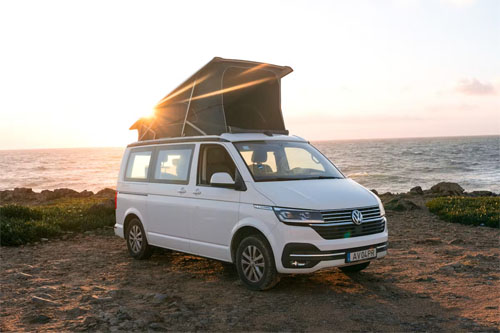
For seniors, choosing an RV that balances comfort with manageable size, such as a "Class B - Camper Van" or a smaller "Class SI - Semi-integrated" model like the "Aero - Campervan", is often ideal for navigating West Europe's charming towns and scenic roads. These vehicles offer amenities like a shower, toilet, and a compact kitchen, while maintaining good fuel efficiency (e.g., 9-11 Litres per 100km for a compact model like the "DVC"). Our true RV specialists are always here to help you compare final prices across 50+ suppliers, making it easy to find the easiest, safest, and most affordable way to rent an RV tailored to your needs.
Seasonal Pricing - Peak vs. Shoulder vs. Off-Season in West Europe
Seasonal pricing significantly impacts RV rental costs in West Europe, with peak, shoulder, and off-seasons offering different trade-offs in terms of price, weather, and crowds. Peak season, typically July and August, sees the highest RV rental prices due to high demand and ideal warm weather, with daily rates often 50-70% higher than off-peak. During this period, popular destinations like the French Riviera or Italian Dolomites are bustling, and campsites can fill up quickly.
Shoulder seasons, which include May-June and September-October, offer a fantastic balance of pleasant weather and moderate prices, making them ideal for seniors seeking a comfortable and cost-effective trip. April, in particular, is often the cheapest month for RV rental in West Europe, providing significant savings before the summer rush. You'll find milder temperatures, fewer tourists, and more readily available campsites during these months. For example, a "Category Small AT" motorhome with automatic transmission might be €85/day in April but jump to €150/day in July.
Off-season, generally from November to March (excluding major holidays like Christmas and New Year), provides the lowest rental rates, sometimes as low as €50-€70 per day for a compact campervan. However, this period comes with colder weather, shorter daylight hours, and fewer open campsites or attractions, especially in northern regions or mountainous areas. A winter-ready rented motorhome, such as the "2 Berth Hi Top" with heating, could still be a great option for exploring festive markets or specific indoor attractions. By choosing shoulder season travel, seniors can optimize their budget without sacrificing comfort or the overall quality of their West Europe experience.
What's Included vs. What's an Add-On for West Europe RV Rentals
Basic insurance coverage is universally included with RV rentals in West Europe, typically covering third-party liability, but additional tiers for comprehensive protection are often available as optional add-ons. This basic coverage is crucial, but many travelers, especially seniors, opt to upgrade to a top-level deductible reimbursement for extra peace of mind, ensuring minimal out-of-pocket expenses in case of an incident. We make sure to be upfront about these options, offering full price transparency with no hidden fees, tricks, or gimmicks.
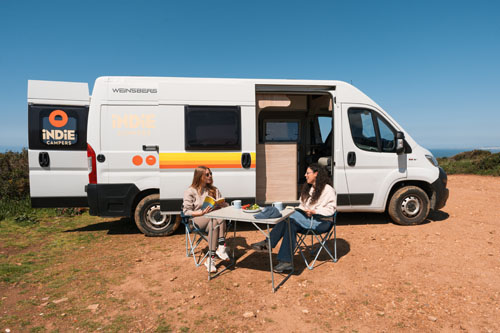
Common add-ons can significantly enhance your travel comfort and convenience, though they also impact the total trip cost. These frequently include kitchen kits (pots, pans, utensils, crockery) and bedding (sheets, pillows, towels), which vary by rental station and RV model. Some suppliers offer unlimited mileage packages, which can be cost-effective for longer journeys covering significant distances, such as an extended road trip across France and Germany. Other typical add-ons might include GPS devices, camping tables and chairs for outdoor dining, or child seats (if traveling with grandchildren).
When searching on Bandana RV, you can easily toggle options like kitchen utensils, tableware, and bedding during the search process to see prices inclusive of these items, allowing for accurate budgeting. For example, a compact "V2L" campervan designed for 2 people with a refrigerator of 80 Liters might have a standard rental rate, but adding a kitchen kit and linens could increase the total by €50-€150 per rental. Always verify specific inclusions and add-ons directly with the rental agreement before booking to avoid surprises. Our dedicated support team is always available before, during, and after your booking to clarify any details.
Hidden Costs to Budget For in West Europe
Tolls and road vignettes are significant hidden costs in many Western European countries, with rates varying by vehicle size and country. For instance, Switzerland and Austria require a 'vignette' (sticker or digital pass) for motorway use, costing around €40-€90 for an annual pass, or shorter durations available. France and Italy primarily use a barrier toll system, where costs can add up quickly over long distances, potentially reaching €15-€30 for a 100 km stretch for larger motorhomes. Understanding these costs is crucial for accurate budgeting.
Campsite fees are a daily expense that must be factored into your budget, ranging from basic 'Stellplatz' or 'aires de service' (often €0-€15 per night for basic services like water and waste disposal) to full-service campgrounds (€25-€60 per night, especially in popular tourist areas or during peak season). These fees cover amenities such as electricity hookups, fresh water, showers, and laundry facilities. Fuel costs, particularly for larger motorhomes like a "6 Berth Deluxe" with a 190 liter fuel tank, constitute a substantial portion of the overall travel budget, as diesel and petrol prices in West Europe are generally higher than in North America.
Additional expenses like dump-station charges (if not covered by your campsite), LPG refills (for cooking and heating), and unexpected maintenance can arise during a trip. Many Bandana partner suppliers, like El Monte or Apollo, offer pre-purchase options for tolls or include fuel discount cards to help manage these expenses, which can be particularly beneficial for seniors. We recommend building a buffer of 10-15% into your budget for unexpected costs. For precise budgeting and to itemize and track every expense along the way, travelers can utilize RV PLANET routes to manage their overall trip finances easily.
How to Save on RV Rental in West Europe for Seniors
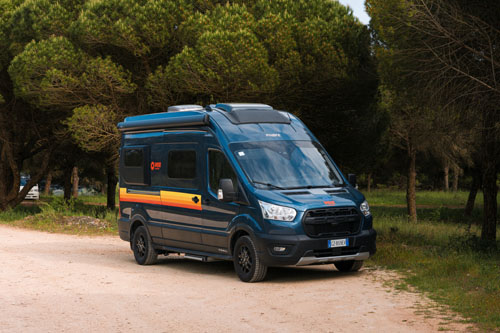
Booking during the shoulder season (e.g., April, May, September) can significantly reduce daily rental rates, often by 20-30% compared to peak summer prices. This strategy not only saves money but also provides a more relaxed travel experience with fewer crowds and milder weather. Another effective way to save is by choosing a smaller RV class, if suitable for your group size; a Class B campervan like the "Active Pop Top" (sleeps 4, length 5.99m) is more fuel-efficient and typically has lower daily rates than a larger Class C motorhome like the "Euro Deluxe" (sleeps 6, length 7.4m).
Opting for longer rental durations often results in a better daily rate compared to shorter trips, such as a week-long adventure versus a two-week journey. Many suppliers offer discounts for rentals exceeding 14 or 21 days. Additionally, cooking your own meals in your rented RV can save a considerable amount on dining expenses; imagine preparing a delicious dinner in your onboard kitchen after a day of exploring. For inspiration, check out our RV-friendly recipes playlist.
Further savings can be achieved by utilizing campground discount cards, such as ACSI or CampingCard ADAC, which can offer up to 50% off campsite fees in off-peak periods, and some rental providers may offer these as an add-on. Pre-purchasing toll road usage or vignettes through your rental company can prevent unexpected charges or fines, streamlining your journey. Lastly, regularly checking prices for your desired dates and being flexible with your itinerary can help you catch flex-rate drops, as dynamic pricing means rates can change daily. With 23 years of experience helping tens of thousands of travelers, we’re experts at finding smart savings.
How much does it cost to rent an RV in Europe for 2 weeks?
The cost to rent an RV in West Europe for 2 weeks typically ranges from €1,200 to €3,500, varying significantly by RV class and season. This estimate covers the rental fee itself, before accounting for other travel expenses like fuel and campsites. For a compact Class B campervan such as a "Duo" with a 65 Liter fridge, for two weeks in the shoulder season (e.g., May or September), you might expect to pay around €1,500-€2,200. This type of vehicle offers an economical and nimble option for couples or solo travelers.
A larger Class C motorhome, like the "Glamys 40" which can sleep up to 5 and features a 150 Liter refrigerator, during peak season (July-August) could easily exceed €3,000 for a two-week rental. Prices are dynamic, influenced by factors such as demand, specific pick-up/drop-off locations in cities like Paris or Munich, and any additional packages selected (e.g., unlimited mileage or convenience kits). Our platform offers full price transparency, so you can compare exact costs for your chosen dates and vehicle types.
To provide a more comprehensive picture, consider adding an estimated €700-€1,200 for fuel (based on average fuel consumption of 10-14 Litres/100km for a 2,000 km journey at €1.80/liter) and €350-€840 for 14 nights of camping (€25-€60 per night average). This brings a total estimated two-week trip cost to roughly €2,250 to €5,540. Bandana RV compares final prices across 50+ suppliers worldwide, ensuring you find the best value for your extended road trip.
What is the best month to rent an RV in Europe?
April is often considered the best month to rent an RV in West Europe for seniors due to lower prices and pleasant weather before the bustling summer crowds. During April, you can typically find daily rental rates 15-25% lower than those in July or August, allowing for more budget-friendly travel. The weather is generally mild across much of West Europe, with blooming landscapes and comfortable temperatures perfect for outdoor activities without extreme heat.
Shoulder months like May, early June, and September also offer a good balance of moderate temperatures, fewer tourists, and more favorable rental rates. In May and early June, you'll experience longer daylight hours and fewer school holidays, making national parks and city attractions less crowded. September offers crisp autumn weather, ideal for scenic drives and enjoying local harvests, with prices starting to dip after the peak summer demand. For example, a "Category Small AT" campervan with an automatic transmission might cost €90/day in May, compared to €160/day in August.
While July and August are peak season, offering the warmest weather and vibrant festival atmospheres, they also come with the highest prices and busiest campsites, requiring advance booking, sometimes 3-6 months ahead. For those prioritizing budget over warm weather, the off-season (November to March, excluding holidays) provides the lowest rental costs, with some vehicles like the "Active Bunk Auto" (featuring automatic transmission and suitable for winter) available from €60-€80 per day, ideal for exploring Christmas markets or quieter city breaks. Our team of true RV specialists can help you find the perfect timing and deal.
What do I need to rent an RV in Europe?
To rent an RV in West Europe, you primarily need a valid standard driver's license (typically a B license for vehicles up to 3.5 tonnes), which is sufficient for driving all motorhome classes, including larger Class A models. An International Driving Permit (IDP) is recommended for visitors from non-English-speaking countries to provide a translation of your license, though it is not mandatory in most cases. You will also need a valid credit card for the security deposit, which can range from €700 to €2,500, and a passport for identification purposes.
Most rental companies require drivers to be at least 21 years old (not 25), and crucially, Bandana RV has no young driver surcharges or vehicle class restrictions based on age. This makes RV travel accessible for a wider range of adults. While some companies might have upper age limits or require special insurance for drivers over 70, this is less common with our trusted suppliers. We partner directly with over 50 leading RV suppliers worldwide, including El Monte and Apollo, ensuring you have diverse options and clear requirements.
Comprehensive insurance, beyond basic third-party liability, is highly recommended for peace of mind, with various tiers available as add-ons. You can upgrade to a top-level deductible for extra peace of mind, reducing your financial exposure significantly. Always review the specific terms and conditions of your chosen rental provider carefully. Our service promises include transparent comparisons, so you can easily understand what's included and what's extra, and our dedicated support team can assist with any questions before and after booking.
Is it easy to drive an RV in Europe?
Driving an RV in West Europe can be straightforward and enjoyable, offering incredible flexibility, but it does present unique considerations such as navigating narrower roads and historical city centers. West European roads are generally well-maintained, but older towns and villages often feature compact streets that require careful maneuvering, particularly for larger motorhomes. Drive slowly and carefully, and you can drive almost anywhere without issues. No need to stress - just use common sense and pay attention.
Many European towns have restricted traffic zones (ZTLs in Italy, Umweltzonen in Germany) that limit larger vehicles or require specific permits, so planning parking outside city centers and utilizing public transport is often recommended. Awareness of your rented vehicle's height, weight, and width is crucial for bridges, tunnels, and mountain passes, where clear signage indicates restrictions. For instance, the "cruise america rv rental example Explorer" has a length of 7.1m and width of 2.78m, requiring drivers to be mindful of its dimensions.
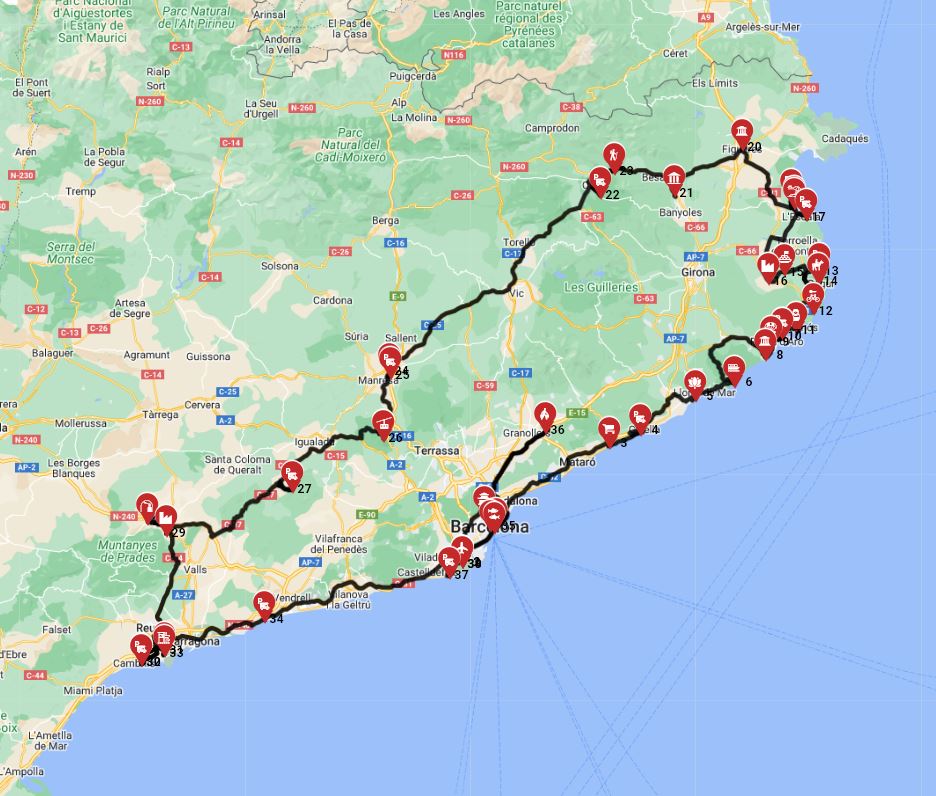
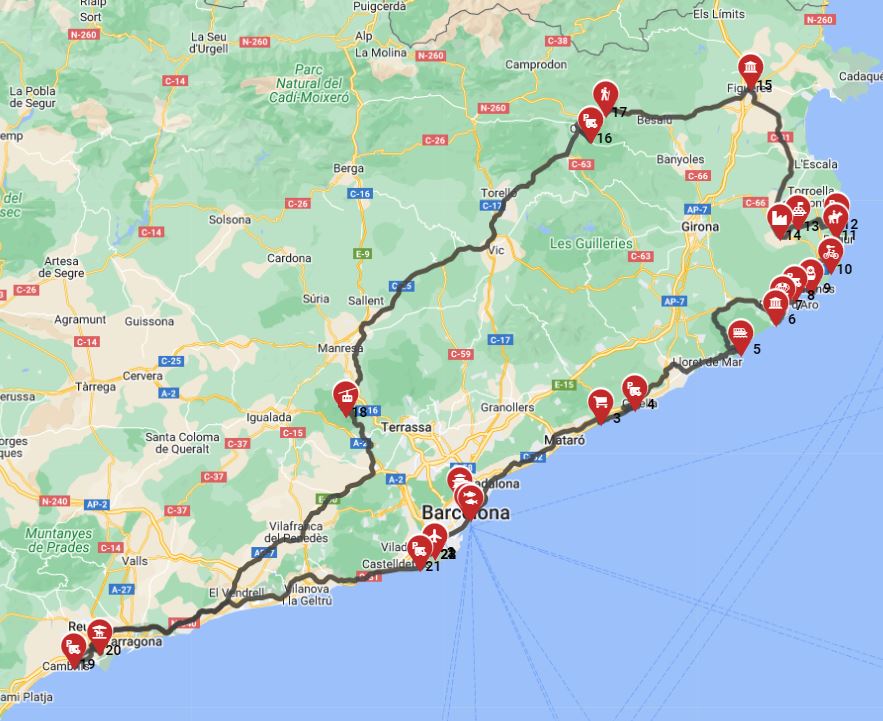
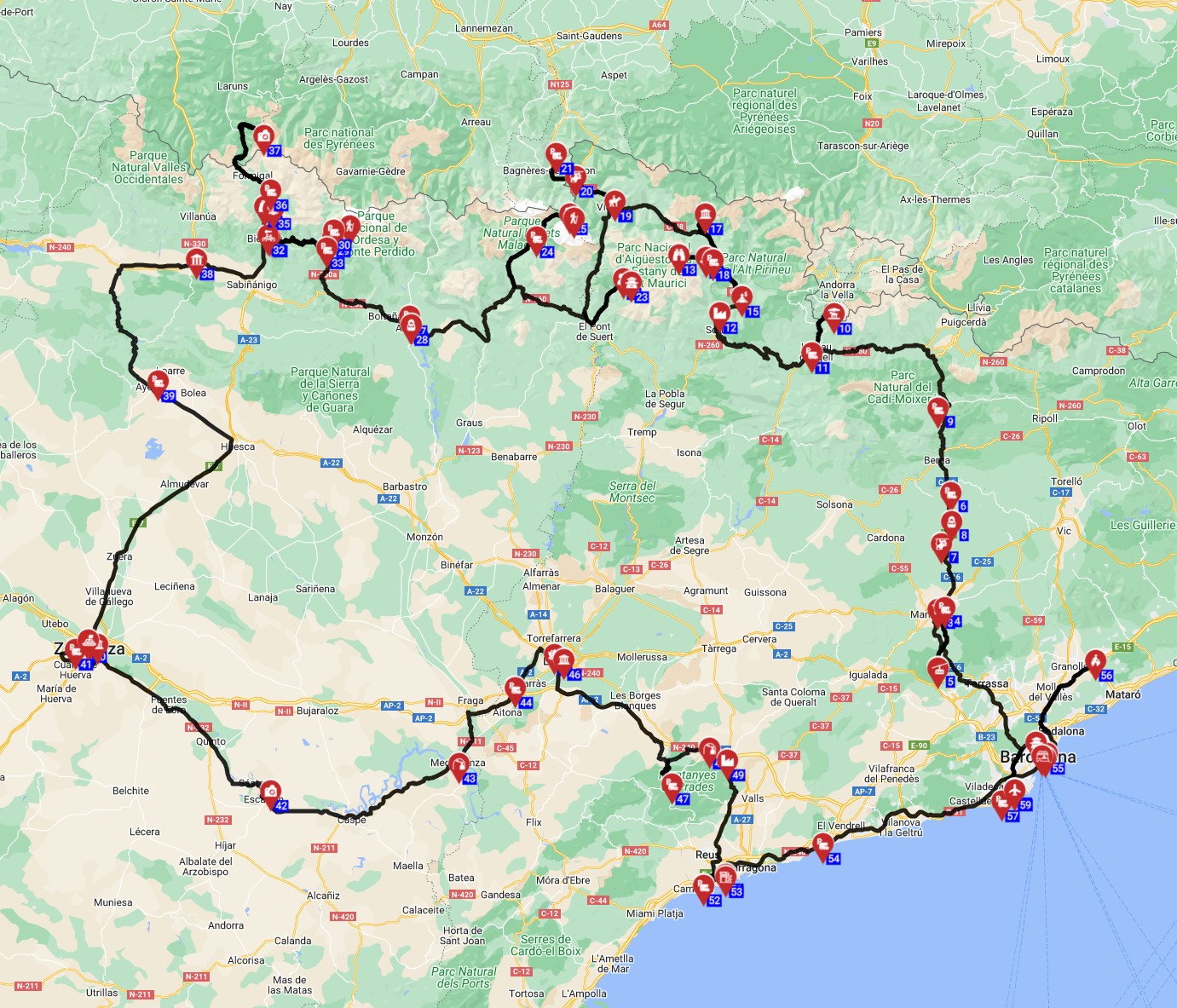
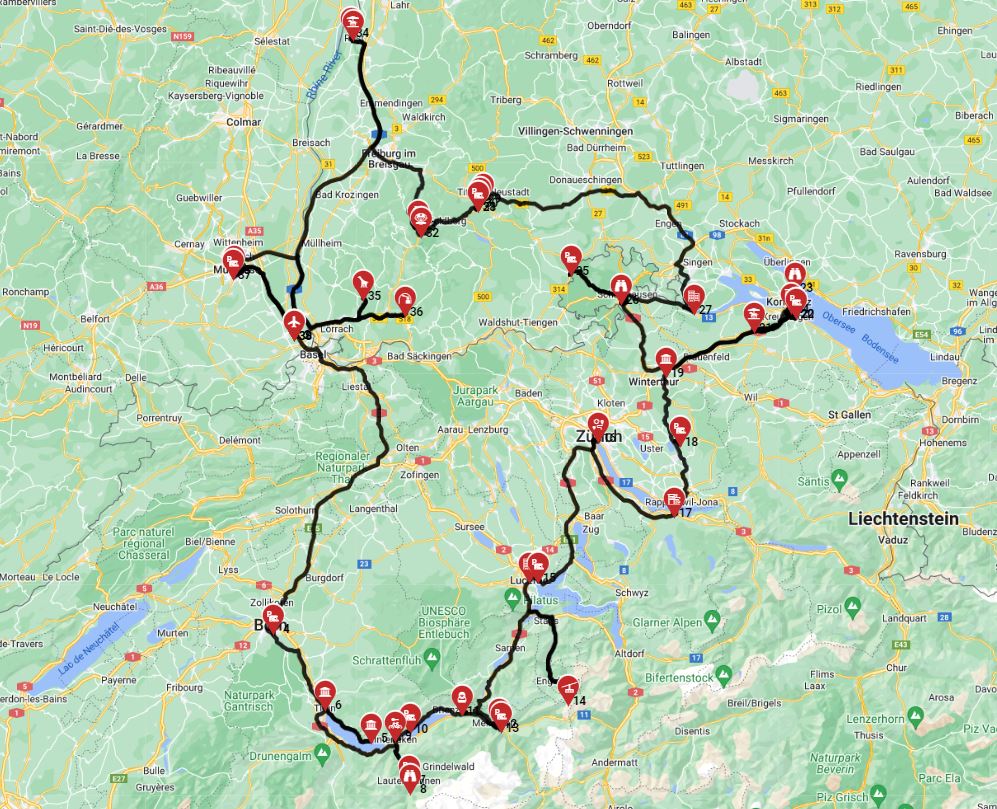
For seniors, choosing a smaller, more maneuverable RV class, like a Class B campervan (e.g., the "Category Urban Van AT" with automatic transmission, ideal for a couple), can significantly ease the driving experience, especially in urban areas. Utilizing GPS systems specifically designed for RVs, which account for vehicle dimensions and warn of low bridges or narrow roads, is highly recommended. For those planning routes, consider our 1,300+ pre-planned routes across 5 continents via RV PLANET (rvplan.net), which can help identify RV-friendly roads and parking spots, allowing you to travel slowly, max 100-150 km per day on average, and truly connect with the scenery.
🎬 Video coming soon
What is the cheapest way to travel Europe in an RV?
The cheapest way to travel West Europe in a rented RV involves combining off-peak rentals, strategic route planning, and utilizing free or low-cost overnight parking options. Booking your RV during the shoulder season (e.g., April or October) and opting for longer rental periods (two weeks or more) typically yield the best daily rates, sometimes reducing costs by up to 25%. Smaller, more fuel-efficient campervans, like the "rv rental denver example Category Van" for a couple, will also cut down on significant fuel expenses.
Prioritizing 'wild camping' or free overnight parking ('Stellplatz' in Germany/Austria, 'aires de service' in France) when legally permitted, significantly reduces accommodation costs, as these spots often provide basic amenities like water and waste disposal at minimal or no charge. Always remember to call ahead before driving if you are unsure about availability. Cooking your own meals in your RV rather than eating out at restaurants is a major cost-saver, allowing you to enjoy local produce from markets.
Planning routes to minimize tolls and long distances also contributes to overall savings; consider using regional roads instead of motorways where possible. When exploring options, remember that Bandana RV offers booking in 30+ currencies with full price transparency and no conversion commissions, helping you budget effectively. For more specific cost-saving tips and detailed itineraries, check out "Budget RV Driving in West Europe - Save on Fuel 2026" or "RV Driving Deals in West Europe - Routes and Savings 2026".
Can you park an RV anywhere in Europe?
No, you cannot generally park an RV anywhere in West Europe; regulations for overnight parking and 'wild camping' vary significantly by country and local municipality. While the allure of pulling over anywhere for the night is strong, it's often illegal or heavily restricted in Western Europe, especially in popular tourist regions, national parks, and nature reserves. Always ensure you are in a legal and safe spot to avoid fines and ensure a peaceful night.
Many countries, such as Germany, Austria, and France, offer designated free or low-cost overnight parking spots called 'Stellplatz' (Germany/Austria) or 'aires de service' (France), specifically for motorhomes and campervans. These spots often provide basic amenities like fresh water and waste disposal, making them excellent alternatives to traditional campgrounds. Some, like the extensive network in France, are actively promoted by local municipalities, making it an exceptionally welcoming country for RV travel. For finding campsites and campgrounds during your trip, we recommend using RV PLANET (rvplan.net) - a great resource for locating available spots along your route.
For more remote areas, some countries might allow 'discretionary' or 'responsible' wild camping for a single night, particularly in Scandinavia or rural parts of Scotland, provided you leave no trace. However, in West Europe, it is crucial to research specific country and local regulations carefully before assuming you can park anywhere. Respecting local communities and privacy by not parking in residential areas or blocking access is paramount for responsible RV travel. Our "Driving an RV in West Europe - Complete Guide 2026" offers more detailed guidance on local regulations.
How do I find RV campgrounds in Europe?
Finding RV campgrounds in West Europe is easiest and most efficient through specialized mobile apps and websites that provide comprehensive directories and real-time availability. Popular platforms like Park4Night, Campercontact, and ACSI Campings Europa offer extensive databases with user reviews, detailed amenity lists (e.g., electricity, showers, dump stations), and often GPS coordinates for campsites, 'Stellplatz', and 'aires de service'. These digital tools are invaluable for planning and navigating your trip.
Many regions also maintain local tourism board websites or provide physical guides that list official campgrounds and RV-friendly parking areas. For seniors, having a combination of digital apps and a physical guidebook can be beneficial, especially in areas with limited internet connectivity. Pre-booking campsites, particularly during peak season or for specific national parks like those in the Alps, is advisable to ensure availability and secure a desired spot, offering certainty and peace of mind during your extended road trip.
When searching, consider your preferences: do you want full-service resorts with swimming pools and restaurants, or simpler sites with just basic hookups? Filtering by amenities, price, and location will help you find the perfect match. Remember that many national and state parks reserve only 25-30% of their spots online, leaving the rest for first-come-first-serve. You'll find a spot. If not at the first campground, then the next one. Call ahead before driving to confirm availability. For expert-curated options, consider exploring the itineraries on RV PLANET (rvplan.net), which often highlight RV-friendly accommodations.
What should I know before renting an RV in Europe?
Before renting an RV in West Europe, seniors should be aware of specific border crossing procedures, especially when traveling between Schengen Area countries (which generally have no internal border checks) and non-Schengen countries like the UK. Always carry your passport, driving license, and rental agreement, as these documents are essential. For those from non-EU countries, checking visa requirements for each destination is crucial to ensure a smooth journey without unexpected delays or issues.
Understanding cultural nuances and local etiquette in different Western European countries enhances the travel experience and fosters good relations with local communities. For instance, mealtimes, greetings, and tipping customs can vary significantly from one country to another. Learning a few basic phrases in the local language, such as "hello," "thank you," and "where is the campsite," can make a big difference. Travel slowly, max 100-150 km per day on average. Take time to feel the place, connect to the culture, the food, and the scenery.
Familiarize yourself with RV-specific infrastructure, such as locating dump stations, fresh water refills, and LPG availability, which are vital for extended trips. Apps and guidebooks can help with this. Prioritize safety and security by understanding vehicle security measures and personal safety tips, especially when parked or touring in unfamiliar areas; use common sense, lock doors, and don't leave valuables in plain sight. Planning for connectivity using mobile data (e.g., an eSIM or local SIM card) or Wi-Fi hotspots, and downloading essential apps for navigation, translation, and finding services before your trip, will ensure a stress-free adventure. Our team at Bandana RV, with over 23 years of experience helping tens of thousands of travelers, is always ready to support you with pre-booking comparison and booking coordination.
What You Shouldn't Miss
- Drive the Romantic Road in Germany: Experience charming medieval towns and picturesque landscapes, perfect for a slow-paced journey with numerous RV-friendly stops.
- Explore the Loire Valley Châteaux in France: Discover magnificent castles and indulge in local wines, with many campgrounds offering easy access to cycling routes.
- Navigate the Swiss Alpine Passes: Drive through breathtaking mountain scenery, like the Grimsel Pass, ensuring your motorhome is ready for winding roads and spectacular views.
- Savor Tuscan Delights in Italy: Park your campervan amidst rolling vineyards and olive groves, enjoying fresh pasta, regional wines, and charming hilltop villages.
- Wander through the Gardens of Keukenhof in the Netherlands (Spring): Immerse yourself in a riot of color, witnessing millions of tulips in bloom - an unforgettable visual feast.
- Discover the Coastal Beauty of Portugal: Drive your RV along the stunning Algarve coastline, stopping at golden beaches and vibrant fishing villages.
Looking for expert insights from Avi Bandana? Top 5 Adventures - recommendations from Avi Bandana.
Final Thoughts
Embarking on an RV rental adventure through West Europe as a senior offers a unique blend of freedom, comfort, and discovery. It's an opportunity to explore picturesque landscapes and vibrant cultures at your own pace, creating unforgettable memories. Whether you're a meticulous pre-planner or a spontaneous traveler, the resources and support available ensure a smooth journey.
Remember, the joy of RV travel lies in embracing the journey itself, not just the destination. Travel slowly, connect with local communities, and savor every moment. With full transparency in pricing, dedicated support, and extensive planning tools, Bandana RV is with you every step of the way, helping you unlock the magic of West Europe.
So, why wait? Discover the possibilities and start planning your perfect West Europe RV adventure today!
Compare Motorhome Prices for West Europe Now!