In This Guide
- What RV Rental Costs for Couples in Switzerland (2024)
- Seasonal Pricing - Peak vs. Shoulder vs. Off-Season in Switzerland
- What's Included vs. What's an Add-On for RV Rentals in Switzerland
- Hidden Costs to Budget For in Switzerland
- How to Save on RV Rental for Couples in Switzerland
- What RV Size is Best for Couples in Switzerland - Class A vs. Campervan?
- Beyond Pricing - Seasonal RV Travel Considerations in Switzerland
- What are Unique and Off-the-Beaten-Path RV Routes in Switzerland for Couples
- RV Rental in Switzerland vs. Bringing Your Own - Costs and Logistics
- What are the Real Costs Beyond RV Rental - Fuel, Tolls, and Campsites in Switzerland
- Can You Wild Camp an RV in Switzerland - Laws and Alternatives
- What Special Gear and Preparation Do You Need for RVing in Switzerland
- How to Practice Eco-Friendly RVing in Switzerland - Waste and Conservation
What RV Rental Costs for Couples in Switzerland (2024)
RV rental costs for couples in Switzerland vary significantly in 2024, generally ranging from €90-€120 per day in the low season to €180-€300+ per day during peak travel periods. These prices are dynamic, changing daily based on factors like demand, availability, and specific supplier marketing decisions. For live availability and current prices, start with our RV Rental Switzerland - Complete Guide 2024 guide, which offers comprehensive details on various rental options. A week-long rental for two in a compact campervan can be budgeted at approximately €700-€1500, while a two-week adventure might cost between €1300-€2800. For an extended month-long journey, expect to pay anywhere from €2500 to €5000+, depending heavily on the season and chosen vehicle. These estimates primarily cover the base rental fee of a smaller motorhome or campervan, perfect for a couple, which typically includes basic insurance and standard equipment. Always use a comparison platform to see the final prices across different suppliers, ensuring full transparency with no hidden fees or surprises.Seasonal Pricing - Peak vs. Shoulder vs. Off-Season in Switzerland
Seasonal pricing for RV rentals in Switzerland sees the highest rates and demand during the peak season of July and August, where day-to-day costs can fluctuate substantially. Couples looking for a balance of favorable weather and more moderate costs should consider the shoulder seasons of May-June and September-October, when daily rental prices typically drop by 15-30% compared to peak months. The off-season, spanning November to April, generally offers the most budget-friendly rates, with April often being the cheapest month for a rented motorhome. Even within these seasons, prices are dynamic and can change daily, so comparing specific dates is crucial. Planning a "Week-Long RV Driving Tour in Switzerland 2024" during the shoulder season could save you hundreds of Euros while still enjoying pleasant weather. Our platform allows you to effortlessly toggle options like kitchen utensils and bedding, directly showing their impact on the total price.What's Included vs. What's an Add-On for RV Rentals in Switzerland
Basic insurance coverage and standard vehicle equipment are typically included with your RV rental in Switzerland, providing the essential foundation for your road trip. Beyond the base rental price, common add-ons can significantly affect your overall trip budget, including comprehensive insurance tiers, kitchen utensil sets, bedding packages, and additional services like GPS or bicycle racks. For couples seeking maximum peace of mind, upgrading to a top-level deductible reimbursement option is highly recommended and available as an optional purchase during booking. Our comparison platform allows you to select these optional extras during your search, displaying prices that are inclusive of your chosen higher-tier insurance or amenity packages, so you know exactly what you're paying for upfront. We believe in full transparency: what you see is what you pay, with no surprise fees at pickup, ensuring you understand all aspects of your rental agreement.Hidden Costs to Budget For in Switzerland
Mandatory costs in Switzerland beyond the RV rental itself include highway vignettes and potential tunnel tolls, especially important for rented RVs over 3.5 tons. All vehicles using Swiss motorways must display an annual vignette, costing CHF 40 for RVs under 3.5 tons. Larger motorhomes (over 3.5 tons) are exempt from the vignette but are subject to the distance-based Heavy Vehicle Charge (LSVA), requiring special registration and potentially significant costs. Campsite fees represent another substantial expense, varying from CHF 30-70 per night based on location, amenities, and season. Fuel costs are also notably high in Switzerland, typically ranging from CHF 1.80-2.00 per liter for diesel, which is often the fuel type for campervans. To help manage these ancillary trip costs, know that RV PLANET routes allow travelers to itemize and track every expense along the way for easy budgeting. Some rental suppliers may offer pre-purchased toll-road usage or campground discount cards as add-ons, which can help mitigate these expenses.How to Save on RV Rental for Couples in Switzerland
Couples can significantly save on RV rental costs in Switzerland by implementing several strategic booking and travel choices. Booking during the shoulder or off-season, such as April or November, offers considerably lower daily rates compared to peak summer months, potentially saving 25% or more on your rental fee. Opting for a smaller RV class, like a compact campervan (Class B or C), reduces both the initial rental cost and ongoing fuel expenses, which are significant in Switzerland. Furthermore, choosing longer rental durations often results in a better daily rate for your rented mobile home. Pre-planners who book their RV rental in Switzerland weeks or months ahead can also benefit from better selection and early bird discounts. For flexibility, consider searching for "Budget RV Driving in Switzerland - Save on Fuel 2024" to find vehicles that offer better fuel efficiency. We recommend traveling slowly, aiming for a maximum of 100-150 km per day on average, to truly connect with the culture, food, and scenery, which can also reduce fuel consumption and wear-and-tear costs.What RV Size is Best for Couples in Switzerland - Class A vs. Campervan?
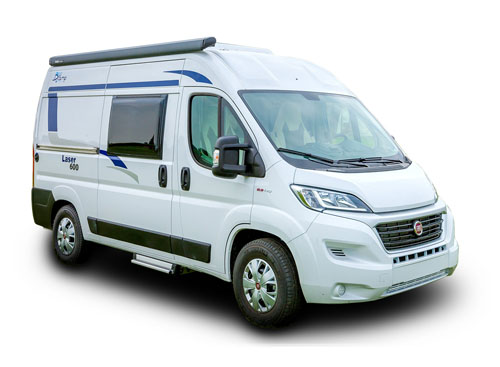
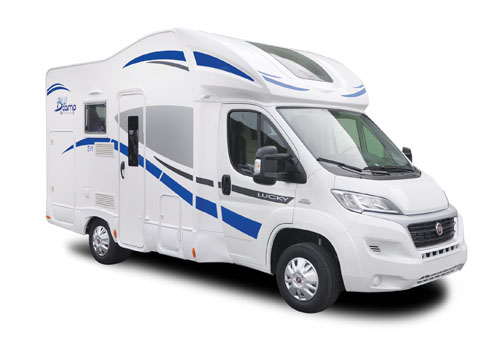
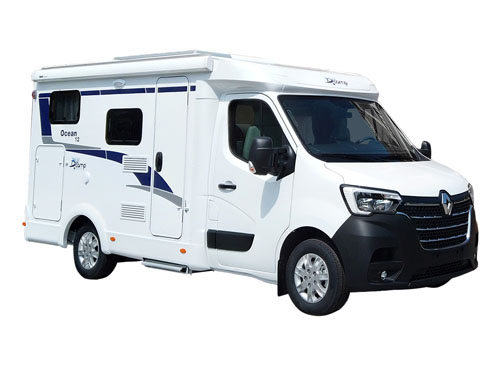
For couples exploring Switzerland, smaller campervans (Class B or C) are often the ideal choice due to their superior maneuverability on narrow mountain roads and easier parking in charming towns. These compact motorhomes, such as a "Category Van" or "rent rv example A1" (features: Front Air condition, Ideal for a couple, Shower, Toilet, Up to 3 years on the road), typically measure around 5-7 meters in length. They provide a comfortable living space without the bulk of larger vehicles. Larger Class A RVs, while offering more spacious living and amenities, can face significant challenges with road access, tight turns on alpine passes, and limited parking availability at some campsites and city centers. Many picturesque mountain passes in Switzerland explicitly advise against or prohibit large vehicles. A compact campervan provides the perfect balance of comfort, an onboard kitchen for preparing RV-friendly recipes playlist, and the agility needed to explore Switzerland's diverse landscapes efficiently and without stress.🎬 Video coming soon
Beyond Pricing - Seasonal RV Travel Considerations in Switzerland
Seasonal considerations for RV travel in Switzerland extend significantly beyond just pricing, encompassing factors like mountain pass closures and the availability of services. Many iconic alpine passes, while breathtaking, are closed from late autumn (typically November) to late spring (often May or June) due to snow, necessitating careful route planning. Availability of services, including specific campsites, hiking trails, and popular attractions, can also vary considerably outside the peak summer months. For instance, some smaller campsites may close for the winter, while others offer specialized winter camping facilities. If considering winter RV travel in Switzerland, essential preparations include ensuring your rented RV is equipped with proper winter tires or snow chains, which are legally required on many mountain roads during specific periods. Always check local road conditions and weather forecasts for your planned routes, especially when venturing into alpine regions, to ensure a safe and enjoyable journey.What are Unique and Off-the-Beaten-Path RV Routes in Switzerland for Couples
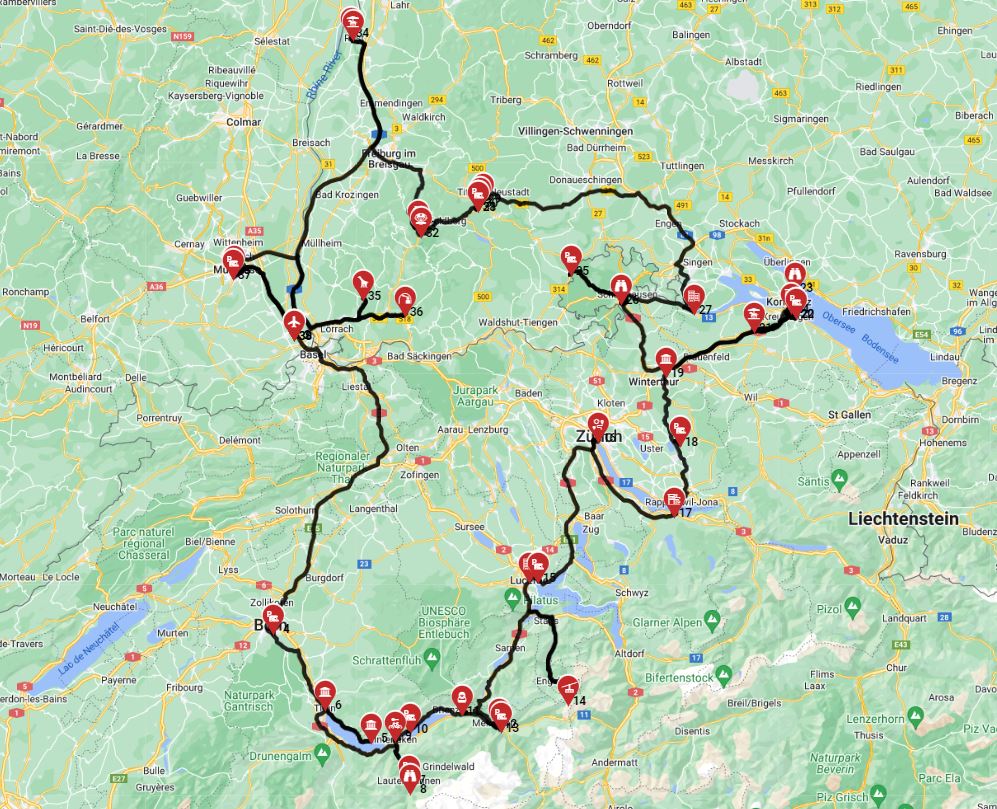
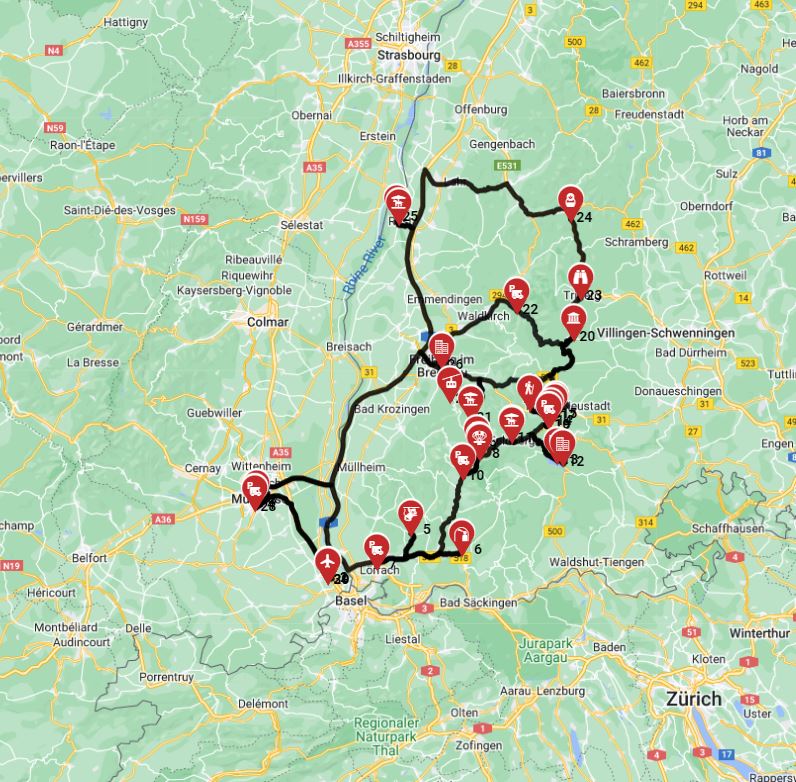
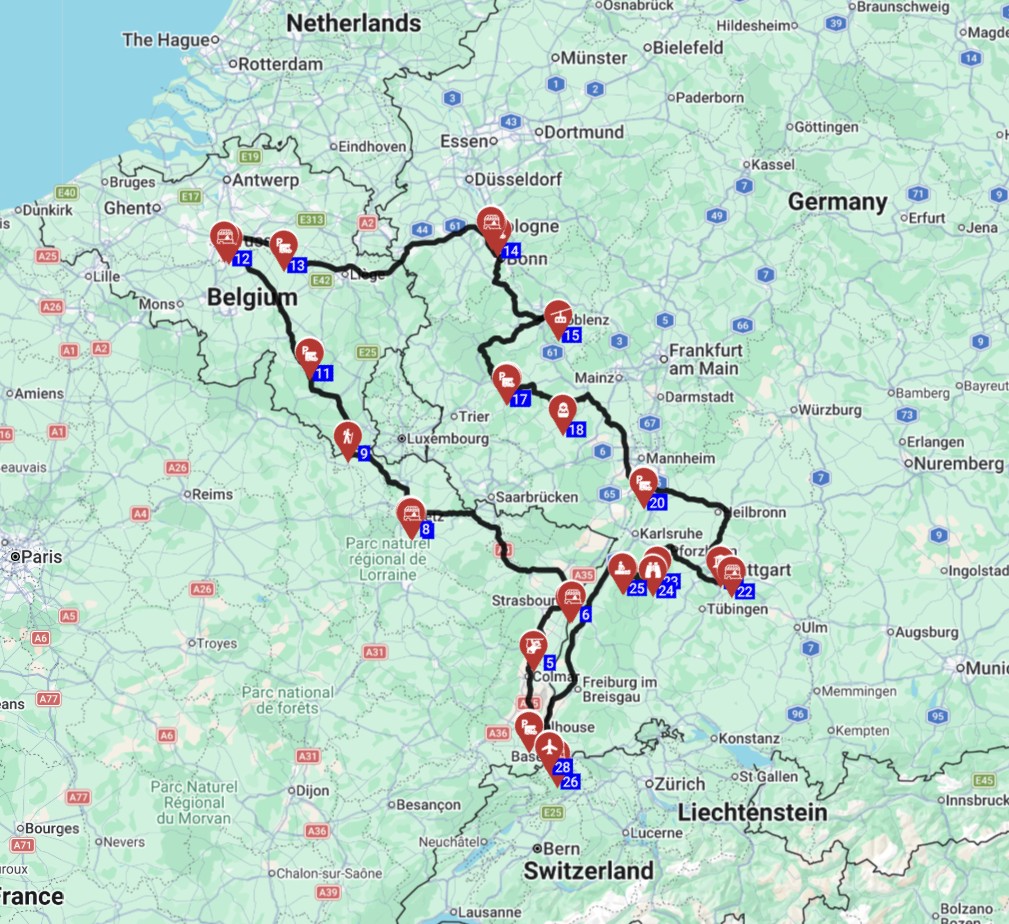
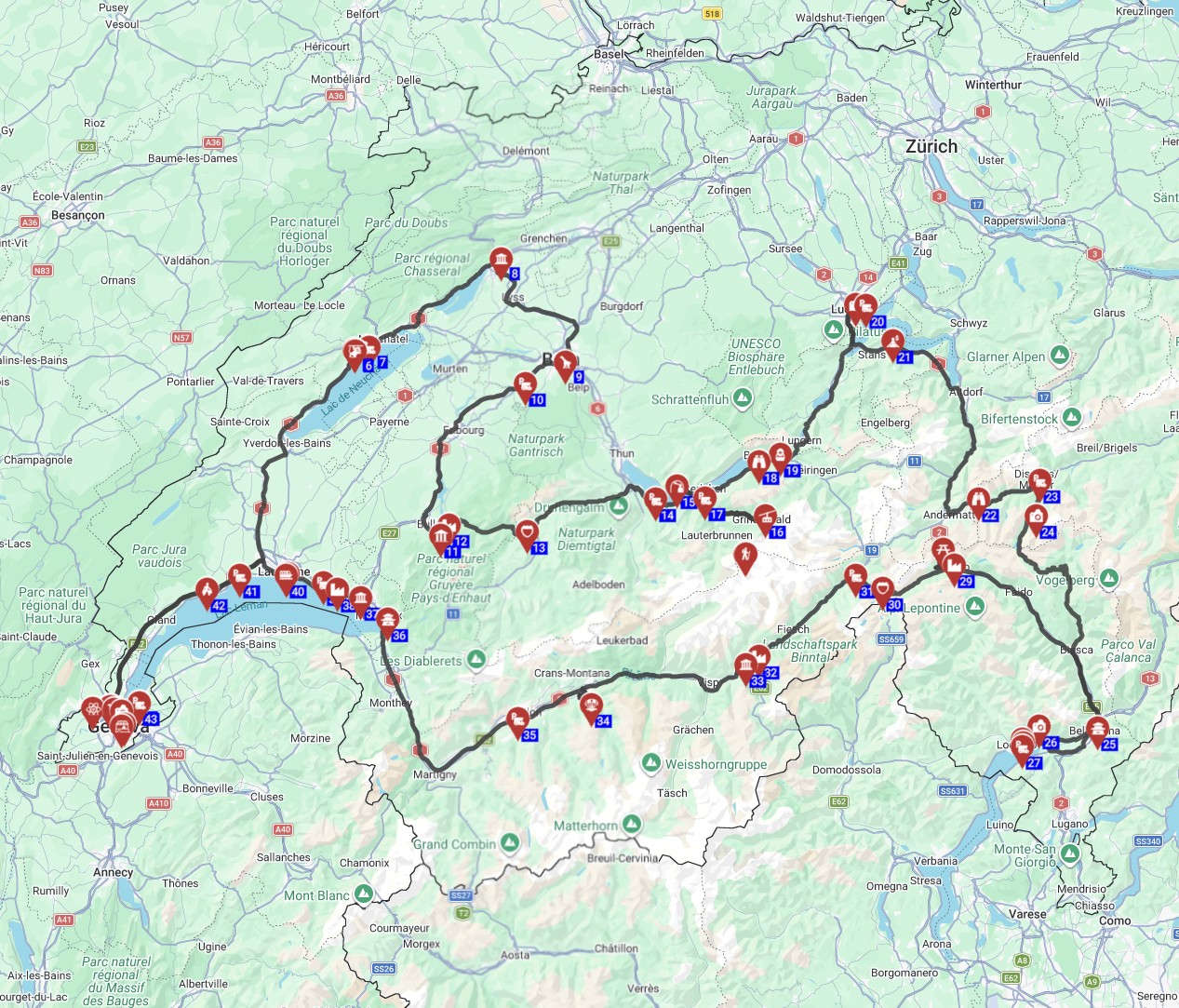
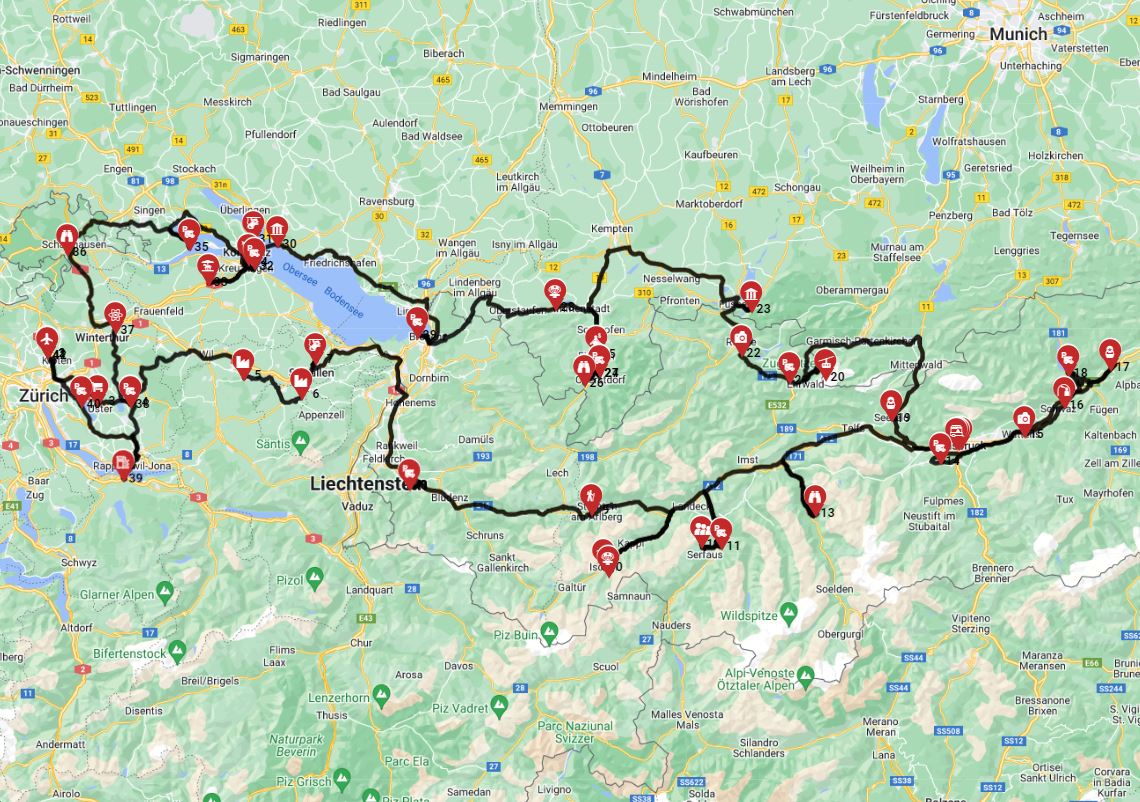
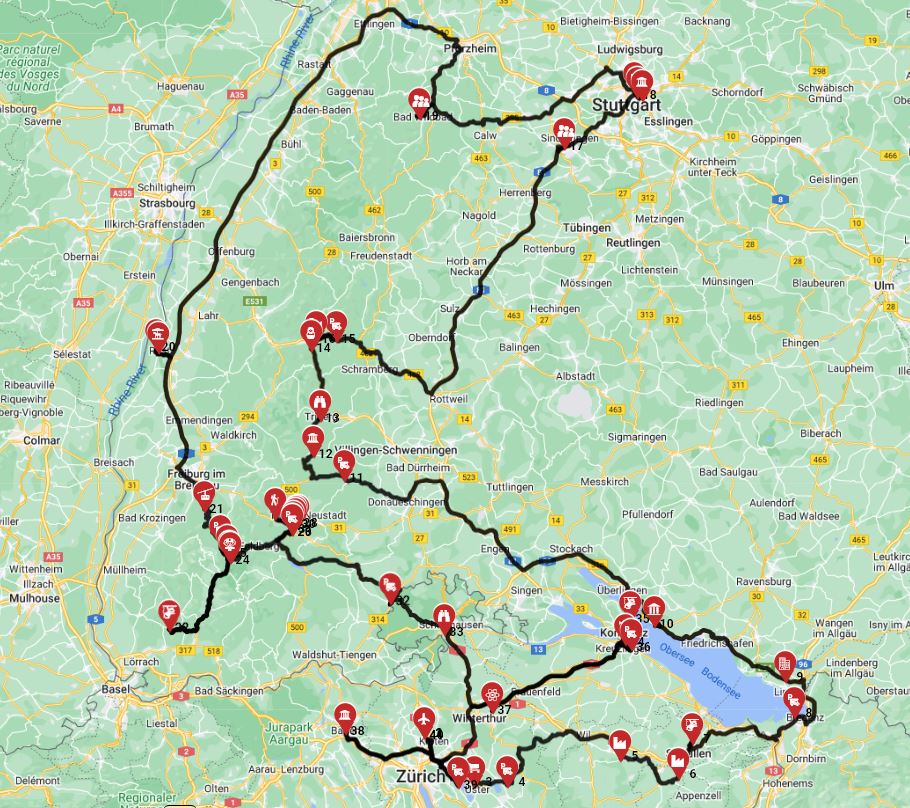
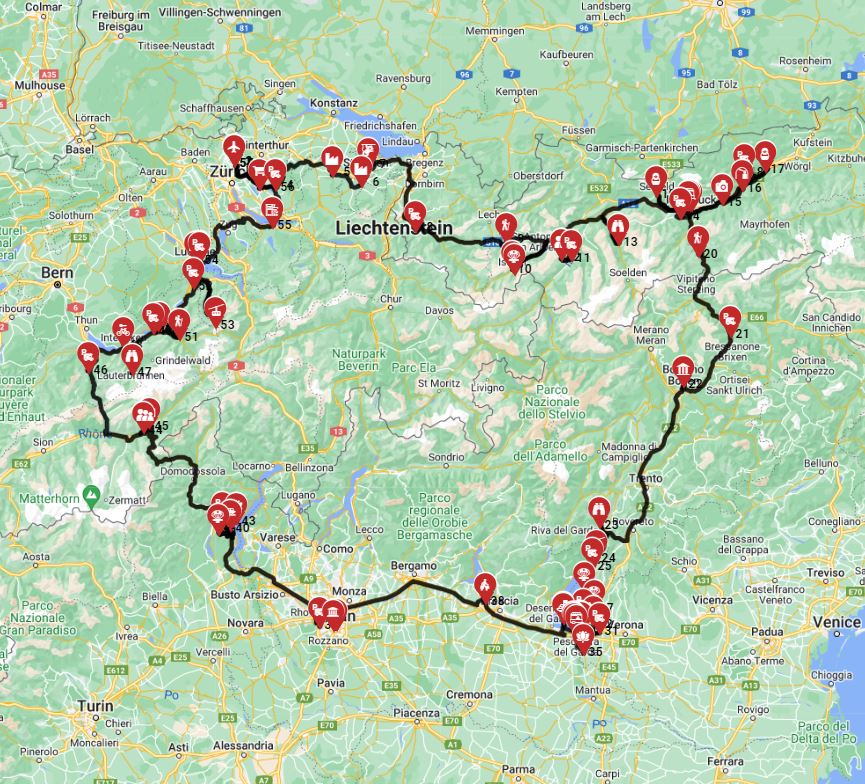
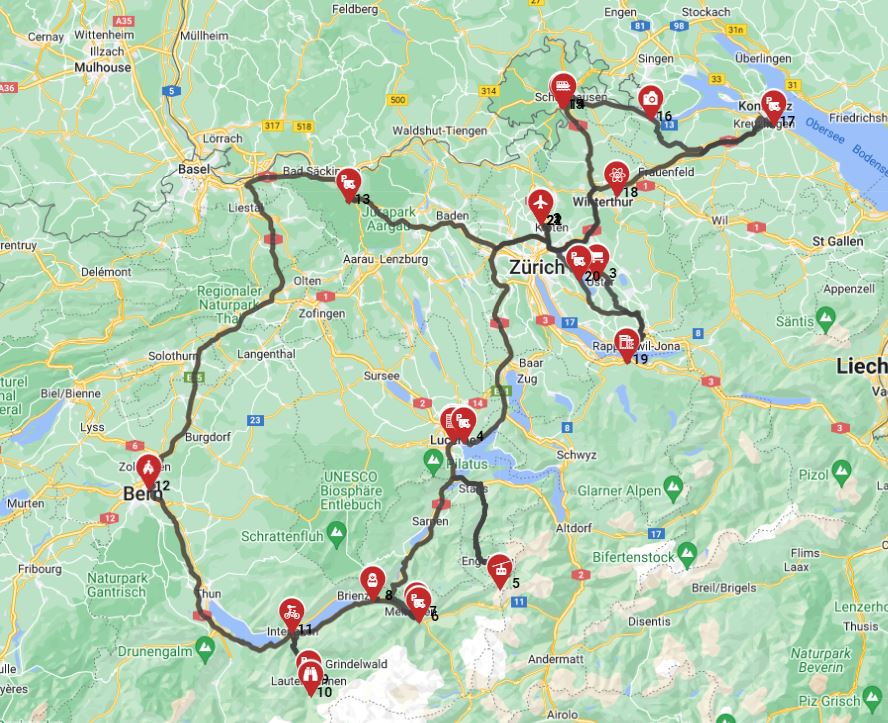
For couples seeking a more local and off-the-beaten-path experience in Switzerland, several routes offer charm beyond the major tourist hubs. Instead of exclusively sticking to popular itineraries, consider exploring lesser-known regions such as Appenzell, Glarus, or the unspoiled valleys of Valais, away from Zermatt. These areas boast unique traditions, local foods, and serene landscapes perfect for intimate exploration with your rented campervan. Seek out unique campsites or "Bauernhofcamping" (farm stays), which often provide an authentic Swiss experience with fresh produce and direct contact with nature. For example, Bandana offers a 15-day "Nice Roundtrip - French Riviera toward North Italy, Switzerland, and the French Alps" itinerary covering 1742.8 km, featuring 2 animals shows, 2 botanical gardens, 1 cave, and 2 scenic cruises, among 15 other attractions. Another option is the 16-day "Basel Roundtrip - Switzerland & Black Forest" covering 1233.4 km, which includes 2 amusement parks, 4 museums, and 5 natural features, offering a blend of culture and nature. Planning detours along segments of the "Grand Tour of Switzerland" can also lead to hidden lakes, quaint villages, and scenic overlooks that larger RVs might miss. Our Rent&Plan service provides pre-planned itineraries by professionals, helping you discover these gems with a 25% planning discount when using rvplan.net.RV Rental in Switzerland vs. Bringing Your Own - Costs and Logistics
Renting an RV directly in Switzerland generally proves more convenient and often more cost-effective for shorter trips compared to bringing your own motorhome from abroad. International shipping, import duties, and navigating foreign vehicle regulations can add significant upfront costs and logistical complexities. Local rentals ensure the vehicle is suitable for Swiss roads, adhering to local safety standards, and comes with essential local support and roadside assistance. For example, a standard car driver's license is sufficient for all motorhome classes (Class A, Class B, and Class C) rented in Switzerland, simplifying legal requirements. However, securing international insurance coverage and temporary import documentation for your own RV can be a daunting process. For those planning an extensive Europe-wide adventure, spanning many months or even a year, bringing your own might eventually prove cost-efficient, but for typical week-long or two-week vacations, renting locally through a specialist like Bandana Caravan is often the smoother option.What are the Real Costs Beyond RV Rental - Fuel, Tolls, and Campsites in Switzerland
The real costs beyond RV rental fees in Switzerland are significant and require careful budgeting, particularly for fuel, tolls, and campsites. Fuel prices for diesel, which most campervans use, typically range from CHF 1.80-2.00 per liter, varying slightly by canton. All vehicles utilizing Swiss motorways are mandated to purchase an annual vignette for CHF 40; for motorhomes exceeding 3.5 tons, this is replaced by the more complex, distance-based Heavy Vehicle Charge (LSVA). Campsite prices for two people usually fall within CHF 30-70 per night, depending on amenities, location (e.g., popular regions like Lauterbrunnen vs. less-trafficked areas), and seasonality. Additional expenses include groceries, dining out, and activities like cable car rides, museum entries, or specific hiking permits, which can add up quickly in Switzerland. For finding campsites and campgrounds during your trip, we recommend using rvplan.net, a great resource for locating available spots along your route and budgeting for these costs.Can You Wild Camp an RV in Switzerland - Laws and Alternatives
Wild camping and boondocking with a rented RV are largely prohibited or heavily restricted across most of Switzerland, with specific laws varying by canton and municipality. Violating wild camping regulations can result in substantial fines, starting from CHF 100 and potentially increasing significantly, along with legal repercussions. There is zero tolerance for overnight parking outside designated areas in many popular tourist regions and national parks. Legal and readily available alternatives include official campsites, which are plentiful, well-maintained, and often beautifully located, providing essential amenities like electricity, fresh water, and waste disposal points. Designated 'Stellplätze' (motorhome parking areas) are also available, often at a lower cost than full-service campsites, allowing for legal overnight stays. Before driving, call ahead to verify availability at campsites. It's always best to research specific legal overnight parking spots, which might sometimes be found at certain restaurants or farms if prior arrangement is made.What Special Gear and Preparation Do You Need for RVing in Switzerland
RVing in Switzerland requires specific gear and preparation to ensure a smooth and compliant trip, particularly for couples with a rented motorhome. An essential item is a Type J electrical adapter for Swiss outlets, as these differ from common European plugs. For travel during colder seasons, winter tires or snow chains are legally required for mountain driving and often highly advisable, even outside explicit mandates, given the unpredictable alpine weather. Always carry a reflective vest, a warning triangle, and a first-aid kit in your vehicle, as these are mandatory safety items in many European countries, including Switzerland. A reliable road map, in addition to an offline GPS, is highly recommended for navigating mountainous terrain and areas where cell service might be limited. Consider bringing leveling blocks for uneven campsites and a portable water filter for refilling your fresh water tank in some remote areas, as water quality can vary.How to Practice Eco-Friendly RVing in Switzerland - Waste and Conservation
Practicing eco-friendly RVing in Switzerland is crucial due to the country's high environmental standards and pristine natural landscapes. Adhere strictly to proper waste disposal protocols by utilizing designated grey and black water dump stations, which are readily available at all official campsites. Actively sort and recycle your waste at campsite facilities, as Switzerland has comprehensive recycling programs for glass, plastic, paper, and organic waste. Conserve water and electricity within your rented RV; this not only reduces your environmental footprint but also extends your boondocking capabilities where allowed. Embrace "leave no trace" principles by staying on marked trails, avoiding disturbance to wildlife, and packing out everything you pack in. This mindful approach helps preserve Switzerland's breathtaking nature for everyone. Driving slowly and carefully, aiming for a maximum of 100-150 km per day on average, also contributes to reduced emissions and less impact on local roads, aligning with the ethos of responsible travel. For a broader understanding of RV travel in the region, refer to our RV Rental Europe - Complete Guide 2024.What You Shouldn't Miss
- **Lake Geneva's Montreux Riviera**: Explore the picturesque towns of Montreux and Vevey, stroll along the lakeside promenade, and visit Chillon Castle, a stunning medieval fortress.
- **The Jungfrau Region**: Drive your campervan to Lauterbrunnen, known as the "Valley of 72 Waterfalls," and take a scenic train or cable car up to Wengen, Mürren, or the Jungfraujoch for unparalleled alpine views.
- **Interlaken's Adventure Hub**: For active couples, Interlaken offers tandem paragliding over turquoise lakes, canyoning, and white-water rafting, providing an exhilarating contrast to serene mountain drives.
- **Gruyères and the Cheese Route**: Indulge in a culinary adventure to the medieval town of Gruyères, famous for its cheese. Visit the Gruyère cheese factory and perhaps Maison Cailler chocolate factory nearby.
- **Avi Bandana's Top 5 Adventures**: Looking for expert insights from Avi Bandana? Discover unforgettable routes and hidden gems personally vetted by our founder.
- **The Aletsch Glacier**: Witness the largest glacier in the Alps from panoramic viewpoints, easily accessible by cable car from Fiesch, Bettmeralp, or Riederalp, an awe-inspiring natural wonder.
Why Book with Bandana Caravan
Full Transparency
We pride ourselves on full transparency: what you see is what you pay. No hidden fees, no surprises, just honest pricing that lets you budget confidently for your Switzerland RV rental adventure.
Rent&Plan Experts
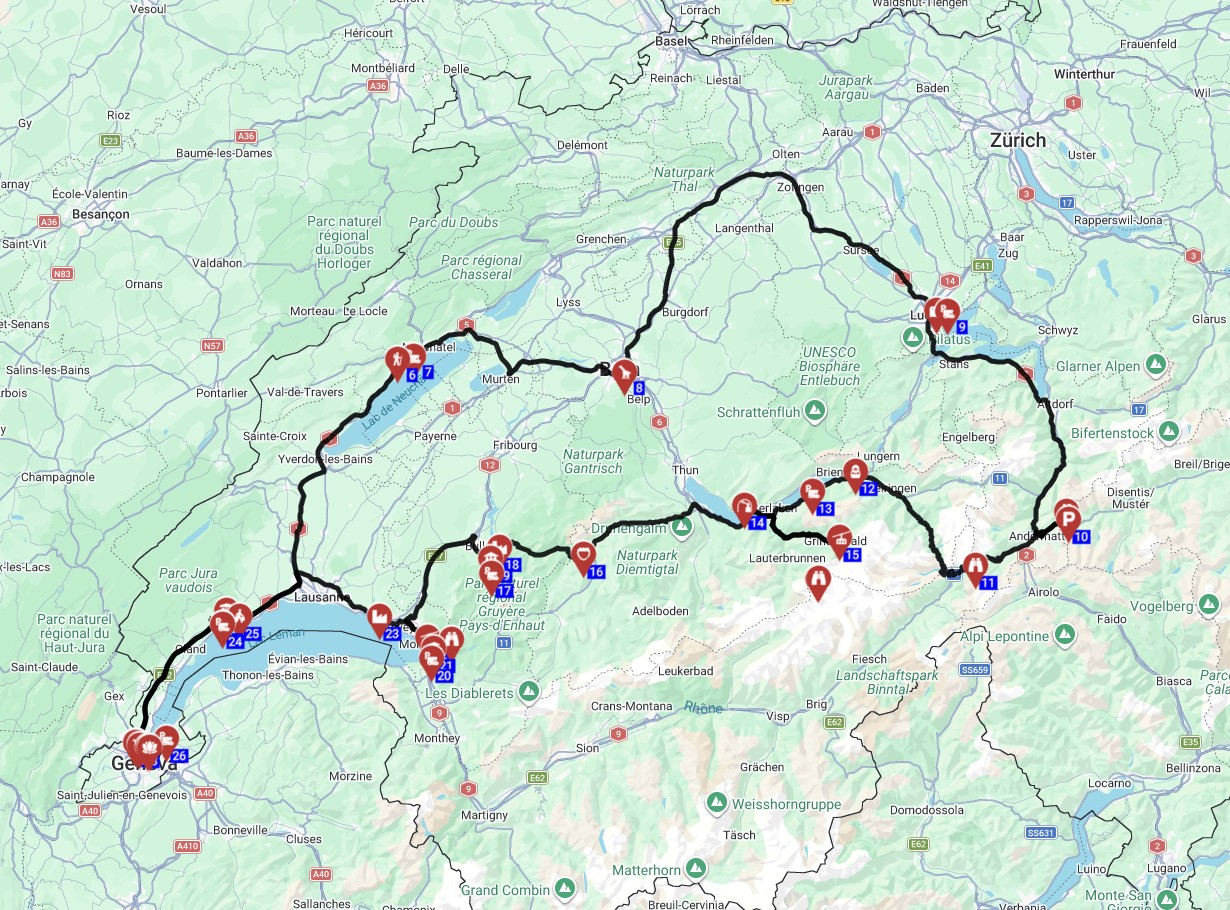
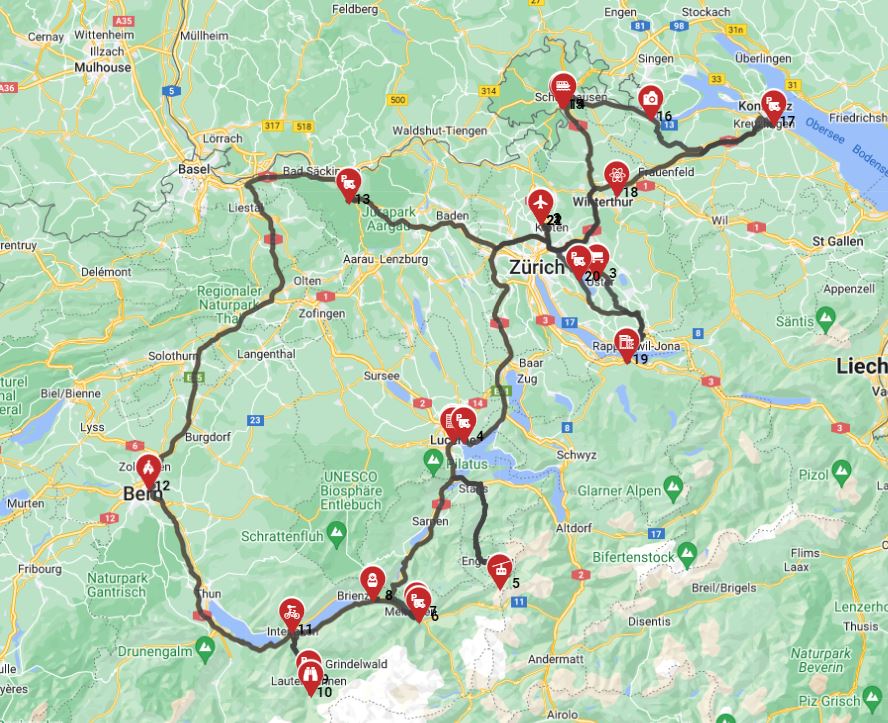
Leverage our "Rent&Plan" service for professionally pre-planned itineraries, like the 8-day "
Peace of Mind
Travel with peace of mind knowing you can upgrade to a top-level deductible reimbursement for extra protection. We partner directly with 50+ leading RV suppliers worldwide, offering bookings in 30+ currencies with full price transparency and coverage across 50+ countries.
Founded in 2001, Bandana Caravan has over 23 years of experience helping tens of thousands of travelers explore the world by RV, providing local expertise and unwavering support.
Final Thoughts
Embarking on a rented RV adventure through Switzerland as a couple promises an unparalleled journey of breathtaking landscapes, charming villages, and unforgettable moments. From the dynamic pricing that offers opportunities for savings during shoulder seasons to the ease of navigating in a nimble campervan, planning your trip can be as exciting as the journey itself. Remember to budget for all costs, from the essential Swiss vignette to delightful local meals, ensuring no surprises along the way.With Bandana Caravan, you're not just booking a vehicle; you're gaining a partner dedicated to making your travel experience seamless and joyful. Our commitment to full transparency, 24/7 support, and expert-curated itineraries via RV PLANET ensures you're well-equipped before, during, and after your booking. So, pack your bags, choose your perfect motorhome, and get ready to create lasting memories amidst the stunning Swiss Alps!
Travel slowly, max 100-150 km per day on average, take time to feel the place, connect to the culture, the food, and the scenery, making your Swiss escape truly special.
On the routes offered through RV PLANET routes, you can itemize and track every expense along the way for easy budgeting.