
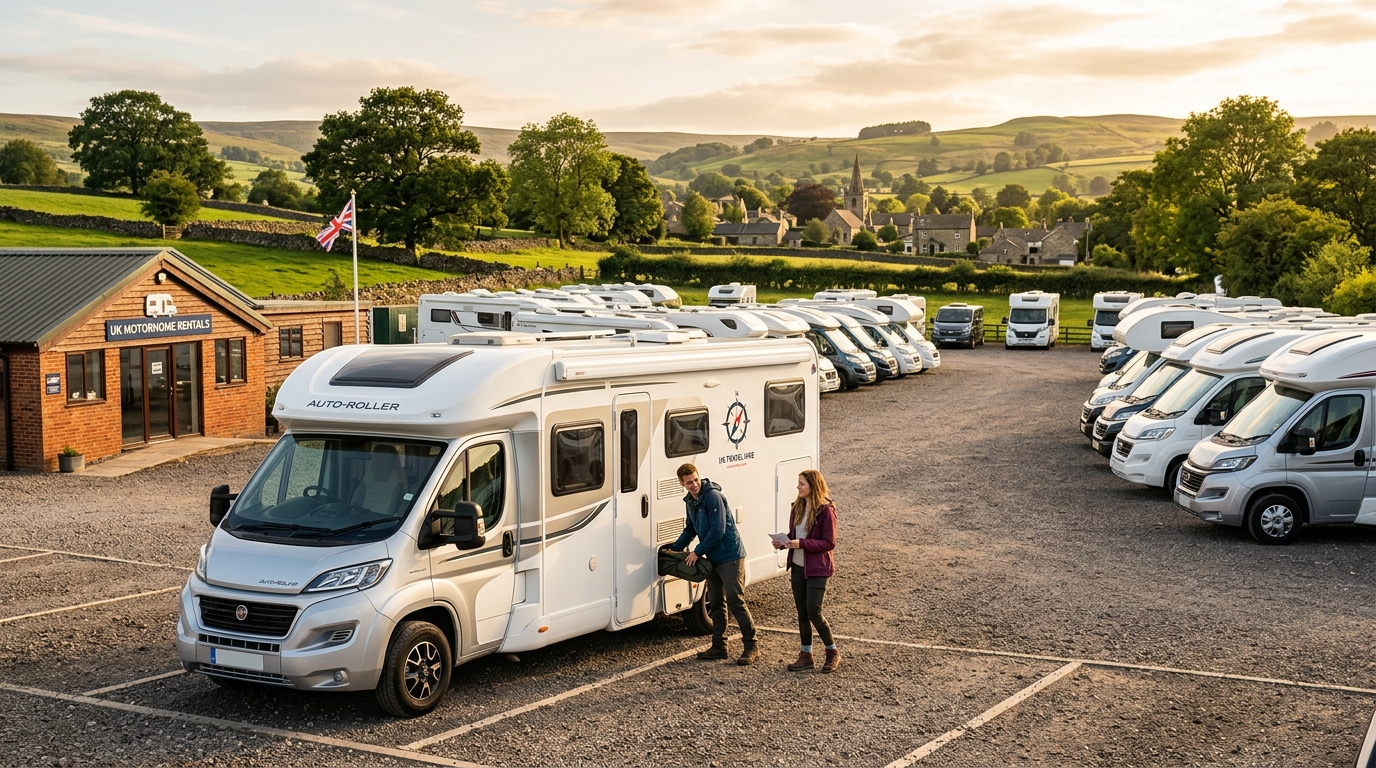
For live availability and current prices, start with our RV Rental UK - Complete Guide 2026 guide.
In This Guide
- The 5 RV Families Compared for UK
- Class A (Integrated) — Best For
- Price Comparison by RV Class in UK
- Class SI (Semi-integrated) — Best For
- Class C (Alcove) — Best For
- Class B (Campervan) — Best For
- Class TC (Truck Camper) — Best For
- Side-by-Side Comparison Table
- Our Recommendation for RV Rental Deals Travelers in UK
- What is the overall cost of an RV trip in the UK, beyond just the rental fee?
- What are common challenges of RVing in the UK and how can I mitigate them?
- When is the best time to visit the UK in an RV for optimal weather and fewer crowds?
- How do I visit major UK cities like London or Edinburgh with an RV?
- What do I need to know about ferry travel with an RV in the UK?
- What are the rules for overnight RV parking and driving regulations in the UK?
- What are realistic itinerary options for RV travel in the UK?
The 5 RV Families Compared for UK
Choosing the right RV family is crucial for a successful and cost-effective UK adventure. Factors like maneuverability on narrow roads, fuel efficiency, group size, and trip length all play a significant role in selecting the best vehicle for your journey across the United Kingdom. Different RV classes offer varying levels of comfort, amenities, and price points, ensuring there's a suitable option for diverse UK travel styles.
Class A (Integrated) — Best For
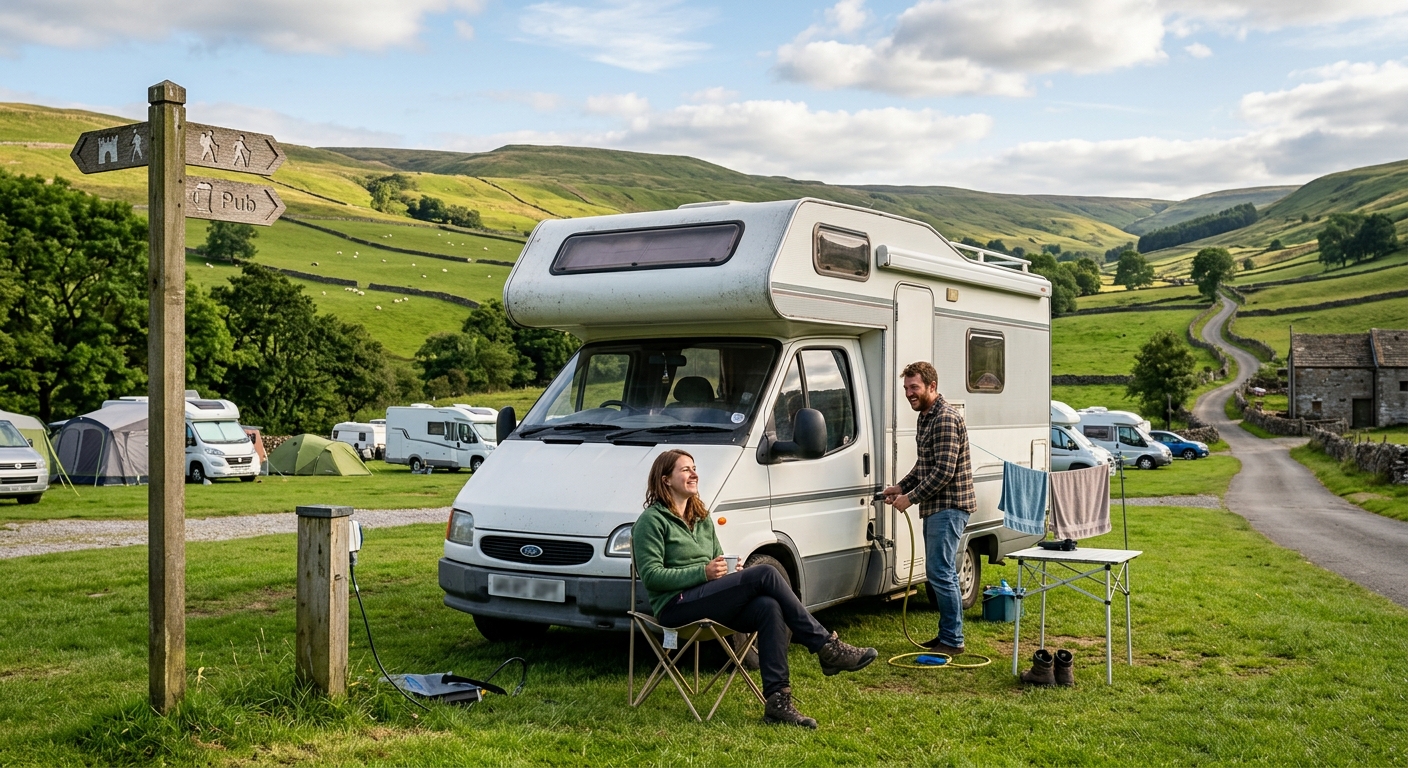
Class A (Integrated) motorhomes are best suited for luxury travelers or larger groups seeking maximum space and amenities on longer trips in the UK. These vehicles provide extensive living space, often resembling a small apartment on wheels, making them ideal for extended stays or those prioritizing comfort over nimble driving. With an average length of 7.5 meters, they offer ample room for around 4 adults and typically sleep 4.4 people, alongside a high load capacity of 209.5 kg. Fuel consumption averages 11-12 Liters/100 km; however, their large size can be challenging on the UK's narrower roads and for urban parking.
Price Comparison by RV Class in UK
RV rental prices in the UK vary significantly by class, season, and duration. Bandana's live search provides real-time flex-rate estimates for various trip lengths and vehicle types. Because pricing is flex-rate, the example prices below are pulled from Bandana's live search for typical 2026 rental durations. These prices update daily based on availability and demand, so be sure to use the search box at the top of the page for the most current numbers for your specific travel dates. Understanding these dynamic rates is essential for finding the best RV rental deals in the UK. Prices are flex-rate estimates and may change; check live prices at the top of the page for current availability and deals.
| Family | Avg Length (m) | Sleeps | Fuel Use (L/100km) | Best Use Case in UK |
|---|---|---|---|---|
| Class A (Integrated) | 7.5 | 4.4 | 11-12 | Luxury, large groups, long trips, comfortable touring |
| Class SI (Semi-integrated) | 6.9 | 3.8 | 10-11 | Balanced comfort/drivability, couples/small families, mixed travel |
| Class C (Alcove) | 7.5 | 5.8 | 10-12 | Families, larger groups, cost-efficient space, extra sleeping |
| Class B (Campervan) | 5.8 | 3.2 | ~10 | Couples/small groups, maneuverability, fuel economy, urban access |
| Class TC (Truck Camper) | 5.5 | 2.4 | 12-17 | Adventurous, off-grid, remote areas, ultimate flexibility |
Class SI (Semi-integrated) — Best For
Class SI (Semi-integrated) motorhomes are ideal for UK travelers seeking a balanced blend of comfort, amenities, and relatively easier drivability. They offer a good compromise between the spaciousness of an Integrated model and the maneuverability needed for varied UK landscapes, making them suitable for couples or small families. With an average length of 6.9 meters and a load capacity of 72.2 kg, they provide ample space without being overly cumbersome. Fuel consumption is moderate, typically 10-11 Liters/100 km, positioning them as a versatile choice for both rural and semi-urban explorations.
Class C (Alcove) — Best For
Class C (Alcove) motorhomes are excellent for families or larger groups traveling in the UK due to their dedicated overhead sleeping area and cost-efficiency. Their distinctive 'alcove' above the cab provides extra sleeping space, making them highly practical for groups averaging 4.4 adults and accommodating up to 5.8 sleepers. Despite their generous sleeping capacity, their average length of 7.5 meters means they can still navigate many UK roads, albeit with more care than smaller models. They offer a good balance of amenities, space, and relative affordability, with fuel consumption typically ranging from 10-12 Liters/100 km and a load capacity of 42.4 kg.
Class B (Campervan) — Best For
Class B (Campervan) rentals are perfectly suited for adventurous couples or small groups in the UK prioritizing maneuverability, fuel economy, and ease of parking. These compact vehicles, averaging 5.8 meters in length, are highly agile, making them ideal for navigating narrow country lanes and finding parking in smaller towns. They are also the most fuel-efficient option, typically consuming around 10 Liters/100 km, which is a significant advantage for budget-conscious travelers seeking RV rental deals. While offering less interior space and amenities than larger classes, they provide comfortable sleeping for up to 3.2 people and are excellent for spontaneous, flexible trips.
Class TC (Truck Camper) — Best For
Class TC (Truck Camper) rentals offer unparalleled flexibility and off-grid potential for adventurous UK travelers. These unique units, detachable from a pickup truck, combine the versatility of a 4x4 vehicle with compact living quarters, averaging 5.5 meters in length. They are best for 2-3 travelers looking to explore rugged terrain or remote Scottish Highlands where larger RVs might struggle. Fuel consumption is higher, around 12-17 Liters/100 km, and their load capacity is minimal, focusing on essential gear for adventure rather than extensive amenities.
Side-by-Side Comparison Table
A side-by-side comparison of RV classes helps identify the best rental for your UK trip based on size, sleeping capacity, fuel efficiency, and typical use case. This table offers a quick overview, using average specifications from Bandana's global fleet, to guide your decision for an RV rental in the UK.
Our Recommendation for RV Rental Deals Travelers in UK
For travelers prioritizing 'RV rental deals' in the UK, a Class B Campervan is often the best primary recommendation due to its superior fuel economy and maneuverability on UK roads. A Class SI (Semi-integrated) motorhome serves as an excellent runner-up for those needing more space without sacrificing too much drivability. Class B Campervans are generally more affordable to rent, cheaper to fuel (averaging 10 L/100km), and their compact size (5.8m) simplifies navigating narrow country lanes and finding parking, directly addressing common UK travel challenges and budget considerations. The Class SI, at 6.9m, offers a comfortable living space for small families or couples while still being manageable on UK roads, providing a good balance of cost and comfort for those who need more amenities than a campervan. Both options provide a practical and enjoyable way to explore the UK without the significant overhead associated with larger, more luxurious RV classes.
What is the overall cost of an RV trip in the UK, beyond just the rental fee?
The overall cost of an RV trip in the UK extends beyond the rental fee to include significant expenses like fuel, campsite fees, ferry charges, insurance, and attraction entry, which can accumulate rapidly. Fuel is a major expense, with UK prices typically higher than in many other countries; calculate based on your chosen RV's consumption (e.g., 10-17 L/100km) and planned mileage. Campsite fees range from £25-£60 per night depending on location, amenities, and season, with peak season requiring advance booking. Ferry costs, especially for cross-channel routes or inter-island journeys to places like the Scottish Isles, can be substantial and are priced based on vehicle length and passenger numbers. Insurance typically includes basic coverage with an excess, but consider additional breakdown cover or reducing your excess for peace of mind, as well as checking travel insurance for personal belongings. Budget for attractions, tolls (minimal in the UK, e.g., M6 Toll), food, and potential unforeseen maintenance. For finding campsites and campgrounds during your trip, we recommend using RV PLANET (rvplan.net) — a great resource for locating available spots along your route. On the routes offered through RV PLANET routes, you can itemize and track every expense along the way for easy budgeting.
What are common challenges of RVing in the UK and how can I mitigate them?
Common challenges of RVing in the UK include navigating narrow country lanes, finding suitable urban parking, unpredictable weather, and adapting to unique driving etiquette like roundabouts. These can be mitigated with careful planning and practice. Narrow roads, especially in rural areas and historic towns, can be challenging for larger RVs; choosing a smaller Class B (Campervan) or Class SI (Semi-integrated) and using an RV-specific sat-nav is highly recommended. Urban parking is often restricted or expensive; utilize Park & Ride facilities on city outskirts and use public transport to reach city centers. The UK's diverse weather requires packing layers, waterproofs, and having an RV equipped for varying conditions; an awning can be useful for outdoor living. Driving etiquette, such as complex roundabouts and yielding in single-track roads (particularly in Scotland), requires attention and patience; familiarize yourself with rules before setting off. Be aware of specific speed limits for RVs (which can differ from cars) and adhere to local signage regarding vehicle weight and height restrictions.
When is the best time to visit the UK in an RV for optimal weather and fewer crowds?
The late spring (May-June) and early autumn (September-October) generally offer the best balance of pleasant weather and fewer crowds for an RV trip in the UK, allowing for more comfortable driving and campsite availability. Late spring provides longer daylight hours, blossoming landscapes, and typically milder temperatures before the summer rush, making it ideal for sightseeing and outdoor activities. Early autumn features beautiful foliage, crisp air, and significantly fewer tourists than July and August, often with stable weather, though evenings can be cooler. Summer (July-August) is the warmest but also the busiest and most expensive period, requiring advance bookings for nearly everything. Winter (November-April) offers quiet routes and festive markets but comes with shorter days, colder temperatures, and many campsites or attractions may be closed; ensure your RV is adequately insulated and heated.
How do I visit major UK cities like London or Edinburgh with an RV?
Visiting major UK cities like London or Edinburgh with an RV is best achieved by parking on the city outskirts at dedicated RV-friendly campsites or Park & Ride facilities and then utilizing public transport to reach city centers. For London, consider campsites outside the M25 orbital motorway that offer train or tube links into the city center, as the city operates Ultra Low Emission Zones (ULEZ) and Congestion Charges (CAZ) that RVs may fall under. In Edinburgh, the Ingliston Park & Ride or nearby campsites provide convenient tram or bus access to the city, avoiding the challenge of navigating historic city streets with a large vehicle. Always research specific city restrictions, height and weight limits for bridges and car parks, and public transport options from your chosen RV parking location. Avoid attempting to drive and park your RV directly within central city areas due to space constraints, cost, and potential restrictions.
What do I need to know about ferry travel with an RV in the UK?
Ferry travel with an RV in the UK requires advance booking, accurate vehicle dimension declarations, and understanding specific routes for both entering the UK and inter-island journeys to destinations like the Scottish Isles or Northern Ireland. Booking well in advance is crucial, especially for popular routes and during peak season, as space for larger vehicles is limited and prices increase closer to departure. Always provide precise RV dimensions (length, height, width, including any roof-mounted accessories) when booking, as inaccurate information can lead to refusal of travel or additional charges. Key routes include Dover-Calais for crossing from mainland Europe, and domestic services like Caledonian MacBrayne (CalMac) for the Scottish Isles or Stena Line/P&O Ferries for Northern Ireland. Be prepared for specific loading and unloading procedures, which may involve driving onto multiple decks or navigating tight turns on the vessel; follow crew instructions carefully. Consider the overall cost, as ferry charges for RVs can be a significant portion of your trip budget, especially for longer crossings or multiple inter-island hops.
What are the rules for overnight RV parking and driving regulations in the UK?
Overnight RV parking in the UK is subject to local bylaws, with wild camping generally restricted, requiring travelers to primarily use designated campsites. Scotland offers a more permissive 'right to roam' for smaller campervans in many areas, but responsible practices are still expected, and large motorhomes can present a grey area. The UK has a limited network of dedicated motorhome stopovers compared to mainland Europe; therefore, planning and booking commercial campsites is usually necessary for overnight stays. Driving regulations for RVs include specific speed limits, which can differ from cars, particularly for vehicles over 3.05 tonnes unladen weight or exceeding certain lengths. Always adhere to these limits and vehicle weight restrictions. Ensure your driving license is valid for the weight of the RV you are renting; a standard Category B license typically covers vehicles up to 3,500 kg MAM (Maximum Authorised Mass). Always look for 'no overnight parking' signs, use common sense, and never cause an obstruction or create an unwelcome presence.
What are realistic itinerary options for RV travel in the UK?
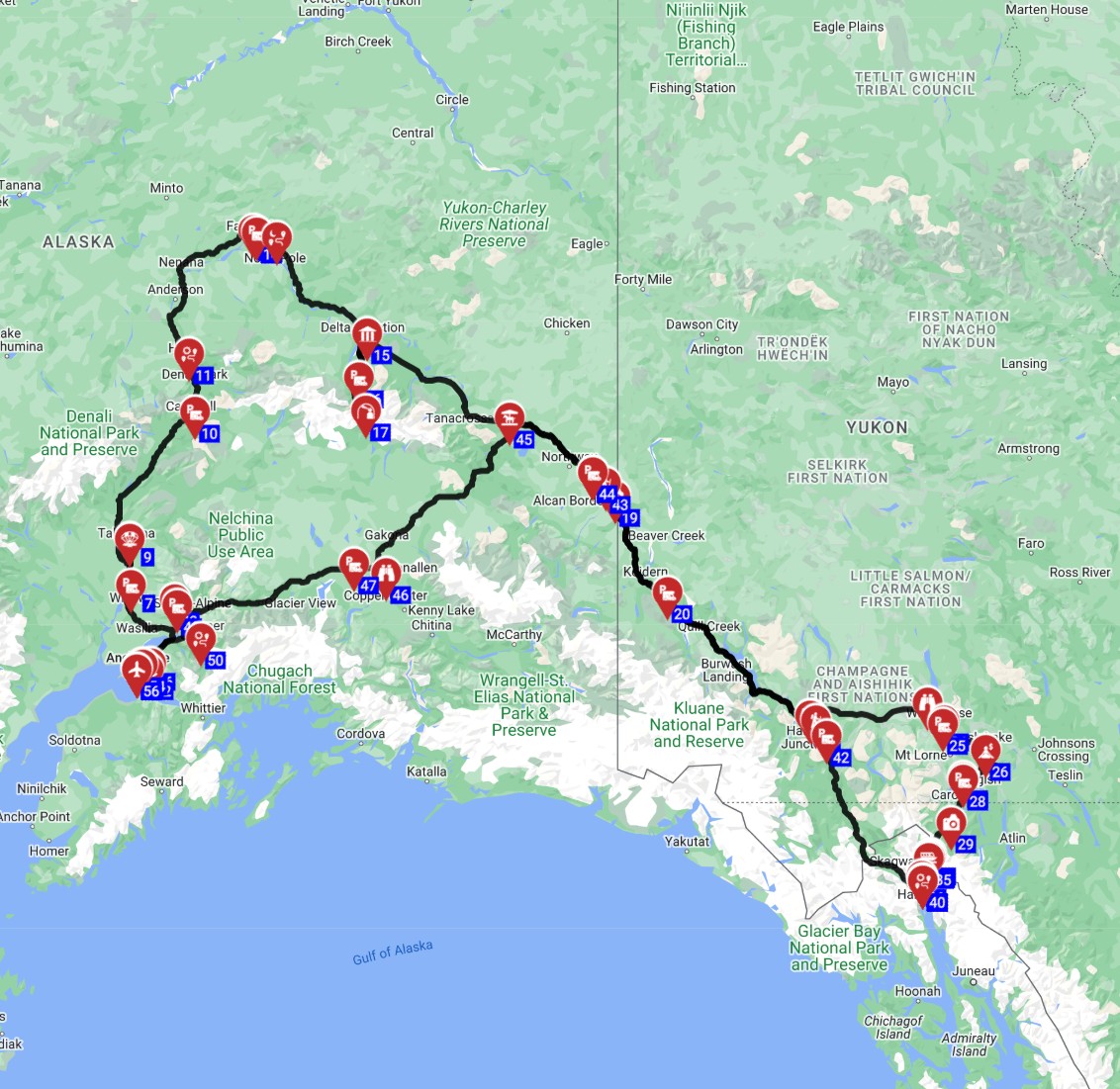
Realistic RV itinerary options for the UK typically range from 1-week regional explorations to 2-week multi-country tours or full UK circuits over a month. Estimated travel times are heavily influenced by road conditions and desired sightseeing stops. For a 1-week trip, focus on a specific region such as the Scottish Highlands, the Cornish Coast, or the Lake District, allowing ample time for leisurely exploration without excessive driving. A 2-week itinerary could encompass a larger area, like a tour of Scotland and Northern England, or a loop through Wales and the Southwest of England, balancing scenic drives with cultural stops. For a full UK tour, a month is often recommended to comfortably cover diverse regions from Hadrian's Wall to the Jurassic Coast, accounting for slower driving speeds on country roads. When planning, estimate driving times generously, as UK roads (especially B-roads and scenic routes) are often slower than expected, and incorporate buffer time for spontaneous stops and potential traffic. Always book popular campsites and attractions in advance, especially during peak season, to secure your preferred locations and ensure a smooth journey. For those looking to explore the stunning landscapes of Alaska and Yukon, consider the "
What You Shouldn't Miss
- Drive the scenic routes of the Lake District National Park, enjoying its picturesque lakes and fells.
- Explore the dramatic landscapes and historic castles of the Scottish Highlands.
- Wander through the charming villages and stunning coastline of Cornwall.
- Discover the ancient history of Hadrian's Wall and the Roman frontier.
- Experience the breathtaking beauty of the Jurassic Coast and its geological wonders.
- Consider a 1-week regional exploration or a 2-week multi-country tour for a more in-depth experience of the UK's diverse regions.
Final Thoughts
Renting an RV in the UK opens up a world of possibilities, offering the freedom to explore its diverse landscapes and rich history at your own pace. By understanding the different RV classes and planning wisely, you can find the perfect vehicle for your budget and travel style.
Remember to book in advance, especially for peak seasons, and take advantage of resources like RV PLANET (rvplan.net) to help with your itinerary and campsite bookings. With Bandana Caravan, you get complete price transparency and dedicated support, ensuring your UK RV adventure is everything you dreamed of and more.
