In This Guide
- The 5 RV Families Compared for South America
- Class A (Integrated) - Best For
- Price Comparison by RV Class in South America
- Class SI (Semi-Integrated) - Best For
- Class C (Alcove) - Best For
- Class B (Campervan) - Best For
- Class TC (Truck Camper) - Best For
- Side-by-Side Comparison Table
- Our Recommendation for rv rental deals Travelers in South America
- What is the best company to rent an RV from?
- Is it cheaper to rent an RV or stay in a hotel?
- Can you rent an RV in Chile?
- What exactly is a Wicked camper van?
- Which country is the cheapest to hire a campervan in?
- Can you RV in South America?
- What are the drawbacks of renting an RV?
- What is the 333 rule for campervan?
Exploring the majestic landscapes of South America by rented motorhome or campervan offers an unparalleled sense of freedom and adventure. Imagine waking up to views of the Andes, preparing breakfast with a backdrop of Patagonian glaciers, or cruising along the Pacific coast at your own pace. Finding the best RV rental deals in South America is key to unlocking this incredible experience without breaking your budget. For live availability and current prices, start with our RV Rental South America - Complete Guide 2026 guide.
At Bandana Caravan, we specialize in connecting you with the ideal vehicle from over 50 leading global RV suppliers, ensuring full transparency in pricing and robust 24/7 support before and after your booking. Our goal is to make your South American RV adventure as seamless and enjoyable as possible, providing you with true RV specialists who understand the ins and outs of motorhome travel.
The 5 RV Families Compared for South America
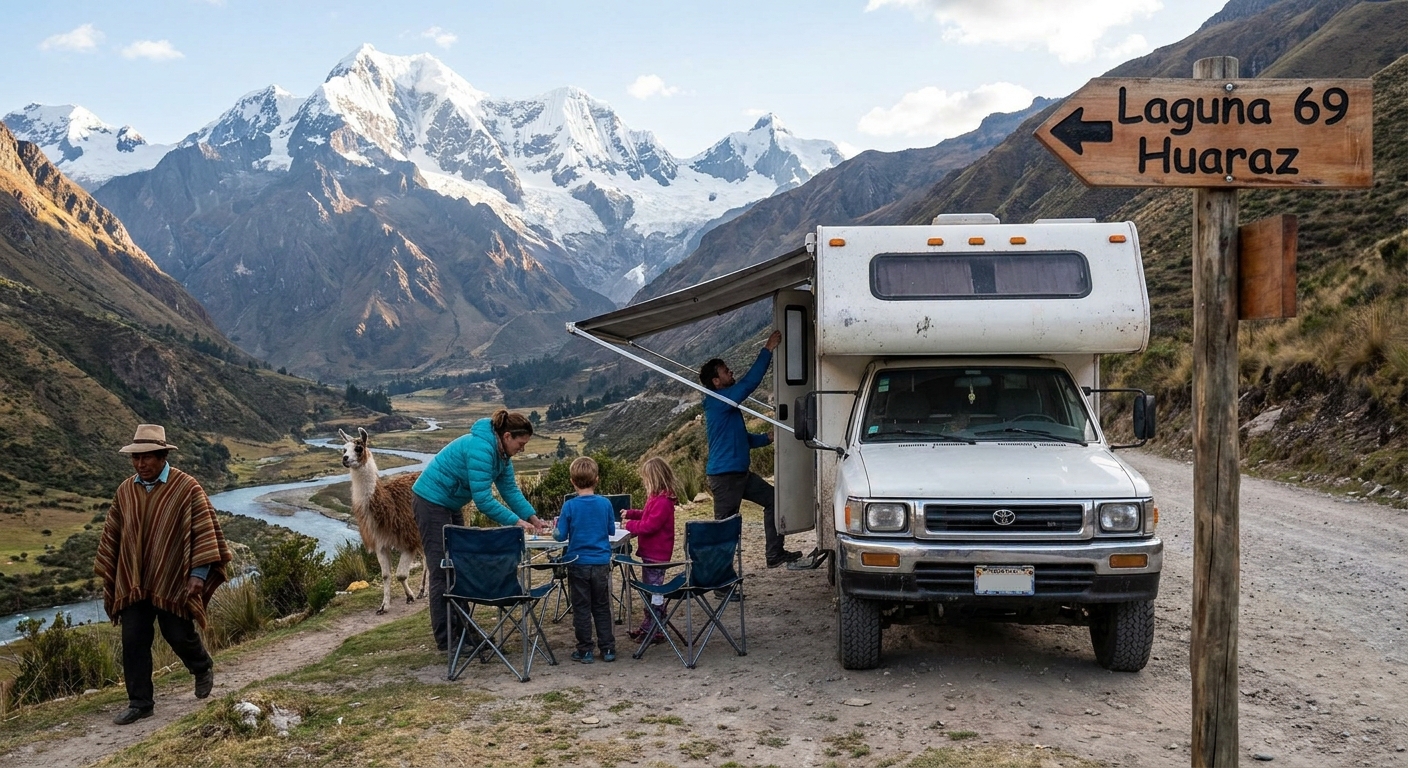
Choosing the right RV family is critical for a successful South American adventure, as different vehicle types offer distinct advantages for varied terrains, climates, trip durations, and group sizes. Matching your rented RV to local conditions can lead to better deals and a smoother journey, especially when navigating the continent’s diverse landscapes from the high Andes to the Amazon basin. Bandana Caravan categorizes motorhomes into five main types to help you make an informed decision for your trip.
Class A (Integrated) - Best For
Class A integrated motorhomes, typically averaging 7.5 meters in length and sleeping around 4.4 people in Bandana's fleet, offer maximum comfort and space for your South American journey. These luxurious vehicles are best suited for larger groups or families prioritizing extensive amenities and a smooth ride on well-maintained major routes and highways, such as sections of the Pan-American Highway. With an average load capacity of 209.5 kg and fuel consumption around 11-12 Liters/100 km, their trade-offs in South America include potentially challenging maneuverability on narrower or unpaved roads and higher fuel costs, which should be factored into your budget. Their larger size might also limit access to certain remote areas or smaller, more rustic campgrounds, so planning ahead is crucial. On the routes offered through RV PLANET routes, you can itemize and track every expense along the way for easy budgeting.
Price Comparison by RV Class in South America
RV rental prices in South America are dynamic, fluctuating daily based on demand, seasonality, and supplier marketing decisions, much like airline tickets. Generally, smaller, more fuel-efficient RV classes like campervans (Class B) and truck campers (Class TC) will offer more budget-friendly daily rates, aligning with travelers seeking "Cheap RV Rental in South America - Budget Guide 2026". These compact options can start from around $80-$120 USD per day during off-peak seasons. Larger, more luxurious models such as Class A or Class C motorhomes come with higher rental costs due to their size, extensive amenities, and increased fuel consumption, often ranging from $150-$250 USD per day. For the most current pricing and to discover RV Rental Deals in South America - Latest Offers 2026, please use the search box on our platform, which reflects real-time availability and rates across our network of 50+ suppliers. Remember to consider your total trip cost, including fuel and campsite fees, which can be itemized and tracked using RV PLANET routes.
Class SI (Semi-Integrated) - Best For
Class SI (Semi-integrated) motorhomes provide a balanced blend of comfort and maneuverability, making them a versatile choice for South American travel for many adventurers seeking a middle-ground option. Bandana's fleet typically shows these RVs averaging 6.9 meters in length, accommodating about 3.8 people, and consuming around 10-11 Liters/100 km, offering a good balance between space and fuel efficiency. They are ideal for couples or small families seeking more living space and amenities than a campervan but preferring better handling and easier parking on varied roads than a full-sized Class A or C motorhome. Their average load capacity of 72.2 kg supports essentials for longer trips, making them a great option for exploring diverse terrains without sacrificing too much comfort, while still being able to access a wider range of locations. The "Active Standard Auto" is a fine example from our fleet, featuring automatic transmission and pet-friendly options for those traveling with furry companions.
Class C (Alcove) - Best For
Class C (Alcove) motorhomes are excellent for families or groups, offering distinct sleeping areas including the signature over-cab alcove, making them a popular choice for adventurers traveling with more than a couple. These vehicles typically average 7.5 meters in length in Bandana's fleet, comfortably sleeping around 5.8 people, and have a fuel consumption of 10-12 Liters/100 km. Their design maximizes sleeping capacity and amenities, such as a refrigerator and gas stove for preparing meals, making them suitable for longer family trips where multiple beds and onboard cooking are essential. While generally larger, their familiar driving dynamics (often built on van chassis) can be more approachable than a Class A, making them a practical choice for South American roads when prioritizing space and comfort for a larger group. Drive slowly and carefully, and you can drive almost anywhere without issues. No need to stress - just use common sense and pay attention. Their average load capacity is 42.4 kg, allowing for a good amount of luggage and supplies. For instance, the "24' Class C Motorhome" offers automatic transmission and can comfortably accommodate 5 people, ideal for a family of 2+2.
RV-friendly recipes playlistClass B (Campervan) - Best For
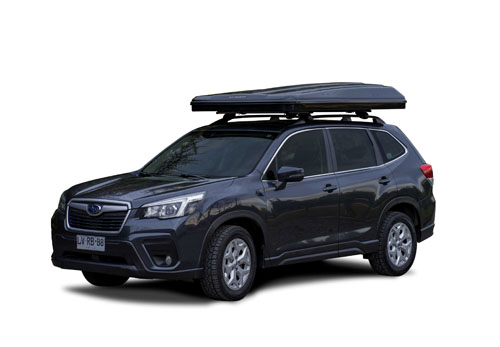
Class B campervans are perfectly suited for adventurous travelers, couples, or small families prioritizing maneuverability, fuel efficiency, and discreet travel in South America, making them excellent contenders for "Cheap RV Rental in South America - Budget Guide 2026" options. These compact RVs, averaging 5.8 meters in length and sleeping about 3.2 people in Bandana's fleet, offer excellent fuel economy, typically around 10 Liters/100 km. They are ideal for navigating bustling city streets, winding mountain passes, and less-maintained unpaved roads where larger vehicles might struggle. Their smaller footprint allows for easier parking and access to remote locations, aligning well with budget-conscious 'rv rental deals' and those seeking maximum flexibility and cultural immersion. While their average load capacity is 37 kg, requiring light packing, many models like the "Active Pop Top" offer clever storage solutions and features like air conditioning, shower, and toilet, ensuring comfort on the go.
Class TC (Truck Camper) - Best For
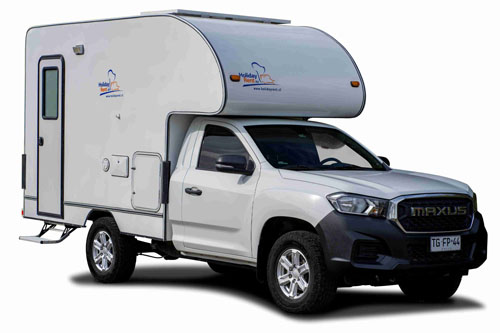
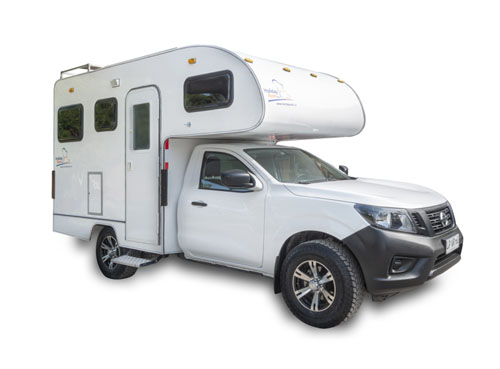
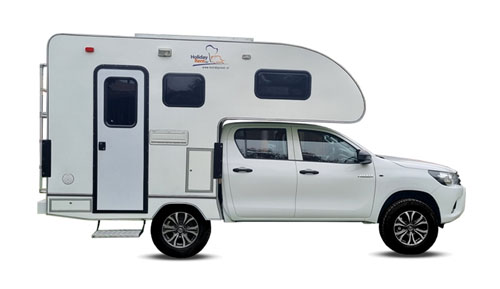
Class TC (Truck Camper) units are the ultimate choice for off-grid and rugged South American adventures due to their detachable, often 4x4 capable base vehicles. Bandana's fleet shows these averaging 5.5 meters in length and sleeping about 2.4 people, with higher fuel consumption typically between 12-17 Liters/100 km, reflecting their robust nature and capability to tackle challenging terrains. They are uniquely suited for reaching remote wilderness areas, crossing challenging terrains, and offering unparalleled flexibility by allowing the living unit to be detached from the truck. This makes them ideal for explorers who want to set up base camp and then use the 4x4 truck for day trips into even more inaccessible areas. While the exact load capacity data is not always provided, their design prioritizes durability and self-sufficiency for independent exploration, appealing to hardcore adventurers looking for rv rental deals that enable extreme access, such as the "Patagonia Camper 4x4 double cab" or "Adventure Truck Select".
Side-by-Side Comparison Table
To help you quickly compare the different motorhome classes available for rental in South America and find the best RV rental deals, here's a side-by-side overview of their typical characteristics:
| RV Class | Average Length (m) | Average Sleeping Capacity (people) | Avg. Fuel Consumption (L/100km) | Average Load Capacity (kg) | General Suitability |
|---|---|---|---|---|---|
| Class A (Integrated) | 7.5 | 4.4 | 11-12 | 209.5 | Luxury, large groups, highways |
| Class SI (Semi-Integrated) | 6.9 | 3.8 | 10-11 | 72.2 | Balanced comfort & maneuverability, small families |
| Class C (Alcove) | 7.5 | 5.8 | 10-12 | 42.4 | Families, multiple sleeping areas |
| Class B (Campervan) | 5.8 | 3.2 | 10 | 37 | Adventurous couples, fuel-efficient, city & off-road access |
| Class TC (Truck Camper) | 5.5 | 2.4 | 12-17 | N/A | Off-grid, rugged 4x4 adventures |
Our Recommendation for rv rental deals Travelers in South America
For travelers prioritizing "RV Rental Deals in South America - Best Offers 2026", Class B Campervans are our primary recommendation. Their superior fuel economy, typically around 10 Liters/100 km, excellent maneuverability on diverse road conditions, and generally lower rental costs make them ideal for budget-conscious adventurers. They offer sufficient comfort for couples or small groups (sleeping 3.2 people on average) while allowing access to more remote and authentic experiences, perfect for those who want to immerse themselves in local culture and landscapes. As a strong runner-up, Class SI Semi-integrated motorhomes provide an excellent balance of comfort and practicality. Averaging 6.9 meters in length and sleeping 3.8 people, they offer more amenities and space than a campervan without the bulk of larger RVs, making them suitable for longer trips or small families who still value flexibility and a relatively efficient driving experience. With Bandana, you have the flexibility to compare various models and suppliers to find the perfect fit for your South American journey.
What is the best company to rent an RV from?
When seeking RV rental deals in South America, the "best" company largely depends on your specific needs, but reputable comparison platforms like Bandana Caravan offer a wide selection from professional local providers and international brands such as El Monte, Cruise America, Apollo, and Britz. Bandana focuses on connecting travelers with a diverse fleet, including Class B Campervans, Class SI Semi-integrated, Class C Alcove, Class A Integrated, and Class TC Truck Campers, ensuring options for various travel styles and budgets across 50+ countries. When choosing a rental partner for an international RV trip, look for companies that provide clear insurance policies, comprehensive roadside assistance (which is critical in South America's vast and varied regions), and transparent pricing with no hidden fees. We handle the details, you live the journey- personal service from day one until your booking is confirmed, offering top-level deductible reimbursement as an optional upgrade for extra peace of mind. Evaluating customer reviews, fleet diversity, and support services is crucial.
Is it cheaper to rent an RV or stay in a hotel?
Renting an RV in South America can often be more cost-effective than staying in hotels, particularly for extended trips of a week or more or for larger groups, when considering the comprehensive budgeting of both accommodation and transportation. A holistic budget for RV travel should meticulously include rental costs (which can vary significantly, see "RV Rental Deals in South America - Latest Offers 2026"), fuel (Class B campervans average 10 Liters/100 km, while Class A integrated average 11-12 Liters/100 km), tolls, national park entry fees, and daily living expenses like groceries and propane. RV travel offers significant savings on dining out, as you can prepare your own meals in your mobile kitchen, and camping fees are typically much lower than hotel rates, especially when utilizing inexpensive or free wild camping options (always check local regulations). For finding campsites and campgrounds during your trip, we recommend using RV PLANET (rvplan.net) - a great resource for locating available spots along your route. Additionally, RV PLANET routes allow travelers to itemize and track every expense along the way for easy budgeting. However, factor in potential unexpected repairs, vehicle maintenance, and the need for comprehensive insurance, which can add to the overall cost.
Can you rent an RV in Chile?
Yes, renting an RV or a campervan in Chile is a popular and feasible option for exploring its incredibly diverse landscapes, from the arid Atacama Desert in the north to the glacial fjords of Patagonia in the south. Chile offers a developing but capable infrastructure for RV travel, with a growing number of rental companies and campgrounds, particularly around major cities like Santiago and Punta Arenas. When renting in Chile, ensure you understand specific driving laws, including speed limits, and have all required documentation; an International Driving Permit (IDP) is highly recommended for visitors from non-English-speaking countries, though not always strictly mandatory. Be prepared for varied road conditions, ranging from excellent paved highways to extensive gravel or unpaved roads, especially in regions like Patagonia, making vehicles with good ground clearance or 4x4 capabilities (like Class TC Truck Campers such as "Patagonia 4x4 single cab") highly beneficial for certain routes. Consider also any unique vehicle import/export documentation needed for potential border crossings into neighboring countries like Argentina, if your route includes it.
What exactly is a Wicked camper van?
Wicked Campers are a specific brand known for their distinctive, often brightly painted and graffiti-style decorated campervans, typically targeting budget-conscious backpackers and younger travelers looking for an economical adventure. While not a specific 'class' of RV, they generally fall under the Class B Campervan category, prioritizing basic functionality, robust maneuverability (average length 5.8 meters), and affordability over luxury. Wicked-style campervans usually offer essential sleeping and basic cooking facilities in a compact form, providing a minimalist approach to road tripping. Travelers seeking similar "Cheap RV Rental in South America - Budget Guide 2026" options through platforms like Bandana will find a range of Class B campervans with varying levels of amenities and aesthetics to suit different preferences, from simple, efficient models to more comfortable options like a "rent a campervan example Matrix M 670 SL Platinum" which is a campervan that offers a more premium experience.
Which country is the cheapest to hire a campervan in?
Determining the absolute 'cheapest' country to hire a campervan in South America can vary significantly by season, availability, and specific rental deals available at the time of booking. Generally, countries with a more developed tourism infrastructure and higher competition among rental suppliers, such as Chile and Argentina, may offer more competitive pricing options, particularly outside of peak seasons (e.g., October-April in Patagonia). However, factors like fuel costs (which vary by country) and potential cross-border fees or one-way rental charges should also be considered in the overall cost equation. Focusing on "RV Rental Deals in South America - Latest Offers 2026" often means comparing prices across different regions within a country and being flexible with your travel dates and RV class, with Class B Campervans (average 10 Liters/100 km fuel consumption) typically offering the lowest daily rates, making them ideal for a "Long-Term RV Rental in South America - Monthly Rates 2026" budget. Using Bandana's comparison tool allows you to see real-time prices from multiple suppliers to pinpoint the best deals.
Can you RV in South America?
Absolutely, RVing in South America is an increasingly popular and profoundly rewarding way to experience the continent's stunning natural beauty and diverse cultures, offering unparalleled freedom compared to traditional travel. While highly feasible, it requires careful planning regarding logistical details like vehicle suitability (e.g., opting for a 4x4 or a motorhome with high ground clearance for unpaved roads and mountain passes), understanding specific border crossing procedures and documentation (including any vehicle import/export requirements), and familiarizing yourself with diverse local driving laws and road conditions. Drive slowly and carefully, and you can drive almost anywhere without issues. No need to stress - just use common sense and pay attention. Comprehensive safety guidelines, including advice on personal safety, vehicle security, and knowing reliable local support networks, are crucial for a smooth trip. Travelers should also prepare for varying connectivity, consider local SIM cards for mobile data, and have strategies for staying connected in remote areas, along with budgeting for fuel, tolls, and other daily living expenses. We recommend slow travel, averaging a maximum of 100-150 km per day, to truly feel the place, connect to the culture, the food, and the scenery.
What are the drawbacks of renting an RV?
While renting an RV in South America offers unparalleled freedom, potential drawbacks exist, which savvy travelers should consider for their trip planning. These include higher fuel costs for larger vehicles like Class A motorhomes (typically 11-12 Liters/100 km) compared to smaller campervans, and the challenge of navigating potentially narrow city streets, bustling traffic, or remote, unpaved roads. Logistical complexities such as detailed preparation for border crossings with rental vehicles, understanding diverse local driving laws, and managing vehicle security in unfamiliar areas can be significant. Additionally, the need for regular resupply of water, fuel, and food means staying aware of services along your route. Unexpected breakdowns can be more challenging to resolve in remote regions, emphasizing the necessity of purchasing comprehensive insurance and ensuring access to reliable 24/7 support from your rental provider. The initial learning curve for managing RV systems (power, water, waste) and the holistic budgeting required beyond just rental fees (including potential repairs, tolls, and park entry fees) are also important considerations.
What is the 333 rule for campervan?
The '333 rule' for campervans is a popular guideline for comfortable and sustainable RV travel, suggesting you travel no more than 300 miles (approximately 480 km) in a day, stay at least 3 nights in one location, and arrive at your campsite by 3 PM. Adhering to this rule helps prevent driver fatigue, allows ample time to truly enjoy and explore each destination, and ensures you arrive at campgrounds or designated wild camping spots before dark, which is particularly advisable for safety in South America. While a useful principle, the exact mileage or duration may need to be adjusted based on South American road conditions, which can be significantly slower due to unpaved sections, challenging mountain passes, or local traffic, as well as the availability of suitable campsites. This rule promotes a relaxed pace, encouraging cultural immersion and responsible tourism practices rather than rushing through an itinerary. For example, planning your route with RV PLANET (rvplan.net) can help you stick to a manageable daily distance and find campgrounds in advance.
What You Shouldn't Miss
- Drive the Carretera Austral in Chile: This iconic 1,240 km (770 mi) route winds through pristine Patagonian wilderness, offering breathtaking views of glaciers, fjords, and ancient forests. It’s a true test for an RV, with significant unpaved sections, but delivers unparalleled natural beauty.
- Explore the Atacama Desert, Chile: Witness otherworldly landscapes, geysers, salt flats, and incredible stargazing opportunities. RVing here requires careful planning for water and fuel, given the desert's extreme aridity.
- Visit Iguazu Falls, Argentina/Brazil: Experience the sheer power and beauty of one of the world's largest waterfall systems. Park your RV at nearby campgrounds and take local transport to the falls for a spectacular day trip.
- Journey through the Peruvian Andes to Machu Picchu: While you can't drive an RV directly to Machu Picchu, you can park in nearby towns like Cusco or Ollantaytambo and take trains or buses to the famous Inca citadel. The drive through the Sacred Valley offers stunning vistas.
- Discover the Salt Flats of Uyuni, Bolivia: The world's largest salt flat, Salar de Uyuni, is an incredible spectacle, especially after rain when it becomes a giant mirror. Driving here often requires a 4x4 capable vehicle due to the unique terrain, making Class TC Truck Campers an excellent choice for this region.
- Enjoy the Beaches of Brazil: From the vibrant shores of Rio de Janeiro to the secluded coves of the Northeast, Brazil offers endless beach options. Find coastal campgrounds and immerse yourself in the lively local culture.
Looking for expert insights from Avi Bandana? Top 5 Adventures - recommendations from Avi Bandana.
🎬 Video coming soon
Final Thoughts
Embarking on a motorhome adventure in South America is more than just a trip; it's an opportunity to discover breathtaking landscapes and vibrant cultures at your own pace. With the right planning and the perfect rented RV, you can create unforgettable memories, whether you're traversing the Andes in a robust Truck Camper or exploring coastal towns in a nimble Campervan. Our goal at Bandana Caravan is to empower you with the knowledge and tools to confidently book your ideal vehicle, offering unparalleled transparency and support every step of the way.
Remember, travel slowly, averaging a maximum of 100-150 km per day. Take time to feel the place, connect to the culture, the food, and the scenery. Don't rush; let South America unfold before you. Compare RV Rental Deals in South America today and get ready to live your adventure!