In This Guide
- The 5 RV Families Compared for North Europe
- Class A (Integrated) - Best For
- Price Comparison by RV Class in North Europe
- Class SI (Semi-Integrated) - Best For
- Class C (Alcove) - Best For
- Class B (Campervan) - Best For
- Class TC (Truck Camper) - Best For
- Side-by-Side Comparison Table
- Our Recommendation for rv rental deals Travelers in North Europe
- How much does it cost to rent an RV in Europe
- Is it cheaper to rent an RV or stay in a hotel
- What is the cheapest way to rent an RV
- Where are the most affordable places to rent in Europe
- What is the best company to rent an RV from
- Who is the largest motorhome rental company in Europe
- What is the 333 rule for campervan
- Where is the cheapest place in Europe to buy a camper van
The 5 RV Families Compared for North Europe
RV family choice is critical for North Europe due to its diverse terrain, varying climate conditions, and specific trip preferences, directly impacting your overall rental costs and travel experience. Selecting the right motorhome or campervan ensures optimal fuel efficiency, comfortable maneuverability on narrower roads (especially in fjord country or the Scottish Highlands), and ample comfort for different group sizes, from solo adventurers to large families exploring regions from the Norwegian fjords to the Baltic coast. As true RV specialists, we at Bandana are here to help you navigate these options with full transparency, ensuring no hidden fees or surprises as you plan your ideal trip. For live availability and current prices, start with our RV Rental North Europe - Complete Guide 2026 guide.Class A (Integrated) - Best For
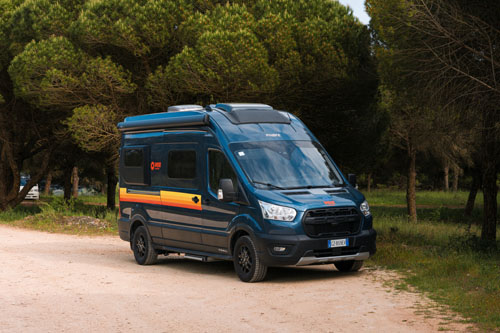
Class A integrated motorhomes, averaging 7.5 meters in length and typically sleeping 4 to 6 people, are ideal for luxurious, long-haul trips through North Europe, offering spacious living areas and premium amenities. These units, often with a robust build and advanced heating systems, are well-suited for larger families or groups seeking maximum comfort for extended stays or even winter travel in colder North European climates like those found in Sweden or Finland. While offering generous space, their considerable size can present challenges on some narrower Scandinavian roads or with ferry bookings, so careful planning of routes and parking is essential. You might find a Class A motorhome, such as the "rent motorhome example E3" model (which typically features front air conditioning, a shower, and a toilet), perfect for a grand tour.Price Comparison by RV Class in North Europe
RV rental prices in North Europe are dynamic and depend heavily on the vehicle class, rental duration, seasonality, and specific country, similar to how flight tickets fluctuate. As a flex-rate system is in place, prices change daily based on availability and supplier marketing decisions, meaning the final price is set at the actual booking time. For this reason, the examples below are illustrative, and for the most current pricing, travelers should consult the search box at the top of the page. You can discover more options by searching for "RV Rental Deals in North Europe - Latest Offers 2026".Live April Price Comparison — RV Class × Trip Length
| Trip length | Class A | Class B | Class C | Class SI | Class TC |
|---|---|---|---|---|---|
| 1 week 15/04 → 22/04 | [Price_ClassType-A_PickupID-3_DropoffID-3_PickupDate-15/04_DropoffDate-22/04] | [Price_ClassType-B_PickupID-3_DropoffID-3_PickupDate-15/04_DropoffDate-22/04] | [Price_ClassType-C_PickupID-3_DropoffID-3_PickupDate-15/04_DropoffDate-22/04] | [Price_ClassType-SI_PickupID-3_DropoffID-3_PickupDate-15/04_DropoffDate-22/04] | [Price_ClassType-TC_PickupID-3_DropoffID-3_PickupDate-15/04_DropoffDate-22/04] |
| 2 weeks 15/04 → 29/04 | [Price_ClassType-A_PickupID-3_DropoffID-3_PickupDate-15/04_DropoffDate-29/04] | [Price_ClassType-B_PickupID-3_DropoffID-3_PickupDate-15/04_DropoffDate-29/04] | [Price_ClassType-C_PickupID-3_DropoffID-3_PickupDate-15/04_DropoffDate-29/04] | [Price_ClassType-SI_PickupID-3_DropoffID-3_PickupDate-15/04_DropoffDate-29/04] | [Price_ClassType-TC_PickupID-3_DropoffID-3_PickupDate-15/04_DropoffDate-29/04] |
| 1 month 01/04 → 30/04 | [Price_ClassType-A_PickupID-3_DropoffID-3_PickupDate-01/04_DropoffDate-30/04] | [Price_ClassType-B_PickupID-3_DropoffID-3_PickupDate-01/04_DropoffDate-30/04] | [Price_ClassType-C_PickupID-3_DropoffID-3_PickupDate-01/04_DropoffDate-30/04] | [Price_ClassType-SI_PickupID-3_DropoffID-3_PickupDate-01/04_DropoffDate-30/04] | [Price_ClassType-TC_PickupID-3_DropoffID-3_PickupDate-01/04_DropoffDate-30/04] |
Estimates only — flex-rate prices change daily based on availability and season.
Class SI (Semi-Integrated) - Best For
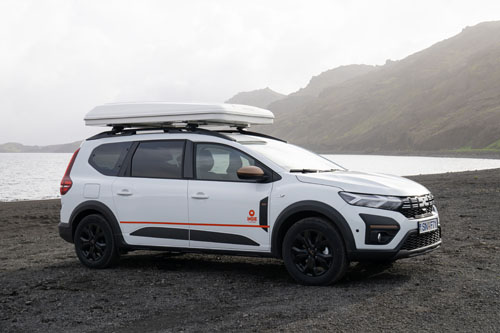
Class SI semi-integrated motorhomes, averaging 6.9 meters in length and typically sleeping 3-4 people, offer a balanced blend of comfort and maneuverability, making them highly versatile for North European adventures. With common fuel consumption around 10-11 liters/100 km, these models are excellent for couples or small families navigating diverse terrains from the Scottish Highlands to Finnish Lakeland, providing a good compromise between the spaciousness of an Alcove and the agility of a Campervan. Their moderate size makes them suitable for varied road conditions, including some narrower regional roads, and generally easier to manage than larger integrated models. Consider a rental like the "Category Family 5" model, which often includes a roofbox and bicycle rack options, perfect for active families.Class C (Alcove) - Best For
Class C alcove motorhomes, with an average length of 7.5 meters and sleeping 5-6 people (often with an extra sleeping area over the cab), are highly recommended for families traveling North Europe. These cost-efficient units, featuring common fuel consumption of 10-12 liters/100 km, provide ample space for larger groups and are well-suited for varied road conditions found across the region, from the scenic routes of Norway to the historical cities of Denmark. The distinctive alcove sleeping area makes them popular for those needing extra beds, though their height may affect ferry costs and access to some city centers or low bridges in regions like the UK. A model such as "24 Class C Motorhome" often comes with upgraded Queen mattresses, flat-screen TVs, and USB ports for modern travel needs.Class B (Campervan) - Best For
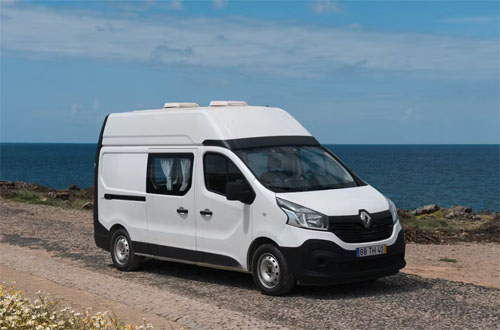
Class B campervans, typically 5.8 meters long and comfortably sleeping 2-4 people, are ideal for agile and adventurous travelers exploring North Europe, offering superior maneuverability and fuel economy (around 8-10 liters/100 km). These compact rental vehicles excel on narrow coastal roads, allow for easier parking in towns, and are perfect for couples or solo travelers seeking flexibility for wild camping (where permitted by laws like Allemannsretten in Scandinavia) and spontaneous exploration. Their smaller footprint makes them less intimidating on winding roads and easier to handle in crowded areas or remote locations, making them a popular choice for a "Weekend RV Rental in North Europe - Pricing 2026" style trip. The "Duo" campervan, for instance, is noted for its comfortable rear double bed and efficient heating system, essential for cooler Nordic nights.Class TC (Truck Camper) - Best For
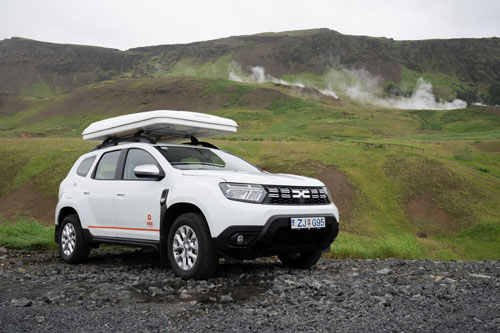
Class TC truck campers, averaging 5.5 meters in length and typically sleeping 2-3 people, are the ultimate choice for off-grid and adventure-focused RV travelers in North Europe, thanks to their robust build and potential for 4x4 capability. These versatile units, with common fuel consumption typically between 12-17 liters/100 km, are particularly suited for navigating rougher tracks in remote areas like the Icelandic Highlands or Arctic wilderness, offering unparalleled flexibility for reaching otherwise inaccessible scenic spots. While offering more basic comfort compared to larger motorhomes, their ability to decouple from the truck provides unique versatility for setting up camp and using the truck for day trips. Models like the "rv rental usa example T17 Truck Camper" often feature a functional kitchen with a gas stove and refrigerator, allowing for easy meal preparation on the go. For ideas on what to cook, check out our RV-friendly recipes playlist.Side-by-Side Comparison Table
Selecting the right RV rental class for your North European adventure requires evaluating length, sleeping capacity, and fuel efficiency against your personal travel style and budget. This table offers a quick overview to help you compare the primary motorhome and campervan types available.| Family | Avg Length (m) | Sleeps (Avg) | Fuel Use (L/100km) | Best Use Case in North Europe |
|---|---|---|---|---|
| Class A (Integrated) | 7.5 | 4.4 | 11-12 | Luxury long-haul, large groups, maximum comfort |
| Class SI (Semi-integrated) | 6.9 | 3.8 | 10-11 | Balanced comfort & maneuverability, small families |
| Class C (Alcove) | 7.5 | 5.8 | 10-12 | Family-friendly, cost-efficient, ample space |
| Class B (Camper Van) | 5.8 | 3.2 | 8-10 | Agile exploration, couples/solo, wild camping |
| Class TC (Truck Camper) | 5.5 | 2.4 | 12-17 | Off-grid adventure, remote tracks, 4x4 capability |
Our Recommendation for rv rental deals Travelers in North Europe
For the typical RV rental deal seeker in North Europe, the **Class SI (Semi-integrated)** motorhome is our primary recommendation due to its optimal balance of comfort, size, and fuel efficiency, making it highly versatile for varied landscapes and group sizes. Its average length of 6.9 meters allows for easier navigation on narrower Scandinavian roads and simplifies ferry access compared to larger Class A or C units, while still offering sufficient living space and amenities for a comfortable journey through diverse regions. A strong runner-up, especially for budget-conscious couples or agile adventurers, is the **Class B (Campervan)**, which excels in maneuverability and fuel economy (8-10 liters/100km), ideal for exploring cities and remote areas alike, particularly where 'freedom to roam' laws might apply in countries like Norway and Sweden.How much does it cost to rent an RV in Europe
Renting an RV in Europe typically ranges from €70 to €200 per night, with prices fluctuating significantly based on the RV class, rental duration, season, and specific country. For North Europe specifically, costs can be slightly higher than in Southern Europe, with factors like elevated fuel prices (e.g., in Norway or Iceland, often costing €1.80-€2.20 per liter), mandatory winterization in colder months (which might add €50-€100), extensive ferry crossings (potentially €20-€100 per crossing), and road tolls (e.g., in Norway, where tolls are numerous and often automated) adding to the overall budget. A comprehensive budget for an RV trip in North Europe should account for not just the rental fee, but also fuel (averaging 10-12 Liters/100km for most RVs), campsite fees (€20-€50/night), potential ferry costs (crucial for island hopping or coastal routes), optional insurance upgrades (like our top-level deductible reimbursement), and possible road vignettes or environmental zone charges. For detailed budgeting tools, explore RV PLANET routes, where you can itemize and track every expense. Booking well in advance, especially for the peak summer season (June-August) with its midnight sun, or aurora-hunting winter trips, is crucial to secure better deals and vehicle availability. You can find a broader overview of costs in our "RV Rental Europe - Complete Guide 2026".Is it cheaper to rent an RV or stay in a hotel
Renting an RV can often be more cost-effective than a comparable hotel-based trip, especially for families (4-6 people) or longer durations (e.g., a two-week adventure) in North Europe, as it efficiently combines accommodation and transportation costs. While initial RV rental fees might seem higher than a single hotel night, an RV eliminates daily car rental expenses (saving €30-€80/day) and significantly reduces restaurant expenses by allowing for self-catering, thereby lowering the overall food budget by 30-50%. The ability to utilize 'wild camping' (where permitted, like Allemannsretten in Norway/Sweden) or cheaper basic campsites (costing €20-€30/night) further reduces accommodation costs compared to often expensive hotels, particularly in high-demand North European tourist regions like Iceland or Western Norway. However, travelers must factor in the higher fuel costs common in North Europe, along with potential ferry charges and road tolls, as these can add substantial amounts to the RV budget, making the cost comparison nuanced and dependent on individual travel style and itinerary choices.What is the cheapest way to rent an RV
The cheapest way to rent an RV in North Europe often involves booking well in advance (6-12 months out), opting for off-peak seasons (shoulder seasons like April-May or September-October), and choosing smaller, more fuel-efficient rental models like Class B Campervans (e.g., a "Campervan for 2 - Manual" model starting around €60/day in shoulder season). Utilizing comparison platforms like Bandana allows travelers to compare deals from numerous local and international providers simultaneously, often uncovering better rates and saving up to 25% than booking directly with a single company. Look for longer rental periods, as daily rates typically decrease with extended bookings (a month-long rental might reduce daily costs by 10-15%), and consider picking up and dropping off at the same location to avoid one-way fees, which can range from €150-€500 for domestic routes. Being flexible with your travel dates, selecting vehicles with manual transmissions (if comfortable driving them), and proactively checking for early bird discounts or last-minute offers can also unlock lower prices for your "RV Rental Deals Comparison in North Europe - Best Offers 2026".Where are the most affordable places to rent in Europe
Generally, countries in Southern and Eastern Europe, such as Portugal, Spain, Italy, Croatia, and the Baltics (Estonia, Latvia, Lithuania), tend to offer more affordable RV rental prices, often starting from €60-€80 per night, compared to North Europe. Within North Europe, rental prices can vary; however, countries like Germany (often a major hub with competitive pricing for rentals that travel north) or the Baltic states might present slightly more accessible rates than Scandinavia (Norway, Sweden, Finland) or Iceland, where prices can be 10-30% higher. It's important to remember that 'affordable' is relative; a cheaper rental in one country might be offset by higher fuel (e.g., diesel prices in Norway are among Europe's highest, often over €2/liter), toll, or ferry costs once you travel into more expensive North European destinations. For the best value for your "RV Rental Deals Comparison in North Europe - Best Offers 2026", travelers should focus on securing deals and exploring shoulder seasons within their desired North European country, rather than solely chasing the absolute cheapest country to rent from, which might be geographically distant from their intended itinerary.What is the best company to rent an RV from
The 'best' RV rental company ultimately depends on individual needs regarding budget, preferred vehicle type, insurance coverage, and customer service quality, but reputable international platforms like Bandana aggregate listings from numerous local providers across North Europe, offering extensive variety and competitive pricing. Key factors to consider when choosing include the fleet's average age (many suppliers offer models up to 3 years old), transparent pricing (ensuring no hidden fees), comprehensive insurance options (with the ability to upgrade to a top-level deductible for extra peace of mind), and prompt pre-booking and post-booking support. For North Europe, prioritize companies that offer vehicles equipped for specific seasonal conditions (e.g., mandatory winter tires or robust diesel heating systems for colder months), understand local regulations regarding driving licenses (a standard car license is sufficient for all motorhome classes for drivers 21+), and can provide guidance on practicalities like road tolls and ferry booking procedures. We partner directly with over 50 leading RV suppliers worldwide, including trusted names, ensuring you have access to a wide selection and expert advice.Who is the largest motorhome rental company in Europe
While several large pan-European and international rental companies operate across Europe, such as McRent, Touring Cars, and Indie Campers, Bandana functions as a leading aggregator, connecting travelers to the widest selection of motorhomes from a vast network of over 50 local and global partners. This aggregation model allows Bandana to offer a comprehensive range of vehicles, from compact campervans like the "Combi Van" (4.7m long, sleeps 4) to large Class C motorhomes (7.5m long, sleeps 6), ensuring broad coverage, competitive pricing, and a greater chance of finding specific "RV Rental Deals Comparison in North Europe - Best Offers 2026" rather than relying on a single large fleet. For travelers specifically looking for rv rental deals in North Europe, using a platform that pools inventory from multiple local specialists can often provide access to more diverse options and better value than a single large brand, allowing for more tailored choices for routes and varying weather conditions. Our position as true RV specialists, founded in 2001, means we have over 20 years of experience helping tens of thousands of travelers explore the world by RV.What is the 333 rule for campervan
The '333 rule' for campervans is a popular guideline for comfortable and sustainable travel, often suggesting travelers 'drive no more than 300 kilometers a day, stay at least 3 nights in one place, and don't spend more than €300 a week' (though specific variations exist). This rule promotes a slower, more immersive travel style, which is particularly beneficial in North Europe's stunning scenic landscapes, allowing more time to explore and appreciate natural beauty, wildlife encounters (e.g., moose, reindeer), and local culture without rushing. While a useful heuristic for pacing and enjoyment, its specific financial or distance components may need adjustment for North European travel; for example, fuel costs can be higher (€1.80-€2.20/liter for diesel), and desired itineraries might involve longer daily drives between major attractions like Norway's Atlantic Road or the North Cape. Adhering to the 'staying in one place' aspect can also help in respecting local wild camping regulations and etiquette, which is crucial in areas with 'freedom to roam' laws. Travel slowly, max 100-150 km per day on average. Take time to feel the place, connect to the culture, the food, and the scenery.Where is the cheapest place in Europe to buy a camper van
While this article focuses on RV rental deals in North Europe for vacation travelers, for those interested in purchasing, countries like Germany are generally considered among the cheapest places in Europe to buy a camper van, due to a large market, competitive prices, and a wide selection of both new and used vehicles. Other countries with robust markets and potentially good deals include France, the Netherlands, and the UK, often offering diverse models suitable for various budgets. However, buying an RV involves significant costs beyond the vehicle itself, including registration fees (potentially hundreds of euros), specialized insurance, and ongoing maintenance, which should be carefully weighed against the flexibility, lower upfront commitment, and lack of depreciation concerns offered by renting, especially for a single extended road trip to explore North Europe.What You Shouldn't Miss
- Norwegian Fjords: Drive the scenic Fjordland routes, especially the Atlantic Road (Fv 64) and the Trollstigen, stopping frequently to marvel at the dramatic landscapes and take short hikes.
- Iceland's Ring Road: Circumnavigate the 1,332 km (827 mi) Route 1 to experience waterfalls, black sand beaches, glaciers, and volcanic landscapes.
- Finnish Lakeland: Explore the serene network of thousands of lakes by campervan, enjoying the tranquility and the ubiquitous presence of saunas in even remote campsites.
- Scottish Highlands: Traverse the rugged beauty of the NC500 (North Coast 500), visiting ancient castles, distilleries, and charming coastal villages with a nimble Class B campervan.
- Baltic Coastline: Discover the sandy beaches and historic towns of Estonia, Latvia, and Lithuania, enjoying a blend of natural beauty and rich cultural heritage.
- Arctic Circle Adventure: Journey above the Arctic Circle in winter for a chance to witness the spectacular Northern Lights, making sure your rented motorhome is winter-ready.
🎬 Video coming soon
Looking for expert insights from Avi Bandana? Top 5 Adventures - recommendations from Avi Bandana