
In This Guide
- The 4 RV Families Compared for Zimbabwe
- Class A (Integrated) - Best For Seniors in Zimbabwe
- Price Comparison by RV Class in Zimbabwe
- Class SI (Semi-Integrated) - Best For Seniors in Zimbabwe
- Class C (Alcove) - Best For Seniors in Zimbabwe
- Class B (Campervan) - Best For Seniors in Zimbabwe
- Side-by-Side Comparison Table
- Our Recommendation for RV Rental for Seniors Travelers in Zimbabwe
- What Wildlife Safety Protocols Should RVers Follow in Zimbabwean National Parks?
- How Do RVs Manage Water, Waste, and Power in Remote Zimbabwe?
- How Do I Prepare My RV for Maintenance and Emergencies in Remote Zimbabwean Areas?
- What Cultural Immersion Opportunities are Available for RV Travelers in Zimbabwe?
- What are the Requirements for RV Border Crossings in Zimbabwe and Neighboring Countries?
- What is the Realistic Cost Breakdown for an RV Trip in Zimbabwe?
- Where Can I Find RV-Friendly Campsites in Zimbabwe with Amenities and Booking Information?
- Top Cities for RV Rental in Zimbabwe
- Zimbabwe Road Rules & Practical Information for RVers
- What You Shouldn't Miss
- Why Book with Bandana Caravan
- Final Thoughts
- Frequently Asked Questions
The 4 RV Families Compared for Zimbabwe
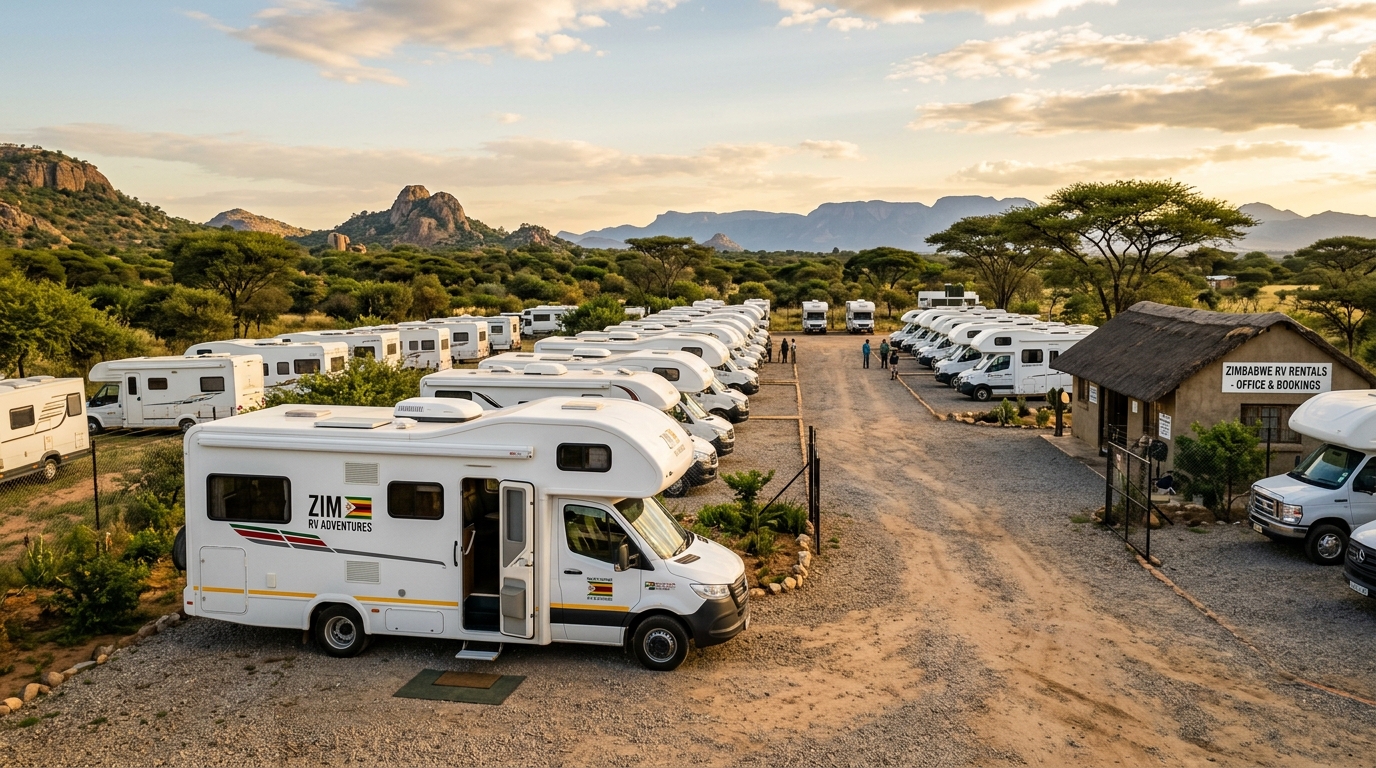
Choosing the right RV family is crucial for senior travelers in Zimbabwe, requiring consideration of factors like diverse terrain, varying climates, desired trip length, and group size for optimal comfort and safety. As true RV specialists, we understand that every journey is unique, and our decades of experience since being founded in 2001, helping tens of thousands of travelers, have shown us that matching the vehicle to the traveler is paramount. Smaller, more agile motorhomes and campervans excel on less-developed roads often found in Zimbabwe's more remote areas, while larger models offer superior comfort and amenities for longer stays or multiple travelers. To begin exploring your options and find live availability and current prices, start with our RV Rental Zimbabwe - Complete Guide 2026. When making your choice, think about vehicle specifications such as length, sleeping capacity, and fuel efficiency, ensuring they align with your personal travel style and comfort priorities. We always advocate for slow travel, recommending a maximum of 100-150 km per day on average, allowing you to truly feel the place, connect to the culture, the food, and the scenery.Class A (Integrated) - Best For Seniors in Zimbabwe
Class A integrated motorhomes, typically averaging 7.5 meters in length and sleeping around 4.4 people, are best suited for seniors prioritizing maximum comfort, spacious living areas, and extended trips across Zimbabwe's main paved routes. These larger vehicles offer a luxurious "home-away-from-home" experience, with ample room for dining, lounging, and extensive storage for all your travel essentials. Bandana's global fleet average for Class A vehicles indicates a common fuel consumption of 11-12 Liters/100 km, alongside a substantial load capacity of around 209.5 kg, which is ideal for long journeys requiring more gear or provisions. While providing generous amenities, their larger size can be a trade-off, making them less agile on narrower or unpaved Zimbabwean roads and potentially more challenging to maneuver and park in smaller, more rustic campsites. However, for those sticking to well-maintained highways and seeking unparalleled onboard comfort, a Class A motorhome rental offers an exceptional experience.Price Comparison by RV Class in Zimbabwe
RV rental pricing in Zimbabwe is dynamic, much like flight tickets, changing daily based on availability, demand, seasonality, and specific supplier decisions. The table below presents real example prices from Bandana's live search for various durations and RV classes in Zimbabwe, offering a realistic snapshot of what you might expect. These prices are estimates and update constantly, so we always recommend checking Bandana's search box at the top of the page for the most current live numbers and best deals. Remember, what you see is what you pay with Bandana, as we believe in full transparency with no hidden fees or surprises at pickup. Our commitment is to help you compare final prices across a wide range of suppliers.🎬 Video coming soon
| RV Class | 1 Week (Avg. Daily Rate) | 2 Weeks (Avg. Daily Rate) | 1 Month (Avg. Daily Rate) |
|---|---|---|---|
| Class A (Integrated) | $280 - $450 USD | $250 - $400 USD | $220 - $370 USD |
| Class SI (Semi-Integrated) | $200 - $350 USD | $180 - $320 USD | $160 - $290 USD |
| Class C (Alcove) | $170 - $300 USD | $150 - $280 USD | $130 - $250 USD |
| Class B (Campervan) | $120 - $250 USD | $100 - $220 USD | $90 - $190 USD |
These rates are illustrative and are subject to change based on booking lead time, specific vehicle models, and seasonal demand. For the most accurate pricing for your desired travel dates and vehicle type, use our comparison tool. For a comprehensive look at pricing, refer to our "Cheap RV Rental in Zimbabwe - Budget Guide 2026" or "Luxury RV Rental in Zimbabwe - Premium Prices 2026" to understand more about available options. You can also explore "Weekly RV Rental in Zimbabwe - Pricing 2026" for shorter trip details.
Class SI (Semi-Integrated) - Best For Seniors in Zimbabwe
Class SI semi-integrated motorhomes, averaging 6.9 meters in length and sleeping approximately 3.8 people, offer a balanced blend of comfort and maneuverability, making them an excellent choice for senior couples or small groups traveling in Zimbabwe. These vehicles often feature a sleeker profile than full Class A motorhomes, making them easier to navigate on diverse road conditions while still providing essential home comforts. Bandana's global fleet data suggests a fuel consumption of 10-11 Liters/100 km, along with a load capacity of about 72.2 kg, providing sufficient space and efficiency for varied travel durations. Class SI models frequently include features like a compact kitchen, private bathroom, and comfortable sleeping arrangements. These models often outperform larger Class A vehicles in ease of driving on Zimbabwe's diverse road conditions and are generally more fuel-efficient than Class C options, hitting a sweet spot between luxury and practicality for seniors seeking adventure and relaxation.Class C (Alcove) - Best For Seniors in Zimbabwe
Class C alcove motorhomes, with an average length of 7.5 meters and robust sleeping capacity for approximately 5.8 people (including the distinctive overhead alcove bed), are ideal for seniors traveling with family or grandchildren in Zimbabwe, seeking a cost-efficient yet spacious option. These popular vehicles strike a great balance between size and comfort, offering more space than a campervan while remaining easier to drive than a large Class A. Bandana's global fleet indicates these vehicles typically consume 10-12 Liters/100 km, with an average load capacity of about 42.4 kg, making them practical for family-oriented trips. Their robust build can handle Zimbabwe's varied road conditions effectively, while the extra sleeping space above the cab makes them a versatile choice for larger groups without the premium price or driving complexity of a Class A. Look for models like the "24' Class C Motorhome" with upgraded queen mattresses and electric roll-out awnings for added convenience.Class B (Campervan) - Best For Seniors in Zimbabwe
Class B campervans, typically 5.8 meters long and sleeping around 3.2 people, are exceptionally well-suited for adventurous senior couples or solo travelers in Zimbabwe who prioritize maneuverability, fuel economy, and the ability to navigate smaller roads and urban areas with ease. With a global fleet average fuel consumption of 8-10 Liters/100 km and a load capacity of approximately 37 kg, these compact RVs are economical and nimble, perfect for those who want to explore off the beaten path without the bulk of a larger motorhome. They offer a more "car-like" driving experience compared to larger motorhomes, making them ideal for seniors who prefer an agile vehicle for exploring remote areas or for shorter trips where extensive amenities are not the primary focus. For instance, a "Category Van" or "2 Berth Hi Top" can provide all necessary comforts in a compact package.Side-by-Side Comparison Table
This table provides a quick side-by-side comparison of the key specifications for each RV family, aiding senior travelers in Zimbabwe to easily identify the best fit for their travel style and needs. Understanding these differences can help you make an informed decision and ensure your motorhome rental experience is as comfortable and convenient as possible.| Family | Avg Length (m) | Sleeps (approx.) | Fuel Use (L/100km) | Best Use Case in Zimbabwe |
|---|---|---|---|---|
| Class A (Integrated) | 7.5 | 4.4 | 11-12 | Maximum comfort, long trips, large groups on main roads |
| Class SI (Semi-Integrated) | 6.9 | 3.8 | 10-11 | Balanced comfort and maneuverability for couples/small groups |
| Class C (Alcove) | 7.5 | 5.8 | 10-12 | Family travel with children/grandchildren, cost-efficient space |
| Class B (Campervan) | 5.8 | 3.2 | 8-10 | Adventurous couples/solo, fuel efficiency, agility on smaller roads |
Our Recommendation for RV Rental for Seniors Travelers in Zimbabwe
For most senior travelers seeking RV rentals in Zimbabwe, our primary recommendation is the **Class SI (Semi-Integrated) motorhome**, due to its optimal balance of comfort, manageable size, and good fuel efficiency for varied Zimbabwean roads. The Class SI, typically 6.9 meters long and sleeping nearly 4 people, provides ample living space and essential amenities like a private shower and toilet, without the driving challenges of a larger Class A, making it comfortable for extended stays and easier to navigate into campsites. A strong runner-up is the **Class B (Campervan)**, especially for adventurous senior couples or solo travelers prioritizing agility, fuel economy (8-10 L/100km), and ease of parking, allowing greater flexibility to explore remote or less-accessible areas of Zimbabwe, such as smaller towns or wildlife viewing spots. These choices offer a blend of independence, safety, and convenience, catering to the diverse preferences and physical considerations of senior travelers while touring Zimbabwe.What Wildlife Safety Protocols Should RVers Follow in Zimbabwean National Parks?
RVers in Zimbabwean National Parks must adhere to strict wildlife safety protocols to ensure personal protection and animal welfare, including always securing food, staying inside vehicles during encounters, and understanding specific advice for different animal types near campgrounds. First and foremost, always keep all food and scented items locked securely inside your rented RV, as many parks are home to active and curious wildlife like baboons, hyenas, and elephants that are highly attracted to human provisions. Maintaining a safe distance from all animals is paramount; never approach them on foot, and drive slowly and cautiously within park boundaries, especially during dawn and dusk when animals are most active. At campgrounds, be aware of animal movements, use designated electrified fences if available, and strictly avoid walking around at night. For communication in remote areas, particularly during emergencies, carrying a satellite phone is a crucial safety measure. Remember, the goal is coexistence, so minimize your impact and respect the local wildlife.How Do RVs Manage Water, Waste, and Power in Remote Zimbabwe?
Managing water, waste, and power in remote or undeveloped Zimbabwean settings for self-contained RVs typically involves careful planning for refill points, responsible waste disposal, and leveraging solar power solutions. Fresh water refill points are often limited to larger towns, established campsites, or lodges, necessitating careful rationing and the use of water purification tablets or filters for backup during your adventure. Waste disposal, particularly for grey and black water from your motorhome's kitchen and bathroom, requires finding designated dump stations at formal campsites or eco-friendly methods where permitted, as unregulated dumping is both environmentally harmful and illegal. For power, solar panel systems are highly recommended for charging batteries and running appliances, given Zimbabwe's abundant sunshine and the limited electrical hookups in many remote locations, enabling extended off-grid stays. For finding campsites and campgrounds during your trip, we recommend using RV PLANET (rvplan.net), a great resource for locating available spots along your route that often details available amenities for water and waste. If you plan to prepare your own meals on board, check out our RV-friendly recipes playlist for delicious and easy meal ideas.How Do I Prepare My RV for Maintenance and Emergencies in Remote Zimbabwean Areas?
Preparing a rented RV for maintenance and emergencies in remote Zimbabwean areas involves carrying essential spare parts, understanding basic roadside repair, establishing clear breakdown procedures, and utilizing reliable communication devices like satellite phones. Recommended spare parts to carry include an extra set of tires, a spare fan belt, fuel filters, engine oil, and a comprehensive basic toolkit, as specialized RV mechanics are scarce outside major cities like Harare or Bulawayo. Familiarize yourself with basic roadside repair skills for common issues like tire changes or minor engine troubles, because assistance can be hours or even days away in very remote regions. Always have a clear breakdown procedure, including contacting your rental company (if applicable, though on-trip support claims are generally limited to pre-booking and post-booking coordination), and carry a satellite phone or high-frequency (HF) radio for reliable communication beyond cellular network coverage. Prioritizing these steps ensures a safer and more confident RV adventure across Zimbabwe's diverse landscapes.What Cultural Immersion Opportunities are Available for RV Travelers in Zimbabwe?
RV travelers in Zimbabwe can experience rich cultural immersion beyond typical safaris by visiting local markets, engaging with rural communities, exploring traditional villages, and accessing less-traveled cultural sites. Engage respectfully with local communities by visiting village schools, craft centers, or traditional homesteads, ideally with prior arrangement through local guides or tour operators, to learn about daily life and customs. Explore vibrant local markets in towns such as Victoria Falls, Mutare, or Harare for authentic crafts, fresh produce, and a glimpse into Zimbabwean commerce and social interaction. For instance, the Mbare Musika market in Harare is a bustling hub. Seek out less-traveled cultural sites like the ancient rock art shelters of Matobo National Park or the Great Zimbabwe Ruins, both accessible by RV, offering profound insights into Zimbabwe's deep history and heritage, often away from mainstream tourist crowds. Slow travel, spending more time in each area, significantly enhances these immersive experiences.What are the Requirements for RV Border Crossings in Zimbabwe and Neighboring Countries?
RV border crossings in Zimbabwe and neighboring countries require comprehensive documentation, including a Carnet de Passage for some routes, specific vehicle import papers, international insurance, and knowledge of expected procedures and costs at various border posts. A Carnet de Passage en Douane is often essential for temporarily importing your RV into Southern African countries, serving as a customs document that guarantees the vehicle will be re-exported. You must ensure you have original vehicle registration documents, a valid international driver's permit (IDP is recommended for visitors from non-English speaking countries, but not always mandatory if your national license is in English), proof of ownership, and third-party motor insurance valid for all countries you plan to visit. Research specific border posts, such as Beitbridge for South Africa or Kazungula for Botswana/Zambia, for their current operating hours, expected queues, specific fees (which can include road access, carbon tax, and customs duties), and any changing procedures, as these can vary. For a broader perspective on RV travel in the region, consult our "RV Rental Africa - Complete Guide 2026".What is the Realistic Cost Breakdown for an RV Trip in Zimbabwe?
A realistic cost breakdown for a self-drive RV trip in Zimbabwe encompasses significant expenses for fuel, national park fees, camping fees, food budgeting, visa costs, and border fees, all requiring careful financial planning. Fuel costs are a major component, as distances in Zimbabwe can be substantial; while more efficient RVs like Class B campervans average 8-10 Liters/100 km, larger Class C or Class A vehicles can consume 10-12 Liters/100 km or more. National park fees apply to both the vehicle and its occupants, varying by park (e.g., Hwange National Park, Mana Pools National Park) and residency status, often ranging from $10-$30 USD per person per day, plus an additional vehicle entry fee. Budget for camping fees, which typically range from $15-$50 USD per night depending on amenities and location, such as whether you opt for a basic site or one with electrical hookups. Daily food expenses will depend on your cooking habits, but budgeting $30-$50 USD per person per day for groceries for onboard meals is a reasonable estimate. Also, account for visa costs (if applicable) and any required border crossing fees when traveling between countries. For pre-planned routes that allow you to itemize and track every expense along the way for easy budgeting, explore RV PLANET routes. For more on managing your expenses, you might find "RV Rental Deals in Zimbabwe - Latest Offers 2026" helpful.Where Can I Find RV-Friendly Campsites in Zimbabwe with Amenities and Booking Information?
RV-friendly campsites in Zimbabwe, offering various amenities and booking options, can be found within national parks, private game reserves, and along popular tourist routes, with the availability of water and power hookups varying significantly. Reputable sources for campsite information and booking include online travel platforms specializing in African travel, national park websites such as Zimparks (for sites like Hwange Main Camp or Mana Pools), and specialized RV tour operators. When choosing campsites, prioritize those that offer secure parking, water refill points, waste disposal facilities for your motorhome, and communal ablutions. It's important to note that electrical hookups are less common outside of major lodges or select private parks, so a self-contained RV with solar power is advantageous. Always inquire about specific amenities, booking procedures, and safety considerations, such as wildlife fencing or on-site security, especially when planning stays in more remote or wilderness areas.Top Cities for RV Rental in Zimbabwe
Zimbabwe offers several excellent starting points for your RV rental adventure, providing access to diverse landscapes and cultural experiences. * **Harare:** As the capital city, Harare offers the widest selection of RV rental options and serves as a major gateway for international arrivals. You can pick up your campervan rental in Harare or directly from Harare - Airport, making it a convenient starting point for exploring the eastern highlands or heading west towards the national parks. * **Victoria Falls:** Home to one of the Seven Natural Wonders of the World, Victoria Falls is another prime location for RV pickup. Renting a motorhome here, either in the town itself or from Victoria Falls - Airport, places you directly at the doorstep of this spectacular waterfall and offers easy access to game drives in Zambezi National Park. * **Bulawayo:** Zimbabwe's second-largest city, Bulawayo, is an ideal base for exploring the Matobo National Park, famous for its balancing rocks and rhino tracking. Picking up your RV rental in Bulawayo provides a great cultural introduction before venturing into the wilderness. * **Mutare:** Located in the scenic Eastern Highlands, Mutare offers a different side of Zimbabwe, with lush mountains, tea plantations, and scenic drives. It's a good choice for those looking to explore a cooler, greener landscape with their mobile home. * **Kariba:** Overlooking the vast Lake Kariba, this town is a tranquil spot perfect for fishing, boating, and enjoying stunning sunsets. An RV rental allows you to fully appreciate the lake's beauty and the surrounding Matusadona National Park. Exploring these cities with a rented motorhome allows you to experience the heart of Zimbabwe at your own pace, moving from vibrant urban centers to serene natural wonders effortlessly.Zimbabwe Road Rules & Practical Information for RVers
Navigating Zimbabwe in a rented RV requires familiarity with local road rules and practical tips to ensure a safe and enjoyable journey. Drivers in Zimbabwe drive on the **left-hand side of the road**, consistent with other Southern African countries. Standard speed limits are typically 120 km/h on national highways, 100 km/h on main roads, and 60 km/h in urban areas, though always observe posted signs. You'll need a standard car driver's license for all motorhome classes, and an International Driving Permit (IDP) is recommended for non-English speaking visitors. For emergencies, the national emergency number is 995 for police, 994 for ambulance, and 993 for fire services. Road conditions vary significantly; main routes between major cities like Harare and Bulawayo or Victoria Falls are generally paved, but secondary roads, especially those leading to national parks or rural areas, can be gravel or dirt and may require slower, more careful driving. No need to stress - just use common sense and pay attention. Regarding fuel, diesel and petrol are widely available in major towns, but it's always wise to refuel whenever possible in remote areas. SIM cards for local connectivity are readily available at airports and in urban centers from providers like Econet, NetOne, and Telecel, offering mobile data for navigation and communication. RVers should also carry a physical map, as GPS coverage can be spotty in remote regions. Remember our advice: travel slowly, a maximum of 100-150 km per day on average, to truly take time to feel the place, connect to the culture, the food, and the scenery.What You Shouldn't Miss
- **Victoria Falls:** Witness the sheer power of Mosi-oa-Tunya, "The Smoke that Thunders," one of the world's largest waterfalls. Explore the rainforest on foot and consider a helicopter flight for a panoramic view.
- **Hwange National Park:** Experience world-class wildlife viewing in Zimbabwe's largest national park. Opt for a guided game drive to spot the "Big Five" and observe vast herds of elephants.
- **Great Zimbabwe Ruins:** Step back in time at this UNESCO World Heritage site, exploring the impressive stone structures of a medieval African city that flourished between the 11th and 15th centuries.
- **Matobo National Park:** Discover unique granite kopjes, ancient San rock art, and track rhinos on foot or by vehicle. This park offers a different kind of safari experience with stunning landscapes.
- **Mana Pools National Park:** For the adventurous, a visit to Mana Pools is a must. Known for its walking safaris and diverse wildlife along the Zambezi River, it provides an intimate wilderness experience (ensure your RV rental is suitable for the roads).
- **Eastern Highlands (Nyanga & Chimanimani):** Drive through lush mountains, picturesque valleys, and tea plantations. Enjoy hiking, fishing, and cooler climates, a refreshing contrast to the lowveld.
Looking for expert insights from Avi Bandana? Top 5 Adventures - recommendations from Avi Bandana
Final Thoughts
Embarking on an RV rental adventure in Zimbabwe as a senior traveler opens up a world of unparalleled freedom and discovery. Whether you prioritize spacious comfort, nimble maneuverability, or a balance of both, there's a perfect motorhome or campervan waiting to be your home on wheels. We at Bandana are here to ensure your planning process is as seamless and transparent as the journey itself, offering you comprehensive comparisons and unwavering support. Imagine waking up to the sounds of the African bush, enjoying a freshly brewed coffee from your onboard kitchen, and setting off at your own pace to explore ancient ruins, majestic waterfalls, or teeming wildlife reserves. With our commitment to full transparency and personalized service, you're not just renting a vehicle; you're gaining a travel partner dedicated to making your Zimbabwean experience truly unforgettable. Travel slowly, embrace the moment, and let the magic of Zimbabwe unfold around you. Ready to compare motorhome prices for your Zimbabwean adventure? Get inspired for your next trip and plan a journey that caters perfectly to your comfort and curiosity.On the routes offered through RV PLANET routes, you can itemize and track every expense along the way for easy budgeting.
