In This Guide
- Understanding the RV Family Available for Seniors in Tokyo
- Class C (Alcove) - Best For Senior Travelers
- Price Comparison by RV Class in Tokyo
- Side-by-Side Comparison Table
- Our Recommendation for RV Rental for Seniors Travelers in Tokyo
- What is the best month to rent an RV in Japan?
- How difficult is it to drive an RV in Japan?
- Can you park an RV anywhere in Japan?
- Are there RV parks in Japan?
- How much does it cost to rent an RV in Japan?
- Can you drive a large RV in Japan?
- How many RVs are in Japan?
Embarking on a motorhome adventure in Tokyo and across Japan offers senior travelers an incredible blend of cultural immersion and scenic beauty, all at your own pace. With a rented RV, you have the flexibility to explore bustling cityscapes and tranquil natural escapes without the constant packing and unpacking. For live availability and current prices, start with our RV Rental Tokyo - Complete Guide 2026 guide, providing all the essential information you'll need.
Understanding the RV Family Available for Seniors in Tokyo
Choosing the right motorhome size is crucial for navigating Tokyo and its surroundings, especially for senior travelers who prioritize ease of driving and accessibility. The compact nature of many Japanese roads and urban areas means that smaller, more maneuverable vehicles are generally preferred. A rented Class C motorhome or campervan provides a comfortable balance, offering amenities without the bulk of a larger rig, ensuring a smoother journey.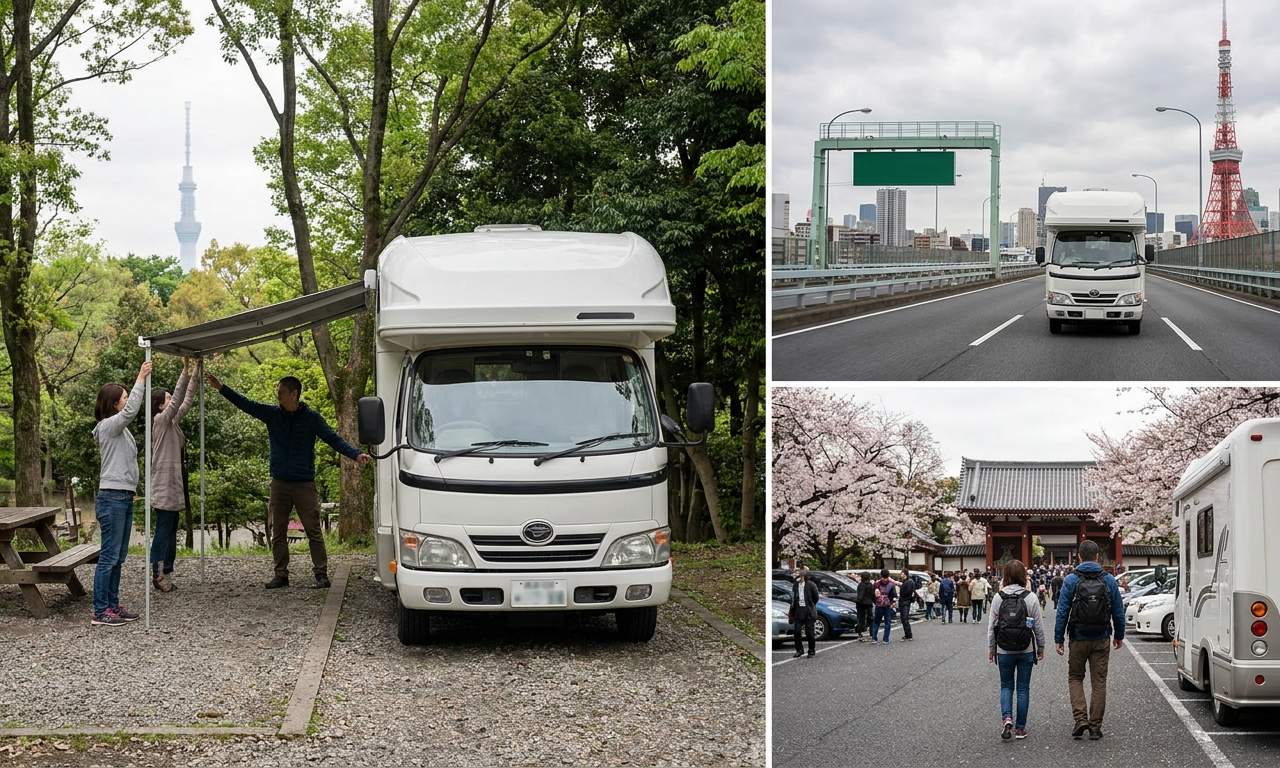 Factors like vehicle length and width significantly impact maneuverability on Japan's roads and access to specific parking areas or attractions. For instance, while a Class A motorhome might offer expansive living space, it could be challenging to drive on narrow mountain passes or to park near popular spots like the Tsukiji Outer Market or the Imperial Palace gardens. Tokyo's unique environment, blending urban density with stunning scenic outskirts, heavily influences practical RV selection for a stress-free trip. Drive slowly and carefully, and you can drive almost anywhere without issues. No need to stress - just use common sense and pay attention.
🎬 Video coming soon
Class C (Alcove) - Best For Senior Travelers
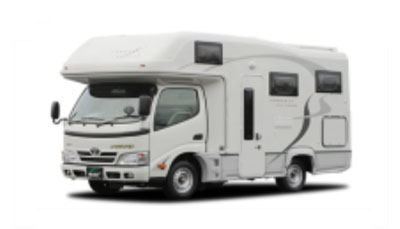
Class C alcove motorhomes are a practical option for seniors renting an RV in Tokyo, balancing comfort with a relatively manageable size for Japanese roads. These motorhomes typically range from 5 to 7 meters in length and feature an over-cab sleeping area, making them suitable for 2-3 adults for optimal comfort, though some can sleep up to 6. A prominent example is the '24' Class C Motorhome', offering sufficient living space with amenities like a shower and toilet. This class is well-suited for seniors who prioritize a comfortable base for exploring both urban peripheries and scenic day trips from Tokyo, such as to the coastal beauty of Kamakura or the serene landscapes of Hakone. The compact size of a Class C motorhome, like those similar to the 'Category Family 5' which measures about 7 meters long, means easier navigation through smaller towns and access to a wider range of campsites and Michi-no-Eki. These vehicles typically come with essential kitchen facilities, allowing you to prepare your own meals, which can be a significant cost-saver. For ideas on what to cook, check out our RV-friendly recipes playlist.Price Comparison by RV Class in Tokyo
RV rental prices in Tokyo, especially for Class C alcove motorhomes, are dynamic and vary significantly based on duration, seasonality, and current availability. For instance, a 1-week rental for a Class C motorhome during peak cherry blossom season (April) could be considerably more expensive than a 2-week rental in the shoulder season (e.g., late May or early October). Booking in advance, particularly for popular travel seasons, can help secure more favorable rates for your senior RV adventure, with savings potentially up to 25% for bookings made 90+ days out. Additional costs beyond the base rental price, such as insurance, fuel, highway tolls (which can be substantial on Japan's expressways), and campground fees, should be factored into your overall budget. For a 1-week trip, expect total daily expenses to include approximately $100-$200 USD for these ancillary costs. When planning your route with RV PLANET, you can itemize and track every expense along the way for easy budgeting, making your trip planning transparent and predictable. For more insights on costs, consider checking "RV Rental in Tokyo - Prices and Best Deals 2026" or "Cheap RV Rental in Tokyo - Budget Guide 2026".Side-by-Side Comparison Table
This comparison primarily highlights Class C alcove motorhomes and certain campervans as the most suitable options for seniors exploring Tokyo and the broader Japan region. These vehicles, often measuring around 5 to 7 meters in length (like the "MH23 Medium - Economy" with a length of 7.21 meters, or a "Combi Van" at 5 meters), strike a good balance between interior comfort and navigation ease on Japan's narrower roads. Unlike larger Class A motorhomes, these sizes are less challenging to maneuver and park. The tables below showcase typical specifications and approximate price ranges for popular vehicle types available through Bandana's trusted suppliers for RV rental in Tokyo. Remember, prices are dynamic and fluctuate based on season, demand, and how far in advance you book. For the most accurate and up-to-date pricing, we encourage using our comparison platform.Typical RV Rental Pricing in Tokyo (Approximate Daily Rates)
| RV Class | Sleeps (Comfortably) | Approx. Length (meters) | Average Low Season Daily Rate (USD) | Average Peak Season Daily Rate (USD) |
|---|---|---|---|---|
| Class C Motorhome | 2-3 adults | 5-7 m | $150 - $250 | $220 - $350 |
| Campervan (Class B) | 2 adults | 4.5-5.5 m | $120 - $200 | $180 - $300 |
Prices are estimates and can change daily based on availability, seasonality, and supplier marketing decisions. The final price is set at actual booking time.
Our Recommendation for RV Rental for Seniors Travelers in Tokyo
For seniors looking to rent an RV in Tokyo, a Class C alcove motorhome is the primary and highly recommended option due to its practical size and comfortable amenities. Its average length of 5 to 7 meters makes it manageable for navigating Japan's roads and parking areas, a significant advantage over larger vehicles. For example, a '24' Class C Motorhome' (approx 7.46 meters long) offers comfortable sleeping for 5 with a queen mattress and full kitchen, yet remains relatively compact for Japanese standards. Class C motorhomes offer a comfortable living space and sleeping for up to 6 (comfortably 2-3 adults), providing a home-like base for exploring Tokyo and its surrounding regions, including scenic day trips to places like Hakone or Nikko. Many feature automatic transmissions, which are often preferred by senior travelers for ease of driving. We work with leading suppliers worldwide, including trusted partners like Apollo and Britz, to ensure a wide selection of suitable Class C motorhomes. Before your trip, if you are planning a route, remember to take advantage of our 25% planning discount when using rvplan.net for creating your itinerary.What is the best month to rent an RV in Japan?
The best months to rent an RV in Japan are typically spring (April-May) for cherry blossoms and mild weather, or autumn (October-November) for vibrant fall foliage. These seasons offer pleasant temperatures ranging from 10°C to 20°C for driving and outdoor activities, avoiding the summer's high humidity (often exceeding 70%) and typhoon season, or the winter's colder conditions (which can drop below freezing), which can impact travel, especially for seniors. Consider regional events and public holidays during these peak seasons, as popular RV parks and attractions near Tokyo, such as sites around Mount Fuji or in the Okutama region, may require advance booking due to increased demand. Traveling in the shoulder seasons, like late May or early October, might offer a balance of good weather and fewer crowds, potentially resulting in better rental prices too. For more comprehensive planning, the "RV Travel Guide to Tokyo - Tips and Top Spots 2026" can offer seasonal insights.How difficult is it to drive an RV in Japan?
Driving an RV in Japan, especially a Class C alcove motorhome around Tokyo, is manageable but requires awareness of urban driving challenges and vehicle size limitations. Japan boasts modern road networks, but its urban landscapes can feature narrow streets, heavy traffic, and specific height and width restrictions in some areas, particularly in older city centers like Asakusa or Ginza. For example, some multi-story parking garages may have height limits of 2.1 to 2.5 meters. Seniors will find that a Class C motorhome, with its average length of 5 to 7 meters and common automatic transmission, offers a good balance, making it easier to navigate, park, and access many scenic routes and roadside stations (Michi-no-Eki) outside the immediate city center. While driving through central Tokyo can be busy, the expressway system is efficient, and careful planning allows for smooth travel. Remember our golden rule: drive slowly and carefully, and you can drive almost anywhere without issues. No need to stress - just use common sense and pay attention. An International Driving Permit (IDP) is highly recommended for all visitors from non-English speaking countries.Can you park an RV anywhere in Japan?
No, you cannot park a rented RV just anywhere in Japan; it's essential to use designated parking areas and adhere strictly to local regulations and cultural etiquette. Michi-no-Eki (Roadside Stations) are a unique and highly recommended option for overnight RV parking, offering safe and free spots with amenities like clean restrooms, local food stalls, and shops, though they typically do not provide full electrical or water hookups. There are over 1,100 Michi-no-Eki across Japan, with many within easy reach of Tokyo. Respectful RV camping in Japan means being mindful of waste disposal, noise levels, and local community rules. For instance, setting up outdoor camping equipment like awnings or tables at a Michi-no-Eki is generally not permitted as it is considered a public rest area, not a campground. For finding designated campsites and campgrounds during your trip, we recommend using RV PLANET (rvplan.net) - a great resource for locating available spots along your route, including details on local amenities and rules.Are there RV parks in Japan?
Yes, Japan has a growing network of dedicated RV parks and campgrounds, often referred to as 'auto-camps,' offering various amenities for motorhome travelers. These facilities range from basic sites with minimal services (e.g., a simple parking spot and toilet access) to full-service parks that provide electrical hookups, fresh water, dumping stations, and sometimes even onsen (hot springs) or communal kitchens. For example, the Wakasu Kaihin Park Campground near Tokyo Bay offers powered sites and dump facilities with scenic views. Booking in advance is often recommended, especially during peak seasons like spring and autumn or for popular locations near national parks or cultural sites, to ensure availability and access to specific RV-specific amenities. While some Michi-no-Eki offer overnight parking, official auto-camps provide a more traditional camping experience with dedicated facilities for longer stays. Our comparison platform partners with suppliers who can guide you on available campgrounds when you book your RV rental for Tokyo.How much does it cost to rent an RV in Japan?
Beyond the base rental fee, the total cost of an RV trip in Japan includes several ancillary expenses such as fuel, highway tolls, campground fees, food, and optional insurance. For a 1-week rental of a Class C motorhome in Tokyo, the base rental might range from $1000-$2000 USD, but additional costs can add significantly. Fuel costs can be substantial, with gasoline prices often around $1.30-$1.50 USD per liter, and Japan's extensive expressway system charges high tolls, which can add hundreds of dollars for a longer trip. For example, driving from Tokyo to Kyoto and back could incur over $100 in tolls. Campground fees typically vary from $20-$50 USD per night, offering good value for the amenities provided. Seniors should budget for these additional costs, keeping in mind that total daily expenses can easily average $70-$120 USD beyond the rental price itself. An optional top-level deductible for your RV rental in Tokyo offers extra peace of mind, protecting against high out-of-pocket expenses in case of an accident. Consider a Japan Expressway Pass for potential savings on tolls, alongside securing comprehensive travel and health insurance. Don't forget to explore RV PLANET routes to help track all your trip costs.Can you drive a large RV in Japan?
While technically possible to drive a very large RV (like a Class A motorhome) in Japan, it is generally not recommended due to significant challenges with road infrastructure and parking, especially for seniors. Japan's roads, particularly in urban areas of Tokyo, smaller towns, and scenic routes, are often narrower than those in North America or Europe. Many parking lots, tunnels, and height-restricted garages are not designed for vehicles exceeding standard dimensions. For instance, a Class A motorhome can easily be over 9 meters long and 3.5 meters high, which would severely limit accessibility. A Class C alcove motorhome, with its average length of 5 to 7 meters, is a far more practical and comfortable choice for seniors traveling in Tokyo. It offers greater maneuverability and accessibility without sacrificing essential amenities like a private shower and toilet. Sticking to a medium-sized RV rental in Tokyo will allow you to confidently navigate through various landscapes, from city outskirts to countryside roads, without unnecessary stress. Remember, drive slowly and carefully, and you can drive almost anywhere without issues. No need to stress - just use common sense and pay attention.How many RVs are in Japan?
The RV market in Japan has been steadily growing, with an estimated tens of thousands of recreational vehicles in circulation, reflecting a strong domestic interest in outdoor and independent travel. This growth has been driven by an increasing desire among Japanese residents, including many seniors, for more flexible and unique travel experiences, especially after recent global events. The prevalence of RVs supports a developing infrastructure of 'Michi-no-Eki' (roadside stations) and dedicated campgrounds, making RV travel an increasingly viable and enjoyable option for both locals and international visitors. This rising popularity also means a better selection of modern, well-maintained RV rentals in Tokyo from reputable suppliers. With Bandana Caravan, you can compare options from our network of trusted partners, ensuring you find the perfect camper or motorhome for your Japanese adventure. Whether you're interested in a week-long trip to explore the Tokyo region or a more extended road trip through Japan, there's a rental RV out there waiting for you. For broader context on planning your journey, you can refer to "RV Rental Japan - Complete Guide 2026".What You Shouldn't Miss
- Explore Hakone's Scenic Loop: Drive your rented motorhome to Hakone, just a few hours southwest of Tokyo, and experience the Hakone Loop. This scenic route takes you past Lake Ashi, offers stunning views of Mount Fuji, and includes unique transport like ropeways and pirate ships. Park your campervan at a local auto-camp and enjoy the area's famous onsen.
- Visit the Serene Nikko Shrines: Take a picturesque drive north from Tokyo to Nikko, home to UNESCO World Heritage shrines and temples amidst beautiful natural landscapes. Park your RV rental near the town and spend a day immersing yourself in history and nature, perhaps enjoying a traditional Japanese lunch at a local eatery.
- Discover the Coastal Charm of Kamakura: Head south from Tokyo in your rented mobile home to Kamakura, a historic coastal city famous for its Great Buddha and numerous Zen temples. Find RV-friendly parking on the outskirts and use local transit to explore the city's ancient sites and beaches.
- Experience Traditional Onsen Towns: Venture to a nearby onsen town, like Kusatsu Onsen (a 3-hour drive from Tokyo), known for its natural hot springs. This is a fantastic way to refresh and unwind after a day of driving, and many onsen towns have RV-friendly parking or nearby Michi-no-Eki.
- Stroll through Ueno Park: While your motorhome is parked safely on the outskirts of Tokyo, take public transport into the city and explore Ueno Park. It's home to museums, a zoo, and beautiful gardens. It's a perfect spot to enjoy some urban nature and cultural attractions.
Looking for expert insights from Avi Bandana? Top 5 Adventures — recommendations from Avi Bandana.
Final Thoughts
An RV rental in Tokyo for seniors offers an unparalleled way to experience the incredible culture and stunning landscapes of Japan. Imagine waking up to the sounds of nature outside a peaceful campground near Mount Fuji after exploring the vibrant streets of Tokyo the day before. With the right preparation and the ideal motorhome, your adventure can be as comfortable and exciting as you envision. We at Bandana Caravan are here to support you every step of the way, from comparing prices across our 50+ trusted suppliers to providing transparent booking information. Embrace the freedom of slow travel; aim for around 100-150 km per day on average, allowing you ample time to truly feel the place, connect to the local culture, savor the food, and soak in the breathtaking scenery. Your unforgettable RV journey through Tokyo and Japan awaits! Find Motorhome Rentals in TokyoOn the routes offered through RV PLANET routes, you can itemize and track every expense along the way for easy budgeting.