For live availability and current prices, start with our RV Rental Switzerland - Complete Guide 2026 guide.
In This Guide
- The 5 RV Families Compared for Switzerland
- Class A (Integrated) — Best For
- Price Comparison by RV Class in Switzerland
- Class SI (Semi-Integrated) — Best For
- Class C (Alcove) — Best For
- Class B (Campervan) — Best For
- Class TC (Truck Camper) — Best For
- Side-by-Side Comparison Table
- Our Recommendation for RV Rental for Seniors Travelers in Switzerland
- Is Switzerland RV Friendly?
- What are the advantages of renting an RV in Switzerland?
- When is the best time to RV in Switzerland?
- What are the best RV routes in Switzerland?
- Is it hard to drive an RV in Switzerland?
- What are the driving rules for RVs in Switzerland?
- Do I need a special license to drive an RV in Switzerland?
- Where can you park an RV overnight in Switzerland?
- Can you wild camp in Switzerland in an RV?
- Are RVs allowed in Swiss cities?
- How do you find RV campsites in Switzerland?
- How much does it cost to rent an RV in Switzerland?
- What documents do I need to rent an RV in Switzerland?
- What is the cheapest way to travel Switzerland?
The 5 RV Families Compared for Switzerland
When choosing a rented RV for your Swiss adventure, consider how each vehicle type aligns with the unique demands of the country's stunning but often challenging terrain, especially for seniors. The RV choice significantly impacts maneuverability on Swiss roads, with narrower and more winding routes common in the Alps. Comfort and accessibility are paramount for senior travelers, influencing the importance of features like lower entry steps and more spacious interiors. Matching the RV size to your trip length and the number of passengers is crucial for both comfort and practicality. Balancing fuel efficiency with your desired amenities will also play a role, as Swiss fuel prices can be higher than in some other European countries. Understanding these factors upfront helps ensure a more enjoyable and stress-free journey through Switzerland.
Class A (Integrated) — Best For
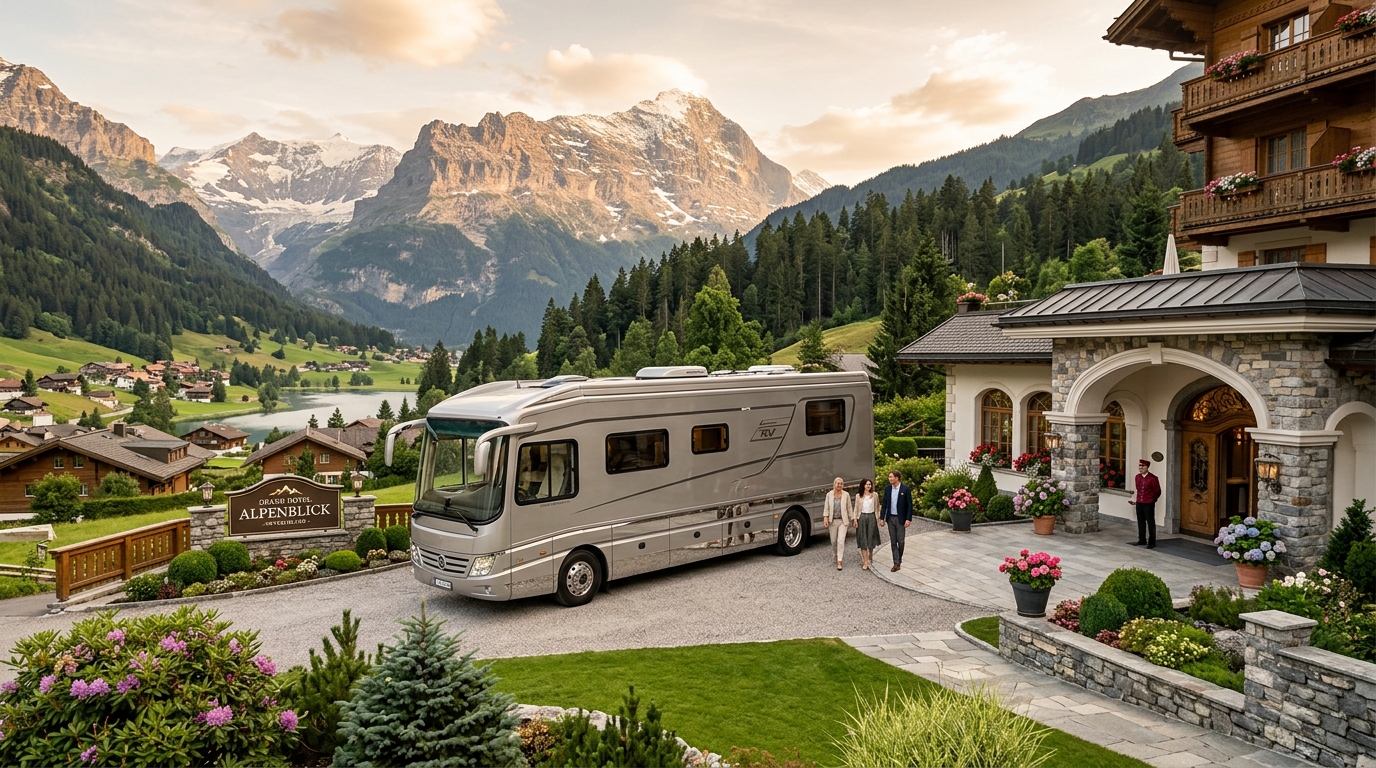
Class A motorhomes offer a luxurious and spacious living experience, making them comfortable for longer trips and larger groups, with Bandana's fleet typically sleeping 4-4 people. However, their size can make them less nimble on narrow Swiss mountain roads, and their higher fuel consumption, with Bandana's fleet typically averaging 8-12 Liters/100km, means higher running costs. While they provide ample living space and amenities, the larger footprint requires more careful planning when navigating scenic byways or historic town centers. For senior travelers prioritizing maximum comfort and space, and who are comfortable with a larger vehicle, a Class A can be a good choice, provided they are prepared for the driving demands of Switzerland.
Price Comparison by RV Class in Switzerland
RV rental prices in Switzerland are dynamic, fluctuating daily based on availability, seasonality, and booking lead times, with costs varying significantly by RV class, season, and rental duration. For example, renting a smaller campervan (Class B) in the off-season might start from approximately CHF 70-100 per day, while a larger Class A motorhome during peak summer months could range from CHF 150-300+ per day. A week-long rental for a mid-size motorhome (Class C or SI) could cost anywhere from CHF 800 to CHF 1,800, with longer durations often offering better value per day. A two-week trip might see prices from CHF 1,500 to CHF 3,000, and a month-long rental from CHF 2,500 to CHF 5,000+. These estimates do not include ancillary costs like fuel, campsite fees, or the mandatory vignette. To get real-time, personalized quotes tailored to your travel dates and preferences, use our search tool. On the routes offered through RV PLANET routes, you can itemize and track every expense along the way for easy budgeting.
Class SI (Semi-Integrated) — Best For
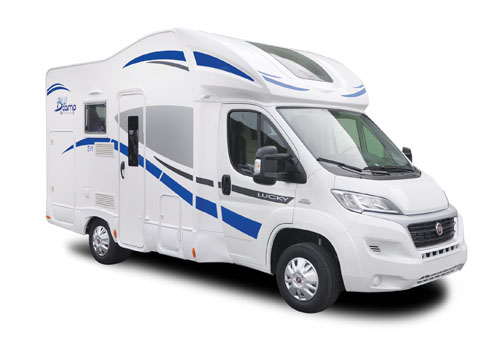
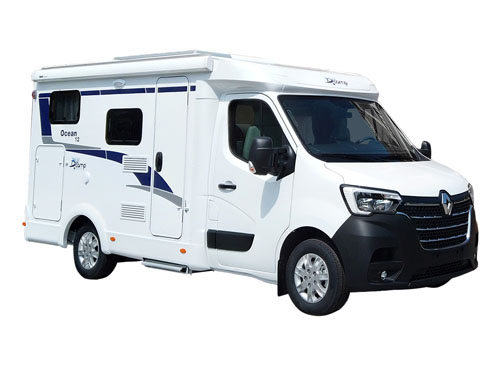
Class SI, or semi-integrated motorhomes, strike a good balance, offering comfort and good maneuverability, making them suitable for couples or small families, with Bandana's fleet typically sleeping 3-8 people. They are generally more agile than Class A or C motorhomes for Swiss roads, with an average length of around 6.9 meters. Their moderate fuel consumption, typically 10-11 Liters/100km in Bandana's fleet, makes them a more economical choice for longer journeys. For seniors, the typically lower profile compared to Class A and the more integrated driving cab make them a practical choice for exploring Switzerland's varied landscapes, from scenic lakes to rolling hills, without the added driving complexity of larger models.
Class C (Alcove) — Best For
Class C motorhomes are often ideal for families or groups needing extra sleeping capacity, with Bandana's fleet typically sleeping 5-8 people. They represent a cost-effective option with good amenities for travelers on a budget. However, the over-cab bed, a hallmark of Class C designs, can be less accessible for some seniors, requiring careful consideration of this feature. Their larger size, with an average length of 7.5 meters, can also be challenging on narrower Swiss roads and in historic city centers, mirroring some of the challenges faced by Class A models.
Class B (Campervan) — Best For
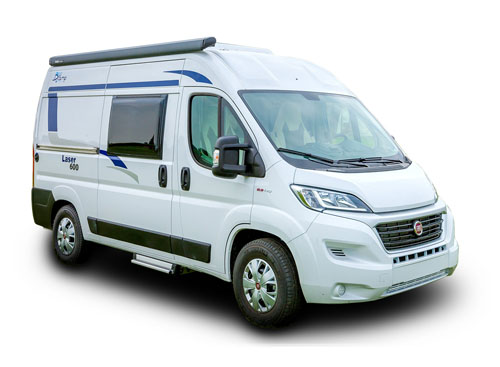
Class B campervans excel in maneuverability and fuel economy, with Bandana's fleet typically averaging 8-10 Liters/100km. They are perfect for solo travelers or couples seeking an agile and budget-conscious way to explore Swiss mountain passes and city streets, usually measuring around 5.8 meters in length. While they offer excellent ease of navigation, they also have limited living space and amenities compared to larger motorhome classes. For seniors prioritizing ease of driving and exploring charming towns, a campervan is an excellent option, but it's important to be aware of the reduced living space.
Class TC (Truck Camper) — Best For
Truck campers offer off-road capability and flexibility for adventure-seekers, often featuring a detachable camper unit that allows for independent vehicle use at campsites. They are generally suitable for 1-2 adventurous travelers, with Bandana's fleet typically sleeping 2-4 people. While offering a unique way to explore, they tend to have higher fuel consumption (typically 12-17 Liters/100km) and limited load capacity, making them less ideal for senior travelers seeking extensive amenities or ample storage, and not typically the most comfortable for extended stays.
Side-by-Side Comparison Table
To provide a quick reference for key specifications across RV families, consider this table. It compares average length, sleeping capacity, and fuel efficiency, highlighting the best use cases specific to Switzerland for each RV class:
| RV Class | Average Length | Typical Sleeping Capacity | Typical Fuel Consumption | Best for Switzerland Seniors |
|---|---|---|---|---|
| Class A (Integrated) | 8-10m+ | 4-7+ | 8-12 L/100km | Maximum comfort, spaciousness for longer trips; requires careful driving on narrower roads. |
| Class SI (Semi-Integrated) | 6.5-7.5m | 3-5 | 10-11 L/100km | Excellent balance of comfort, maneuverability, and amenities; ideal for exploring diverse Swiss terrain. |
| Class C (Alcove) | 7-8m+ | 5-7+ | 11-14 L/100km | Great for families needing extra sleeping space; over-cab beds may be less accessible for some seniors. |
| Class B (Campervan) | 5-6m | 2-3 | 8-10 L/100km | Superior maneuverability and fuel efficiency; excellent for navigating narrow roads and city streets. Limited living space. |
| Class TC (Truck Camper) | Varies (truck + camper unit) | 1-3 | 12-17 L/100km | Off-road capability and flexibility; less ideal for seniors seeking extensive amenities or comfort for extended stays. |
Our Recommendation for RV Rental for Seniors Travelers in Switzerland
For senior travelers venturing to Switzerland, our primary recommendation is the Class SI (Semi-integrated) motorhome. This category offers an excellent balance of comfort and maneuverability, making it ideal for navigating the country's diverse terrain, from scenic lakeside drives to winding mountain passes. With average lengths around 6.9 meters and typical sleeping capacities for 3-5 people, they provide ample living space without being overly cumbersome to drive. Their fuel efficiency is also generally better than larger Class A or C models. A strong runner-up recommendation is the Class B (Campervan). These are exceptionally agile and fuel-efficient, perfect for those who prioritize ease of driving and want to explore charming Swiss cities and more remote areas with minimal hassle. However, their limited living space means they are best suited for shorter trips or travelers who prefer a more minimalist approach to RVing. When making your final decision, always consider your specific mobility needs, desired level of comfort for longer journeys, and your confidence driving on Switzerland's varied roads. Prioritizing ease of driving will significantly enhance your overall experience.
Is Switzerland RV Friendly?
Switzerland is generally RV-friendly, offering stunning scenery and a multitude of well-equipped campsites, with over 1,300 pre-planned routes available via our sister company, RV PLANET (rvplan.net). However, travelers should be prepared for certain challenges unique to the country. Driving can be demanding due to narrow, winding mountain roads and steep ascents/descents, especially for larger RVs. The vignette and toll systems require careful understanding for different vehicle weights, and parking can be restricted, particularly in historic city centers. While the infrastructure supports RV travel well, meticulous planning is essential for a smooth journey. Smaller RVs, such as campervans (Class B) and semi-integrated models (Class SI), are often easier to navigate through Switzerland's picturesque but challenging road network.
What are the advantages of renting an RV in Switzerland?
Renting an RV in Switzerland provides unparalleled flexibility, allowing you to explore diverse landscapes at your own pace and access remote natural beauty with ease. It conveniently combines your accommodation and transport in one unit, significantly enhancing comfort for seniors who appreciate not having to pack and unpack daily. For groups or longer trips, an RV rental can be more cost-effective than booking separate hotels and car rentals. Imagine waking up to breathtaking alpine views, having the freedom to change your itinerary on a whim, and truly immersing yourself in the Swiss countryside—all possibilities unlocked with a rented motorhome.
When is the best time to RV in Switzerland?
The optimal time for RV travel in Switzerland, particularly for seniors, typically spans the shoulder seasons: late spring (May-June) and early autumn (September-October). During these periods, the weather is generally pleasant, tourist crowds are thinner, and most scenic mountain passes are open. Summer (July-August) offers warm weather and full accessibility to all roads, but it also sees peak tourist density and higher prices for rentals and campsites. Winter RVing presents significant challenges due to snow, potential road closures, and the need for specialized equipment, making it generally unsuitable for most travelers. Traveling during these shoulder months allows for a more relaxed and budget-friendly experience.
What are the best RV routes in Switzerland?
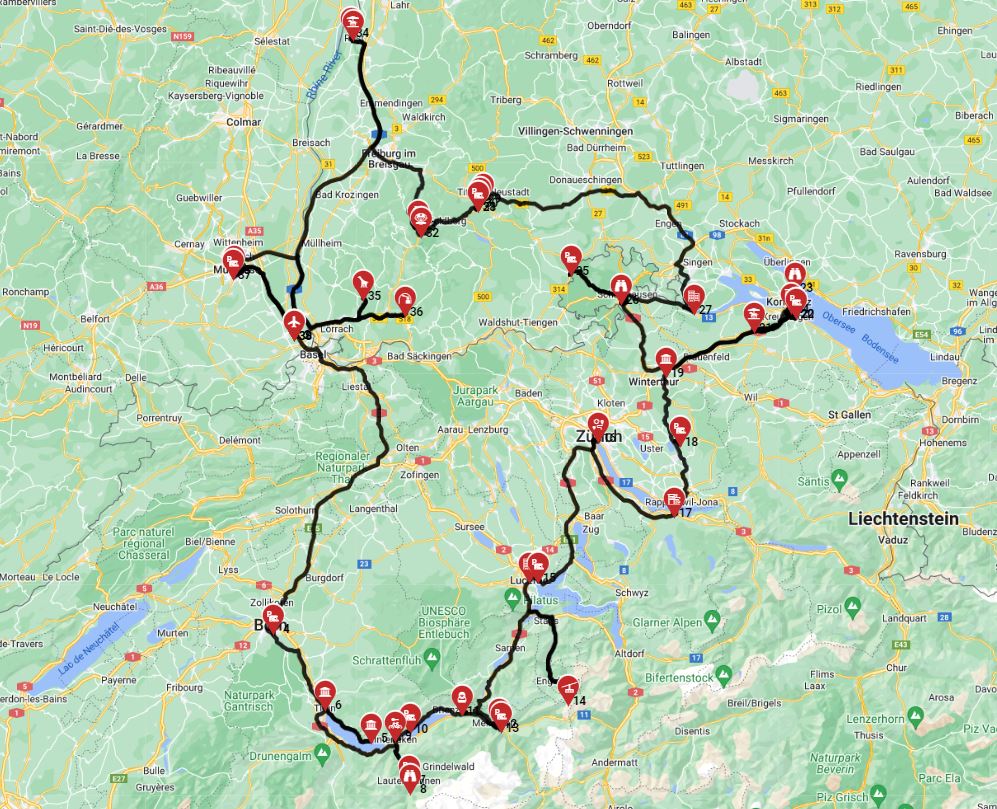
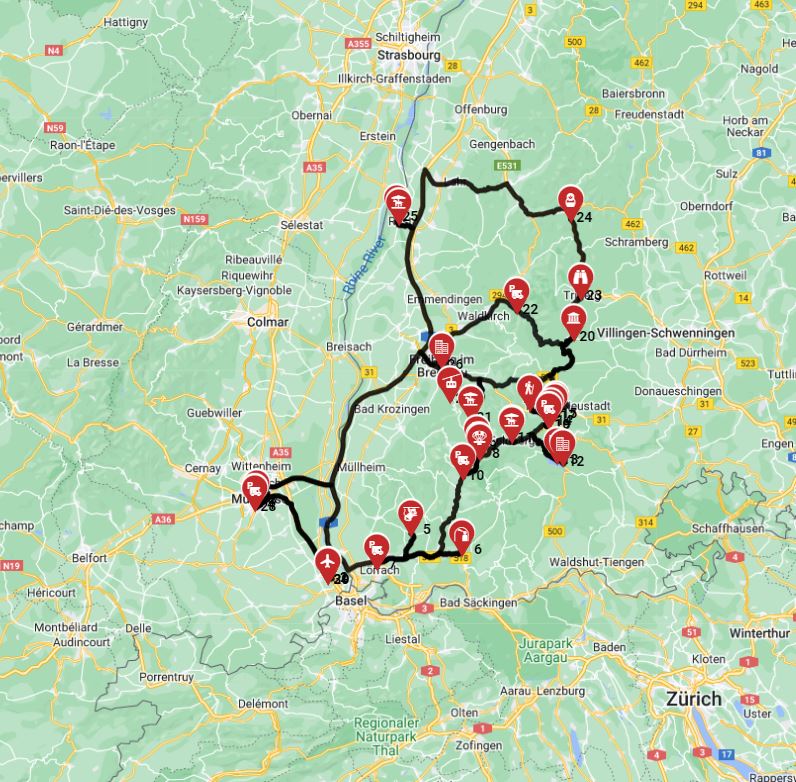
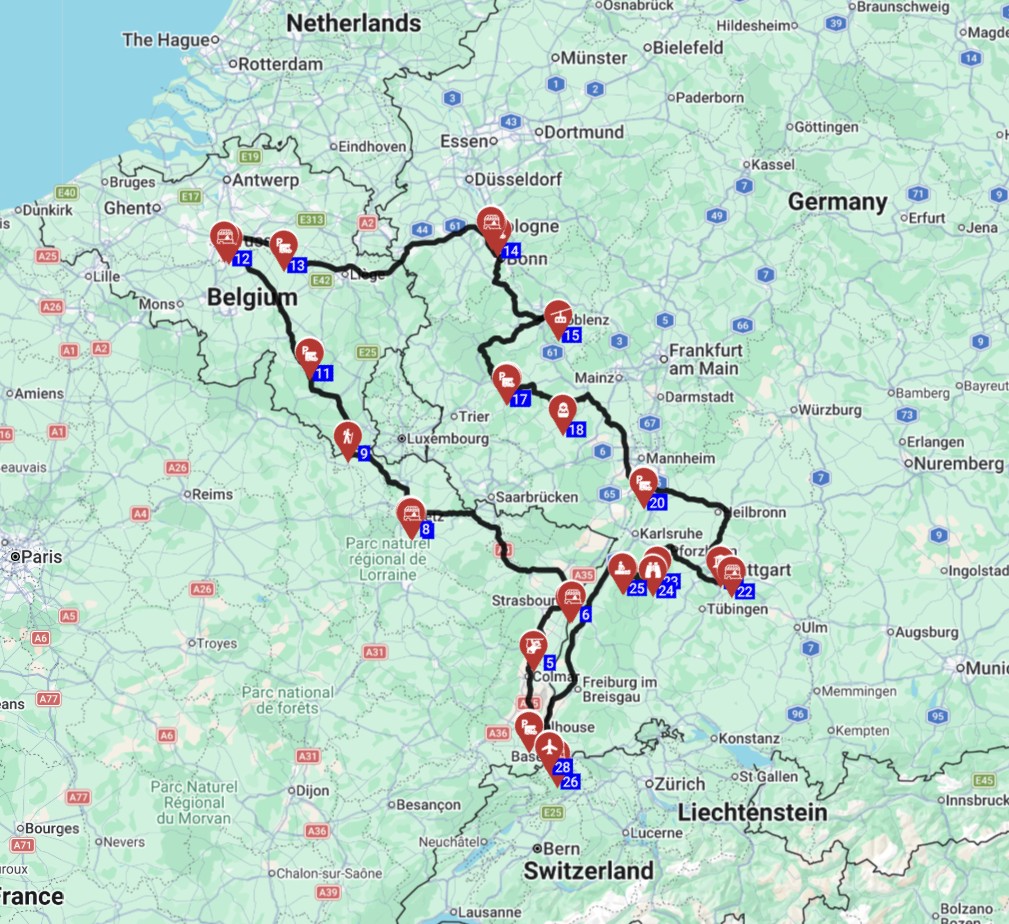
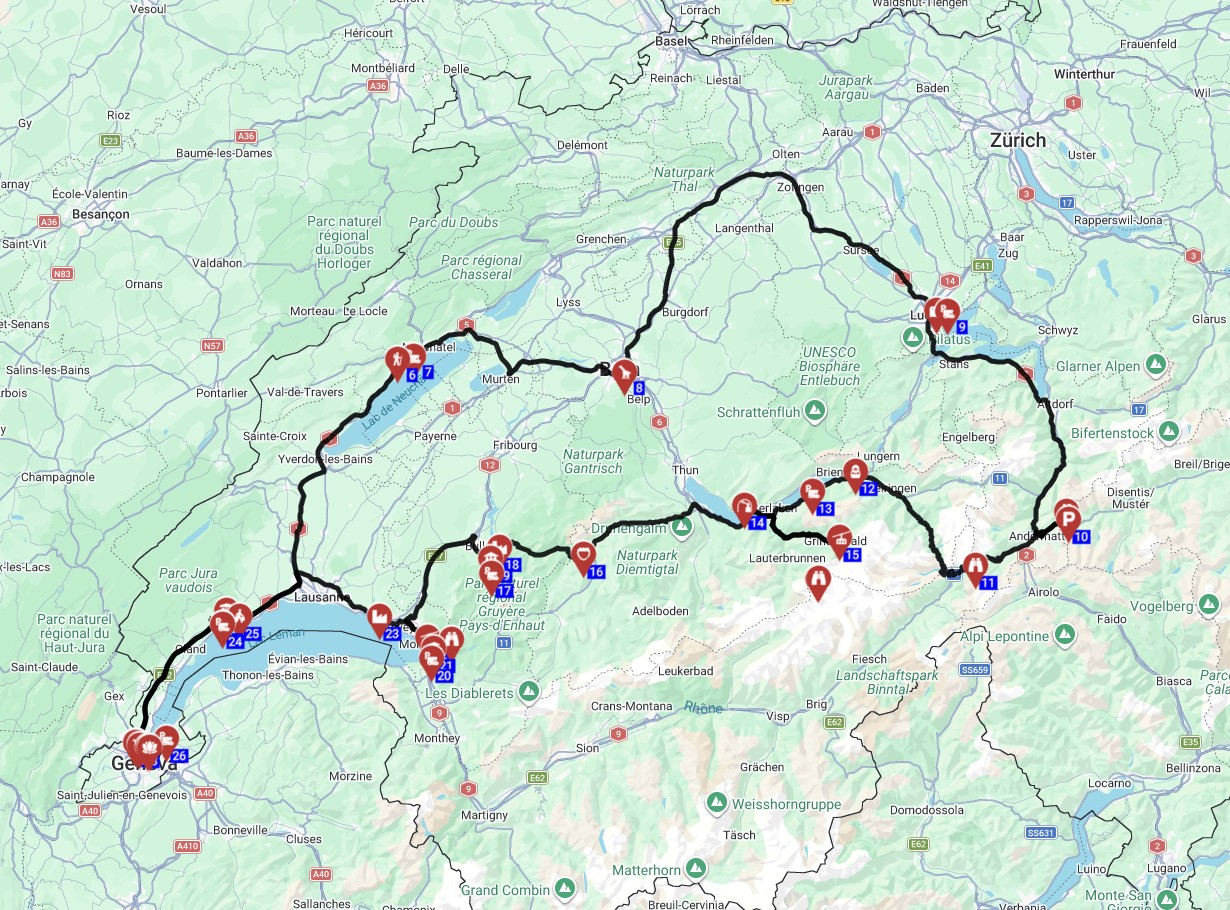
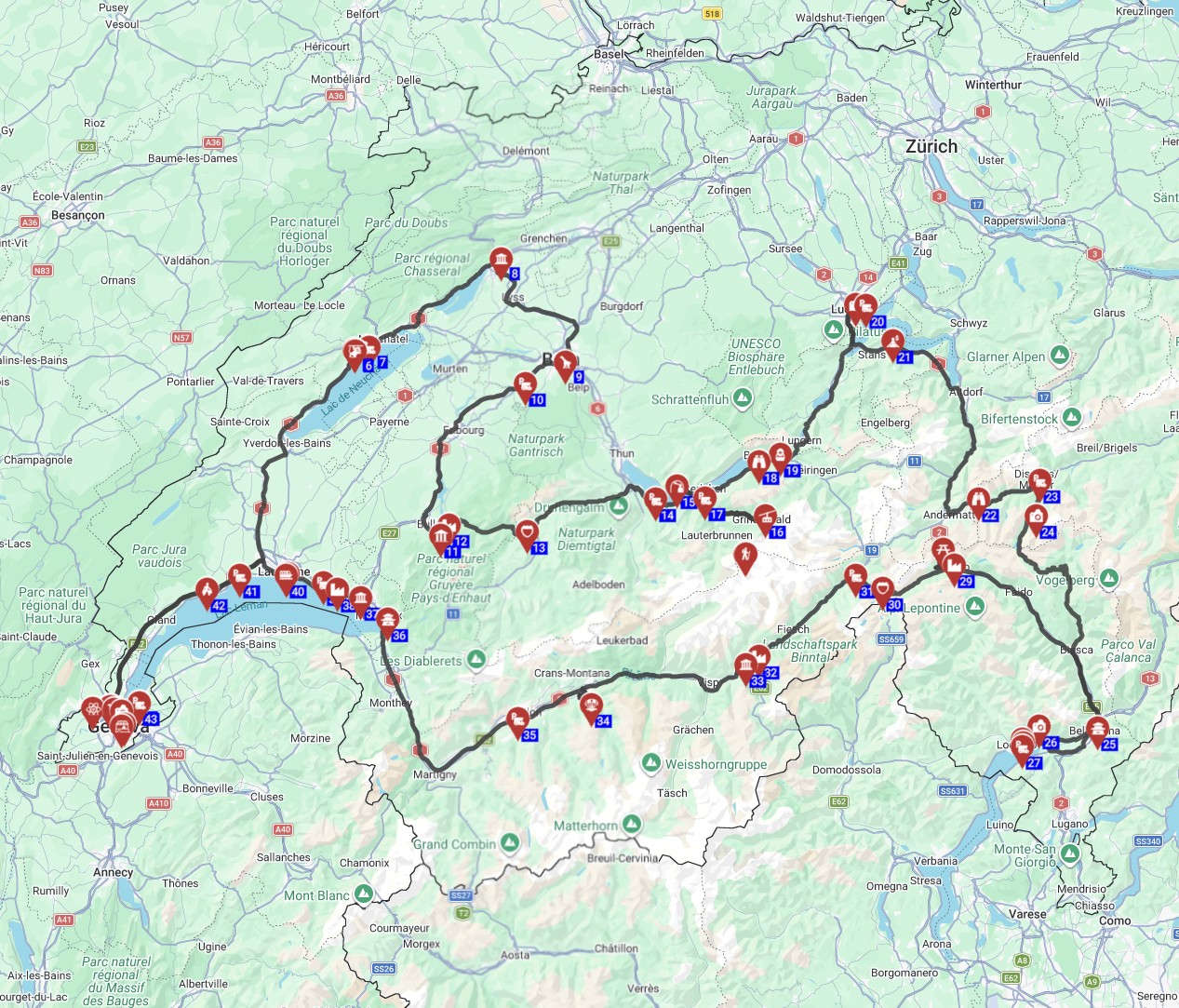
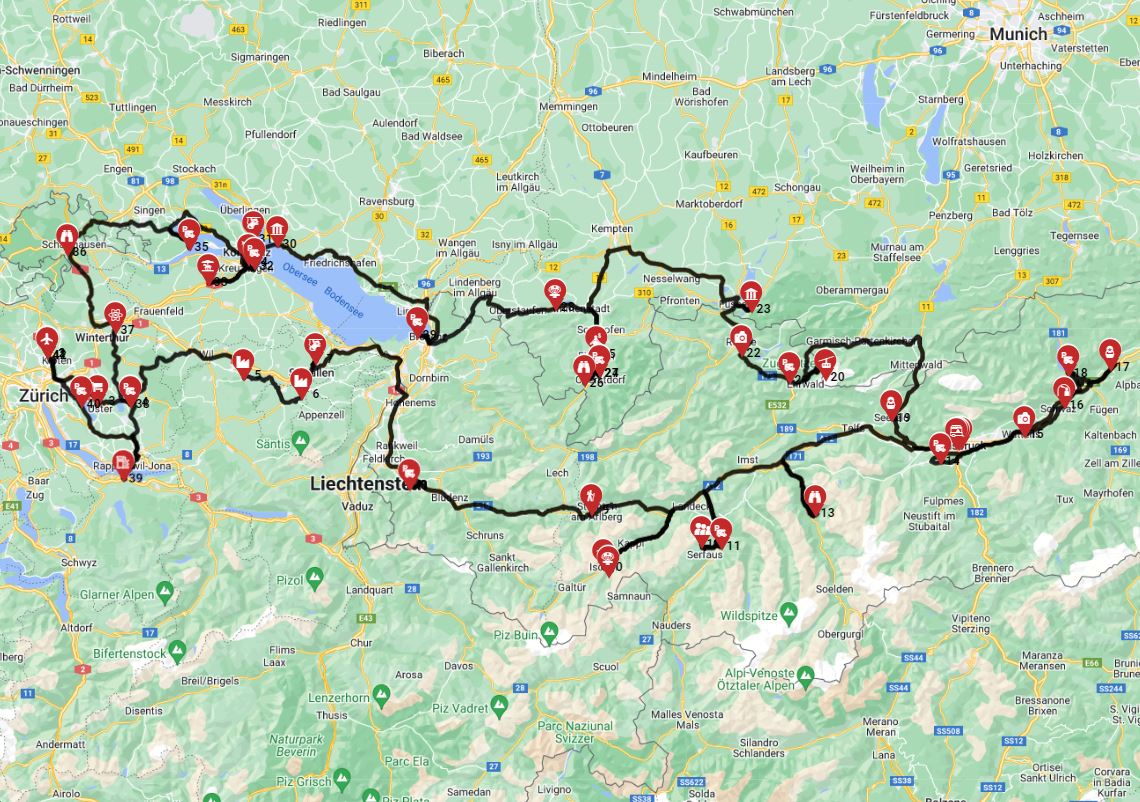
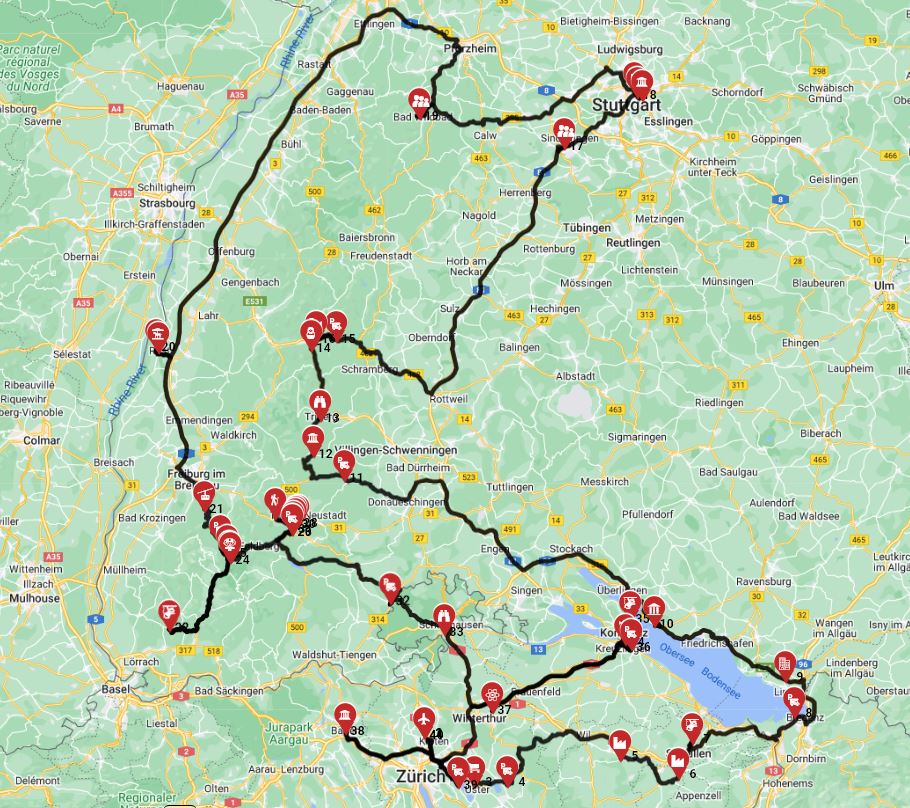
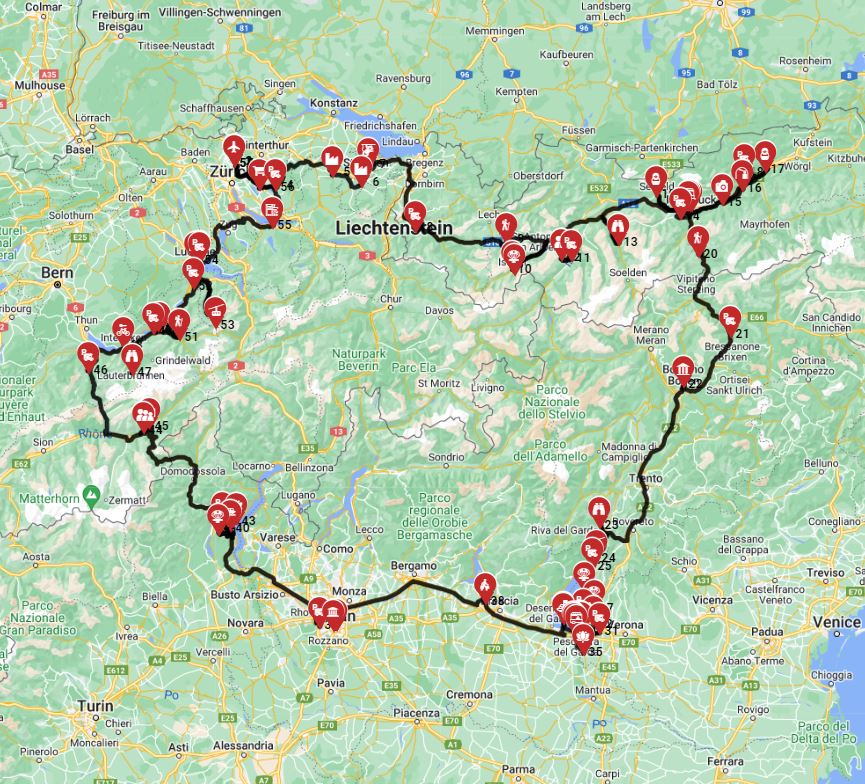
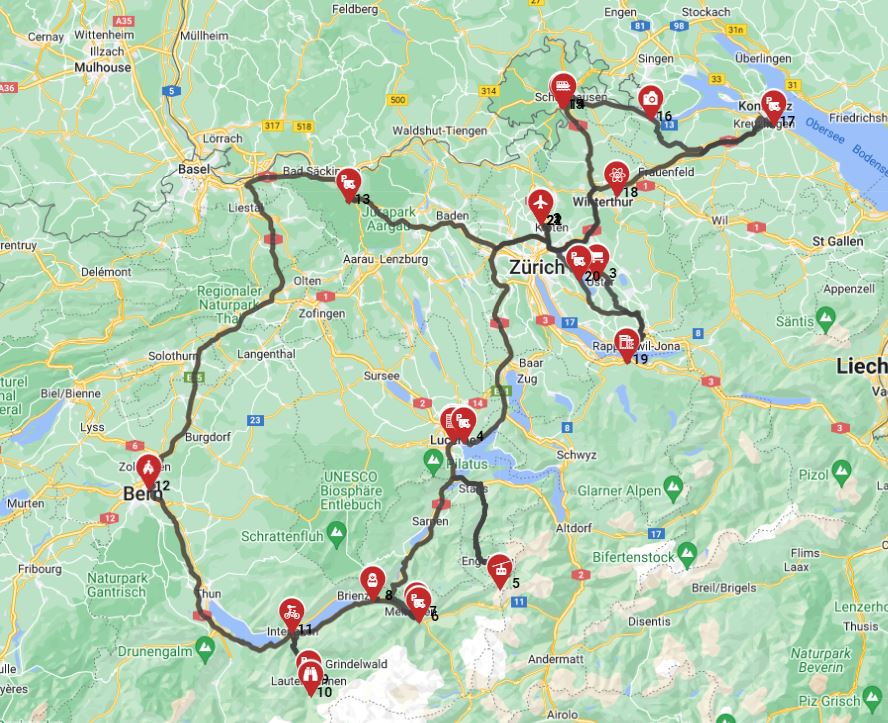
Switzerland boasts numerous breathtaking RV routes, with the comprehensive Grand Tour of Switzerland being a popular choice for a comprehensive overview of the country's highlights. For those seeking dramatic alpine vistas, scenic passes like the Furka and Susten passes offer spectacular views, but they require careful driving, especially for larger RVs. Alternatively, tours around pristine lakes such as Lake Geneva or Lake Lucerne provide picturesque towns and gentler drives, often more manageable for RVs. When selecting a route, it's vital to consider your rented RV's size and your comfort level with winding, potentially steep roads. For inspiration and detailed route planning, check out the resources on RV PLANET (rvplan.net), which offers curated itineraries like the "Basel Roundtrip - Switzerland & Black Forest" (16 days, 1233.4 km) for a great exploration of the region.
Is it hard to drive an RV in Switzerland?
Driving an RV in Switzerland can present challenges, primarily due to the narrow, winding mountain roads and steep ascents/descents that are common throughout the country. Strict traffic regulations are also in place. Larger RVs, such as Class A or C models, may encounter more restrictions on smaller roads or within historic town centers, making prior experience driving larger vehicles beneficial. Confidence and careful maneuvering are key, especially when tackling alpine routes. Opting for smaller RVs like Class B campervans or Class SI semi-integrated models can significantly enhance the ease of navigation, allowing for a more relaxed driving experience as you explore Switzerland's beautiful landscapes.
What are the driving rules for RVs in Switzerland?
Driving an RV in Switzerland requires adherence to standard European road rules, including driving on the right-hand side of the road and observing specific speed limits. A mandatory annual motorway vignette, costing CHF 40, is required for vehicles under 3.5 tons; RVs exceeding 3.5 tons must pay the Heavy Vehicle Fee (LSVA), calculated per kilometer, which can be a significant cost if not budgeted for. Speed limits generally are 50 km/h in built-up areas, 80 km/h for RVs outside towns, and 100 km/h on expressways for RVs under 3.5 tons. Remember that headlights must be on at all times, and carrying a safety vest and warning triangle is mandatory for all vehicles.
Do I need a special license to drive an RV in Switzerland?
For most RVs up to 3.5 tons, a standard B-class driver's license (or its international equivalent) is sufficient. However, RVs exceeding 3.5 tons typically require a C1 or C-class license, depending on the vehicle's specific weight and your home country's regulations. An International Driving Permit (IDP) is strongly recommended, and often required, for non-EU/EFTA citizens in addition to their national license. Rental companies may also have higher minimum age requirements, sometimes 25 years old for larger vehicles, or specific experience criteria. Always check the specific requirements of the rental supplier and your chosen RV class before booking.
Where can you park an RV overnight in Switzerland?
Overnight RV parking in Switzerland is generally restricted to official campsites or designated Stellplätzen (motorhome parking areas) to ensure legal and respectful stays. These official sites offer comprehensive amenities such as electricity hookups, water supply, and waste disposal facilities. While wild camping and unofficial overnight parking are largely prohibited and strictly enforced, some farm stays, often advertised as 'Agri-camping', may offer designated RV spots with explicit permission, providing a unique way to experience rural life. Utilizing resources like the RV PLANET platform can help you locate suitable and legal parking options along your route. Booking campsites in advance is highly recommended, especially during peak season, to secure a spot and guarantee availability of necessary hookups.
Can you wild camp in Switzerland in an RV?
No, wild camping in an RV is generally illegal and strongly discouraged throughout Switzerland, with strict enforcement and significant fines typically imposed. Unlike in some other European countries, Swiss laws are very particular about unregulated overnight stays. Exceptions are extremely rare and usually involve explicit local permission for stays in very remote alpine areas above the tree line. To avoid legal issues and respect local regulations, it is always recommended to utilize official campsites or designated Stellplätzen for overnight parking. This ensures a pleasant and lawful travel experience.
Are RVs allowed in Swiss cities?
While RVs are generally permitted to drive through Swiss cities, finding suitable parking can be extremely difficult due to narrow streets and limited spaces. Many multi-story car parks also have height and weight restrictions that exclude most RVs. Therefore, it is highly advisable to park your RV at a campsite or dedicated RV parking area on the city outskirts and then utilize Switzerland's excellent public transport system for exploring urban centers. This approach not only simplifies logistics but also minimizes any potential stress related to parking larger vehicles in busy city environments. Always check local regulations beforehand, as some cities may have environmental zones that restrict older or larger vehicles.
How do you find RV campsites in Switzerland?
Locating RV campsites in Switzerland is straightforward with the help of specialized camping apps like ACSI Campings Europa, Park4Night, or Stellplatz-Radar. Online platforms such as Swisscamps.ch and TCS Camping (Touring Club Switzerland) also offer comprehensive listings and booking options. Local tourist information centers are valuable resources for discovering nearby sites and amenities, often providing insights into smaller, independent parks. Given the popularity of RV travel, booking campsites in advance is strongly recommended, especially during peak season, to secure a spot and ensure the availability of desired hookups like water and electricity.
How much does it cost to rent an RV in Switzerland?
The cost to rent an RV in Switzerland typically ranges from CHF 800 to CHF 2,500 per week for a medium-sized model, though this varies significantly based on RV class, rental duration, season, and booking lead time. Beyond the base rental rate, factor in additional expenses: fuel (commonly 10-12 L/100km, with Swiss fuel prices being higher), campsite fees (approximately CHF 30-70+ per night), and tolls/vignettes. A mandatory annual motorway vignette costs CHF 40 for vehicles under 3.5 tons, while heavier RVs incur daily heavy vehicle fees. A realistic budget also needs to account for insurance, potential cleaning fees, mileage limits, food, and activity costs for a complete picture of your trip's expenses.
What documents do I need to rent an RV in Switzerland?
To rent an RV in Switzerland, you will typically need a valid national driver's license, specifically Category B for most RVs up to 3.5 tons. An International Driving Permit (IDP) is strongly recommended, or sometimes required, if your national license isn't issued in a language understood in Switzerland or if it's from outside the EU/EFTA region. A valid passport or national ID card is essential for identification. Furthermore, a major credit card is almost always required for payment of the rental and to cover the security deposit, so ensure you have one readily available.
What is the cheapest way to travel Switzerland?
While Switzerland is generally an expensive destination, traveling by RV, particularly a smaller campervan (Class B) or a semi-integrated model (Class SI), can be one of the more cost-effective options. Cooking your own meals in the RV's kitchen significantly reduces food expenses compared to dining out at restaurants. Utilizing budget-friendly campsites or designated Stellplätzen instead of hotels or luxury resorts also lowers accommodation costs. Traveling during the off-season, such as the shoulder months of May-June or September-October, can lead to substantial savings on both rental rates and campsite fees, making your Swiss adventure more affordable. For ideas you can prep on the road, watch our RV-friendly recipes playlist on YouTube.
What You Shouldn't Miss
- Drive Scenic Alpine Passes: Experience the thrill of routes like the Furka Pass or Grimsel Pass, offering breathtaking views and a true taste of Swiss alpine grandeur. Remember to choose an RV size appropriate for these challenging, but rewarding, roads.
- Explore Lake Geneva (Lac Léman): Visit charming towns like Montreux or Lausanne, enjoy lakeside strolls, and perhaps take a leisurely cruise on the lake. The gentle drives around the lake are perfect for a relaxed RV journey.
- Discover Lucerne's Beauty: Tour the iconic Chapel Bridge, explore the historic Old Town, and consider a boat trip on Lake Lucerne. The city's compact nature makes it manageable for RVs, with parking often available on the outskirts.
- Experience the Rhine Gorge (Ruinaulta): Venture into this stunning natural wonder, often called Switzerland's Grand Canyon, for unique hiking and breathtaking views away from the main tourist trails.
- Embrace Farm Stays (Agri-Camping): Instead of wild camping, seek out designated spots on local farms for an authentic experience, offering a chance to buy fresh produce and enjoy peaceful, legal overnight stays.
Final Thoughts
Embarking on an RV adventure in Switzerland offers an intimate and flexible way to experience its majestic landscapes. By carefully selecting the right RV for your needs, especially considering comfort and ease of driving, you can ensure a smooth and memorable journey. Remember to plan your routes, book campsites in advance, and familiarize yourself with local driving regulations to make the most of your travels.
We encourage you to travel slowly, perhaps max 100-150 km per day, taking the time to truly feel the place, connect with the culture, savor the food, and appreciate the scenery. This approach allows for deeper immersion and a more fulfilling exploration of Switzerland's many treasures. Get inspired for your next trip and discover top destinations and planning tips all in one place!
Ready to start planning? Compare final prices across suppliers to find the perfect RV for your Swiss adventure. We handle the details, so you can live the journey. Discover top destinations, planning tips, all in one place! Plan a trip itinerary in advance with minimal effort and maximum enjoyment.