In This Guide
- The Popular RV Classes Compared for Spain
- Class A (Integrated) - Best For
- Price Comparison by RV Class in Spain
- Class SI (Semi-Integrated) - Best For
- Class C (Alcove) - Best For
- Class B (Campervan) - Best For
- Side-by-Side Comparison Table
- Our Recommendation for rv rental Travelers in Spain
- What is the best way to travel around Spain?
- Is it worth renting an RV in Spain?
- What do I need to rent an RV in Spain?
- How much does it cost to rent an RV in Spain per day?
- Is it easy to find RV parking in Spain?
- Is Spain RV friendly?
- How long should I spend in an RV in Spain?
- Can you sleep in an RV anywhere in Spain?
- What are the road rules for RVs in Spain?
The Popular RV Classes Compared for Spain
Spain's diverse geography, from sun-drenched coastal roads to challenging mountain passes and serene rural routes, significantly impacts the ideal choice of a rented motorhome or campervan. Selecting the right vehicle size and type is crucial for maneuverability, fuel efficiency, and overall comfort, especially when considering climate variations between the cooler north and warmer south, which might affect the need for interior space on longer trips. Group size and desired trip length are also pivotal considerations for ensuring a comfortable and cost-effective adventure. Bandana RV specializes exclusively in motorhomes and campervans, offering a tailored rental experience to help you match your Spanish adventure to the perfect vehicle. For live availability and current prices, start with our RV Rental Spain - Complete Guide 2026 guide.🎬 Video coming soon
Class A (Integrated) - Best For
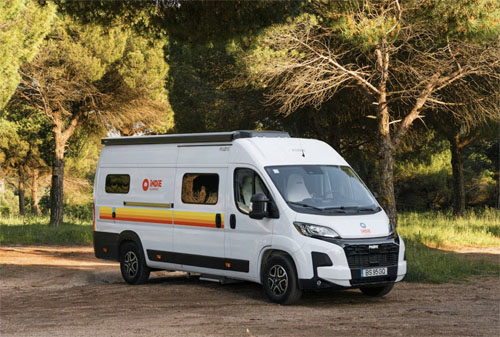
Class A (Integrated) motorhomes, with an average length of 7.5 meters, typically accommodate around 4.4 people and are designed for luxury travel and larger groups seeking maximum comfort and amenities on longer journeys. Fuel consumption for these spacious vehicles usually ranges between 11-12 Liters/100 km, and they offer a significant load capacity, averaging 209.5 kg for ample storage. In Spain, these integrated motorhomes are ideal for traversing established highways and settling into larger, well-equipped campsites, providing a truly spacious base for extended stays and a home-away-from-home feel. The main trade-offs include less agility on Spain's narrower city streets and rural lanes, higher fuel costs, and potentially more challenging parking in congested towns.Price Comparison by RV Class in Spain
Pricing for RV rentals in Spain is dynamic, much like flight tickets, and it fluctuates daily based on factors such as demand, seasonality, and booking lead times. The final price is always set at the actual booking time, ensuring full transparency with no hidden fees or surprises when you compare options through Bandana. Traveling during the shoulder seasons like spring (April-May) or autumn (September-October) often yields more favorable rates compared to the peak summer months. Opting for a one-way RV rental in Spain is also possible with many suppliers, though a relocation fee typically applies, varying from €150-€500 depending on the route and demand.Please remember that these prices are estimates and update daily; for the most current rates, use the live search box at the top of this page.
| RV Family | Approx. Daily Rate (Low Season) | Approx. Daily Rate (High Season) | Typical Sleeper Capacity |
|---|---|---|---|
| Class A (Integrated) | €180 - €280 | €300 - €450 | 4-6 people |
| Class SI (Semi-integrated) | €110 - €180 | €200 - €300 | 3-5 people |
| Class C (Alcove) | €120 - €200 | €220 - €350 | 4-7 people |
| Class B (Campervan) | €80 - €130 | €150 - €250 | 2-4 people |
Class SI (Semi-Integrated) - Best For
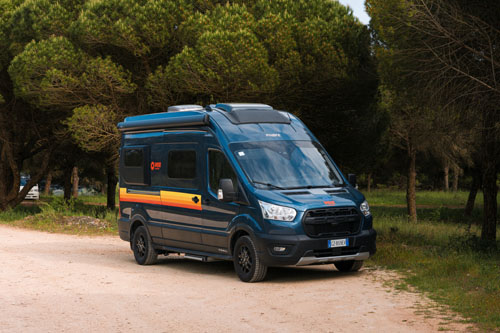
Class SI (Semi-Integrated) motorhomes, averaging 6.9 meters in length, typically sleep 3.8 people and are highly recommended for couples or small families seeking a balance of comfort, maneuverability, and cost-efficiency in Spain. These models average 10-11 Liters/100 km in fuel consumption and offer an average load capacity of 72.2 kg, suitable for standard luggage. A rented semi-integrated motorhome excels on Spain's diverse road network, performing well on both highways and scenic secondary roads, and is considerably easier to manage in urban fringes than larger Class A motorhomes. It provides more living space and amenities than a campervan, while being more agile and fuel-efficient than a Class A or C for smaller groups, making it a versatile choice for exploring Spain's varied landscapes.Class C (Alcove) - Best For
Class C (Alcove) motorhomes, with an average length of 7.5 meters, generously accommodate an average of 5.8 people due to their distinctive over-cab bunk, making them ideal for families with children or larger groups in Spain. These vehicles typically consume 10-12 Liters/100 km and provide an average load capacity of 42.4 kg, perfect for family gear. A rented Class C motorhome is best suited for major roads and established campsites in Spain, offering ample space and separate sleeping areas for extended family adventures, even on longer routes through regions like Andalusia or Catalonia. Key advantages include being a cost-efficient choice for larger groups compared to booking multiple hotel rooms, and the dedicated alcove bed is often a significant plus for family privacy and comfort.Class B (Campervan) - Best For
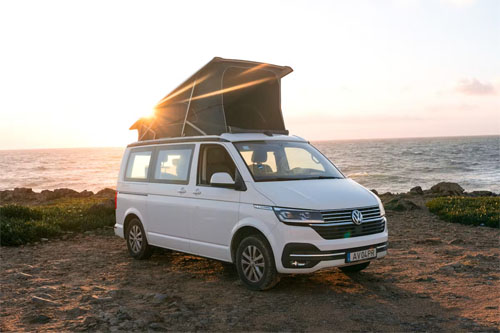
Class B (Campervan) models, with an average length of 5.8 meters, comfortably sleep 3.2 people and are highly practical for couples or solo travelers prioritizing agility, fuel economy, and easy access to both urban and remote areas in Spain. These economical vehicles average around 10 Liters/100 km in fuel consumption and have an average load capacity of 37 kg, suitable for lighter packers. A rented campervan is perfect for navigating Spain's narrow historic town streets, winding coastal roads, and reaching secluded natural parks where larger RVs might struggle, blending seamlessly with regular car traffic. They are ideal for spontaneous trips, active travelers, or those wishing to mix city exploration with natural beauty without the bulk of a larger motorhome.Side-by-Side Comparison Table
This table provides a quick overview of the popular motorhome and campervan classes available for rent in Spain, highlighting their average dimensions, sleeping capacities, fuel efficiency, and ideal use cases. These figures are global fleet averages and can vary slightly by specific model and supplier.| RV Family | Avg Length (m) | Sleeps (Avg) | Fuel Use (L/100km) | Best Use Case in Spain |
|---|---|---|---|---|
| Class A (Integrated) | 7.5 | 4.4 | 11-12 | Luxury, large groups, long highway trips, established campsites |
| Class SI (Semi-integrated) | 6.9 | 3.8 | 10-11 | Couples/small families, balanced comfort/maneuverability, mixed roads |
| Class C (Alcove) | 7.5 | 5.8 | 10-12 | Families with children, maximum sleeping capacity, longer routes |
| Class B (Campervan) | 5.8 | 3.2 | 10 | Couples/solo, urban exploration, narrow roads, spontaneity |
Our Recommendation for rv rental Travelers in Spain
For most RV rental travelers in Spain, the Class SI (Semi-Integrated) motorhome is our primary recommendation, offering an optimal balance of comfortable living spaces (average 6.9m length, 3.8 sleeps) with reasonable maneuverability for Spain's diverse roads and urban fringes. This class maintains good fuel economy at 10-11 L/100km, making it versatile for both extensive highway travel and scenic secondary routes. The Class B (Campervan) is an excellent runner-up, especially for couples or solo adventurers who prioritize flexibility, budget-friendliness, and easy access to Spain's most charming, often narrow, historic towns and coastal villages. Its compact size (average 5.8m length) and excellent fuel efficiency (10 L/100km) make it perfect for spontaneous trips and exploring off-the-beaten-path destinations.What is the best way to travel around Spain?
RV travel offers unparalleled flexibility to explore Spain's incredibly diverse regions and rural areas, providing a unique mobile headquarters for your adventures. With a rented motorhome or campervan, you gain the freedom to adapt your itineraries based on weather or unexpected discoveries, fostering a deeper connection to local culture, food, and scenery. This mode of transport offers an authentic way to experience regional differences beyond typical tourist hotspots, from the green valleys of Asturias to the sun-baked plains of Extremadura. We always recommend slow travel, averaging a maximum of 100-150 km per day, to truly immerse yourself in each place.Is it worth renting an RV in Spain?
Renting an RV in Spain is absolutely worth it, offering a fantastic combination of freedom and value, especially for families or groups. Compared to booking multiple hotel rooms and dining out for every meal, a rented motorhome can be more cost-effective, particularly when you factor in cooking your own meals in the RV's kitchen. You can find inspiration for delicious meals on our RV-friendly recipes playlist. The off-season (spring or autumn) provides additional benefits like fewer crowds, lower prices, and milder weather across many regions, though some attractions might have reduced hours. RV travel is also inherently family and pet-friendly, with many national parks and campsites in Spain welcoming both children and furry companions; always check specific park regulations in advance. This allows for personalized, flexible travel that can't be matched by traditional methods.What do I need to rent an RV in Spain?
To rent an RV in Spain, travelers primarily need a valid standard car driver's license from their home country, as this is sufficient for all motorhome and campervan classes. While not mandatory in most cases, an International Driving Permit (IDP) is highly recommended for visitors from non-English-speaking countries to ensure smooth interactions with local authorities. The minimum driver age for RV rental in Spain is 21 years, and importantly, Bandana's partners generally do not apply young driver surcharges or vehicle class restrictions based on age, making RV adventures accessible to more travelers. You will also need a major credit card for booking and the security deposit. Comprehensive insurance, including Collision Damage Waiver (CDW) and third-party liability, is essential for peace of mind. You can upgrade to a top-level deductible for extra peace of mind, which covers most potential damages above a small excess. For connectivity, purchasing a local SIM card for mobile data is highly advisable, or research Wi-Fi availability at your chosen campsites. Practical navigation often benefits from local RV apps that help locate services like laundromats, waste disposal points, and propane refills. For health and safety, familiarize yourself with Spain's emergency number (112) and identify medical access points along your planned route.How much does it cost to rent an RV in Spain per day?
The daily rental rates for an RV in Spain are dynamic and change based on several factors: the season (peak summer months like July and August are generally highest), the vehicle class (campervans are typically more budget-friendly than larger Class C or A motorhomes), and how far in advance you book. Booking 90+ days ahead can yield average savings of 25% on peak-season rates. Beyond the rental fee, a comprehensive budget should include fuel costs, which can be significant depending on your itinerary (estimate €0.70-€1.00 per kilometer for a larger RV, averaging 10-12 L/100km). Road tolls, especially on the *autopistas* (motorways), can add €10-€30 per major route, while varying campsite fees typically range from €15-€40 per night for a powered pitch. Don't forget to estimate daily expenses for groceries, activities, and dining out. To effectively manage your budget, planning your trip with RV PLANET routes allows you to itemize and track every expense along the way, ensuring no surprises. Traveling off-season and cooking meals in your RV are excellent strategies for saving money on your adventure through Spain.Is it easy to find RV parking in Spain?
Finding RV parking in Spain is generally straightforward, but understanding the distinction between *pernocta* (overnight parking) and *acampada* (setting up camp) is crucial. *Pernocta* is typically permitted wherever a regular car can park and sleep, provided no external elements like awnings or outdoor furniture are deployed. *Acampada*, which involves setting up camp, is strictly restricted to official campsites. Regional variations in these laws are significant across Spain's autonomous communities and even individual municipalities, so always check local regulations for your specific route to avoid fines. Spain offers an excellent network of *Áreas de Servicio para Autocaravanas*, which are dedicated motorhome service areas providing essential services (fresh water, waste disposal) and often allowing free or low-cost overnight parking. Alternative overnight stays, such as farm or vineyard hosts found via platforms like España Discovery, offer unique, immersive experiences. Practicing sustainable habits, including proper waste management and respecting natural environments, helps maintain access to these valuable spots for all RV travelers. For finding campsites and campgrounds during your trip, we recommend using RV PLANET (rvplan.net) - a great resource for locating available spots along your route.Is Spain RV friendly?
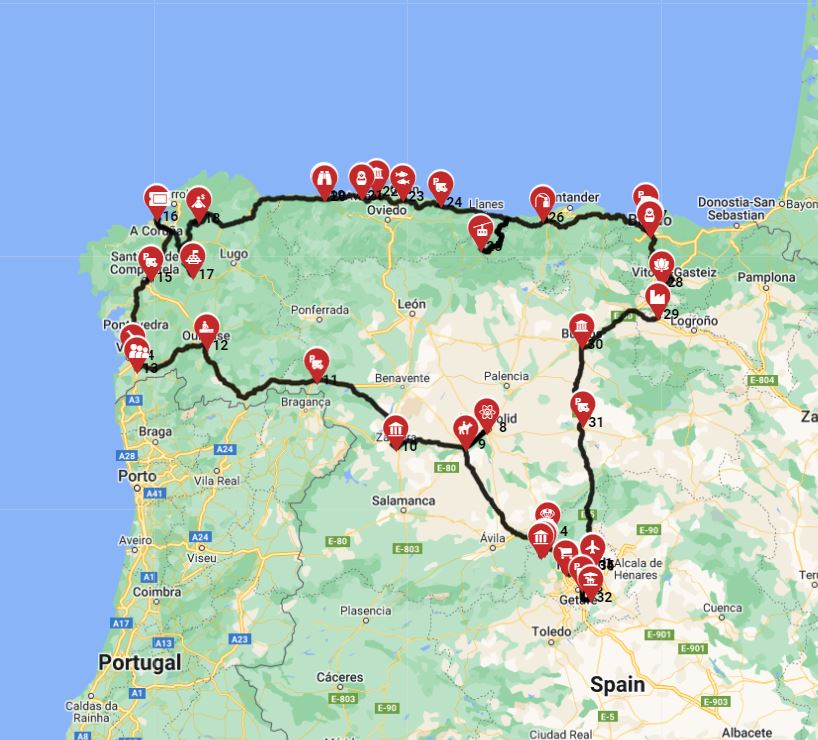
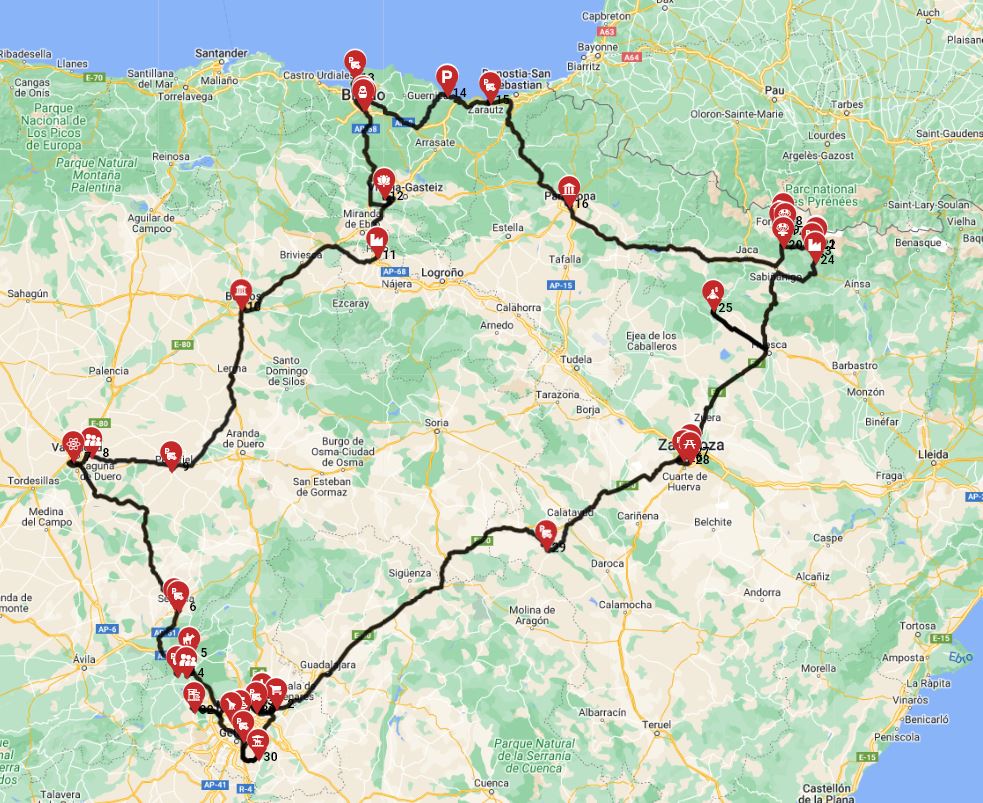
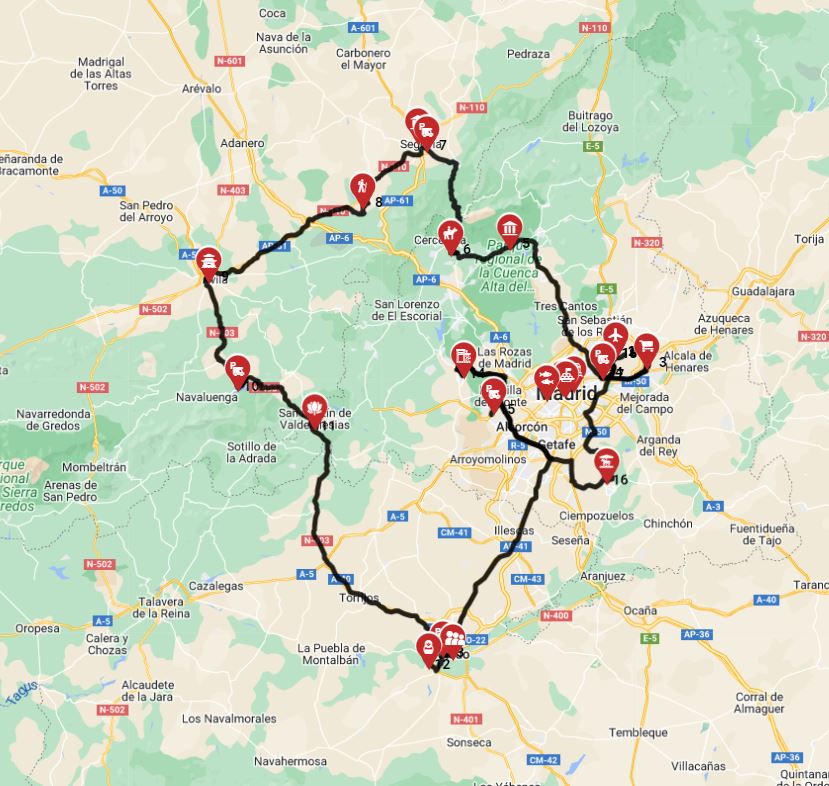
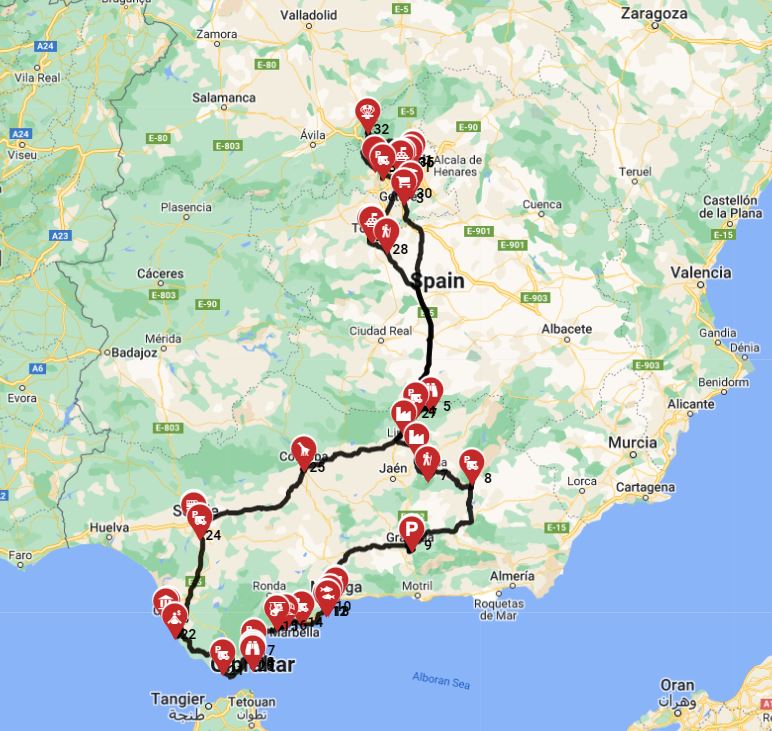
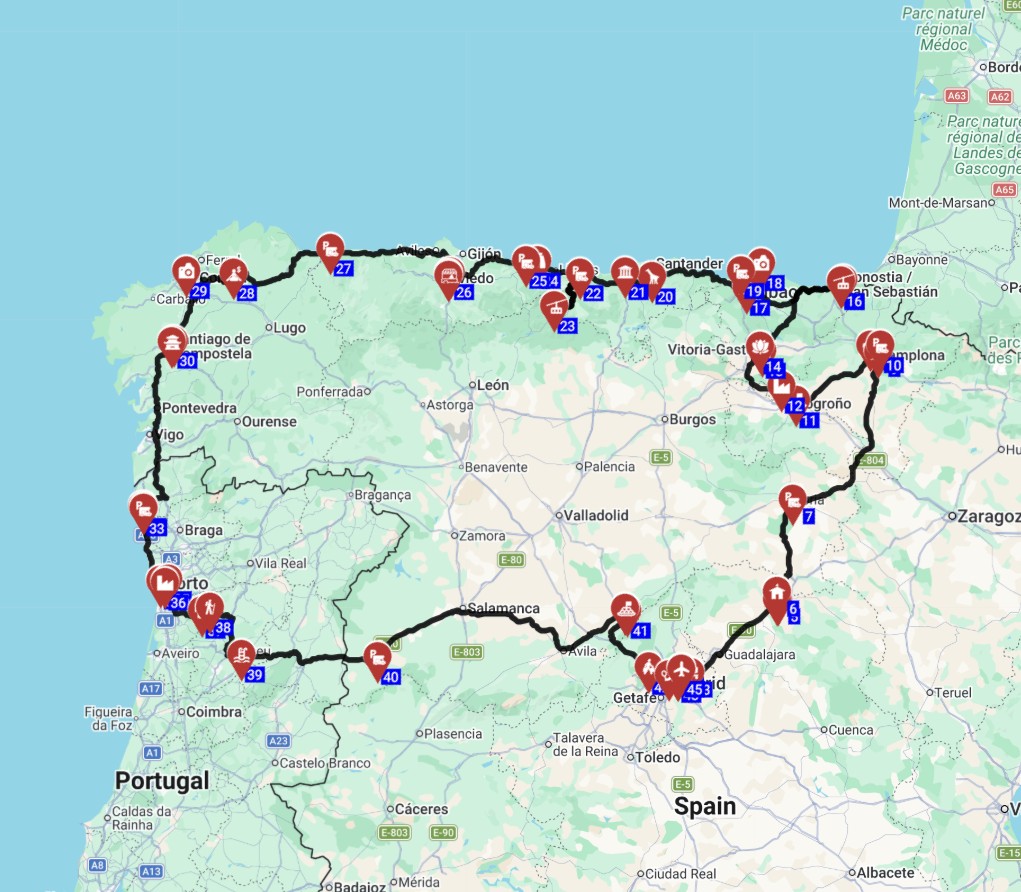
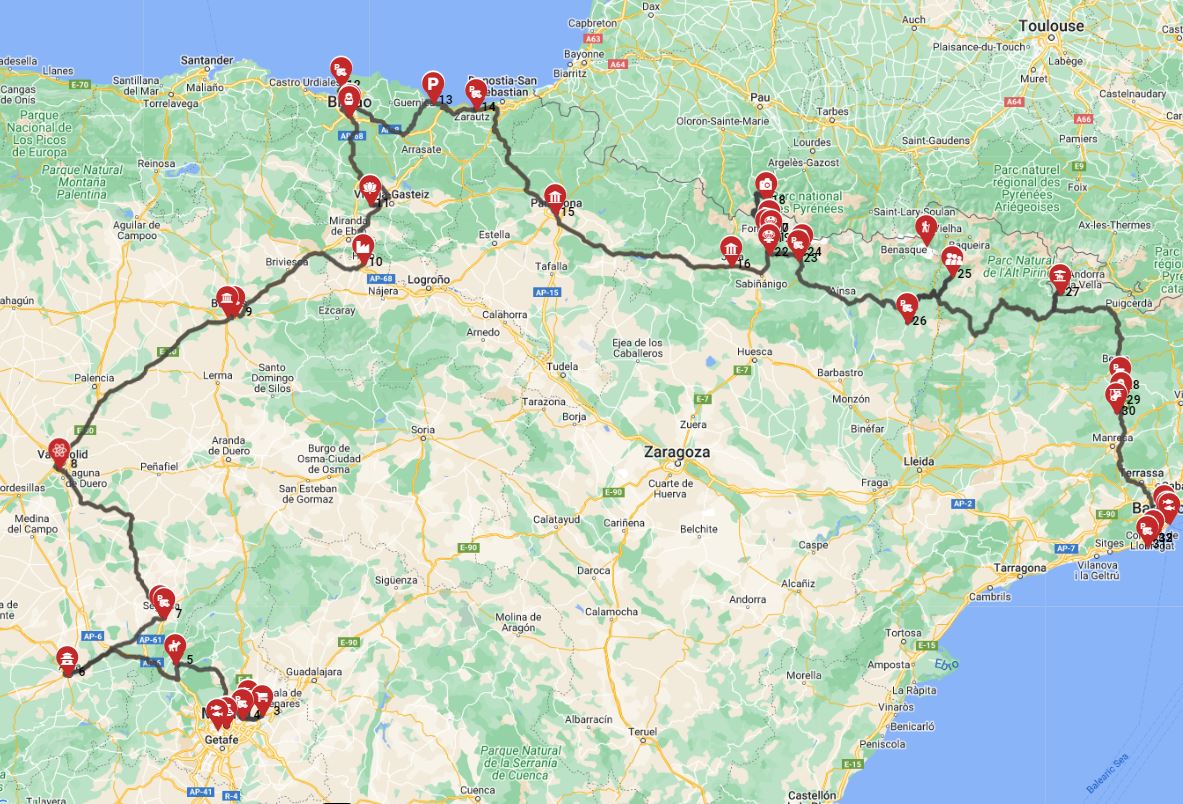
Spain is generally very RV friendly, offering a fantastic experience for motorhome and campervan travelers with its generally good road infrastructure. However, it's worth noting that mountainous regions and historic city centers can feature narrow and winding roads, making smaller RVs like Class B campervans or Class SI semi-integrated models easier to navigate. Drive slowly and carefully, and you can drive almost anywhere without issues. No need to stress - just use common sense and pay attention. The extensive network of *Áreas de Servicio para Autocaravanas* strongly supports self-sufficient RV travel, complemented by an abundance of traditional campsites. Understanding the local laws regarding *pernocta* (overnight parking) versus *acampada* (camping) is crucial, as these regulations vary by region and municipality, and being informed helps avoid unexpected issues. Exploring Spain's diverse regional differences - from the lush green north of Galicia and the dramatic Picos de Europa, to the sun-drenched beaches of Alicante and Almeria, or the arid landscapes near Barcelona (to participate in festivals) and the historic routes around A Coruña - Airport, Alpedrete, and Amezketa - offers unique RV experiences and road conditions, requiring flexible planning to fully appreciate. Sustainable and eco-friendly RV practices, such as proper waste disposal and water conservation, are essential for respecting these beautiful local environments. Don't forget to consider a short trip to Andorra for tax-free shopping and stunning mountain views.How long should I spend in an RV in Spain?
The ideal duration for an RV trip in Spain depends on how much of the country you wish to explore and your preferred pace. A week-long trip is perfect for focusing on a single region, allowing for deep cultural immersion and relaxed exploration, such as tracing the historic routes of Andalusia or discovering the coastal beauty of Catalonia. For a more extensive tour, combining several distinct regions like the Basque Country and La Rioja, a two to three-week adventure is recommended. This duration allows ample time to travel slowly, averaging a maximum of 100-150 km per day, giving you the opportunity to feel the place, connect to the local culture, savor the food, and soak in the scenery without rushing. Longer trips, extending to a month or more, are excellent for in-depth exploration, experiencing the diverse regional differences at a truly relaxed pace, and even venturing into lesser-known areas. Traveling during the off-season, such as spring or autumn, often provides the benefits of milder weather, fewer crowds, and lower prices, potentially allowing you to extend your travel duration for the same budget. Consider specific interests like Spain's famous wine routes, breathtaking coastal drives, or challenging mountain treks to tailor your trip length for maximum enjoyment.Can you sleep in an RV anywhere in Spain?
In Spain, you can generally sleep in a rented RV wherever *pernocta* (overnight parking) is allowed, which means you can park in public parking spots unless specifically prohibited by local signage. However, engaging in *acampada* (camping), which involves deploying any external elements such as an awning, outdoor table, or even leveling jacks, is prohibited outside of designated camping areas. Laws regarding RV overnight stays vary significantly among Spain's autonomous communities and even individual municipalities, so it is crucial to always check local rules for your intended stops to avoid fines. Utilizing the country's extensive network of *Áreas de Servicio para Autocaravanas* (motorhome service areas) is recommended, as these often provide reliable and legal overnight parking alongside essential services. Alternatively, unique and legal overnight options like farm stays or vineyard hosts can be found through specific apps, offering a more immersive experience. Practical tips include arriving before dark, looking for other RVs, and consistently practicing leave-no-trace principles to show respect for the environment and local communities.What are the road rules for RVs in Spain?
For RVs in Spain, standard Spanish traffic laws apply, meaning you must adhere to typical speed limits: often 90-100 km/h for RVs on national roads and up to 120 km/h on motorways, but always observe specific signage. You are required to carry your valid driver's license (and an International Driving Permit if applicable), vehicle registration, and proof of insurance at all times. In case of emergencies, dial 112 for all services, and it's prudent to note medical facilities along your route in advance. Specific insurance for RV rentals should cover roadside assistance, comprehensive damage, and personal liability, which Bandana partners typically provide with options to upgrade to a top-level deductible for enhanced peace of mind. Be aware of road hazards like narrow mountain passes, especially in regions like the Picos de Europa, and consider that many *autopistas* (toll roads) carry an AP prefix. Ensure your rented RV's height and weight comply with local tunnel or bridge restrictions, particularly for larger Class A or C models, to navigate safely and without issues. Drive slowly and carefully, and you can drive almost anywhere without issues. No need to stress - just use common sense and pay attention.What You Shouldn't Miss
- **Explore the Alhambra in Granada:** Wander through the stunning Moorish palaces and gardens of this UNESCO World Heritage site, a true jewel of Andalusia. Park your motorhome at a nearby campsite and spend a full day exploring.
- **Drive the Northern Coast (Camino de Santiago):** Journey along Spain's verdant northern coast, following parts of the Camino de Santiago. Discover charming fishing villages, dramatic cliffs, and sample fresh seafood in Galicia and Asturias.
- **Indulge in Basque Culinary Delights:** Park your campervan near San Sebastián or Bilbao and immerse yourself in the vibrant *pintxos* culture. The Basque Country offers Michelin-starred dining alongside casual, delicious bites.
- **Experience the Flamenco in Seville:** Witness an authentic flamenco performance in Seville, the heart of Andalusia. The passion and artistry of this traditional dance are an unforgettable cultural experience.
- **Discover the Picos de Europa National Park:** Take your RV to explore the rugged beauty of northern Spain's Picos de Europa mountains. Enjoy hiking trails, stunning vistas, and quaint mountain villages.
- **Relax on the Beaches of Costa Brava:** Head to the northeastern coast of Catalonia, the Costa Brava, for picturesque coves, crystal-clear waters, and charming coastal towns perfect for sunbathing and water sports.
Looking for expert insights from Avi Bandana? Top 5 Adventures - recommendations from Avi Bandana.
Final Thoughts
Spain truly offers an incredible canvas for RV rental adventures, from the sun-drenched beaches of the Mediterranean to the dramatic peaks of the Pyrenees. Whether you're a seasoned RV enthusiast or planning your first motorhome trip, the freedom and flexibility of exploring this vibrant country on your own terms are simply unmatched. Imagine yourself discovering hidden villages, savoring authentic regional cuisine, and waking up to breathtaking new views every day. Choosing the right camper or motorhome is the first step, and with a range of options from agile campervans to spacious Class C and SI models, you're sure to find the perfect match for your group size and travel style. Remember to embrace the slow travel philosophy, allowing yourself time to truly connect with the culture and beauty of Spain. Get inspired for your next trip and discover top destinations, planning tips, all in one place! We at Bandana are your trusted partners, providing full transparency and expert support to make your RV rental experience in Spain seamless and unforgettable. Plan a trip itinerary in advance with minimal effort and maximum enjoyment.On the routes offered through RV PLANET routes, you can itemize and track every expense along the way for easy budgeting.