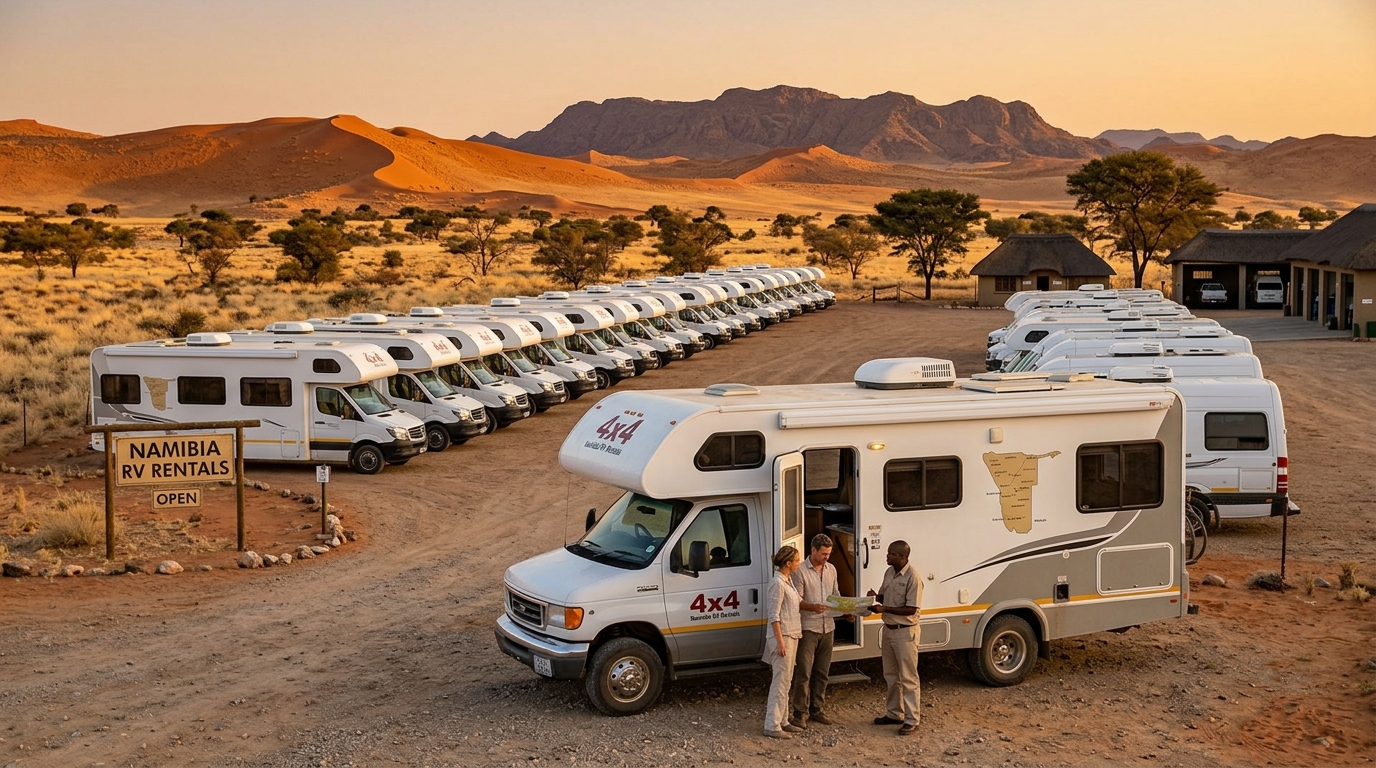
For live availability and current prices, start with our RV Rental Namibia - Complete Guide 2026 guide.
In This Guide
- The 5 RV Families Compared for Namibia
- Class A (Integrated) - Best For
- Price Comparison by RV Class in Namibia
- Class SI (Semi-Integrated) - Best For
- Class C (Alcove) - Best For
- Class B (Campervan) - Best For
- Class TC (Truck Camper) - Best For
- Side-by-Side Comparison Table
- Our Recommendation for RV Rental for Seniors Travelers in Namibia
- Is Namibia good for RV travel?
- What are the road conditions like in Namibia?
- Do you need a 4x4 camper in Namibia?
- What do I need to know before driving in Namibia?
- What is the best time of year to RV in Namibia?
- How much does it cost to rent an RV in Namibia?
- What are the best RV routes in Namibia?
- Is it safe to wild camp in Namibia?
- What do I need to know about water and waste management in an RV in Namibia?
- How to stay connected when RVing in remote Namibia?
- What are the health and safety considerations for seniors RVing in Namibia?
- Can I take my RV across borders from Namibia to neighboring countries?
Namibia offers an unforgettable RV adventure, especially for senior travelers seeking comfort, flexibility, and stunning natural beauty at their own pace. Planning an RV rental for seniors in Namibia involves choosing the right vehicle and understanding the local conditions to ensure a smooth and enjoyable trip. For live availability and current prices, start with our RV Rental Namibia - Complete Guide 2024 guide, which provides comprehensive information to kickstart your journey.
The 5 RV Families Compared for Namibia
Choosing the right RV family for Namibia is crucial for a comfortable and enjoyable trip, especially for senior travelers, as vehicle choice significantly impacts your experience on diverse terrains. Considerations include Namibia's vast and varied landscapes, ranging from tarred roads to extensive gravel networks, varying climate conditions, desired trip length, and the number of people in your group. Larger motorhomes offer more interior comfort and amenities but may require more cautious driving on narrower or corrugated gravel roads, while smaller RVs like campervans provide superior agility, easier parking, and better fuel economy. Our role as true RV specialists, with over 23 years of experience since our founding in 2001, is to help you navigate these choices, ensuring you select the perfect mobile home for your Namibian adventure.
Class A (Integrated) - Best For
Class A integrated motorhomes, averaging 7.5 meters in length, are best suited for seniors prioritizing maximum comfort, spacious living areas, and a home-like experience while RVing in Namibia. These impressive vehicles typically sleep 4.4 people and comfortably accommodate 4 adults, offering ample space for extended stays and larger groups, perhaps including grandchildren. With an average load capacity of 209.5 kg from Bandana's global fleet, they allow for significant luggage and supplies, making long-term travel more convenient. Common fuel consumption for Class A models is around 11-12 liters per 100 km, which is a trade-off for their size and numerous amenities. Their larger footprint may present challenges on narrower gravel roads or in tight parking spaces at some remote campsites, requiring more cautious driving and potentially limiting access to certain areas of Namibia. A good example of a Class A motorhome is the "camping car example Euro Delux", designed for comfortable, extended journeys.
Price Comparison by RV Class in Namibia
RV rental pricing in Namibia is dynamic and flex-rate, meaning prices change daily based on demand, availability, seasonality, and supplier marketing decisions, similar to flight tickets. To give you a realistic idea, the table below pulls real example prices from Bandana's live search for various durations and RV classes. These prices are estimates and can fluctuate significantly; always check the search box at the top of the page for the most current live numbers. For comprehensive cost breakdowns that include fuel, camp fees, and other expenses for your trip, consider using the budgeting features available with RV PLANET routes. On the routes offered through RV PLANET routes, you can itemize and track every expense along the way for easy budgeting.
Live April Price Comparison — RV Class × Trip Length
| Trip length | Class A | Class B | Class C | Class SI | Class TC |
|---|---|---|---|---|---|
| 1 week 15/04 → 22/04 | Check prices | Check prices | 21,386.00 ZAR | 19,776.00 ZAR | 701.88 € EUR |
| 2 weeks 15/04 → 29/04 | Check prices | Check prices | 40,098.75 ZAR | 37,080.00 ZAR | 1,313.40 € EUR |
| 1 month 01/04 → 30/04 | Check prices | Check prices | 80,197.50 ZAR | 74,160.00 ZAR | 2,545.18 € EUR |
Estimates only — flex-rate prices change daily based on availability and season.
Class SI (Semi-Integrated) - Best For
Class SI semi-integrated motorhomes, averaging 6.9 meters in length, represent a balanced choice for senior travelers in Namibia, offering good maneuverability with comfortable living. Bandana's global fleet typically shows these models sleeping 3.8 people and accommodating 3.4 adults, making them ideal for couples or small groups seeking a blend of interior space and agile driving. They offer more interior room and amenities than compact campervans while being generally easier to navigate than larger Class A or C models, especially on Namibia's diverse roads, which include both paved and well-maintained gravel sections. With an average load capacity of 72.2 kg and common fuel consumption of 10-11 liters per 100 km, vehicles like the "2 Berth Tamar" provide a practical balance of comfort and efficiency, making them a top recommendation for an RV rental for seniors in Namibia.
Class C (Alcove) - Best For
Class C alcove motorhomes, averaging 7.5 meters in length, are well-suited for senior travelers in Namibia who require extra sleeping capacity without the bulk of a Class A motorhome. These RVs, typically sleeping 5.8 people and accommodating 4.4 adults from Bandana's global fleet, feature a distinctive over-cab sleeping area, making them excellent for multi-generational families or trips with grandchildren. They offer a good balance of amenities, interior space, and cost-efficiency compared to Class A models, ensuring a comfortable journey. Common fuel consumption for these vehicles is between 10-12 liters per 100 km, and their average load capacity is 42.4 kg. Their robust build can handle Namibia's varied road conditions, providing ample comfort without being overly unwieldy. The "24' Class C Motorhome" is a prime example of a reliable Class C vehicle for family adventures.
Class B (Campervan) - Best For
Class B campervans, with an average length of 5.8 meters, are ideal for senior travelers seeking maximum maneuverability, fuel efficiency, and a compact yet comfortable travel experience in Namibia. Bandana's global fleet typically shows these models sleeping 3.2 people and accommodating 2.7 adults, making them perfect for solo travelers or couples exploring the country. Their smaller size allows for easier navigation on Namibia's extensive gravel roads, simpler parking in towns like Swakopmund or Walvis Bay, and access to more remote campsites. Campervans boast excellent fuel economy, typically around 10 liters per 100 km, making them a cost-effective option for longer journeys across vast distances. While offering fewer amenities and less spacious interiors than larger RVs, models like the "2 Berth Hi Top" provide a nimble and immersive way to explore Namibia.
Class TC (Truck Camper) - Best For
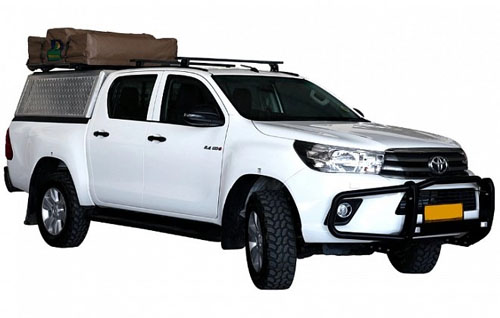
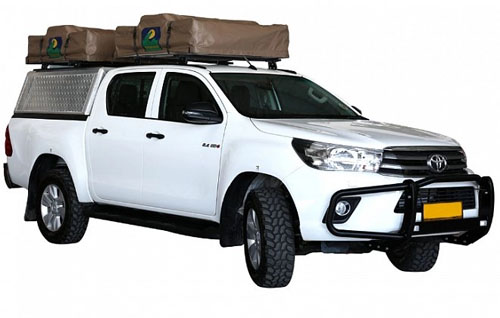
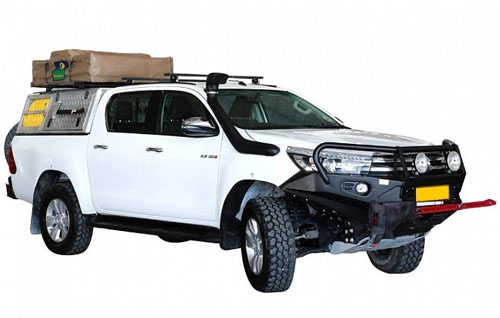
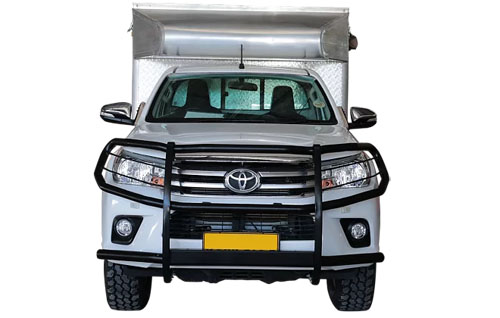
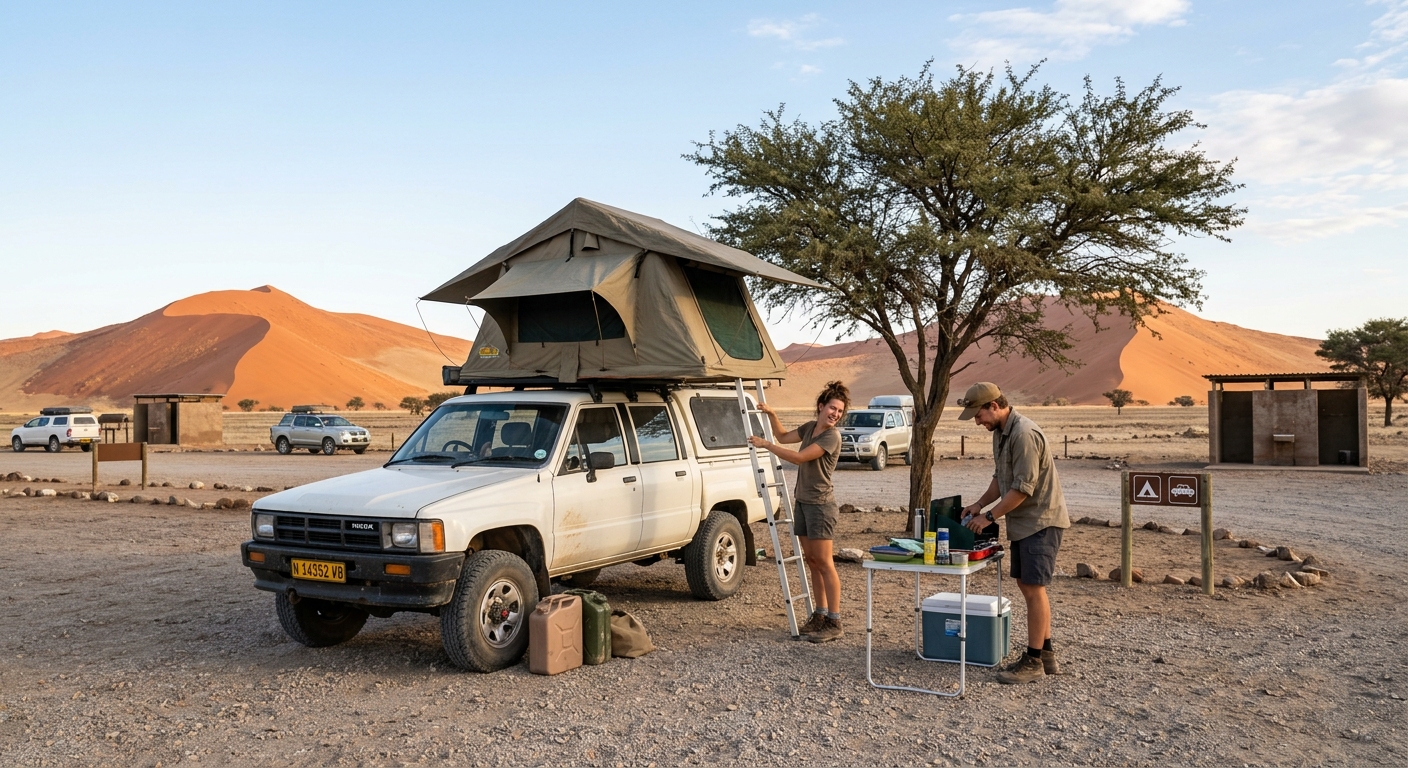
Class TC truck campers, averaging 5.5 meters in length, are the premier choice for senior adventurers in Namibia seeking robust off-grid capabilities and access to truly remote locations. These unique units, which are mounted onto a 4x4 truck chassis, typically sleep 2.4 people and accommodate 2.1 adults from Bandana's global fleet, offering the flexibility of a go-anywhere vehicle. Their excellent ground clearance and 4x4 capability make them indispensable for traversing Namibia's challenging terrains, including deep sand or rough tracks to unique wild camping spots in areas inaccessible to standard RVs. While fuel consumption is higher (12-17 liters per 100 km) due to the powerful 4x4 truck base, the ability to reach exclusive areas and truly immerse oneself in the wilderness often outweighs this for many experienced travelers. They are perfect for seniors prioritizing true wilderness exploration and self-sufficiency, with an example being the "Patagonia Camper 4x4 double cab."
Side-by-Side Comparison Table
Understanding the nuances between RV classes is vital for senior travelers planning an RV rental in Namibia. This table offers a clear side-by-side comparison of the key specifications and ideal use cases for each motorhome and campervan type, helping you make an informed decision for your adventure.
| RV Family | Avg Length (m) | Sleeps | Fuel Use (L/100 km) | Best Use Case in Namibia |
|---|---|---|---|---|
| Class A (Integrated) | 7.5 | 4.4 | 11-12 | Max comfort, spacious living, larger groups, primarily paved roads and well-graded gravel |
| Class SI (Semi-Integrated) | 6.9 | 3.8 | 10-11 | Comfort & maneuverability balance, couples/small families, mixed paved and gravel roads |
| Class C (Alcove) | 7.5 | 5.8 | 10-12 | Family suitability, extra sleeping capacity, cost-effective comfort, mixed paved and gravel roads |
| Class B (Campervan) | 5.8 | 3.2 | 10 | Maneuverability, fuel economy, solo/couples, agile exploration on all but the roughest tracks |
| Class TC (Truck Camper) | 5.5 | 2.4 | 12-17 | Off-grid access, 4x4 capability, remote areas, adventure seekers on challenging terrains |
Our Recommendation for RV Rental for Seniors Travelers in Namibia
For most senior travelers exploring Namibia, the **Class SI (Semi-Integrated) motorhome** emerges as the primary recommendation due to its optimal balance of comfort, living space, and manageable size. Its average length of 6.9 meters provides ample amenities like a proper kitchen and bathroom, without being overly cumbersome on Namibia's varied road network, ensuring a comfortable yet practical journey for couples or small groups. However, as a strong runner-up, the **Class TC (Truck Camper)** is highly recommended for adventurous seniors prioritizing unparalleled off-road capability and access to Namibia's most remote, pristine natural areas. While more rugged and offering a more compact living space, its 4x4 base ensures that no destination is out of reach for those comfortable with higher fuel consumption and a greater sense of wilderness immersion. Ultimately, the best choice for an RV rental for seniors in Namibia depends on individual comfort levels and desired level of adventure.
Is Namibia good for RV travel?
Namibia is exceptionally good for RV travel, offering vast, open landscapes, well-maintained gravel roads for the most part, and numerous designated campsites, making it a highly popular destination for self-drive tours. The country's low population density and strong emphasis on nature conservation create an ideal environment for independent exploration and unparalleled wildlife viewing. However, travelers, especially seniors, should be prepared for long distances between towns, potential remote road conditions, and the necessity of carrying sufficient supplies. Safety in remote areas is enhanced by proper planning, reliable communication devices, and adherence to local advice from your rental provider, such as our trusted partners like Britz or Apollo. Imagine cooking a delicious meal in your rented motorhome's kitchen after a day of safari, with an RV-friendly recipes playlist helping you along.
What are the road conditions like in Namibia?
Namibian road conditions primarily consist of tarred highways between major towns and extensive networks of well-maintained gravel roads, which require careful driving and appropriate vehicle selection. While main routes are generally smooth, gravel roads, often designated as 'C' or 'D' roads, can be unpredictable, varying from firm and compacted to corrugated or sandy, particularly after rains or in remote areas. Larger RVs like Class A and C may find corrugated gravel roads uncomfortable at higher speeds, necessitating slower travel, whereas smaller Class B campervans or 4x4 Truck Campers are generally more agile. Drive slowly and carefully, and you can drive almost anywhere without issues. No need to stress - just use common sense and pay attention. Regular tire checks and carrying a robust spare, along with puncture repair kits, are essential due to the prevalence of sharp stones, and suitable tire pressures are crucial for stability and comfort on gravel surfaces.
Do you need a 4x4 camper in Namibia?
While a 4x4 camper is not strictly necessary for all main routes in Namibia, it is highly recommended and often essential for accessing more remote and pristine areas, especially within national parks like Etosha's less-traveled tracks or the deeper sections of the Namib Desert. For senior travelers prioritizing comfort and sticking to major gravel roads and paved routes, a 2WD Class SI or Class C RV can suffice. However, if your itinerary includes challenging terrains like deep sand, seasonal river crossings, or rough tracks leading to unique, secluded campsites, a 4x4 Class TC (Truck Camper) or a 4x4-based campervan will provide the necessary capability and peace of mind. A 4x4 also offers an added layer of safety and self-reliance when traveling in isolated regions, expanding your possibilities for adventure in Namibia.
What do I need to know before driving in Namibia?
Before driving an RV in Namibia, it is crucial for senior travelers to understand local regulations, practice defensive driving on gravel roads, and be prepared for remote conditions. Key aspects include adhering to posted speed limits, which are often lower on gravel roads (typically 80 km/h), being highly aware of wildlife crossing roads, especially at dawn and dusk, and understanding basic vehicle maintenance such as tire pressure management and fluid checks. For remote areas where cell service is unreliable, emergency communication options like satellite phones or satellite messenger devices are highly recommended, alongside carrying a comprehensive first-aid kit. Familiarize yourself with animal encounters specific to campgrounds, such as securing food from baboons or hyenas, and always practice 'Leave No Trace' principles to preserve Namibia's fragile ecosystems and show cultural etiquette when interacting with local communities like the Himba people. For more insights on planning, explore our RV Driving Deals in Namibia - Routes and Savings 2024 article.
What is the best time of year to RV in Namibia?
The best time of year to RV in Namibia generally aligns with the dry winter season from May to October, offering pleasant daytime temperatures between 20-25°C and optimal conditions for wildlife viewing and stargazing. During these months, wildlife congregates around permanent water sources, making sightings easier in parks like Etosha, and clear, crisp skies provide spectacular opportunities for astrophotography in dark sky reserves. For hiking and specific scenic drives, the shoulder seasons of April/May and October/November can also be excellent, with milder temperatures and fewer tourists. The summer rainy season (November to April) brings lush landscapes and baby animals but can also mean very high temperatures, potential road washouts on unpaved roads, and increased mosquito activity, particularly in malaria zones in the north.
How much does it cost to rent an RV in Namibia?
The cost to rent an RV in Namibia varies significantly based on the RV class, rental duration, season, and how far in advance you book, with comprehensive trip costs extending beyond just the rental fee. Beyond the dynamic daily rental rates provided in our pricing table, senior travelers should budget for daily estimates covering fuel (which can be substantial given Namibia's long distances and a typical RV's 10-17 liters per 100 km consumption), camp fees (ranging from N$200-N$500 per night for basic to luxury sites), national park permits (e.g., Etosha entry is around N$100-N$250 per person per day), food, and activity costs. A realistic total daily expenditure of N$1500-N$3000 (approximately $80-$160 USD) for two people is a good starting point, excluding high-end activities or luxury accommodation upgrades. For detailed budgeting tools and route planning, consider exploring RV PLANET routes, where you can itemize and track every expense along the way.
What are the best RV routes in Namibia?
The best RV routes in Namibia showcase its iconic landscapes and wildlife, with popular itineraries including the classic self-drive loop from Windhoek to Etosha National Park, Damaraland, and the dramatic Skeleton Coast. Other prime routes venture south to the striking red dunes of Sossusvlei and Deadvlei in the Namib-Naukluft Park, or the colossal Fish River Canyon, all offering diverse scenic drives and unique photographic opportunities. Beyond standard national park campsites, unique camping experiences for RVers include stays within private conservancies like Erindi Private Game Reserve, community campsites in culturally rich areas like Twyfelfontein, or carefully planned 'wild' camping opportunities (where legal and safe) in specific designated areas. These routes provide access to unparalleled stargazing, intimate wildlife encounters, and rich cultural interactions, allowing seniors to explore at their own leisurely pace, ideally traveling slowly, a maximum of 100-150 km per day on average.
Is it safe to wild camp in Namibia?
Wild camping in Namibia is generally not recommended or legal outside of designated areas due to significant safety concerns related to wildlife, extreme remoteness, and strict land ownership regulations, making permitted campsites the safest option for RV travelers. While some remote areas might appear appealing for 'wild' camping, the lack of readily available emergency services and the presence of dangerous wildlife (such as leopards, hyenas, and venomous snakes) pose substantial risks, especially for senior travelers. It is always safer and more responsible to utilize established campgrounds, private conservancies, or community campsites, which provide amenities, security, and often stunning, well-maintained locations. For those seeking a more off-grid experience, booking specific private conservancy sites that explicitly permit remote camping offers a legal and safer alternative, ensuring peace of mind during your RV rental in Namibia.
What do I need to know about water and waste management in an RV in Namibia?
Effective water sourcing, greywater management, and waste disposal are critical for RV travel in Namibia, especially given the country's arid climate and remote areas. RV travelers must ensure their fresh water tanks are consistently full, as potable water sources can be scarce outside major towns and well-equipped campsites, with a typical RV fresh water tank holding around 80-150 liters. Greywater (from sinks and showers) and blackwater (toilet waste) must always be disposed of at designated dump stations, which are available at most formal campgrounds and some larger fuel stations, to prevent environmental contamination. Power hookups are available at most established campsites, but carrying a portable solar panel or ensuring the RV's battery system is robust for off-grid periods is advisable for longer remote stays. Conservation of water and careful waste separation (recyclables where possible) are paramount to responsible tourism in Namibia's fragile ecosystems.
How to stay connected when RVing in remote Namibia?
Staying connected in remote Namibia can be challenging, as reliable cell service (3G/4G) is largely confined to major towns like Windhoek and main routes, making alternative communication methods essential for RV travelers. For seniors, investing in a local SIM card (MTC or TN Mobile) upon arrival for basic calls and data in populated areas is highly recommended, but be aware that coverage will drop off quickly in wilderness regions. Wi-Fi availability at campgrounds is limited and often slow or paid, so relying on it for critical communication or navigation is not advisable. For reliable connectivity and emergency communication in remote areas, a satellite phone or a satellite messenger device (like an InReach or Zoleo) is strongly recommended for peace of mind. Always inform family or friends of your detailed itinerary and expected check-in times, and consider carrying a pre-loaded offline map system like Maps.me or Gaia GPS on your smartphone or tablet.
What are the health and safety considerations for seniors RVing in Namibia?
Seniors RVing in Namibia should prioritize health and safety by being well-prepared for potential medical situations, varying environmental conditions, and remote travel challenges. Consult your doctor about recommended malaria prophylaxis if traveling to northern regions (e.g., Etosha during the rainy season), ensure all routine vaccinations are current, and consider additional ones like Hepatitis A and B. Always carry a comprehensive remote first-aid kit, including all personal prescription medications, basic wound care supplies, and anti-diarrhea medication. Access to advanced medical facilities is limited outside of major cities like Windhoek and Swakopmund, so knowing your nearest hospital and carrying travel medical insurance that covers emergency evacuation is vital. Always practice safe water purification methods if sourcing from non-bottled sources, stay hydrated to combat the intense heat, and be aware of potential animal encounters at campgrounds, such as securing food from baboons or hyenas.
Can I take my RV across borders from Namibia to neighboring countries?
Taking an RV across borders from Namibia into neighboring countries like Botswana or South Africa is generally possible but requires specific documentation and strict adherence to customs procedures. Travelers must obtain a Police Clearance Certificate for the vehicle (if not owned, which applies to all rentals) and ensure all vehicle registration papers are in order. Rental companies, such as our partners El Monte or Apollo, must provide a Letter of Authorization (LoA) confirming your permission for cross-border travel, which is absolutely essential at all border posts. Be aware of potential additional insurance requirements for different countries and research any specific vehicle import/export fees or temporary road permits. It's crucial to confirm all required documentation with your RV rental provider well in advance to avoid any delays or refusal of entry at border crossings, especially when planning a multi-country RV Rental Africa - Complete Guide 2024 adventure.
What You Shouldn't Miss
- **Sossusvlei and Deadvlei:** Witness the iconic towering red dunes and ancient petrified trees in the Namib-Naukluft National Park. The sunrise over Dune 45 is a must-see.
- **Etosha National Park:** Embark on self-drive safaris to spot the "Big Four" (lion, leopard, elephant, rhino) and many other species. Don't miss the floodlit waterholes at night, offering unparalleled viewing from your camp.
- **Swakopmund:** Experience the charming German colonial architecture and coastal activities in this unique desert-meets-ocean town. Explore the RV Rental Swakopmund options for direct access.
- **Fish River Canyon:** Marvel at Africa's largest canyon, a geological wonder offering breathtaking panoramic views and hiking opportunities (seasonal, permit required).
- **Damaraland:** Discover ancient rock art at Twyfelfontein (UNESCO World Heritage Site) and track desert-adapted elephants, a truly unique wildlife experience.
- **NamibRand Nature Reserve:** For an unparalleled stargazing experience, visit Africa's first International Dark Sky Reserve, perfect for astrophotography from your RV.
Looking for expert insights from Avi Bandana? Top 5 Adventures - recommendations from Avi Bandana.
Final Thoughts
Namibia offers an unparalleled adventure for senior travelers, blending breathtaking landscapes, abundant wildlife, and rich cultural experiences with the comfort and freedom of an RV rental. Whether you choose a nimble campervan for agile exploration or a spacious semi-integrated motorhome for a more luxurious journey, the key is careful planning and choosing a vehicle that matches your desired pace and comfort level. Remember to embrace the philosophy of slow travel, taking time to feel the place, connect to the culture, the food, and the stunning scenery.
We are here to support you every step of the way, from comparing prices and understanding vehicle options to ensuring your booking is transparent and worry-free. Your Namibian RV adventure awaits-imagine mornings waking up to desert sunrises and evenings under a blanket of stars. Prepare to create cherished memories on a journey designed just for you.
Discover top destinations, planning tips, all in one place! Plan your RV adventure and compare RV rental prices for Namibia today.