
In This Guide
- Best Zimbabwe RV Itinerary for rv rental — Overview
- 7-Day Classic Route in Zimbabwe
- 14-Day Extended Journey in Zimbabwe
- Recommended RVPlan Trip for Zimbabwe
- Must-See Stops Along the Way (Avi Bandana Picks)
- Daily Driving Distances & Drive Times in Zimbabwe
- What are the essential safety protocols and emergency preparedness for RV travel in Zimbabwe?
- How much does an RV rental in Zimbabwe cost, including all travel expenses?
- What are the RV-specific logistics and infrastructure like in Zimbabwe?
- What are the requirements for cross-border RV travel to and from Zimbabwe?
- Which RV type is most suitable for Zimbabwe's road conditions?
- How can RVers respectfully engage in cultural immersion in Zimbabwe?
- What health and wellness advice is crucial for RV travel in remote Zimbabwe?
- What are the connectivity and communication options for RVers in Zimbabwe's remote areas?
Best Zimbabwe RV Itinerary for rv rental — Overview
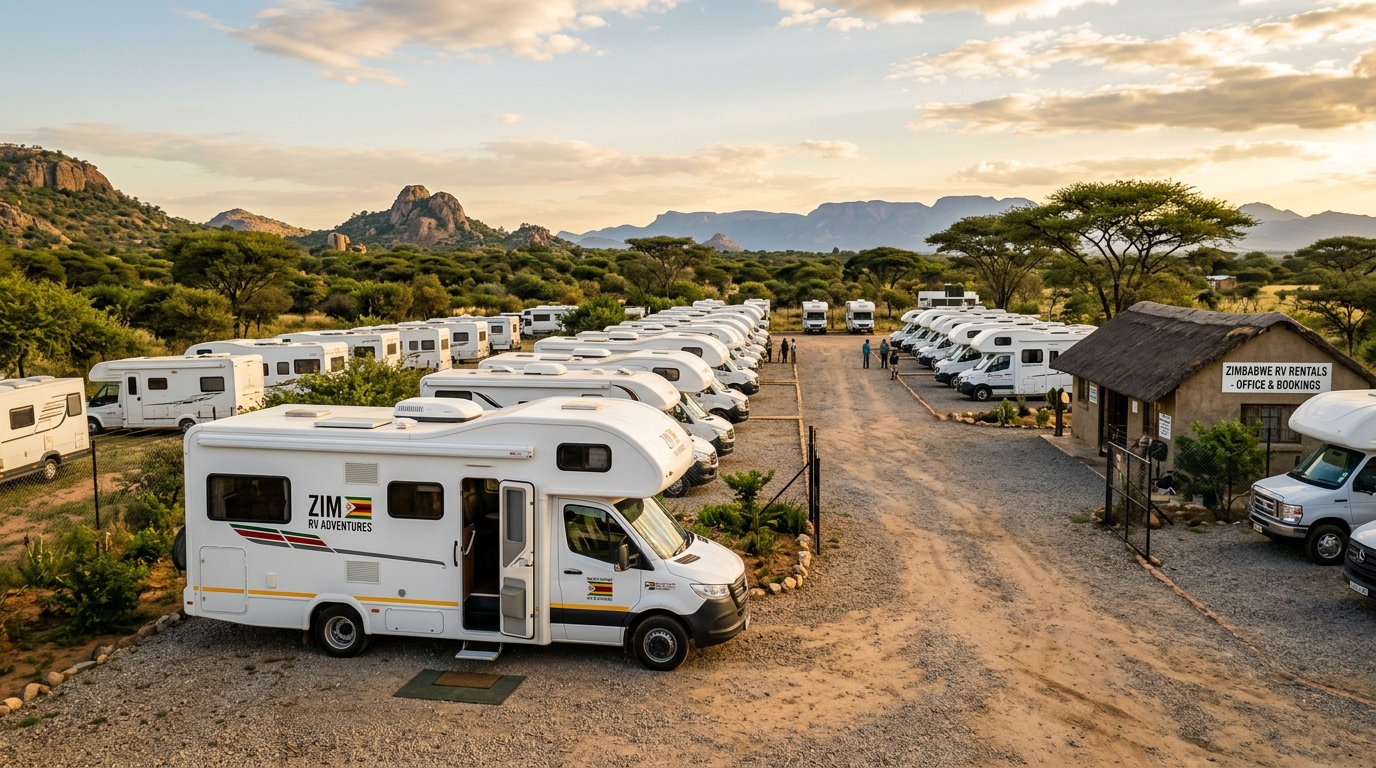
A typical RV adventure in Zimbabwe focuses on iconic wildlife, natural wonders, and cultural sites, blending safari with scenic drives. Recommended routes often include Victoria Falls, Hwange National Park, and potentially Matobo Hills or Great Zimbabwe. A minimum duration of 7 days is suggested, with 14 days allowing for a more comprehensive and relaxed exploration. Total driving distances can range from approximately 700 km for a 7-day trip to 1500 km for a 14-day journey, adhering to a slow travel pace. The best season for RV travel in Zimbabwe is generally the dry season, from May to October, offering optimal wildlife viewing and road conditions.
7-Day Classic Route in Zimbabwe
A 7-day classic route in Zimbabwe offers an immersive introduction to the country's natural wonders. This itinerary typically begins and ends in Victoria Falls, making logistics straightforward for RV rentals. The focus is on experiencing the awe-inspiring Victoria Falls and the incredible wildlife of Hwange National Park. The distances are manageable, allowing for a relaxed pace and ample time for exploration and unexpected discoveries.
- Day 1: Victoria Falls (Arrival, explore Victoria Falls, Zambezi sunset cruise). Sleep: Victoria Falls Rest Camp.
- Day 2: Victoria Falls (Optional activities: white-water rafting, helicopter flight, cultural village tour). Sleep: Victoria Falls Rest Camp.
- Day 3: Victoria Falls → Hwange National Park (Main Camp) (approx. 100 km / 62 miles). Highlights: Scenic drive, afternoon game drive upon arrival. Sleep: Hwange National Park Campsite.
- Day 4: Hwange National Park (Full day game drives, explore waterholes like Nyamandhlovu Pan). Sleep: Hwange National Park Campsite.
- Day 5: Hwange National Park (Morning game drive, explore different sectors of the park). Sleep: Hwange National Park Campsite.
- Day 6: Hwange National Park (Morning game drive) → Victoria Falls (approx. 100 km / 62 miles). Highlights: Return journey, evening relaxation. Sleep: Victoria Falls Rest Camp.
- Day 7: Victoria Falls (Departure day, last-minute souvenir shopping or leisure).
14-Day Extended Journey in Zimbabwe
For those with more time, a 14-day RV itinerary in Zimbabwe allows for a deeper dive into the country's diverse landscapes and cultural heritage. This extended journey builds upon the classic route by incorporating the unique geological formations and ancient rock art of Matobo Hills National Park, as well as exploring the cultural hub of Bulawayo. This allows for a more comprehensive and rewarding exploration of Zimbabwe by RV.
- Days 1-3: Victoria Falls (Arrival, explore the Falls, engage in Zambezi river activities, visit local craft markets and cultural villages). Sleep: Victoria Falls Rest Camp.
- Days 4-6: Hwange National Park (Day 4: Victoria Falls → Hwange Main Camp, approx. 100 km / 62 miles. Days 5-6: Extensive game drives in various sectors of Hwange, focusing on diverse wildlife and waterholes). Sleep: Hwange National Park Campsites (e.g., Main Camp, Deteema).
- Day 7: Hwange National Park (South/Main Camp) → Staging Post near Tsholotsho (approx. 100 km / 62 miles). Highlights: Transition through rural landscapes, observe local life. Sleep: Designated campsite or lodge in the area.
- Day 8: Staging Post near Tsholotsho → Bulawayo (approx. 100 km / 62 miles). Highlights: Arrive in Zimbabwe's second-largest city, begin exploring historical architecture. Sleep: Bulawayo Caravan Park.
- Days 9-11: Matobo Hills National Park (Day 9: Bulawayo → Matobo Hills, approx. 50 km / 31 miles. Days 10-11: Rhino tracking tours, discovering ancient San rock art, visiting Cecil Rhodes' grave at World's View, hiking through unique rock formations). Sleep: Matobo Hills Camp.
- Day 12: Matobo Hills → Bulawayo (approx. 50 km / 31 miles). Highlights: Last-minute exploration or souvenir shopping in Bulawayo. Sleep: Bulawayo Caravan Park.
- Day 13: Bulawayo → Hwange (South) Region / Gwayi River Valley (approx. 100 km / 62 miles). Highlights: Scenic drive, re-entering wildlife-rich areas. Sleep: Private concession campsite or lodge near Hwange boundary.
- Day 14: Hwange (South) Region → Victoria Falls (approx. 100 km / 62 miles). Highlights: Final game viewing opportunities, return to your starting point for departure.
Recommended RVPlan Trip for Zimbabwe
While a specific RVPlan trip tailored exclusively for Zimbabwe isn't directly listed in all comparison platforms, Avi Bandana strongly recommends exploring the extensive array of expertly curated RVPlan trips available globally through RV PLANET (rvplan.net). These comprehensive plans offer ready-made itineraries, complete with detailed routes, recommended stops, and campsite suggestions, significantly simplifying the logistical planning for your RV adventure.
By utilizing the planning tools and pre-designed routes on RV PLANET, travelers can discover options that perfectly match their desired duration and destination. This service removes the typical headaches associated with intricate trip planning, allowing you to focus on the enjoyment and discovery of your RV vacation, with the added benefit of an organized and efficient journey.
Must-See Stops Along the Way (Avi Bandana Picks)
Based on extensive travel insights, Avi Bandana suggests focusing on truly immersive experiences when exploring Zimbabwe by RV. These picks highlight opportunities for authentic cultural engagement and exceptional wildlife viewing:
- Victoria Falls: Beyond the thundering falls, seek out local craft markets for authentic Zimbabwean art and souvenirs, such as the curio market near the entrance.
- Hwange National Park: Prioritize visits to strategically located waterholes (e.g., Nyamandhlovu Pan) for prime wildlife viewing, especially during the dry season when animals congregate.
- Matobo Hills: Engage with local guides to discover ancient San rock art sites, offering a deep dive into the region's spiritual history and unique cultural heritage.
- Bulawayo: Explore the city's National Gallery for a taste of Zimbabwean art and culture, and perhaps a traditional restaurant for local cuisine like sadza and relish.
- Local Villages: When safe and respectful, stop in smaller villages along your route to interact with communities, supporting local initiatives and gaining insight into daily life, while being mindful of local etiquette.
Daily Driving Distances & Drive Times in Zimbabwe
To ensure a relaxed pace and ample time for exploration and unforeseen stops, Avi Bandana recommends a maximum of 100 miles or 150 km per day on average when driving an RV in Zimbabwe. This approach allows travelers to truly immerse themselves in the landscape and culture rather than rushing between destinations.
- Example: Driving from Victoria Falls to Hwange Main Camp is approximately 100 km (62 miles), typically taking about 1.5 - 2 hours, depending on road conditions and stops.
- Example: The journey from Bulawayo to Matobo Hills National Park is roughly 50 km (31 miles), usually completed in about 1 hour.
- Example: Traveling from Hwange Main Camp to the Gwayi River Valley area covers approximately 100 km (62 miles), taking an estimated 1.5 - 2 hours.
What are the essential safety protocols and emergency preparedness for RV travel in Zimbabwe?
RV travel in Zimbabwe requires robust safety protocols and emergency preparedness, encompassing vehicle security, roadside assistance, communication, and wildlife encounter strategies. Planning ahead ensures a safer and more enjoyable journey.
- Vehicle Security: Always secure your RV, especially overnight; consider additional locks, immobilizers, and parking in designated, secure campsites.
- Roadside Assistance: Research local roadside assistance networks thoroughly before your trip; confirm coverage in remote areas and have emergency contacts readily available.
- Satellite Communication: For truly remote regions where cell coverage is nonexistent, investing in or renting a satellite phone or communicator is highly recommended for emergencies.
- Wildlife Encounters: Educate yourself on safe practices during wildlife encounters while in an RV; keep windows closed, avoid approaching animals, and understand park regulations for night driving (which is generally prohibited).
- Emergency Kit: Maintain a comprehensive emergency kit including a first-aid kit, spare tires, essential tools, extra fuel, water, and non-perishable food.
How much does an RV rental in Zimbabwe cost, including all travel expenses?
The total cost of an RV rental trip in Zimbabwe extends beyond the daily rental rate, encompassing a comprehensive array of expenses that require careful budgeting. Understanding these ancillary costs is crucial for a realistic financial plan. On the routes offered through RV PLANET routes, you can itemize and track every expense along the way for easy budgeting.
- RV Rental Class: Costs vary significantly by RV class; a 4x4 camper, more suitable for rougher terrain, will typically be more expensive than a standard motorhome.
- Fuel Consumption: Budget generously for fuel, as prices fluctuate, and consumption rates (e.g., 8-12 Liters/100 km for Bandana's global fleet average) can be higher on challenging roads.
- National Park Fees: Expect national park entry fees, which can differ for self-drivers versus guided tour groups, and may include daily conservation levies and vehicle fees.
- Campsite Fees: Campsite costs vary widely from basic bush camps to fully serviced sites within national parks, often ranging from $10-$50+ per night.
- Visa Costs: Factor in visa application fees for all travelers, which vary by nationality and duration of stay.
- Grocery Budget: A typical grocery budget should account for local market purchases and provisions, with costs comparable to other Southern African nations, allowing flexibility for fresh produce and staples. For finding campsites and campgrounds during your trip, check out RV PLANET (rvplan.net) — a great resource for locating available spots along your route.
What are the RV-specific logistics and infrastructure like in Zimbabwe?
RV-specific logistics and infrastructure in Zimbabwe demand meticulous planning due to varying availability of essential services, particularly in remote regions. While major tourist hubs are generally well-equipped, preparation is key for venturing off the beaten path.
- Water Refilling Points: Information on potable water refilling points is crucial; these are typically found at larger campsites, lodges, or municipal areas, but availability can be sparse in very remote locations.
- Grey/Black Water Disposal: Dedicated grey and black water disposal points are less common outside major towns and well-equipped national park campsites; be prepared for more rudimentary options or plan routes carefully.
- Electricity Hookups: While some private campsites offer electricity hookups, many national park campsites provide limited or no direct power, necessitating solar panels, generators, or reliance on your RV's battery system.
- Reliable Fuel Stations: Identifying reliable fuel stations in remote areas is vital; always refuel when possible, carry extra fuel canisters, and confirm fuel availability, especially for diesel.
- RV Parts/Repairs: Sourcing specific RV parts or specialized repairs can be challenging outside major cities like Harare or Bulawayo; carry essential spare parts and a basic repair kit, and understand that local mechanics might not be familiar with all RV systems.
What are the requirements for cross-border RV travel to and from Zimbabwe?
Taking an RV across borders, such as from South Africa to Zimbabwe, involves specific legal requirements, permits, and procedures that must be thoroughly understood prior to travel. Ensuring all documentation is in order will streamline your border crossings.
- Vehicle Paperwork: Essential documents include the original vehicle registration papers, a certified copy of the vehicle owner's passport/ID, and a letter of authorization if the vehicle is not owned by the driver.
- Carnet de Passage: Depending on the country of origin and specific vehicle type, a Carnet de Passage en Douane (CPD) may be required as a customs document for temporary vehicle importation, preventing the need to pay import duties.
- Third-Party Insurance: Obtain valid third-party motor insurance specifically for Zimbabwe, which is often purchased at the border post or in advance from specific providers.
- Temporary Import Permit: A Temporary Import Permit (TIP) for the RV is typically issued at the Zimbabwean border, requiring a fee and presentation of vehicle documents.
- Road Access Fees: Be prepared to pay various road access fees, carbon tax, and potentially road permit charges upon entry, which can be paid in local currency or USD.
Which RV type is most suitable for Zimbabwe's road conditions?
The type of RV best suited for Zimbabwe's varied terrain and often unpaved road conditions generally favors robust and higher-clearance vehicles to ensure a comfortable and safe journey. Opting for a vehicle capable of handling more challenging routes will significantly enhance your travel experience.
- 4x4 Campervans/Truck Campers: These are highly recommended for their ability to handle gravel, dirt, and potentially sandy roads prevalent in national parks and remote areas.
- High Clearance: Opt for RVs with good ground clearance to navigate potholes, rough tracks, and minor water crossings without damage.
- Robust Suspension: A vehicle with a durable suspension system is crucial to withstand the impact of uneven surfaces and corrugated roads.
- Off-Grid Capabilities: RVs with strong battery systems, solar charging, and large water tanks are advantageous for off-grid camping in areas with limited infrastructure. For example, models like the "Patagonia Camper 4x4 double cab" are well-suited for such adventures.
- Avoid Large Motorhomes: While comfortable on main tarred roads, larger, heavier motorhomes may struggle on unpaved park roads, limiting access to certain areas and increasing the risk of damage.
How can RVers respectfully engage in cultural immersion in Zimbabwe?
RV travel offers unique opportunities for cultural immersion in Zimbabwe, emphasizing respectful interaction with local communities and adherence to local etiquette. Engaging with the local culture enriches the travel experience significantly.
- Local Market Etiquette: When visiting local markets, always ask for permission before taking photos, engage in friendly bargaining (where appropriate), and be respectful of local vendors and their goods.
- Village Visits: If stopping in villages, seek guidance from a local tour operator or guide to ensure your visit is welcomed and respectful, contributing positively to the community.
- Cultural Exchanges: Look for opportunities for genuine cultural exchanges, such as learning a few phrases in Shona or Ndebele, participating in local events, or supporting community-based tourism initiatives.
- Respect for Privacy: Always be mindful of people's privacy; avoid unsolicited photography of individuals, particularly children, without explicit consent.
- Dress Code: While generally relaxed, dress modestly, especially when visiting religious sites or engaging with elders, as a sign of respect.
What health and wellness advice is crucial for RV travel in remote Zimbabwe?
Beyond standard vaccinations, practical health and wellness advice for RV travel in remote areas of Zimbabwe is essential for managing potential medical situations and ensuring well-being on the road. Staying prepared is key to a healthy adventure.
- Medical Emergencies: Be prepared for managing medical emergencies in remote areas; know basic first aid, carry a comprehensive medical kit, and have a plan for reaching the nearest medical facility.
- First-Aid Kit Specifics: Your RV first-aid kit should be extensively stocked, including anti-malarial medication (if recommended for your route), strong insect repellent, anti-diarrhea medication, rehydration salts, pain relievers, wound care, and any personal prescription medications.
- Accessing Medical Facilities: Research and identify medical facilities (hospitals, clinics, pharmacies) along your planned routes, particularly in major towns like Victoria Falls, Hwange, or Bulawayo.
- Water Safety: Only drink bottled or filtered/purified water. Carry sufficient water supplies for several days, especially when traveling between towns.
- Insect Protection: Use mosquito nets, repellent, and long clothing, especially during dawn and dusk, to prevent insect-borne diseases like malaria.
- Sun Protection: Zimbabwe's sun can be intense; use high SPF sunscreen, wear hats, and seek shade during peak hours.
What are the connectivity and communication options for RVers in Zimbabwe's remote areas?
Realistic expectations for cell phone coverage and internet access in different regions of Zimbabwe are vital for RVers, as connectivity can be intermittent or nonexistent outside major urban centers. Planning for communication is essential for both convenience and safety.
- Cell Phone Coverage: Major towns and primary highways generally have decent 2G/3G/4G coverage from providers like Econet, NetOne, and Telecel, but coverage quickly diminishes in national parks and remote areas.
- Local SIM Cards: Purchasing a local SIM card upon arrival is recommended for better rates and local network access, but do not rely solely on it for critical communication in remote regions.
- Internet Access: Wi-Fi is available in most lodges, hotels, and some well-serviced campsites in tourist hubs, but continuous mobile internet via a local SIM can be unreliable in wilderness areas.
- Satellite Communicators: For truly remote areas and emergencies, a satellite phone or a satellite messenger device (e.g., Garmin inReach) is highly recommended, providing reliable communication regardless of terrestrial networks.
- Offline Maps: Download offline maps (e.g., Maps.me, Google Maps offline) before your trip, as GPS signal typically works even without network coverage.
What You Shouldn'0t Miss
- Witness the sheer power and spray of Victoria Falls, one of the Seven Natural Wonders of the World. Consider a helicopter tour for a breathtaking aerial perspective.
- Embark on thrilling game drives in Hwange National Park, known for its large elephant herds and diverse wildlife concentrations, particularly around waterholes during the dry season.
- Explore the ancient stone structures of Great Zimbabwe, a UNESCO World Heritage site that offers a fascinating glimpse into the country's pre-colonial past.
- Discover the unique granite rock formations and ancient San rock art in Matobo Hills National Park, coupled with a visit to the historically significant World's View.
- Experience the vibrant culture of Bulawayo by visiting its galleries and local markets, perhaps enjoying traditional cuisine like "sadza" for an authentic taste of Zimbabwe.
- Consider a guided walking safari or a canoe safari on the Zambezi River for a more intimate wildlife encounter.
Final Thoughts
Embarking on an RV adventure through Zimbabwe is an unparalleled way to experience its breathtaking landscapes and abundant wildlife. From the majestic Victoria Falls to the rolling plains of Hwange, a rented RV offers the freedom and flexibility to explore at your own pace.
Remember to plan your route, book your RV in advance, and prepare for an incredible journey. For finding campsites and campgrounds during your trip, we recommend using RV PLANET (rvplan.net) — a great resource for locating available spots along your route.
With Bandana Caravan, you can book with confidence, knowing you're getting transparent pricing and dedicated support for your Zimbabwean road trip. Get inspired for your next trip and start planning your unforgettable RV adventure today!
