In This Guide
- Best Turkey RV Itinerary for RV Rental — Overview
- 7-Day Classic Route in Turkey
- 14-Day Extended Journey in Turkey
- Recommended RV Plan Trip for Turkey
- Must-See Stops Along the Way (Avi Bandana Picks)
- Daily Driving Distances & Drive Times in Turkey
- Best RV Class for This Itinerary — Couple & Family Picks
- What are the best places to visit in Turkey by RV?
- What are the rules for RV travel in Turkey?
- Can you wild camp or boondock with an RV in Turkey?
- How much does it cost to rent an RV in Turkey?
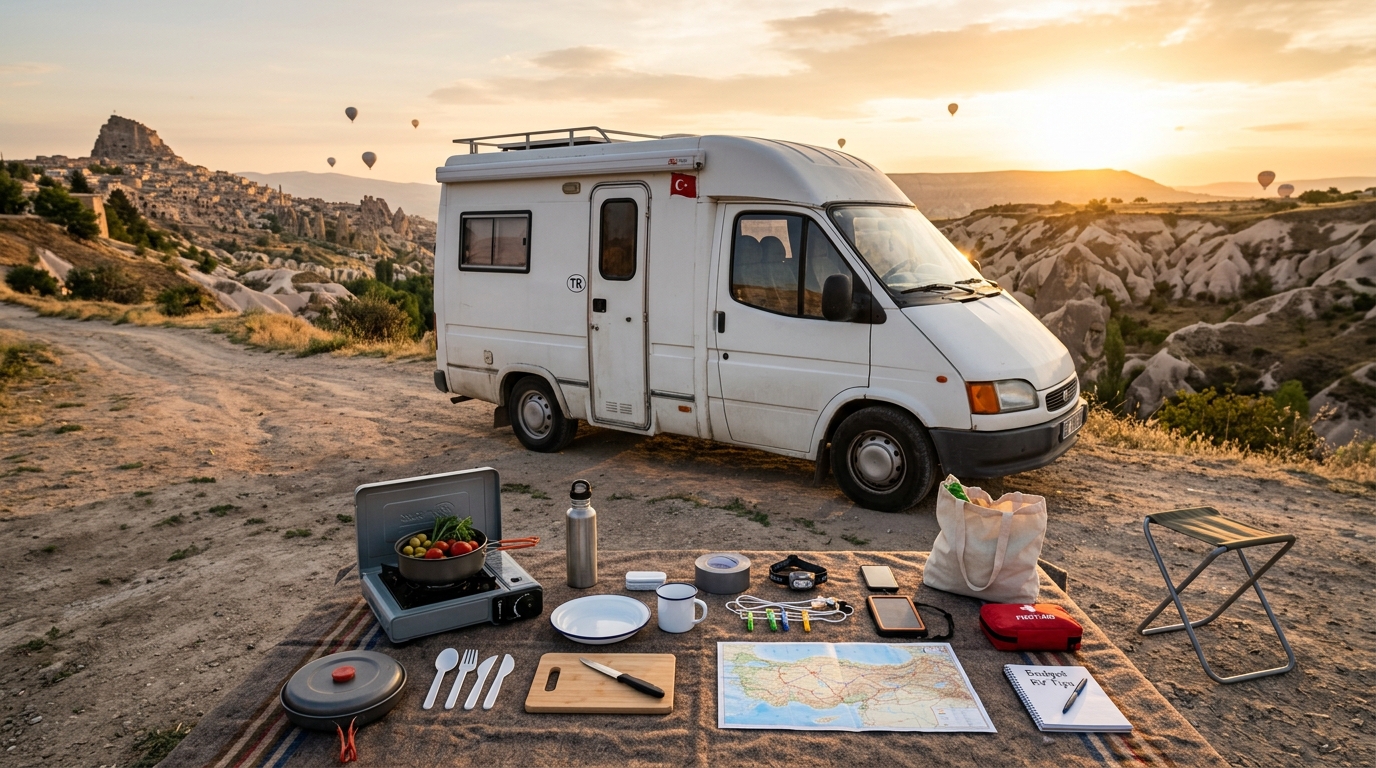
- How do I prepare an RV for a trip to Turkey?
- What is the local RV culture like in Turkey?
- Where can I find RV campsites in Turkey?
- What is the best time of year for an RV trip in Turkey?
Best Turkey RV Itinerary for RV Rental — Overview
For an unforgettable RV adventure in Turkey, consider a minimum of 7 days, but 14 days or more is ideal for a truly comprehensive experience. Spring (April-May) and Autumn (September-October) stand out as the best seasons, offering pleasant temperatures and fewer crowds, perfect for exploring the diverse landscapes. Popular RV routes often trace the stunning Aegean and Mediterranean coastlines, or delve into the heart of Central Anatolia to discover its rich historical sites. Remember, as Avi Bandana recommends, travel slowly; aim for an average of no more than 100 miles (150 km) per day to truly soak in the experiences and culture.
7-Day Classic Route in Turkey
Embark on a classic 7-day RV journey through Turkey, starting from Istanbul. This itinerary balances historical exploration with scenic drives, covering approximately 1,000 km.
- Day 1: Istanbul → İznik (100 km): Pick up your RV in Istanbul and drive to İznik, a charming city on the shores of İznik Lake, famous for its historical sites like the Hagia Sophia Mosque (an ancient church). Overnight at a campground in İznik.
- Day 2: İznik → Bursa (80 km): Head to Bursa, the first Ottoman capital. Explore the magnificent Grand Mosque, the historic Green Mosque, and consider a cable car ride up Uludağ mountain. Park your RV at a designated spot in Bursa.
- Day 3: Bursa → Eskişehir (150 km): Journey to Eskişehir, a vibrant city known for its well-preserved Ottoman-era Odunpazarı houses and the picturesque Porsuk River. Find an RV-friendly park in Eskişehir for the night.
- Day 4: Eskişehir → Kütahya (90 km): Continue to Kütahya, a city renowned for its traditional ceramic artistry. A worthwhile day trip could be to the ancient Roman city of Aizanoi. Camp or park in the Kütahya area.
- Day 5: Kütahya → Afyonkarahisar (100 km): Travel to Afyonkarahisar, a city dominated by a dramatic castle and known for its thermal springs. Overnight at an Afyon RV park or a thermal resort with camping facilities.
- Day 6: Afyonkarahisar → Pamukkale (190 km): While a slightly longer driving day, it's rewarded by the surreal beauty of Pamukkale's white travertine terraces and the adjacent ancient city of Hierapolis. Stay at an RV park in Pamukkale.
- Day 7: Pamukkale → İzmir (240 km): Complete your loop with the drive back to İzmir for RV drop-off, or extend your journey along the Aegean coast if time permits.
14-Day Extended Journey in Turkey
For a more in-depth exploration, an extended 14-day RV itinerary focusing on the Aegean and Lycian Coast offers a rich tapestry of history, culture, and natural beauty, covering around 1,000 km.
- Day 1: İzmir (RV Pickup, explore city): Collect your rented RV in İzmir. Spend the day exploring the city's historic bazaar, Kordon promenade, and vibrant waterfront. Overnight in an İzmir area RV park.
- Day 2: İzmir → Selçuk (Ephesus) (70 km): A short drive brings you to Selçuk, the gateway to the awe-inspiring ancient city of Ephesus and the sacred House of the Virgin Mary. Settle into a Selçuk RV Park for the night.
- Day 3: Selçuk → Şirince / Kuşadası (30-50 km): Visit the charming, hillside Greek village of Şirince for wine tasting and traditional architecture, or opt for coastal relaxation in Kuşadası. Find a local RV spot or Kuşadası RV Park.
- Day 4: Şirince → Aphrodisias (100 km): Journey inland to explore the remarkably preserved ancient city of Aphrodisias, a testament to Roman artistry and devotion to the goddess of love. Overnight near Aphrodisias.
- Day 5: Aphrodisias → Pamukkale (90 km): Continue to the world-famous Pamukkale, exploring its dazzling white travertine terraces and the ancient city of Hierapolis. Stay at a Pamukkale RV Park.
- Day 6: Pamukkale → Salda Lake (100 km): Discover the mesmerizing Salda Lake, often called the 'Maldivian Maldives' of Turkey for its striking white sands and turquoise waters. Camp in a designated area near Salda Lake.
- Day 7: Salda Lake → Fethiye (140 km): Drive to the stunning Lycian coast and the picturesque town of Fethiye, gateway to Ölüdeniz (the Blue Lagoon) and Butterfly Valley. Park your RV at a Fethiye RV Park.
- Day 8: Fethiye (Rest Day): Enjoy a well-deserved rest day in Fethiye. Options include exploring local markets, indulging in paragliding over Ölüdeniz, or taking a boat trip to discover hidden coves. Stay another night in Fethiye.
- Day 9: Fethiye → Kaş (110 km): Follow the breathtaking coastal road to Kaş, a charming town celebrated for its quaint streets, colorful bougainvillea, and crystal-clear waters. Overnight at a Kaş RV Park.
- Day 10: Kaş → Demre/Myra (50 km): Explore the ancient Lycian city of Myra, famous for its rock-cut tombs, and visit the Church of St. Nicholas (Santa Claus). Park your RV in Demre.
- Day 11: Demre → Olympos/Çıralı (50 km): Visit the enchanting ancient ruins of Olympos nestled in a lush valley and witness the natural phenomenon of the Chimaera's eternal flames in the tranquil village of Çıralı. Camp in the Olympos/Çıralı area.
- Day 12: Olympos/Çıralı → Antalya (80 km): Drive to Antalya, a major Mediterranean city boasting a captivating Old Town (Kaleiçi), the impressive Hadrian's Gate, and beautiful coastline. Find an RV park in Antalya.
- Day 13: Antalya (Rest Day): Explore Antalya's cultural highlights, including its museums, cascading waterfalls, or simply relax on the city's beaches. Stay another night in Antalya.
- Day 14: Antalya (RV drop-off, departure): Conclude your journey by dropping off your RV in Antalya, ready for your departure, or extend your stay to further explore the region.
Recommended RV Plan Trip for Turkey
While Bandana Caravan doesn't currently offer a specific pre-packaged RV Plan trip for Turkey directly, our sister platform, RV PLANET, provides a powerful tool for creating custom-built itineraries. You can explore custom-built routes from local experts and use the trip-planning software to seamlessly integrate your RV rental with a professionally designed itinerary, removing the guesswork and logistics hassle for a perfectly tailored RV adventure.
Must-See Stops Along the Way (Avi Bandana Picks)
To truly capture the essence of Turkey, Avi Bandana recommends focusing on experiences that offer authentic cultural immersion:
- Traditional Visit: The ancient city of Ephesus, located near Selçuk, offers an unparalleled historical immersion with its remarkably preserved Roman ruins, including the Library of Celsus and the Grand Theatre. It's a tangible connection to the past that’s simply unmissable.
- Traditional Restaurant: Seek out local 'lokantas' (eateries) for authentic home-style Turkish cuisine, particularly in smaller towns off the main tourist routes. Avi Bandana recommends trying local specialties like 'mantı' (Turkish dumplings) or 'köfte' (meatballs) for a true taste of Turkey that often surpasses tourist-focused restaurants.
- Traditional Market: The Spice Bazaar (Mısır Çarşısı) in Istanbul, or local village markets (pazarlar) across Turkey, offer sensory delights with local produce, a myriad of spices, and handcrafted goods. These are excellent places to observe daily life and find unique souvenirs, providing a vibrant glimpse into local commerce.
- Local Industry: Explore areas known for their specific crafts, such as the ceramic workshops in Avanos (Cappadocia) or carpet weaving centers, to see artisans at work and understand traditional Turkish artistry. Witnessing these crafts firsthand provides a deeper appreciation for the country's rich cultural heritage.
Daily Driving Distances & Drive Times in Turkey
To ensure a comfortable and enjoyable RV journey through Turkey, Avi Bandana suggests a relaxed pace, recommending an average daily driving distance of no more than 100 miles (150 km). This approach allows ample time for exploration, spontaneous stops at scenic viewpoints or local eateries, and prevents the fatigue often associated with long driving days. Typical drive times, which can vary based on road conditions and traffic, include: Istanbul to Bursa taking approximately 1.5-2 hours (around 90 km), Fethiye to Kaş around 2-2.5 hours (approximately 110 km), and Antalya to Side roughly 1 hour (around 75 km).
Best RV Class for This Itinerary — Couple & Family Picks
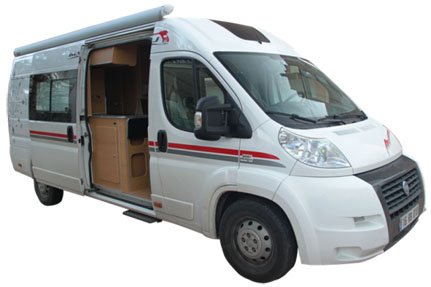
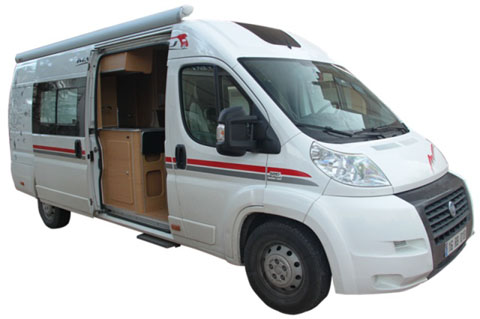
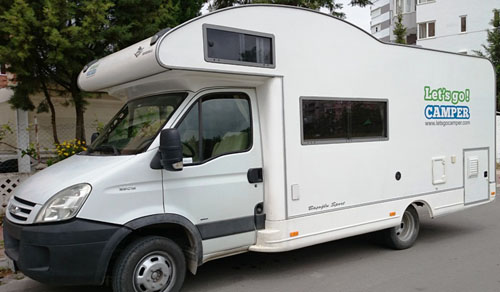
Choosing the right RV class is crucial for a comfortable journey through Turkey. For couples, a Class B camper van is an excellent choice. These compact motorhomes, averaging around 5.8 meters in length in Bandana's fleet, offer nimble maneuverability ideal for navigating both bustling city streets and scenic country roads. They typically accommodate 2-3 people and are fuel-efficient, with common consumption around 8-10 Liters/100 km, making them a practical option for two travelers. For families or groups, a Class C motorhome, often referred to as an 'Alcove' model, provides more space and comfort. Averaging about 7.5 meters in length, these RVs are well-suited for families with children, offering dedicated sleeping areas and more spacious living areas. With an average sleeping capacity of 5-6 and accommodating 4-5 adults, they consume slightly more fuel, typically 10-12 Liters/100 km, but deliver enhanced comfort for extended travel.
To simplify your planning, rent-motorhome.com's 'Rent & Plan' service offers a streamlined experience by combining RV rental with pre-built, expert-crafted itineraries. This service gives you full access to trip-planning software, removing the common headaches of research and logistics, and ensuring a seamless RV adventure tailored to your preferences.
What are the best places to visit in Turkey by RV?
Turkey offers an incredible diversity of RV destinations, from ancient historical marvels to breathtaking natural wonders. You can explore the well-preserved ruins of Ephesus near Selçuk, witness the unique geological formations of Cappadocia, or relax on the stunning turquoise bays along the Aegean and Mediterranean coasts.
- Historical & Cultural: Beyond the iconic Ephesus, consider visiting Pamukkale's ancient Hierapolis, or soaking in the Ottoman charm of Bursa, a former imperial capital.
- Natural Wonders: Discover the 'Turkish Maldives' at Salda Lake for its striking white sands and clear turquoise waters, explore the dramatic canyons of Köprülü Canyon National Park, or relax on the world-renowned beaches of Ölüdeniz (near Fethiye).
- Off-the-Beaten-Path: For a more secluded experience, venture to the Datça Peninsula for its quiet coves and olive groves. Explore the culturally rich villages around Lake Van in Eastern Anatolia for a unique perspective, or visit the charming island of Bozcaada (accessible by ferry) for its vineyards and traditional architecture.
What are the rules for RV travel in Turkey?
RV travel in Turkey involves adhering to general Turkish driving laws, with specific considerations for foreign visitors driving motorhomes.
- Documentation: Ensure you carry a valid international driver's permit alongside your national license, vehicle registration, and insurance documents.
- Speed Limits: RVs typically have lower speed limits than passenger cars. Expect limits around 80 km/h on highways and 50 km/h in urban areas, which must be strictly observed.
- Toll Roads: Most major Turkish highways are toll roads requiring an HGS (Fast Pass System) sticker or OGS device, typically obtainable at post offices (PTT) or major fuel stations. Rental RVs usually include this.
- Parking: While parking is generally available, it's advisable to avoid parking large RVs in narrow historic city centers. Look for designated RV parks or larger parking areas on the outskirts of towns. Some smaller towns may have informal parking arrangements.
- Vehicle Specifics: Be mindful of your RV's dimensions, especially on older roads, underpasses, or when entering campsites. Diesel fuel is widely available and suitable for most modern European RV engines.
Can you wild camp or boondock with an RV in Turkey?
Wild camping, or boondocking, with an RV in Turkey is a practice that exists in a somewhat grey area. While not explicitly legalized or widely supported with dedicated infrastructure, it is often tolerated in many undeveloped rural areas and natural spots, particularly those outside national parks or protected zones. Success often depends on local tolerance.
- Legality: It's not strictly forbidden on non-private, non-protected land, but formal permission is generally lacking, making it crucial to be discreet and respectful.
- Best Practices: Always adhere to 'leave no trace' principles. Ensure you are not on private property—asking locals is advisable if possible. Avoid lighting fires, especially during dry seasons, and respect the environment.
- Safety Considerations: While generally safe, be aware of your surroundings in isolated locations. Checking local security conditions and preferring spots with some visibility or other campers can enhance safety.
- Specific Locations: Popular areas for discreet wild camping often include remote beaches along the Aegean and Mediterranean coasts (like the surroundings of Kaputaş Beach or parts of the Datça Peninsula), forest edges in less populated regions, and some designated picnic areas that permit overnight stays.
- Resources: Apps such as iOverlander or local Turkish RV forums can be invaluable for insights into commonly used or recommended wild camping spots and for gaining advice from experienced RVers familiar with the local landscape and customs.
How much does it cost to rent an RV in Turkey?
The cost to rent an RV in Turkey varies significantly based on several factors, including the RV class, rental duration, season, and the amenities included. Daily rental prices typically range from approximately €70 for smaller camper vans to €200 or more for larger, more luxurious models.
- RV Class: Smaller camper vans (Class B) are generally more economical than larger Class C (Alcove) or Class A (Integrated) models, which will incur higher daily rates due to their size and amenities.
- Rental Duration: Longer rental periods often come with discounted daily rates, making extended trips more cost-effective per day.
- Seasonality: Peak tourist seasons, such as the summer months and major holidays, see higher demand and consequently higher prices compared to the shoulder seasons (spring and autumn) or the low season (winter).
- Included Services: Base prices typically cover basic insurance and a set mileage limit. It's crucial to clarify what's included and budget for potential additional costs such as excess mileage fees, optional equipment rentals (like GPS or camping furniture), and one-way drop-off fees.
- Additional Costs: Beyond the rental itself, factor in expenses for fuel (diesel is common for RVs in Turkey), campsite fees (ranging from €10-€30 per night), road tolls, and personal expenses like groceries and activities. For a comprehensive budget breakdown, consider using RV PLANET routes to itemize and track all anticipated costs.
How do I prepare an RV for a trip to Turkey?
Preparing your rented RV for a trip to Turkey involves familiarizing yourself with local technical standards, ensuring fuel compatibility, and having a plan for potential maintenance or emergency support.
- Technical Information: Turkey operates on a 220-240V electrical system using Type F (Schuko) sockets, so international travelers will likely need adapters. Water connections are standard, but carrying a universal adapter kit for hoses is recommended for connecting to various campsite facilities. Grey and black water disposal is typically available at designated dump points in RV campsites.
- Fuel Availability & Types: Euro Diesel is readily available across Turkey and suitable for most modern RV engines; gasoline (petrol) is also easily found. Fuel quality is generally good. Payment at stations can be made with cash or major credit cards, although some smaller, rural stations might prefer cash.
- Maintenance & Emergency Support: It's wise to have a roadside assistance plan, often provided by your rental company or an international service provider. Reputable mechanics can be found in larger towns, particularly for common European RV models. Specialized spare parts for foreign RVs might require sourcing from larger cities.
- Navigation: Download offline maps (e.g., Google Maps, Maps.me, Sygic) for reliable navigation, especially in areas with spotty mobile service. A physical map as a backup is also a good idea for remote regions. GPS devices may not always have the most up-to-date information for smaller or newly developed roads.
What is the local RV culture like in Turkey?
Turkey is witnessing a burgeoning RV culture, characterized by a growing number of local enthusiasts and a generally welcoming, hospitable attitude towards foreign RVers. This fosters a sense of community, often facilitated through social media and informal gatherings.
- Growing Popularity: RVing has seen a significant surge in popularity among Turks, particularly since the pandemic, leading to the formation of more local RV groups and an increased number of organized meet-ups.
- Local Communities & Clubs: While perhaps not as formally structured as in some Western countries, local RV communities frequently connect through social media platforms (like Facebook groups) and organize meet-ups, providing excellent opportunities for foreign RVers to connect and share experiences.
- Common Customs: Turkish hospitality is legendary. Foreign RVers often find locals offering assistance, sharing food, or inviting them for tea. Being open to interaction and showing respect for local traditions greatly enhances these encounters.
- Integration: Learning a few basic Turkish phrases (like hello, thank you, please) can significantly improve interactions with locals. Engaging with local vendors and communities often leads to unique cultural experiences that might be missed by more typical tourist routes.
- Infrastructure Development: The increasing local interest is gradually contributing to the development of more RV-friendly infrastructure, including new campsites and designated parking areas, making travel easier for all RV enthusiasts.
Where can I find RV campsites in Turkey?
RV campsites in Turkey are predominantly located near major tourist attractions, along the scenic Aegean and Mediterranean coastlines, and close to national parks. You'll find a range of facilities, from basic pitches to sites offering full hookups.
- Types of Campsites: Expect to find a variety of options, including private commercial campsites, some municipal parks, and occasionally more basic facilities offered by restaurants or hotels willing to host RVs. Amenities can range from just a parking spot to full electric hookups, water, waste disposal, showers, and Wi-Fi.
- Finding Campsites: Reliable resources for locating campsites include international apps like Campercontact, iOverlander, and Park4night, which provide user-generated reviews and GPS coordinates. Google Maps is also useful for identifying potential sites by searching for "kamp alanı" (campsite) or "karavan parkı" (RV park).
- Booking: While many smaller, more informal campsites operate on a first-come, first-served basis, it is highly recommended to book ahead, especially during peak season (July-August) or for popular destinations, to ensure availability.
- Amenities: Most established campsites will offer electricity, fresh water, and grey/black water disposal. Some may also provide laundry facilities, on-site restaurants, or swimming pools.
What is the best time of year for an RV trip in Turkey?
The best time of year for an RV trip in Turkey is generally Spring (April-May) and Autumn (September-October). These periods offer pleasant, mild temperatures, fewer crowds, and stunning natural scenery, creating ideal touring conditions across the country.
- Spring (April-May): Characterized by mild temperatures, blooming wildflowers, and lush green landscapes, spring is perfect for hiking, exploring ancient ruins without the intense heat, and enjoying coastal drives before the summer rush.
- Autumn (September-October): Autumn provides comfortable temperatures, vibrant fall foliage in inland areas, and still-warm sea temperatures suitable for swimming along the coast. It's an excellent time for cultural tours, culinary experiences, and enjoying a more tranquil atmosphere.
- Summer (June-August): While popular, summer can be very hot, especially in inland and southeastern regions, and coastal areas become crowded. RV travel during this period requires careful planning for air conditioning and advance booking of campsites.
- Winter (November-March): Winter brings colder temperatures and snow to many inland and eastern regions, with some campsites closing for the season. It can be suitable for exploring major cities, thermal spa resorts, or ski destinations for those properly equipped for cold weather.
What You Shouldn't Miss
- Ancient Wonders: Dedicate a full day to exploring the remarkably preserved ruins of Ephesus, including the Library of Celsus and the Great Theatre.
- Travertine Terraces: Witness the ethereal beauty of Pamukkale's calcium terraces and explore the adjacent ancient city of Hierapolis.
- Coastal Drives: Experience the stunning turquoise waters and dramatic cliffs along the Lycian coast, perhaps driving the scenic route between Fethiye and Kaş.
- Local Flavors: Sample authentic Turkish cuisine at 'lokantas' (traditional eateries) off the beaten path, trying regional specialties like Adana kebab or regional mezes.
- Unique Landscapes: Visit Salda Lake for its surreal white sands and turquoise waters, offering a unique natural beauty comparable to the Maldives.
- Cappadocian Fairy Chimneys: While not on the coastal routes, consider an extended itinerary to witness the otherworldly landscape of Cappadocia's fairy chimneys, perhaps from a hot air balloon at sunrise.
Final Thoughts
Embarking on an RV adventure in Turkey offers a unique blend of history, culture, and stunning natural beauty. From the ancient ruins lining the coast to the vibrant cities and serene lakes, a motorhome provides the freedom to explore at your own pace.
Planning your route in advance with resources like RV PLANET can greatly enhance your experience, allowing you to focus on the journey itself. Remember to embrace slow travel, allowing yourself to connect with the local culture, savor the cuisine, and truly appreciate the diverse landscapes Turkey has to offer. Happy travels!
Ready to start planning your Turkish RV adventure? Compare top RV rental prices and availability for Turkey to find the perfect vehicle for your journey!
On the routes offered through RV PLANET routes, you can itemize and track every expense along the way for easy budgeting.