For live availability and current prices, start with our RV Rental Tokyo - Complete Guide 2026 guide.
In This Guide
- Best Tokyo RV Itinerary for seniors - Overview
- 7-Day Classic Route in Tokyo
- 14-Day Extended Journey in Tokyo
- Recommended RVPlan Trip for Tokyo
- Must-See Stops Along the Way (Avi Bandana Picks)
- Daily Driving Distances & Drive Times in Tokyo
- Best RV Class for This Itinerary - Couple & Family Picks
- Where can I park an RV in Tokyo Japan?
- Can foreigners drive RV in Japan?
- How much does it cost to rent an RV in Japan?
- Is it easy to drive an RV in Japan?
- What are the rules for RV camping in Japan?
- Are there RV parks near Tokyo?
- How to dispose of RV waste in Japan?
- What do you need to drive an RV in Japan?
- How do I deal with emergencies while RVing in Japan?
Best Tokyo RV Itinerary for seniors - Overview
An RV itinerary for seniors around Tokyo focuses on scenic drives and peripheral exploration, seamlessly integrating public transport for direct city core access. The recommended duration for a fulfilling trip is a minimum of 7 days, ideally stretching to 14 days for a truly comprehensive experience that balances adventure with relaxation. The best seasons for RV travel are typically spring (March-May) to witness the breathtaking cherry blossoms and autumn (September-November) for the vibrant fall foliage. A typical 7-day RV adventure will cover an estimated total driving distance of around 500-700 km (300-450 miles). For live availability and current prices, start with our RV Rental Tokyo - Complete Guide 2024 guide, which offers extensive information to help you plan your journey.Embracing a slow travel philosophy, which recommends driving a maximum of 100-150 km per day on average, allows seniors to fully immerse themselves in the local culture, savor the delicious Japanese food, and connect with the stunning scenery without feeling rushed. This approach ensures there's ample time to explore at a comfortable pace, making the most of every stop along your route. You'll find that with a rented RV, you have the flexibility to adjust your schedule to suit your energy levels and interests, making it an ideal way to discover Japan's incredible landscapes and cultural gems.
7-Day Classic Route in Tokyo
A well-paced 7-day classic RV itinerary around Tokyo allows for comfortable exploration of historical sites and natural beauty.- Day 1: Arrival & Tokyo Periphery (Chiba/Saitama) - Pick up your rented RV and settle into a Michi-no-Eki or campground located just outside central Tokyo, such as Michi-no-Eki Yachiyo in Chiba. This initial drive covers approximately 30-50 km, allowing for a gentle start.
- Day 2: Kamakura Historical Excursion - Drive about 50 km south to Kamakura, a city renowned for its historical significance and tranquil temples. Highlights include the iconic Great Buddha and the majestic Tsurugaoka Hachimangu Shrine. Spend the night at Michi-no-Eki Kamakura or a nearby campground.
- Day 3: Hakone Scenic Retreat - Journey to Hakone, approximately 80 km from Kamakura, known for its stunning natural landscapes and hot springs. Enjoy a picturesque cruise on Lake Ashi and explore the unique outdoor sculptures at the Hakone Open-Air Museum. Overnight at a comfortable campground near Hakone.
- Day 4: Mount Fuji Views (Kawaguchiko) - Head to the captivating Lake Kawaguchiko area, roughly 60 km away, for some of the most iconic panoramic views of Mount Fuji, especially from the picturesque Chureito Pagoda. Overnight at Michi-no-Eki Narusawa, which often provides excellent facilities.
- Day 5: Return Towards Tokyo & Yokohama Charm - Drive back towards Tokyo's periphery, covering approximately 100 km, and consider exploring the vibrant port city of Yokohama. Discover the futuristic Minato Mirai district and the bustling Yokohama Chinatown. Secure your RV at a campground near Yokohama or the outer Tokyo areas for the night.
- Day 6: Tokyo City Exploration (Public Transport) - Park your RV securely at your peripheral campground and utilize Japan's incredibly efficient public transport for a day of exploring central Tokyo. Visit tranquil spots like Shinjuku Gyoen National Garden, experience the famous Shibuya Crossing, and wander through the historic Imperial Palace East Garden. You can comfortably return to your RV at the same peripheral campground.
- Day 7: Departure - Enjoy a leisurely morning before returning your rented RV, concluding a memorable week-long adventure around Tokyo.
14-Day Extended Journey in Tokyo
An extended 14-day RV journey around Tokyo allows for deeper exploration of the Kanto region and beyond, building upon the classic route. The first 7 days would follow the established itinerary, covering the cultural treasures of Kamakura, the scenic beauty of Hakone, and the iconic views of the Mount Fuji area. This pace, focusing on slow travel with about 100-150 km of driving per day, ensures a comfortable and enriching experience for seniors.- Days 1-7: Kanto Classics - Follow the detailed 7-Day Classic Route outlined above, immersing yourselves in the historical and natural highlights of Kamakura, Hakone, and the Mount Fuji area. This gives you ample time to relax and truly absorb each location.
- Day 8: Nikko World Heritage - From your Tokyo periphery base, embark on a roughly 150 km drive to Nikko, home to stunning UNESCO World Heritage sites. Explore the opulent Toshogu Shrine, the serene Futarasan Jinja, and the impressive Kegon Falls. Overnight at Michi-no-Eki Nikko.
- Day 9: Return South & Tsukuba Science City - Drive approximately 100 km back towards the Tokyo region, perhaps making a stop at Tsukuba Science City. Here, highlights include the engaging Tsukuba Space Center, offering a unique educational experience. Find a campground near Tsukuba for the night.
- Day 10: Chiba Coastal Exploration - Head to Chiba's picturesque coastline, about 80 km away, for a refreshing change of scenery. Enjoy the expansive Kujukuri Beach and explore bustling local seafood markets for a taste of fresh regional delicacies. Overnight at Michi-no-Eki Kujukuri.
- Day 11: Izu Peninsula Hot Springs & Coastline - Embark on a scenic drive of approximately 120 km to the Izu Peninsula, famous for its dramatic Jogasaki Coast and numerous relaxing hot springs. Indulge in a tranquil soak to rejuvenate. Overnight at Michi-no-Eki Ito Marine Town, offering great coastal views.
- Day 12: Shizuoka Tea Plantations - Explore Shizuoka's renowned tea regions, about 80 km from the Izu Peninsula. Highlights include informative green tea farm tours and sweeping scenic views of the tea fields. For those interested in cooking onboard your rented RV, local tea shops often sell regional ingredients. Check out our RV-friendly recipes playlist for ideas. Overnight at Michi-no-Eki Kawanehon.
- Day 13: Return to Tokyo Periphery - Drive approximately 150 km back towards your initial RV pickup/drop-off location near Tokyo. Use this day for final cultural experiences or some souvenir shopping in a less crowded area. Spend your last night at a comfortable campground near Tokyo.
- Day 14: Departure - Prepare your rented motorhome for return, departing with cherished memories of your extensive Japanese adventure.
Recommended RVPlan Trip for Tokyo
While specific RV PLANET routes are not currently provided for Tokyo, our Rent&Plan service allows users to explore a diverse range of expertly curated itineraries tailored specifically for RV travel in Japan. These customizable route plans offer detailed suggestions for stops, activities, and comfortable overnight parking locations, ensuring a seamless and enjoyable RV adventure for seniors. Users can greatly benefit from these itineraries crafted by seasoned travel experts, providing significant peace of mind and full access to sophisticated trip-planning software, which simplifies the entire journey from start to finish. This planning discount of 25% for using rvplan.net is a fantastic way to enhance your trip while managing your budget. For finding campsites and campgrounds during your trip, we recommend using RV PLANET (rvplan.net) - a great resource for locating available spots along your route.Must-See Stops Along the Way (Avi Bandana Picks)
Avi Bandana's picks for RV travelers around Tokyo focus on immersive cultural experiences and scenic beauty that are easily accessible by RV, offering unique insights beyond the typical tourist paths. Look for traditional Michi-no-Eki (roadside stations), which serve as vital hubs for RVers, offering not just restrooms and local information, but also fresh local produce, unique souvenirs, and often allowing convenient overnight parking for your rented motorhome. Explore vibrant traditional markets, such as those in the Chiba coastal region, for fresh seafood, regional delicacies, and a true taste of local life. Imagine preparing a fresh breakfast in your rented RV's kitchen with ingredients sourced directly from a local market! Visit serene traditional sites like ancient temples and tranquil gardens, or historical castles often located just outside the immediate urban sprawl, providing peaceful retreats. Seek out local industry experiences, like participating in a traditional tea ceremony in Shizuoka or exploring craft workshops in rural areas, to gain deeper insights into Japanese culture and craftsmanship. These experiences are perfectly suited for seniors who appreciate cultural depth and a relaxed pace.Daily Driving Distances & Drive Times in Tokyo
Avi Bandana, drawing on over 23 years of RV travel experience, consistently recommends a maximum of 100-150 km (60-90 miles) per day on average when driving a rented RV to ensure a relaxed and enjoyable journey, particularly beneficial for seniors. This slow travel approach minimizes driving fatigue and maximizes opportunities to immerse yourself in local culture and scenery. For instance, traveling from a Tokyo periphery campground in Chiba to Kamakura typically takes around 1.5 hours to cover approximately 50 km (30 miles). The journey from Kamakura to Hakone involves about 2 hours of driving for roughly 80 km (50 miles), while going from Hakone to the Kawaguchiko area (Mount Fuji) is usually around 1.5 hours, covering about 60 km (37 miles). When driving a rented motorhome in and around Tokyo, drive slowly and carefully, and you can navigate almost anywhere without issues. There is no need to stress – just use common sense and pay attention to road signs and local traffic patterns.Best RV Class for This Itinerary - Couple & Family Picks
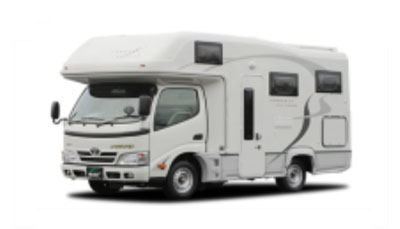
For a couple traveling in Tokyo and its surrounding regions, while a smaller campervan might be a consideration, the available **Class C - Alcove** is often a more comfortable and practical option. This type of rented motorhome, typically averaging 5 meters in length, provides ample living space without being overly cumbersome for navigating Japanese roads, which can be narrower than in some Western countries. Its comfortable sleeping arrangements, often featuring 6 sleeping places (easily convertible for 2), ensure a cozy and restful retreat after a day of exploration. For a family, especially seniors traveling with grandchildren, the **Class C - Alcove** is an excellent choice. With an average length of 5 meters, it offers spacious accommodation and essential amenities, making it a comfortable base for a family exploring the diverse landscapes and cultural sites around Tokyo. Many Class C - Alcove models, like the "cruise america rv rental example Explorer" (7.1m length, 4 sleeping places, 82L fresh water tank, 75L fuel tank), or the "24' Class C Motorhome" (7.46m length, 5 sleeping places, 166L fresh water tank, 208L fuel tank), come well-equipped to ensure everyone has a pleasant journey. Bandana's "Rent&Plan" service offers not just RV rental but also ready-made itineraries by travel experts with full access to trip-planning software, removing the planning headache and allowing travelers to focus on the experience. Our true RV specialists are here to help you choose the ideal motorhome for your Tokyo adventure.Where can I park an RV in Tokyo Japan?
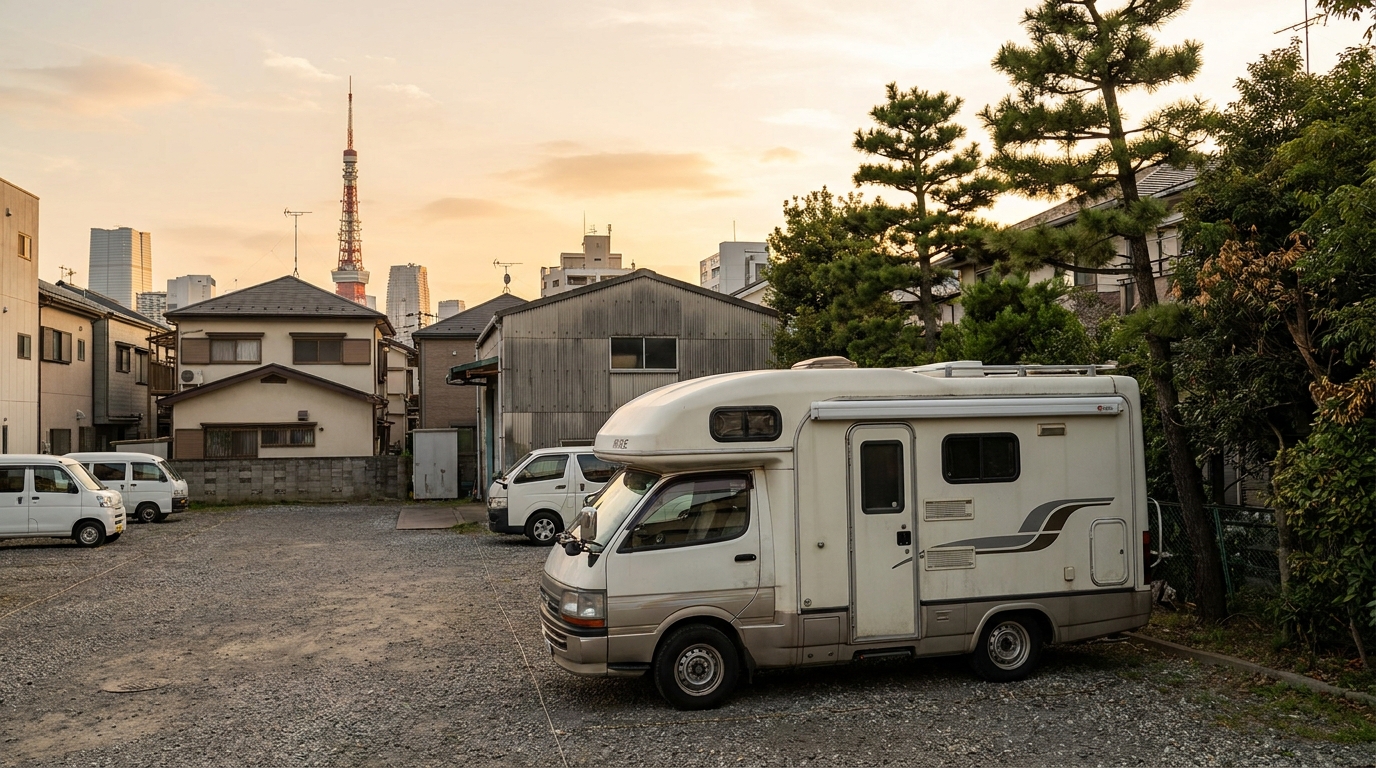
Parking a rented RV directly within central Tokyo is highly challenging due to narrow streets and extremely limited parking spaces, making peripheral Michi-no-Eki (roadside stations) or dedicated campgrounds more practical options. Secure long-term RV parking options near transit hubs, such as those found in Chiba, Saitama, or Kanagawa prefectures, allow visitors to comfortably access central Tokyo via the efficient public transport system. Michi-no-Eki like Michi-no-Eki Yachiyo in Chiba often provide suitable overnight parking for RVs and access to clean restrooms, making them excellent bases for day trips into the city. Detailed guidance on navigating Tokyo's urban areas involves understanding specific urban traffic rules and identifying appropriate parking for different RV sizes, which are typically found outside the core city. Remember, driving slowly and carefully is essential when venturing near urban centers.Can foreigners drive RV in Japan?
Yes, foreigners can legally drive rented RVs in Japan, provided they possess a valid International Driving Permit (IDP) based on the 1949 Geneva Convention, which must be presented alongside their original domestic driver's license. It is crucial for travelers from countries like the US, Canada, or Australia to obtain their IDP before arriving in Japan, as it cannot be issued upon arrival. Specific regulations for foreign RVers also include familiarizing oneself with unique Japanese road signs, many of which are pictorial or have English translations on major routes, and adjusting to driving on the left side of the road, which can be a key adjustment for many international drivers. The minimum age to rent an RV in Tokyo is 21, and no special license or CDL is required for any motorhome class.How much does it cost to rent an RV in Japan?
The cost to rent an RV in Japan varies widely, typically ranging from ¥15,000 to ¥35,000 (approximately $100-$230 USD) per day for a Class C motorhome, depending on its size, rental duration, season, and specific amenities. Prices are dynamic, similar to flight tickets, changing daily based on availability and supplier decisions. A granular look at specific expenses beyond just the rental itself includes fuel (which can be higher than in some Western countries, averaging around ¥175/liter or $1.15/liter USD), tolls (an Electronic Toll Collection (ETC) card is highly recommended for efficiency, offering discounts on routes like the Tokyo Aqua-Line), and parking fees at Michi-no-Eki or campgrounds (typically ¥2,000-¥5,000 per night). Food expenses can be managed by utilizing your rented RV's kitchen facilities with groceries from local supermarkets, which is often more economical than dining out for every meal. For budgeting your total trip cost, travelers can itemize and track every expense along the way using RV PLANET routes. Travelers should also budget for additional costs like optional deductible upgrades, cleaning fees, and potentially a portable Wi-Fi device for connectivity. For more detailed pricing, refer to our RV Rental in Tokyo - Prices and Best Deals 2024 and Cheap RV Rental in Tokyo - Budget Guide 2024 guides.Is it easy to drive an RV in Japan?
Driving a rented RV in Japan can be a rewarding experience; while roads are exceptionally well-maintained and traffic is generally orderly, navigating narrower streets in urban areas and understanding unique Japanese road signs can present initial challenges for seniors. Urban RVing solutions include careful route planning to avoid extremely tight city centers, utilizing a reliable GPS with English support, and being mindful of height and width restrictions for smaller roads or tunnels, especially around Tokyo. You can drive slowly and carefully, and you can drive almost anywhere without issues. No need to stress - just use common sense and pay attention. Specific urban traffic rules, such as strictly enforced speed limits (often lower than in Western countries, typically 80-100 km/h on highways, 40-60 km/h in urban areas), and parking regulations are adhered to, and drivers must adjust to driving on the left side of the road. Cultural etiquette for RVers also plays a role; respecting local customs regarding noise levels, parking discreetly, and polite interaction with locals contributes to a smoother and more enjoyable experience. Our RV Travel Guide to Tokyo - Tips and Top Spots 2024 offers further practical advice.What are the rules for RV camping in Japan?
RV camping in Japan primarily relies on designated campgrounds and Michi-no-Eki (roadside stations), where specific rules regarding overnight stays, waste disposal, and noise levels must be strictly adhered to. While Michi-no-Eki often permit overnight parking for rest, they are not full-service campgrounds; it is considered cultural etiquette to keep a low profile-avoid setting up awnings, tables, or excessive outdoor gear. Designated campgrounds, on the other hand, provide full amenities including power hookups (many are 100V, so adapters may be needed), fresh water, and dump stations for grey and black water, offering a more traditional camping experience. Wild camping or boondocking is generally prohibited in Japan and is not culturally accepted; adherence to specific laws for RV parking and camping in urban and rural environments is crucial for a respectful and problem-free trip.Are there RV parks near Tokyo?
Yes, several well-equipped RV parks and campgrounds are located within a reasonable driving distance of Tokyo, offering convenient bases for exploring the wider Kanto region. Hyper-local Tokyo RV logistics involve utilizing these parks in surrounding prefectures like Chiba, Saitama, Kanagawa, and Yamanashi, allowing easy access to central Tokyo via public transport. For example, Michi-no-Eki Yachiyo in Chiba offers overnight parking and facilities for a modest fee, while further out, the Fujinomiya Campground near Mount Fuji provides stunning views and amenities. RV-friendly Tokyo day trips and excursions are highly feasible from these peripheral bases, enabling unique experiences to destinations like Kamakura, Hakone, or Mount Fuji that are easily accessible by RV, while avoiding the city center's parking challenges. These parks often cater to RV travelers with amenities like power hookups, clean restrooms, and dump stations, making them ideal for seniors seeking comfort and convenience. Many of these campgrounds can be found and booked through rvplan.net.How to dispose of RV waste in Japan?
Proper disposal of RV waste in Japan typically involves utilizing designated dump stations at official campgrounds or specific Michi-no-Eki (roadside stations) that provide facilities for both grey and black water. It is crucial for seniors and all RVers to adhere to cultural etiquette by respecting local environmental rules and never disposing of waste in undesignated areas. Travelers should plan their route to include stops at campgrounds with dump stations, as not all Michi-no-Eki offer these facilities, to avoid waste management challenges in an urban context unique to Tokyo. General waste (trash) disposal in Japan requires strict sorting; RVers must diligently separate recyclables (plastics, glass, cans) from combustibles according to local municipal guidelines, often displayed in English at waste collection points. Being mindful of these practices ensures a responsible and enjoyable journey.What do you need to drive an RV in Japan?
To legally drive a rented RV in Japan, foreign visitors primarily require a valid International Driving Permit (IDP) issued under the 1949 Geneva Convention, which must be presented alongside their original domestic driver's license. It is important to secure this IDP before your arrival in Japan. Specific regulations for foreign RVers also include familiarization with unique Japanese road signs; many major routes and tourist areas provide English translations, but a GPS system with English language support is highly recommended for navigation. While typical rental motorhomes usually comply with vehicle restrictions, drivers should always be aware of potential height or weight limits, especially when planning routes through older towns or specific parking structures. Understanding basic Japanese traffic laws, such as the left-hand traffic rule and varying speed limits, is essential for a safe and lawful journey. The good news is that a standard car driver's license is sufficient for all motorhome classes (Class A, Class B, and Class C), and there are no special licenses or additional permits required for any rental motorhome.How do I deal with emergencies while RVing in Japan?
In the event of RV breakdowns, mechanical issues, or medical emergencies while RVing in Japan, immediately contacting your RV rental company's support line is the primary and most efficient step, as they can provide specific guidance and assistance tailored to your rented motorhome. For medical emergencies or fire, dial 119, and for police assistance, dial 110; while English may not always be readily available, larger cities like Tokyo often have emergency call centers with translation services to assist foreigners. Having comprehensive travel insurance that covers medical emergencies and vehicle assistance is highly recommended for all foreign RVers in Japan, offering an additional layer of peace of mind. It is also beneficial to have access to a reliable translation app or service on your smartphone, and to carry contact information for your embassy or consulate, for additional support in unforeseen circumstances. Remember, Bandana RV provides support before, during, and after your booking to ensure you're well-prepared.What You Shouldn't Miss
- Explore Hakone's Open-Air Museum: Just a short drive from Tokyo, this unique museum combines stunning outdoor art installations with the natural beauty of the Hakone region, offering a serene and inspiring experience.
- Visit the Great Buddha of Kamakura: Drive your rented RV to Kamakura and marvel at the colossal bronze statue of Amida Buddha, a serene and historically significant landmark.
- Enjoy Lake Kawaguchiko with Mount Fuji Views: Experience breathtaking panoramic views of Japan's iconic Mount Fuji from various vantage points around Lake Kawaguchiko, particularly stunning in spring or autumn.
- Discover Nikko's UNESCO Shrines and Temples: Embark on a journey to Nikko to explore the ornate Toshogu Shrine, Futarasan Jinja, and Taiyuinbyo, nestled amidst lush forests and spectacular waterfalls like Kegon Falls.
- Indulge in Fresh Seafood at Chiba Coastal Markets: Drive along the Chiba coastline and stop at local markets to savor incredibly fresh seafood, often caught that very morning – perfect for an onboard RV meal.
- Experience a Traditional Tea Ceremony in Shizuoka: Take a tea plantation tour in Shizuoka, a region famed for its green tea, and participate in a peaceful tea ceremony to immerse yourself in Japanese culture.
Final Thoughts
Imagine yourself waking up to the gentle sounds of nature near Mount Fuji, enjoying a freshly brewed coffee in your rented RV, and planning your day's adventure at your own pace. RV travel in Tokyo and the surrounding Kanto region offers a unique blend of cultural immersion and serene escape, perfectly tailored for seniors seeking comfort and discovery. Our carefully crafted itineraries, combined with Bandana Caravan's commitment to transparency and support, ensure your journey is as smooth and enjoyable as possible. Whether you choose a week-long trip to explore the classics or an extended two-week adventure to delve deeper into Japan's hidden gems, you're embarking on a truly special experience. We are here to support you before, during, and after your booking, providing the tools and expertise you need to make your RV dreams a reality. Don't just dream about it-make it happen! Find Motorhome Rentals in TokyoOn the routes offered through RV PLANET routes, you can itemize and track every expense along the way for easy budgeting.