For live availability and current prices, start with our RV Rental Switzerland - Complete Guide 2026 guide.
In This Guide
- Best Switzerland RV Itinerary for RV Rental for Seniors — Overview
- 7-Day Classic Route in Switzerland
- 14-Day Extended Journey in Switzerland
- Recommended RVPlan Trip for Switzerland
- Must-See Stops Along the Way (Avi Bandana Picks)
- Daily Driving Distances & Drive Times in Switzerland
- Best RV Class for This Itinerary — Couple & Family Picks
- What do I need to know before renting an RV in Switzerland?
- Is it easy to drive an RV in Switzerland?
- What are the best campsites for RVs in Switzerland?
- Can you just park an RV anywhere in Switzerland?
- How much does it cost to rent an RV in Switzerland?
- What are the rules for motorhomes in Switzerland?
- What documents do I need to rent an RV in Switzerland?
- What are the best places to visit in Switzerland by RV?
- Logistical Must-Knows for RV Travel in Switzerland
- Integrating Public Transport with Your Swiss RV Adventure
- Seasonal RV Travel in Switzerland - Beyond Peak Season
- Emergency Preparedness for Swiss RV Trips
- Sustainable RV Practices in Switzerland
- Food & Provisioning on the Road in Switzerland
Best Switzerland RV Itinerary for RV rental for seniors — Overview
This RV itinerary for seniors in Switzerland offers a relaxed exploration of the country's stunning landscapes, from the Swiss Alps to serene lakes and charming villages, typically covering 7 to 14 days. The optimal season for this journey is late spring (May-June) and early autumn (September-October) to enjoy pleasant weather and fewer crowds, although summer remains popular. The total average distance is approximately 700-1500 km (430-930 miles), with a strong emphasis on scenic routes over speed, ensuring a stress-free senior adventure.
7-Day Classic Route in Switzerland
This classic 7-day route provides a wonderful introduction to Switzerland's diverse beauty for seniors traveling by RV. The itinerary prioritizes manageable driving distances and iconic sights, ensuring a comfortable and engaging experience.
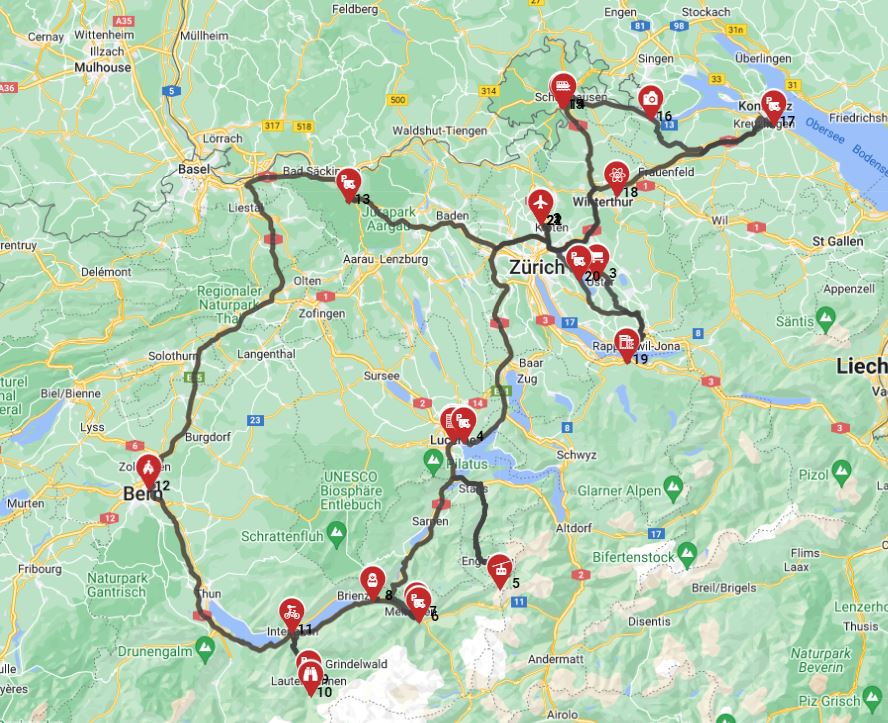
Day 1: Zurich → Lucerne (approx. 50 km / 30 miles): Begin by picking up your rented RV in Zurich and enjoying a short, scenic drive to Lucerne. Spend the afternoon exploring the picturesque Lake Lucerne and the historic Chapel Bridge. Overnight at Camping International Lido Luzern.
Day 2: Lucerne → Interlaken (approx. 70 km / 43 miles): Embark on a breathtaking drive through the Brünig Pass, leading you to Interlaken, the gateway to the stunning Jungfrau region. Consider an overnight stay at Camping Jungfrau in Lauterbrunnen for easy access to the alpine scenery.
Day 3: Interlaken & Jungfrau Region: Dedicate this day to a relaxed exploration of the Jungfrau region. Options include a serene boat trip on Lake Thun or Brienz, or a gentle cable car ride to a viewpoint like Harder Kulm for panoramic vistas.
Day 4: Interlaken → Zermatt (Täsch) (approx. 80 km / 50 miles): Drive through picturesque valleys towards Täsch, the car-free village access point for Zermatt. Park your RV in Täsch and take the shuttle train to Zermatt for unparalleled views of the iconic Matterhorn. Camping Alphubel (Täsch) is a convenient overnight option.
Day 5: Zermatt → Montreux (approx. 150 km / 93 miles): Descend from the Alps to the shores of Lake Geneva. Visit the enchanting Chillon Castle and enjoy a leisurely stroll along the lakeside promenade. Camping de la Pichette offers a pleasant overnight stay.
Day 6: Montreux → Bern (approx. 90 km / 56 miles): Journey to Switzerland's charming capital, Bern, a UNESCO World Heritage site. Explore its medieval Old Town, marvel at the Zytglogge clock tower, and visit the famous bear park. Camping Eichholz provides a comfortable base.
Day 7: Bern → Zurich (approx. 120 km / 75 miles): Enjoy a final scenic drive back to Zurich for your RV drop-off. Consider a stop in a charming town like Solothurn or Baden along the way to complete your Swiss RV adventure.
14-Day Extended Journey in Switzerland
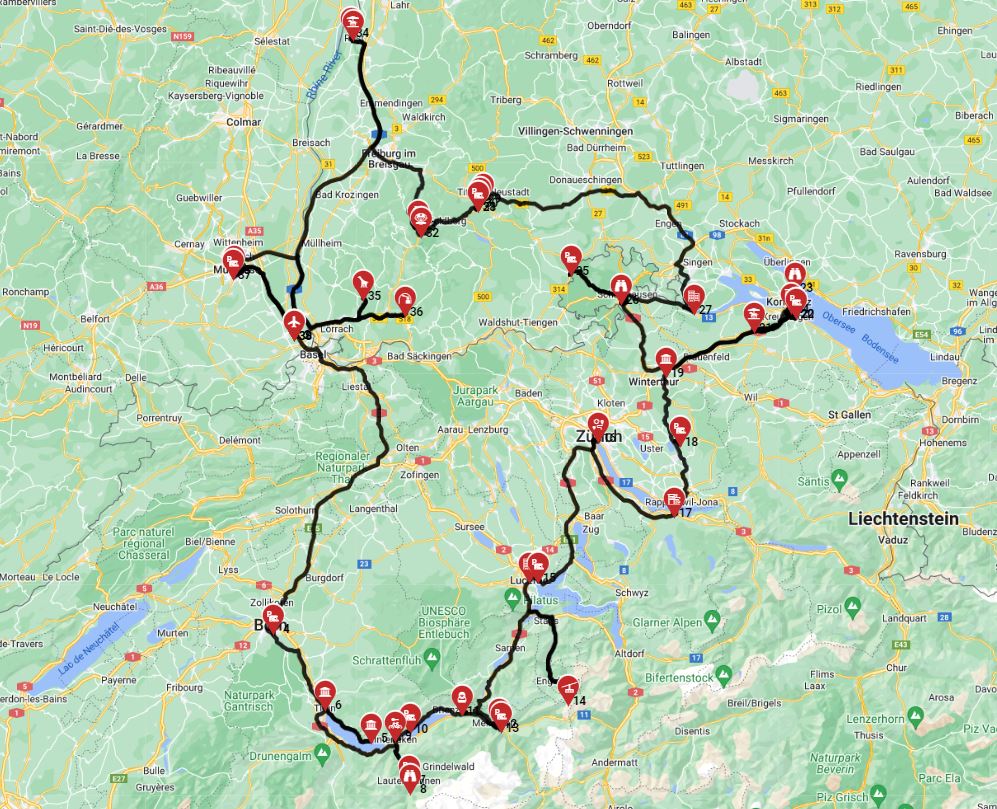
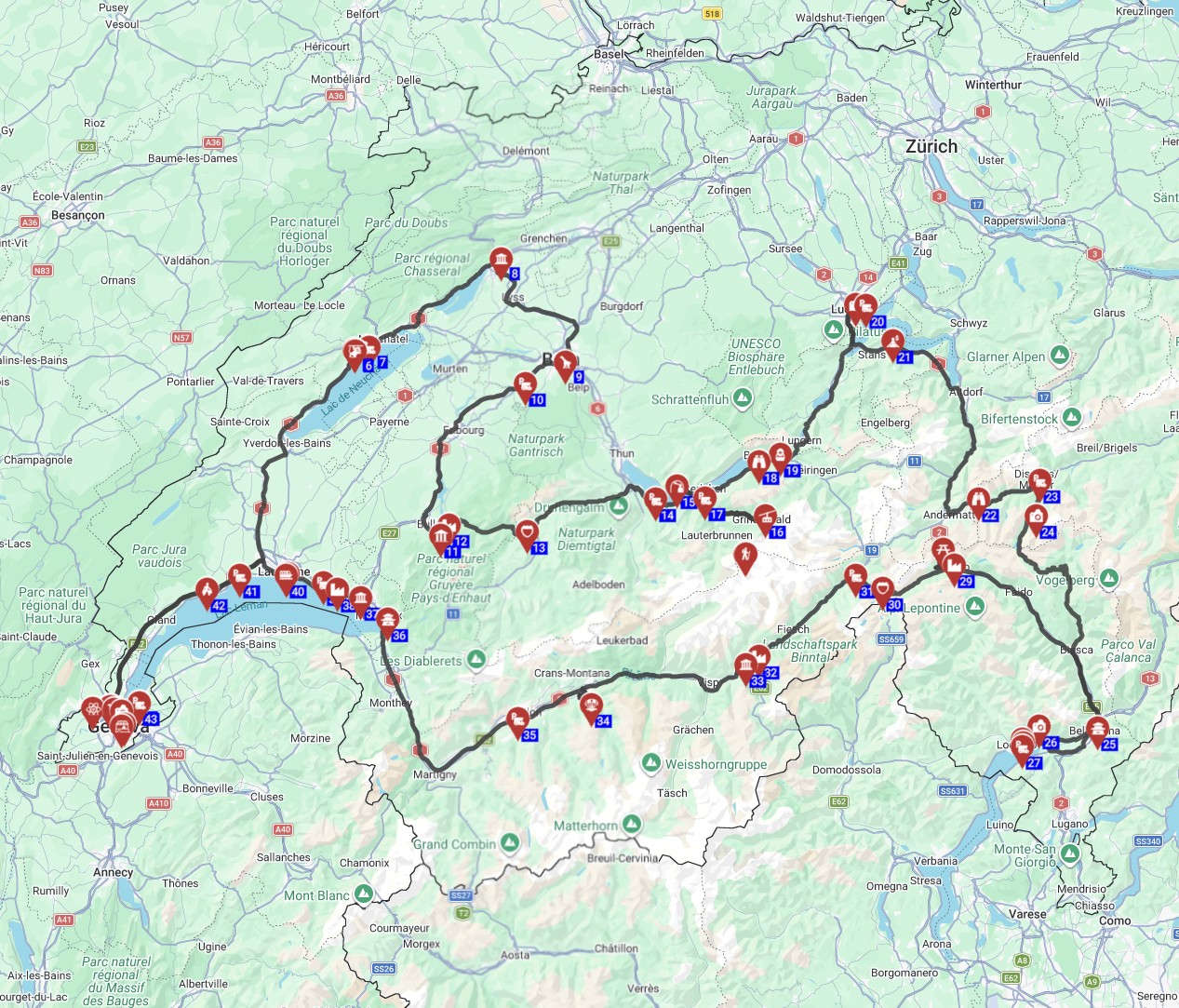
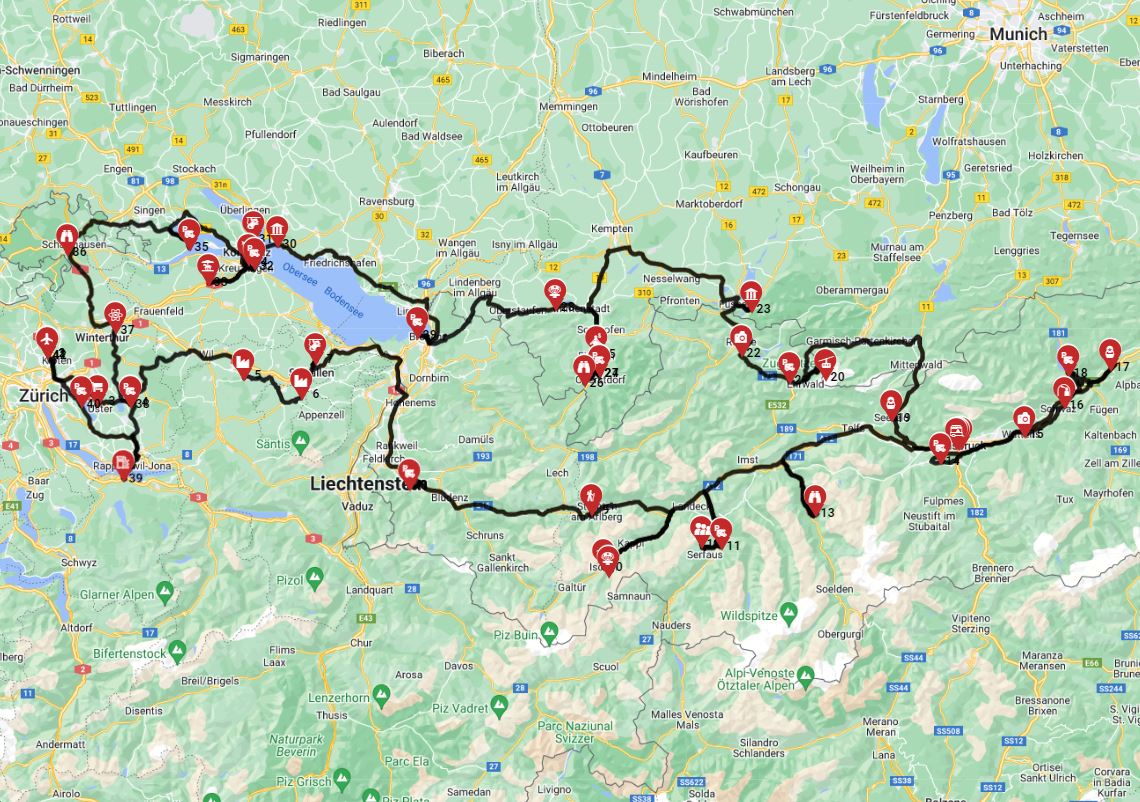
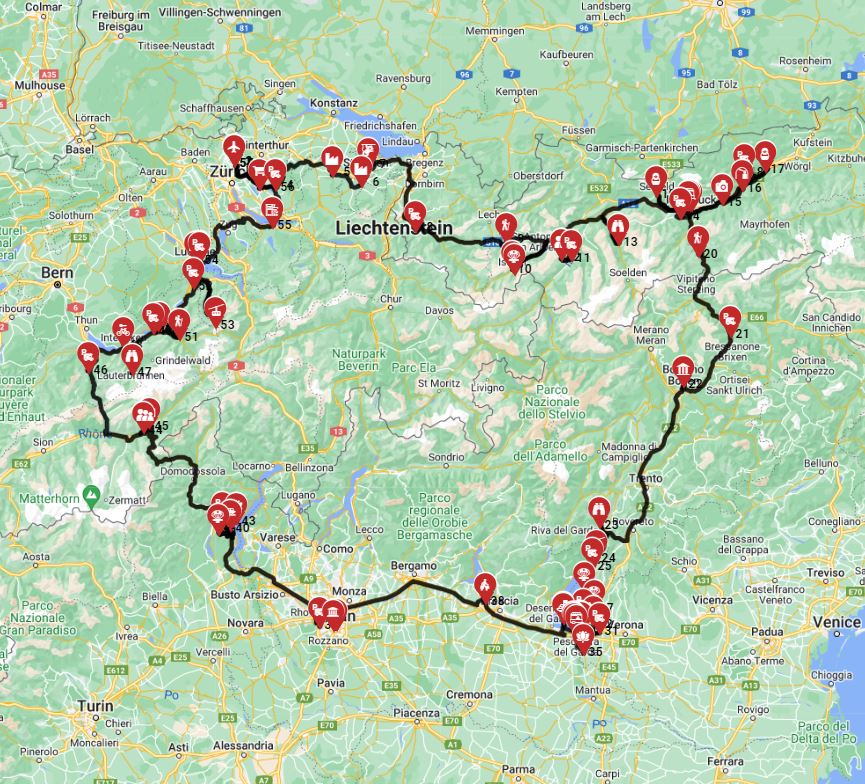
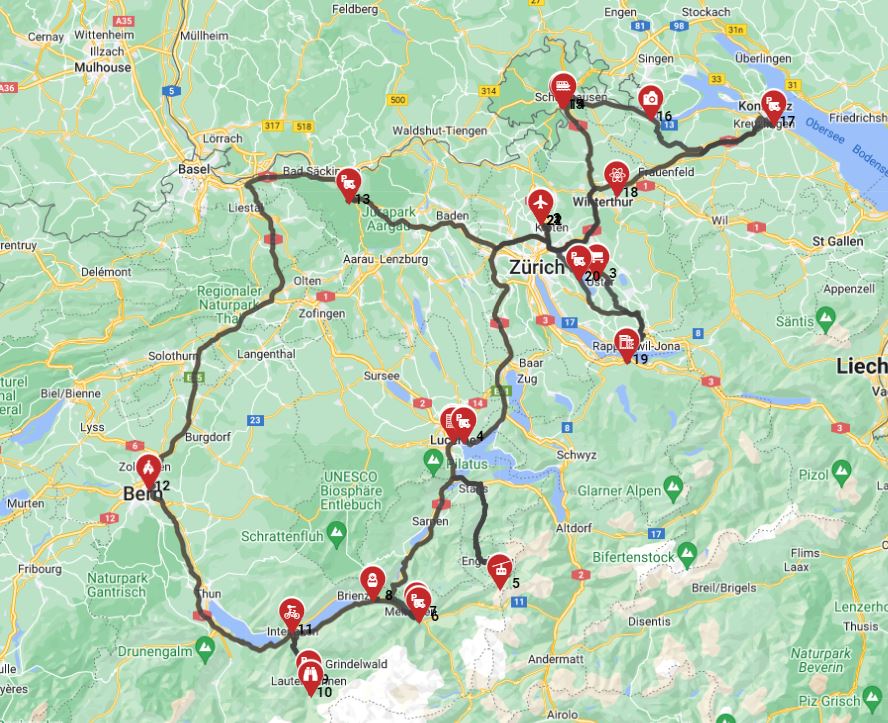
For a more in-depth experience, this 14-day itinerary allows for a leisurely exploration of Switzerland's diverse regions, including its eastern highlights, central lakes, and alpine grandeur. For those seeking a comprehensive, pre-planned adventure starting from Switzerland, Avi Bandana recommends the "Zurich Roundtrip - South - Austria Tirol, Italy, Switzerland" RVPlan trip. This extensive itinerary, starting and ending in Zurich, offers 22 days of exploration, covering a total distance of approximately 1866 km, traversing parts of Austria, Italy, and Switzerland. Details can be found at: Zurich motorhome road roundtrip with an RV. The trip's image provides a visual overview: . While designed for a broader European experience, it offers a solid foundation for those starting their Swiss RV journey from Zurich, providing a detailed framework for daily travel and points of interest.
Days 1-3: Eastern Switzerland & Rhine Valley (Zurich, Stein am Rhein, Rhine Falls, St. Gallen): Day 1: Arrive in Zurich, pick up your RV and explore the city. Day 2: Drive to Stein am Rhein (approx. 80 km), renowned for its frescoed buildings, then proceed to the mighty Rhine Falls. Day 3: Continue to St. Gallen (approx. 60 km), home to a UNESCO World Heritage Abbey.
Days 4-6: Central Switzerland & Lake Region (Lucerne, Interlaken): Day 4: Travel from St. Gallen to Lucerne (approx. 100 km), enjoying the scenic transition. Day 5: A picturesque drive to Interlaken (approx. 70 km), the adventure hub. Day 6: Explore the Jungfrau region with accessible excursions.
Days 7-9: Valais & Matterhorn Region (Zermatt, Sion): Day 7: Journey from Interlaken to Täsch (approx. 80 km) for Zermatt access. Day 8: Immerse yourself in Zermatt's car-free charm and Matterhorn views. Day 9: Drive to Sion (approx. 70 km), known for its historic castles.
Days 10-11: Lake Geneva Region (Montreux, Lausanne): Day 10: Explore the elegant lakeside city of Montreux (approx. 70 km from Sion). Day 11: A short drive to Lausanne (approx. 30 km), home to the Olympic Museum and beautiful lake vistas.
Days 12-14: Capital & Return (Bern, Zurich): Day 12: Travel from Lausanne to Bern (approx. 100 km) to discover the capital. Day 13: Venture into the Emmental Valley for a taste of rural Switzerland, then head towards Zurich's surroundings (approx. 90 km). Day 14: Return to Zurich for your RV drop-off.
Must-See Stops Along the Way (Avi Bandana Picks)
Avi Bandana's personal picks focus on authentic experiences and often draw from curated itineraries. Prioritize stops that offer a genuine taste of Swiss culture and natural beauty, ensuring they are accessible for seniors.
- Traditional Visits: Explore the historical hearts of cities like Zurich or Bern, appreciating their unique blend of old-world charm and modern vibrancy. Seek out smaller, traditional villages off the main routes for an authentic local feel.
- Traditional Restaurants / Fine Dining: Savor local Swiss cuisine like cheese fondue, raclette, or regional specialties in cozy, welcoming settings.
- Traditional Markets: Visiting local markets, such as farmers' markets, is a fantastic way to experience Swiss culture, taste regional produce, and find unique souvenirs, as well as provision your RV.
- Local Industry Tours: Discover Switzerland's renowned craftsmanship through opportunities like watchmaking factory, chocolate manufacturer, or cheese dairy tours to understand the precision and tradition behind Swiss products.
- Natural Features & Hiking Areas: Beyond specific cities, make time for Switzerland's breathtaking natural features and accessible hiking areas, ensuring paths are suitable for varying mobility levels.
Daily Driving Distances & Drive Times in Switzerland
For a relaxed RV journey in Switzerland, Avi Bandana recommends averaging a maximum of 100 miles or 150 km per day. This allows ample time to savor the stunning scenery and enjoy a less hurried pace.
Swiss roads, particularly in the mountainous regions, can be winding and require slower speeds. Therefore, shorter daily distances are more enjoyable and safer for senior travelers.
- Example 1: Zurich to Lucerne: Approximately 50 km (30 miles), typically taking around 45 minutes to 1 hour of driving time.
- Example 2: Interlaken to Täsch (for Zermatt): Around 80 km (50 miles), with an estimated drive time of 1.5 to 2 hours due to mountain passes and the focus on scenic routes.
- Example 3: Montreux to Bern: Approximately 90 km (56 miles), usually taking between 1 hour and 15 minutes to 1 hour and 45 minutes.
Best RV Class for This Itinerary — Couple & Family Picks
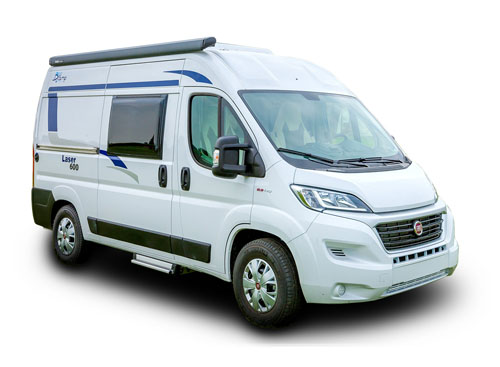
Choosing the right RV class is crucial for enhancing comfort and maneuverability, especially for seniors navigating Switzerland's diverse terrain. For couples, a Class B Camper Van is often ideal. Bandana's global fleet typically features Camper Vans with an average length of 5.8 meters, offering sleeping places for 3.2 individuals and comfortably accommodating 2.7 adults. Their compact size makes them easier to drive on narrow Swiss roads, navigate towns, and find parking, while still providing essential amenities.
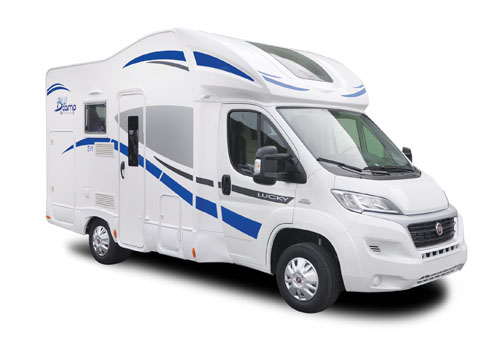
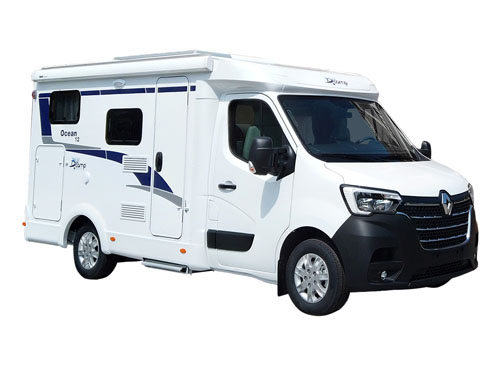
For families of around 3-4 adults, a Class SI Semi-integrated RV presents a great option. Bandana's fleet of these vehicles averages 6.9 meters in length, comfortably sleeping 3.8 individuals and accommodating 3.4 adults. This class offers a good balance of living space and maneuverability, proving suitable for slightly larger groups without being overly cumbersome for Swiss conditions.
Bandana offers a "Rent & Plan" service, which combines your RV rental with a meticulously crafted itinerary designed by travel experts, alongside full access to trip-planning software. This service effectively removes the stress of detailed planning, allowing you to focus purely on enjoying your journey.
What do I need to know before renting an RV in Switzerland?
Before renting an RV in Switzerland, it's essential to understand the vehicle requirements, local driving regulations, and the necessity of having specific amenities for your comfort, especially as a senior traveler.
Vehicle Size and Restrictions: Be aware that larger RVs, particularly Class A or C models, might face size restrictions on certain mountain roads, in tunnels, and within historical town centers. Smaller RVs, like Class B Camper Vans, are generally more versatile and easier to manage in these situations.
Vignette Requirement: A motorway vignette is mandatory for using Swiss motorways. Ensure your rental RV is equipped with one, or be prepared to purchase it upon entry to avoid fines.
Insurance: Verify that you have comprehensive insurance coverage, including breakdown assistance that is specifically valid for a mountainous foreign country.
Logistical Information: Plan ahead for where you can find essential services like water and waste disposal points (for *Grauwasser* - grey water, and *Schwarzwasser* - black water). Also, consider propane/gas refills – check for compatibility with international tanks, and know that larger hardware stores or specialized RV shops can assist. Access to laundry facilities while on the road should also be factored into your planning. On the routes offered through RV PLANET routes, you can itemize and track every expense along the way for easy budgeting.
Seasonal Considerations: Be mindful that many mountain passes and some campgrounds close during winter or the shoulder seasons. This often necessitates specific winter driving advice, such as the use of snow chains.
Is it easy to drive an RV in Switzerland?
Driving an RV in Switzerland can be a rewarding experience, provided drivers are prepared for the mountainous terrain, winding roads, and specific vehicle size considerations.
Many scenic routes involve steep ascents, descents, and sharp turns, which require careful driving and confidence, particularly if your rental RV has a manual transmission. Tunnels and bridges are plentiful throughout Switzerland; always observe posted height and weight restrictions to ensure safe passage. Remember that larger RVs might face restrictions or challenges on certain passes.
Adhering strictly to Swiss speed limits, which are clearly signposted and rigorously enforced, is paramount for safety and avoiding fines. Opting for a smaller RV, such as a Class B Camper Van or a Class SI Semi-integrated model, will significantly ease maneuverability and parking in towns and on narrower roads.
What are the best campsites for RVs in Switzerland?
Switzerland boasts numerous high-quality RV campsites, frequently situated in scenic areas and equipped with excellent facilities, making them ideal for senior travelers seeking comfort and convenience.
Popular regions for RV camping include areas near Lake Geneva, the Interlaken/Jungfrau Region, Lucerne, and the Valais Region. These locations typically offer stunning views and easy access to major attractions.
In addition to traditional campsites, look for designated *Stellplatze*, which are legal overnight parking spots often equipped with basic amenities. Some farm stays or specific legal overnight parking zones can also offer a unique, authentic experience while ensuring compliance with local regulations.
Can you just park an RV anywhere in Switzerland?
No, you cannot simply park an RV anywhere in Switzerland. Wild camping, or *boondocking*, is generally prohibited or heavily restricted, with regulations varying significantly by canton and municipality. Fines for unauthorized overnight parking can be substantial.
It is crucial to utilize official campsites, designated motorhome parking areas (*Stellplatze*), or private properties with explicit permission for overnight stays. Always pay close attention to "No Camping" or "No Overnight Parking" signs, which are strictly enforced.
Focusing on official campgrounds is the most reliable approach, as they are plentiful and typically offer excellent facilities. Exploring farm stays or specific legal overnight parking zones can provide unique experiences while ensuring you adhere to local laws.
How much does it cost to rent an RV in Switzerland?
The cost of renting an RV in Switzerland can vary significantly based on factors like the RV class, rental duration, season, and specific amenities included.
Seasonal Fluctuations: Peak season, generally from June to August, commands the highest prices, while shoulder seasons (April-May, September-October) often offer more favorable rates and fewer tourists.
RV Class: Smaller Camper Vans (Class B) are typically more affordable, whereas larger integrated (Class A) or alcove (Class C) models will naturally be more expensive.
Fuel Costs: Account for typical fuel consumption. Bandana's global fleet, for instance, sees Class SI RVs consuming around 10-11 Liters/100 km, and Class B models around 8-10 Liters/100 km. Fuel prices in Switzerland are comparable to other Western European countries.
Hidden Costs: Be sure to factor in the cost of the motorway vignette (mandatory for highways), campground fees (averaging €30-€60 per night), and potential tolls for specific tunnels or mountain passes.
Booking in Advance: Booking several months ahead, especially for peak season travel, can often secure better rates and ensure availability.
What are the rules for motorhomes in Switzerland?
Motorhome rules in Switzerland are comprehensive, covering everything from driving licenses and vehicle requirements to road etiquette and parking regulations, ensuring a safe and organized travel experience.
Driving License: A standard national B driving license is generally sufficient for RVs up to 3.5 tonnes. For heavier vehicles, a C1 or C license might be necessary.
Vignette: A valid motorway vignette is mandatory for all vehicles using Swiss national motorways (*Autobahn*/*Autoroute*). Ensure your rental RV has one or purchase it upon entry.
Road Safety: Seatbelts are compulsory for all passengers. It's crucial to remember that headlights must be on at all times, even during the day, as per a law implemented in 2014.
RV Size Restrictions: Always be mindful of posted height, width, and weight restrictions on certain mountain roads, tunnels, and bridges. Larger RVs may be prohibited on some passes.
Winter Driving: During winter months, snow chains are often mandatory on specific mountain passes, and signs will clearly indicate when they are required. Winter tires are also strongly recommended for safety and better traction.
What documents do I need to rent an RV in Switzerland?
To rent an RV in Switzerland, you will typically need a valid driving license, an International Driving Permit (IDP), your passport, and a credit card for payment and the security deposit.
- Driving License: A valid national driving license from your home country is essential.
- International Driving Permit (IDP): While not always legally mandatory, an IDP is highly recommended and often required for non-EU/EFTA drivers to ensure smooth communication with authorities.
- Passport/ID: A valid passport or national ID card is necessary for identification purposes.
- Credit Card: A major credit card is usually required for the rental payment and often a substantial security deposit.
- Rental Voucher: Ensure you have your confirmation or voucher from your RV rental company readily available.
- Proof of Insurance: While basic insurance is generally included in rentals, carrying your own travel insurance documents is advisable for comprehensive coverage.
- Age Requirements: Most rental companies have a minimum age requirement, typically 21 or 25, and may impose maximum age limits or require additional insurance for older drivers.
What are the best places to visit in Switzerland by RV?
Switzerland offers a wealth of breathtaking destinations perfectly suited for RV travel, from stunning mountain ranges to serene lakeshores and historic cities, providing diverse experiences for every senior traveler.
- Swiss Alps: The Jungfrau Region, with Interlaken as a convenient base, offers iconic peaks, accessible cable cars, and beautiful hiking trails. Zermatt, accessible by shuttle from Täsch, provides unparalleled views of the Matterhorn.
- Lake Lucerne Region: Explore Lucerne's charming Old Town, the iconic Chapel Bridge, and take a scenic boat trip on the lake for a relaxed day out.
- Lake Geneva Region: Discover the elegant cities of Montreux and Lausanne, visit the historic Chillon Castle, and experience the stunning vineyards of Lavaux.
- Bern: The Swiss capital, a UNESCO World Heritage site, boasts a well-preserved medieval Old Town, unique arcades, and the famous Zytglogge clock tower.
- Eastern Switzerland: Visit the picturesque town of Stein am Rhein with its frescoed buildings and the impressive Rhine Falls near Schaffhausen.
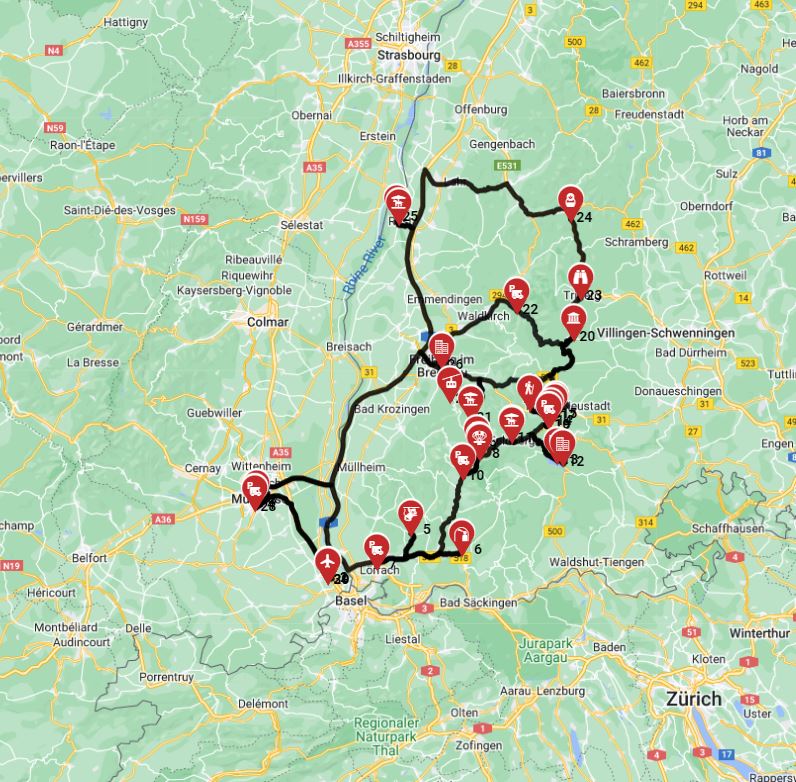
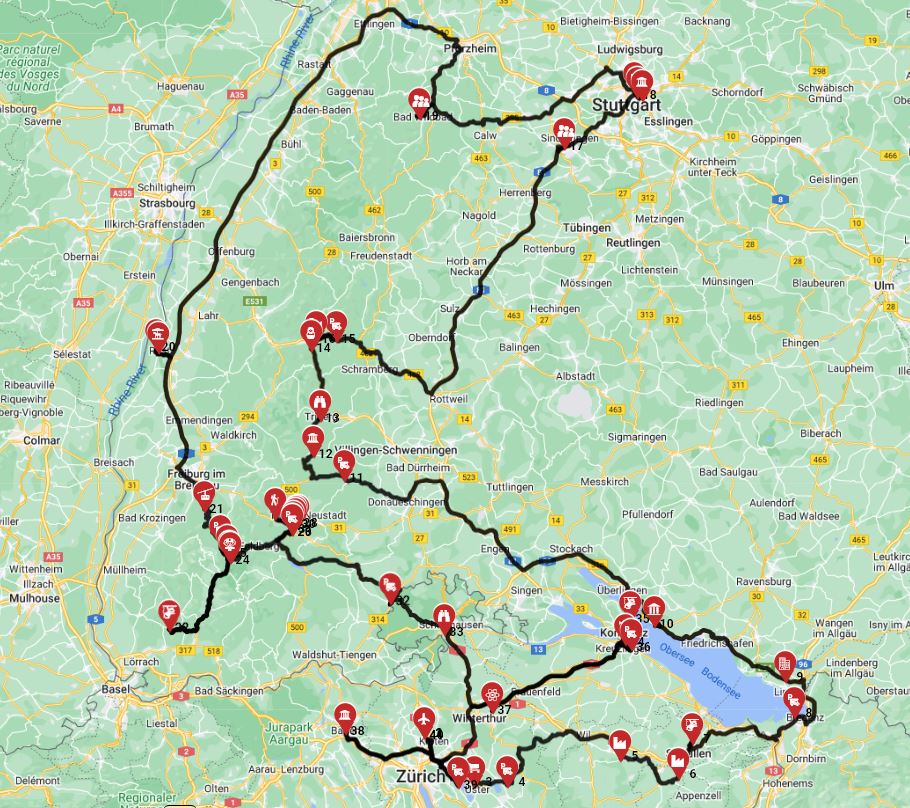
The flexibility of an RV allows you to explore these diverse regions at your own pace, enjoying both popular attractions and discovering hidden gems along the way. For a more structured exploration, consider the "Basel Roundtrip - Switzerland & Black Forest" route, which covers 1233.4 km over 16 days and includes numerous attractions like 4 museums and 5 natural features.
Logistical Must-Knows for RV Travel in Switzerland
Efficiently managing your RV's utilities and services is key to a smooth Swiss adventure, ensuring comfort and convenience throughout your journey.
- Water & Waste Disposal (*Grauwasser*/*Schwarzwasser*): Official campsites almost always provide facilities for emptying greywater and blackwater tanks. Some larger petrol stations or designated *Stellplatze* may also offer these services.
- Propane/Gas Refills: Ensure your RV's propane system is compatible with Swiss standards; adapters might be necessary for international tanks. Larger hardware stores or specialized RV shops can assist with refills.
- Laundry Facilities: Most larger campsites are equipped with laundry facilities (washers and dryers), typically operating on a coin-operated basis.
- Power Hookups: Swiss campsites primarily use the CEE 7/4 (Type E/F) Schuko standard for electrical hookups. Make sure you have the correct adapter to connect your RV.
- Internet/Connectivity: Consider purchasing a local SIM card for mobile data or check if your rental RV offers a Wi-Fi hotspot, which is invaluable for navigation and communication on the go.
Integrating Public Transport with Your Swiss RV Adventure
Switzerland's world-class public transport system offers a seamless way to complement your RV travel, particularly for accessing car-free zones and navigating city centers with ease.
Utilize designated Park & Ride facilities on the outskirts of major cities like Zurich, Bern, and Lucerne. This allows you to park your RV and explore urban areas using efficient local trains, trams, or buses.
Many picturesque Swiss towns and mountain villages, such as Zermatt, are entirely car-free. By parking your RV at the nearest accessible point (e.g., Täsch for Zermatt) and using local trains or cable cars, you can fully experience these unique locations.
Consider purchasing a Swiss Travel Pass for unlimited travel on trains, buses, and boats, plus discounts on mountain excursions. This pass can be particularly valuable for seniors who wish to minimize driving and maximize their exploration of the country.
Leverage trains, funiculars, and cable cars to access high-alpine viewpoints and hiking trails, which are often conveniently located near or directly accessible from campsites.
Seasonal RV Travel in Switzerland - Beyond Peak Season
Choosing the right season for your RV trip in Switzerland can dramatically impact your experience, with shoulder seasons often offering unique advantages beyond the crowded peak summer months.
Shoulder Seasons (Late Spring: May-June; Early Autumn: Sept-Oct): These periods typically provide pleasant weather, fewer tourists, and often lower rental and campground prices. Mountain passes usually begin to open in late spring and remain accessible in early autumn.
Winter Driving Advice (Nov-Apr): Winter RV travel requires specific preparation, including fitting winter tires and carrying snow chains, which are often mandatory on high passes. Many campgrounds close during this period or offer limited services.
Winter Camping Options: A limited number of campsites remain open year-round, offering heated facilities and snow-clearing services for those looking to enjoy winter sports and a serene snowy landscape.
Specific Pass Closures: Always check current road and pass conditions before embarking on a winter or shoulder-season journey, as unexpected closures due to snow or adverse weather can occur.
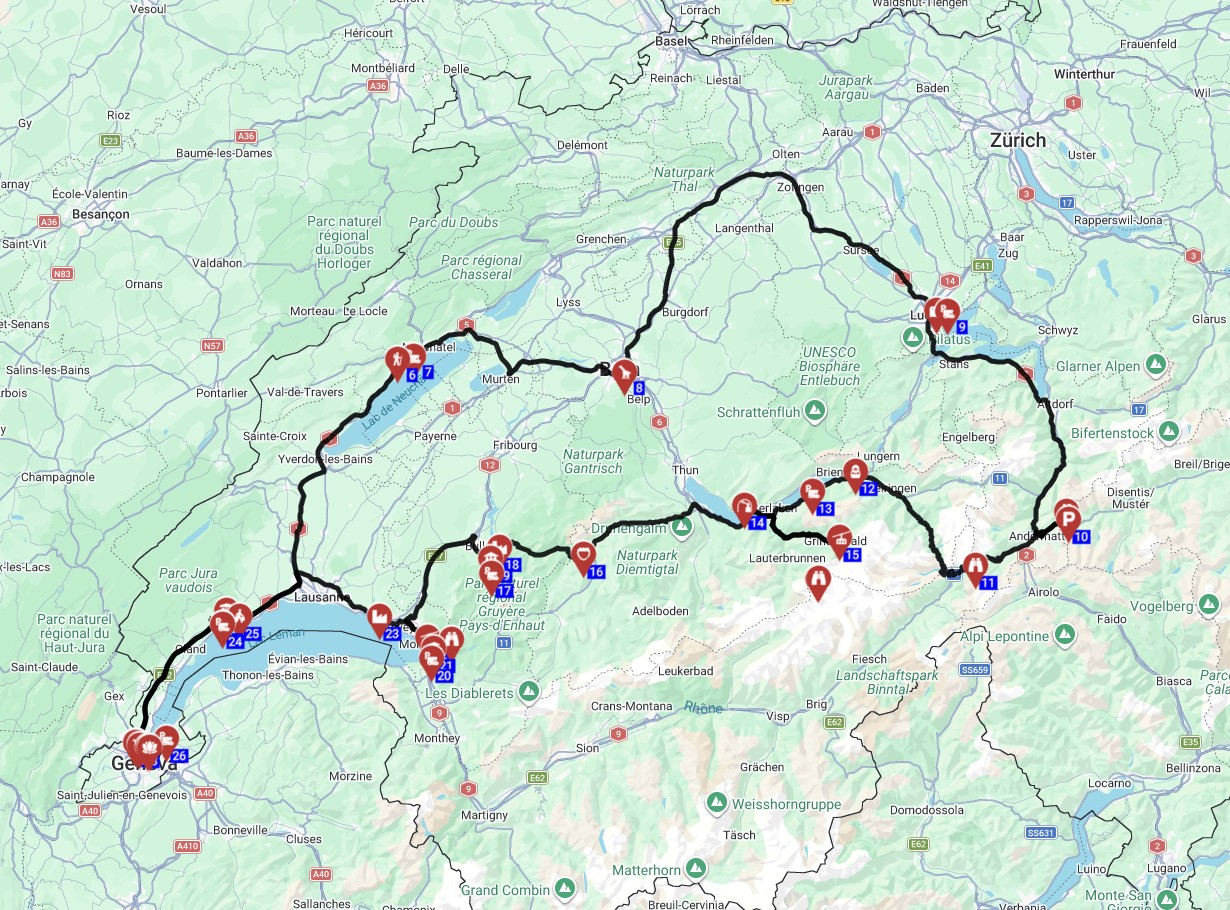
For a balanced experience of nature and culture, the "
Emergency Preparedness for Swiss RV Trips
Being prepared for emergencies is crucial when RV traveling in a mountainous foreign country like Switzerland, ensuring peace of mind and swift assistance if needed.
Breakdown Procedures: Familiarize yourself with your rental company's roadside assistance procedures and contact numbers. Keep essential tools and safety equipment easily accessible within your RV.
Medical Assistance: Know the European emergency number (112) for general emergencies. Switzerland also has specific numbers: 144 for ambulance, 117 for police, and 118 for fire. Ensure you have comprehensive travel insurance that covers medical emergencies and repatriation, especially in remote areas.
Unique Swiss Emergency Numbers: Have these numbers readily available in your RV for quick reference.
Insurance Considerations: Double-check that both your travel insurance and RV rental insurance cover incidents in Switzerland, paying particular attention to breakdown services and medical needs in potentially remote areas.
Communication: Always carry a fully charged mobile phone. If planning excursions into very remote areas with no guaranteed cell service, consider a satellite phone or emergency beacon for added safety.
Sustainable RV Practices in Switzerland
Aligning with Switzerland's strong environmental focus, adopting sustainable and eco-friendly RV travel practices is highly encouraged for all visitors.
- Waste Sorting: Switzerland has strict waste separation rules. Utilize designated bins at campsites and public recycling points for glass, plastic, paper, and organic waste.
- Conserving Resources: Be mindful of your water and electricity consumption within your RV. Use water sparingly and turn off lights and appliances when not in use.
- Responsible Tourism: Stick to marked paths when hiking, avoid disturbing wildlife, and practice Leave No Trace principles. Supporting local businesses and purchasing locally sourced products also contributes to sustainable tourism.
- Emptying Tanks Responsibly: Always dispose of greywater and blackwater at designated points, never in natural environments or waterways.
- Eco-Friendly Products: Opt for biodegradable soaps and cleaning products for use in your RV to minimize environmental impact.
Food & Provisioning on the Road in Switzerland
Strategizing your food and provisioning for your RV trip in Switzerland can enhance your culinary experience and help manage your budget effectively.
Major supermarket chains like Coop and Migros are widespread across Switzerland. They often feature large parking lots suitable for RVs, particularly those located on the outskirts of towns, making grocery shopping convenient.
Visiting traditional markets is a fantastic way to buy fresh, local, and seasonal produce directly from farmers, offering an authentic cultural experience and supporting local economies. It’s also an excellent opportunity to discover regional delicacies.
Utilize your RV's kitchen to prepare meals, which is generally more cost-effective than dining out for every meal. Embrace local ingredients such as Swiss cheeses, fresh bread, and seasonal fruits to create delicious onboard meals. For ideas you can prep on the road, watch our RV-friendly recipes playlist on YouTube.
Don't miss trying iconic Swiss specialties like raclette or fondue, but balance these with your self-prepared meals for a well-rounded culinary journey. Switzerland boasts excellent tap water quality, so refilling your water tanks and bottles from potable water sources at campsites or public fountains is a great way to reduce plastic waste.
Final Thoughts
Renting an RV in Switzerland offers an unparalleled way to experience its majestic landscapes and charming culture at your own pace. With careful planning and consideration for the unique aspects of RV travel in this beautiful country, your senior adventure can be comfortable, memorable, and deeply enriching.
Remember to leverage resources like Bandana Caravan for vehicle selection and RV PLANET for itinerary planning to ensure a seamless and enjoyable journey. We are here to support you in creating an unforgettable Swiss RV experience.