In This Guide
- Best Spain RV Itinerary for rv rental deals — Overview
- 7-Day Classic Route in Spain
- 14-Day Extended Journey in Spain
- Recommended RVPlan Trip for Spain
- Must-See Stops Along the Way (Avi Bandana Picks)
- Daily Driving Distances & Drive Times in Spain
- Best RV Class for This Itinerary — Couple & Family Picks
- What are the unique RV challenges and attractions in Spain's Pyrenees, Extremadura, Basque Country, or Canary Islands?
- How does RV size impact navigation in Spanish villages and cities?
- How can RVers genuinely engage with local Spanish culture and find authentic experiences?
- What are the best technology and connectivity solutions for RVers in Spain?
- How should RVers prepare for emergencies in Spain?
- How can I practice eco-friendly RVing in Spain?
- What are the hidden costs and best budgeting tips for RV rentals in Spain?
- What advice is there for RVing with pets or young children in Spain?
- How can I connect with the local RV community and find local 'aires' in Spain?
- What are the local RV camping regulations in Spain, including wild camping?
Best Spain RV Itinerary for rv rental deals — Overview
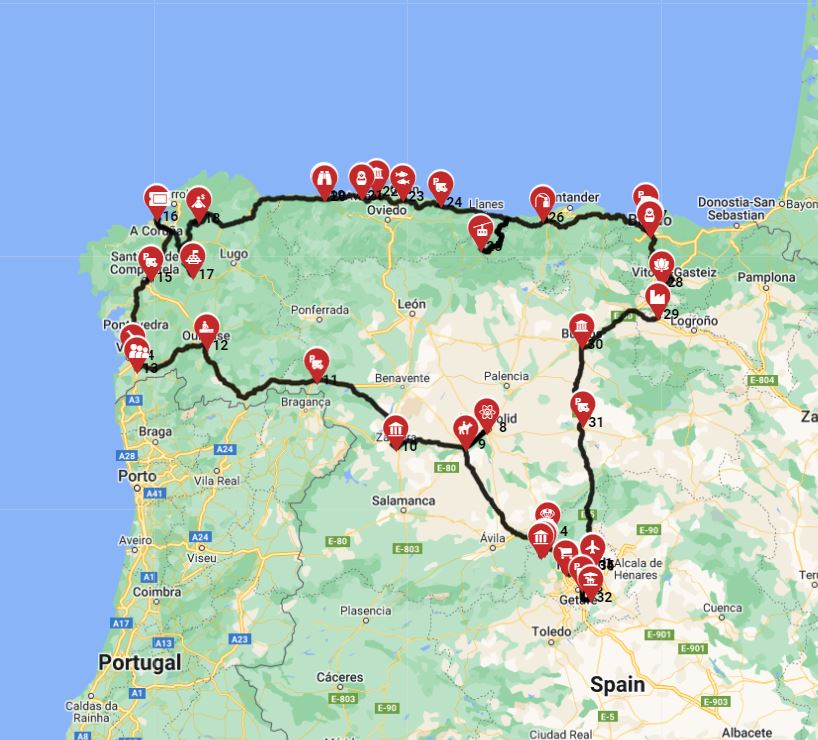
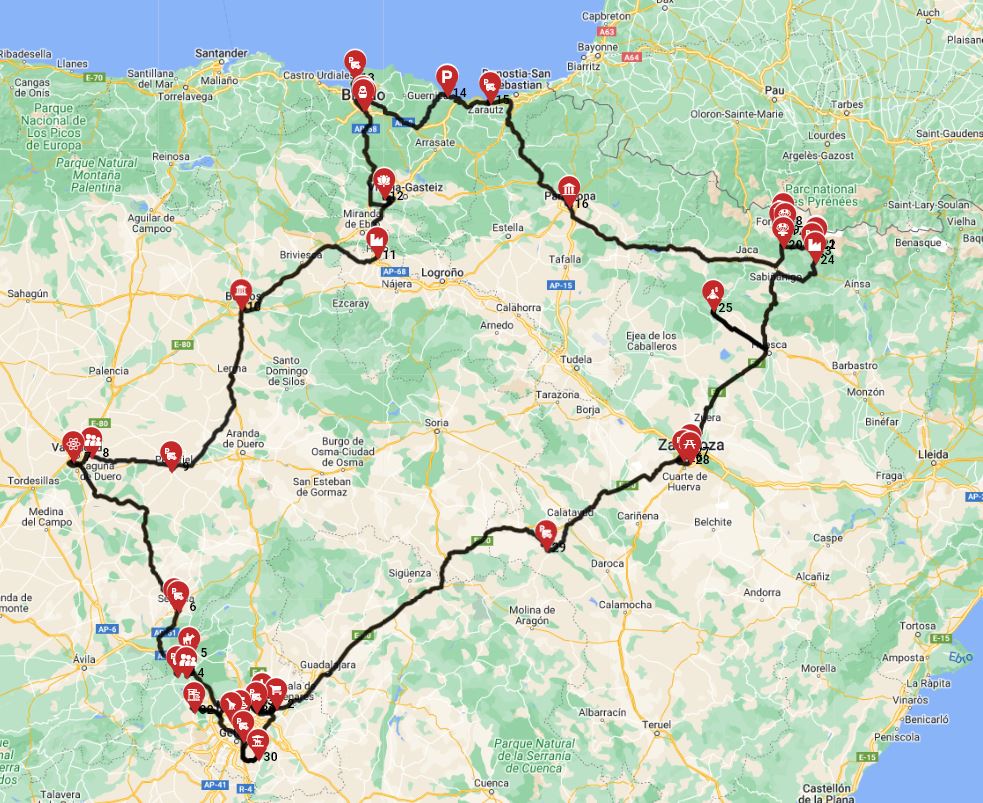
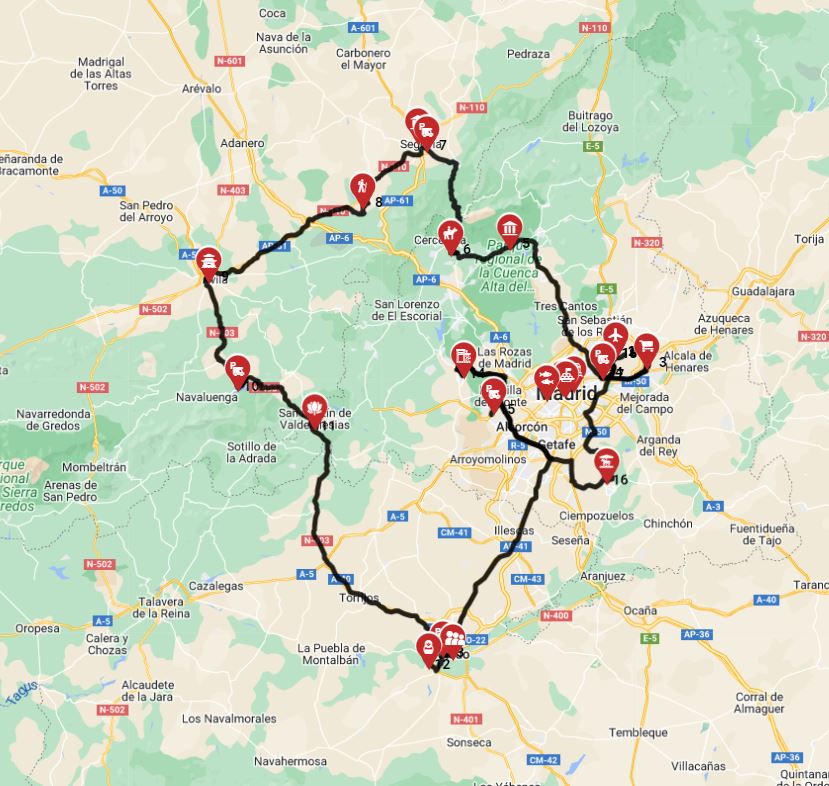
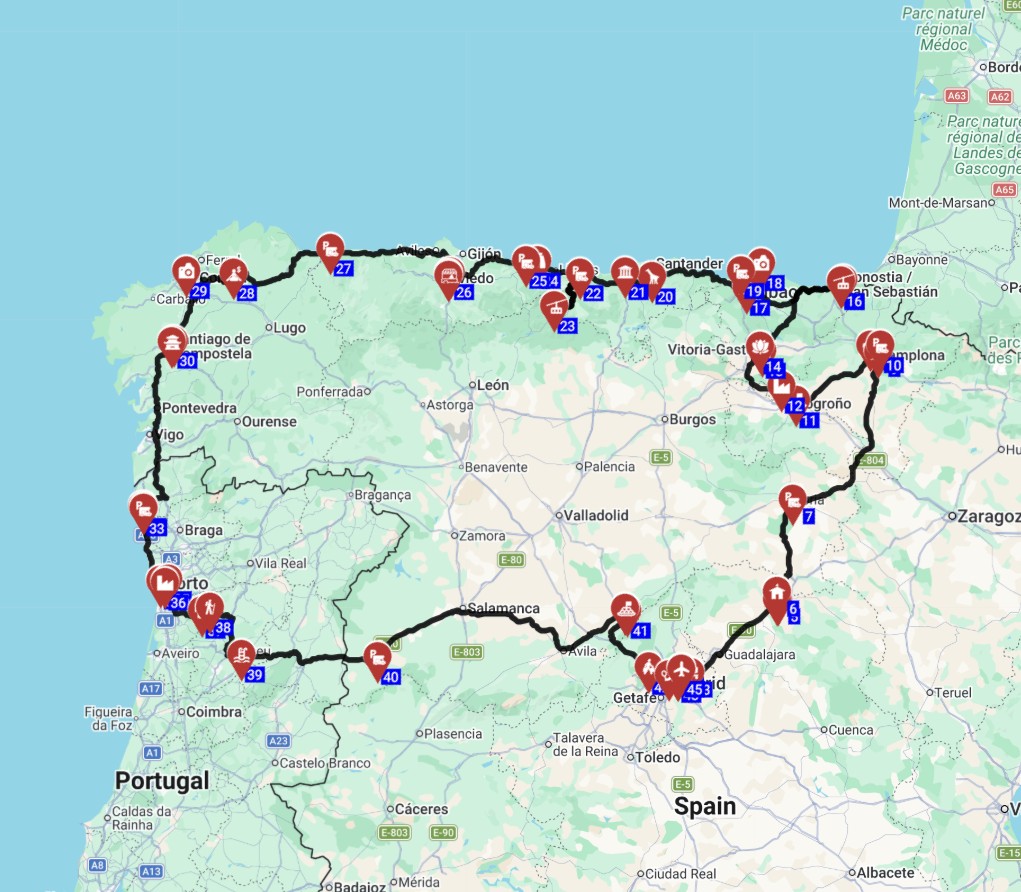
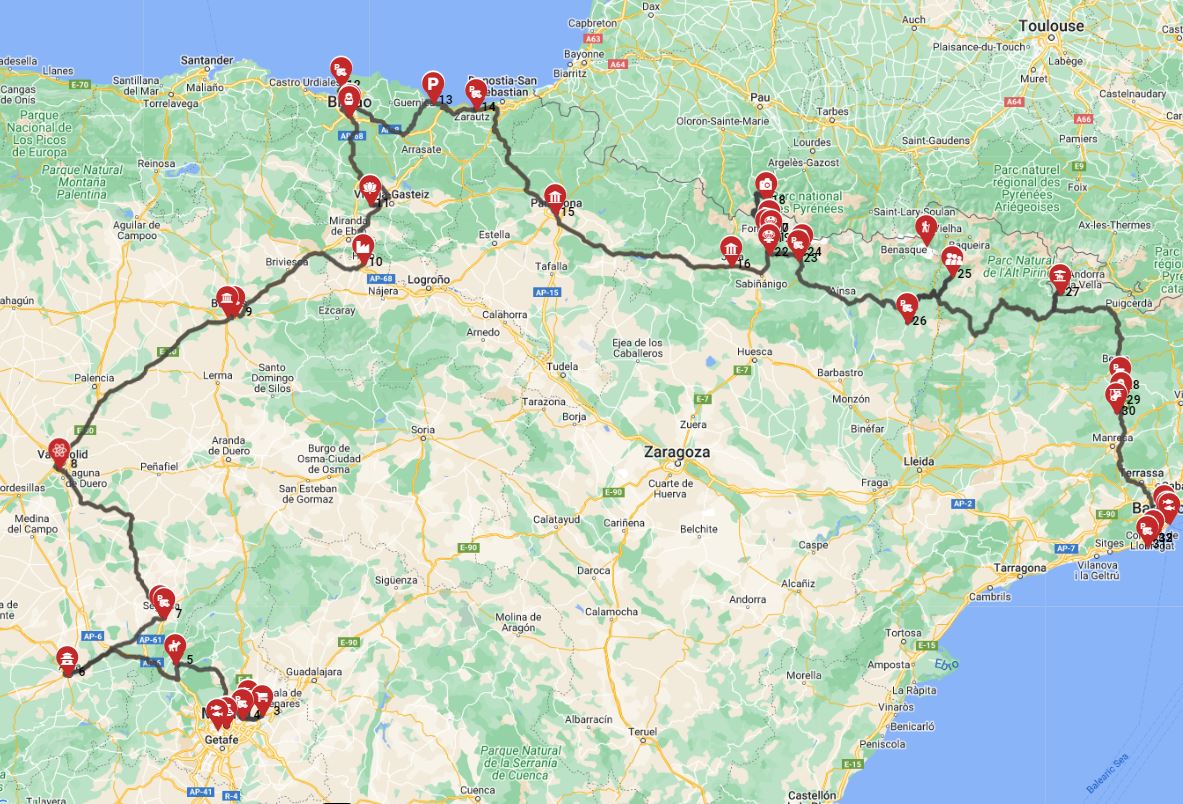
Spain is a dream destination for RV adventurers, offering a tapestry of vibrant culture, stunning landscapes, and delicious cuisine. For those seeking the best value in RV rentals, planning an itinerary that balances iconic sights with off-the-beaten-path discoveries is key. A well-crafted Spanish RV itinerary typically spans 7 to 14 days, allowing for a relaxed pace that truly lets you absorb the essence of each region. The ideal seasons for RV travel in Spain are spring (April-June) and autumn (September-October), when the weather is pleasant for exploring, averaging 15-25°C, and the crowds are thinner, often leading to better rental deals. Most recommended routes cover around 700-1500 km, a manageable distance that respects the joy of slow travel and provides ample opportunity to experience diverse regions without feeling rushed. For live availability and current prices, start with our RV Rental Spain - Complete Guide 2026 guide.
7-Day Classic Route in Spain
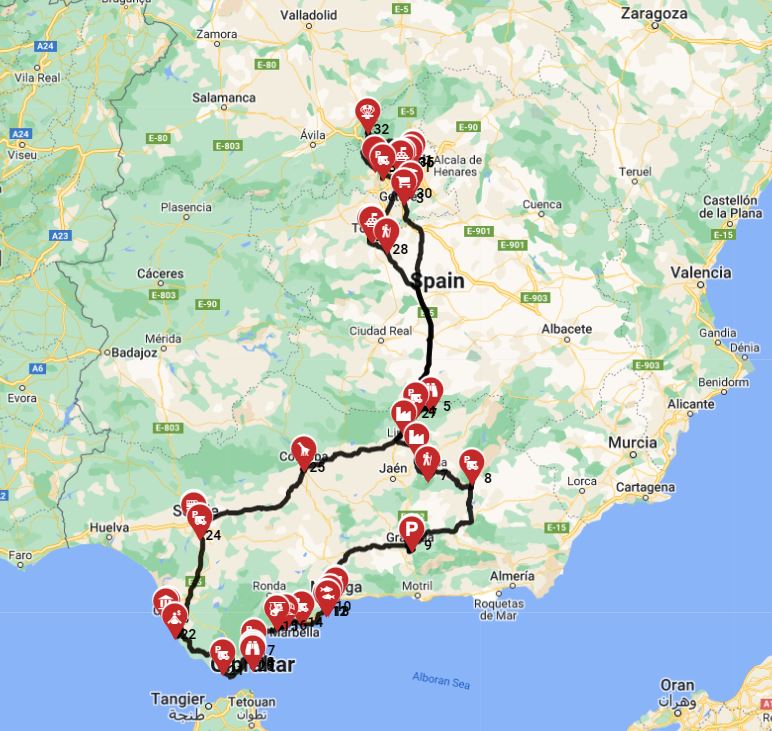
A classic 7-day Spanish RV itinerary often focuses on the enchanting region of Andalusia, a perfect introduction to the country's rich history and Moorish architecture. This route typically includes major cities like Seville, the heart of flamenco and vibrant street life, and Granada, home to the breathtaking Alhambra. You’ll also explore picturesque white villages, such as Ronda with its dramatic gorge and Nerja with its charming caves and coastal views. This itinerary is carefully designed to respect the daily driving limits recommended for a relaxed RV experience, ensuring you have ample time to soak in the atmosphere without long stints behind the wheel.
14-Day Extended Journey in Spain
For a more in-depth exploration, a 14-day journey allows for a richer experience of Andalusia, delving deeper into its coastal and mountain vistas. This extended itinerary balances cultural immersion with natural beauty, incorporating historical sites like the Mezquita-Cathedral of Córdoba alongside scenic drives. It’s ideal for embracing slow travel, giving you the flexibility to linger in favorite spots, discover hidden gems, and truly connect with the local culture.
Recommended RVPlan Trip for Spain
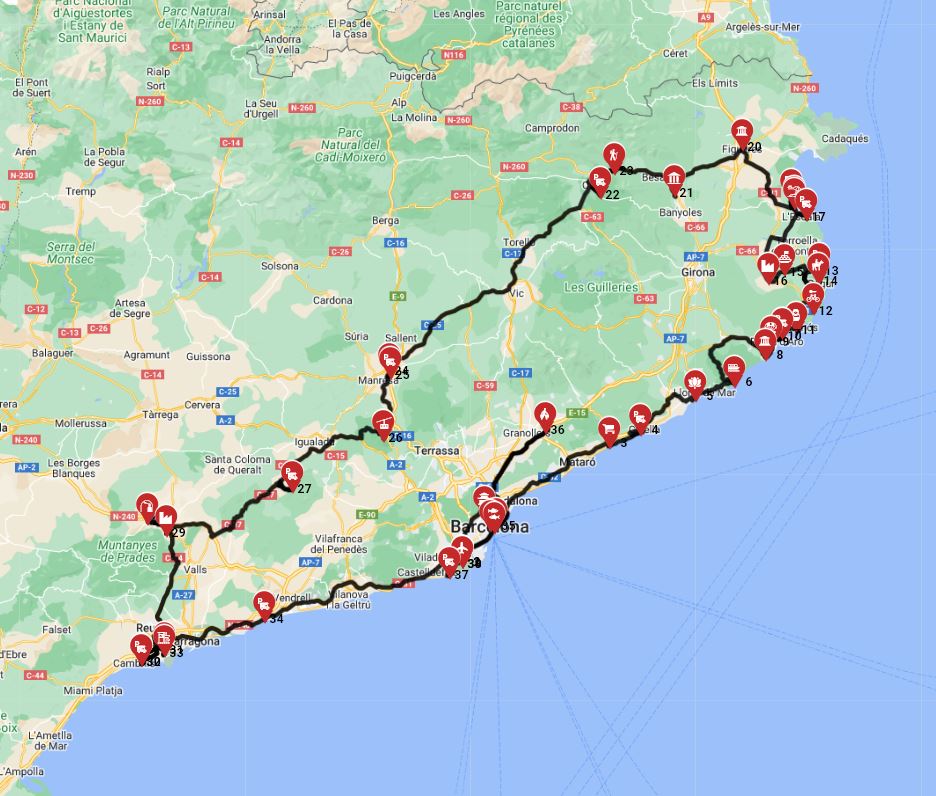
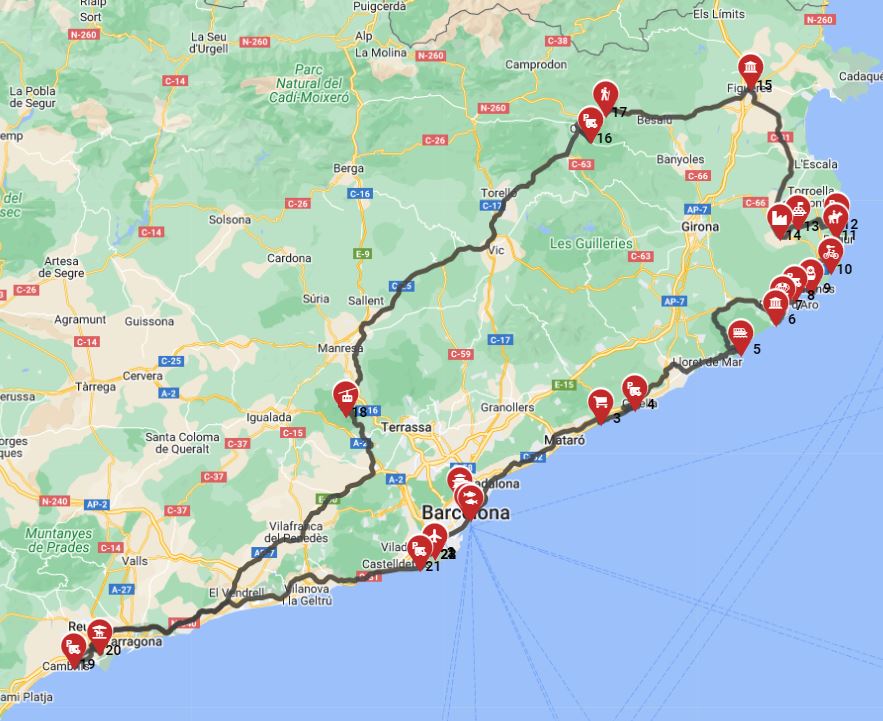
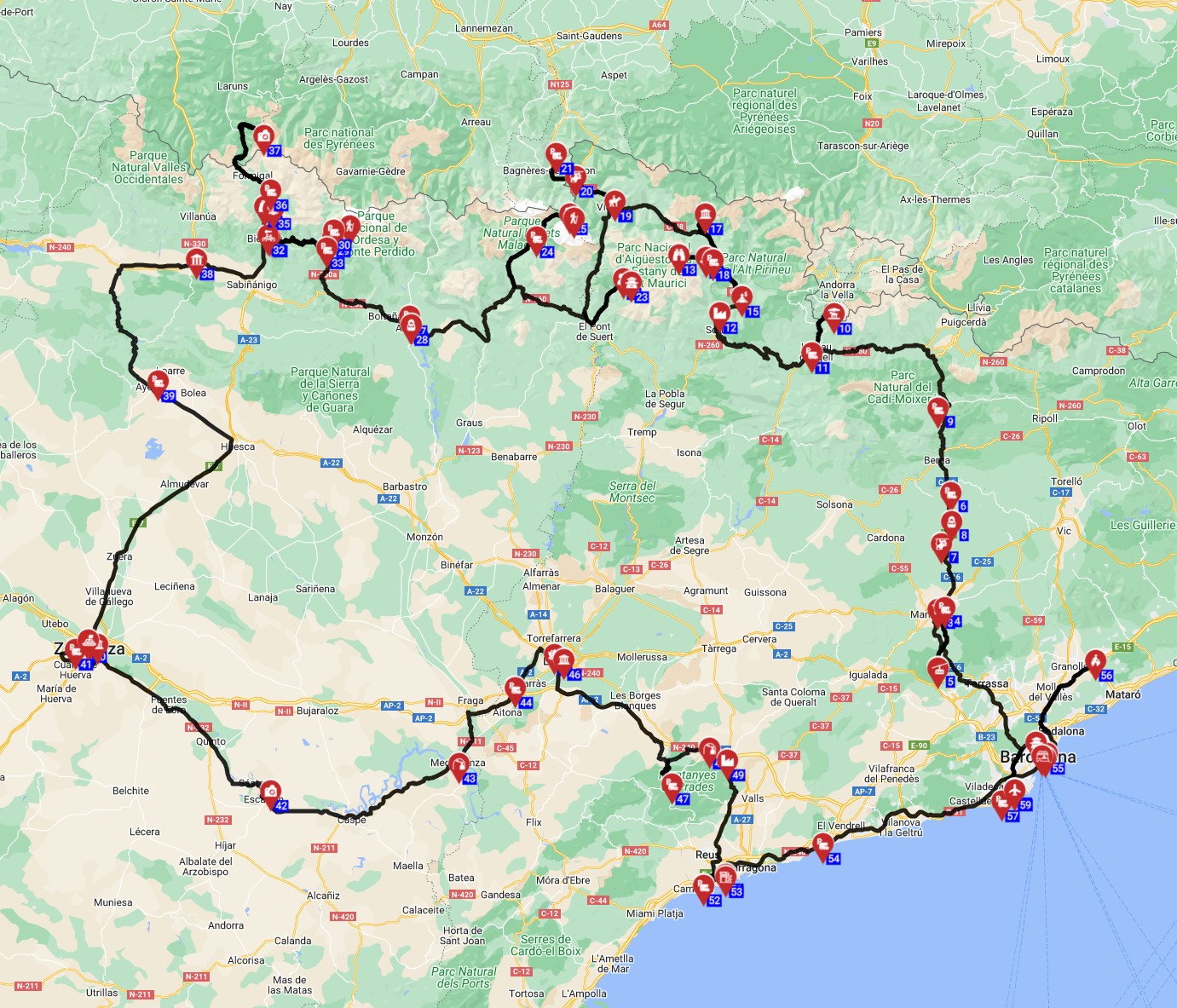
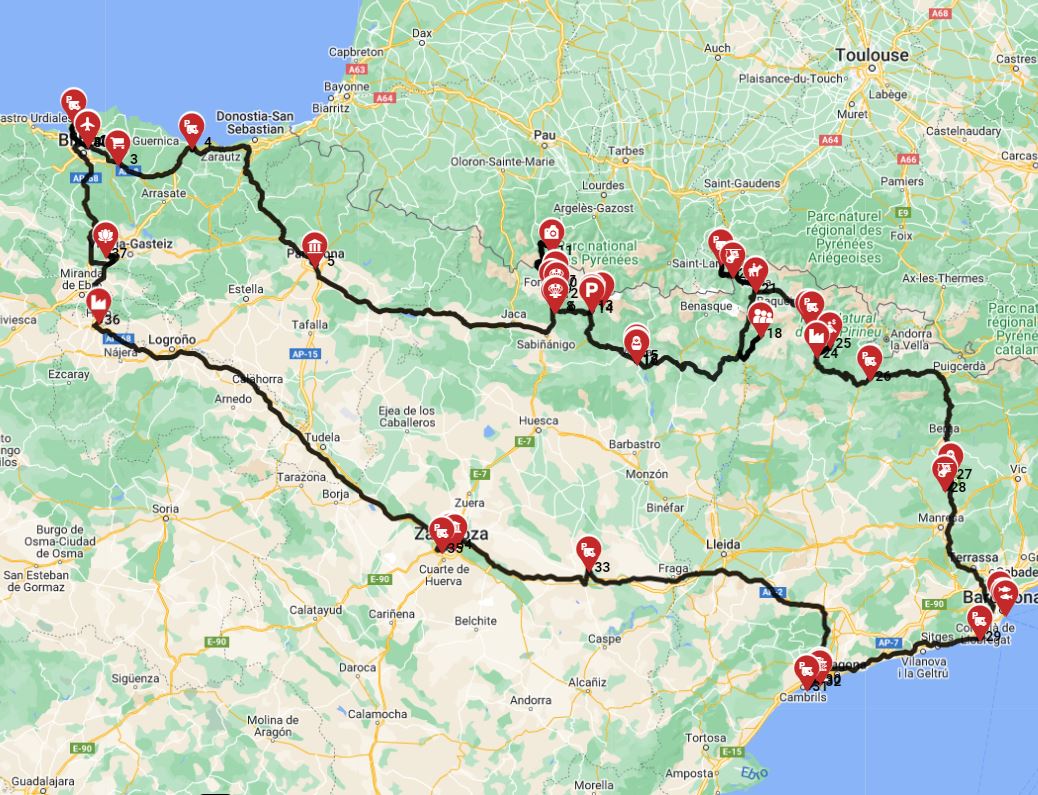
To simplify your planning, consider the pre-planned 11-day itinerary available through RV PLANET. This popular route covers the best of South Spain and extends into Portugal, totaling approximately 1542 km. It’s a fantastic option for experiencing iconic destinations like Seville, the beautiful Algarve coast of Portugal, and the historic city of Lisbon, all within a well-structured and enjoyable timeframe.
Must-See Stops Along the Way (Avi Bandana Picks)
When exploring Spain by RV, certain stops offer truly authentic experiences, handpicked for their historical significance and local flavor. Avi Bandana recommends visiting the Muelle de las Carabelas for a tangible connection to maritime history, and seeking out authentic traditional restaurants away from tourist hubs to savor genuine Spanish cuisine. Exploring local industries, like visiting olive oil mills in Andalusia, provides unique insights into regional traditions. Don't miss traditional markets for a vibrant immersion into local produce and culture, and make time for key historical sites such as the Mezquita-Cathedral of Córdoba, a testament to Spain's layered past.
Daily Driving Distances & Drive Times in Spain
To truly embrace the slow travel philosophy so central to RVing, it's best to keep daily driving distances in Spain to a maximum of 100 miles (around 150 km). This approach allows you to fully appreciate the journey, stop spontaneously, and avoid the fatigue of long drives. For example, the drive from Seville to Córdoba typically takes around 1 hour and 45 minutes, a comfortable distance that leaves plenty of time for exploring both cities. Similarly, the scenic route from Granada to Nerja on the coast is a pleasant 1 hour and 15-minute drive, perfect for a leisurely day.
Best RV Class for This Itinerary — Couple & Family Picks
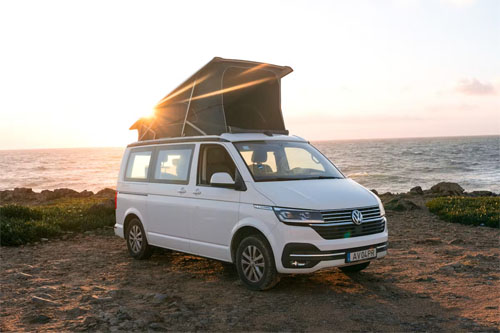
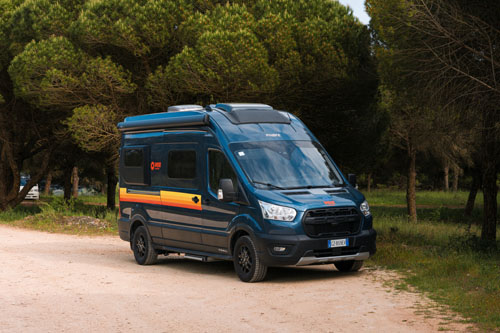
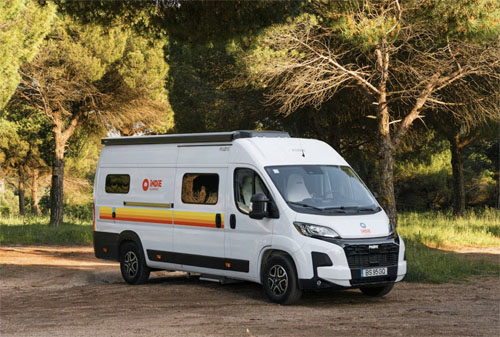
Choosing the right RV class is crucial for enjoying your Spanish adventure. For couples, a Class B camper van, like the "rv rental denver example Category Van" or the "hire campervan example Paradise S/T," offers excellent maneuverability and is ideal for navigating narrow village streets. These typically average around 5.8 meters in length and are perfectly suited for 2 adults. For families, a Class C motorhome with an alcove, such as the "24' Class C Motorhome" or the "32' Class C Motorhome," provides ample sleeping capacity and living space. These larger RVs, averaging 7.5 meters, are better equipped for families of 4 or more. Remember, our Rent & Plan service simplifies choosing the perfect RV for your needs.
What are the unique RV challenges and attractions in Spain's Pyrenees, Extremadura, Basque Country, or Canary Islands?
Exploring Spain's diverse regions presents unique opportunities and challenges for RV travelers. The Pyrenees offer stunning mountain roads and national parks, but can be challenging for larger motorhomes. Extremadura boasts ancient Roman ruins and vast natural parks with fewer services, requiring more self-sufficiency. The Basque Country is renowned for its exceptional gastronomy and scenic coastal routes, though navigating and parking larger RVs in cities like San Sebastián can be a challenge. Venturing to the Canary Islands requires ferry travel and entails more limited services and specific island road conditions, making it a destination best suited for smaller campervans or those seeking a unique island-hopping adventure.
How does RV size impact navigation in Spanish villages and cities?
The size of your rented RV significantly impacts navigation in Spain. Smaller RVs, like Class B camper vans (e.g., "rv rental denver example Category Van"), excel in the tight village streets and historic centers, offering greater ease of maneuverability. Larger motorhomes (Class A and C) require more careful route planning, potentially utilizing city outskirts parking and public transport to access central areas. Always be mindful of restricted zones in historic city centers, which may prohibit larger vehicles.
How can RVers genuinely engage with local Spanish culture and find authentic experiences?
To truly engage with Spanish culture, RVers should venture beyond the main tourist trails. Visiting traditional markets, such as the Mercado de San Miguel in Madrid (though popular, it offers a good starting point for local produce), provides an authentic sensory experience. Attending local festivals and 'fiestas' is a must for a taste of regional celebrations. Dining at authentic 'restaurantes tradicionales' and learning a few basic Spanish phrases will greatly enhance interactions with locals and deepen your appreciation for the country's rich cultural tapestry. Exploring less-traveled villages allows for more genuine encounters.
What are the best technology and connectivity solutions for RVers in Spain?
Staying connected in Spain is straightforward for RVers. Purchasing a local SIM card from providers like Orange, Vodafone, or Movistar offers affordable data plans. Alternatively, portable Wi-Fi hotspots are great for multiple devices. Essential apps include Park4night and Campercontact for finding parking and services, alongside offline navigation apps like Google Maps and Maps.me for areas with spotty service. Translation apps are also invaluable for bridging language barriers.
How should RVers prepare for emergencies in Spain?
Emergency preparedness is key for a secure RV trip in Spain. Ensure your rental includes roadside assistance insurance and memorize '112' as the universal emergency number for police, ambulance, and fire services. Learning a few basic Spanish emergency phrases can be extremely helpful. It's also wise to carry a well-stocked first-aid kit, a high-visibility vest, and a warning triangle, and to know the locations of the nearest hospitals or medical centers along your route.
How can I practice eco-friendly RVing in Spain?
Practicing eco-friendly RVing in Spain involves mindful habits. Always dispose of waste responsibly at designated service points ('áreas') and conserve water and electricity whenever possible. Supporting local economies by shopping at markets and dining at local restaurants is encouraged. Driving fuel-efficiently and minimizing noise pollution will help preserve the natural and cultural sites you visit.
What are the hidden costs and best budgeting tips for RV rentals in Spain?
Beyond the rental price, be aware of potential hidden costs like one-way fees, cleaning charges, and additional driver surcharges. Factor in fuel costs, which can average around 10-12 liters per 100 km, depending on the RV class. To save money, utilize the RV’s kitchen for cooking, seek out free activities and scenic spots, and make use of the many free or low-cost 'aires' (service areas). Booking in advance, especially for peak seasons, often secures better deals and helps manage your overall trip budget. For ideas you can prep on the road, watch our RV-friendly recipes playlist on YouTube. On the routes offered through RV PLANET routes, you can itemize and track every expense along the way for easy budgeting.
What advice is there for RVing with pets or young children in Spain?
Traveling with pets in Spain requires adherence to EU regulations, including vaccinations, an EU pet passport, and microchipping. While pet-friendly campsites and beaches are available, always check specific rules. For RVing with young children, consider a Class C motorhome for more sleeping space and safety features. Opt for shorter driving days with frequent stops, and plan child-friendly activities. Don't forget to pack essentials like medications, snacks, and ensure you’re aware of any child seat laws.
How can I connect with the local RV community and find local 'aires' in Spain?
Connecting with the local RV community in Spain is a great way to discover authentic experiences and find less-advertised spots. Utilize apps like Park4night and Campercontact to locate local 'aires' and parking areas. Engaging directly with Spanish RVers at campsites or service areas is also highly recommended. Checking with regional tourist offices can provide valuable information on local RVing resources and regulations.
What are the local RV camping regulations in Spain, including wild camping?
Wild camping is generally prohibited nationally in Spain, but regulations vary significantly by autonomous community and municipality. Overnight parking might be permitted if it's not considered 'camping' and there are no local prohibitions; always check local signage and tourist information offices. Designated 'aires' and official campsites remain the safest and most reliable options for overnight stays, ensuring compliance and access to essential services.
What You Shouldn't Miss
- Driving the scenic coastal roads of the Costa Brava, stopping at charming seaside towns.
- Exploring the historic Albaicín district in Granada, offering stunning views of the Alhambra.
- Visiting the Mezquita-Cathedral of Córdoba, a unique architectural marvel showcasing Moorish and Christian influences.
- Experiencing the passion of flamenco in Seville, perhaps at a traditional 'tablao'.
- Discovering the white villages ('pueblos blancos') of Andalusia, like Ronda and Arcos de la Frontera, for their picturesque beauty and history.
- Sampling 'tapas' culture in vibrant cities like Madrid and Barcelona, a delicious way to taste local flavors.
Final Thoughts
Embarking on an RV adventure in Spain offers an unparalleled way to experience its diverse beauty and rich culture. From the sun-drenched coasts of Andalusia to the dramatic landscapes of the north, a rented motorhome provides the freedom and flexibility to craft your perfect journey.
Remember, the essence of RV travel is slow exploration. Take your time, savor the local flavors, embrace the freedom of the open road, and let the rhythm of Spain guide your adventure. We’re here to help you plan every step, ensuring your Spanish RV itinerary is as unforgettable as the destination itself.
Ready to start planning your Spanish RV escapade? Explore our curated routes and compare top rental deals to find the perfect motorhome for your dream trip!