In This Guide
- Best South America RV Itinerary for RV rental - Overview
- 7-Day Classic Route in South America
- 14-Day Extended Journey in South America
- Recommended RVPlan Trip for South America
- Must-See Stops Along the Way (Avi Bandana Picks)
- Daily Driving Distances & Drive Times in South America
- Best RV Class for This Itinerary - Couple & Family Picks
- What is the 3-3-3 rule for RV travel?
- Can you RV in South America?
- What is the 4-4-4 rule for RV travel?
- How much does a 1 month trip to South America cost?
- What is the best route to travel through South America?
- What is the 2 2 2 rule for RV travel?
- What is the safest South American country to go to?
- What countries are best for RV trips?
- What is a must see in South America?
- What is the nicest country in South America to visit?
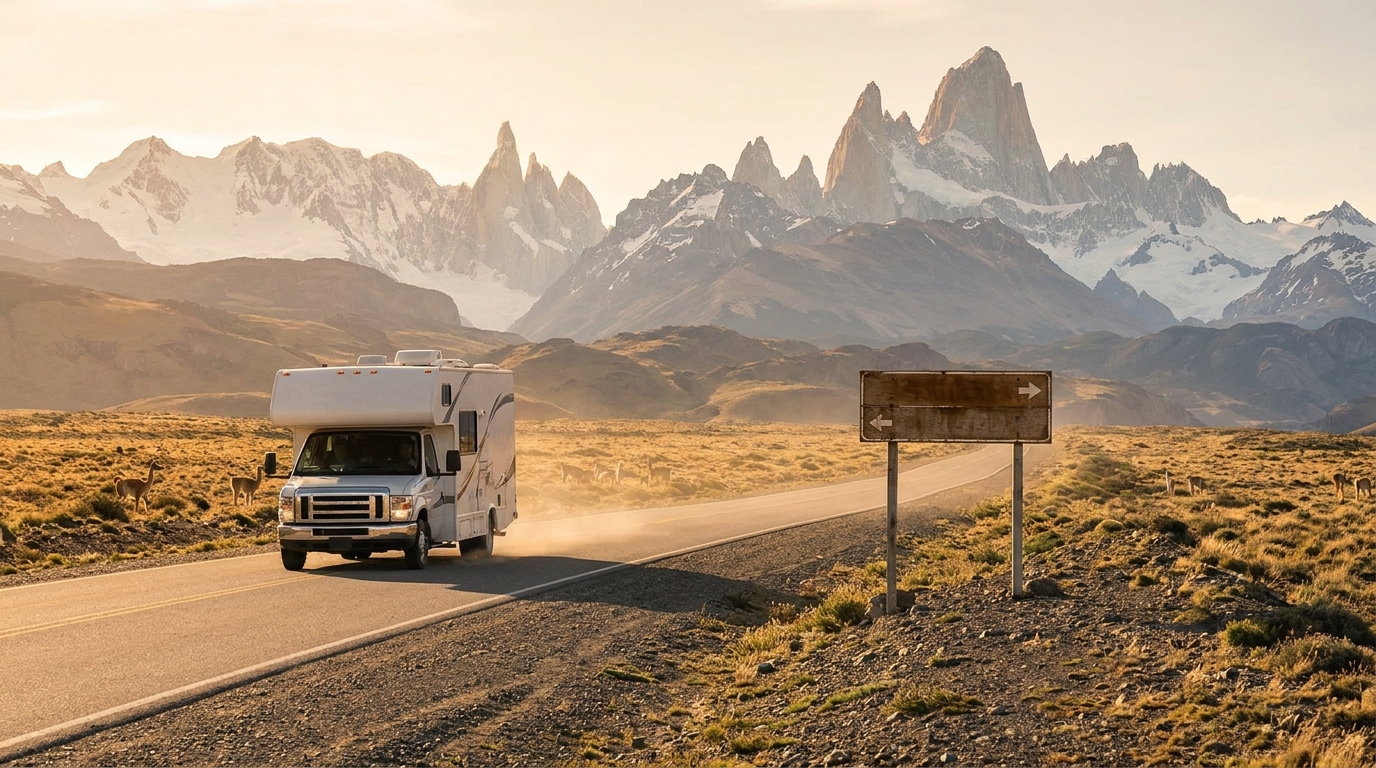
Imagine yourself traversing vast deserts, winding through majestic mountains, and cruising along stunning coastlines, all from the comfort of your rented motorhome. South America offers an unparalleled sense of adventure for RV travelers. Whether you're planning a week-long escape or an extended road trip, a rental RV provides the freedom to discover this incredible continent at your own pace. For live availability and current prices, start with our RV Rental South America - Complete Guide 2026 guide.
Best South America RV Itinerary for RV rental - Overview
A typical RV adventure in South America could cover roughly 2,000-3,000 km (1,200-1,800 miles) over a recommended minimum duration of 7 days, though 2-4 weeks allows for deeper exploration of its diverse landscapes. Spring (September to November) and autumn (March to May) generally offer the most pleasant weather across many popular destinations, helping travelers avoid peak summer heat or extreme winter conditions in Patagonia. This guide outlines popular routes spanning diverse landscapes, from the towering Andes mountains to serene coastal roads, emphasizing a balanced pace for maximum enjoyment and an immersive experience. Exploring different areas, such as the vibrant culture of Buenos Aires or the stunning natural parks in Chile, can be efficiently integrated into your route plan.
7-Day Classic Route in South America
A week-long RV trip can provide a wonderful introduction to a region, like this example focusing on Central Chile. It's a great way to experience a blend of city charm, coastal beauty, and natural parks without rushing. Here’s a sample itinerary to get you started:
- Day 1: Santiago, Chile to Valparaíso, Chile (approx. 120 km / 75 miles). Explore the vibrant street art and historic hills of Valparaíso, a UNESCO World Heritage site. Sleep at an RV park near Concón or camping outside Valparaíso.
- Day 2: Valparaíso, Chile to Viña del Mar, Chile (approx. 10 km / 6 miles). Enjoy the beaches, gardens, and urban amenities of Viña del Mar. Stay at an established RV park or resort in Viña del Mar.
- Day 3: Viña del Mar, Chile to La Campana National Park, Chile (approx. 70 km / 44 miles). Hike to the summit for panoramic views, spotting unique Chilean flora and fauna. Designated camping area within La Campana National Park.
- Day 4: La Campana National Park, Chile to Pomaire, Chile (approx. 90 km / 56 miles). Discover the traditional pottery village of Pomaire, famous for its clay crafts. A local campsite or pre-arranged parking at a vineyard offers overnight stays.
- Day 5: Pomaire, Chile to Santa Cruz, Colchagua Valley, Chile (approx. 100 km / 62 miles). Experience Chile's renowned wine country with vineyard tours and tastings. Find an RV-friendly winery or local campground in Santa Cruz. You can learn more about RV-friendly recipes playlist while enjoying local produce.
- Day 6: Santa Cruz, Chile to Rancagua, Chile (approx. 80 km / 50 miles). Visit the historic mining town of Sewell (UNESCO site nearby) or explore Rancagua's central plaza. Secure an RV park or parking in Rancagua.
- Day 7: Rancagua, Chile to Santiago, Chile (approx. 90 km / 56 miles). Return to Santiago, perhaps stopping at a local market or a final Chilean meal before your RV return.
14-Day Extended Journey in South America
A two-week RV rental journey allows for deeper exploration, such as this route through Central Chile and into Argentina's Patagonia, offering breathtaking scenery and cultural exchanges. Prepare for border crossings, which can add to your travel time.
Region: Central Chile & Lake District
- Day 1-2: Santiago, Chile to Talca, Chile (approx. 250 km / 155 miles - split over two days). Begin your journey from Santiago, with Day 2 dedicated to visiting the Reserva Nacional Altos de Lircay for hiking and nature. Sleep at a campsite near Talca or a rural 'estancia'.
- Day 3-4: Talca, Chile to Chillán, Chile (approx. 100 km / 62 miles). Explore the hot springs of Termas de Chillán and enjoy mountain activities. Stay at an RV park or camping near the ski resort/hot springs.
- Day 5-6: Chillán, Chile to Pucón, Chile (approx. 200 km / 124 miles - split over two days). Reach the adventure hub of Pucón, nestled by Lake Villarrica and the Villarrica Volcano. Day 6 allows for exploring the town, relaxing by the lake, or planning a volcano trek. Well-equipped campgrounds are available in Pucón.
- Day 7-8: Pucón, Chile to Puerto Varas, Chile (approx. 200 km / 124 miles - split over two days). Drive through stunning landscapes of the Chilean Lake District. Day 8 offers views of Osorno and Calbuco volcanoes, and exploring Petrohué Falls. Lakefront camping or an RV park in Puerto Varas are good options.
Region: Northern Patagonia (Chile/Argentina Border Crossing)
- Day 9-10: Puerto Varas, Chile to Bariloche, Argentina (approx. 300 km / 186 miles - split over two days, including border crossing). Experience an iconic border crossing (e.g., Paso Cardenal Samoré) into Argentina. Day 10: Arrive in San Carlos de Bariloche, the 'Switzerland of South America,' famous for chocolates, lakes, and mountains. Secure an RV park in Bariloche after navigating border procedures.
- Day 11-12: Bariloche, Argentina to Villa La Angostura, Argentina (approx. 80 km / 50 miles). Explore the scenic 'Ruta de los Siete Lagos' (Seven Lakes Route) and the charming town of Villa La Angostura. Day 12: Enjoy hiking in Los Arrayanes National Park or water activities. Camping or RV facilities are available in Villa La Angostura.
- Day 13-14: Villa La Angostura, Argentina to San Martín de los Andes, Argentina (approx. 100 km / 62 miles). Continue along the Seven Lakes Route to San Martín de los Andes, a picturesque mountain town. Day 14: Relax, enjoy the views, and prepare for your return or onward journey. Lakeside campgrounds are plentiful in San Martín de los Andes.
Recommended RVPlan Trip for South America
While specific pre-defined RVPlan itineraries for all of South America are dynamically generated based on current availability and preferences, Bandana Caravan offers a full range of curated RVPlan trips for various regions globally. These meticulously designed route plans provide detailed day-by-day routes, points of interest, and campsite recommendations, taking the guesswork out of your adventure planning. You can discover the perfect pre-planned South American RV journey or customize one to your liking by visiting RV PLANET routes. By using rvplan.net for your planning, you can also enjoy a 25% planning discount, a great reward for organizing your adventure in advance.
Must-See Stops Along the Way (Avi Bandana Picks)
Avi Bandana suggests focusing on experiences that offer deep cultural immersion and stunning natural beauty, which are abundant in South America for RV travelers. Look for vibrant local markets, traditional estancias, unique eateries, artisanal workshops, and community experiences.
- Local Markets: Seek out bustling markets like those in Otavalo, Ecuador, or San Telmo, Buenos Aires, Argentina, for authentic crafts, fresh produce, and a true taste of local life.
- Estancias & Haciendas: Consider visiting working ranches (estancias in Argentina/Chile, haciendas elsewhere) to immerse yourself in rural culture, enjoy horseback riding, and savor traditional meals.
- Unique Eateries: Look for 'parrillas' (steakhouses) in Argentina, 'cevicherías' along the Peruvian coast, or small, family-run restaurants in Chile for regional specialties.
- Artisanal Workshops: Discover villages renowned for specific crafts, such as the pottery of Pomaire in Chile or the vibrant textile weavers in the Andes, offering insights into local industries and unique souvenirs.
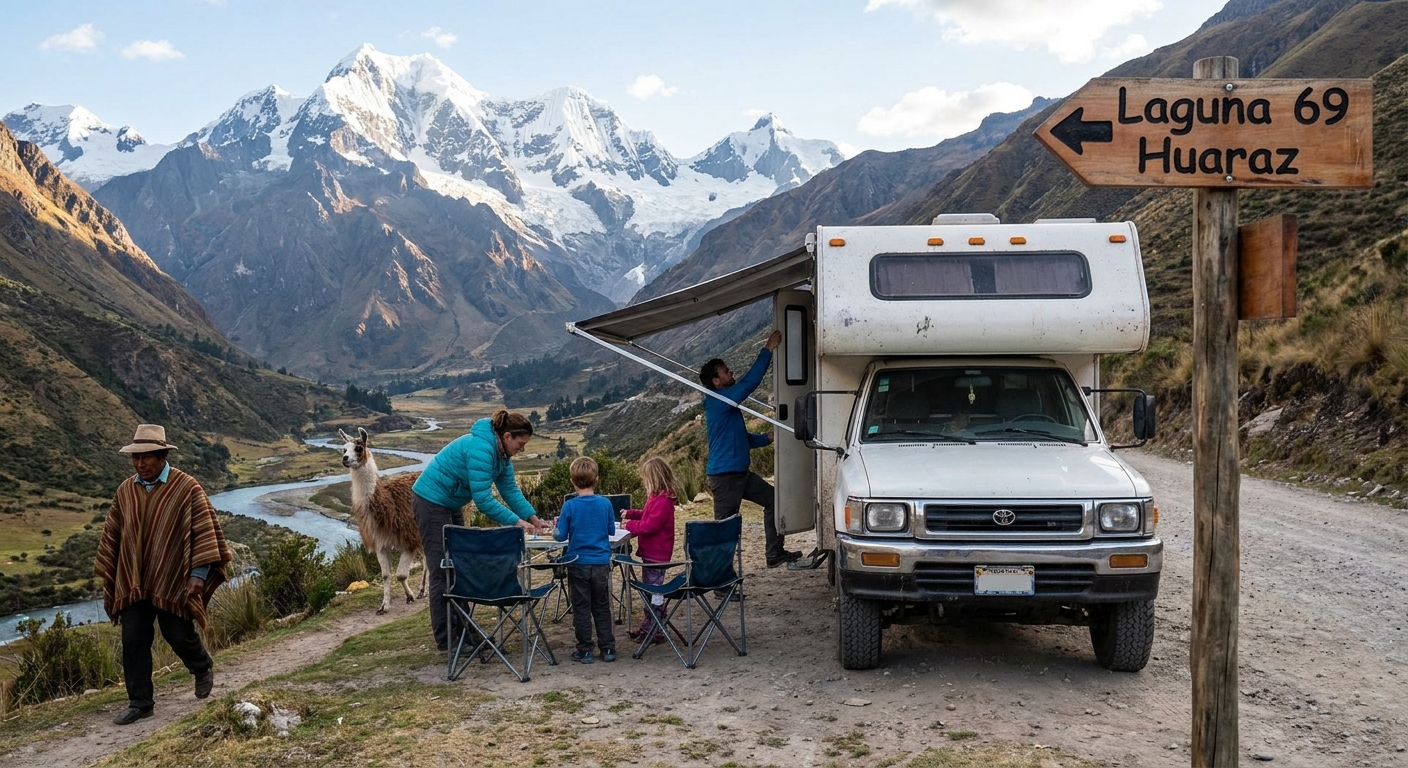
- Community Experiences: Engage respectfully with indigenous communities where possible, learning about their traditions and ways of life, often found in regions like the Peruvian or Bolivian Andes.
Daily Driving Distances & Drive Times in South America
Avi Bandana recommends a maximum of 100 miles or 150 km per day on average when RVing in South America to fully embrace the journey rather than rush through it. This recommendation accounts for varying road conditions, frequent scenic stops, potential border crossing delays, and the importance of arriving at your destination with ample daylight to set up camp. Traveling slowly allows for spontaneous detours, engagement with local communities, and truly soaking in the diverse landscapes. Drive slowly and carefully, and you can drive almost anywhere without issues. No need to stress - just use common sense and pay attention.
- Example Drive Time Estimates:
- Santiago, Chile to Valparaíso, Chile (approx. 120 km / 75 miles): approximately 1.5-2 hours on good highways.
- Pucón, Chile to Puerto Varas, Chile (approx. 200 km / 124 miles): around 3-4 hours on scenic routes with generally good roads.
- Bariloche, Argentina to Villa La Angostura, Argentina (approx. 80 km / 50 miles via Ruta 40): typically 1.5-2 hours, potentially longer with scenic stops on the 'Seven Lakes Route'.
Factoring in stops for fuel, food, and sightseeing, even short distances can take longer than expected, making a relaxed pace crucial. Our system, founded in 2001, has helped tens of thousands of travelers plan their RV adventures, emphasizing this mindful approach to travel.
Best RV Class for This Itinerary - Couple & Family Picks
Choosing the right RV class significantly enhances your South American adventure, balancing comfort, maneuverability, and cost. Bandana Caravan, your true RV specialists, offers a wide selection from over 50 leading RV suppliers worldwide.
- For couples, Avi Bandana recommends a **Class B - Camper Van** due to its compact size and fuel efficiency, making it ideal for navigating diverse South American roads and finding smaller campsites. These vehicles, like the luxury RV rentals example Carthago Malibu 600, typically have an average length of 5.8 meters and sleeping places for around 3 individuals, with an average adult capacity of 2.7, perfect for two travelers seeking agility and ease of parking.
- For families, the **Class C - Alcove** motorhome offers more space and amenities, providing a comfortable home base for multiple travelers. A vehicle like the 24 Class C Motorhome offers an average length of 7.5 meters, 5.8 sleeping places, and capacity for 4.4 adults, providing ample room for families with children, along with additional storage for luggage and gear.
No matter your choice, Avi Bandana's 'Rent&Plan' service combines your RV rental with a ready-made itinerary, crafted by travel experts and accessible via full trip-planning software, eliminating the headache of detailed route logistics.
What is the 3-3-3 rule for RV travel?
The 3-3-3 rule for RV travel is a widely adopted guideline recommending that travelers drive no more than 300 miles (approximately 480 km) in a day, arrive at their destination by 3 PM, and stay for at least 3 nights. This rule is designed to promote a relaxed travel pace, reduce driving fatigue, allow ample time for setup and exploration at each stop, and provide a buffer for unexpected delays. In the South American context, while the '300 miles' might be ambitious due to variable road quality, mountainous terrain, and scenic detours, the principles of arriving early and staying longer are even more vital for enjoying unique locations, navigating border crossings, and ensuring vehicle readiness. Adhering to the 3-3-3 rule can help manage unexpected repairs and avoid driving after dark, which is generally advisable in less familiar or remote areas of South America.
Can you RV in South America?
Yes, RV travel in South America is absolutely possible and offers an unparalleled sense of adventure and freedom, though it requires meticulous planning and preparation due to the continent's diverse geography, varied infrastructure, and complex logistical considerations. Travelers must secure essential documents including an International Driving Permit (IDP) - recommended for visitors from non-English-speaking countries but not mandatory in most cases - vehicle temporary import permits (TIPs) for each country, and potentially multiple entry visas, alongside ensuring comprehensive international medical and vehicle insurance. Border crossings between South American countries can be complex, often requiring specific vehicle paperwork, patience, and readiness to navigate different bureaucratic processes; step-by-step guidance on these procedures is crucial for a smooth journey. Vehicle preparation is paramount, involving robust tires and carrying crucial spare parts, as internet connectivity and access to specialized parts can be sporadic in remote areas. A standard car driver's license is sufficient for all motorhome classes (Class A, Class B, and Class C) with a minimum rental age of 21 and no young driver surcharges.
🎬 Video coming soon
What is the 4-4-4 rule for RV travel?
The 4-4-4 rule for RV travel is a variation of the more common 3-3-3 rule, advocating for driving no more than 400 miles (approximately 640 km), arriving at your destination by 4 PM, and staying for at least 4 nights. This guideline provides even more flexibility for covering slightly longer distances while still emphasizing the importance of daytime driving and extended stays to fully experience each location without feeling rushed. In the context of South America, adapting this rule means recognizing that '400 miles' might be an ambitious daily target given unpaved roads, mountainous passes, and logistical stops, thus requiring flexibility and potentially reducing the mileage component. The 'arrive by 4 PM' and 'stay 4 nights' aspects are highly beneficial in South America, allowing ample time to resolve unexpected vehicle issues, adapt to cultural nuances, and explore off-the-beaten-path attractions. For longer trips, consider our Long-Term RV Rental in South America - Monthly Rates 2026 guide.
How much does a 1 month trip to South America cost?
A 1-month RV trip through South America can vary significantly in cost, typically ranging from $2,500 to $6,000+ USD, depending heavily on factors such as the type of RV rental, fuel prices, specific countries visited, desired level of comfort, and personal spending habits. Detailed cost analysis beyond rental includes fuel (which can vary wildly by country, e.g., Argentina typically cheaper than Chile), camping fees (from free wild camping to $30-50/night for amenities), and food expenses, which can be managed by cooking in your RV. For finding campsites and campgrounds during your trip, we recommend using RV PLANET (rvplan.net) - a great resource for locating available spots along your route. On RV PLANET routes, travelers can itemize and track every expense along the way for easy budgeting. On the routes offered through RV PLANET routes, you can itemize and track every expense along the way for easy budgeting.
Additional expenses to budget for include comprehensive international health insurance (specific for adventure travel), vehicle insurance that covers multiple countries, potential ferry crossings (especially in Patagonia), visa fees, and a contingency fund for unexpected repairs or emergencies unique to South American terrain. Temporary import permits for vehicles (TIPs) cost varying amounts per border, and tolls are common on major highways, requiring small cash payments. Sourcing quality fuel can be a concern in remote areas, and carrying extra filters and fluids can prevent common vehicle issues, adding to the overall preparation cost. For deals, check our RV Rental Deals in South America - Latest Offers 2026 page.
What is the best route to travel through South America?
The Pan-American Highway is widely considered the most iconic and comprehensive route for RV travel through South America, stretching from Colombia down to the tip of Patagonia, offering a spine through diverse landscapes and cultures. Beyond the Pan-American Highway, several alternative routes and scenic regional loops provide equally captivating experiences, such as Chile's Carretera Austral, Argentina's Ruta 40, or the stunning Andean crossings between Chile and Argentina. Detailed road conditions vary dramatically across the continent; while major highways are generally paved and well-maintained, many desirable routes, particularly in Patagonia or mountainous regions, involve gravel, dirt, or challenging unpaved sections. Planning should account for potential challenges like seasonal road closures (e.g., snow in the Andes) and river crossings (some require ferries). Exploring regions like the Atacama Desert in Chile, the Salar de Uyuni in Bolivia (often requiring specialized tours from an RV base), or the Amazon basin (where RV travel is less practical, necessitating side trips) offers unique experiences beyond continuous driving. Consider our Last-Minute RV Rental in South America - What to Expect 2026 if your travel style is more spontaneous.
What is the 2 2 2 rule for RV travel?
The 2-2-2 rule for RV travel is a strict guideline recommending that travelers drive no more than 200 miles (approximately 320 km) in a day, arrive at their campsite by 2 PM, and stay for at least 2 nights. This rule is particularly suited for new RVers, those traveling with children, or anyone prioritizing a very relaxed pace, allowing ample time for leisurely exploration and spontaneous stops without feeling rushed. In the South American context, adhering to the 2-2-2 rule can be highly beneficial, as it provides generous buffers for navigating challenging road conditions, unexpected vehicle issues, and adapting to cultural differences and local driving customs. This approach also maximizes opportunities for deeper engagement with local communities, respectful interaction, and asking for assistance when needed, which is valuable for cultural immersion. Applying the 2-2-2 rule ensures you have daylight for campsite setup, which is crucial for safety and enjoying your surroundings, especially when considering wild camping or less developed sites. For budget planning, our Cheap RV Rental in South America - Budget Guide 2026 offers helpful insights.
What is the safest South American country to go to?
Chile and Uruguay are consistently cited as among the safest countries for tourists, including RV travelers, in South America, characterized by relatively low crime rates, stable political environments, and well-developed tourist infrastructure. While general safety precautions should always be observed, these countries offer a more predictable environment for navigating roads, finding secure camping, and accessing emergency services. For RV travelers, an in-depth health and safety deep dive involves comprehensive travel medical insurance that specifically covers international RV travel and emergency evacuation, as local medical services can vary greatly in quality and accessibility. It's crucial to be aware of common local hazards such as altitude sickness in Andean regions, waterborne illnesses (necessitating water purification methods), and varying road safety standards. Understanding local emergency service availability, how to contact them, and having a satellite communication device for remote areas are critical components of a robust safety plan.
What countries are best for RV trips?
Chile and Argentina are widely regarded as the best countries for RV trips in South America due to their vast and diverse landscapes, generally good infrastructure (especially in tourist regions), and a growing number of RV-friendly services. Both countries offer incredible opportunities for outdoor adventures, from the stunning fjords and glaciers of Patagonia to the dramatic peaks of the Andes and the arid beauty of the Atacama Desert. Ecuador and parts of Colombia are also emerging as excellent RV destinations, particularly for those interested in Andean mountain passes, cloud forests, and vibrant indigenous cultures, though infrastructure may be less developed in some areas. When considering countries, look for established campgrounds (which can range from basic to amenity-rich), the legality and safety of wild camping, and unique options like staying at estancias or hostels that offer parking for RVs. Understanding cultural nuances and etiquette, such as how to respectfully interact with locals, ask for assistance, and navigate local driving customs, is paramount for a positive experience in any country.
What is a must see in South America?
For RV travelers, iconic must-see attractions in South America include the awe-inspiring Patagonia region (shared by Chile and Argentina), known for its majestic mountains, glaciers, and national parks like Torres del Paine and Los Glaciares. While Machu Picchu in Peru isn't directly accessible by RV, it remains a bucket-list destination that can be visited via other transport from an RV base in nearby cities. The otherworldly Salar de Uyuni (Uyuni Salt Flats) in Bolivia offers a truly unique landscape, often requiring specialized guided tours, but RVers can find secure parking in nearby towns. The vibrant culture of cities like Buenos Aires, Argentina, offers a stark contrast to natural wonders, with its tango, exquisite cuisine, and historic neighborhoods. Other highlights include the Atacama Desert in Chile, the Jesuit Missions of the Guaranis in Argentina/Paraguay, and the stunning Iguazu Falls on the border of Brazil and Argentina, which is accessible to RVs from both sides.
What is the nicest country in South America to visit?
The determination of the 'nicest' country in South America is highly subjective and depends entirely on individual preferences for landscape, culture, adventure, and infrastructure, but Chile and Argentina consistently rank high for their stunning natural beauty, diverse offerings, and generally welcoming tourist environments. Chile offers a dramatic north-to-south journey through deserts, mountains, vineyards, and fjords, with relatively well-maintained roads and a strong emphasis on ecotourism. Argentina boasts expansive plains, the majestic Andes, vibrant cities, and world-class wine regions, providing a wealth of experiences for RVers looking for grand landscapes and rich cultural immersion. Other countries like Uruguay offer charming coastal towns and a relaxed atmosphere, while Peru provides ancient history and incredible culinary experiences, though RV infrastructure might be less developed. Ultimately, the 'nicest' country for an RV trip is one that aligns with your specific interests, whether that's extreme adventure, cultural deep-dives, or simply breathtaking scenery. Paradise Family 5 is an excellent choice for a comfortable family adventure in these regions.
What You Shouldn't Miss
Looking for expert insights from Avi Bandana? Top 5 Adventures - recommendations from Avi Bandana:
- Patagonia's Glaciers: Witness the awe-inspiring Perito Moreno Glacier in Argentina's Los Glaciares National Park or the vast icefields of Torres del Paine in Chile.
- Atacama Desert Stargazing: In Chile's Atacama Desert, experience some of the clearest night skies on Earth, ideal for astronomy enthusiasts.
- Andean Mountain Passes: Conquer high-altitude passes like Paso de Jama (border Chile-Argentina) for breathtaking views and a true sense of accomplishment.
- Colchagua Valley Wine Route: Indulge in vineyard tours and tastings in Chile's prime wine region, with many wineries offering RV parking.
- The Seven Lakes Route: Drive Argentina's Ruta de los Siete Lagos between San Martín de los Andes and Villa La Angostura for stunning lake and forest scenery.
- Explore Local Cuisine: From Argentinian parrilladas (BBQ) to Chilean seafood and Peruvian ceviche, savor the diverse culinary delights. For home-cooked meals in your RV, check out our RV-friendly recipes playlist.
Final Thoughts
Embarking on an RV adventure through South America is more than just a vacation; it's an unforgettable journey of discovery. With the freedom of your own rented campervan or motorhome, you're empowered to uncover hidden gems, immerse yourself in vibrant cultures, and connect with some of the world's most spectacular natural wonders. From the ancient landscapes of the Andes to the dramatic beauty of Patagonia, South America truly calls for exploration on your own terms.
Remember, the best trips are those taken at a relaxed pace, allowing you to savor every moment and embrace the unexpected. Let Bandana Caravan be your trusted partner in planning this incredible experience. We’re here to support you before, during, and after your booking, ensuring a transparent and smooth rental process.
So, what are you waiting for? Get inspired for your next trip! Discover top destinations, planning tips, all in one place, and plan a trip itinerary in advance with minimal effort and maximum enjoyment. Your South American RV adventure awaits!
Compare Motorhome Prices for South America now!