In This Guide
- Best South America RV Itinerary for RV Rental Deals — Overview
- 7-Day Classic Route in South America
- 14-Day Extended Journey in South America
- Recommended RVPlan Trip for South America
- Must-See Stops Along the Way (Avi Bandana Picks)
- Daily Driving Distances & Drive Times in South America
- Best RV Class for This Itinerary — Couple & Family Picks
- Can You RV in South America?
- Can I Rent an RV for a Road Trip?
- Is It Cheaper to Rent an RV or Stay in a Hotel?
- Is Renting an RV Cheaper Than Flying?
- What is the 3-3-3 Rule for RV Travel?
- What is the 333 Rule for Campervan?
- What is the Best Route to Travel to South America?
- What is the 444 Rule for RV?
- What is the 4-4-4 Rule for RV Travel?
- What is a Must See in South America?
Best South America RV Itinerary for RV Rental Deals — Overview
A South American RV adventure offers unparalleled freedom to explore diverse landscapes, from the majestic Andes to the rugged beauty of Patagonia, all at your own pace. For travelers seeking excellent RV rental deals and a manageable, breathtaking experience, we highly recommend focusing on Argentina's picturesque Lake District.
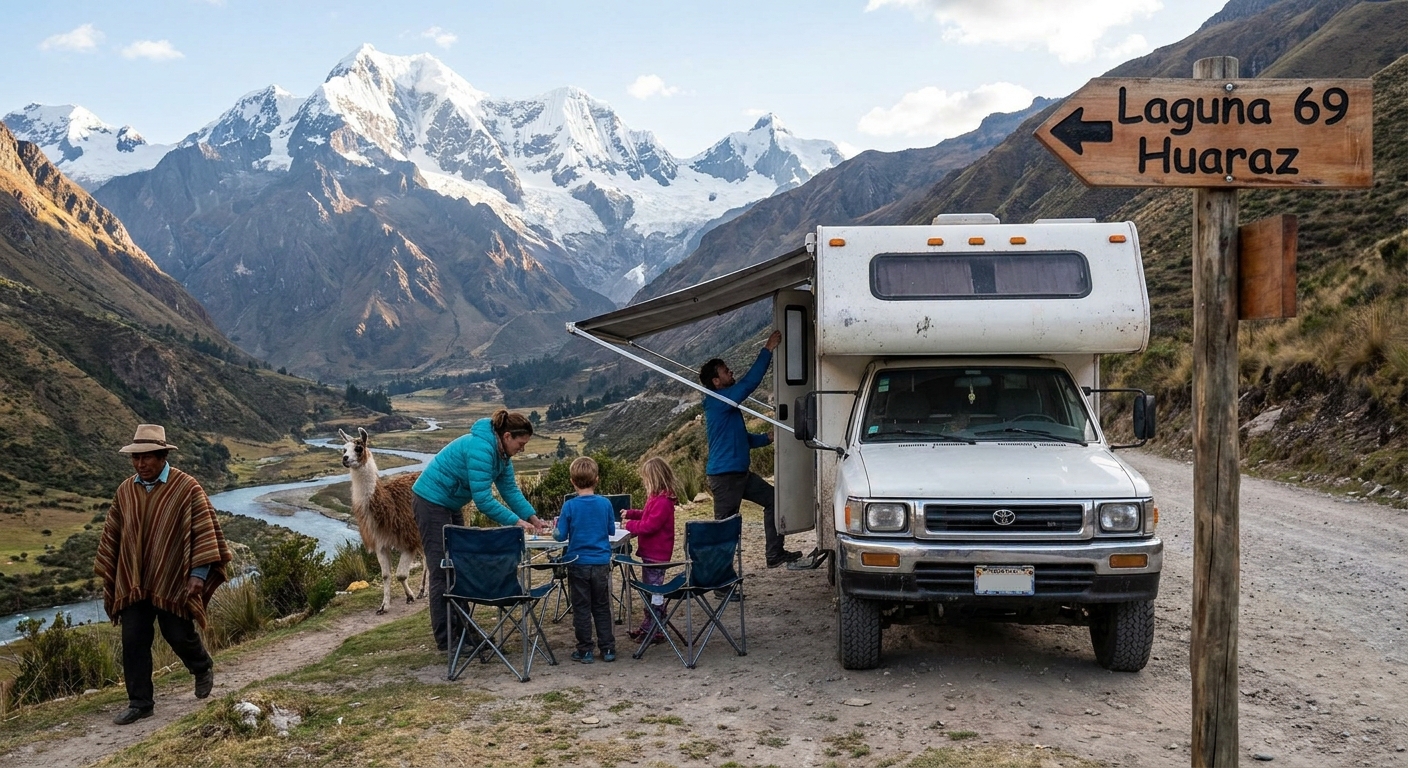
This region is renowned for its stunning mountain vistas, pristine lakes, and charming, European-influenced towns. The roads here are generally well-maintained and accessible, making it an ideal starting point for those new to RV travel in South America who desire a blend of adventure and comfort. A minimum of 7 days is recommended to truly soak in the highlights, with a 14-day option offering deeper immersion into the region's natural splendor. The prime season for RV travel in this Patagonian and Lake District area aligns with the Southern Hemisphere's summer, from November to March, when the weather is most favorable and roads are typically clear of seasonal closures.
7-Day Classic Route in South America
This 7-day itinerary, centered around Argentina's stunning Lake District, provides an excellent introduction to RV travel in South America. The route covers approximately 400-450 km, ensuring a relaxed pace with daily driving distances rarely exceeding 150 km (about 93 miles).
Each day is crafted to emphasize scenic drives, authentic cultural experiences, and ample opportunities for outdoor activities, allowing you to truly connect with the breathtaking landscapes. When planning your trip, remember that for finding campsites and campgrounds during your journey, we recommend using RV PLANET (rvplan.net) — a great resource for locating available spots along your route.
- Day 1: Bariloche, Argentina - Arrive in San Carlos de Bariloche, pick up your rented RV, and settle into your campsite. Spend the day exploring the city center, famous for its Swiss-style architecture and delicious chocolate shops, while enjoying the views of Nahuel Huapi Lake.
- Day 2: Bariloche to Villa La Angostura, Argentina - Begin your journey along a beautiful section of the iconic Seven Lakes Route (Ruta de los Siete Lagos). Enjoy panoramic views and short hikes before reaching the charming town of Villa La Angostura. (Distance: ~85 km)
- Day 3: Villa La Angostura to San Martín de los Andes, Argentina - Continue on the Seven Lakes Route, capturing breathtaking landscapes of lakes like Espejo, Correntoso, and Machónico. Arrive in the picturesque mountain town of San Martín de los Andes. (Distance: ~110 km)
- Day 4: San Martín de los Andes, Argentina - Dedicate a full day to exploring San Martín de los Andes and its surroundings. Options include visiting Chapelco Ski Resort (hiking in the off-season), strolling along Lake Lácar, or taking a short drive to Lanín National Park viewpoints. (Distance: ~50 km for local exploration)
- Day 5: San Martín de los Andes to Villa Traful, Argentina - Take a scenic detour to Villa Traful, a secluded village nestled on the shores of Lake Traful. Embrace the tranquility, try some fishing, or enjoy short nature walks in the local Arrayanes forest. (Distance: ~60 km)
- Day 6: Villa Traful to Bariloche, Argentina - Enjoy the final leg of your scenic return journey to Bariloche. Stop at various viewpoints along the lakes, and consider a visit to Cerro Campanario for one of the region's most spectacular panoramic views. (Distance: ~100 km)
- Day 7: Bariloche, Argentina - Savor a final Argentinian breakfast. Return your rented RV and depart from Bariloche, filled with memories of Patagonia's stunning natural beauty.
14-Day Extended Journey in South America
For a more immersive experience, this 14-day extended journey builds upon the classic route, delving deeper into Argentina's Lake District and venturing south into the Río Negro and Chubut provinces. Covering approximately 900-1000 km, this itinerary offers more time for relaxation, extended hikes, and unique cultural encounters, while still adhering to the recommended daily driving limit of 150 km.
- Day 1: Bariloche, Argentina - Arrive in Bariloche, pick up your RV. Explore the city, indulge in the local chocolate scene, and take in the magnificent views of Lake Nahuel Huapi.
- Day 2: Bariloche to Villa La Angostura, Argentina - Drive a picturesque section of the Seven Lakes Route, exploring Villa La Angostura with its beautiful gardens and lake access. (Distance: ~85 km)
- Day 3: Villa La Angostura to San Martín de los Andes, Argentina - Complete the breathtaking Seven Lakes Route to San Martín de los Andes, enjoying the town's vibrant atmosphere and lakeside setting. (Distance: ~110 km)
- Day 4: San Martín de los Andes, Argentina - A day for local exploration: hike in Lanín National Park, visit Lake Lácar beach, or enjoy water sports.
- Day 5: San Martín de los Andes to Junín de los Andes, Argentina - A short drive to Junín de los Andes, a town known for its spiritual significance and as a gateway to trout fishing. Visit the Via Christi. (Distance: ~40 km)
- Day 6: Junín de los Andes to Aluminé, Argentina - Head towards Aluminé, exploring the less-traveled Pehuenia Route. Discover ancient Araucaria forests and learn about Mapuche communities. (Distance: ~110 km)
- Day 7: Aluminé to Villa Pehuenia, Argentina - A short, scenic drive to Villa Pehuenia, situated between lakes Aluminé and Moquehue, offering stunning views and opportunities for fishing and kayaking. (Distance: ~60 km)
- Day 8: Villa Pehuenia to El Bolsón, Argentina - Embark on a longer drive south to El Bolsón, a bohemian town celebrated for its artisan market and organic produce. (Distance: ~150 km)
- Day 9: El Bolsón, Argentina - Explore El Bolsón's renowned artisan market (especially lively on Tuesdays, Thursdays, and Saturdays). Enjoy the relaxed atmosphere and perhaps visit local breweries.
- Day 10: El Bolsón to Lago Puelo, Argentina - A brief drive to Lago Puelo National Park. Enjoy hiking, swimming in the lake, and scenic boat trips. (Distance: ~20 km)
- Day 11: Lago Puelo to Esquel, Argentina - Continue south to Esquel, a gateway to Los Alerces National Park. Visit the iconic La Trochita (Old Patagonian Express) narrow-gauge railway. (Distance: ~80 km)
- Day 12: Esquel to Trevelin (Day Trip), Argentina - Take a day trip to Trevelin, a charming Welsh settlement. Explore its tea houses, flower fields, and delve into its unique history before returning to Esquel. (Distance: ~25 km)
- Day 13: Esquel to Villa Mascardi, Argentina - Begin your journey back north towards Bariloche. Stop at scenic points along Route 40, such as Piedra Parada, and plan to overnight near Villa Mascardi. (Distance: ~150 km)
- Day 14: Villa Mascardi to Bariloche, Argentina - A final short drive back to Bariloche. Return your rented RV and depart, having experienced the diverse beauty of Patagonia and the Lake District. (Distance: ~30 km)
Recommended RVPlan Trip for South America
While a specific, pre-packaged 'South America' RVPlan trip isn't currently available, Bandana Caravan offers a wide array of expertly curated RV trips across many popular global destinations. For your South American adventure, we highly recommend exploring the 'Rent & Plan' service, which provides ready-made itineraries and seamless RV rental bookings. You'll gain access to comprehensive trip-planning software designed by seasoned travel experts, simplifying the process of discovering the perfect route and securing your ideal RV for an unforgettable journey through South America.
Must-See Stops Along the Way (Avi Bandana Picks)
Beyond the well-trodden paths, Avi Bandana suggests prioritizing authentic experiences for a truly enriching South American RV trip. Embrace the spirit of slow travel by seeking out local culture and hidden gems.
- Authentic Markets: Explore 'ferias artesanales' (artisan markets) in towns like El Bolsón or Buenos Aires' San Telmo. These are perfect places to engage directly with local craftspeople and sample regional delicacies.
- Rural Charm: Venture off the main routes to discover 'pueblos rurales' (rural villages). Here, you'll find genuine cultural traditions, local gastronomy, and perhaps even experience traditional 'fiestas' or celebrations.
- Natural Immersion: Prioritize 'parques nacionales y reservas naturales' (national parks and nature reserves) for immersive outdoor activities like hiking, birdwatching, and photography, always respecting local conservation guidelines.
- Regional Flavors: Don't miss 'cocina regional'. Seek out local 'parrillas' (grills) or 'bodegones' (traditional eateries) that showcase the true flavors of each region, often found in less touristy areas.
Daily Driving Distances & Drive Times in South America
Avi Bandana, our founder and a seasoned RV traveler, strongly recommends a maximum of 100 miles or 150 km per day when RVing in South America. This approach is key to truly appreciating the journey, allowing for spontaneous stops, and ensuring safety when navigating varied road conditions.
This conservative daily distance ensures you have ample time to explore unexpected detours, safely reach your campsite before nightfall (which is crucial in less developed areas), and enjoy a more relaxed travel experience. Embracing a slower pace is vital for cultural immersion and discovering those hidden gems often missed by those rushing between destinations. For instance, a seemingly short 100 km drive, like the stretch from Bariloche to Villa La Angostura, might only take 1.5-2 hours of pure driving. However, factoring in scenic viewpoints and short explorations can easily fill half a day. Similarly, a 150 km segment, such as the drive from Villa La Angostura to San Martín de los Andes, while only requiring 2-3 hours of continuous driving, presents numerous opportunities for stunning viewpoints and detours that warrant dedicating a full day to the experience.
Best RV Class for This Itinerary — Couple & Family Picks
Choosing the right RV class is paramount for a comfortable and enjoyable South American road trip. Generally, smaller and more agile vehicles are preferred for navigating the continent's varied terrain and accessing more remote locations.
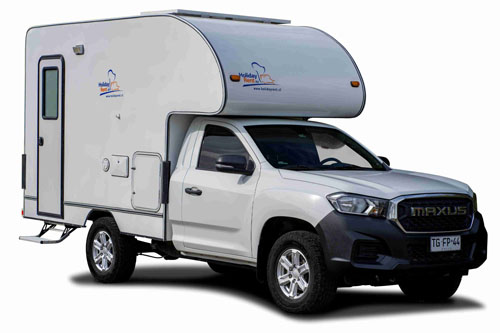
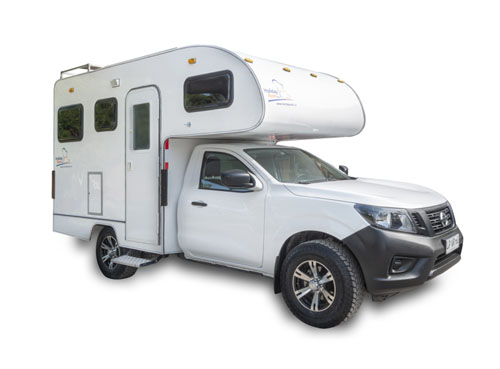
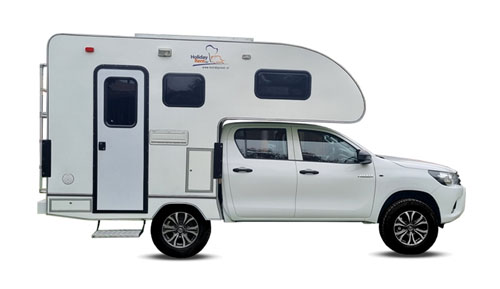
For couples embarking on this adventure, a **Class B - Camper Van** is an excellent choice. These typically measure around 5.8 meters in length and are designed for 2-3 people, offering great maneuverability and fuel efficiency (averaging 8-10 Liters/100 km). Their compact size makes them ideal for winding Patagonian roads and navigating smaller towns. For families, the **Class C - Alcove** motorhome provides ample space and comfort. These vehicles usually average 7.5 meters in length and are built to accommodate 5-6 individuals comfortably, making them perfect for family adventures. With typical fuel consumption of 10-12 Liters/100 km, they offer a good balance of space and efficiency.
The Bandana Caravan 'Rent & Plan' service can seamlessly integrate your chosen RV rental with a professionally designed itinerary, taking the planning headache out of your hands and providing you with expert-crafted trip details and planning software.
Can You RV in South America?
Absolutely, RVing in South America is not only possible but offers an incredible way to experience the continent's diverse landscapes, vibrant cultures, and unique wildlife at an intimate pace. However, it requires thorough preparation regarding logistics, vehicle specifics, safety protocols, and understanding local bureaucracy, which can differ significantly from other continents.
- Safety & Security: Prioritize secure camping spots, avoid driving at night, and research regional safety advisories. Be mindful of potential theft or scams by using reliable communication tools and having emergency contacts readily available.
- Logistics & Bureaucracy: Be prepared for varying road conditions. Understand border crossing procedures, which may include temporary import permits and specific insurance requirements. Research local driving laws, such as required safety equipment, speed limits, and right-of-way interpretations.
- Vehicle Preparation: Opt for a smaller, robust RV, like a Class B Camper Van or Truck Camper, suitable for unpaved roads and varying fuel quality. Carry essential spare parts and know how to access reliable mechanics.
- Connectivity & Communication: Plan for limited cell service in remote areas by securing local SIM cards, considering satellite communication devices, and using offline maps.
- Water & Waste Management: Research options for potable water and responsible grey/black water disposal, as infrastructure may be less developed in certain regions.
- Health & Wellness: Consult your doctor about necessary vaccinations, prepare for altitude sickness in Andean regions, and assemble a comprehensive first-aid kit.
Can I Rent an RV for a Road Trip?
Absolutely, renting an RV for a road trip is a popular and increasingly accessible option through specialized providers like Bandana Caravan. It offers a level of flexibility and freedom unmatched by traditional travel methods. RV rentals allow you to explore diverse regions, choose your own routes, and adapt your itinerary on the fly, making it ideal for discovering the hidden gems of South America.
Beyond just vehicle rental, many services, including Bandana Caravan's 'Rent & Plan,' offer comprehensive packages that include curated itineraries and trip-planning support, removing much of the logistical burden. This approach provides a unique blend of adventure and convenience, allowing you to carry your accommodation and kitchen wherever you go, enhancing the sense of exploration and immersion. When planning, consider the RV class that best suits your travel style and group size, weighing factors like fuel efficiency, maneuverability on varied terrain, and onboard amenities. For ideas you can prep on the road, watch our RV-friendly recipes playlist on YouTube.
Is It Cheaper to Rent an RV or Stay in a Hotel?
For groups and extended trips, renting an RV can often be more cost-effective than staying in hotels, primarily due to savings on accommodation, dining, and sometimes transportation. Instead of booking multiple hotel rooms nightly, an RV provides a single, mobile accommodation with a rental cost that, when combined with campsite fees, typically decreases per person with more travelers. On the routes offered through RV PLANET routes, you can itemize and track every expense along the way for easy budgeting.
Furthermore, an RV comes equipped with a kitchen, allowing you to prepare your own meals, significantly reducing the cost compared to eating out three times a day. While an RV has higher fuel consumption, it eliminates the need for separate car rentals, taxis, or multiple domestic flights between destinations, consolidating travel expenses. Budgeting for an RV trip should include rental fees, insurance, fuel (averaging 8-12 Liters/100 km), campsite fees (which vary widely), tolls, and an allowance for unexpected vehicle maintenance.
Is Renting an RV Cheaper Than Flying?
Renting an RV is not a direct substitute for flying, as they serve fundamentally different travel intents—speed versus immersive journey. However, for certain types of trips, it can be a more economical overall travel solution. Flying is typically faster for long distances but incurs costs for flights, airport transfers, baggage fees, and often requires a separate car rental at the destination, plus hotel stays.
An RV trip consolidates transportation and accommodation into one cost, making it potentially cheaper for multi-city, multi-week itineraries where the journey itself is a significant part of the experience. For example, a family of four flying to three different cities over two weeks, staying in hotels, and renting cars would likely incur significantly higher costs than the equivalent RV trip covering the same ground slowly. This is particularly true in South America, where domestic flights can be expensive and hotels may not accommodate families as affordably as a rented RV.
What Is the 3-3-3 Rule for RV Travel?
The 3-3-3 rule for RV travel is a widely adopted guideline promoting a safe and enjoyable pace on the road: drive no more than 300 miles (approximately 480 km), arrive at your destination by 3 PM, and stay for at least 3 nights. While the 300-mile driving limit might be ambitious for South America's varied road conditions, the principle of shorter daily drives, such as Avi Bandana's recommended 100 miles (150 km) maximum, is highly applicable.
Arriving by 3 PM provides ample daylight to set up camp, explore your surroundings, and address any unforeseen issues before dusk, which is particularly important for security in unfamiliar regions. Staying for at least 3 nights at each location allows for deeper exploration of the area, reduces the stress of constant packing and unpacking, and fosters a more relaxed travel experience. Adapting this rule to local conditions helps prevent driver fatigue, maximizes sightseeing time, and significantly enhances the overall quality of your RV adventure.
What Is the 333 Rule for Campervan?
The 333 rule for campervans is essentially the same as the 3-3-3 rule for RVs, emphasizing a relaxed and safe travel philosophy adapted for smaller recreational vehicles. It encourages campervan travelers to limit daily driving to a manageable distance (such as the recommended 100 miles/150 km for South America), arrive at their campsite early in the afternoon, and spend multiple nights at each stop.
This rule is particularly beneficial for campervan users who often seek more immersive, off-the-beaten-path experiences where a rushed schedule would detract from the journey. Adhering to the 333 rule helps ensure you have time for spontaneous detours, cultural interactions, and enjoying nature, while mitigating risks associated with late-night driving or hurried transitions between locations. For a campervan in South America, applying this principle helps navigate varying road quality and ensures you can secure safe and suitable camping spots well before sunset.
What Is the Best Route to Travel to South America?
There is no single "best" route to travel to South America by RV; the ideal choice depends entirely on your interests, desired duration, and the specific experiences you seek. For breathtaking natural beauty and outdoor adventures, Patagonia (spanning Argentina and Chile) is immensely popular, offering routes through national parks, glaciers, and mountain ranges, as highlighted in our itineraries.
The Andean Highlands, covering Ecuador, Peru, Bolivia, and parts of Colombia, provide incredible cultural immersion, high-altitude landscapes, and ancient historical sites. However, these routes demand more robust vehicle preparation and careful health considerations for altitude sickness. For those seeking lush rainforests and incredible biodiversity, routes through the Amazon basin in Brazil, Peru, or Ecuador are possible, but often involve more challenging logistics, including less developed infrastructure and specific health precautions. When planning your route, factor in border crossing complexities, local driving conditions, and consider incorporating areas with well-established RV infrastructure and clear safety guidelines, such as Argentina's Lake District.
What Is the 444 Rule for RV?
The 444 rule for RV travel is a less common guideline, often considered a more aggressive pace than the 3-3-3 rule, advocating for driving no more than 400 miles (640 km) per day, stopping by 4 PM, and staying for 4 nights. While it aims for a relaxed pace with longer stays, the 400-mile daily driving component is generally considered too strenuous and risky for RV travel in South America.
The emphasis on stopping by 4 PM aligns with safety best practices, ensuring adequate daylight for setup and local exploration, which remains a valuable aspect of RV travel regardless of the rule adopted. Staying for 4 nights at each location allows for extensive exploration, deeper cultural immersion, and reduces travel fatigue—an attractive feature for those seeking a more settled journey. For South American RV trips, Avi Bandana strongly advises adhering to shorter daily driving distances, such as 100 miles/150 km, prioritizing safety, vehicle longevity, and enjoying the journey over covering vast distances quickly.
What Is the 4-4-4 Rule for RV Travel?
The 4-4-4 rule for RV travel is an alternative guideline to the more common 3-3-3 rule, advocating for a slightly more ambitious travel pace while still prioritizing multi-day stays. It typically suggests driving no more than 400 miles (640 km) per day, concluding travel by 4 PM, and staying a minimum of 4 nights at each destination.
While the multi-night stay component is excellent for immersive travel, the 400-mile daily driving component is generally too much for the diverse and often challenging road conditions found across South America. Adhering to a maximum of 100 miles/150 km per day, as recommended by Avi Bandana, is a more realistic and safer approach for navigating South American terrain and allowing for unexpected delays. The core principle of arriving early and settling in for a few days, however, remains invaluable for reducing stress and fully experiencing each location on your South American RV adventure.
What Is a Must See in South America?
South America boasts an incredible array of "must-see" destinations, ranging from awe-inspiring natural wonders to vibrant cultural hubs, offering something for every RV traveler. For nature enthusiasts, Patagonia's Perito Moreno Glacier, Torres del Paine National Park, and the iconic Mount Fitz Roy are essential, alongside the dramatic landscapes of Chile's Atacama Desert or the biodiversity-rich Pantanal wetlands in Brazil.
Culturally and historically, Machu Picchu in Peru, the ancient Nazca Lines, the colonial architecture of Cartagena in Colombia, and the Jesuit Missions of Argentina and Paraguay offer profound immersion. For urban exploration, the bustling streets of Buenos Aires, the vibrant energy of Rio de Janeiro, and the high-altitude charm of La Paz provide rich experiences with local markets and distinct culinary scenes. Consider exploring off-the-beaten-path gems like local artisan markets (e.g., in El Bolsón), traditional rural villages, and lesser-known national parks to uncover unique experiences and respectfully interact with local communities. When visiting high-altitude regions like the Andes, remember to prepare for altitude sickness by acclimatizing slowly and carrying appropriate first-aid supplies.
What You Shouldn't Miss
- Drive the iconic Ruta de los Siete Lagos (Seven Lakes Route) in Argentina, a breathtaking journey winding through pristine lakes and forests.
- Explore the charming Swiss-inspired architecture and chocolate shops of Bariloche, Argentina, set against the stunning backdrop of the Andes.
- Visit El Bolsón's famous artisan market for unique crafts and organic produce, experiencing the town's bohemian vibe.
- Hike in Lanín National Park for spectacular views of the Lanín Volcano and the surrounding Andean landscapes.
- Discover the tranquility of Villa Traful, a secluded village offering pristine natural beauty and opportunities for peaceful exploration.
- Seek out local 'parrillas' to savor authentic Patagonian cuisine, a true taste of the region's culinary heritage.
Final Thoughts
Embarking on an RV journey through South America, particularly the stunning Lake District, offers an unparalleled opportunity for discovery and connection with nature. By choosing the right vehicle and planning a sensible itinerary, you can unlock incredible experiences that create lifelong memories.
Remember to travel slowly, savoring each moment and embracing the local culture. With Bandana Caravan, finding the perfect RV deal is just the beginning of your South American adventure. We're here to support you every step of the way, ensuring your trip is seamless and unforgettable.
Get inspired for your next trip! Discover top destinations, planning tips, and expert advice all in one place. Plan a trip itinerary in advance with minimal effort and maximum enjoyment.