In This Guide
- Best South Africa RV Itinerary for Seniors - Overview
- 7-Day Classic Route in South Africa
- 14-Day Extended Journey in South Africa
- Recommended RVPlan Trip for South Africa
- Must-See Stops Along the Way (Avi Bandana Picks)
- Daily Driving Distances & Drive Times in South Africa
- Best RV Class for This Itinerary - Couple & Family Picks
- Is South Africa safe for seniors?
- How much does it cost to rent an RV in South Africa?
- What is the best month to RV in South Africa?
- What kind of RV do you need for South Africa?
- Are South Africa roads good for RVs?
- What are the best RV parks in South Africa for seniors?
- Can I rent an RV with no mileage limit in South Africa?
- What should I pack for an RV trip in South Africa?
- What is the average gas mileage for an RV in South Africa?
- How do you plan an RV trip in South Africa?
Best South Africa RV Itinerary for Seniors - Overview
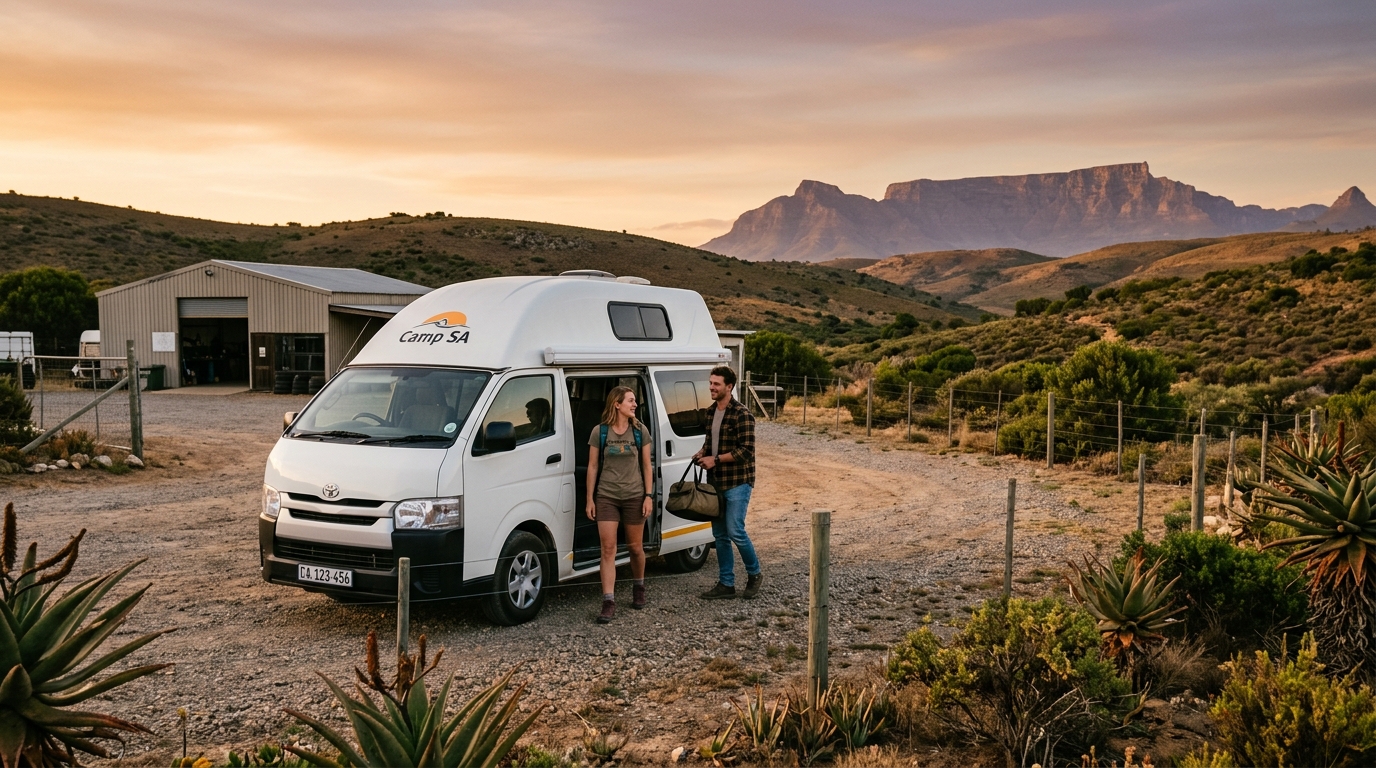
A senior-friendly RV itinerary in South Africa typically focuses on a relaxed pace, combining iconic natural beauty with enriching cultural experiences while minimizing daily driving. Imagine leisurely mornings enjoying coffee in your rented motorhome, followed by short, scenic drives to your next destination. For live availability and current prices, start with our RV Rental South Africa - Complete Guide 2026 guide. A recommended journey, such as the famous Garden Route, covers approximately 1,200 km (750 miles) over a minimum of 7 days, ideally extended to 14 days for a more immersive and comfortable experience. The best season for this type of travel is generally autumn (March to May) or spring (September to November) to avoid extreme temperatures and the busiest holiday crowds. This offers pleasant weather for exploring national parks and charming towns, ensuring a comfortable and memorable RV rental adventure.7-Day Classic Route in South Africa
This 7-day classic RV itinerary in South Africa offers a balanced exploration of the stunning Western and Eastern Cape, perfect for seniors. The route minimizes driving distances to ensure a relaxing pace.- Day 1: Cape Town → Stellenbosch (50 km / 30 miles) - Start your adventure by picking up your rented RV in Cape Town. Drive to Stellenbosch, exploring its historic town and a renowned wine estate. Enjoy a restful night at a Stellenbosch wine farm campsite.
- Day 2: Stellenbosch → Hermanus (100 km / 60 miles) - Take a scenic coastal drive towards Hermanus, world-famous for seasonal whale watching (July-November). Spend your evening at a welcoming Hermanus caravan park.
- Day 3: Hermanus → Mossel Bay (150 km / 90 miles) - Continue along the beautiful N2 coastal route, stopping to visit the historic Diaz Museum in Mossel Bay. Enjoy comfortable amenities at a Mossel Bay resort campsite.
- Day 4: Mossel Bay → Knysna (100 km / 60 miles) - Drive through lush forests as you approach Knysna. Explore the iconic Knysna Heads and the vibrant town center. A lagoon-side caravan park in Knysna offers picturesque overnight parking.
- Day 5: Knysna → Plettenberg Bay (30 km / 20 miles) - A short, relaxed drive to Plettenberg Bay allows ample time to relax on its beautiful beaches or visit local attractions like Monkeyland. Find comfortable lodging at a Plettenberg Bay resort.
- Day 6: Plettenberg Bay → Storms River Mouth (Tsitsikamma) (70 km / 45 miles) - Head into the breathtaking Tsitsikamma National Park. Enjoy gentle hikes and the iconic suspension bridge at Storms River Mouth. Camp overnight at a well-equipped SANParks Storms River Mouth campsite.
- Day 7: Storms River Mouth → Gqeberha (Port Elizabeth) (160 km / 100 miles) - Conclude your memorable Garden Route journey with a final drive to Gqeberha (Port Elizabeth) for your RV drop-off.
14-Day Extended Journey in South Africa
An extended 14-day RV journey through South Africa allows for deeper cultural and wildlife immersion, ideal for a senior rv rental for adventure. This itinerary builds upon the classic Garden Route, adding the unique experiences of the Eastern Cape and Karoo.- Days 1-7: Follow the '7-Day Classic Route' from Cape Town to Gqeberha (Port Elizabeth), allowing for deeper exploration at each stop. This provides a solid foundation of coastal beauty and charming towns.
- Days 8-9 (Eastern Cape Safari): Gqeberha → Addo Elephant National Park (80 km / 50 miles) - Drive to Addo Elephant National Park, South Africa's third-largest national park, and experience a spectacular Big Five safari. Secure a tranquil spot at a SANParks Addo campsite for two nights, immersing yourselves in the bushveld.
- Day 10 (Historical Route): Addo → Graaff-Reinet (260 km / 160 miles) - Journey into the semi-arid Karoo, a landscape of vast plains and dramatic geological formations. Explore the historic town of Graaff-Reinet and the stunning Valley of Desolation. A comfortable Graaff-Reinet caravan park offers a peaceful overnight stay.
- Day 11 (Karoo Charm): Graaff-Reinet → Oudtshoorn (280 km / 175 miles) - Continue your drive through the unique Karoo landscape to Oudtshoorn, often called the 'Ostrich Capital' of the world. Settle into an Oudtshoorn resort for a comfortable stay.
- Day 12 (Cango Caves & Ostriches): Oudtshoorn (local exploration) - Dedicate a full day to local exploration, visiting the magnificent Cango Caves and enjoying an educational tour of an Ostrich Farm. You can even try cooking some fresh local ingredients in your RV's kitchen – don't forget to check out our RV-friendly recipes playlist for inspiration!
- Day 13 (Route 62 Scenery): Oudtshoorn → Montagu (200 km / 125 miles) - Traverse the scenic Route 62, enjoying charming small towns, vineyards, and ever-changing landscapes. Find a pleasant Montagu caravan park for your penultimate night.
- Day 14 (Return to Cape Winelands): Montagu → Stellenbosch/Cape Town (180 km / 110 miles) - Conclude your extended adventure by returning to the picturesque Winelands or Cape Town for your rented RV drop-off, allowing for final souvenir shopping or a farewell dinner.
Recommended RVPlan Trip for South Africa
As an RV PLANET trip for South Africa has not been specifically matched, Bandana RV recommends exploring the diverse range of pre-designed itineraries available through our 'Rent&Plan' service. These curated route plans provide detailed routes, points of interest, and campsite suggestions, removing the planning headache for seniors looking for a hassle-free adventure. You can browse itineraries tailored to different durations and interests on the rvplan.net platform to find the perfect South African RV experience. Our 'Rent&Plan' service is designed to simplify your journey, offering full access to trip-planning software so you can focus on the adventure, not the logistics. You can even itemize and track every expense along the way for easy budgeting with our RV PLANET routes. This ensures full transparency and no surprises in your trip costs.Must-See Stops Along the Way (Avi Bandana Picks)
Looking for expert insights from Avi Bandana? Here are Top 5 Adventures — recommendations from Avi Bandana for an enriching RV journey:- Local Markets: Visit local markets like the Stellenbosch Slow Market for authentic crafts and produce. These markets offer a genuine taste of local culture and are perfect for picking up fresh ingredients for your motorhome kitchen.
- Hermanus Seafood: Don't miss a traditional restaurant experience at a Hermanus seafood eatery. Savor fresh catches while enjoying breathtaking ocean views, especially during whale season.
- Oudtshoorn Ostrich Farms: For a unique local industry insight, a tour of an ostrich farm in Oudtshoorn provides a fascinating glimpse into a cornerstone of the Karoo economy and a memorable experience.
- Route 62 Small Towns: Engage with local communities through small-town visits along Route 62. This allows for genuine cultural immersion, experiencing the warmth of South African hospitality and discovering hidden gems.
- Tsitsikamma National Park: Embrace the lush beauty of Tsitsikamma National Park with its dramatic coastal scenery and indigenous forests. Enjoy gentle walks and discover the iconic suspension bridge at Storms River Mouth.
Daily Driving Distances & Drive Times in South Africa
Avi Bandana recommends a maximum of 100 miles or 150 km per day on average for a senior-friendly RV trip in South Africa, emphasizing a leisurely pace over rushed travel. This allows ample time to enjoy the scenery, explore towns, and relax at campsites, significantly enhancing the overall travel experience. For example, the drive from Cape Town to Hermanus (approximately 120 km) takes about 1.5 to 2 hours, excluding stops and scenic detours. The journey from Knysna to Storms River Mouth (around 70 km) is typically a 1-hour drive, offering plenty of time for national park activities without feeling rushed. Longer stretches, such as Gqeberha to Graaff-Reinet (260 km), can take 3 to 3.5 hours of driving, and it's advisable to factor in additional rest stops and breaks. This approach aligns with our philosophy: travel slowly, max 100-150 km per day on average. Take time to feel the place, connect to the culture, the food, and the scenery.Best RV Class for This Itinerary - Couple & Family Picks
Choosing the right RV for your South Africa adventure is key to comfort and enjoyment, with options like campervans and motorhomes catering to different group sizes and preferences. For couples, the Class B - Camper Van is an ideal choice for this South African itinerary, offering maneuverability and comfort for two. Bandana's global fleet Class B campervans, such as the "2 Berth Hi Top" or "Active Classic", typically average 5.8 meters in length, providing a compact yet functional space with an average of 3.2 sleeping places, perfect for navigating diverse South African roads and campsites. These models often come with essentials like a front air conditioner, shower, and toilet. For families traveling with seniors, a larger Class C - Alcove motorhome provides ample space and amenities, accommodating larger groups comfortably. Bandana's global fleet Class C vehicles, like the "24' Class C Motorhome" or "4 Berth Deluxe", average 7.5 meters in length and feature an average of 5.8 sleeping places, making them suitable for 4.4 adults on average, ensuring everyone has their own space. These typically include front air conditioning, a shower, and a toilet. Our 'Rent&Plan' service combines rv rental for with a ready-made itinerary, curated by travel experts, offering full access to trip-planning software to remove the planning headache for all travelers.Is South Africa safe for seniors?
South Africa can be safe for seniors traveling by RV, especially when adhering to recommended safety guidelines and planning routes carefully, focusing on well-traveled areas. It's about being informed and taking sensible precautions, just like in any new travel destination. RV-specific safety includes securing overnight parking, preferably within reputable caravan parks, gated resorts, or designated SANParks campsites, which often have 24-hour security. You'll find a spot. If not at the first campground, then the next one. Call ahead before driving. Theft prevention for RVs involves basic precautions like not leaving valuables in sight, locking all doors and windows, and being aware of surroundings, especially in urban centers or remote fuel stops. Road safety precautions for larger vehicles mean driving defensively, adhering to speed limits (which can be lower for RVs), being mindful of wildlife on rural roads, and avoiding night driving outside of well-lit urban areas. Emergency protocols should include having local emergency numbers (10111 for police, 10177 for ambulance) readily available, carrying a fully charged cell phone, and considering a local SIM card for better connectivity in remote areas.How much does it cost to rent an RV in South Africa?
The cost to rent an RV in South Africa varies significantly based on RV type, rental duration, season, and additional services, but comprehensive budgeting extends beyond just the rental fee. While daily rv rental for costs typically range from ZAR 1,000 to ZAR 3,500 (approximately $55-$190 USD) for a standard campervan or motorhome, this price doesn't cover all travel expenses. For more detailed pricing insights, refer to our "RV Rental in South Africa - Prices and Best Deals 2026" guide or explore options for a "Luxury RV Rental in South Africa - Premium Prices 2026". Realistic costs for fuel can be substantial, with diesel and petrol prices fluctuating; plan for potentially 10-12 Liters/100 km depending on the RV class, adding significantly to the overall budget. Diverse camping fees range from ZAR 150 to ZAR 600+ per night ($8-$33 USD) for basic to luxury sites, including national park entrance fees like SANParks conservation fees (ZAR 340/day for international visitors to Kruger). Budget for grocery shopping for RV meals, activity costs (safaris, tours), and a contingency fund of at least 15-20% for unforeseen circumstances like minor repairs or unexpected detours. This detailed planning is crucial for an enjoyable and transparent trip.What is the best month to RV in South Africa?
The best months to RV in South Africa for seniors are generally during the shoulder seasons of autumn (March to May) and spring (September to November), offering mild weather and fewer crowds. Optimal seasonality significantly impacts the RV experience, as these periods provide comfortable temperatures for driving and outdoor activities without the intense heat of summer or the chill of winter. Routes are generally more accessible and pleasant during these months; for instance, the Garden Route is beautiful in spring with blooming fynbos, while the Kruger area in autumn transitions from lush to drier, enhancing wildlife viewing as animals gather at waterholes. Campsite availability and booking are easier outside of peak December/January holidays and Easter, allowing for more flexibility in your itinerary. Specific weather challenges during other seasons include summer rains in the eastern parts (e.g., Kruger, KwaZulu-Natal) which can make some roads muddy, and winter cold in certain high-altitude regions or the Karoo, necessitating adequate heating in your rented RV. Consider checking "RV Rental Deals in South Africa - Latest Offers 2026" for these shoulder seasons.What kind of RV do you need for South Africa?
The kind of RV needed for South Africa depends largely on your itinerary, preferred comfort level, and the terrains you plan to traverse, with common options including campervans, semi-integrated, and alcove motorhomes. For couples seeking maneuverability and efficiency on tarred roads, a smaller Class B - Camper Van, like the "Active Standard", is often sufficient, providing easy driving and parking at most campsites. If your itinerary includes some well-maintained gravel roads or a desire for a slightly higher clearance to access more remote, yet still established, campsites, a robust Class SI - Semi-integrated model offers a good balance of comfort and capability. For those planning extensive safari experiences or venturing into areas like the Tankwa Karoo or specific sections of national parks (where allowed), a 4x4 campervan or truck camper might be considered, though these are specialized and not necessary for standard tourist routes like the Garden Route. Larger motorhomes (Class C - Alcove or Class A - Integrated) are excellent for comfort and space on main tarred routes but require drivers to be confident with bigger vehicles. Drive slowly and carefully, and you can drive almost anywhere without issues. No need to stress - just use common sense and pay attention.Are South Africa roads good for RVs?
South Africa's main arterial roads and popular tourist routes, such as the N1, N2, and N7, are generally well-maintained and suitable for RVs, but conditions can vary significantly off the primary network. Detailed advice on navigating different road types is crucial: while major routes are tarred, secondary roads and access routes to some campsites or game reserves might be gravel (dirt), requiring slower speeds and more cautious driving. Specific traffic laws for RVs include adhering to lower speed limits (often 100 km/h on national roads and 80 km/h on secondary roads for vehicles over 9 tonnes) and ensuring proper vehicle weight distribution. Note that South Africa drives on the left side of the road. Toll roads are common on national routes, particularly around major cities; ensure you have cash or a credit card, as some tolls do not accept card payments, or consider an e-tag for convenience. Dealing with animals on the road is a significant concern, especially in rural areas, during dusk or dawn; look out for livestock (cattle, goats, sheep) and wildlife, especially in areas bordering national parks. City driving challenges for RVs include narrow streets, heavy traffic, and limited parking; planning routes that bypass city centers or parking at designated RV-friendly spots on the outskirts is advisable. Reliable GPS/mapping solutions like Google Maps or Maps.me (for offline use) are essential, but always cross-reference with up-to-date physical maps or local advice, as digital maps may not always reflect the latest road conditions, especially for gravel tracks.What are the best RV parks in South Africa for seniors?
The best RV parks in South Africa for seniors typically offer a balance of security, good amenities, accessibility, and a peaceful environment, often located near natural attractions. Top picks include facilities within SANParks (South African National Parks) such as Storms River Mouth Rest Camp in Tsitsikamma or Berg-en-Dal in Kruger, which provide secure overnight parking, essential utilities, and direct access to nature. Private caravan parks and resorts along the Garden Route, like those in Knysna or Hermanus, are also highly rated for their scenic locations, excellent amenities (power, water, ablutions, often laundry facilities), and accessibility. Many senior-friendly parks offer level stands, easy access to ablution blocks, and sometimes even shaded areas, catering to comfort and ease of movement. For enhanced RV-specific safety, these established parks often have controlled access, security patrols, and a community atmosphere, allowing seniors to feel secure and enjoy their stay without constant worry about theft or disturbances. For finding campsites and campgrounds during your trip, we recommend using RV PLANET (rvplan.net) - a great resource for locating available spots along your route.Can I rent an RV with no mileage limit in South Africa?
Renting an RV with no mileage limit in South Africa is generally uncommon, with most rental agreements including a set number of kilometers per day or a total for the rental period, with additional kilometers charged extra. It is crucial to clarify the mileage policy with your chosen rental company before booking, as unlimited mileage options are rare and, if available, may come at a significantly higher daily rate. Understanding these terms is vital for detailed RV budgeting beyond just the rental cost, as exceeding mileage limits can substantially increase your overall expenditure. Typical included mileage can range from 200 km to 300 km per day, or a total package for longer rentals, so planning your itinerary according to these limits can help manage costs. When comparing rental quotes, always inquire about the included mileage and the cost per additional kilometer to avoid surprises, especially if your itinerary involves significant distances across the country. For options, you might look into "One-Way RV Rental in South Africa - Price Guide 2026" which often comes with specific mileage terms.What should I pack for an RV trip in South Africa?
For an RV trip in South Africa, seniors should pack a combination of practical items for varied climates, comfortable attire, and essential health and safety supplies. Clothing should include layers suitable for warm days and cooler evenings, especially in shoulder seasons; bring comfortable walking shoes, a wide-brimmed hat, and swimwear. Essential health items include all prescription medications (with copies of prescriptions), a basic first-aid kit, insect repellent (especially for malaria-risk areas in the north-east like Kruger), and high-factor sunscreen. Practical RV items include travel adaptors (Type M for South Africa), a sturdy flashlight, binoculars for wildlife viewing, and a good camera. Documents like passports, driver's licenses (an International Driving Permit is recommended for non-SA licenses), travel insurance details, and copies of all bookings should be easily accessible and stored securely. Packing light is always a good idea, as space in any rented campervan or motorhome is finite.What is the average gas mileage for an RV in South Africa?
The average gas mileage for an RV in South Africa varies by vehicle class and driving conditions, but generally ranges from 10 to 17 Liters per 100 km, directly impacting your detailed RV budgeting. For instance, Class B - Camper Vans, which are popular for couples and include models like the "2 Berth Hi Top", typically consume around 8-10 Liters/100 km, offering better fuel efficiency due to their smaller size and lighter build. Larger Class SI - Semi-integrated motorhomes generally fall into the 10-11 Liters/100 km range, while Class C - Alcove models, providing more space for families, typically consume 10-12 Liters/100 km. The largest Class A - Integrated motorhomes may consume 11-12 Liters/100 km, but specific models might have higher figures. These figures are based on Bandana's global fleet averages and can be influenced by terrain, vehicle load, and driving style. Remember, Bandana Caravan aims for full transparency, helping you understand all potential costs.How do you plan an RV trip in South Africa?
Planning an RV trip in South Africa involves considering optimal seasonality, selecting a suitable RV, mapping a senior-friendly itinerary, and preparing for practical logistics and safety on the road. Begin by choosing the best month to RV, ideally during shoulder seasons (March-May or Sept-Nov), for comfortable weather and fewer crowds, which directly impacts the experience. Select the right rv rental for type based on your group size and intended routes; for example, a Class B Camper Van for couples on tarred roads or a Class C Alcove for families needing more space, considering vehicle suitability for different terrains. Map out a detailed itinerary, respecting daily driving distances of no more than 100 miles/150 km, to allow for a relaxed pace and time for cultural and experiential immersion beyond just wildlife. Address practical driving logistics, including understanding road conditions (tarred vs. gravel), specific traffic laws, toll roads, and navigating city driving challenges for RVs, alongside planning for connectivity, utilities (water, dump stations), and potential maintenance services on the road. Prioritize RV-specific safety and security by pre-booking reputable and secure overnight parking, understanding emergency protocols, and budgeting comprehensively for all expenses, including fuel and national park entrance fees. For a broader perspective on the continent, explore our "RV Rental Africa - Complete Guide 2026".What You Shouldn't Miss
- Strolling through the historic streets of Stellenbosch and enjoying a wine tasting at a local estate (with a designated driver for your rented motorhome, of course).
- Experiencing the thrill of seasonal whale watching (July to November) in Hermanus from a coastal viewpoint or boat tour.
- Taking a cable car ride up Table Mountain in Cape Town for panoramic views of the city and coastline.
- Embarking on a Big Five safari drive through Addo Elephant National Park, witnessing magnificent wildlife in their natural habitat.
- Exploring the dramatic geological formations and breathtaking vistas of the Valley of Desolation near Graaff-Reinet.
- Visiting the fascinating Cango Caves and an ostrich farm in Oudtshoorn for unique insights into the region's natural and agricultural heritage.
🎬 Video coming soon